1. Overview
Heaton Public School is a public primary school serving families in Jesmond, NSW. As a medium-sized government school, it focuses on inclusive, wellbeing-centered learning that supports students from Kindergarten to Year 6. The school typically features class sizes in the low-to-mid 20s, with a strong emphasis on building foundational literacy and numeracy skills in a supportive, respectful environment. The atmosphere is described as inclusive and nurturing, with a culture that encourages student voice, teamwork, and positive social development.
⸻
2. Academics & Learning
- Academic strengths: Strong focus on literacy and numeracy foundations, with ongoing emphasis on digital literacy, STEM activities, and core English and mathematics skills.
- Special programs: Access to targeted interventions and support for diverse learners; opportunities for student enrichment in areas such as STEM and the arts; programs to support gifted and talented learners where available.
- NAPLAN / trends: NSW public primary schools typically show stable or improving trends in reading, writing, and numeracy over time; specific yearly trends for Heaton Public School are best reviewed in the school’s published annual reports.
- Student-teacher ratios: Class sizes generally around 20–25 students per class with a typical student-teacher ratio in the primary range, allowing some differentiation and small-group support.
- Support for diverse learners: EAL/D support and dedicated SEN support, with inclusive practices and an integrated support team to assist students with varying learning needs.
⸻
3. Sports & Extracurricular Strengths
- Sports offered: Common primary-school offerings include soccer, cricket, netball, rugby league and athletics, with opportunities for swimming and cross-country as part of NSW programs where available.
- Strong teams or achievements: The school participates in local inter-school sport events and district-level competitions; success varies year by year, with opportunities for a range of sports across age groups.
- Music, arts, drama programs: Active music and performing arts programs, occasional school productions, and opportunities to participate in choirs or ensembles; visual arts activities are integrated into the curriculum.
- Clubs: Robotics, coding, chess, debating and other clubs are typically available or run as after-school activities, depending on staff and volunteer availability.
- Partnerships: Partnerships with local community groups and regional competitions for sport and technology activities, providing broader pathways for student participation.
⸻
4. Wellbeing & Pastoral Care
- Anti-bullying approach: Clear anti-bullying policies and proactive safeguarding practices; emphasis on a respectful school culture and student well-being.
- House system: A house structure is used to foster belonging, teamwork, and positive competition during school events and activities.
- Counsellors / wellbeing officers: Access to school-based wellbeing staff and allied health supports to assist students with social, emotional, or behavioural concerns.
- Transition support for new students: Orientation programs, buddy systems and targeted supports to help new students settle into the school community.
⸻
5. Facilities
- Sports grounds: On-site outdoor spaces suitable for physical education and sporting activities.
- Libraries: Central library with a range of reading materials and quiet study areas.
- Science labs: Primary-level science facilities to support hands-on experiments and inquiry-based learning.
- Music/performing arts centers: Dedicated spaces or rooms for music, drama, and rehearsals.
- Tech/innovation labs: Basic technology/STEAM resources to support coding and digital literacy.
- Cafeteria: On-site or partnered canteen facilities for lunch orders and daily meals.
- Updated playgrounds: Modern play areas with equipment appropriate for primary students.
⸻
6. School Values & Community Culture
- School values / mission: A mission centered on respect, inclusion, resilience and personal growth; emphasis on student voice and agency within a supportive community.
- Leadership style: Collaborative and student-centered, with opportunities for student leadership through clubs, student councils or class roles.
- Behaviour expectations: Clear codes of conduct focusing on positive behavior, respect for others, and responsibility.
- Community reputation: Generally regarded as a welcoming, family-friendly public school within the local community.
- Diversity & inclusion: Commitment to inclusive practices, cultural respect, and support for families from diverse backgrounds.
⸻
7. School Logistics & Daily Operations
- School hours: Typical primary school hours (for example, 9:00 am–3:00 pm) with variations by term or activity; check the current term schedule.
- Before/after school care: Out-of-school-hours care (OSHC) options or partnerships may be available for families requiring care beyond school hours.
- Uniform requirements: School uniform policy with specific attire and acceptable variations; students are expected to wear the approved uniform.
- Transport (train/bus routes): Access to local bus routes and proximity to public transport; families should consult the NSW transport information for current routes and schedules.
- Canteen availability: Canteen or lunch-order services typically available, with options for daily meals and snacks.
- Fees (low/medium/high ranges): As a public school, core education costs are government-funded; additional costs may include excursions, special activities, or voluntary contributions.
⸻
8. Enrolment & Admissions
11. What is the enrolment process and timeline?
- Parents should apply through the NSW Department of Education enrolment process for public schools. Gather required documents (proof of address, birth certificate or proof of identity, immunisation records, and any relevant custody or court orders). Submit the application within the published windows; once offered a place, complete any confirming steps and attend orientation sessions for new students.
12. Is there a waiting list, and how does it work?
- Some year levels may have limited places and waitlists can occur. If a year level is oversubscribed, an informed waiting list is managed by the school, prioritising age/ethnicity considerations and space availability. Families on the waiting list are contacted if a place becomes available.
13. Are there any entry requirements, tests, or interviews?
- Primary public schools typically do not require entry tests or interviews for enrolment. Documentation (birth or identity, immunisation, address) is usually required. Some schools may request information to support transition planning, but formal testing is uncommon for K–6 admissions.
14. Does the school accept mid-year transfers?
- Yes, subject to available space. Prospective families should contact the school early to discuss mid-year transfer options, complete any required forms, and provide transfer documentation (latest report cards, records from previous school, and proof of identity).
⸻
9. Frequently Asked Questions
- Why Parents Choose This School?
Public, inclusive environment with a focus on literacy and numeracy, strong wellbeing supports, and a range of extracurricular options suitable for a diverse student body.
- What type of student thrives at this school?
Students who are curious, collaborative, respectful, and eager to participate in both academics and community activities.
- What opportunities are available for students to extend their skills (academics, sports, arts)?
Access to enrichment programs, targeted interventions, clubs (coding, robotics, chess, debating), and participation in inter-school sport and arts activities.
- How does the school communicate with parents?
Regular newsletters, emails, parent-teacher meetings, and a school website or portal for updates and key information.
- What is the school’s approach to teaching and learning?
Student-centered, differentiated instruction with emphasis on foundational literacy and numeracy, inquiry-based learning, and integration of technology.
- How does the school support students who need extra academic help?
Targeted small-group interventions, EAL/D and SEN support, and access to tutoring or specialised teaching when needed.
- What support is available for academic challenges?
Additional tutoring, reading/num eracy support, and ongoing collaboration with families to monitor progress and adjust plans.
- How does the school communicate with parents? (Note: same question repeated)
See above: newsletters, emails, parent-teacher meetings, and digital updates.
- What are the class sizes and how much individual attention do students receive?
Class sizes typically in the 20–25 range, enabling differentiated instruction and some small-group support within the classroom.
- What extracurricular and sports opportunities are available?
A range of sports (inter-school and local competitions), plus clubs in robotics, coding, chess, debating, music and performing arts.
- What facilities does the school offer (sports, science, arts)?
Sports grounds, library, science labs, music/performing arts spaces, tech/innovation resources, canteen, and updated play areas.
- What is the school’s approach to technology and digital learning?
Integrated digital literacy, access to devices or computer labs, and technology-enhanced learning within the curriculum.
- What transport and accessibility options are available?
Local bus routes and public transport access; school facilities designed to be accessible with appropriate supports as needed.
- What are typical school fees or additional costs?
Core public-school education is government-funded; additional costs may relate to excursions, camps, or voluntary contributions, with details available from the administration.
⸻
10. Short Pros & Cons list
- Pros
- Public school with inclusive culture and supportive wellbeing programs
- Moderate class sizes enabling differentiation
- Range of extracurriculars including clubs and sports
- Focus on literacy and numeracy alongside STEM and digital learning
- Active involvement in the local community and district events
- Cons
- Availability of certain specialized programs may vary year by year
- Some year levels may have waitlists or limited spaces
- Specific offerings (e.g., certain clubs or facilities) depend on staff availability and funding
- Transportation and after-school care options may require coordinating with providers
⸻




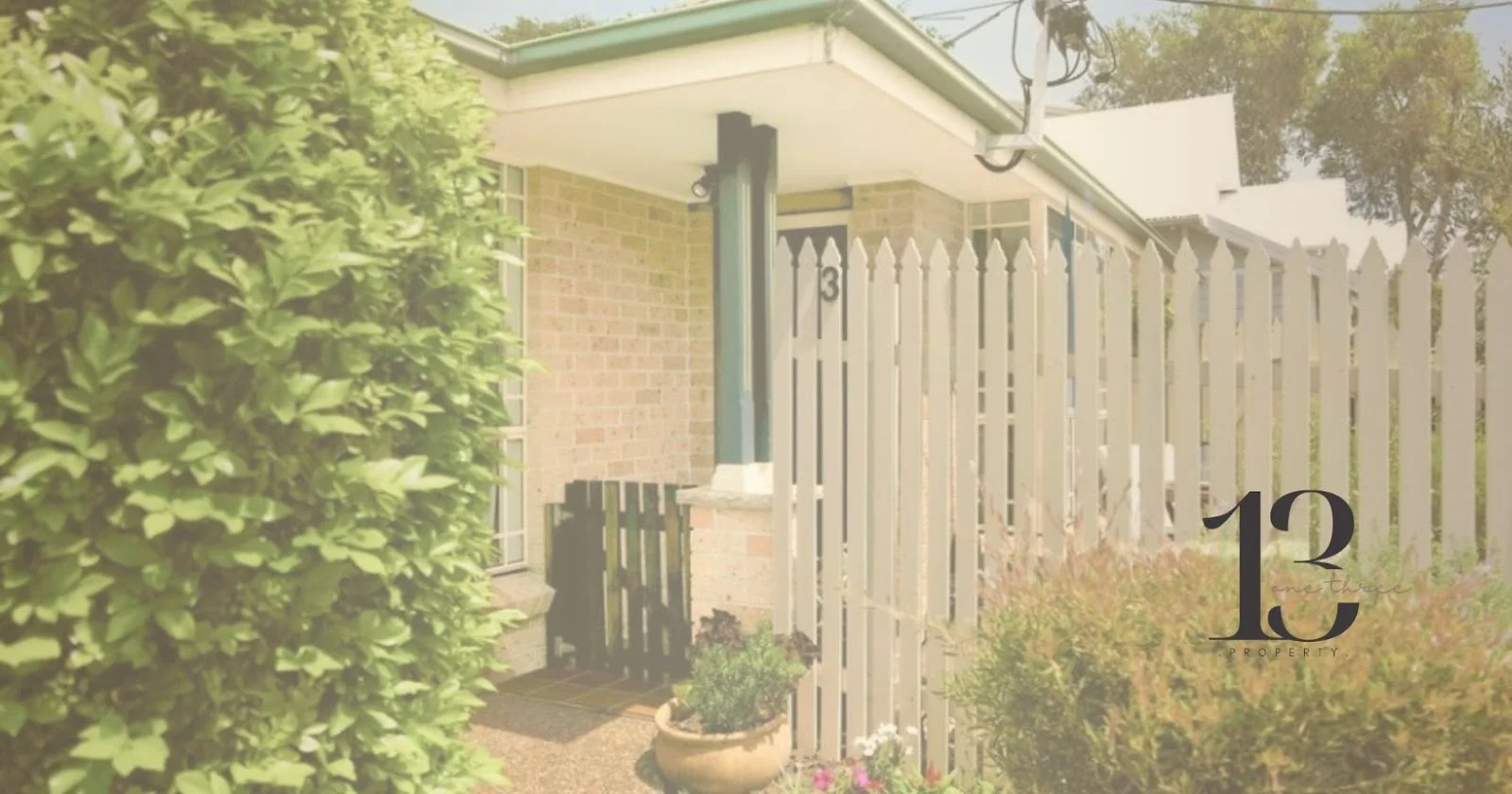 $795,000
Townhouse
$795,000
Townhouse
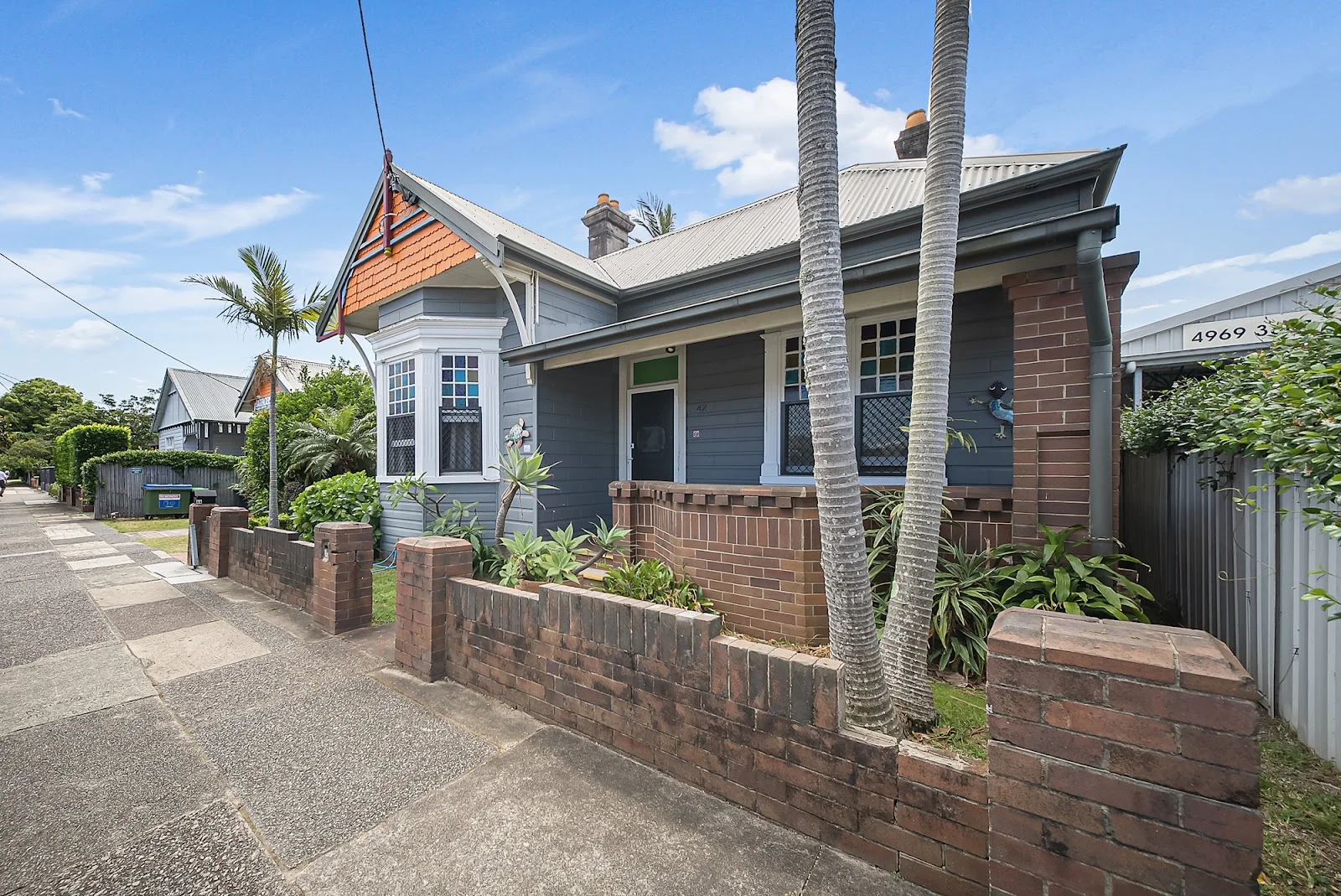 $2,000,000
propertyType.BLOCK OF UNITS
$2,000,000
propertyType.BLOCK OF UNITS
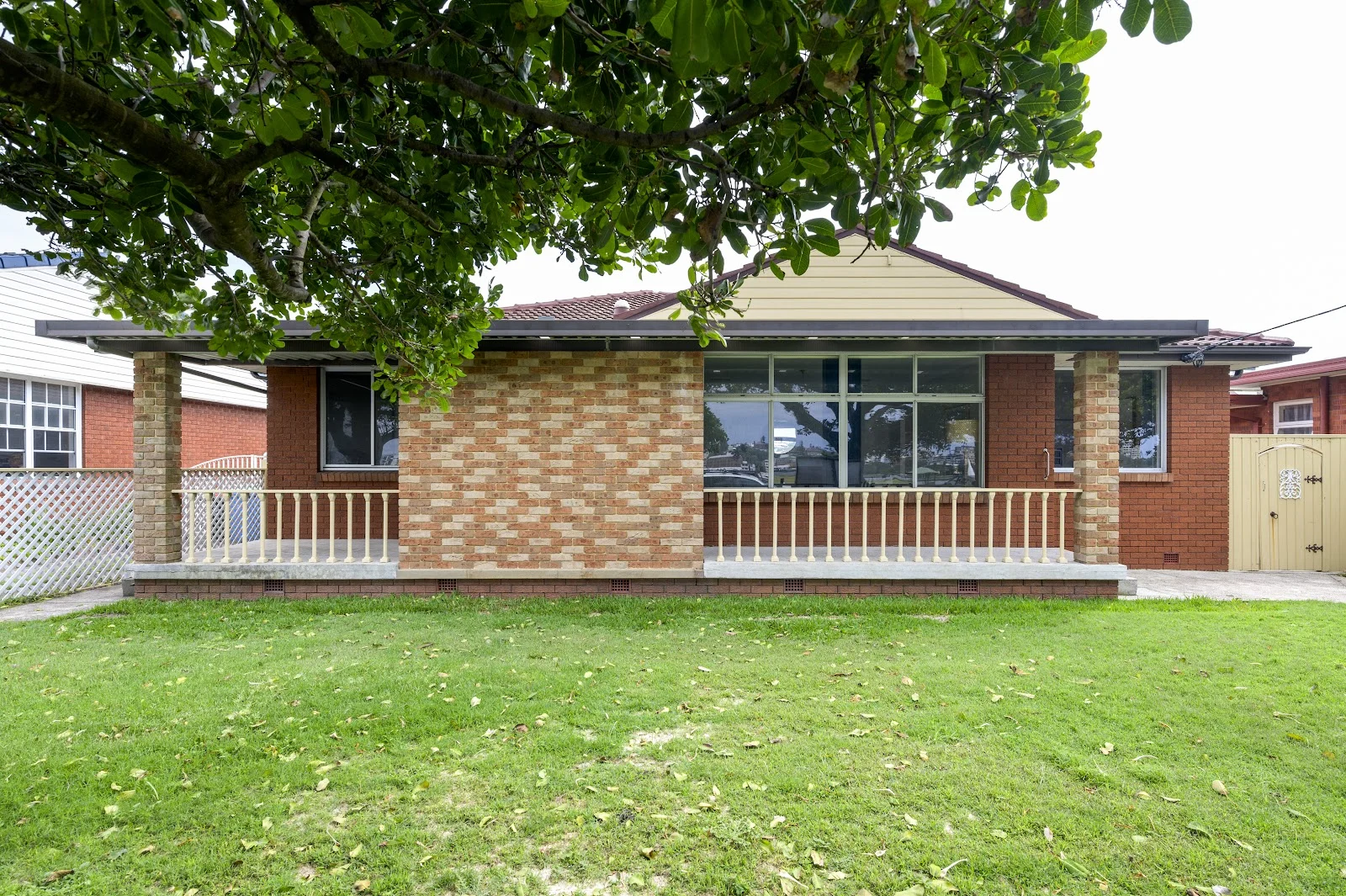 $2,500,000
House
$2,500,000
House
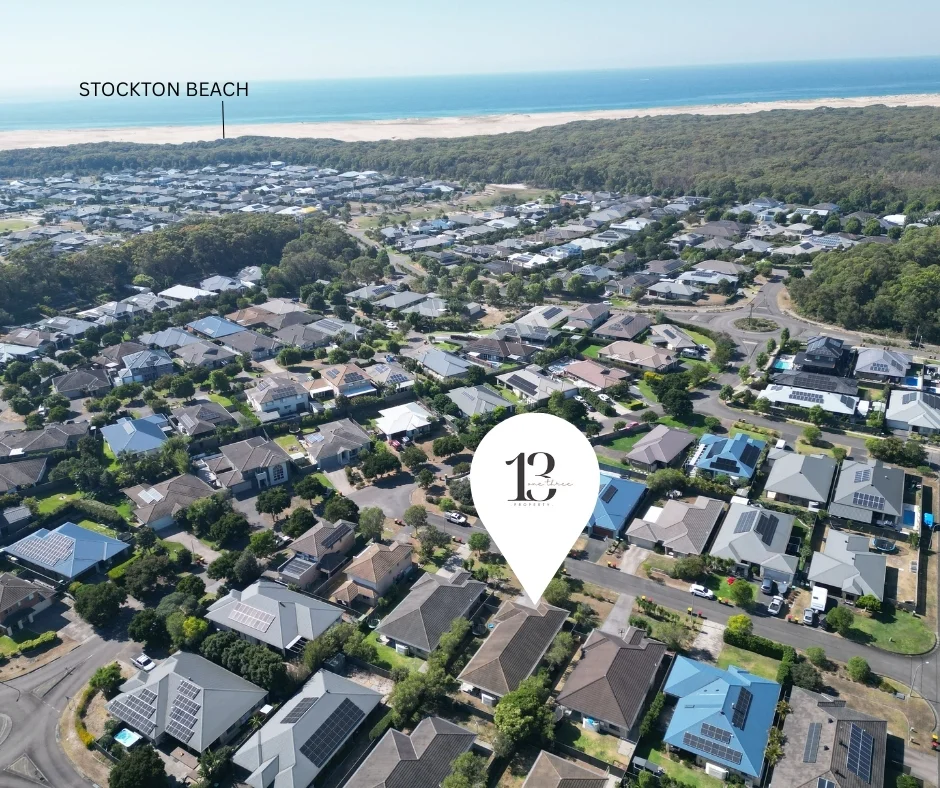 $900,000 - $990,000
House
$900,000 - $990,000
House


