## 1. Overview
Cardinia Primary School is a public, co-educational primary school located in Cardinia, Victoria. The school serves families in the local community with a policy focus on inclusive education and a supportive learning environment. It is a small-to-medium sized school, offering a close-knit atmosphere where students can feel seen and supported as they grow academically and socially.
Class sizes are typically in the low-to-mid 20s, helping teachers provide individual attention within a collaborative classroom setting. The atmosphere is generally nurturing and inclusive, with a culture that emphasises student wellbeing, community involvement, and a balanced approach to academics, sport, and the arts.
---
## 2. Academics & Learning
- Academic strengths: Emphasis on foundational literacy and numeracy, with growing focus on STEM, digital literacy, and creative problem-solving. The school aims to build strong reading, writing and mathematics foundations while encouraging curiosity across subjects.
- Special programs: Support for diverse learners, including EAL and targeted interventions. Access to early intervention supports and opportunities for students to demonstrate leadership and initiative in classroom activities.
- NAPLAN / trends: Public data indicate steady progress and consistent performance over time, with ongoing data-driven adjustments to teaching and learning to lift outcomes in key literacy and numeracy areas.
- Student-teacher ratios: Classrooms are structured to provide responsive instruction, with dedicated specialist and learning support staff to support individual needs.
- Support for diverse learners: Strong emphasis on inclusive education, with targeted supports for EAL and SEN students and opportunities for individualized learning plans where appropriate.
---
## 3. Sports & Extracurricular Strengths
- Sports offered: A range of core primary-school activities such as football/netball, cricket, athletics, soccer, and swimming support throughout the year.
- Strong teams or achievements: Participation in local inter-school events and district-level competitions, with emphasis on teamwork, fair play, and personal bests.
- Music, arts, drama programs: Active music and performing arts opportunities, with school ensembles or choirs and related showcases.
- Clubs: Robotics, coding, chess, debating, and other interest-based clubs are commonly available or offered through partnerships and after-school programs.
- Partnerships: Connections with local clubs and community organizations to broaden access to competitions, workshops, and enrichment experiences.
---
## 4. Wellbeing & Pastoral Care
- Anti-bullying approach: Clear anti-bullying policies and a proactive approach to creating safe, respectful school environments.
- House system: House-based activities and recognition to foster belonging, healthy competition, and community spirit.
- Counsellors / wellbeing officers: Access to wellbeing staff or a designated school counsellor to support social-emotional needs and to assist with transition and adjustment.
- Transition support for new students: Structured orientation and transition programs to help new students settle in, including family orientation and buddy systems.
---
## 5. Facilities
- Sports grounds: Adequate outdoor spaces for sports and active play.
- Libraries: A dedicated library space to support reading and research.
- Science labs: Science facilities available to support hands-on learning.
- Music/performing arts centers: Spaces for music and drama activities and performances.
- Tech/innovation labs: Access to digital learning tools and practical technology experiences.
- Cafeteria: On-site meal options or canteen services to support healthy eating choices.
- Updated playgrounds: Well-maintained outdoor play areas with age-appropriate equipment.
---
## 6. School Values & Community Culture
- School values / mission: A focus on respect, responsibility, resilience, and inclusion, with a mission to develop curious, collaborative, and capable learners.
- Leadership style: Collaborative, student-centered leadership that encourages student voice and teacher collaboration to drive improvement.
- Behaviour expectations: Clear conduct expectations aligned with the school’s values, promoting respectful interactions and responsible choices.
- Community reputation: Positive local reputation as a welcoming and supportive school with strong ties to families and local community groups.
- Diversity & inclusion: Commitment to an inclusive culture that values diversity and supports students from a range of backgrounds and abilities.
---
## 7. School Logistics & Daily Operations
- School hours: Core day typically runs from mid-morning to mid-afternoon, with adjustments for breaks and activities.
- Before/after school care: After-school care and wrap-around services are typically available to families.
- Uniform requirements: School uniform is required, with details provided on enrollment information.
- Transport (train/bus routes): Local bus services and public transport options are available to families; routes and timetables should be confirmed with local transport providers.
- Canteen availability: Canteen or canteen services support healthy options during the day.
- Fees (low/medium/high ranges): Public primary schools generally have low to medium fee levels, including optional contributions for camps, excursions, or activities beyond standard curriculum.
---
## 8. Enrolment & Admissions
11. What is the enrolment process and timeline?
- Determine if your family is within the school’s catchment area and review any local enrollment timelines. Submit an enrollment form with required documents (birth certificate, immunization records, proof of residency, etc.). Processing times vary; apply early to secure a place and to participate in any orientation programs for Foundation or other year levels.
12. Is there a waiting list, and how does it work?
- A waiting list may apply when year levels reach capacity. Waitlists are typically ordered by date of application and availability, and enrolment is contingent on vacancies and alignment with the school's intake policies.
13. Are there any entry requirements, tests, or interviews?
- Public primary schools in Victoria generally do not require entrance tests for Foundation or other year levels. An interview is not normally part of the standard enrolment process, but some schools may have family chats or informal conversations to understand student needs and suitability.
14. Does the school accept mid-year transfers?
- Mid-year transfers are possible if there are vacancies and the school can accommodate the student’s timetable and learning needs. Approval depends on space and alignment with the current class structure.
---
## 9. Frequently Asked Questions
- Why Parents Choose This School?
- A welcoming, inclusive environment with a focus on student wellbeing, strong literacy and numeracy foundations, and a community-centric approach that supports families.
- What type of student thrives at this school?
- Students who enjoy a collaborative, supportive learning environment, participate in a range of activities, and respond well to differentiated instruction and inclusive practices.
- What opportunities are available for students to extend their skills (academics, sports, arts)?
- Enrichment in reading and math, STEM activities, coding and robotics clubs, inter-school sports, and music/arts programs with opportunities to perform and compete.
- How does the school communicate with parents?
- Regular newsletters, notices, emails, a school app or calendar, and parent-teacher meetings to share progress and activities.
- What is the school’s approach to teaching and learning?
- Student-centered, evidence-based instruction with differentiation, ongoing assessment, and intentional supports for diverse learners.
- How does the school support students who need extra academic help?
- Targeted interventions, small-group or one-to-one supports, and access to learning support staff and EAL/SEN programs.
- What support is available for academic challenges?
- Diagnostic assessments, personalized learning plans, and close collaboration with families to address gaps and set goals.
- How does the school communicate with parents? (Repeated)
- See above: newsletters, digital communications, meetings, and updates on student progress.
- What are the class sizes and how much individual attention do students receive?
- Classes are typically in the low-to-mid 20s, with differentiated instruction and access to support staff to give students more individual attention where needed.
- What extracurricular and sports opportunities are available?
- A range of sports, music and arts programs, and clubs such as robotics, coding, chess, and debating, plus opportunities to participate in inter-school events.
- What facilities does the school offer (sports, science, arts)?
- Sports grounds, library, science labs, performing arts spaces, tech/innovation facilities, a canteen, and updated play areas.
- What is the school’s approach to technology and digital learning?
- Integrated ICT across the curriculum, access to devices and software to support learning, and emphasis on digital literacy and responsible use.
- What transport and accessibility options are available?
- Local bus services and public transport options, with provisions for safe drop-off/pick-up and accessible facilities as appropriate.
- What are typical school fees or additional costs?
- Minimal tuition-like costs for public primary education; possible voluntary contributions and fees for camps, incursions, or extra-curricular activities.
---
## 10. Short Pros & Cons list
- Pros
- Supportive, inclusive learning environment
- Small-to-medium school with manageable class sizes
- Strong focus on literacy and numeracy foundations
- Broad range of extracurriculars and clubs
- Active wellbeing and pastoral care with a house system
- Cons
- May have fewer specialist facilities than larger schools
- Availability of some programs may depend on term and year-level capacity
- Transport options may vary by family location and may require planning for commute
 Free
Free


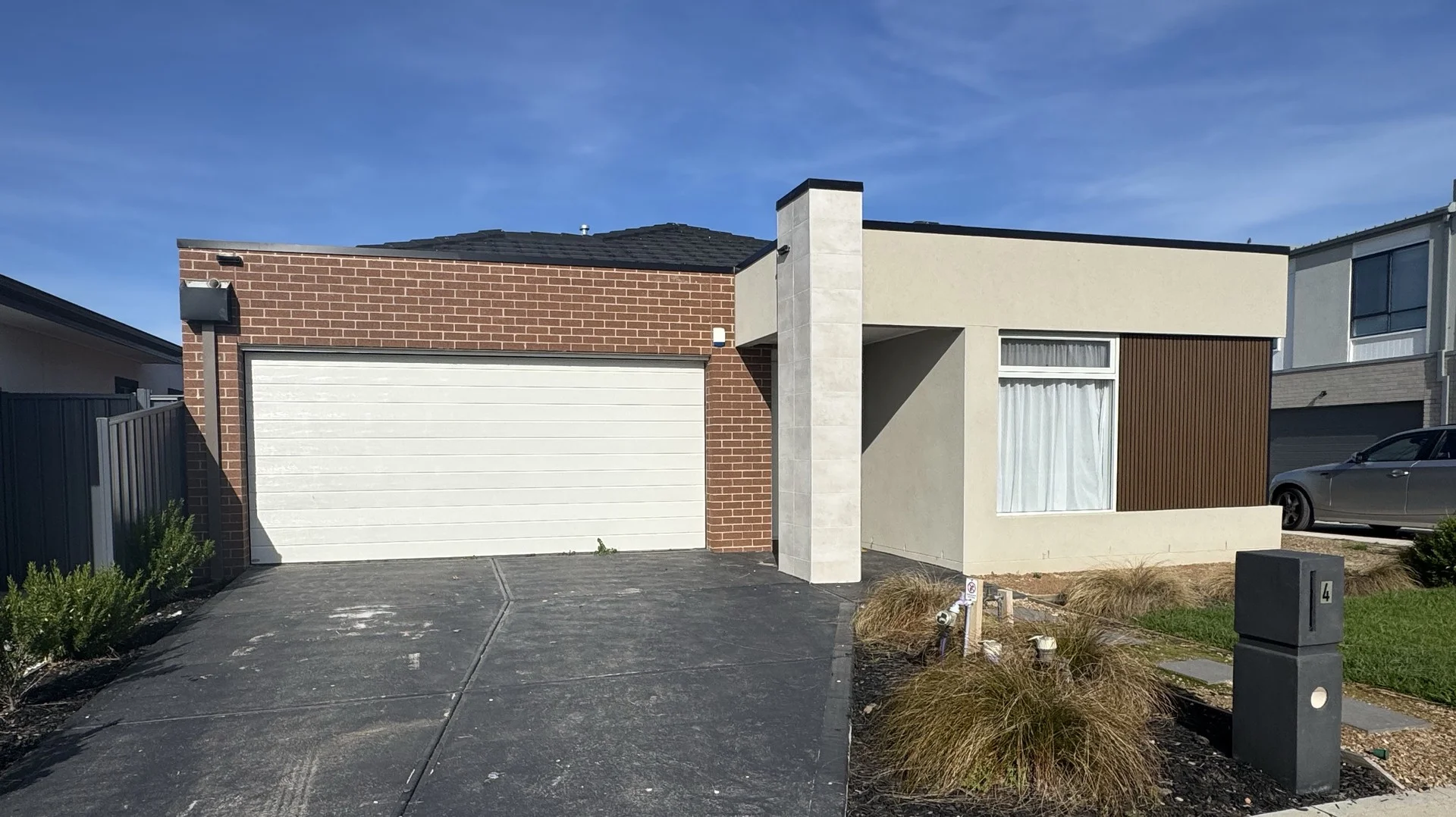 $600
House
$600
House
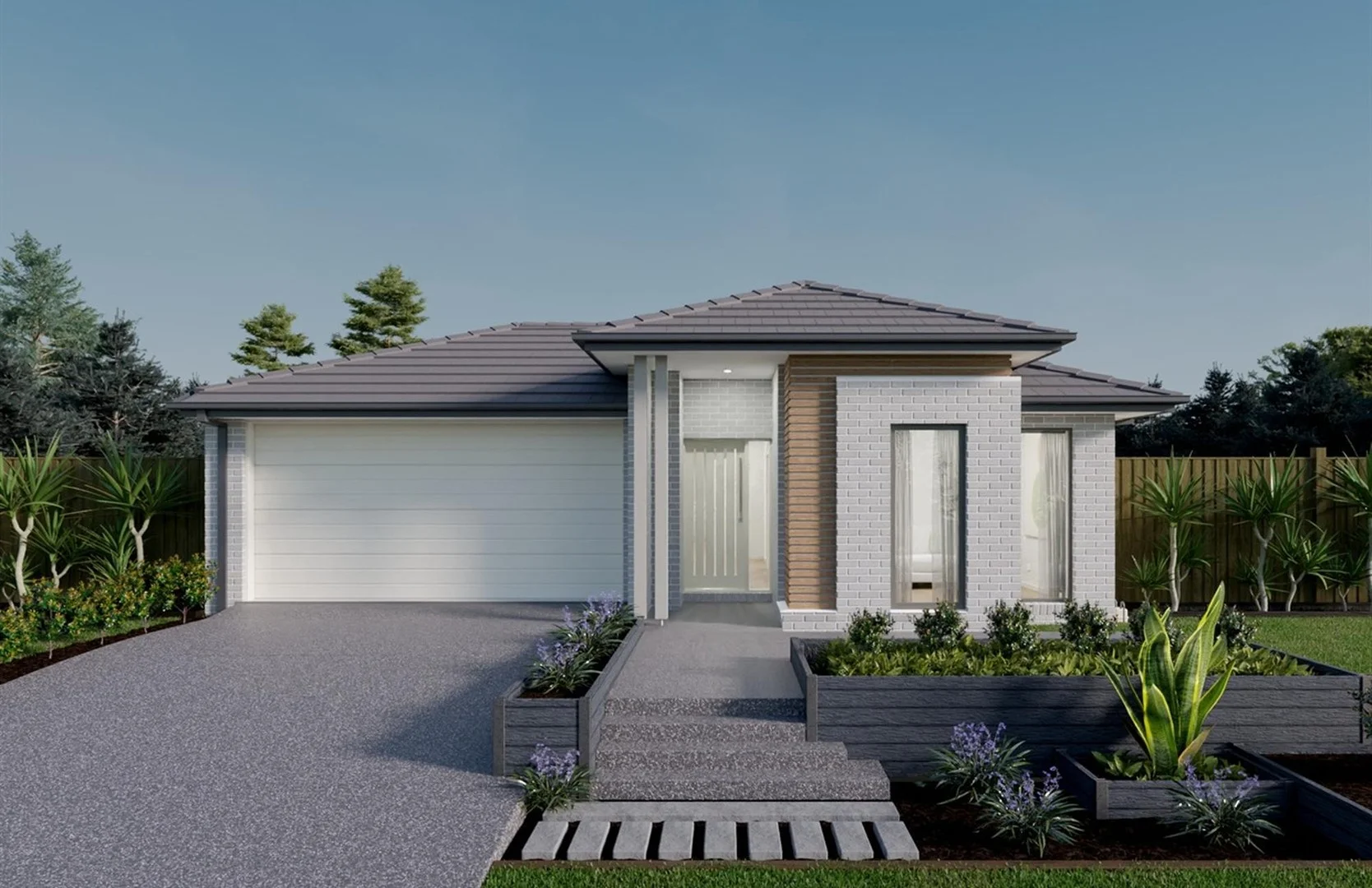 $785,700
propertyType.NEW HOUSE & LAND
$785,700
propertyType.NEW HOUSE & LAND
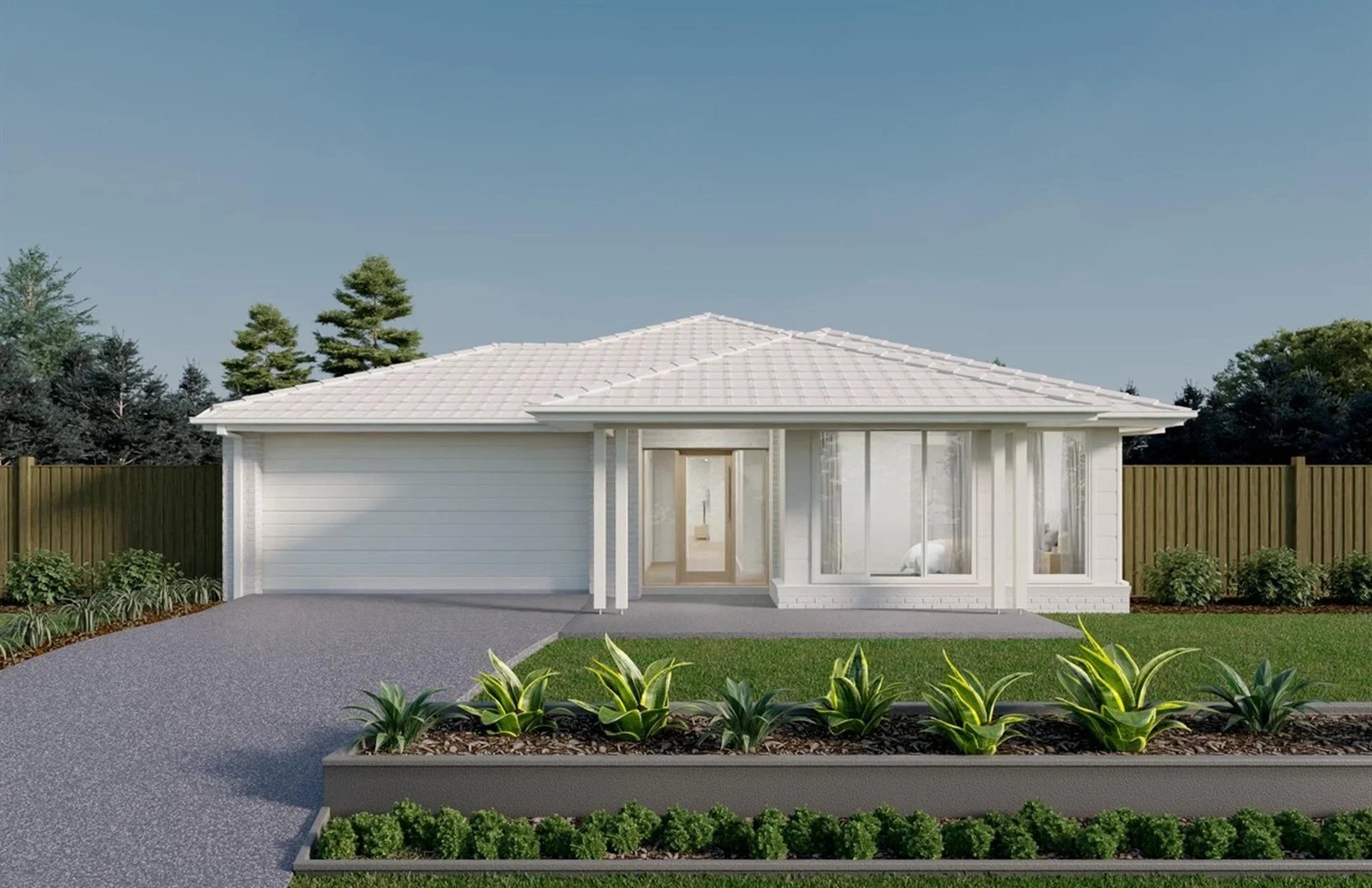 $836,500
propertyType.NEW HOUSE & LAND
$836,500
propertyType.NEW HOUSE & LAND
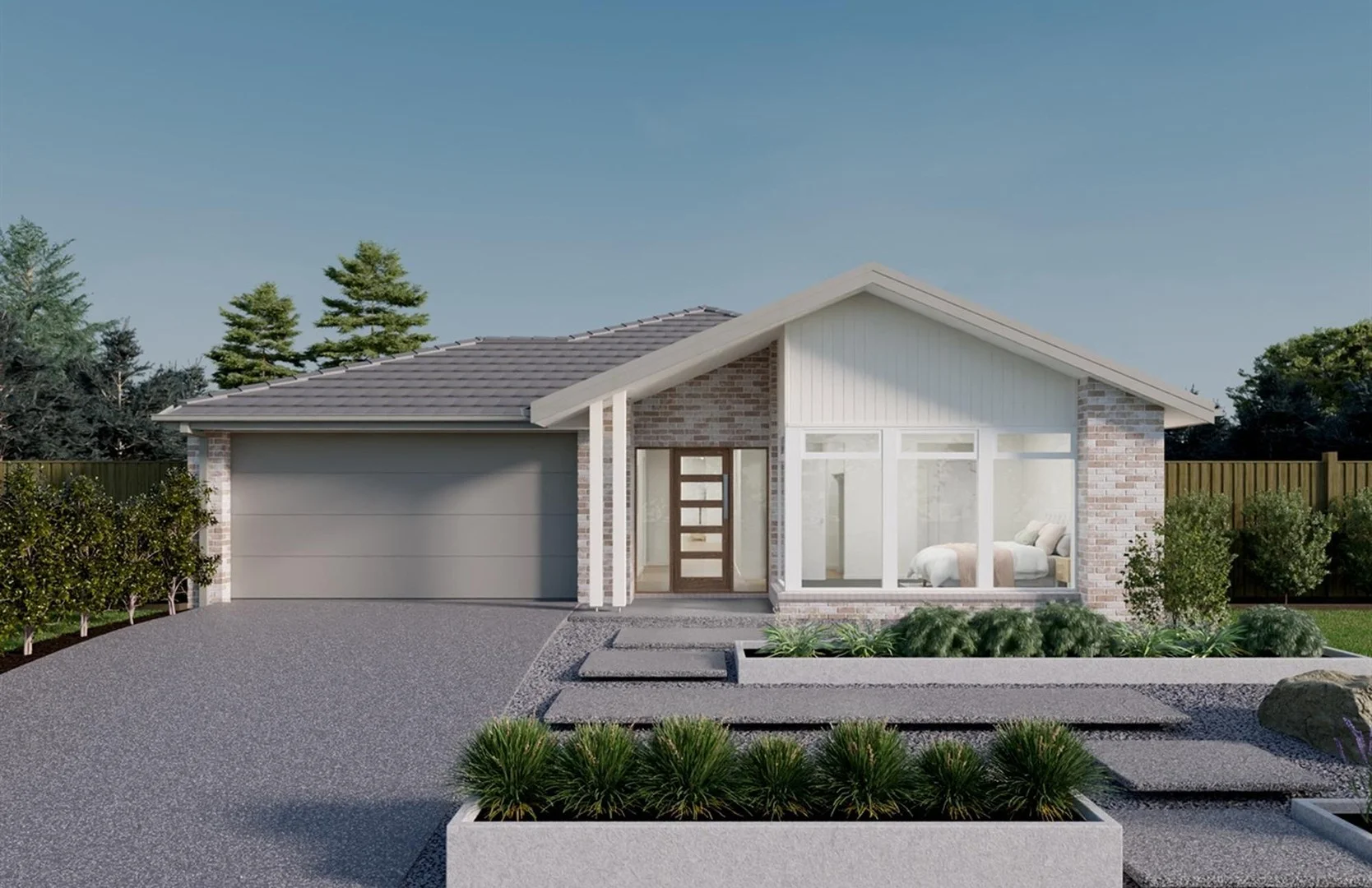 $1,116,900
propertyType.NEW HOUSE & LAND
$1,116,900
propertyType.NEW HOUSE & LAND
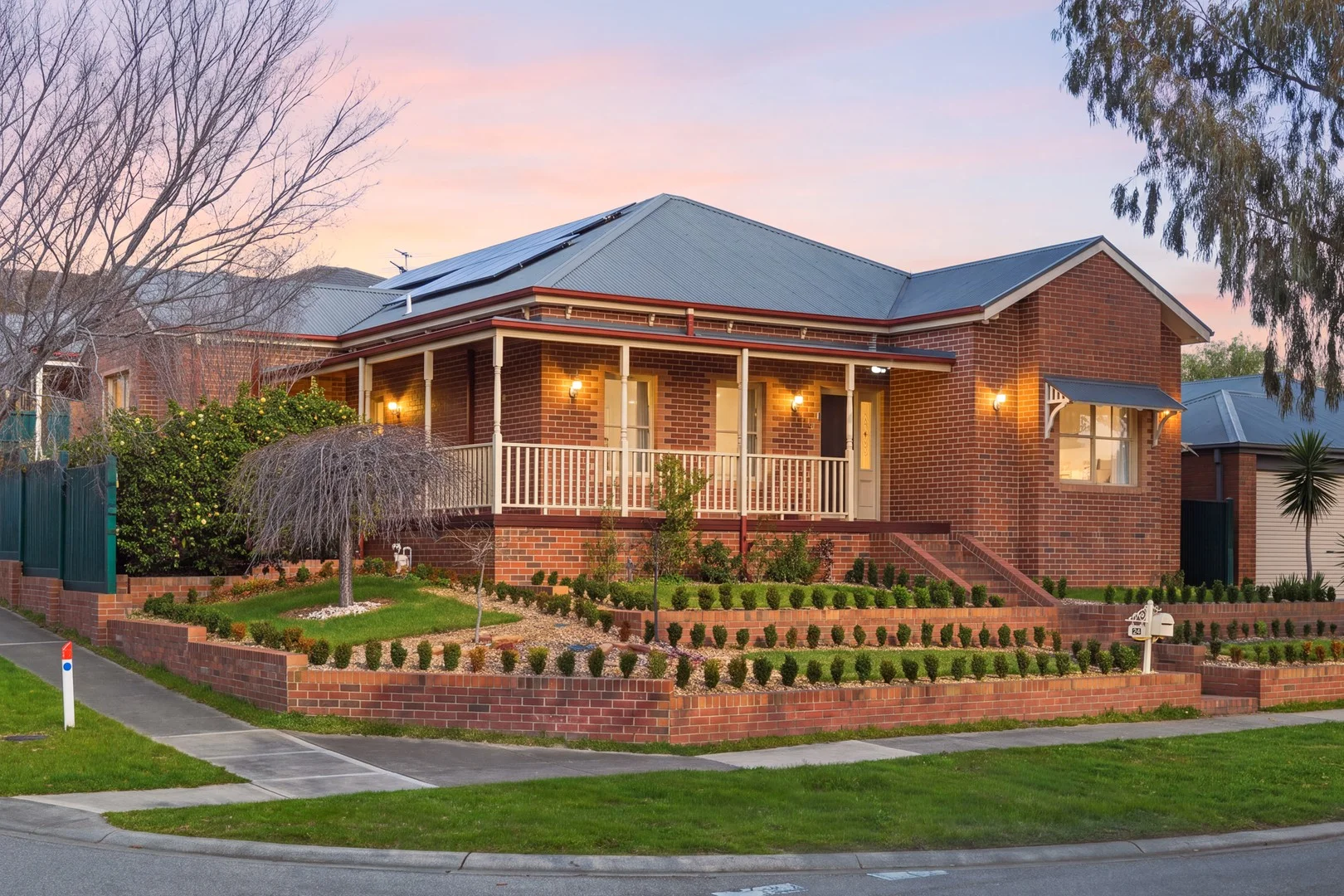 $1,200,000
House
$1,200,000
House
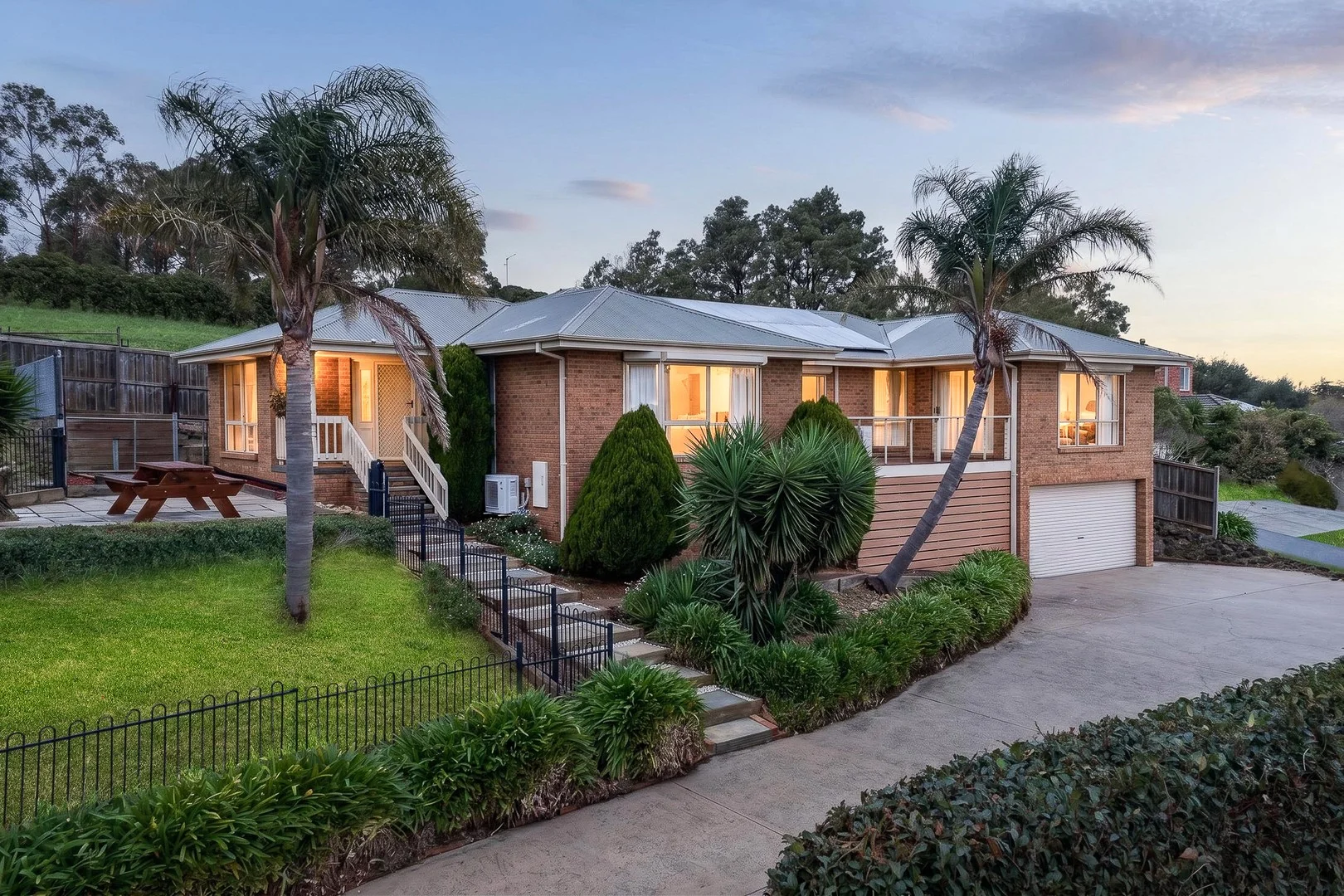 $850,000
House
$850,000
House
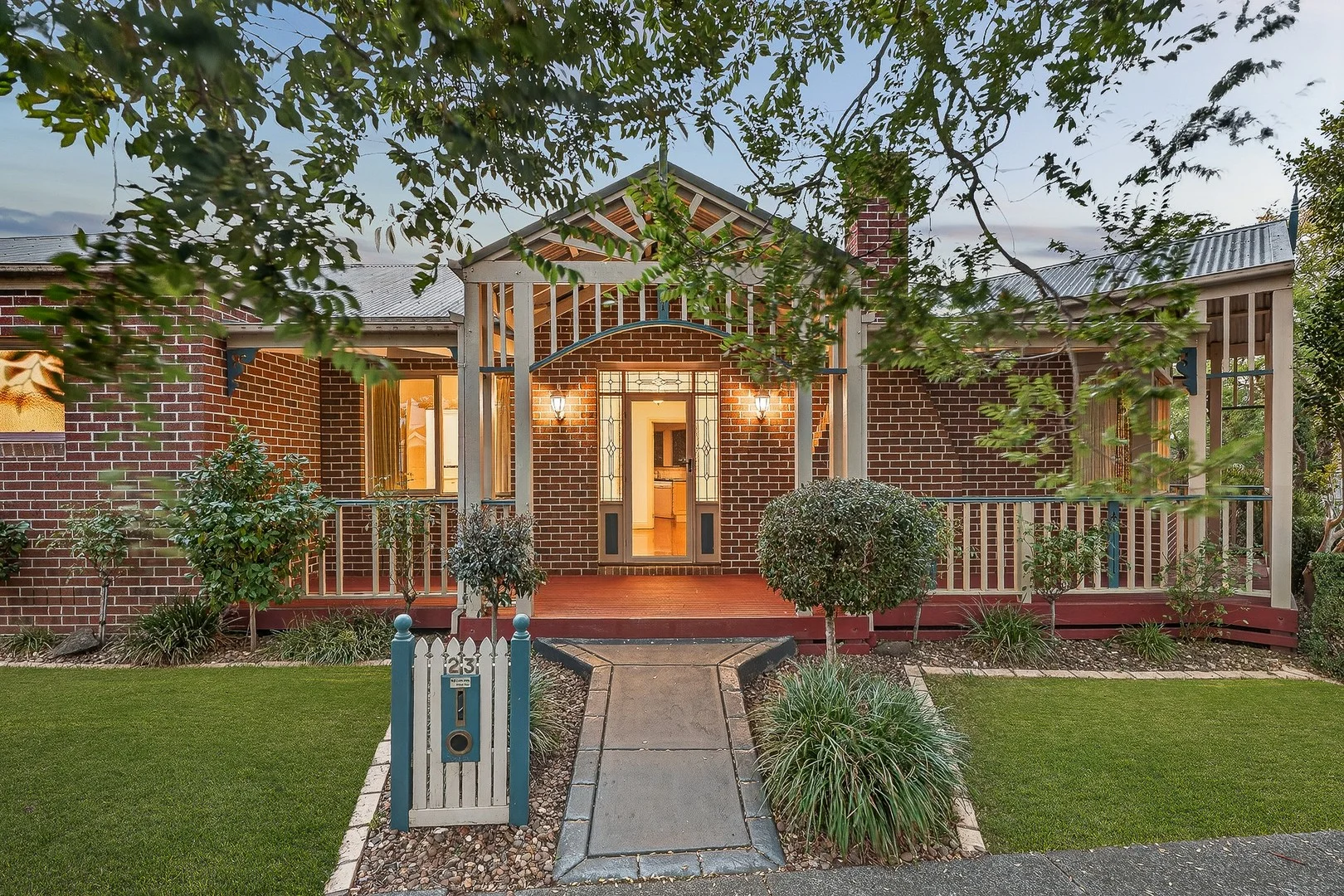 $1,050,000 - $1,150,000
House
$1,050,000 - $1,150,000
House
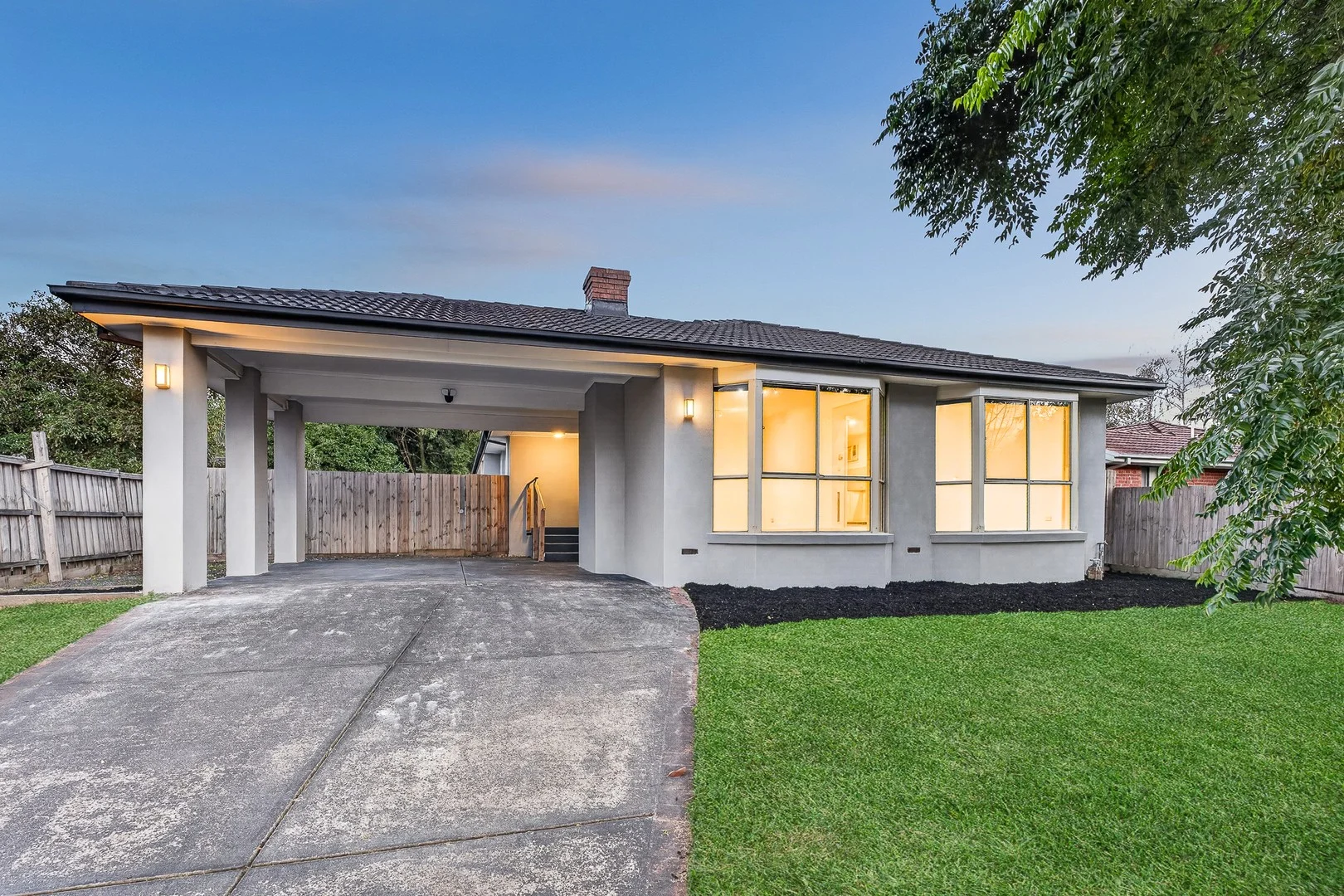 $800,000 - $880,000
House
$800,000 - $880,000
House
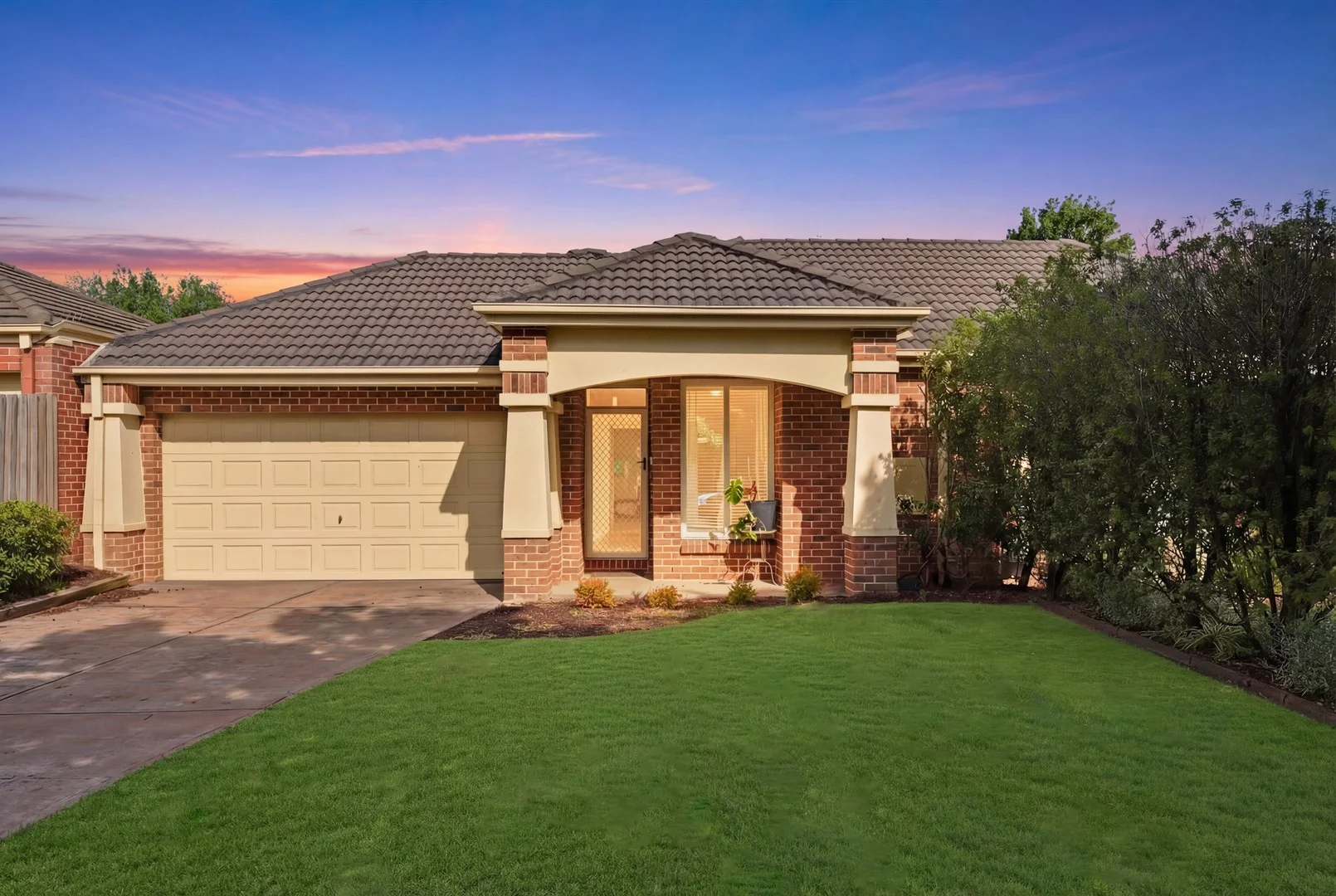 $795,000 - $835,000
House
$795,000 - $835,000
House


