## Overview
Clyde Grammar is an independent, co-educational school offering primary and secondary education in Victoria. The school places a strong emphasis on academic excellence within a supportive, values-driven community, helping students develop not only core knowledge but also character and leadership.
As a medium-sized school, Clyde Grammar fosters a family-like atmosphere where class sizes are kept deliberately small to medium, typically around 20 students per class. The culture is nurturing and inclusive, with a balanced focus on academics, wellbeing, and participation in sport and the arts.
## Academics & Learning
- Academic strengths: The school emphasises STEM and English/Literacy, with leadership development and opportunities to study languages.
- Special programs: Gifted and Talented programs and accelerated learning pathways are available at times, with some independent schools offering IB or equivalent international programs as options—confirm specifics with the school.
- NAPLAN trends: Recent cohorts have shown stable to improving trends in literacy and numeracy, reflecting consistent program quality and student support.
- Student-teacher ratios: Class sizes are kept small to medium, supporting strong teacher-student engagement and personalized feedback (typical ratios in the low-to-mid single digits for class groups, with individual support as needed).
- Support for diverse learners: Dedicated EAL and SEN support, with inclusive education practices and individualized learning plans to help diverse learners succeed.
## Sports & Extracurricular Strengths
- Sports offered: A broad program typically includes team sports such as soccer, basketball, cricket, netball, tennis, and athletics, plus swimming and other fitness activities.
- Strong teams or achievements: School teams often compete in regional competitions, with a record of steady participation and achievements across multiple sports.
- Music, arts, drama programs: Comprehensive programs in music and performing arts, with ensembles, productions, and regular public performances.
- Clubs: Robotics, coding, chess, debating, and other academic or interests-based clubs are available.
- Partnerships: Collaborations with local clubs, community training providers, and inter-school competitions to extend opportunities beyond the campus.
## Wellbeing & Pastoral Care
- Anti-bullying approach: A clear anti-bullying policy with proactive wellbeing education, digital citizenship, and reporting pathways.
- House system: A house-based structure supports pastoral care, camaraderie, and intra-school competitions and events.
- Counsellors / wellbeing officers: On-site wellbeing staff and school counsellors provide confidential support and guidance.
- Transition support for new students: Orientation programs, buddy systems, and targeted transition support help new students settle in smoothly.
## Facilities
- Sports grounds
- Libraries
- Science laboratories
- Music/performing arts centers
- Tech/innovation labs
- Cafeteria
- Updated playgrounds
The campus is designed to be visually engaging and easy to navigate, with facilities that support a broad curriculum from science and technology to the arts and physical education.
## School Values & Community Culture
- School values / mission: A clear emphasis on respect, integrity, excellence, and inclusion underpins daily life and decision-making.
- Leadership style: Student voice and leadership opportunities are promoted through student councils and leadership programs, with collaborative, participative approaches among staff and students.
- Behaviour expectations: Positive behaviour frameworks and codes of conduct guide everyday interactions and disciplinary processes.
- Community reputation: The school is known for a welcoming, engaged parent community and a commitment to bringing out the best in each student.
- Diversity & inclusion: Strong emphasis on inclusion, equity, and welcoming students from diverse backgrounds and abilities.
## School Logistics & Daily Operations
- School hours: Typically a standard day starts in the morning and ends in the mid-afternoon, with some flexibility for early or late routines.
- Before/after school care: Before and after school care options are available to support working families.
- Uniform requirements: A clear school uniform policy with appropriate attire for everyday classes and sport.
- Transport (train/bus routes): Bus services and public transport options are available to connect families with the school; check local routes for the latest details.
- Canteen availability: An on-site canteen or snack facilities provide healthy meal options.
- Fees (low/medium/high ranges): Fees for independent/private schooling are generally in the mid-to-high range for Victoria; exact figures vary by year level and program.
## Enrolment & Admissions
11. What is the enrolment process and timeline?
- Begin with an enquiry and submission of an application.
- Complete any required assessments or interviews.
- Participate in a school tour or information session.
- Receive and accept an offer, then complete the enrolment registration and pay any deposits.
12. Is there a waiting list, and how does it work?
- Waiting lists can apply when early applications exceed available places. Places are typically allocated based on vacancy, year level, and sometimes priority considerations. Parents may be asked to express ongoing interest and update information if family circumstances change.
13. Are there any entry requirements, tests, or interviews?
- Entry requirements may include age-appropriate assessments, scholastic records, and an interview or meeting with admissions staff or senior staff. Some years or programs may have additional considerations (e.g., EAL needs).
14. Does the school accept mid-year transfers?
- Mid-year transfers are sometimes possible, depending on space and alignment with the current cohort. Prospective families should contact the admissions team as soon as possible to discuss availability and requirements.
## Frequently Ask Questions
- Why Parents Choose This School?
- A balanced focus on academics, wellbeing, and community; small-to-medium class sizes; strong pastoral care and a supportive environment for personal growth.
- What type of student thrives at this school?
- Motivated, curious students who value both academic challenge and a collaborative, inclusive community.
- What opportunities are available for students to extend their skills (academics, sports, arts)?
- Wide range of clubs and societies (robotics, coding, chess, debating), competitive and recreational sports, music and performing arts programs, and leadership opportunities.
- How does the school communicate with parents?
- Regular newsletters, parent portals, scheduled parent-teacher meetings, and timely updates on school activities and student progress.
- What is the school’s approach to teaching and learning?
- Student-centered, differentiated instruction that supports diverse learning styles, with opportunities for inquiry, project work, and hands-on learning.
- How does the school support students who need extra academic help?
- Targeted learning support, tutoring options, and individualized plans through EAL or SEN services, as needed.
- What support is available for academic challenges?
- Access to advisers, learning support staff, and practical accommodations or interventions to help students stay on track.
- What are the class sizes and how much individual attention do students receive?
- Class sizes are small to medium, designed to allow frequent teacher feedback, monitoring of progress, and targeted support where needed.
- What extracurricular and sports opportunities are available?
- A broad slate of sports, music and arts programs, and clubs such as robotics, coding, chess, and debating, with opportunities to compete or perform.
- What facilities does the school offer (sports, science, arts)?
- Modern facilities across sports fields, science labs, music and performance spaces, technology labs, libraries, and dining areas.
- What is the school’s approach to technology and digital learning?
- Integrated digital learning with access to devices and online platforms to support collaboration, research, and digital literacy.
- What transport and accessibility options are available?
- Bus services and access to public transport; campus accessibility is designed to support students with varying needs.
- What are typical school fees or additional costs?
- Fees vary by year level and program; expect private school fee ranges in the mid-to-high range for the area. Contacting the admissions team will provide precise figures.
## Short Pros & Cons list
- Pros:
- Independent/private education with a values-driven approach
- Medium-sized, supportive, and inclusive community
- Small-to-medium class sizes enabling individual attention
- Broad academics plus opportunities in sports, arts, and clubs
- Strong wellbeing and pastoral care with house-based support
- Cons:
- Fees are higher than public schooling and can be a consideration for families
- Limited availability of certain programs might depend on year level or cohort size
- Admissions can involve assessments/interviews and waiting lists during high-demand periods
If you’d like, I can tailor any section with more precise details once you confirm the exact offerings (e.g., whether IB or Cambridge is available, exact fee ranges, or current facilities).
 Free
Free





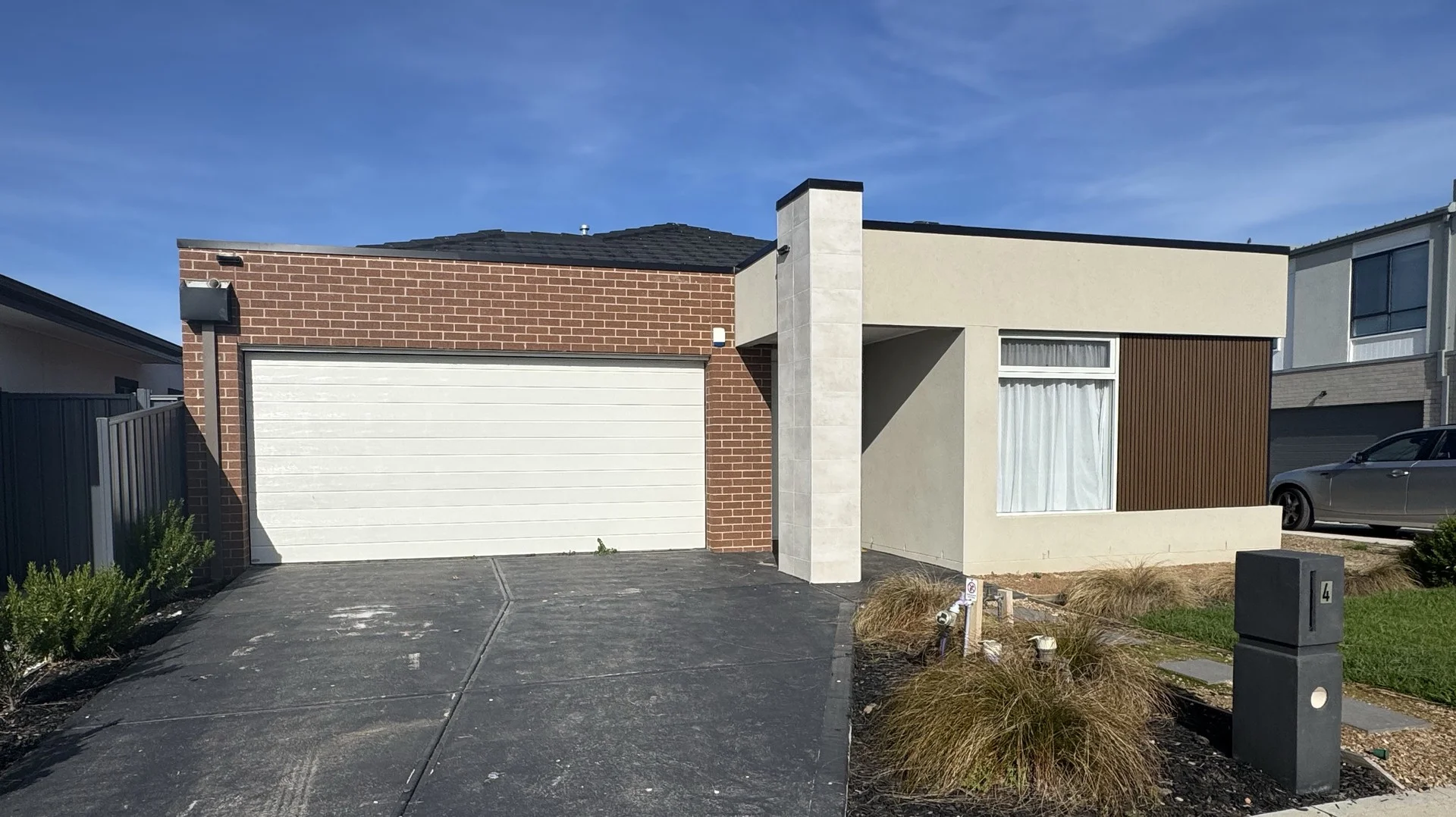 $600
House
$600
House
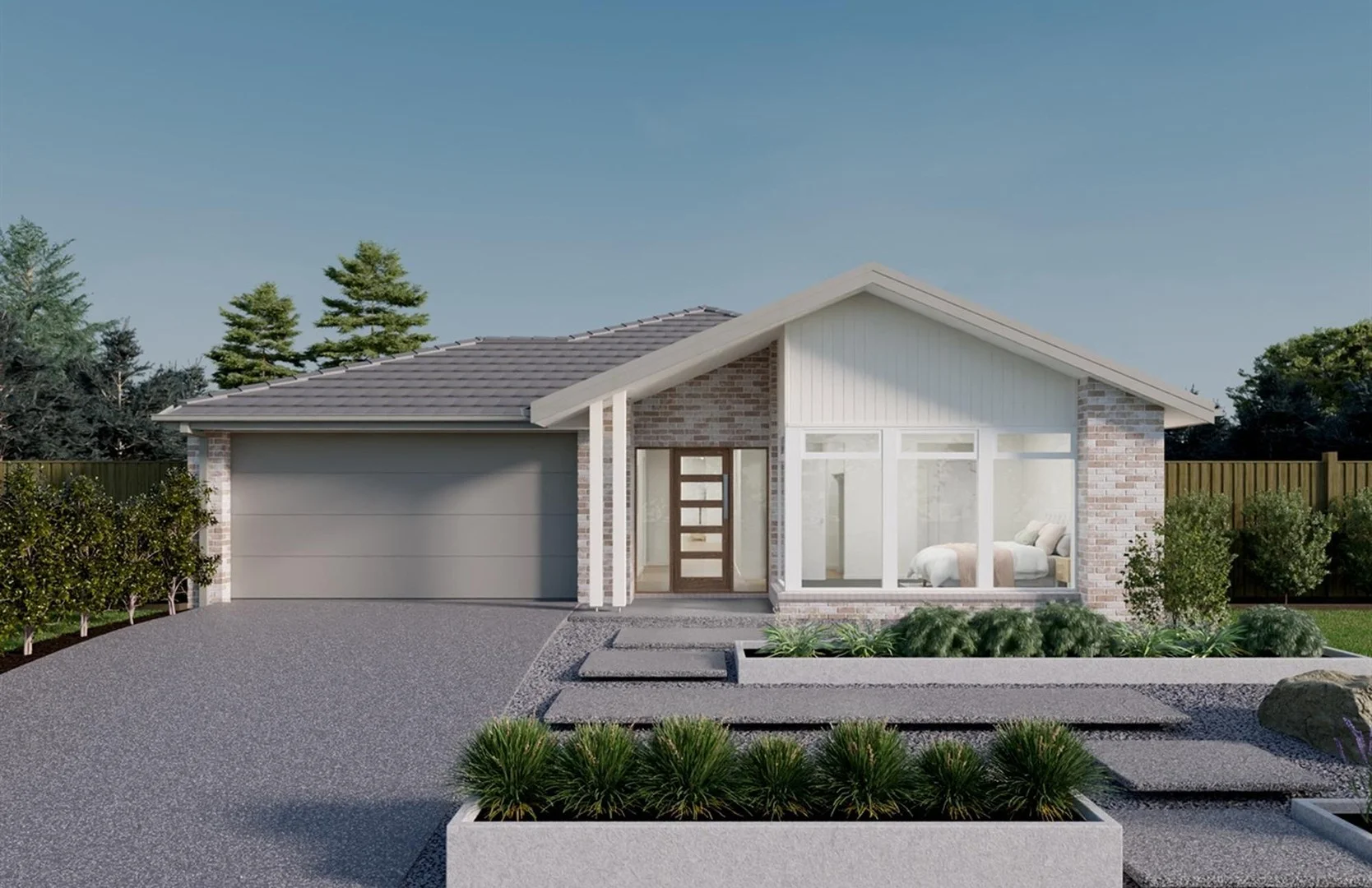 $1,116,900
propertyType.NEW HOUSE & LAND
$1,116,900
propertyType.NEW HOUSE & LAND
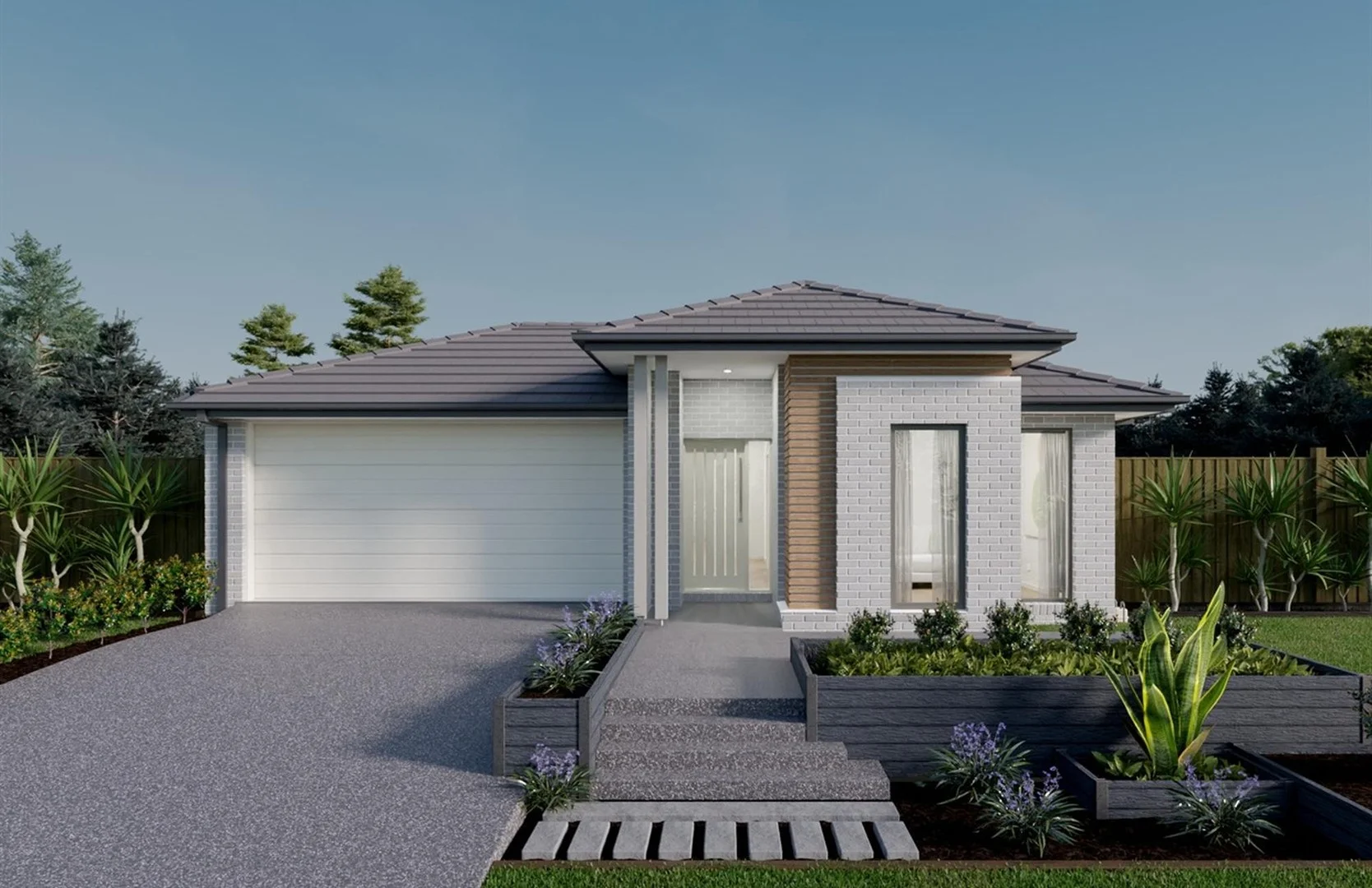 $785,700
propertyType.NEW HOUSE & LAND
$785,700
propertyType.NEW HOUSE & LAND
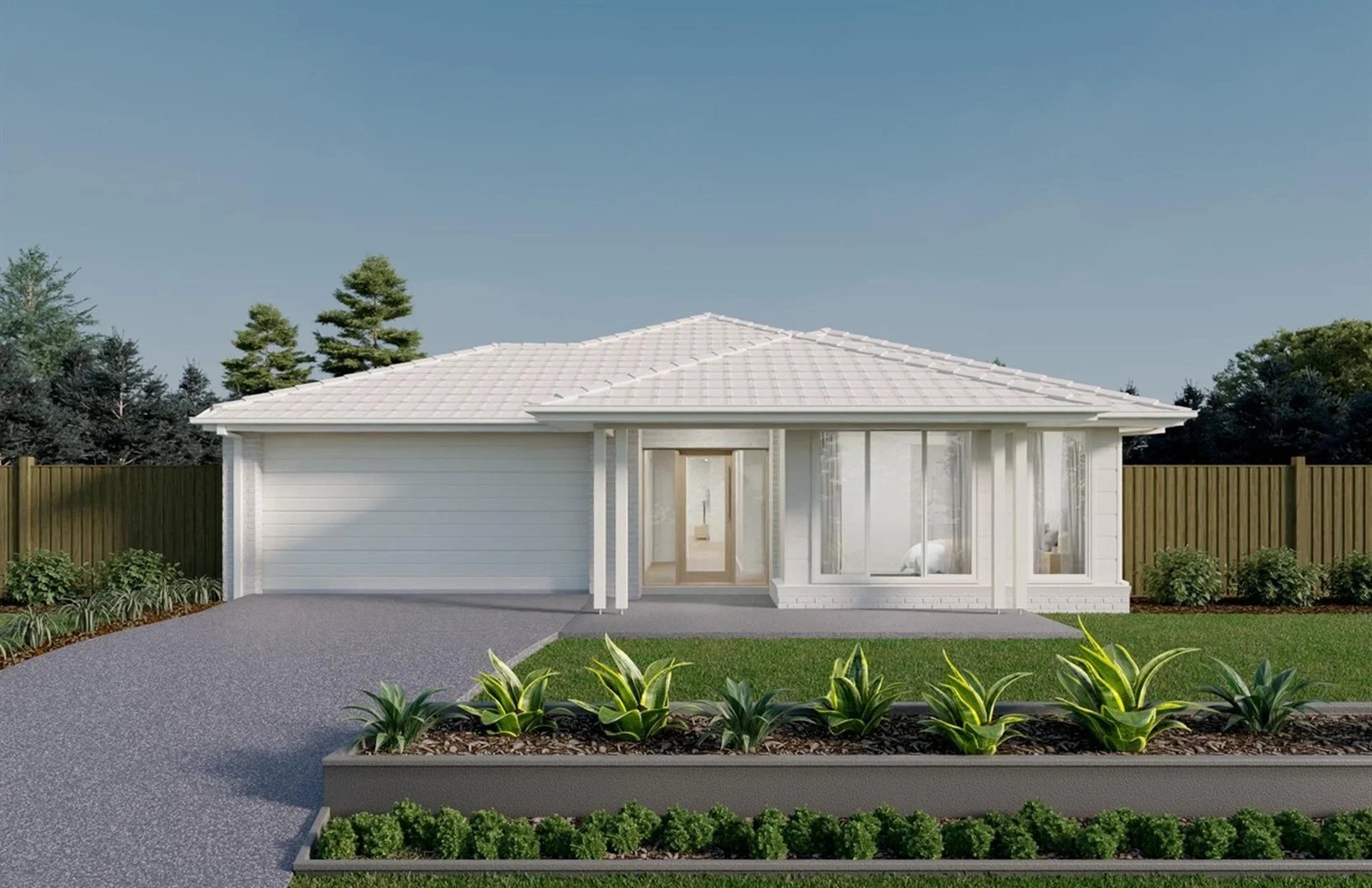 $836,500
propertyType.NEW HOUSE & LAND
$836,500
propertyType.NEW HOUSE & LAND
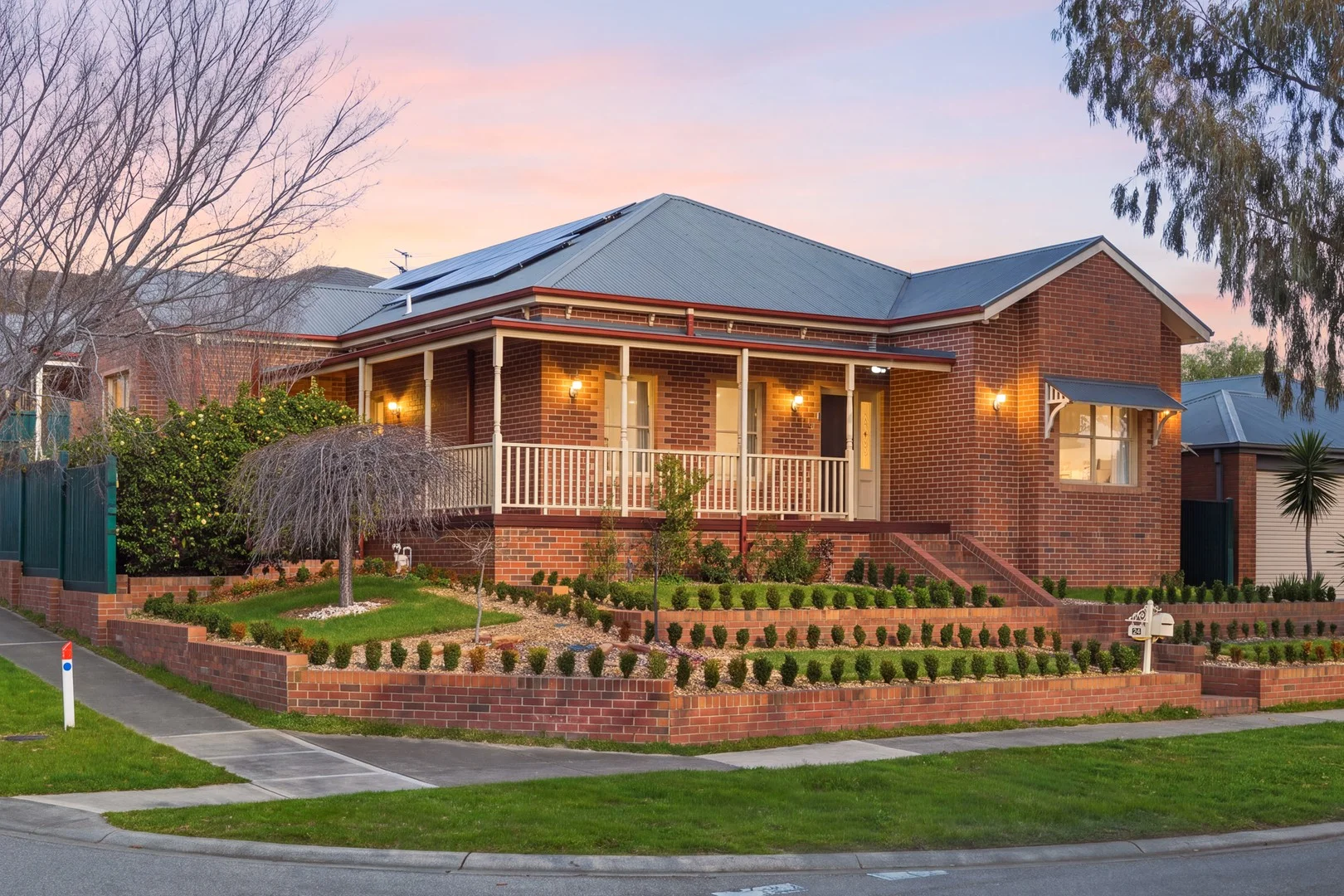 $1,200,000
House
$1,200,000
House
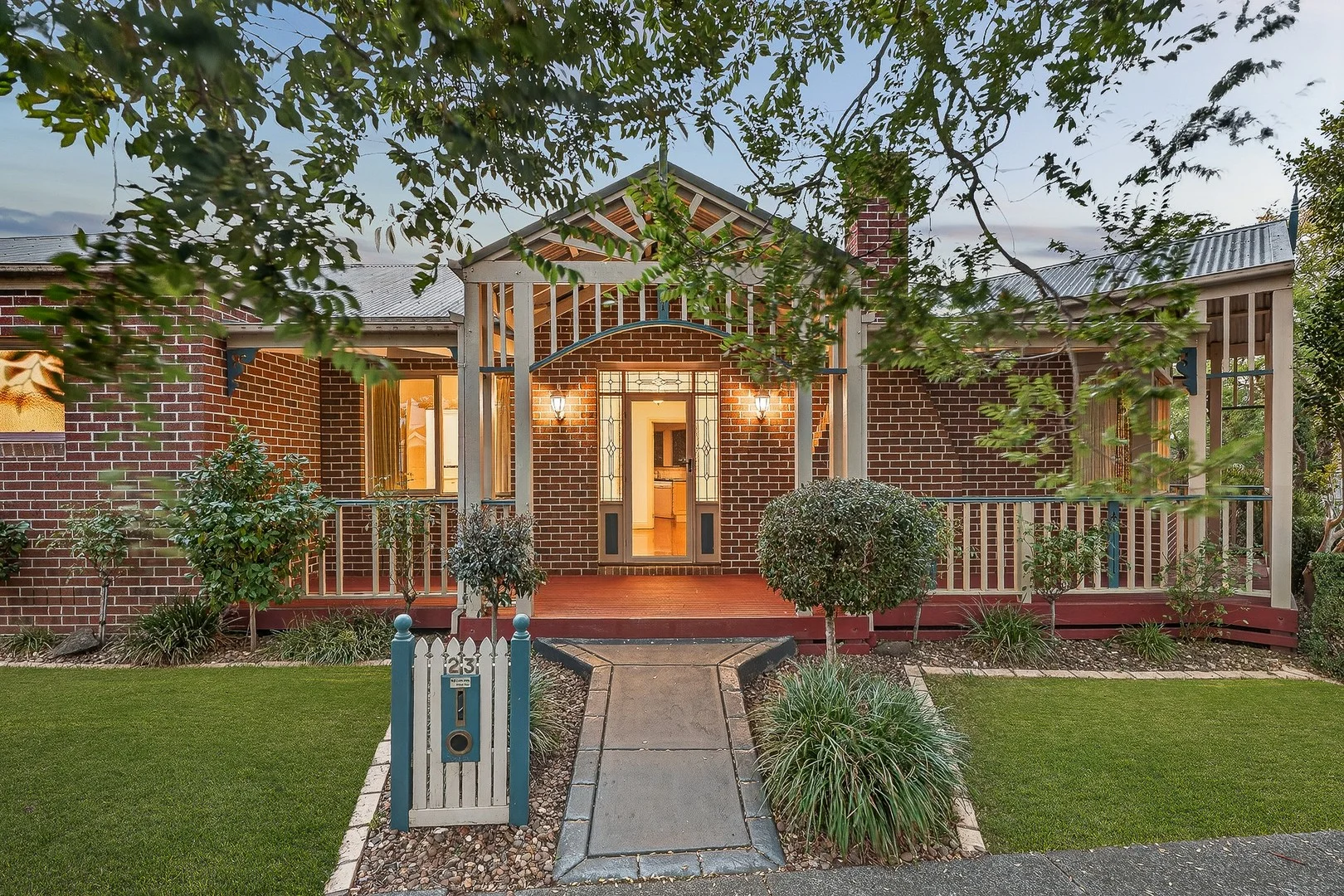 $1,050,000 - $1,150,000
House
$1,050,000 - $1,150,000
House
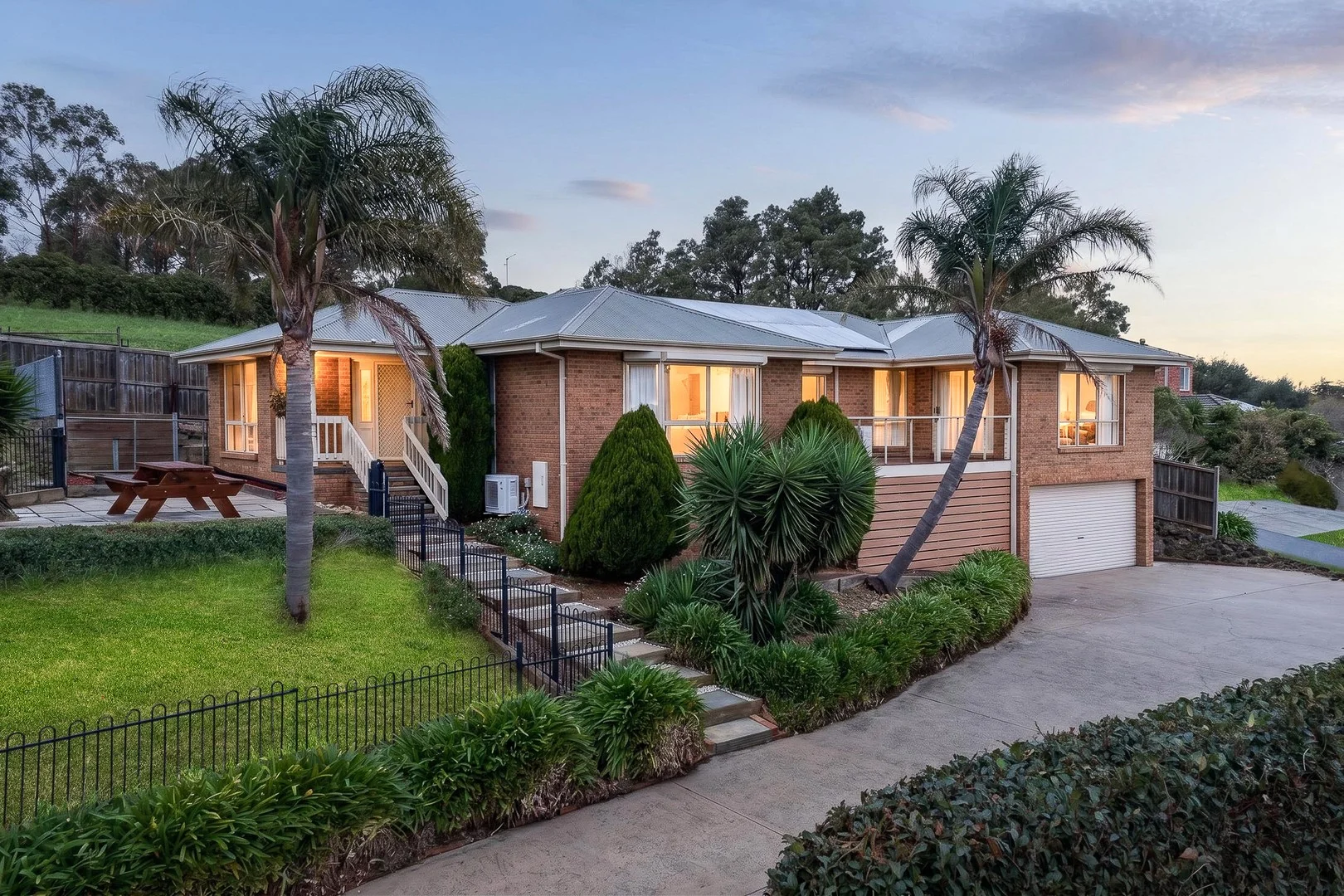 $850,000
House
$850,000
House
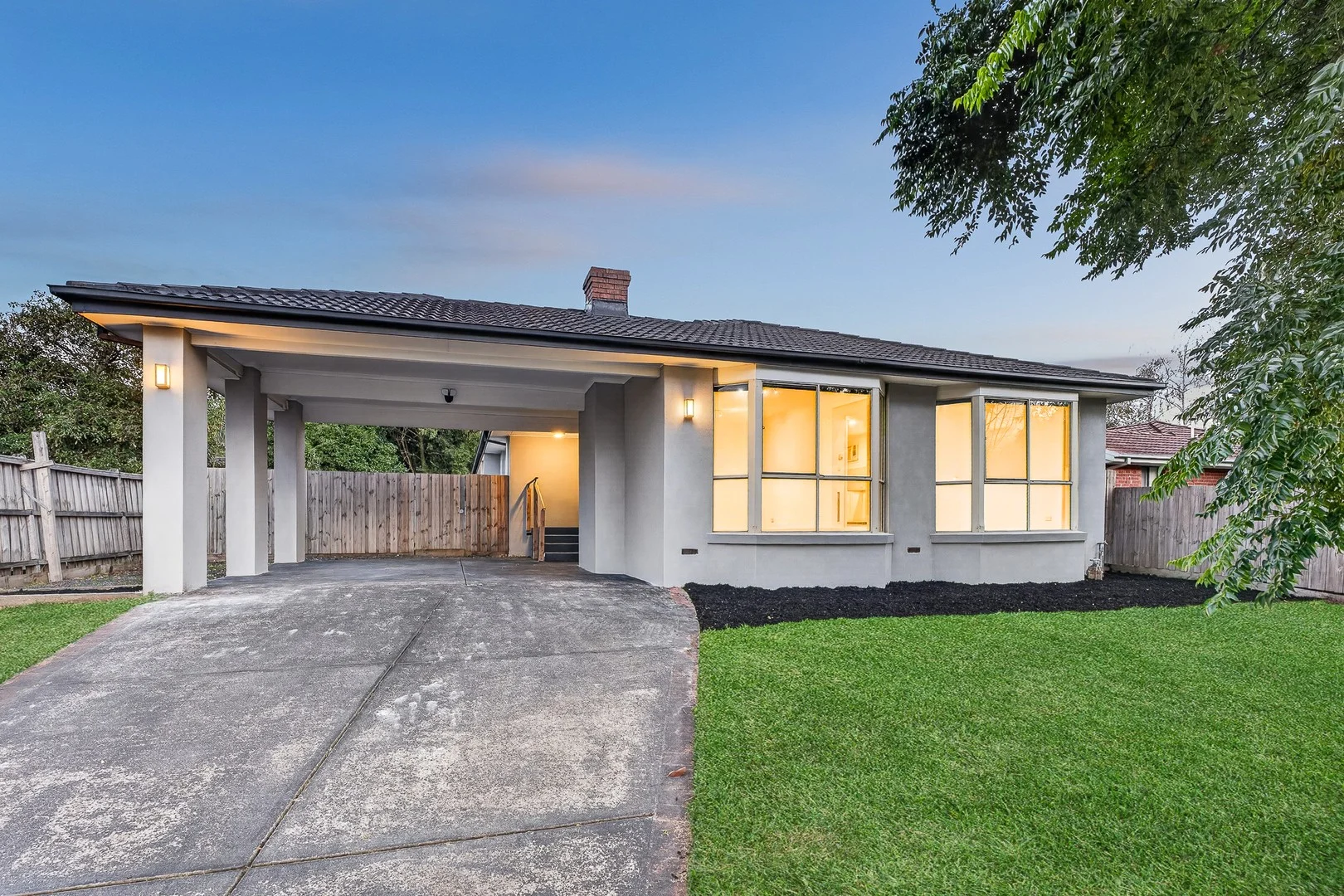 $800,000 - $880,000
House
$800,000 - $880,000
House
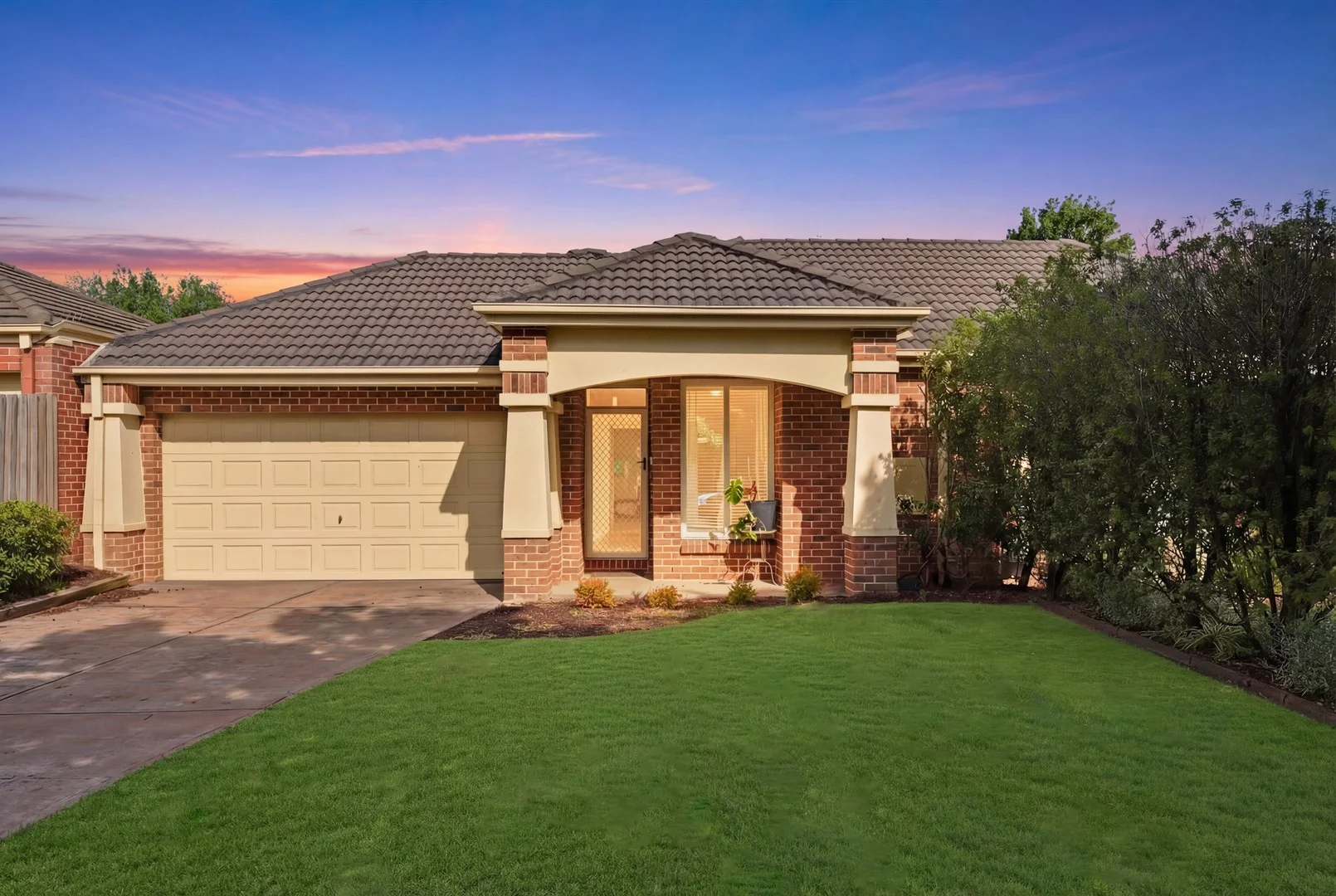 $795,000 - $835,000
House
$795,000 - $835,000
House


