## Overview
Christ Church Grammar School is an independent Anglican day school for boys located in Claremont, Western Australia. With a long-standing reputation for academic excellence and a values-based education, the school blends traditional ethos with contemporary learning to develop leaders who contribute to their communities. The campus supports a rigorous academic program alongside a breadth of co-curricular opportunities, fostering a community that values character, service, and achievement.
- School type: Independent/private Anglican
- School size: Large
- Class size: Typically 20–24 students per class
- Atmosphere/culture: Academic, nurturing, inclusive, sports-focused
---
## Academics & Learning
Christ Church Grammar School emphasizes a strong Australian curriculum with pathways that prepare boys for both tertiary study and leadership roles. The school demonstrates strengths across core academic areas and leadership development, with opportunities for advanced learning and enrichment.
- Academic strengths: STEM, English, languages, leadership development
- Special programs: Gifted and Talented programs, accelerated learning options, leadership programs, scholarships
- NAPLAN trends: Consistently high results relative to state averages with positive year-over-year trends
- Student-teacher ratios: Favorable ratios enabling targeted support (roughly 1 teacher per 12–15 students)
- Support for diverse learners: Dedicated support for EAL students and SEN services, plus targeted learning support
---
## Sports & Extracurricular Strengths
The school offers a comprehensive sports program alongside strong musical, arts, and drama opportunities. A broad range of clubs and activities supports boys’ development outside the classroom.
- Sports offered: Football, cricket, basketball, rugby, rowing, athletics, swimming, and other school-level sports
- Strong teams or achievements: Competitive inter-school teams with a track record of WA-wide and regional success
- Music, arts, drama programs: Robust performing arts program including choir, orchestra, ensembles, and school productions
- Clubs: Robotics, chess, coding, debating, and other academic/interest clubs
- Partnerships: Collaborations with local academies, sporting associations, and external competitions
---
## Wellbeing & Pastoral Care
Wellbeing and pastoral care are central to creating a safe, supportive learning environment. The school focuses on positive relationships, student resilience, and proactive support systems.
- Anti-bullying approach: Comprehensive policies, student wellbeing education, clear reporting and support channels
- House system: Structured house framework with belonging, competition, and leadership opportunities
- Counsellors / wellbeing officers: On-site counsellors and wellbeing staff to support mental and emotional health
- Transition support for new students: Orientation programs, buddy systems, and targeted transition assistance
---
## Facilities
Facilities are designed to support learning across academics, arts, and sport, with modern spaces and welcoming communal areas.
- Sports grounds: Comprehensive fields and courts for multiple sports
- Libraries: Well-resourced library showcasing both print and digital collections
- Science labs: Well-equipped laboratories for chemistry, physics, biology and hands-on experiments
- Music/performing arts centers: Dedicated spaces for music ensembles, drama, and performances
- Tech/innovation labs: Makerspaces and digital learning labs to support STEM and coding
- Cafeteria: On-site canteen offering nutritious meal options
- Updated playgrounds: Modern, safe outdoor play and recreation spaces
---
## School Values & Community Culture
The school’s ethos centers on character, service, and leadership, with a culture that encourages respectful conduct and inclusive community involvement.
- School values / mission: Values-based education grounded in Anglican tradition; emphasis on leadership, service, and integrity
- Leadership style: Student-centered, with opportunities for student leadership and collaboration
- Behaviour expectations: Clear codes of conduct and expectations for respectful, responsible behaviour
- Community reputation: Strong involvement with families and alumni, supportive local community
- Diversity & inclusion: Commitment to an inclusive environment with opportunities for students from diverse backgrounds
---
## School Logistics & Daily Operations
Practical day-to-day information to help families plan around school routines.
- School hours: Typical day runs from morning start to mid-afternoon (with variations by year level)
- Before/after school care: Provision for after-school care through school-supported programs or partner providers
- Uniform requirements: Formal school uniform with seasonal options; clear dress code and grooming standards
- Transport: Bus routes and access via local transport options; information on travel arrangements available through the school
- Canteen availability: On-site canteen offering healthy meal options
- Fees: Fees are in the higher range for WA private schools, with additional costs for levies, uniforms, and activities
---
## Enrolment & Admissions
11. What is the enrolment process and timeline?
- Apply online or via the school's admissions team, complete required documentation, and participate in assessments or interviews as part of the process. Offer timelines vary by year and availability.
12. Is there a waiting list, and how does it work?
- Waiting lists are common in popular year levels. Applicants are typically added to a list based on the order of completed applications and may be offered spaces as they become available.
13. Are there any entry requirements, tests, or interviews?
- Entry often involves academic assessments, a student interview, and parental interview. Scholarships or special programs may require additional tests or auditions.
14. Does the school accept mid-year transfers?
- Mid-year transfers may be possible if there are available spaces and if transcripts and references meet entry requirements. Enrollment is subject to space and program alignment.
---
## Frequently Asked Questions
- Why Parents Choose This School?
- A combination of strong academics, values-based education, leadership development, and a supportive community.
- What type of student thrives at this school?
- Motivated, academically engaged boys who value leadership opportunities, sport, and the arts within a disciplined, inclusive environment.
- What opportunities are available for students to extend their skills (academics, sports, arts)?
- Enrichment in STEM and English, Gifted & Talented programs, accelerated learning, leadership opportunities, sports teams, music ensembles, drama productions, and clubs such as robotics, coding, chess, and debating.
- How does the school communicate with parents?
- Regular newsletters, parent portals, email updates, parent-teacher interviews, and open communications about student progress and school events.
- What is the school’s approach to teaching and learning?
- Rigorous, inquiry-based learning with a focus on critical thinking, collaboration, and real-world application, supported by strong pastoral care.
- How does the school support students who need extra academic help?
- Targeted learning support, EAL and SEN services, tutoring or small-group assistance, and monitoring of progress with adjustments as needed.
- What support is available for academic challenges?
- Diagnostic assessments, individualized learning plans, specialist teacher support, and collaboration with families to address challenges early.
- How does the school communicate with parents? (duplication)
- See above for details on channels and frequency.
- What are the class sizes and how much individual attention do students receive?
- Class sizes typically around 20–24 students, with additional small-group or one-on-one support where needed.
- What extracurricular and sports opportunities are available?
- A wide range of sports and clubs (robotics, chess, coding, debating) plus music, drama, and arts programs.
- What facilities does the school offer (sports, science, arts)?
- Comprehensive facilities across sports grounds, libraries, science labs, performing arts centers, tech/innovation labs, canteen, and updated outdoor spaces.
- What is the school’s approach to technology and digital learning?
- Strong emphasis on digital literacy and STEM, with dedicated tech labs and integrated technology into learning.
- What transport and accessibility options are available?
- Bus routes and local transport options available; school provides guidance on convenient access for families.
- What are the typical school fees or additional costs?
- Fees are on the higher end for WA private schools; additional costs may include levies, uniforms, and activity fees.
---
## Short Pros & Cons list
- Pros
- Strong academic reputation and pathways
- Values-based, inclusive community
- Wide range of co-curriculars (sports, arts, clubs)
- Comprehensive wellbeing and pastoral care
- Modern facilities and dedicated learning spaces
- Cons
- Higher tuition costs compared with public options
- Competitive entry environment may mean waiting lists for popular year levels
- Busy schedule with emphasis on academics and activities may require careful time management
- Routine uniform and behavioural expectations require adherence and can feel formal to some families













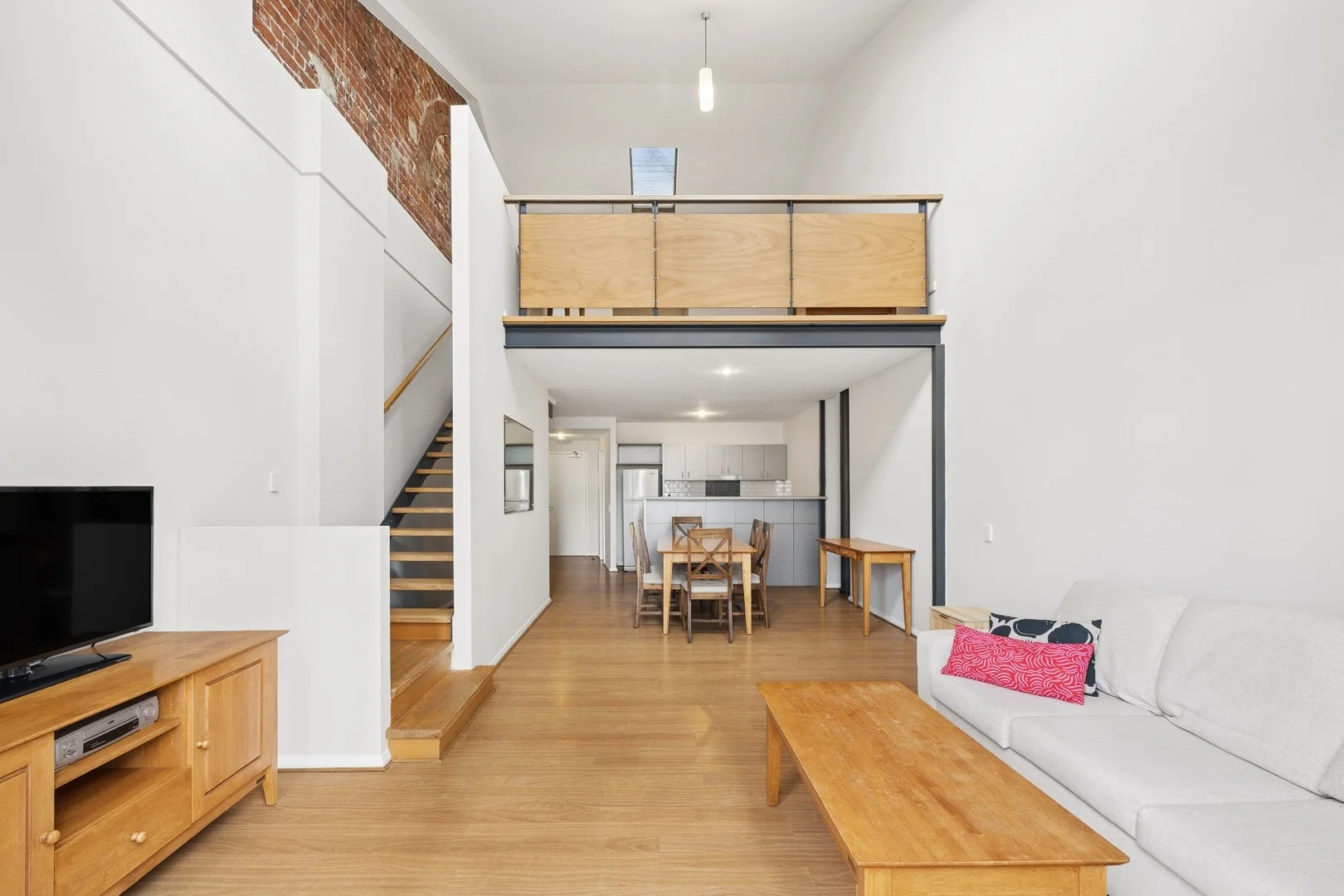 $549,000
Apartment / Unit / Flat
$549,000
Apartment / Unit / Flat
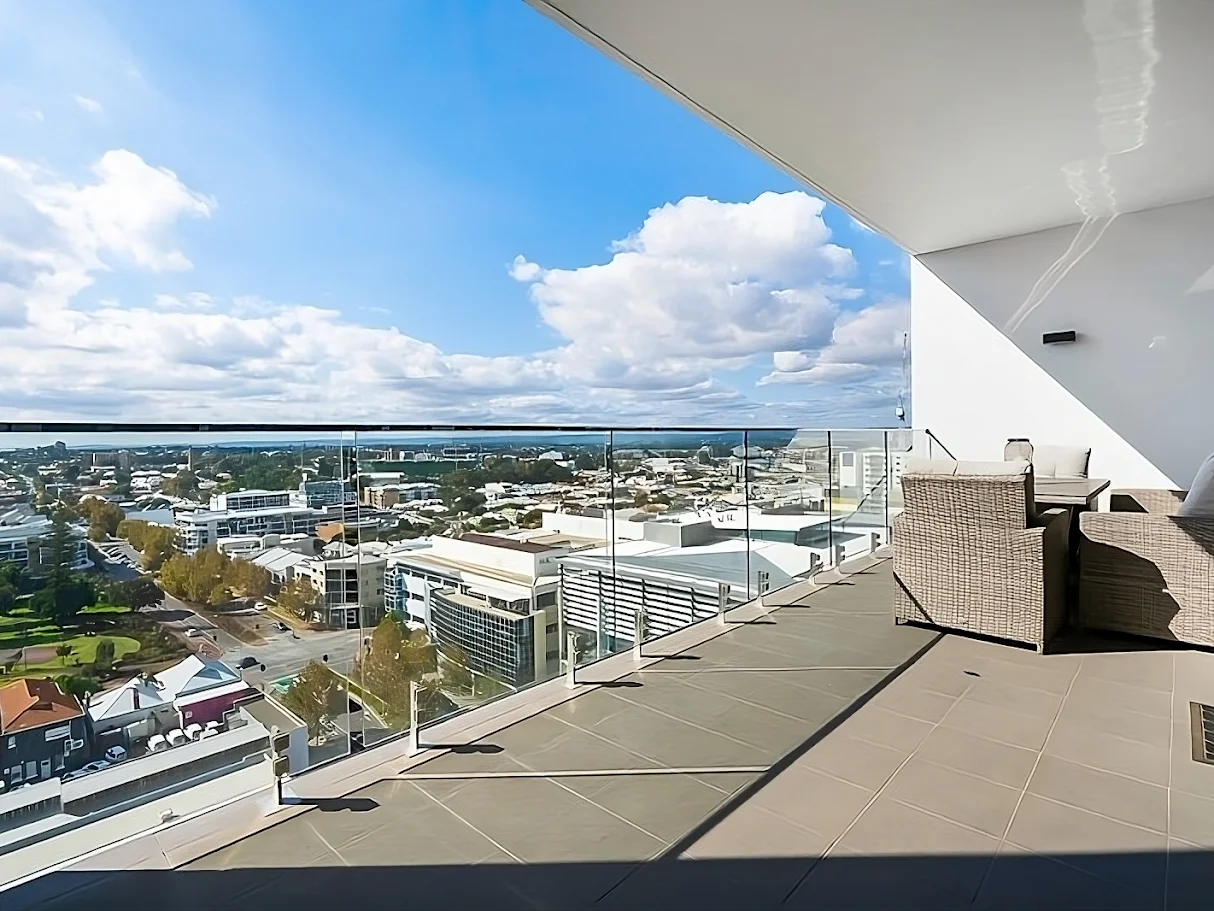 $580,000
Apartment / Unit / Flat
$580,000
Apartment / Unit / Flat
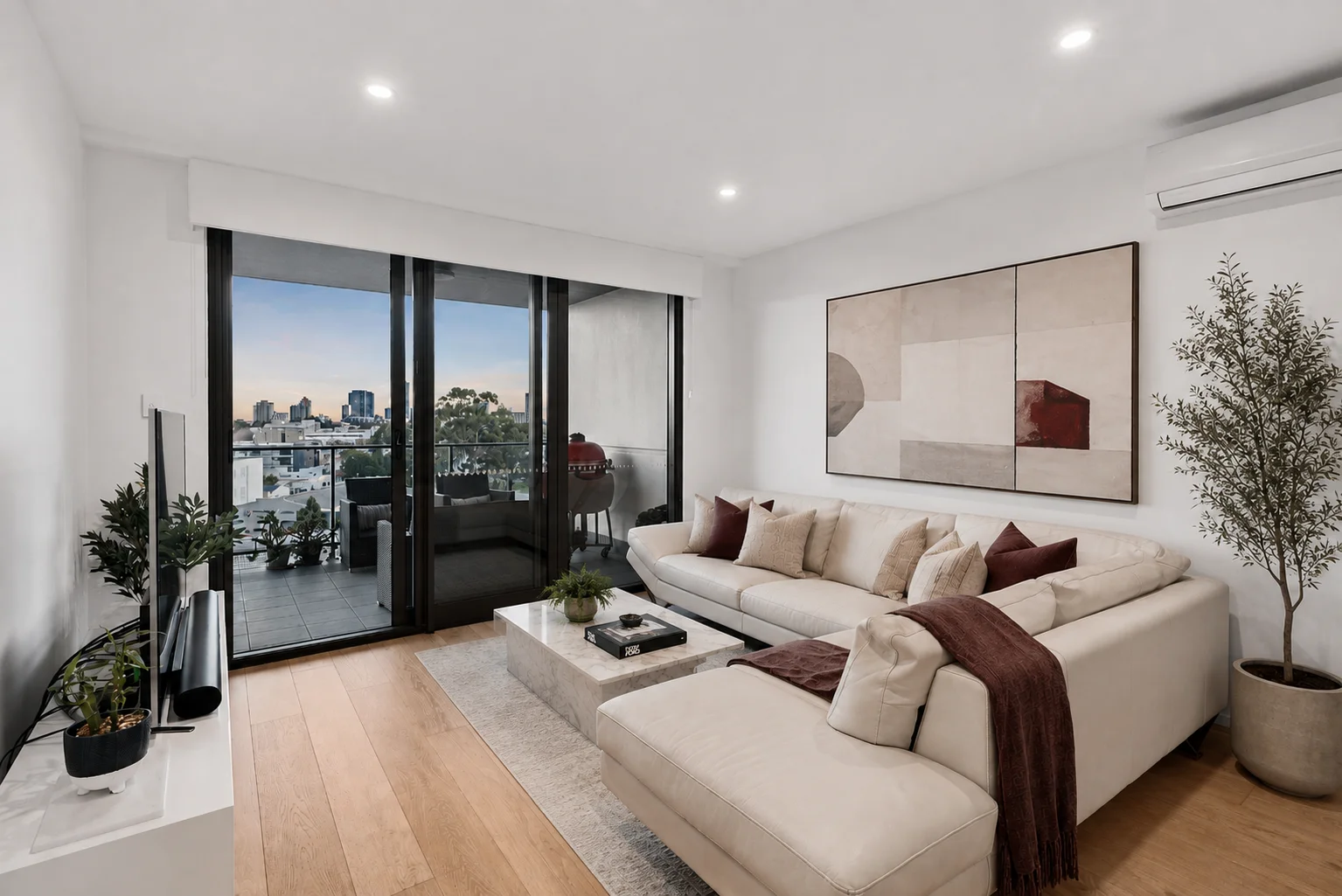 $700,000
Apartment / Unit / Flat
$700,000
Apartment / Unit / Flat