## 1. Overview
Scotch College, Swanbourne (WA) is an independent Anglican boys’ school offering a full P–12 education. The school leans into a traditional and values-driven culture with strong academic expectations, a broad co-curricular program, and a focus on character development and leadership. It operates as a medium-to-large community with a mix of day students and a wide range of learning experiences designed to prepare boys for tertiary study and life beyond school.
- School type: Independent Anglican boys’ school
- School size: Medium–large
- Class size: Typically around 18–22 in primary; roughly 16–22 in secondary
- Atmosphere/culture: Academic, nurturing, inclusive, and sport-leaning with opportunities for leadership and service
---
## 2. Academics & Learning
Scotch College offers a robust curriculum designed to build strong foundational skills and deeper learning across key subjects, with opportunities for enrichment and leadership.
- Academic strengths: Strong emphasis on STEM, English, and language development; extensive leadership and character programs; broad subject offerings to support ATAR pathways and senior study.
- Special programs: Accelerated learning options and gifted/talent programs; structured enrichment and leadership opportunities within the curriculum; pathways to advanced study in senior years.
- NAPLAN / trends: Consistently strong performance relative to state averages with positive year-on-year improvements in reading and numeracy for many year groups.
- Student-teacher ratios: Generally favorable, with smaller classes in the primary years and targeted classroom support in the upper years; overall emphasis on accessible teacher support.
- Support for diverse learners: Dedicated support for EAL and SEN learners, targeted learning support, and differentiated instruction to meet varied needs.
---
## 3. Sports & Extracurricular Strengths
A core area of focus for families, with extensive options across sport, arts, and clubs.
- Sports offered: Rugby, cricket, football (soccer), rowing, tennis, swimming, athletics, cross-country, basketball, and other outdoor games depending on season.
- Strong teams or achievements: Competitive representative programs with inter-school and regional/WAISA participation; consistent success across multiple code teams and age groups.
- Music, arts, drama programs: Comprehensive music ensembles, bands, drama productions, and opportunities in performing arts.
- Clubs: Robotics, chess, coding, debating, and various academic/interest clubs available to extend learning beyond the classroom.
- Partnerships: Participation in regional inter-school competitions and events; connections with local clubs and community organizations to broaden opportunities.
---
## 4. Wellbeing & Pastoral Care
Pastoral care and wellbeing are central to daily life at Scotch College, aimed at building resilience, belonging, and supportive peer networks.
- Anti-bullying approach: Proactive policies and programs focused on prevention, reporting, and a culture of respect.
- House system: A house-based structure supports belonging, mentorship, and healthy competition across year groups.
- Counsellors / wellbeing officers: Access to school counsellors and wellbeing staff to support mental health, transitions, and learning challenges.
- Transition support for new students: Orientation programs, buddy systems, and structured induction to aid smooth transitions into new year levels and peer groups.
---
## 5. Facilities
Facilities are designed to support a full, modern education with emphasis on STEM, arts, and physical wellbeing.
- Sports grounds: Multiple playing fields, courts, and facilities suitable for a range of sports.
- Libraries: Well-equipped library spaces supporting study, research, and reading for pleasure.
- Science labs: Modern laboratories for biology, chemistry, physics, and related STEM activities.
- Music/performing arts centers: Dedicated spaces for rehearsal, ensembles, and performances.
- Tech/innovation labs: Innovation hubs and computer labs to support coding, design, and digital projects.
- Cafeteria: On-site dining facilities with options for students.
- Updated playgrounds: Safe, accessible outdoor spaces suitable for play and recreation.
---
## 6. School Values & Community Culture
The school cultivates values-driven education with a focus on leadership, integrity, and service within a supportive community.
- School values / mission: Emphasis on character, excellence, respect, and service; commitments to leadership development and ethical conduct.
- Leadership style: Distributed leadership with teacher mentorship and student voice; opportunities to lead across clubs, teams, and student bodies.
- Behaviour expectations: Clear codes of conduct centered on respect, responsibility, and stewardship.
- Community reputation: Strong, supportive parent and alumni networks; well-regarded within the WA independent school sector.
- Diversity & inclusion: Ongoing efforts to foster an inclusive environment and celebrate diverse backgrounds and viewpoints.
---
## 7. School Logistics & Daily Operations
Practical details to help families plan daily life around school.
- School hours: Typical day runs from morning start to mid-afternoon; after-school activities and care options are available.
- Before/after school care: Available in many cases, with options for supervision outside of standard school hours.
- Uniform requirements: Full uniform policy with seasonal variations; school shop and ordering processes in place.
- Transport (train/bus routes): Access to school-provided or recommended transport options; public transport and carpooling arrangements supported.
- Canteen availability: On-site canteen or dining facilities with everyday meal options.
- Fees (low/medium/high ranges): Independent schools in this category sit in the mid-to-high fee range, with possible additional costs for uniforms, excursions, instrument lessons, and other activities.
---
## 8. Enrolment & Admissions
Here is a typical outline of how the enrolment process works and what families can expect.
11. What is the enrolment process and timeline?
- Submit an online application with supporting documents (birth certificate, previous school reports, etc.).
- Pay an application fee.
- Complete any required assessments or interviews (academic and/or behavioural).
- Receive an offer if space is available, with a timeline tailored to year level.
- Secure placement by returning required documents and payment.
12. Is there a waiting list, and how does it work?
- Waiting lists may apply when spaces are limited. Allocation often considers siblings, proximity, alignment with school ethos, and order of application. Parents are typically notified of their position and estimated timelines.
13. Are there any entry requirements, tests, or interviews?
- Yes. This usually includes an academic assessment (math and literacy) and an interview or meeting with a senior staff member. Music auditions may be required for applicants seeking instrumental placement or performance scholarships.
14. Does the school accept mid-year transfers?
- Mid-year transfers are possible depending on space and discretion of the admissions team. Availability and entry requirements may vary by term and year level.
---
## 9. Frequently Asked Questions
- Why Parents Choose This School?
- A strong blend of academic rigour, character development, robust pastoral care, and a wide range of co-curricular opportunities in a supportive community.
- What type of student thrives at this school?
- Boys who are curious, motivated, team-oriented, and ready to engage in both academics and extra-curriculars; those who value leadership opportunities and a respectful school culture.
- What opportunities are available for students to extend their skills (academics, sports, arts)?
- Enrichment programs, leadership pathways, advanced courses, STEM and language offerings, high-level sports programs, music ensembles, drama productions, and clubs such as robotics, coding, debating, and chess.
- How does the school communicate with parents?
- Regular updates via newsletters, emails, a parent portal, and scheduled parent–teacher interviews; timely notifications about events and student progress.
- What is the school’s approach to teaching and learning?
- Rigorous, inquiry-based and differentiated instruction designed to challenge students while providing targeted support where needed.
- How does the school support students who need extra academic help?
- Dedicated learning support, EAL services, targeted interventions, and access to tutoring or mentoring as required.
- What support is available for academic challenges?
- Student needs are assessed individually, with personalized learning plans, study skills coaching, and additional tutoring or resource access as appropriate.
- What are the class sizes and how much individual attention do students receive?
- Class sizes typically range from about 16–22 in most year levels, with smaller groups for targeted instruction and high teacher accessibility for individual support.
- What extracurricular and sports opportunities are available?
- A broad program including team and individual sports across several codes, music and performing arts, debating, robotics, coding, chess, and other clubs.
- What facilities does the school offer (sports, science, arts)?
- Modern stadiums and playing fields, well-equipped science labs, libraries, performing arts facilities, music centers, and technology/innovation spaces.
- What is the school’s approach to technology and digital learning?
- Integrated technology across the curriculum, use of learning management systems, and opportunities for coding, digital literacy, and design-based learning.
- What transport and accessibility options are available?
- Access to school transport options, proximity to public transport routes, and flexible arrangements for drop-off and pick-up where possible.
- What are the typical school fees or additional costs?
- Independent school fees are typically mid-to-high range, with potential extra costs for uniforms, excursions, instrument lessons, and selected activities.
---
## 10. Short Pros & Cons
- Pros
- Strong academic program with broad subject choices and leadership development
- Comprehensive co-curricular offerings across sport, arts, and clubs
- Supportive wellbeing and pastoral care framework
- Modern facilities with dedicated spaces for STEM, arts, and technology
- Active parent and community networks; positive school culture
- Cons
- Higher tuition compared with public options
- Competitive environment may feel intense to some families
- Availability of certain programs may vary by year level or cohort
- After-school activity commitments can be demanding for some families

![Storytime at Cambridge Library [Every Thursdays]](https://image.aroundschools.com.au/[object Object]) Free
Free










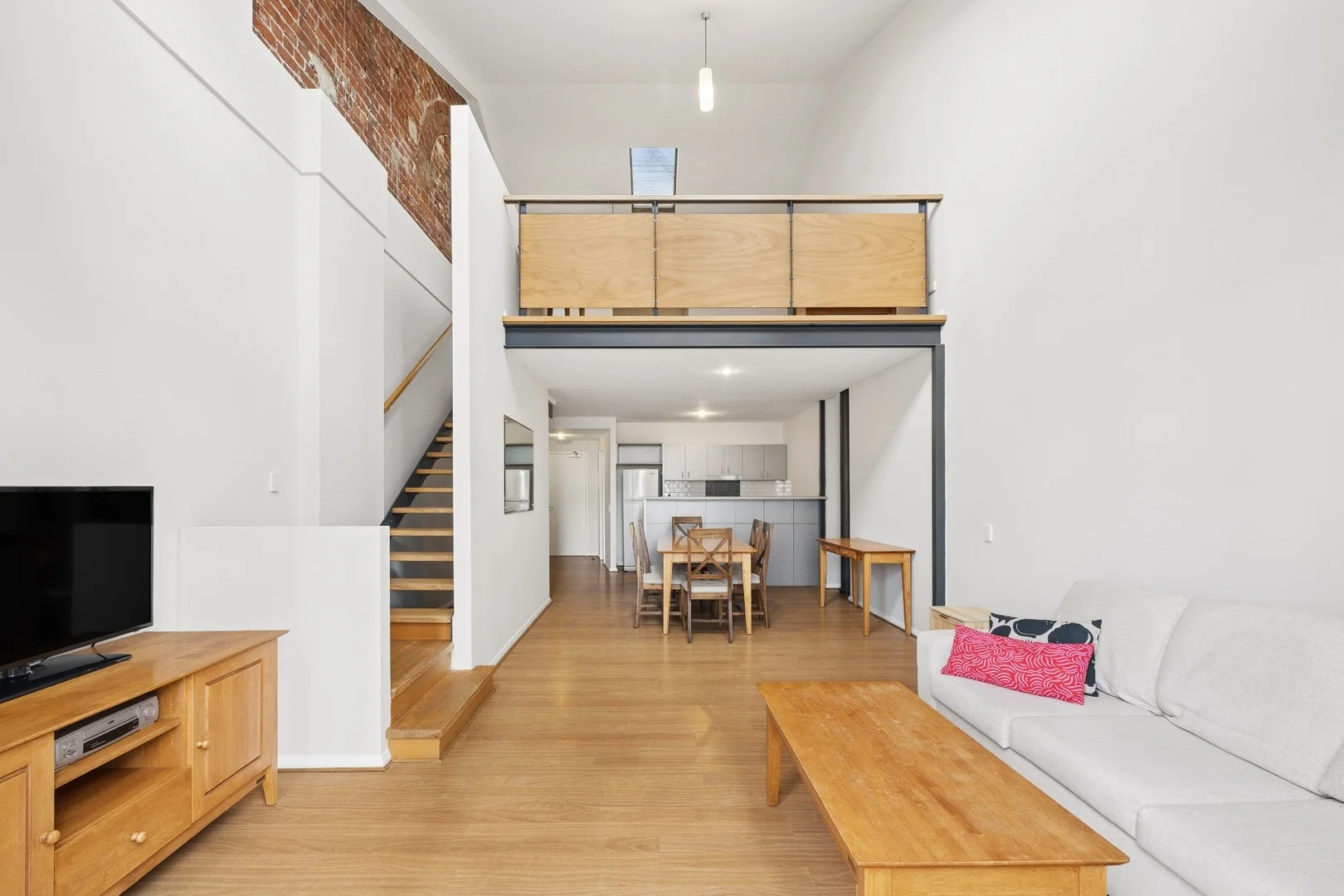 $549,000
Apartment / Unit / Flat
$549,000
Apartment / Unit / Flat
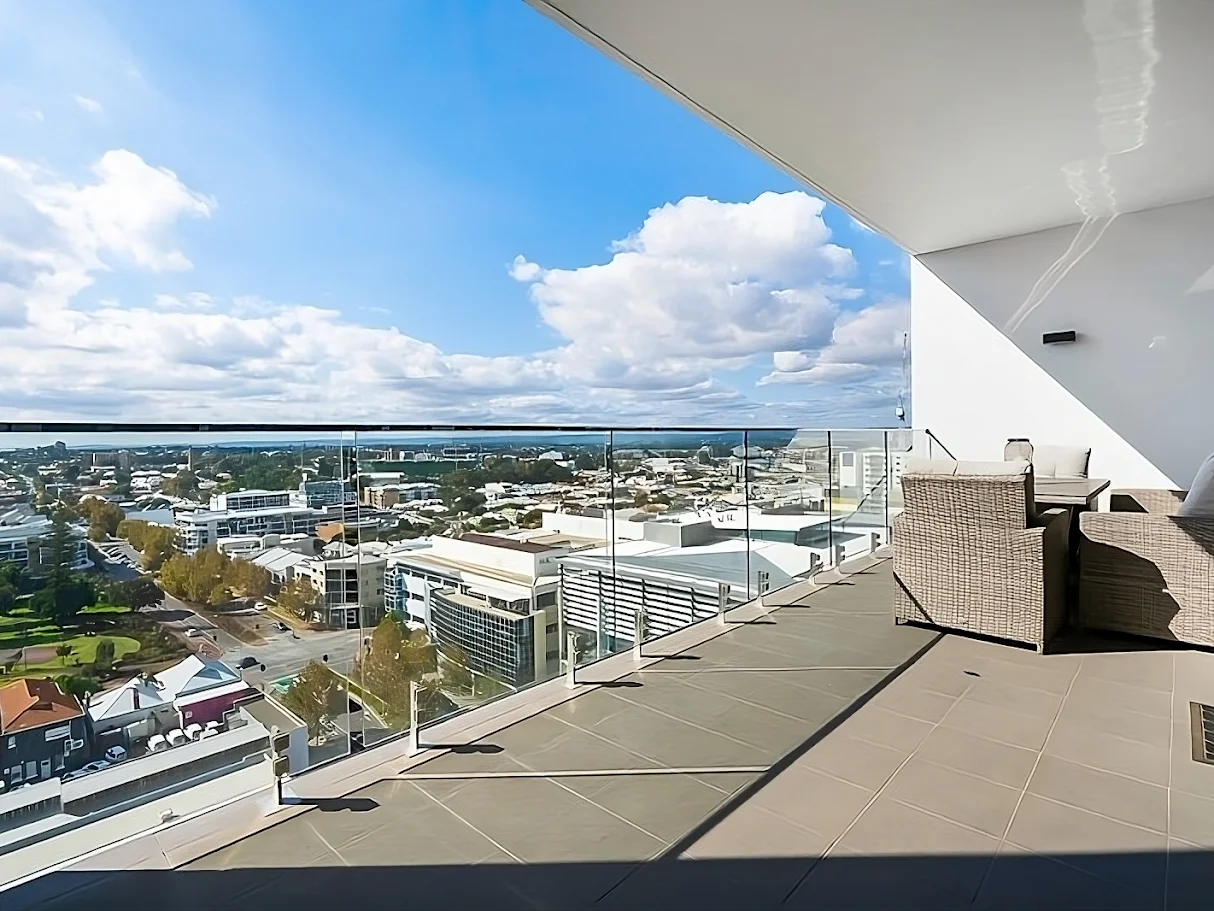 $580,000
Apartment / Unit / Flat
$580,000
Apartment / Unit / Flat
 $700,000
Apartment / Unit / Flat
$700,000
Apartment / Unit / Flat


