## Overview
North Cottesloe Primary School is a public, co-educational primary school in Western Australia that emphasises a warm, inclusive learning community. The school focuses on fostering a supportive atmosphere where students develop strong foundations in literacy, numeracy, and broader skills through engaging learning experiences.
The school size is typically small to medium, promoting close connections among students, families, and staff. Class sizes are designed to allow individual attention and collaborative learning. The atmosphere is nurturing and community-focused, with an emphasis on student wellbeing, participation in school life, and a positive, respectful culture.
- School type: Public
- School size: Small to medium
- Class size: Approximately 20–24 students per class
- Atmosphere/culture: Inclusive, nurturing, community-focused, academically oriented
---
## Academics & Learning
North Cottesloe Primary School emphasises strong literacy and numeracy foundations while providing opportunities to explore STEM, creative arts, and leadership skills. The curriculum supports inquiry-based and differentiated learning to meet diverse student needs.
- Academic strengths: Literacy, numeracy, STEM concepts, and opportunities in arts and leadership
- Special programs: Gifted and Talented/extension programs (where available), enrichment activities, and targeted learning supports
- NAPLAN trends: Steady progress and continuous improvement in literacy and numeracy over recent years
- Student-teacher ratios: Roughly 1:20 (classroom average), enabling meaningful teacher support
- Support for diverse learners: EAL/D (English as an Additional Language/Dialect) support, inclusive education practices, and targeted SEN/developmental supports
---
## Sports & Extracurricular Strengths
Athletics, team sports, and a broad range of clubs provide varied opportunities for students to discover strengths beyond the classroom. The school participates in local and district events, with emphasis on participation, teamwork, and personal bests.
- Sports offered: A range of team and individual sports (e.g., athletics, soccer, cricket, basketball, swimming), with opportunities to trial new activities
- Strong teams or achievements: Participation in district-level events; some teams achieving medals or high placements
- Music, arts, drama programs: Active music education, school concerts, and drama activities; opportunities to perform
- Clubs: Robotics, coding, chess, debating, and other interest groups
- Partnerships: Connections with local clubs, community groups, and inter-school competitions for broader experiences
---
## Wellbeing & Pastoral Care
Wellbeing and pastoral care are central to student success, with a focus on creating a safe and respectful environment where students can thrive academically and socially.
- Anti-bullying approach: School-wide positive behaviour framework with restorative practices and clear anti-bullying policies
- House system: House groups with coordinated events and a sense of belonging and healthy competition
- Counsellors / wellbeing officers: Access to school wellbeing staff or counsellors to support students and families
- Transition support for new students: Orientation activities, buddy programs, and targeted transition support to help students adjust
---
## Facilities
The school provides a range of modern facilities designed to support a broad curriculum and engaging learning experiences.
- Sports grounds
- Libraries
- Science labs
- Music/performing arts spaces
- Tech/innovation labs
- Cafeteria
- Updated playgrounds
---
## School Values & Community Culture
North Cottesloe Primary School communicates a clear set of values and fosters a collaborative, inclusive school culture with active community involvement.
- School values / mission: Respect, integrity, inclusion, and collaboration guide daily learning and interactions
- Leadership style: Distributed leadership with student voice and staff collaboration
- Behaviour expectations: Positive behaviour support framework with consistent expectations
- Community reputation: Strong sense of community, welcoming families, and active engagement
- Diversity & inclusion: Commitment to welcoming diverse backgrounds and ensuring inclusive participation
---
## School Logistics & Daily Operations
Practical details help families plan around school life.
- School hours: Typical school day from around 8:30 am to 3:00 pm
- Before/after school care: OSHC or external providers often available for before/after care
- Uniform requirements: School uniform policy in place
- Transport (train/bus routes): Accessible by public transport with nearby bus/train options; parking and drop-off zones available
- Canteen availability: Canteen or school lunch program options
- Fees (low/medium/high ranges): Public schooling generally has no tuition fees; modest costs for camps, excursions, and voluntary contributions
---
## Enrolment & Admissions
11. What is the enrolment process and timeline?
- Check in-zone eligibility and apply through the appropriate WA Department of Education processes. Provide required documents (proof of address, birth certificate, immunisation records). Offers and placements are typically communicated within weeks after submission, with timing varying by intake year and zone.
12. Is there a waiting list, and how does it work?
- Waiting lists can apply, particularly for in-demand year levels or zones. Priority often given to in-zone applicants and siblings; vacancies are filled as they arise.
13. Are there any entry requirements, tests, or interviews?
- Generally, entry does not require entrance tests. Some programs or transitional periods may involve an informal meeting or discussion with families, but there is no standard formal testing for base enrolment.
14. Does the school accept mid-year transfers?
- Yes, subject to available space. Families seeking mid-year transfers should contact the school promptly. Transfer requires submission of relevant documents (previous school report, immunisation status, proof of address).
---
## Frequently Asked Questions
- Why Parents Choose This School?
- A strong, inclusive community with caring staff, focus on student wellbeing, solid academic program, and active parental involvement.
- What type of student thrives at this school?
- Students who are curious, collaborative, willing to engage in a broad range of learning activities, and who benefit from a supportive, inclusive environment.
- What opportunities are available for students to extend their skills (academics, sports, arts)?
- Enrichment through Gifted/Talented programs or extensions, coding and robotics clubs, sports teams, music ensembles, drama and arts opportunities.
- How does the school communicate with parents?
- Through newsletters, email, a school app/portal, and parent-teacher interviews; regular updates on learning goals and student progress.
- What is the school’s approach to teaching and learning?
- A balanced, student-centered approach with emphasis on literacy and numeracy, inquiry-based learning, differentiation, and inclusive practices.
- How does the school support students who need extra academic help?
- In-class differentiation, targeted interventions, learning support staff, and access to EAL/SEN support where needed.
- What support is available for academic challenges?
- Dedicated learning support, advisory staff, and referral pathways to specialists when appropriate.
- How does the school communicate with parents?
- See above: newsletters, app/portal updates, parent-teacher meetings, and timely responses from staff.
- What are the class sizes and how much individual attention do students receive?
- Typical class sizes around 20–24 students, with teachers providing regular feedback and targeted guidance to support individual learning needs.
- What extracurricular and sports opportunities are available?
- A broad range of clubs (robotics, coding, chess, debating) and sports programs, with participation in local and inter-school events.
- What facilities does the school offer (sports, science, arts)?
- Well-equipped facilities including sports grounds, libraries, science labs, music/performing arts spaces, tech/innovation labs, and a canteen.
- What is the school’s approach to technology and digital learning?
- Integration of digital literacy and technology across the curriculum, supported by computer labs and coding activities; emphasis on safe and responsible use.
- What transport and accessibility options are available?
- Access via public transport; designated drop-off/pick-up zones; parking; accessible facilities as part of school infrastructure.
- What are the typical school fees or additional costs?
- Public schools do not charge tuition fees; minimal costs for camps, excursions, and materials beyond standard supplies; some optional activities may have charges.
---
## Short Pros & Cons list
- Pros
- Strong sense of community and inclusive culture
- Comprehensive wellbeing and pastoral care
- Good facilities supporting learning in arts, science, and sports
- Clear, proactive communication with families
- Broad range of clubs and extracurricular opportunities
- Cons
- As a public primary, program breadth may be smaller than some private options
- Enrolment in non-zone areas may involve waiting lists or limited places
- Uniform requirement is mandatory, which some families may find restrictive
- Class sizes, while manageable, are not large; customization is balanced with school-wide programs













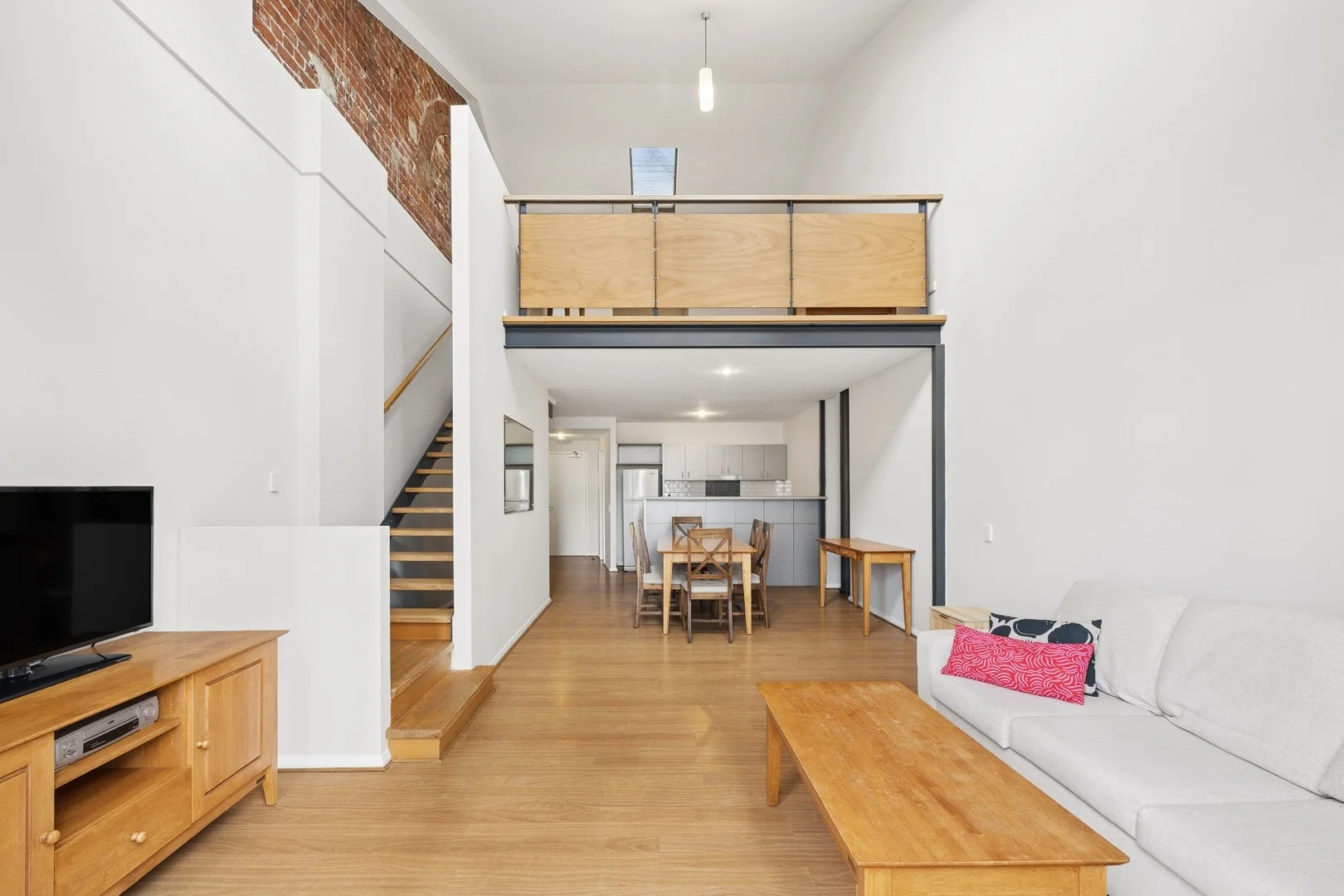 $549,000
Apartment / Unit / Flat
$549,000
Apartment / Unit / Flat
 $580,000
Apartment / Unit / Flat
$580,000
Apartment / Unit / Flat
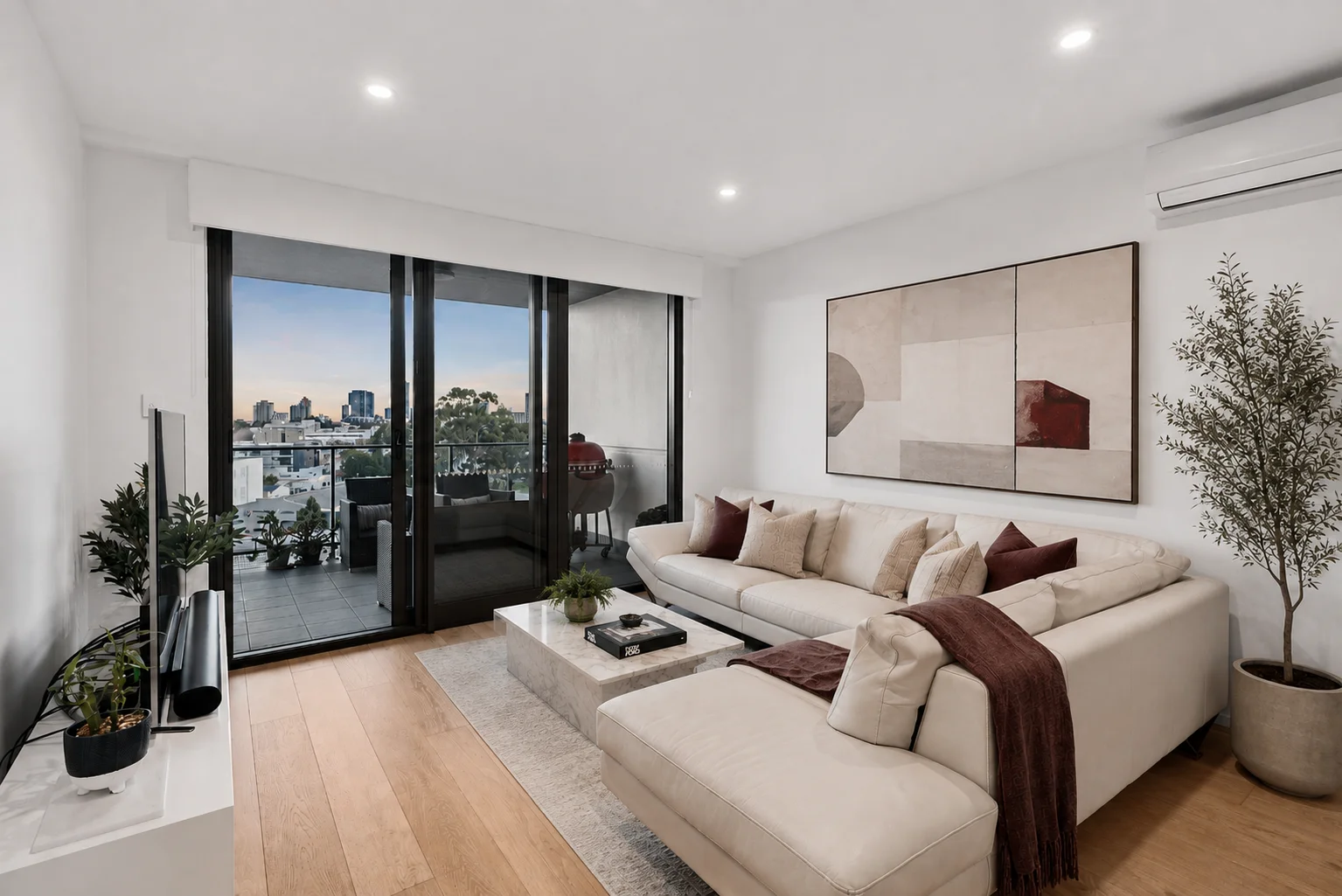 $700,000
Apartment / Unit / Flat
$700,000
Apartment / Unit / Flat