## Overview
Presbyterian Ladies' College, Peppermint Grove is an independent, girls‑only private school in Perth, WA, offering co‑curricular and academic programs from early years through to Year 12. The college is known for its strong academic culture, values‑based education, and supportive community atmosphere. With a large campus and a broad range of subjects and activities, it provides ample opportunities for students to pursue passions in STEM, the arts, leadership, and sport.
The school sits in a well-established, inclusive environment that emphasises high expectations, personal growth, and service to others. Class sizes are designed to balance individual attention with collaborative learning, contributing to a purposeful, respectful, and achievement‑oriented culture.
⸻
## Academics & Learning
- Academic strengths: STEM, English, languages, leadership development, and robust senior secondary pathways that support high academic achievement and a strong WACE/ATAR focus.
- Special programs: ATAR‑based curriculum with extension and gifted/talented options; opportunities for accelerated learning and leadership initiatives; comprehensive arts and music pathways.
- NAPLAN / Ofsted trends: Historically strong NAPLAN performance with above‑state averages and positive trends in reading, writing, and numeracy over time.
- Student‑teacher ratios: Generally low to moderate ratios (approximately 1:10 to 1:15), with smaller classes in key year levels to support targeted teaching and feedback.
- Support for diverse learners: Dedicated support for EAL students and SEN, including learning support services, targeted programs, and an inclusive education approach.
⸻
## Sports & Extracurricular Strengths
- Sports offered: Netball, hockey, basketball, tennis, swimming, athletics, cricket, and other team and individual sports as part of a broad physical education program.
- Strong teams or achievements: Competitive school teams across major sports with regular representation at interschool events and regional competitions.
- Music, arts, drama programs: Comprehensive music and performing arts programs, ensembles, and theatre productions that run alongside academic subjects.
- Clubs: Robotics, chess, coding, debating, and other student‑driven clubs to foster critical thinking and collaboration.
- Partnerships: Connections with local sports academies, arts organizations, and interschool competitions that enhance opportunities beyond the classroom.
⸻
## Wellbeing & Pastoral Care
- Anti‑bullying approach: Proactive anti‑bullying policies and programs, with a focus on student safety, respectful behaviour, and digital citizenship.
- House system: House activities and competitions that build community, leadership, and belonging across year levels.
- Counsellors / wellbeing officers: On‑site counsellors and wellbeing staff offering pastoral care, mental health resources, and personalised support.
- Transition support for new students: Orientation programs, buddy systems, and transition activities to help new students settle in smoothly.
⸻
## Facilities
- Sports grounds: Extensive sports facilities and courts for a range of activities.
- Libraries: Well‑stocked libraries with study spaces and digital resources.
- Science labs: Modern science laboratories for chemistry, biology, physics, and related coursework.
- Music/performing arts centers: Dedicated spaces for music ensembles, drama, and performance.
- Tech/innovation labs: ICT/tech spaces and innovation labs to support digital learning and project work.
- Cafeteria: On‑site canteen services with healthy meal options.
- Updated playgrounds: Well‑maintained outdoor play and recreation areas.
⸻
## School Values & Community Culture
- School values / mission: A values‑driven education emphasising integrity, service, leadership, empathy, and respect.
- Leadership style: Collaborative and student‑centred, with opportunities for student voice, leadership roles, and community involvement.
- Behaviour expectations: Clear codes of conduct stressing responsibility, respect, and positive relationships.
- Community reputation: Long‑standing reputation as a prestigious WA independent girls’ college with strong alumni networks and local community involvement.
- Diversity & inclusion: Commitment to inclusive practices and supporting a diverse student body with access pathways and resources.
⸻
## School Logistics & Daily Operations
- School hours: Typical school day runs from morning start to mid‑afternoon, with after‑hours activities and programs.
- Before/after school care: Availability of before/after school care or supervised activity options.
- Uniform requirements: Formal school uniform with designated sports and casual options; adherence expected.
- Transport (train/bus routes): Access to local bus routes and public transport options; school may facilitate shuttle or partner transport where available.
- Canteen availability: On‑site canteen/cafeteria offering lunch and snack options.
- Fees (low/medium/high ranges): Fees are in the high range for WA independent schools, with separate components for tuition, resources, and levies.
⸻
## Enrolment & Admissions
11. What is the enrolment process and timeline?
- Applications typically begin well in advance of the desired entry year. The process usually includes submitting an application, a family interview, and academic records. Offers are made subject to space and fit with the school’s programs; orientation and enrolment steps follow successful acceptance.
12. Is there a waiting list, and how does it work?
- Waiting lists are common when demand exceeds available places. The school may manage waitlists by entry year, with priority given to siblings, alumni families, and applicants who demonstrate alignment with the school’s values and programs.
13. Are there any entry requirements, tests, or interviews?
- Entry often involves an interview for both the student and family, and may include academic records review and, in some cases, a brief assessment or audition (especially for music or language programs).
14. Does the school accept mid-year transfers?
- Mid‑year transfers are possible if spaces are available and the student’s curriculum aligns with WA standards. Transfer timelines and documentation would be coordinated with the admissions team.
⸻
## Frequently Ask Questions
- Why Parents Choose This School?
- Strong academic program, supportive pastoral care, leadership opportunities, and a values‑driven culture that emphasises service and character.
- What type of student thrives at this school?
- Motivated, curious, collaborative students who value academic challenge, leadership experiences, and participation in a broad range of co‑curriculars.
- What opportunities are available for students to extend their skills (academics, sports, arts)?
- Access to extension and gifted programs, leadership opportunities, competitive sports teams, music and theatre programs, and clubs such as robotics, coding, chess, and debating.
- How does the school communicate with parents?
- Regular newsletters, parent portals or apps, parent–teacher interviews, and updates on events and student progress through digital and in‑person channels.
- What is the school’s approach to teaching and learning?
- Differentiated, inquiry‑based learning with high expectations, a strong literacy and numeracy focus, and integration of technology to enhance learning outcomes.
- How does the school support students who need extra academic help?
- Dedicated learning support, EAL and SEN services, small group tutoring, and targeted intervention plans.
- What support is available for academic challenges?
- Access to learning support staff, counselling resources, and individualized planning to help students meet their academic goals.
- How does the school communicate with parents?
- (See above) Regular updates through multiple channels to keep families informed about progress and school life.
- What are the class sizes and how much individual attention do students receive?
- Class sizes are typically in the small to mid‑range, with targeted teacher attention, ongoing feedback, and access to support services as needed.
- What extracurricular and sports opportunities are available?
- Wide range of sports, music and performing arts, and clubs such as robotics, coding, chess, and debating; strong interschool competition presence.
- What facilities does the school offer (sports, science, arts)?
- Comprehensive facilities for sports, science, music, arts, and technology, plus modern libraries and student spaces.
- What is the school’s approach to technology and digital learning?
- Integration of digital tools, e‑learning platforms, device use in classrooms, and programs promoting digital citizenship and innovation.
- What transport and accessibility options are available?
- Local transport options including buses and partnerships with transport providers; school facilities to support accessibility.
- What are typical school fees or additional costs?
- Fees are in the high range for WA independent schools, with potential extra costs for uniforms, activities, and excursions.
⸻
## Short Pros & Cons
- Pros
- Strong academic track record and ATAR‑focused pathways
- Supportive, values‑driven community
- Broad range of co‑curriculars (sports, arts, clubs)
- Comprehensive wellbeing and pastoral care
- Modern facilities and resources
- Cons
- Higher fees compared with public schools
- Competitive environment may feel intense for some students
- Admissions can be selective with waitlists during high‑demand years
- Travel or commuting considerations for families not in the immediate area
⸻












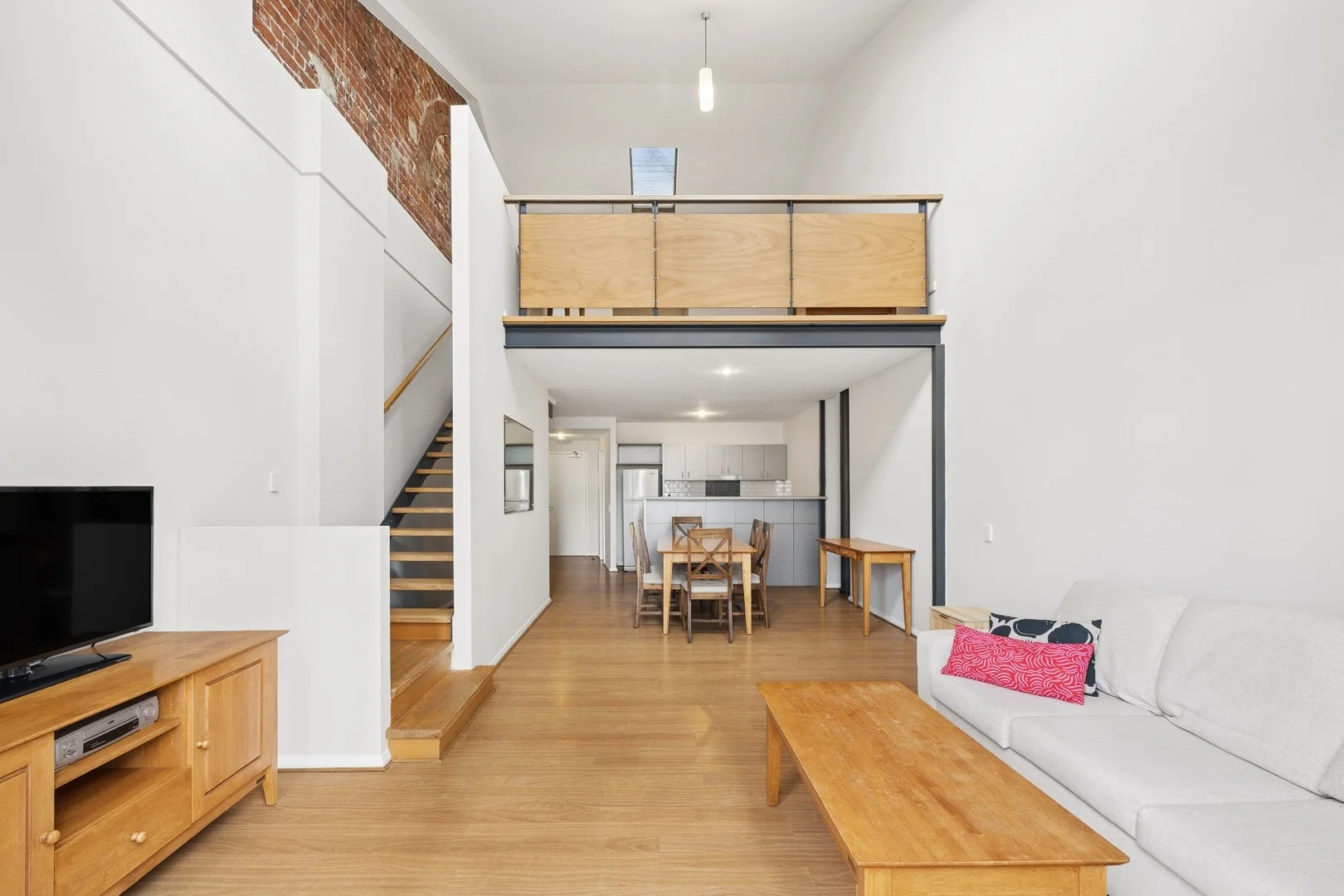 $549,000
Apartment / Unit / Flat
$549,000
Apartment / Unit / Flat
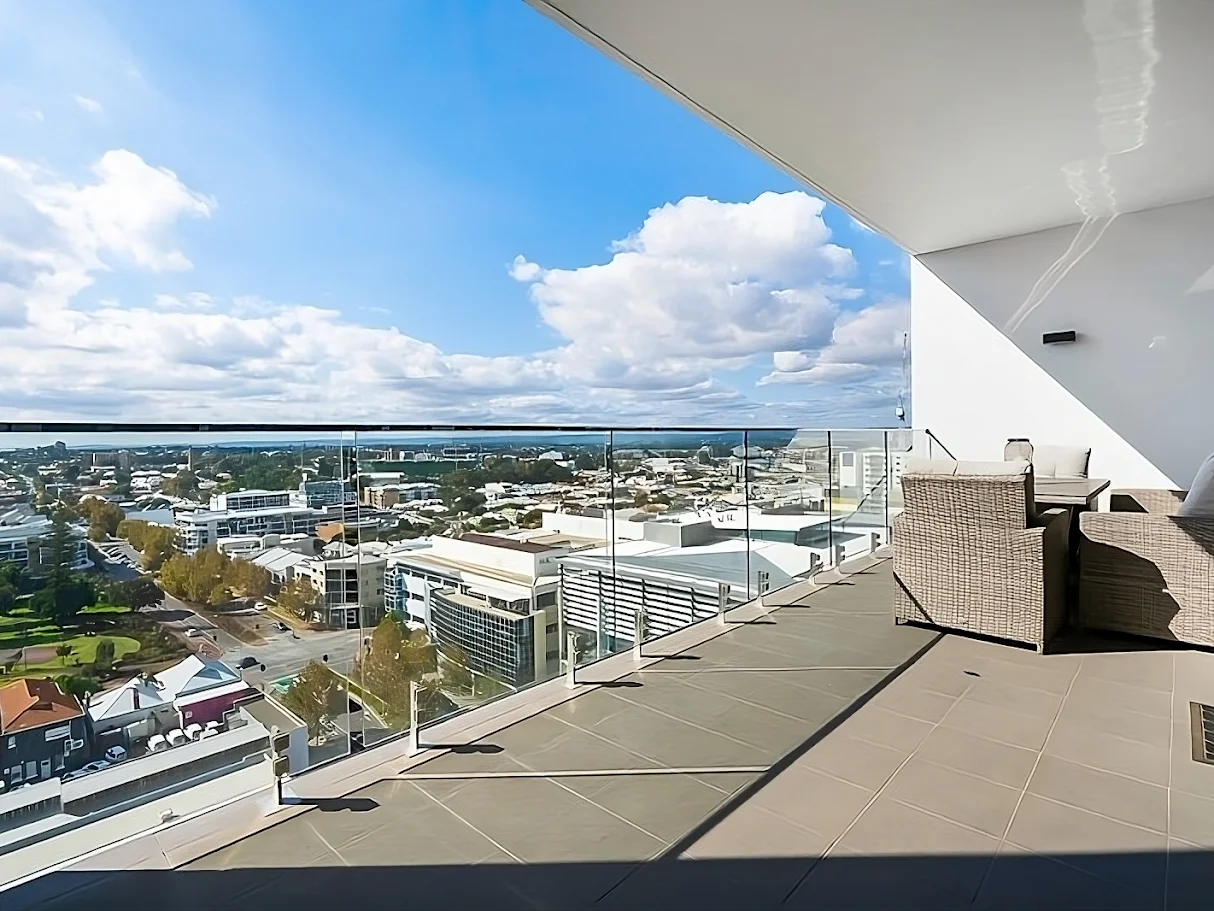 $580,000
Apartment / Unit / Flat
$580,000
Apartment / Unit / Flat
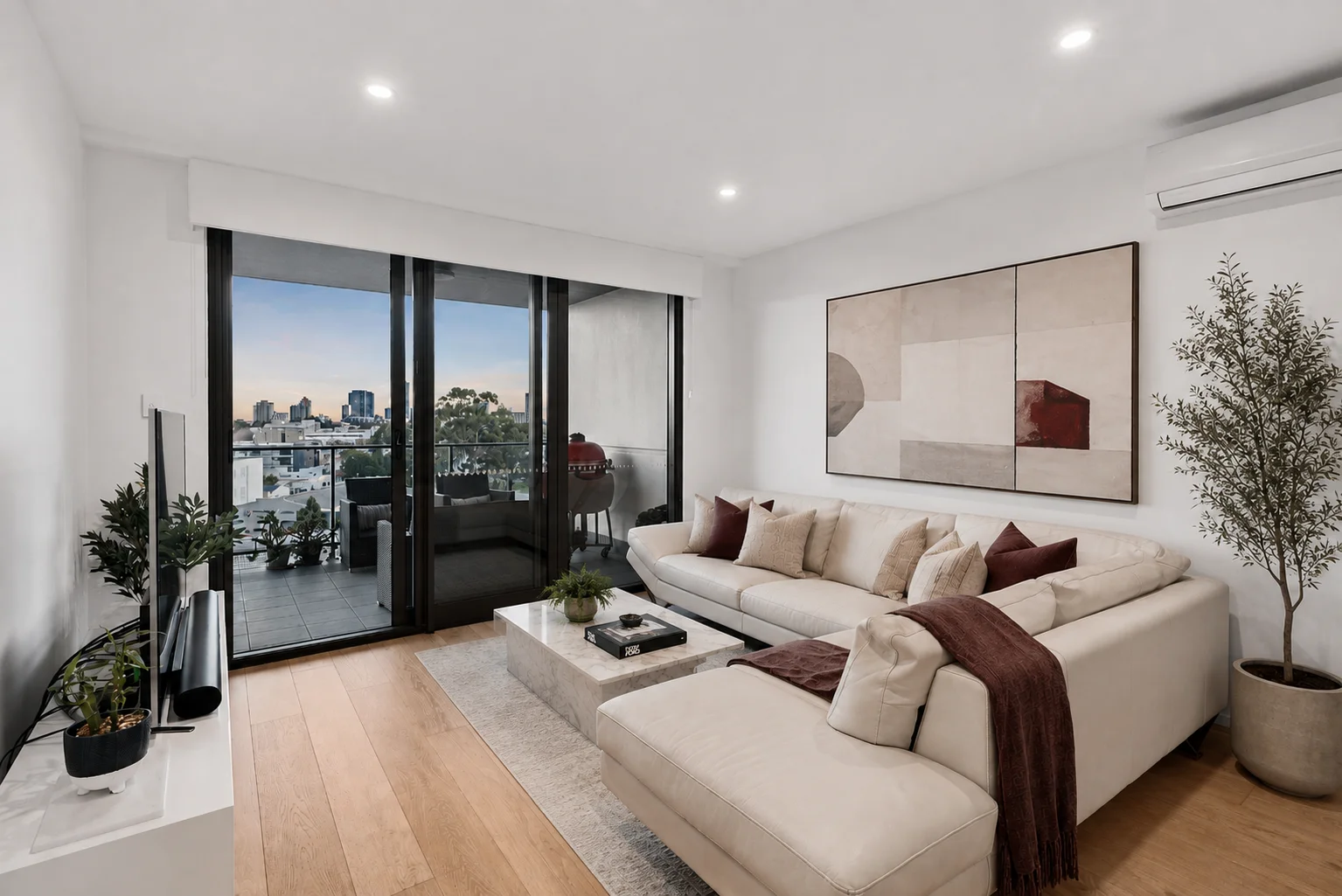 $700,000
Apartment / Unit / Flat
$700,000
Apartment / Unit / Flat


