## Overview
St Thomas' Primary is a Catholic, co-educational primary school in Claremont, Western Australia. The school combines a small-to-medium student body with a welcoming, faith-informed learning environment that supports families seeking a values-based education.
- School type: Catholic/private
- School size: small-to-medium
- Class size: typically around 20–24 students per class
- Atmosphere/culture: nurturing, inclusive, academically focused, with a strong sense of community
⸻
## Academics & Learning
- Academic strengths: solid literacy and numeracy foundations, with a focus on English, mathematics, and STEM enrichment; leadership development and opportunities in student-led initiatives; language learning offered as part of the curriculum.
- Special programs: gifted and talented/extension opportunities; accelerated learning options where appropriate; robotics and coding experiences integrated into learning.
- NAPLAN trends: stable to improving performance in key literacy and numeracy areas over time, with emphasis on growth and consistency across year levels.
- Student-teacher ratios: small-to-moderate class sizes enabling regular teacher support (roughly 1:12–1:20 depending on year level and class).
- Support for diverse learners: dedicated support for EAL and SEN learners; inclusive education practices and targeted interventions to assist students who need extra help.
⸻
## Sports & Extracurricular Strengths
- Sports offered: a range of school-based team sports common to WA primary schools (e.g., soccer, netball, basketball, athletics) with opportunities for participation in inter-school events where available.
- Strong teams or achievements: participation in local inter-school competitions and age-appropriate teams; emphasis on teamwork, sportmanship, and personal bests.
- Music, arts, drama programs: active music and performing arts offerings, including choir or ensembles and school productions.
- Clubs: robotics, coding, chess, debating, and other enrichment clubs that support critical thinking and creativity.
- Partnerships: connections with local clubs and associations for development opportunities and competitions.
⸻
## Wellbeing & Pastoral Care
- Anti-bullying approach: clear anti-bullying policies with a whole-school wellbeing framework and restorative practices.
- House system: house-based structure to promote belonging, healthy competition, and pastoral care.
- Counsellors / wellbeing officers: on-site wellbeing staff or access to school-based counsellors to support students’ social-emotional needs.
- Transition support for new students: orientation programs, buddy systems, and targeted transition plans to help new students settle in smoothly.
⸻
## Facilities
- Sports grounds
- Libraries
- Science labs
- Music/performing arts centers
- Tech/innovation labs
- Cafeteria
- Updated playgrounds
⸻
## School Values & Community Culture
- School values / mission: faith-based education centered on respect, responsibility, compassion, and service; commitment to holistic development.
- Leadership style: collaborative, student-centered leadership with opportunities for student voice and input.
- Behaviour expectations: clear expectations around respect, responsibility, kindness, and integrity; positive discipline supports student growth.
- Community reputation: welcoming, family-focused reputation within the local community.
- Diversity & inclusion: inclusive environment that respects and supports diverse backgrounds and needs.
⸻
## School Logistics & Daily Operations
- School hours: typical day starts in the morning and finishes mid-to-late afternoon (times may vary by year level).
- Before/after school care: available through an OSHC or school-approved program.
- Uniform requirements: standard uniform policy with shop-provided items; guidance on dress code and appearance.
- Transport: accessible by public transport with nearby bus routes and walking-friendly access; local drop-off and pick-up arrangements.
- Canteen availability: on-site or school-canteen services for lunch and snacks.
- Fees: mid-range fees with routine contributions; additional costs for uniforms, excursions, and camps.
⸻
## Enrolment & Admissions
11. What is the enrolment process and timeline?
- Submit expression of interest or application form, provide required documentation, and arrange any necessary interviews or information sessions. Admissions decisions are made subject to vacancy availability, with timelines typically communicated well in advance of the planned start date.
12. Is there a waiting list, and how does it work?
- Waiting lists may apply. Priority often given to Catholic families or local placement policies; timing and placement depend on vacancies and cohort planning. You can inquire with the admissions team for current wait times and options.
13. Are there any entry requirements, tests, or interviews?
- Entry may involve an interview or information session, and some assessment of readiness. Some Catholic schools consider faith affiliation in admissions, while others place emphasis on readiness and fit with the school culture. Documentation and references may be requested.
14. Does the school accept mid-year transfers?
- Mid-year transfers are considered where vacancies exist. Prospective families should contact the admissions office as early as possible to discuss availability and transfer logistics.
⸻
## Frequently Ask Questions
- Why Parents Choose This School?
- A values-based Catholic education in a nurturing, inclusive community with strong academics and a focus on holistic development.
- What type of student thrives at this school?
- Students who value respect, service, collaboration, and personal growth within a faith-informed environment.
- What opportunities are available for students to extend their skills (academics, sports, arts)?
- Enrichment in literacy and numeracy, STEM activities, leadership roles, music and performing arts, and a variety of clubs (robotics, coding, chess, debating), plus sports and inter-school competitions.
- How does the school communicate with parents?
- Regular newsletters, emails, parent-teacher meetings, and school apps or portals for updates and notifications.
- What is the school’s approach to teaching and learning?
- A balanced, literacy- and numeracy-focused approach with differentiation, faith-informed values, and opportunities for hands-on, inquiry-based learning.
- How does the school support students who need extra academic help?
- In-class supports, targeted interventions, learning support staff, and EAL/SEN assistance where required.
- What support is available for academic challenges?
- Timed interventions, small-group or one-on-one support, and access to specialist staff to address specific learning needs.
- How does the school communicate with parents? (duplicate)
- See above: newsletters, messages, parent-teacher meetings, and digital platforms.
- What are the class sizes and how much individual attention do students receive?
- Class sizes are small-to-medium (around 20–24), enabling regular individual or small-group attention from teachers.
- What extracurricular and sports opportunities are available?
- A broad range including sports, music, arts, robotics, coding, chess, debating, and opportunities to participate in inter-school events.
- What facilities does the school offer (sports, science, arts)?
- Sports grounds, libraries, science labs, music/performing arts centers, tech/innovation labs, a canteen, and upgraded playgrounds.
- What is the school’s approach to technology and digital learning?
- Integrated ICT and digital literacy in the curriculum, with safe, age-appropriate use of devices and online resources.
- What transport and accessibility options are available?
- Access to local bus routes and convenient walkable areas; guidance on drop-off/pick-up and parking.
- What are typical school fees or additional costs?
- Moderate fees with additional costs for uniforms, excursions, and camps; some voluntary contributions may apply.
⸻
## Short Pros & Cons list
- Pros
- Nurturing, faith-based environment with a focus on values and community
- Small-to-medium class sizes enabling individual attention
- Broad range of academic and enrichment offerings (arts, sports, clubs)
- Strong wellbeing and pastoral care with house system
- Modern facilities supporting science, technology, and performing arts
- Cons
- Fees are applicable (typical for a Catholic private school)
- Availability may be influenced by Catholic admissions priorities and vacancies
- Specific programs and offerings can vary by year level; some specialized options may be limited compared with larger independent schools












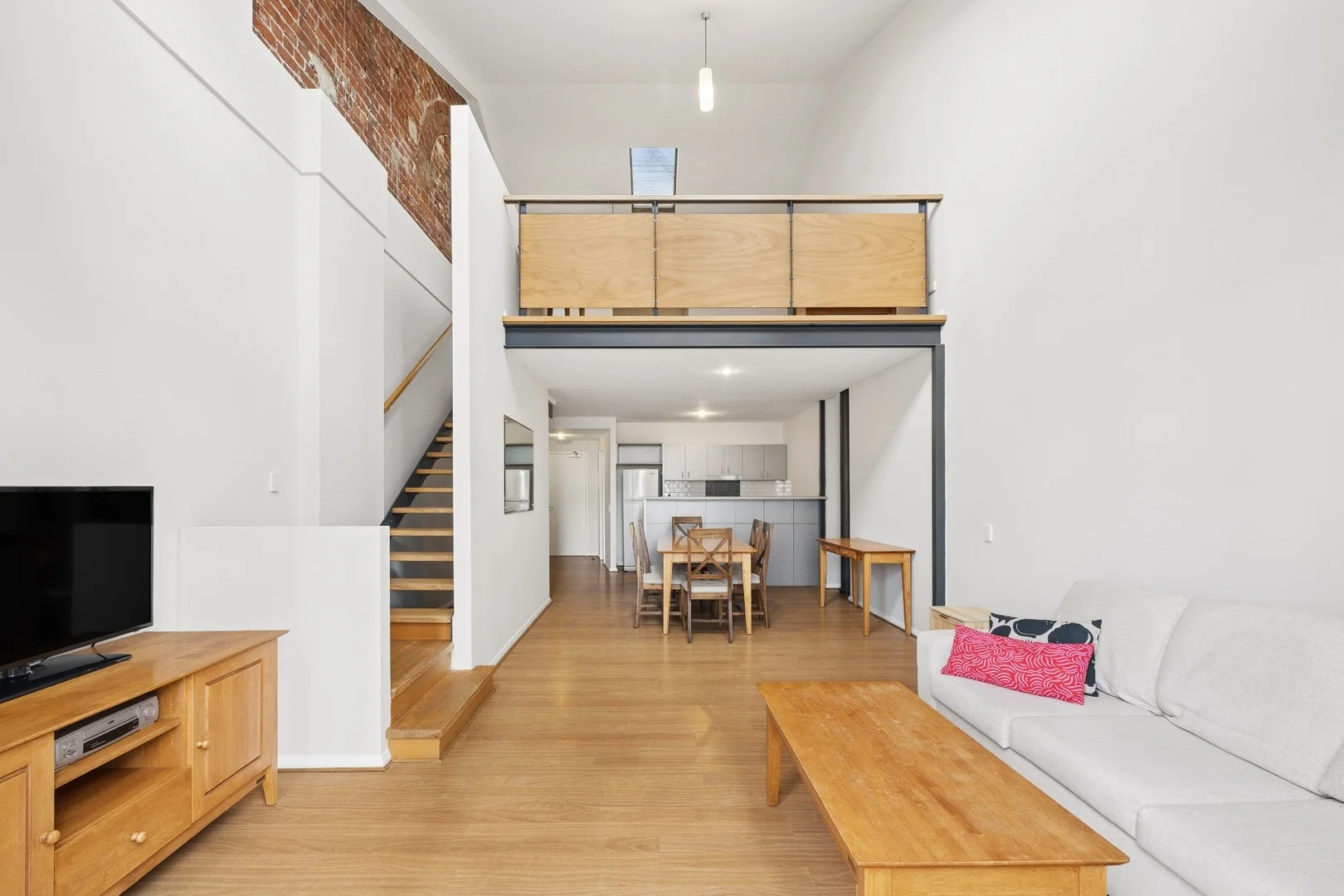 $549,000
Apartment / Unit / Flat
$549,000
Apartment / Unit / Flat
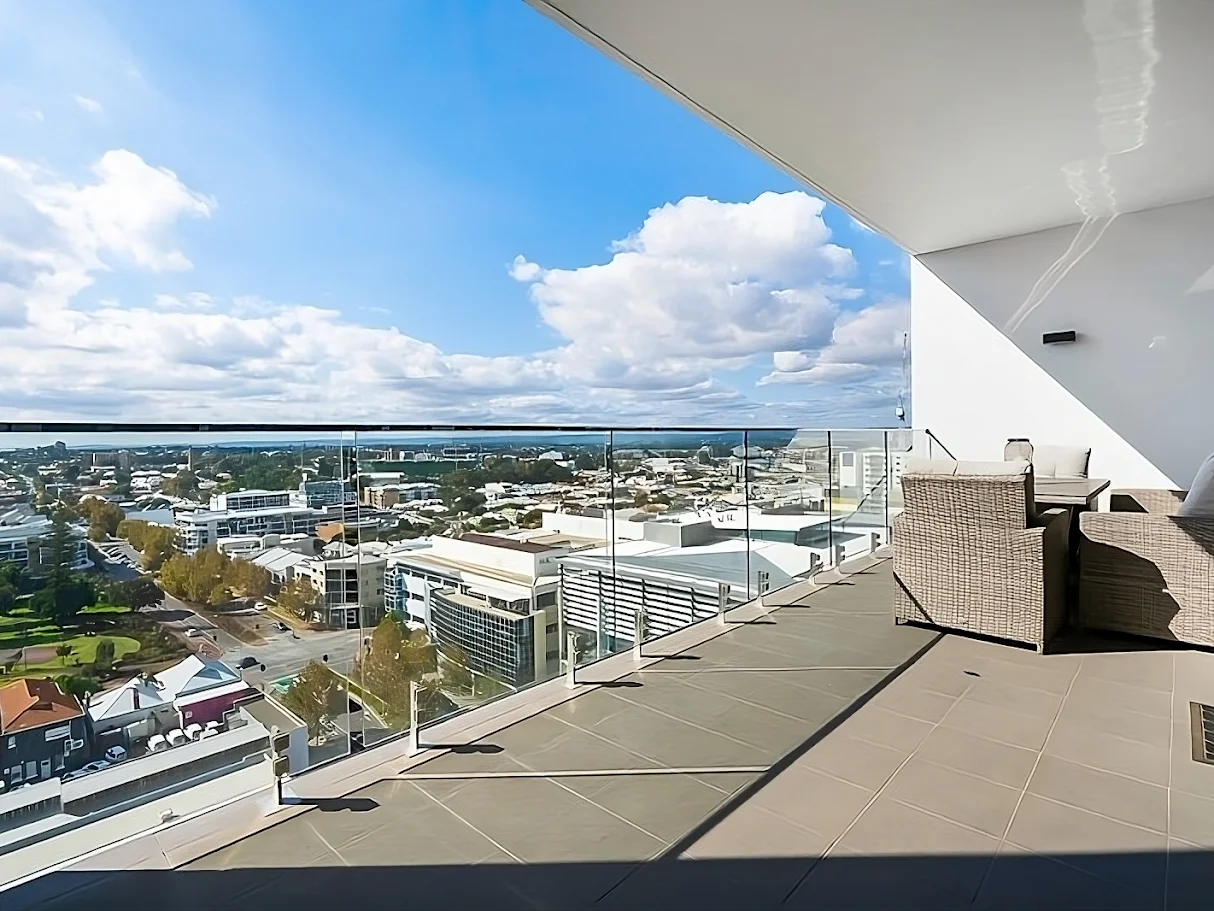 $580,000
Apartment / Unit / Flat
$580,000
Apartment / Unit / Flat
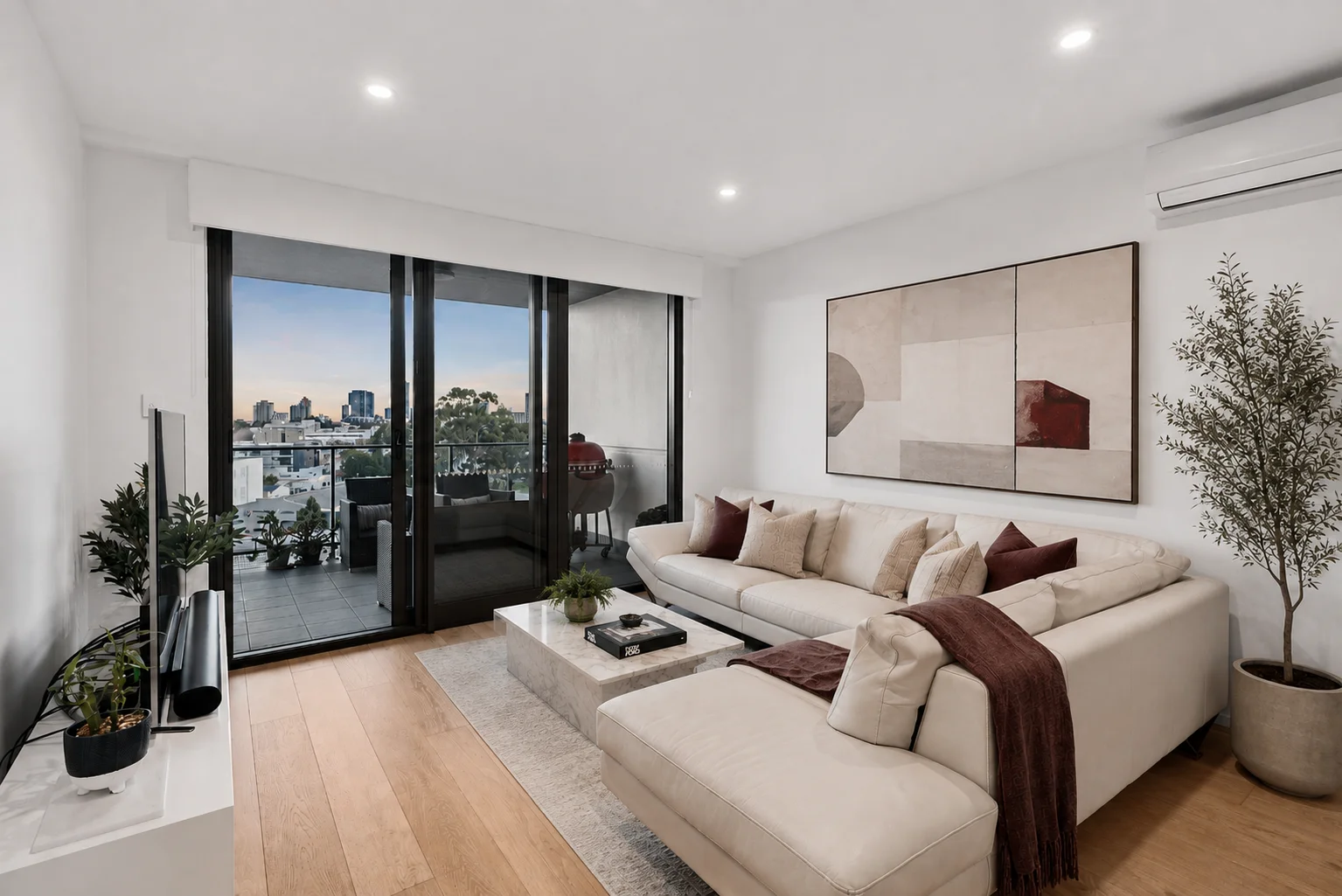 $700,000
Apartment / Unit / Flat
$700,000
Apartment / Unit / Flat