Overview
St John’s Grammar School is an independent, co-educational day school in Belair, South Australia, with Anglican affiliation. The school aims to provide a balanced, values-based education that supports students across junior and senior years in a close-knit, caring community. As a medium-sized school, it seeks to blend strong academic expectations with opportunities in the arts, sports and wellbeing.
Class sizes are designed to enable individual attention within a supportive, inclusive culture. The atmosphere is described as nurturing yet academically focused, with attention to student wellbeing, character development and a willingness to engage in a broad range of activities beyond the classroom.
Academics & Learning
- Academic strengths: Emphasis on core disciplines such as English and mathematics, with strengths in science, humanities and languages. The school places importance on critical thinking, problem solving and independent learning.
- Special programs: Opportunities for advanced learners and leadership development; programs aimed at stretching capable students and fostering project-based learning.
- Support for diverse learners: Dedicated support for diverse learners, including EAL (English as an Additional Language) and SEN (Special Educational Needs) programs and targeted intervention where needed.
- Sports offered: A range of team and individual options such as football (soccer), cricket, netball, basketball, tennis and athletics, with opportunities to participate in inter-school events.
- Strong teams or achievements: The school maintains competitive teams across multiple sports and participates in local and regional competitions.
- Music, arts, drama: Active music programs with ensembles and ensembles, drama productions and opportunities to engage in performing arts.
- Clubs: Robotics, coding, chess, debating and other inquiry-based clubs that build practical and critical-thinking skills.
- Partnerships: Connections with local academies, sport associations and external competitions to broaden experiences beyond the classroom.
Wellbeing & Pastoral Care
- Anti-bullying approach: Clear policies and proactive education around respectful behaviour, supported by staff training and student-led initiatives.
- House system: A house-based framework fosters belonging, teamwork and friendly rivalry across year levels.
- Counsellors / wellbeing officers: Access to counselling and wellbeing professionals to support mental health, resilience and transition needs.
- Transition support: Orientation programs, buddy systems and dedicated staff support help with transitions for new students and families.
Facilities
- Sports grounds: Accessible fields and courts suitable for a broad range of sports.
- Libraries: Well-equipped library spaces that support reading for pleasure and research.
- Science labs: Modern science facilities for practical investigations across disciplines.
- Music/performing arts centers: Spaces for rehearsals, performances and productions.
- Tech/innovation labs: Facilities that support STEM learning, coding and maker-style activities.
- Cafeteria: On-site canteen with options suitable for a school day.
- Updated playgrounds: Well-maintained outdoor spaces for recreation and play.
- School values / mission: A values-based education emphasising integrity, respect, excellence and service.
- Leadership style: Generally student-centered and collaborative, with opportunities for student voice in school life.
- Behaviour expectations: Clear code of conduct grounded in respect and responsibility; consistent expectations across year levels.
- Community reputation: Strong sense of community with active parental involvement and a positive local reputation.
- Diversity & inclusion: Commitment to inclusion and respect for diversity within the school, with programs and practices to support a range of backgrounds and abilities.
School Logistics & Daily Operations
- School hours: Regular school day structured to support learning, with start and end times published by the school.
- Before/after school care: Availability of before- and after-school care options to support families.
- Uniform requirements: School uniform policy in place, with guidance on appropriate attire for daily wear and events.
- Transport (train/bus routes): Access to bus routes and proximity to public transport; details provided by the school.
- Canteen availability: On-site canteen or catering options during the day.
- Fees (low/medium/high ranges): Fees fall in the mid-to-high range for SA independent schools; specifics vary by year level and programs.
Enrolment & Admissions
- What is the enrolment process and timeline?
- Typically, families start with an expression of interest or application, followed by submission of required documents (academic records, references, etc.), an interview and/or assessment for some year levels, and a formal offer if space is available. The timeline varies by year level and intake period; it is best to check with the school for the current year’s schedule.
- Is there a waiting list, and how does it work?
- Waiting lists can exist when demand exceeds space. The process usually prioritizes applicants based on vacancy, date of application, program needs and sometimes sibling considerations. Space availability governs when offers are made.
- Are there any entry requirements, tests, or interviews?
- Entry often involves an interview and may include informal assessments or reviews of prior academic performance. Some year levels may have specific entry requirements; EAL/SEN considerations may influence assessment. Verify the exact requirements with the school.
- Does the school accept mid-year transfers?
- Mid-year transfers are sometimes possible if there is space and the student meets entry requirements, with the transition planned to minimize disruption and align with term dates.
Frequently Ask Questions
- Why Parents Choose This School?
- A strong, values-based education within a supportive community, balanced with a focus on academics, wellbeing and a broad extracurricular program.
- What type of student thrives at this school?
- Students who are motivated, collaborative, curious and engaged in both academics and co-curricular activities; those who value a supportive environment and opportunities to develop leadership and character.
- What opportunities are available for students to extend their skills (academics, sports, arts)?
- Access to advanced learning opportunities, leadership programs, a range of sports teams, performing arts, music ensembles, and clubs such as robotics, coding and debating.
- How does the school communicate with parents?
- Regular newsletters, parent portals, emails and parent-teacher conferences; proactive updates on student progress and school events.
- What is the school’s approach to teaching and learning?
- Student-centered, inquiry-based and differentiated learning that focuses on developing critical thinking, collaboration and independent learning skills.
- How does the school support students who need extra academic help?
- Access to learning support, targeted interventions, tutoring and specialised assistance for EAL or SEN needs.
- What support is available for academic challenges?
- Structured support options, including small-group or one-on-one assistance, plus planning for academic skill development and progress monitoring.
- How does the school communicate with parents? (Repeated)
- See above: newsletters, portals, conferences, and ongoing updates about academic and wellbeing matters.
- What extracurricular and sports opportunities are available?
- A broad mix of sports, arts, music and clubs such as robotics, coding, chess and debating, plus opportunities to participate in inter-school events and competitions.
- What facilities does the school offer (sports, science, arts)?
- Comprehensive facilities across sports grounds, libraries, science labs, performing arts spaces and tech/innovation labs, plus canteen and outdoor play areas.
- What is the school’s approach to technology and digital learning?
- Emphasis on digital literacy and learning platforms, with access to computer labs and age-appropriate technology integration to support classroom learning.
- What transport and accessibility options are available?
- Transport options include bus routes and access to public transport; details are provided by the school to families.
- What are the typical school fees or additional costs?
- Fees generally fall within the mid-to-high range for SA independent schools, with additional costs for uniforms, trips, activities and materials. Specifics are provided by the school’s current fee schedule.
Short Pros & Cons list
- Values-based education within a supportive, inclusive community
- Balanced emphasis on academics, arts and sports
- Broad range of co-curricular activities and leadership opportunities
- Focus on wellbeing and transition support for students
- Independent school fees can be higher than public options
- Availability may be limited for specific year levels or programs
- Some programs (e.g., IB) may not be offered at every year level; confirm what is available
- Transportation options depend on location and space; some families may need to arrange private transport
If you’d like, I can tailor this draft further with more precise, up-to-date details from the school’s official materials or help restructure it to match a specific page layout you’re using.
 $40+
$40+









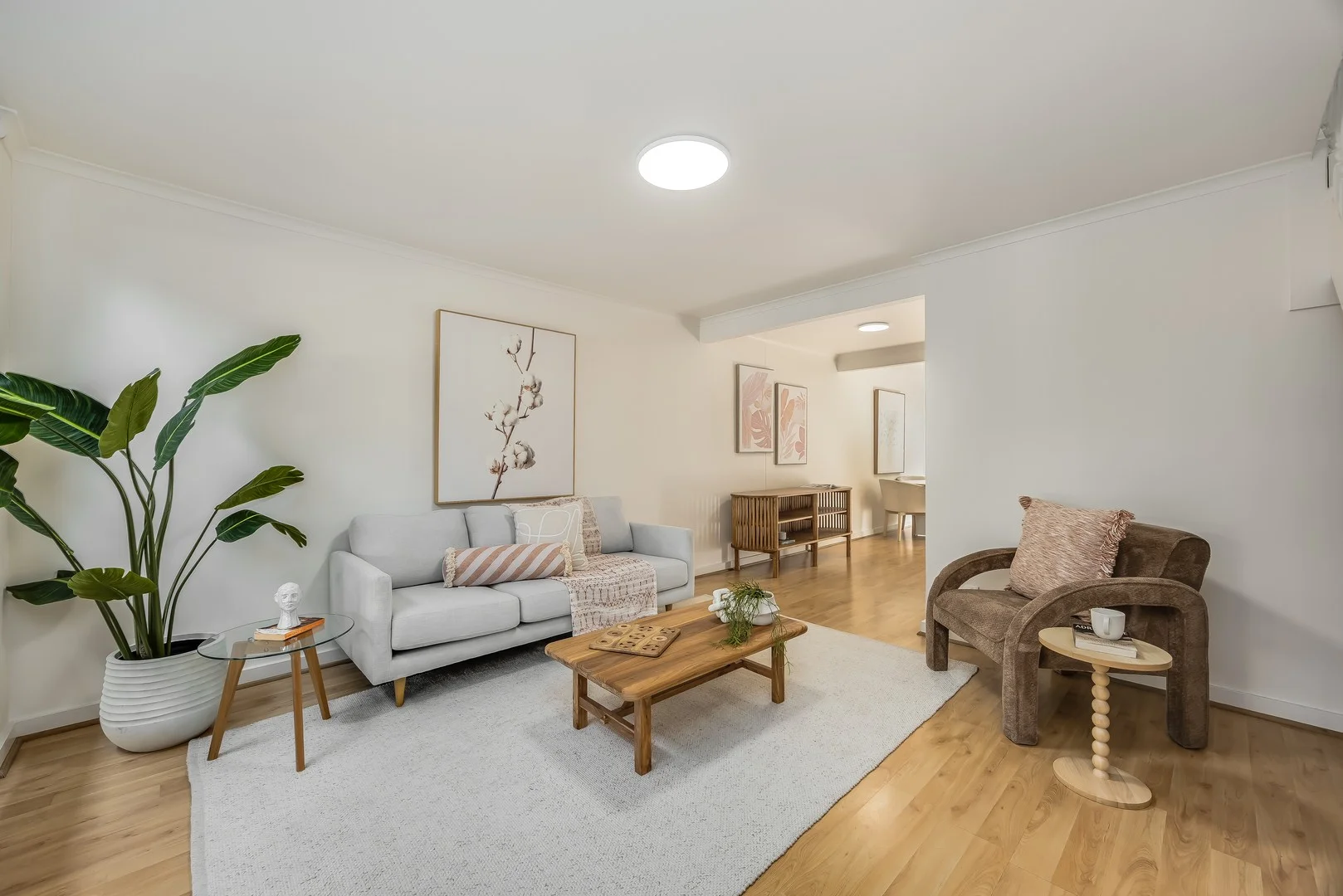 $775,000
House
$775,000
House
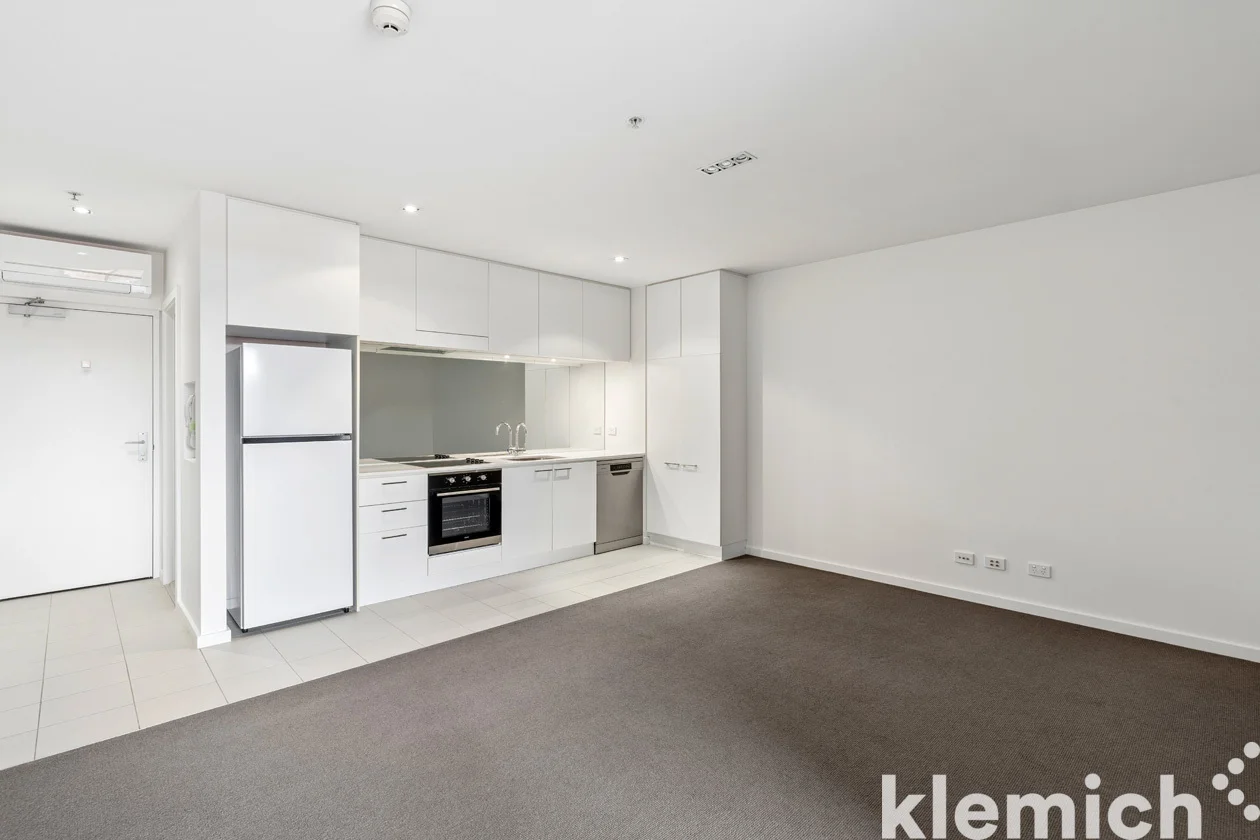 $440,000
Apartment / Unit / Flat
$440,000
Apartment / Unit / Flat
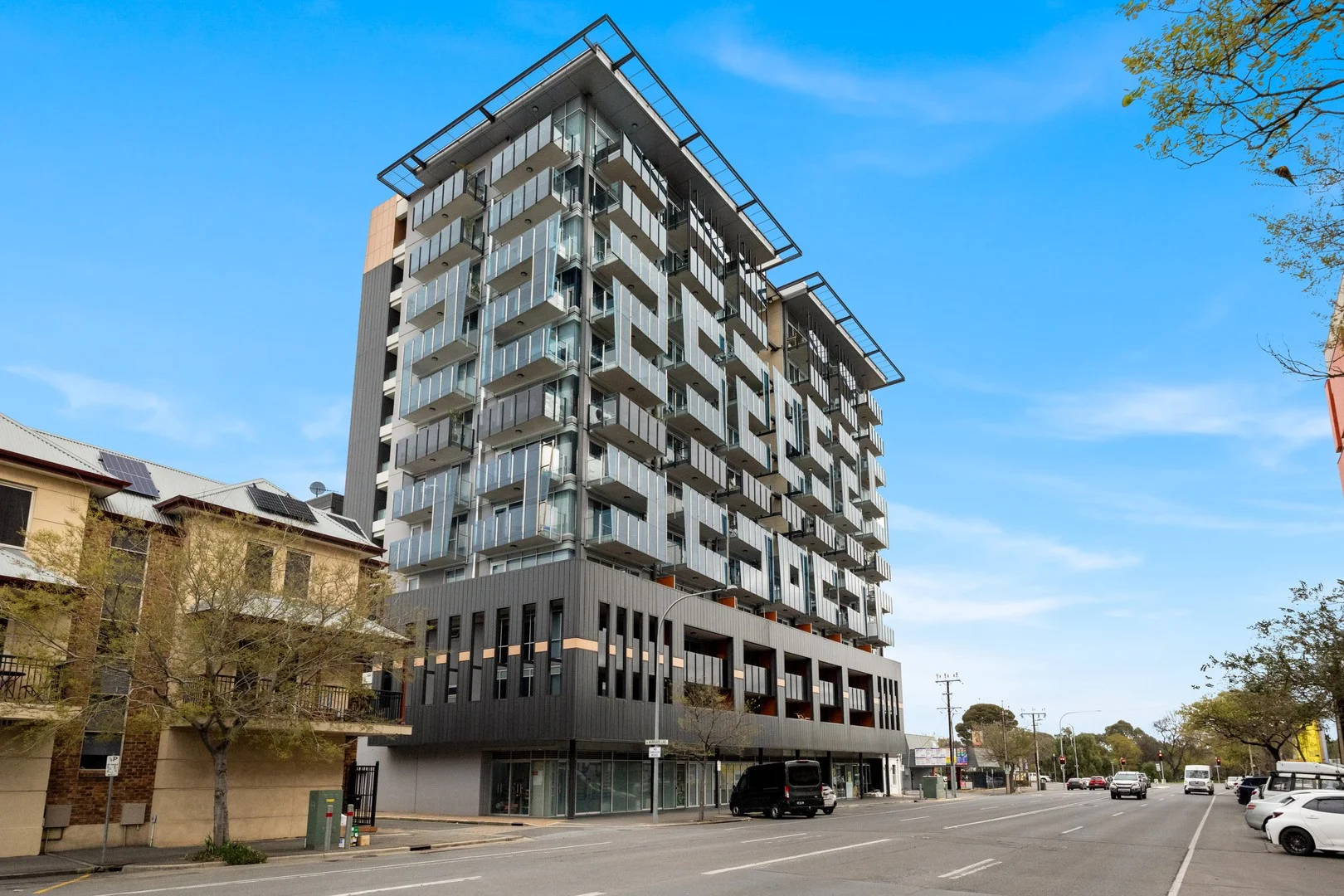 $1,100,000
Apartment / Unit / Flat
$1,100,000
Apartment / Unit / Flat
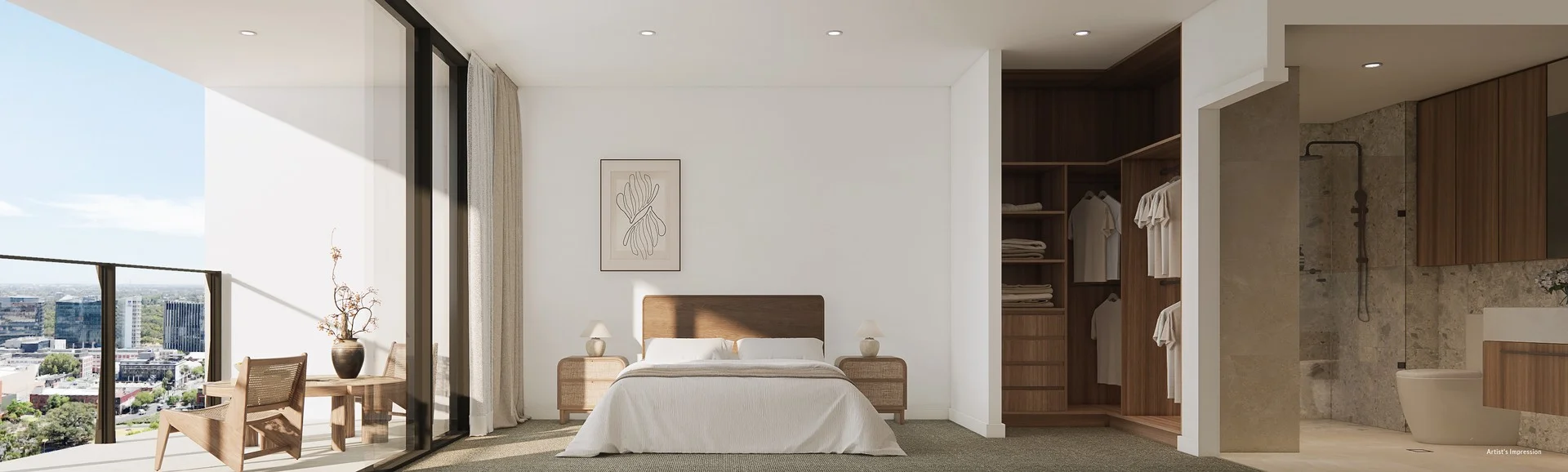 $1,056,000
Apartment / Unit / Flat
$1,056,000
Apartment / Unit / Flat
 $935,000
Apartment / Unit / Flat
$935,000
Apartment / Unit / Flat
 $557,000
Apartment / Unit / Flat
$557,000
Apartment / Unit / Flat
 $588,000
Apartment / Unit / Flat
$588,000
Apartment / Unit / Flat
 $545,000
Apartment / Unit / Flat
$545,000
Apartment / Unit / Flat