## 1. Overview
Springbank Secondary College is a public, co‑educational high school serving students in the Pasadena area. The school offers a broad, responsive curriculum for Years 8–12, with a clear emphasis on student wellbeing, academic achievement and opportunities across sport and the arts.
- School type: Public
- School size: Medium to large
- Class size: Typically 22–28 students per class
- Atmosphere/culture: Inclusive, supportive, academically focused with active participation in sport and the arts
Notes: This profile reflects the school’s general characteristics. For the most current details, please consult the school directly.
---
## 2. Academics & Learning
Springbank Secondary College aims to cater to a range of student strengths and pathways.
- Academic strengths: Strong focus on English and Mathematics, solid STEM programs, and leadership development opportunities; commitment to literacy and numeracy across year levels.
- Special programs: SACE pathway planning, Vocational Education and Training (VET) options, and access to practical/applied learning experiences; pathways to tertiary study and future trades.
- NAPLAN / trends: Trends in key areas show steady performance with ongoing focus on reading and numeracy development; school monitors outcomes to inform teaching and support.
- Student-teacher ratios: Typical classroom ratios align with SA public-school norms, with classrooms managed to allow visible teacher support and instruction.
- Support for diverse learners: EAL support, inclusive education for students with additional needs (SEN), and targeted literacy/numeracy assistance through dedicated support staff.
Notes: Specific program availability and exact ratios can vary by year group; check the latest school communications for current offerings.
---
## 3. Sports & Extracurricular Strengths
A strong emphasis on sport, arts and clubs supports a well-rounded student experience.
- Sports offered: Basketball, netball, soccer/football, cricket, athletics, and swim programs; opportunities to participate at school or inter-school levels.
- Strong teams or achievements: Competitive school teams with participation in regional events and inter-school competitions.
- Music, arts, drama programs: Active music/performing arts programs, school productions, choir and instrumental ensembles.
- Clubs: Robotics, coding, chess, debating and other STEM/academic clubs; opportunities to develop leadership and teamwork.
- Partnerships: Local sports clubs, regional competitions and collaborations with community organisations to broaden opportunities.
Notes: Extracurricular availability can vary by year; confirm current offerings with the school.
---
## 4. Wellbeing & Pastoral Care
Student wellbeing and a positive school climate are central to daily life at Springbank.
- Anti-bullying approach: Proactive anti-bullying programs, clear reporting pathways and student-led initiatives to promote respectful behavior.
- House system: House-based activities and competitions to foster belonging and peer support.
- Counsellors / wellbeing officers: Access to school counsellors and wellbeing staff to support academic and personal development.
- Transition support for new students: Orientation programs, buddy systems and ongoing pastoral care to help new students settle in.
Notes: The school prioritises safe, inclusive environments and provides supports to help students succeed academically and socially.
---
## 5. Facilities
The school’s spaces support learning, performance and recreation in a visually engaging setting.
- Sports grounds: On-site playing fields and courts for physical activity.
- Libraries: Central library spaces with resources for study and research.
- Science labs: Equipped laboratories for biology, chemistry, physics and related STEM activities.
- Music/performing arts centers: Dedicated spaces for music, drama and productions.
- Tech/innovation labs: Modern spaces for ICT, design, robotics and digital learning.
- Cafeteria: On-site canteen providing a range of healthy options.
- Updated playgrounds: Well-maintained outdoor spaces for break times and recreation.
Notes: Facilities may be updated over time; check current campus features for the latest details.
---
## 6. School Values & Community Culture
Springbank aims to build responsible, engaged students who contribute positively to the school and broader community.
- School values / mission: Encourages respect, resilience, integrity, teamwork and a growth mindset.
- Leadership style: Student leadership opportunities complemented by teacher guidance; emphasis on collaboration and service.
- Behaviour expectations: Clear codes of conduct focusing on respectful behavior, responsibility and safety.
- Community reputation: Well-regarded within the local community for delivering a balanced education and supportive environment.
- Diversity & inclusion: Commitment to an inclusive culture that supports students from diverse backgrounds.
Notes: Values and culture are reinforced through everyday practice, school events and student leadership.
---
## 7. School Logistics & Daily Operations
Practical information to help families plan.
- School hours: Day typically runs from morning to mid-afternoon; start and finish times are published by the school each year.
- Before/after school care: After-school supervision or care programs may be available via external providers or OSHC arrangements.
- Uniform requirements: School uniform is standard; details provided by the school store and communications.
- Transport (bus routes): Public transport options and school bus routes are published by the local transport authority; proximity to bus stops and train lines is a consideration for families.
- Canteen availability: On-site canteen or vending options for snacks and meals.
- Fees (low/medium/high ranges): Public schools generally levy minimal materials/levies; any additional costs are typically modest and communicated in advance.
Notes: Timetables, transport options and any fees are updated annually; verify with current school notices.
---
## 8. Enrolment & Admissions
Key information about joining Springbank Secondary College.
11. What is the enrolment process and timeline?
- Enrolment typically involves submitting an application through the school/Department of Education process, with timelines announced each year. Gather required documents (proof of residency, immunisation records, previous school reports) and complete any specified forms. Parent/guardian interviews or information sessions may occur as part of the process.
12. Is there a waiting list, and how does it work?
- There can be a waiting list if demand exceeds available places. Allocation is usually based on priority factors such as residence within the school zone, year level availability, and space.
13. Are there any entry requirements, tests, or interviews?
- For public high schools in SA, entry tests are not typically required. Some schools may conduct informational interviews or meetings to understand student needs and align supports; check current guidance from the school.
14. Does the school accept mid-year transfers?
- Mid-year transfers are considered if space allows. Families should contact the school early to discuss availability and the transfer process.
Notes: Exact enrolment steps and requirements can vary; please refer to the school’s current enrolment guidance and the Department for Education processes for the most accurate information.
---
## 9. Frequently Asked Questions
- Why Parents Choose This School?
- A balanced focus on academics, wellbeing, sport and the arts within a supportive community.
- What type of student thrives at this school?
- Students who value inclusive learning, a range of extracurriculars and a pathway that supports both tertiary and work-ready options.
- What opportunities are available for students to extend their skills (academics, sports, arts)?
- Access to VET programs, STEM and English strengths, regional sports, performing arts, music and debating clubs, and leadership opportunities.
- How does the school communicate with parents?
- Regular newsletters, emails, and school portal updates; formal parent meetings and information evenings.
- What is the school’s approach to teaching and learning?
- Student-centered teaching with a focus on literacy, numeracy, critical thinking and real-world application.
- How does the school support students who need extra academic help?
- Targeted literacy/numeracy support, learning support staff, EAL assistance and accommodation through the CARE/RTI style approaches used in SA public schools.
- What support is available for academic challenges?
- Access to counsellors, study and time-management guidance, and targeted intervention programs.
- How does the school communicate with parents? (Repeated)
- See above: newsletters, portal, meetings, and direct contact with teachers and leadership.
- What are the class sizes and how much individual attention do students receive?
- Class sizes are designed to balance engagement with effective instruction; a range of teacher supports and push-in/out assistance is available depending on needs.
- What extracurricular and sports opportunities are available?
- A broad spectrum across sport, music/arts, STEM clubs, debating, robotics and more; check seasonal offerings each year.
- What facilities does the school offer (sports, science, arts)?
- Modern sports facilities, science laboratories, music/arts spaces, and dedicated tech/innovation labs.
- What is the school’s approach to technology and digital learning?
- Emphasis on digital literacy, access to devices and integrated technology across curricula to support learning.
- What transport and accessibility options are available?
- Public transport options and routes are available; school coordination with families to support access.
- What are the typical school fees or additional costs?
- Public school fees for materials and activities are generally modest; families may incur additional costs for specific programs or excursions.
Notes: This FAQ reflects common concerns and typical arrangements; please consult the school's current communications for precise details.
---
## 10. Short Pros & Cons list
- Pros
- Public, inclusive environment with a broad curriculum and multiple pathway options (academic, VET, arts, sport).
- Strong wellbeing, pastoral care and student support structures.
- Diverse extracurriculars and active participation in sport and arts.
- Modern facilities that support science, technology, music and performing arts.
- Clear emphasis on community, leadership development and values.
- Cons
- Like many medium-to-large public schools, class sizes can vary by year and subject.
- Availability of some programs and clubs may depend on staffing and year level.
- Transport options depend on local routes and may require planning for some students.
- Specific facilities or program offerings can change with annual funding and scheduling.
Notes: This snapshot is intended to help families quickly assess fit. For the most up-to-date and precise information, contact the school directly and review current enrolment materials.









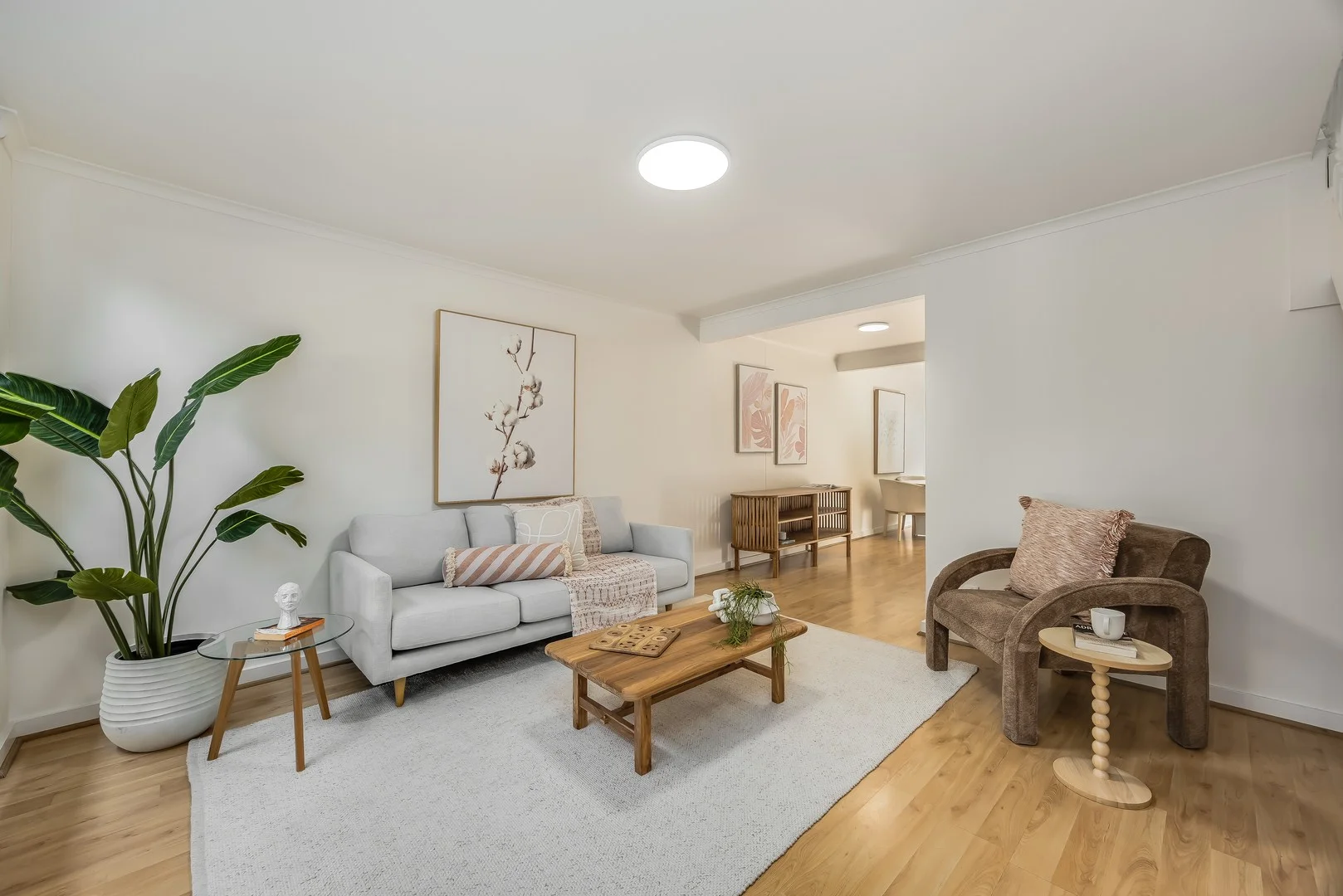 $775,000
House
$775,000
House
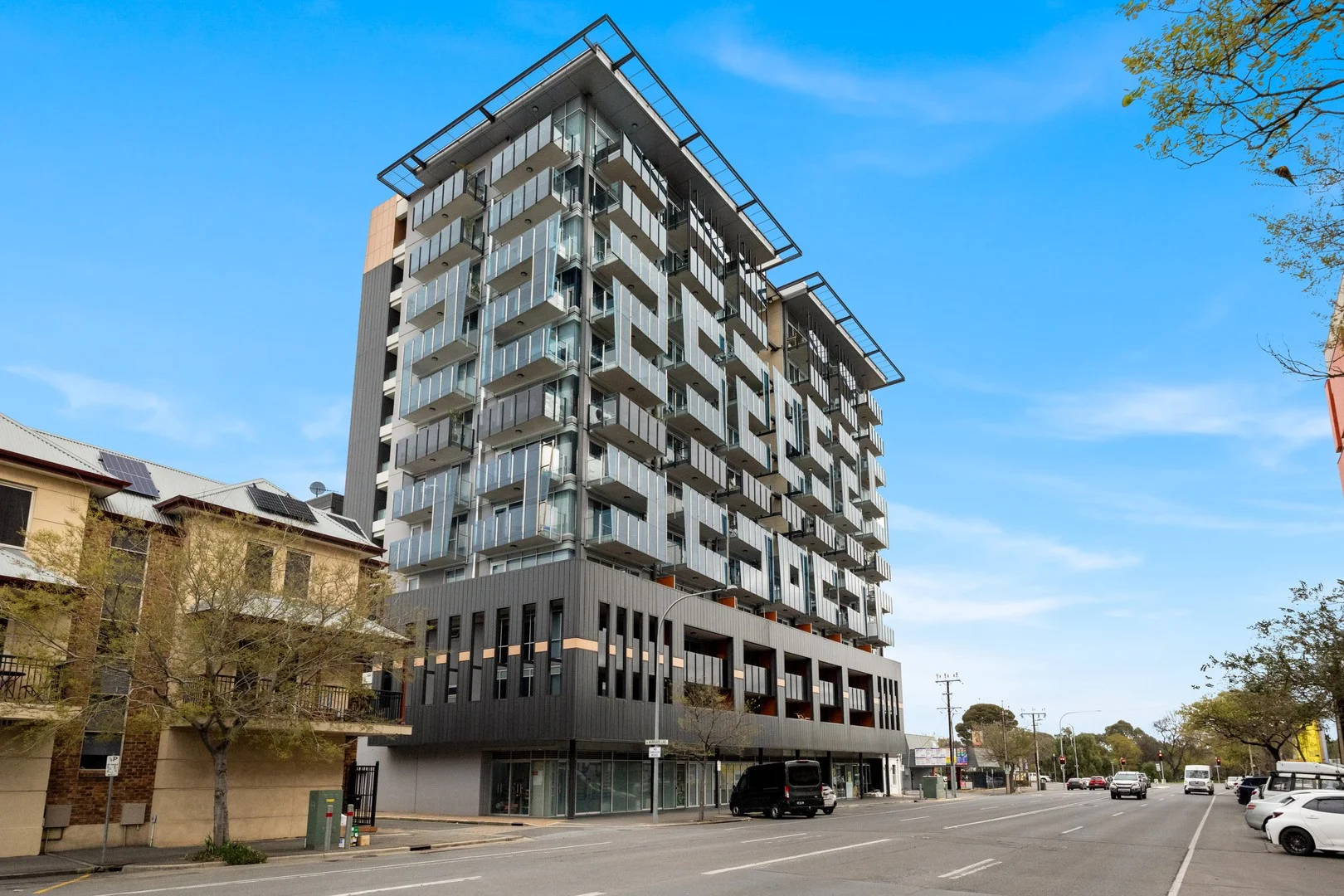 $1,100,000
Apartment / Unit / Flat
$1,100,000
Apartment / Unit / Flat
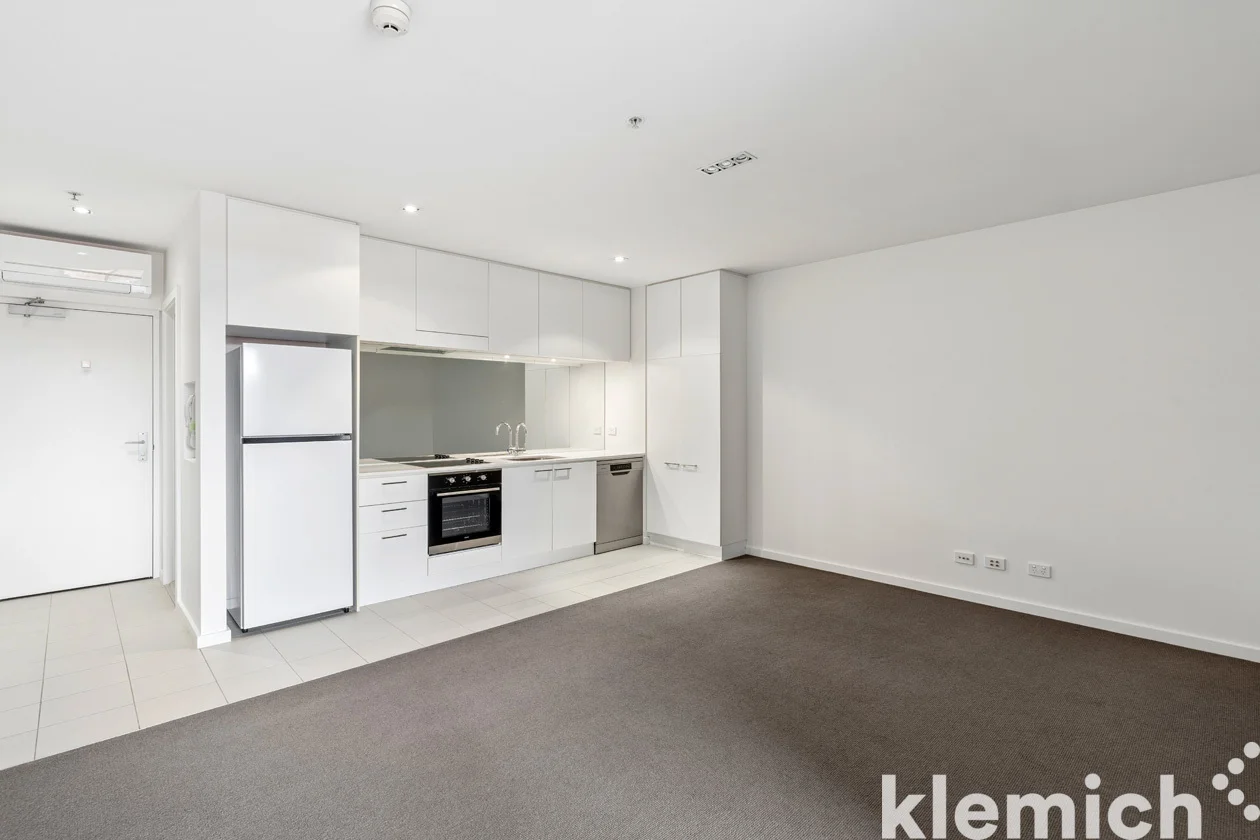 $440,000
Apartment / Unit / Flat
$440,000
Apartment / Unit / Flat
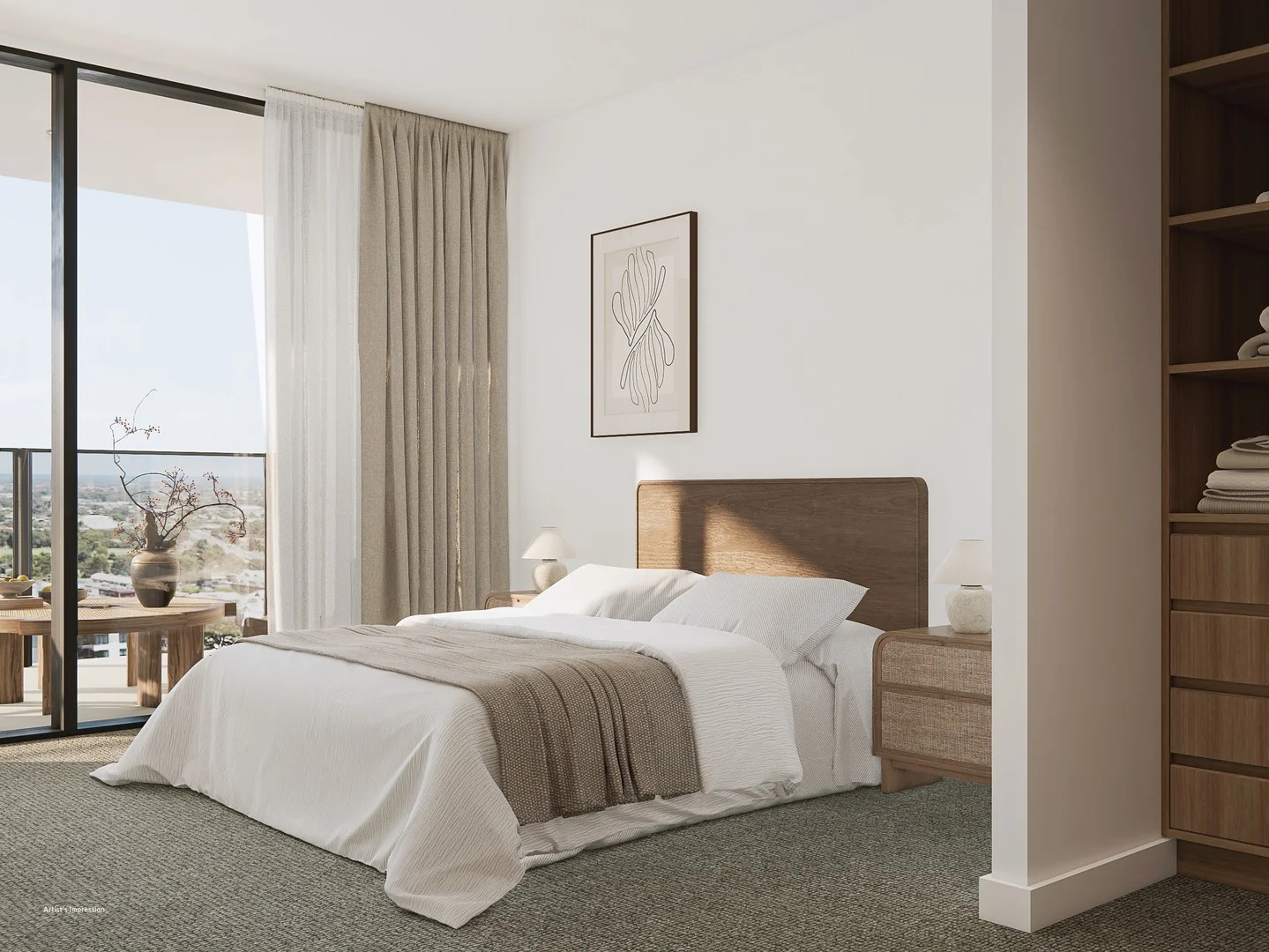 $935,000
Apartment / Unit / Flat
$935,000
Apartment / Unit / Flat
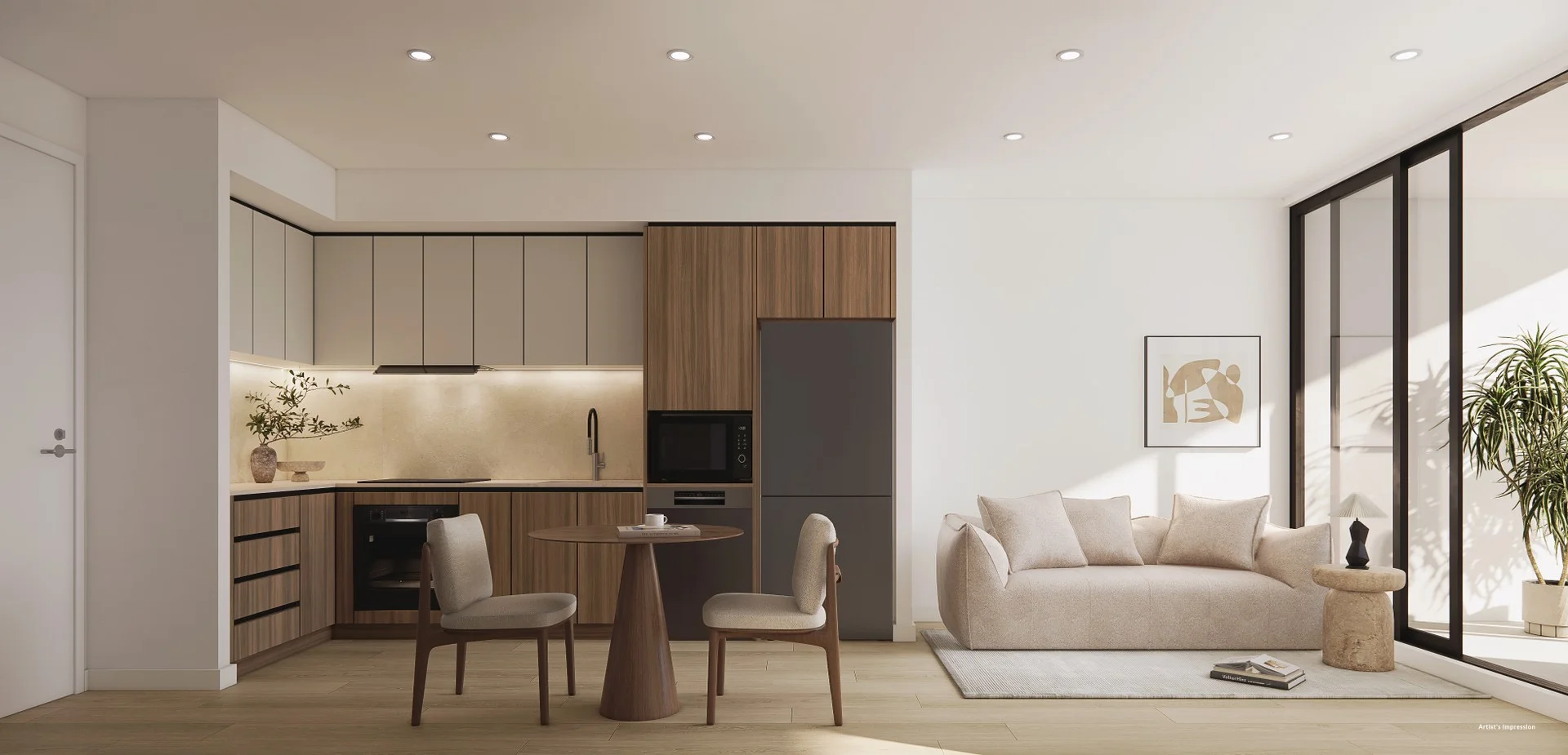 $588,000
Apartment / Unit / Flat
$588,000
Apartment / Unit / Flat
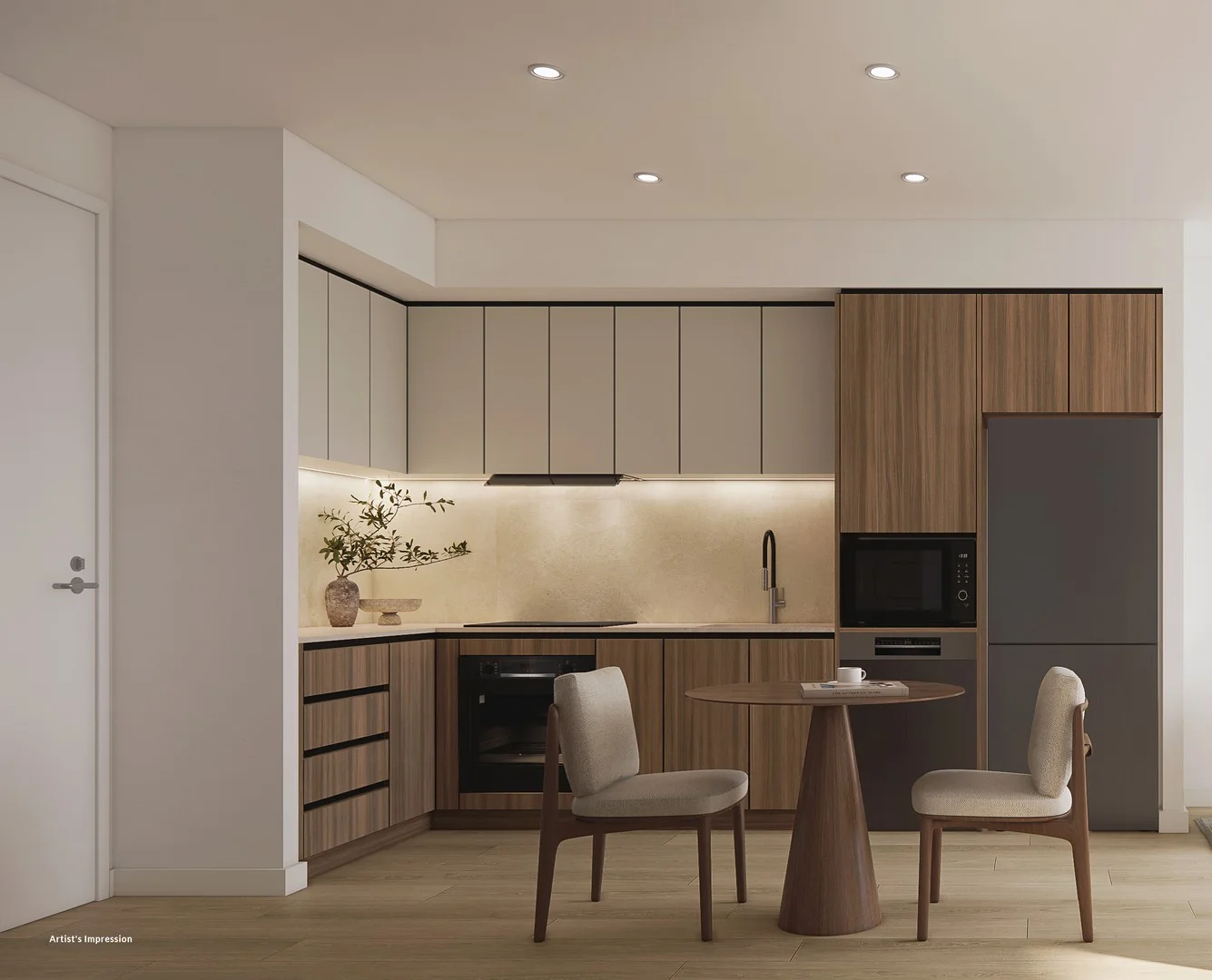 $557,000
Apartment / Unit / Flat
$557,000
Apartment / Unit / Flat
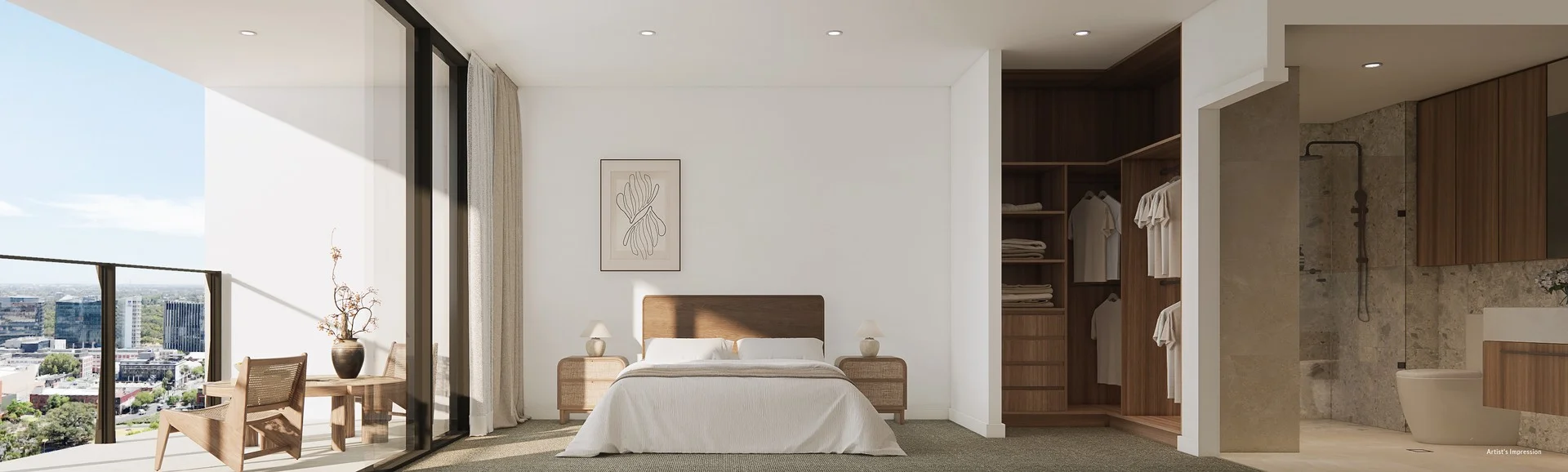 $1,056,000
Apartment / Unit / Flat
$1,056,000
Apartment / Unit / Flat
 $545,000
Apartment / Unit / Flat
$545,000
Apartment / Unit / Flat