## 1. Overview
Grayling Primary School is a public primary school located in Clyde North, Victoria. It serves the local community with a focus on providing a welcoming, inclusive learning environment where students are supported to grow academically and socially. The school tends to be described as a medium-sized community with a nurturing atmosphere that values student wellbeing and participation.
The school culture blends academic focus with a supportive, inclusive vibe. Classrooms strive to be collaborative spaces where students are encouraged to try new things, develop resilience, and contribute positively to the school community.
## 2. Academics & Learning
- Academic strengths: Emphasis on literacy and numeracy foundations, with opportunities to develop in STEM and digital literacy. The school typically supports language development and communication skills as core priorities.
- Special programs: Targeted learning support for students who need extra help, plus opportunities for gifted and talented learners where available. Specialist lessons (e.g., Art, PE, Library) help broaden student experience.
- NAPLAN trends: Over recent cohorts, the school aims for steady improvement or stable performance in key areas such as reading and numeracy, with a focus on continuous growth year to year.
- Student-teacher ratios: Classes generally operate in the mid-20s range, with teachers and aides collaborating to support diverse learners.
- Support for diverse learners: Provisions for English as an Additional Language (EAL) learners and students with additional learning needs (SEN) to ensure inclusive access to learning.
## 3. Sports & Extracurricular Strengths
- Sports offered: Regular participation in primary-level team sports (e.g., athletics, cricket, soccer, netball) and school-wide sport events.
- Strong teams or achievements: Interschool sport participation with a focus on teamwork, sportsmanship, and skill development.
- Music, arts, drama programs: Active involvement in music and performing arts, including opportunities for school performances and ensemble activities.
- Clubs: Robotics, coding, chess, debating, and other enrichment clubs are commonly available to extend learning outside the classroom.
- Partnerships: Connections with local community clubs and competitions to broaden experiences beyond the school gates.
## 4. Wellbeing & Pastoral Care
- Anti-bullying approach: Whole-school wellbeing and positive behaviour supports, with clear anti-bullying messaging and student led initiatives.
- House system: A house structure to promote spirit, belonging, and healthy competition across year levels.
- Counsellors / wellbeing officers: Access to school-based wellbeing staff or counselors to support students’ social and emotional needs.
- Transition support for new students: Structured programs (e.g., buddy systems, orientation activities) to help new students settle in smoothly.
## 5. Facilities
- Sports grounds: On-site spaces for physical education and outdoor activities.
- Libraries: A dedicated library with resources to support reading and research.
- Science labs: Prepared spaces for hands-on science learning and experiments.
- Music/performing arts centers: Facilities for music-making, drama, and performances.
- Tech/innovation labs: Access to digital resources and practical technology learning.
- Cafeteria: In-school food service or lunch provision options.
- Updated playgrounds: Well-maintained outdoor play areas for recreation and break times.
## 6. School Values & Community Culture
- School values / mission: A focus on respect, responsibility, resilience, and inclusion to guide daily learning and behavior.
- Leadership style: Student leadership opportunities and a participatory approach that encourages student voice.
- Behaviour expectations: Clear expectations aligned with school values, with consistent positive behaviour support.
- Community reputation: Generally regarded as a welcoming, family-friendly school with active parental involvement.
- Diversity & inclusion: Commitment to an inclusive curriculum and environment that supports students from diverse backgrounds.
## 7. School Logistics & Daily Operations
- School hours: Typical day starts in the morning and ends in the afternoon with a structured timetable.
- Before/after school care: Availability of before/after care options through school programs or approved providers.
- Uniform requirements: School uniform policy in place, with guidelines for daily wear and approved items.
- Transport (train/bus routes): Students may use public transport or school bus services; families should verify current routes and schedules with the transport authority.
- Canteen availability: On-site canteen or lunch order options to support convenient meal choices.
- Fees (low/medium/high ranges): Public primary schools usually have minimal tuition; there may be optional activity fees or contributions for specific programs or resources.
## 8. Enrolment & Admissions
11. What is the enrolment process and timeline?
- Enrolments are typically submitted through the Victorian Department of Education process for local government schools. Parents or guardians submit a completed enrolment form with supporting documentation. Timeline can vary, with key intake periods aligned to the school year and local demand.
12. Is there a waiting list, and how does it work?
- If the school is oversubscribed, a waiting list may be established. Placement is generally determined by enrolment priorities (e.g., local resident zone), date of application, and available space. Families may be offered a position when space opens.
13. Are there any entry requirements, tests, or interviews?
- Entry requirements usually include standard documentation (birth certificate, immunisation status, proof of residence). Primary schools rarely require formal entrance tests or interviews for general intake, but there may be assessments for specific programs or specialist supports if applicable.
14. Does the school accept mid-year transfers?
- Mid-year transfers can be possible if there is available capacity. Applicants should contact the school early to discuss space, transition arrangements, and enrollment steps.
## 9. Frequently Ask Questions
- Why Parents Choose This School?
- A welcoming community, supportive environment, and focus on wellbeing and core academic development.
- What type of student thrives at this school?
- Curious, collaborative learners who engage in both academics and co-curricular activities, and who benefit from a nurturing, inclusive setting.
- What opportunities are available for students to extend their skills (academics, sports, arts)?
- Access to literacy and numeracy enrichment, STEM/digital learning, arts and music programs, sports and interschool competitions, and enrichment clubs (robotics, coding, chess, debating).
- How does the school communicate with parents?
- Regular updates through newsletters, parent-teacher meetings, digital portals for assignments and notices, and open channels to contact teachers and administration.
- What is the school’s approach to teaching and learning?
- A balanced approach combining explicit instruction, student-centred learning, and supports for diverse learners to ensure access and progress for all students.
- How does the school support students who need extra academic help?
- Targeted learning support, intervention programs, and access to specialist staff to assist with literacy, numeracy, and other areas.
- What support is available for academic challenges?
- Early identification, differentiated instruction, and collaboration with families to plan required supports.
- How does the school communicate with parents? (repeat)
- See above: newsletters, portals, meetings, and direct contact with staff.
- What are the class sizes and how much individual attention do students receive?
- Class sizes typically sit in the mid-20s; individual attention is supported through teacher instruction, targeted supports, and available teaching aides.
- What extracurricular and sports opportunities are available?
- Sports programs, interschool participation, music/arts activities, and clubs such as robotics, coding, chess, and debating.
- What facilities does the school offer (sports, science, arts)?
- Sports grounds, library, science labs, music/drama spaces, technology/innovation labs, and a canteen.
- What is the school’s approach to technology and digital learning?
- Integration of digital literacy across the curriculum with access to devices and supported by classroom-based technology resources.
- What transport and accessibility options are available?
- Public transport options and school bus services where available; families should confirm current routes and accessibility with the school and local transport authorities.
- What are the typical school fees or additional costs?
- As a public school, tuition is generally not charged; there may be optional fees for activities, materials, or excursions.
## 10. Short Pros & Cons list
Pros
- Public school with a welcoming, inclusive culture
- Strong focus on literacy, numeracy, and wellbeing
- Broad range of extracurriculars including sports, arts, and clubs
- Support for diverse learners (EAL and SEN)
- Positive student leadership and community involvement
Cons
- Class sizes in the mid-20s range may mean less individual attention in larger cohorts
- Availability of certain programs or clubs can vary year to year depending on staffing and funding
- Transport options depend on local route availability and zones
- Enrolment demand in growth areas can lead to waiting lists during peak intake periods
If you’d like, I can tailor this further with updated or more specific details from school publications or the Victorian Department of Education resources.
 Free
Free








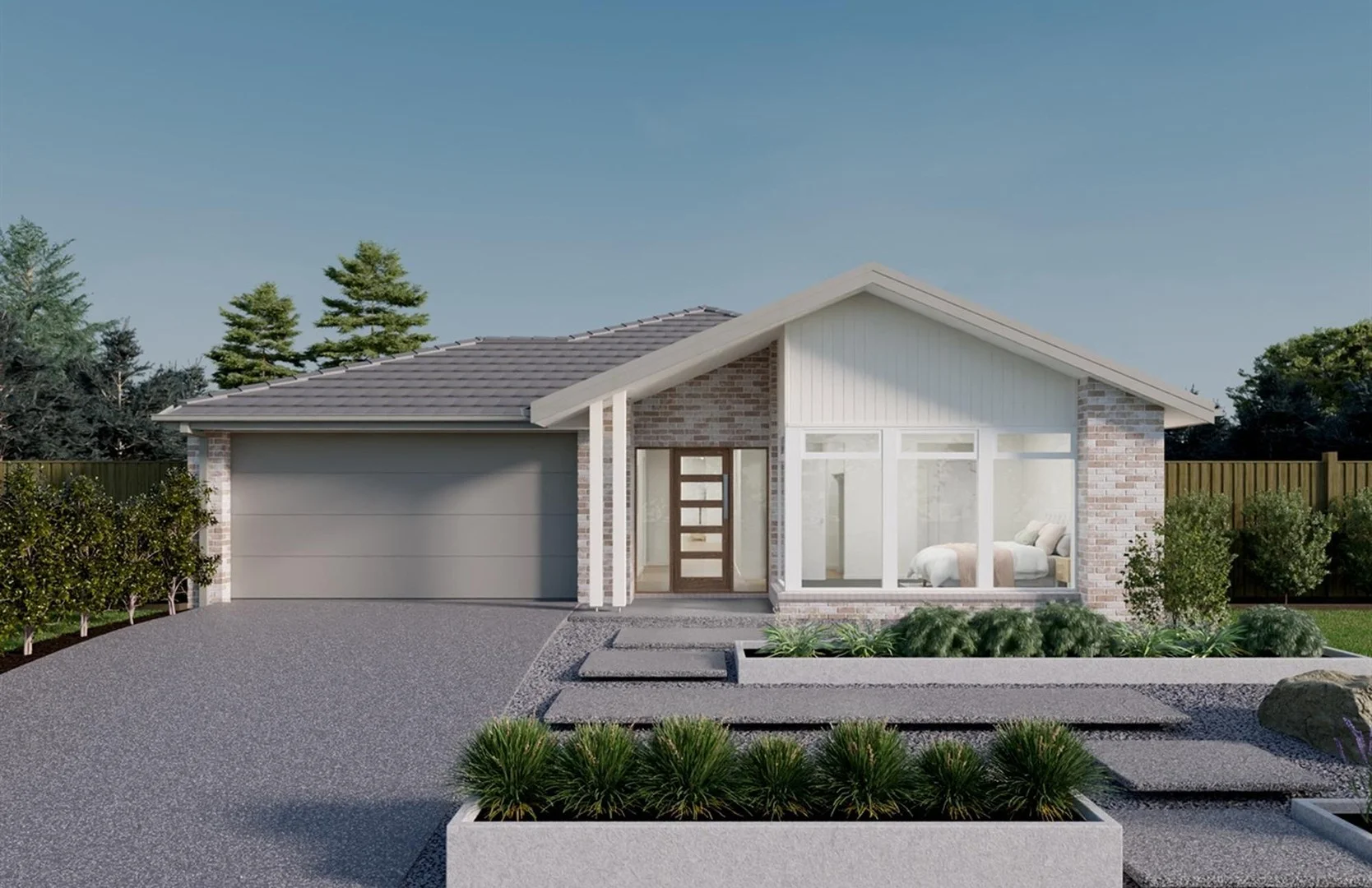 $1,116,900
propertyType.NEW HOUSE & LAND
$1,116,900
propertyType.NEW HOUSE & LAND
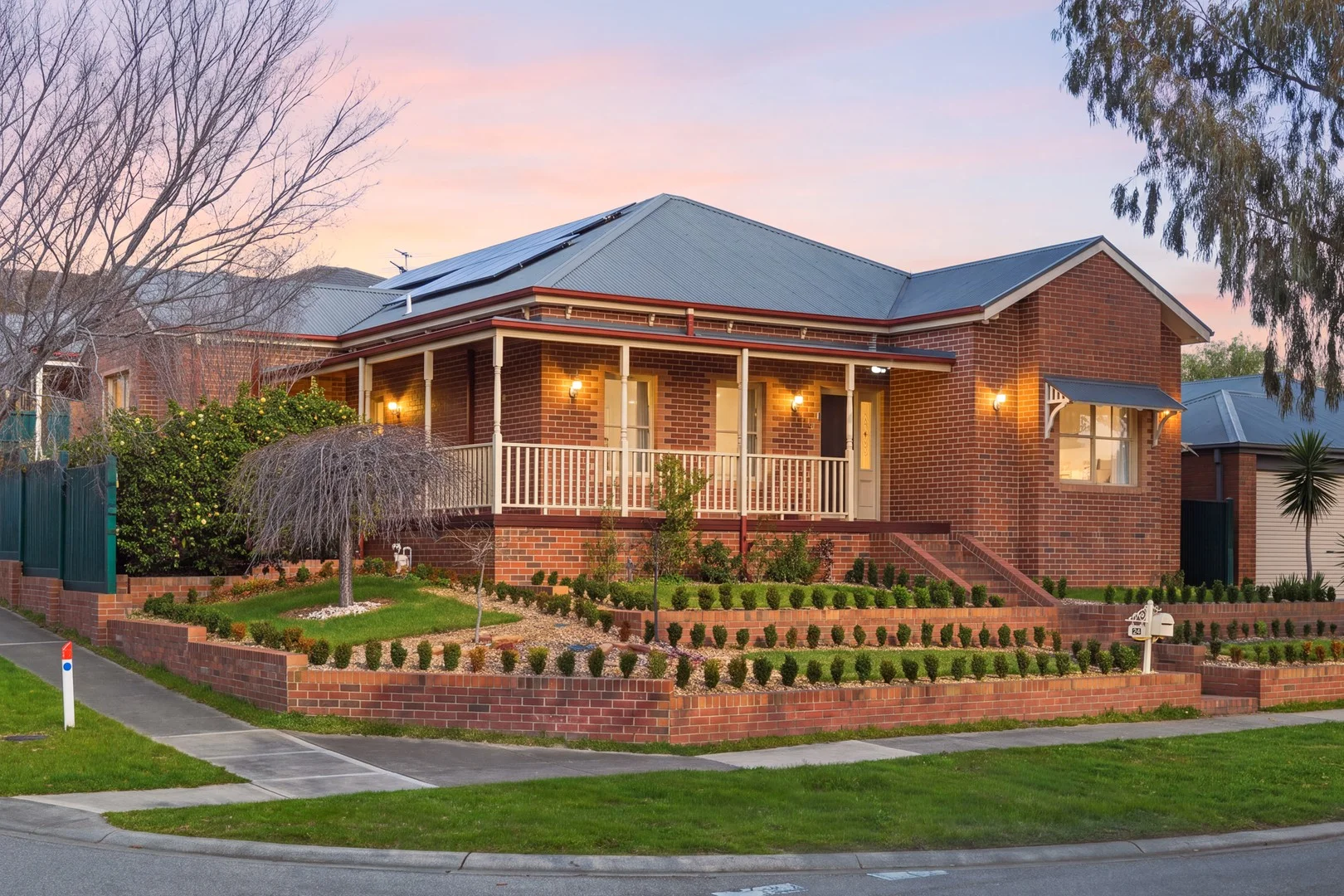 $1,200,000
House
$1,200,000
House
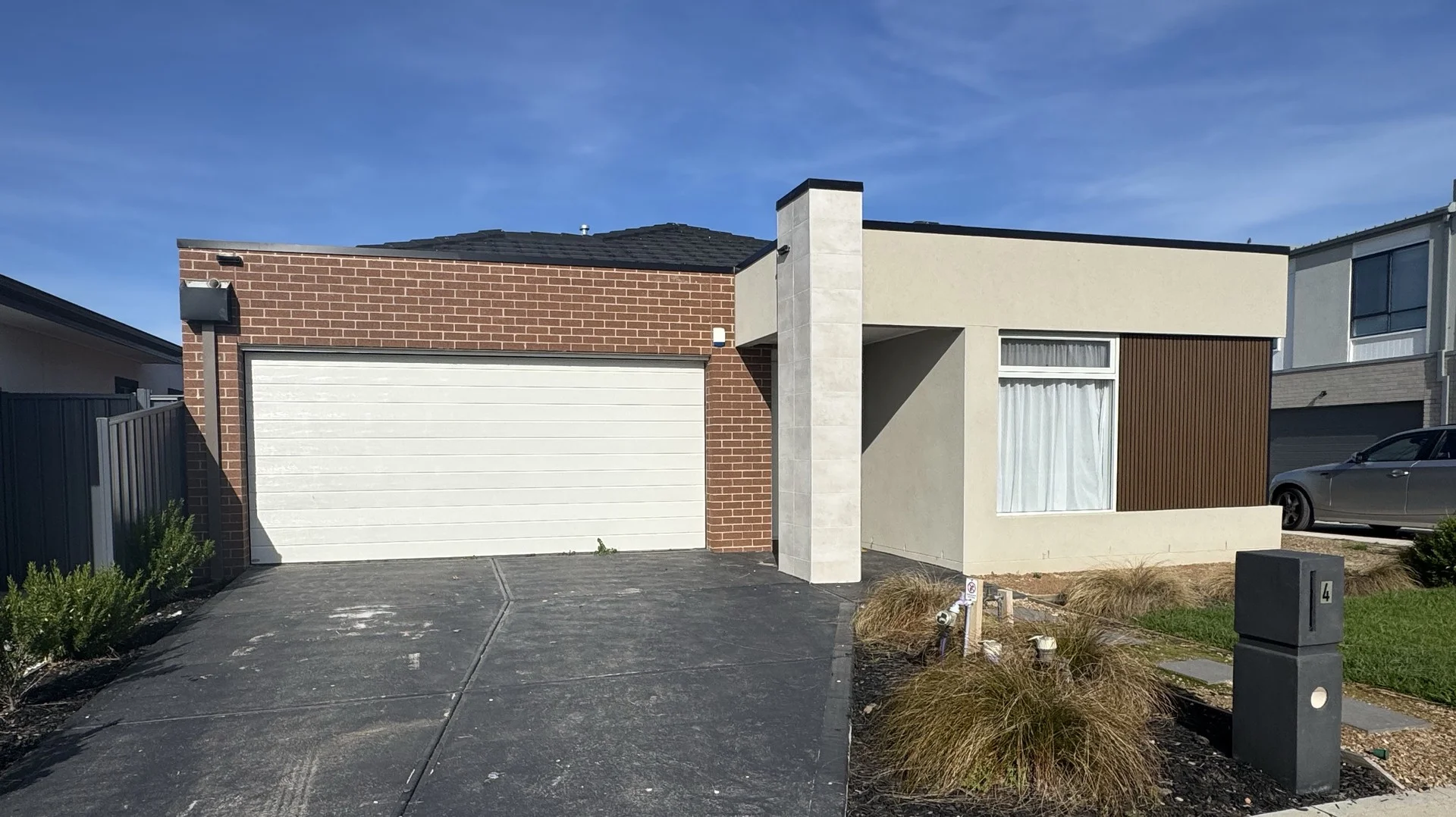 $600
House
$600
House
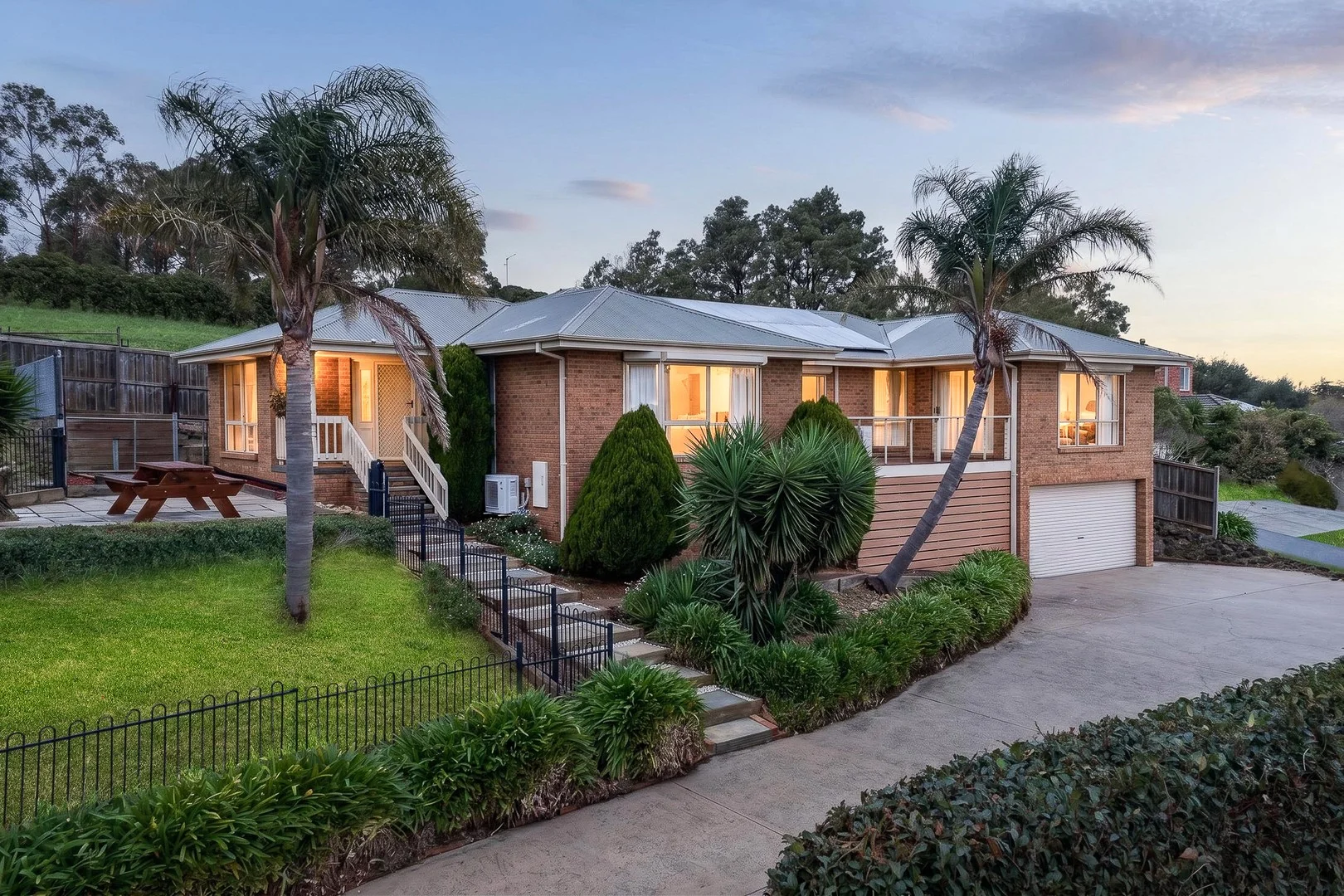 $850,000
House
$850,000
House
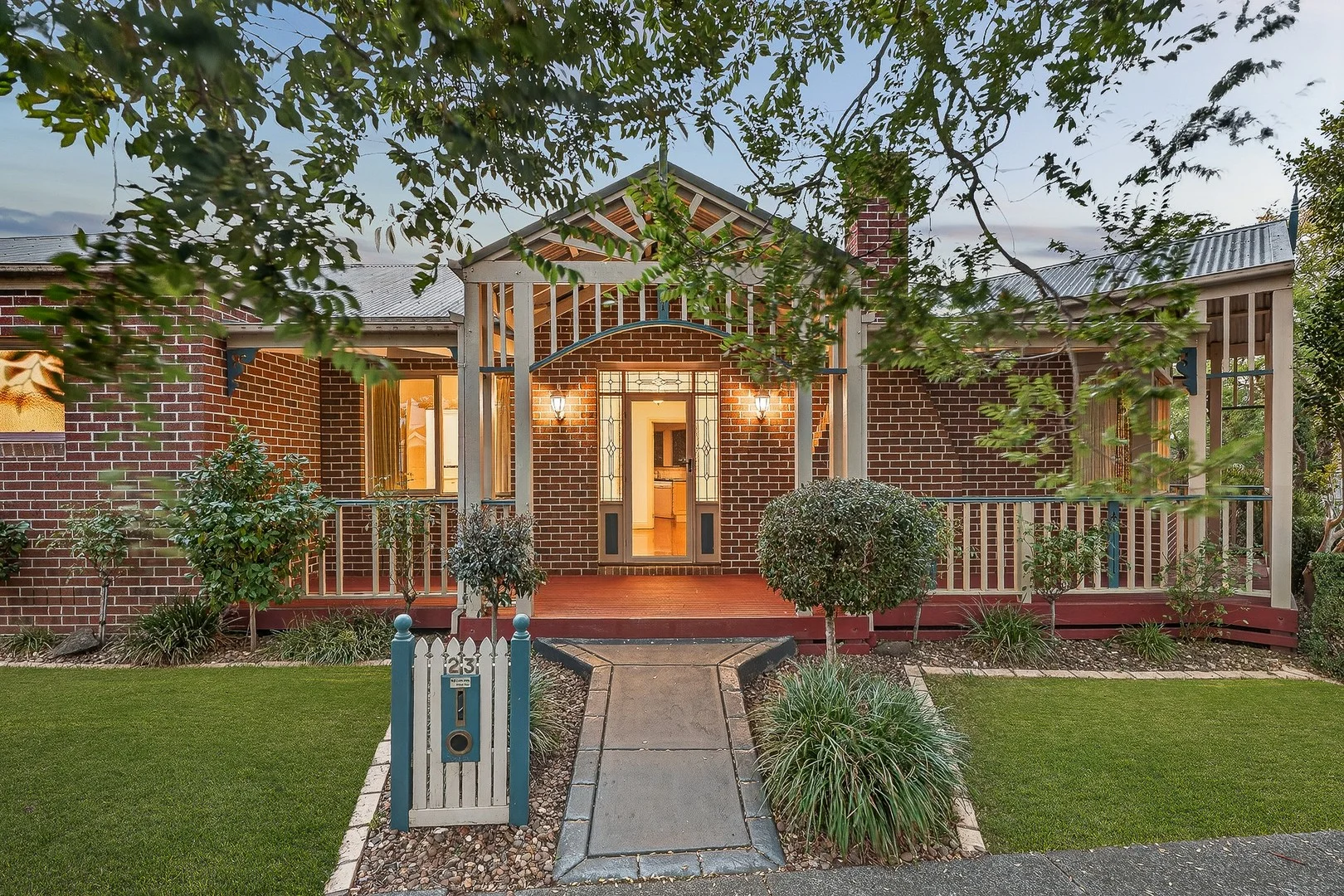 $1,050,000 - $1,150,000
House
$1,050,000 - $1,150,000
House
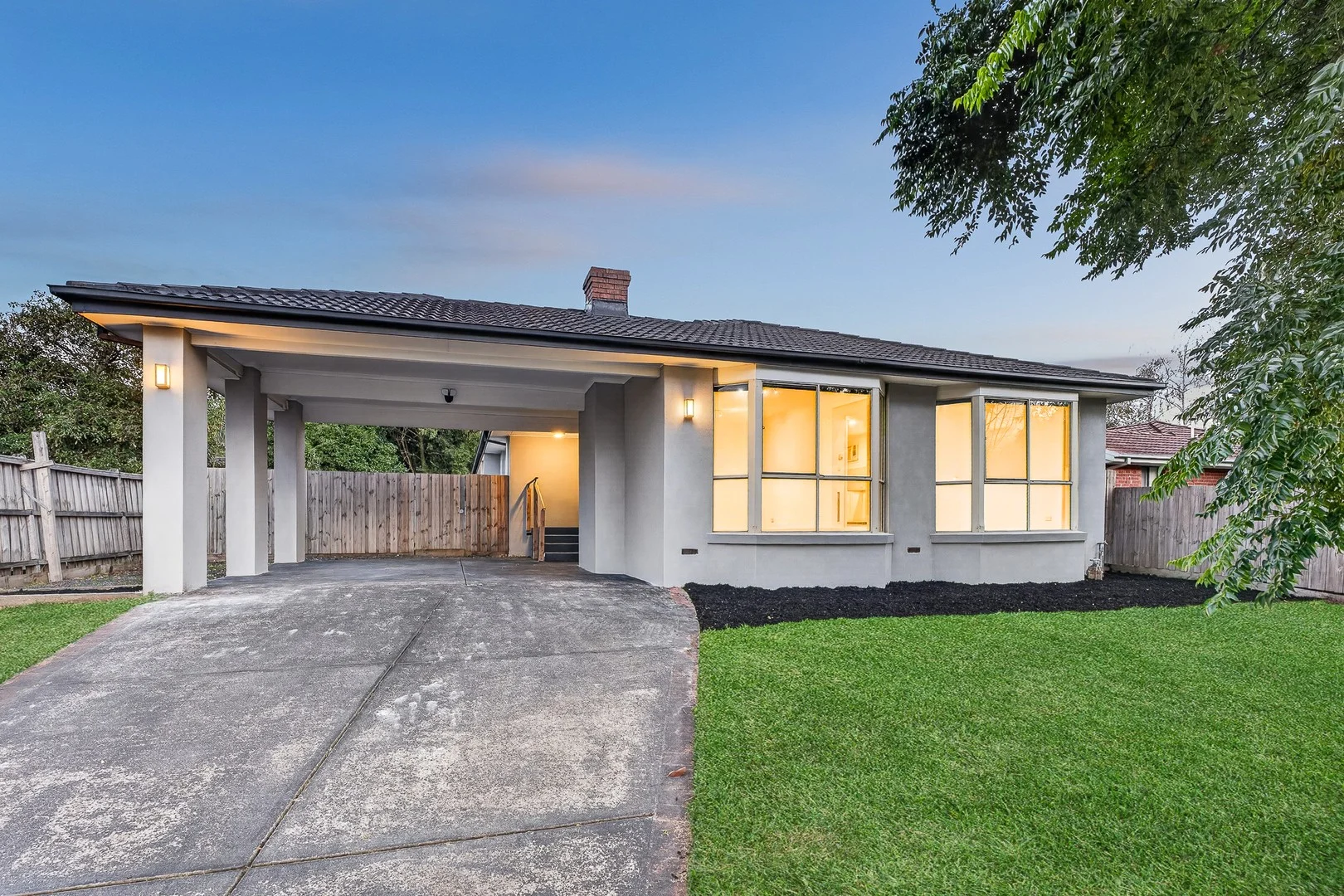 $800,000 - $880,000
House
$800,000 - $880,000
House
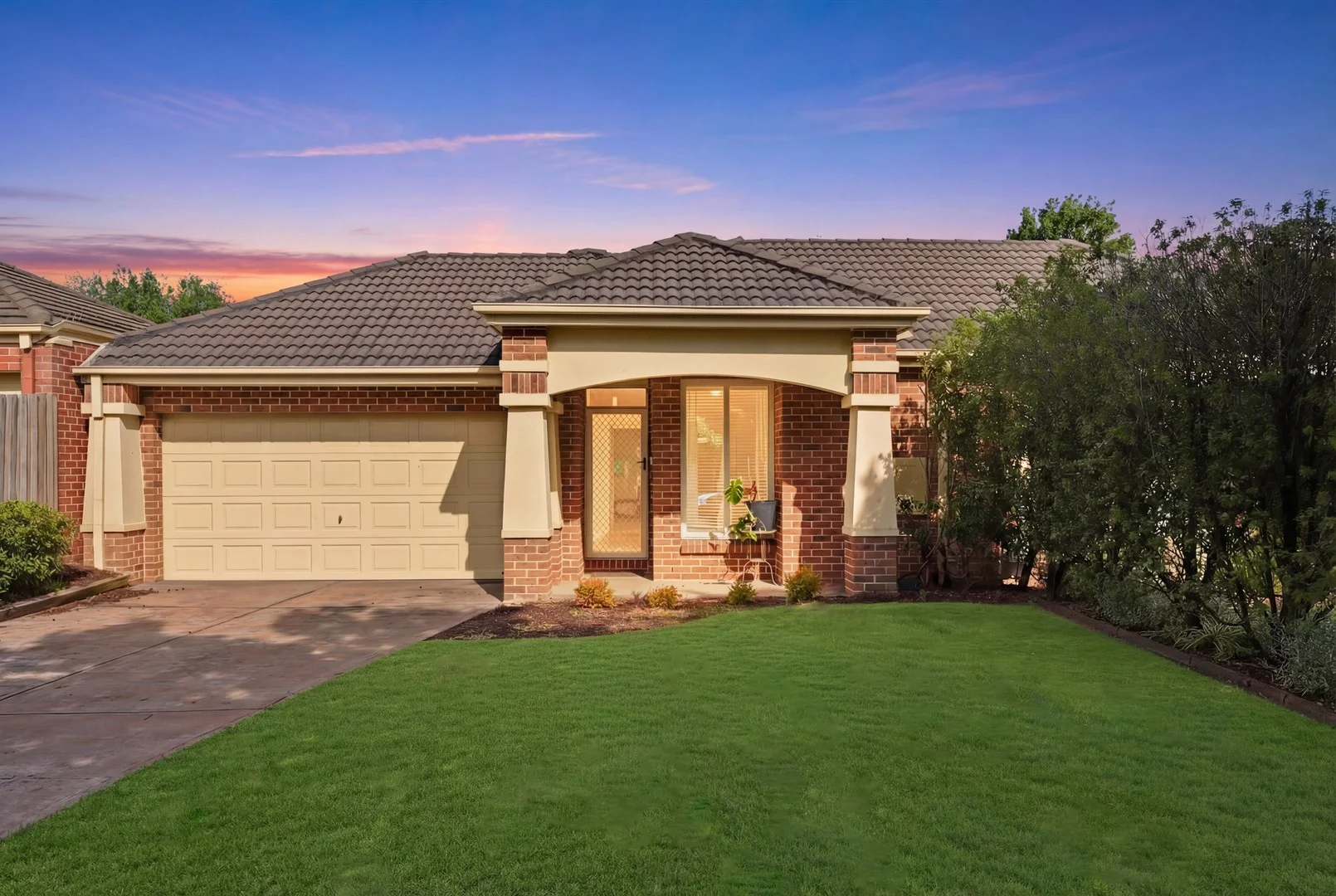 $795,000 - $835,000
House
$795,000 - $835,000
House
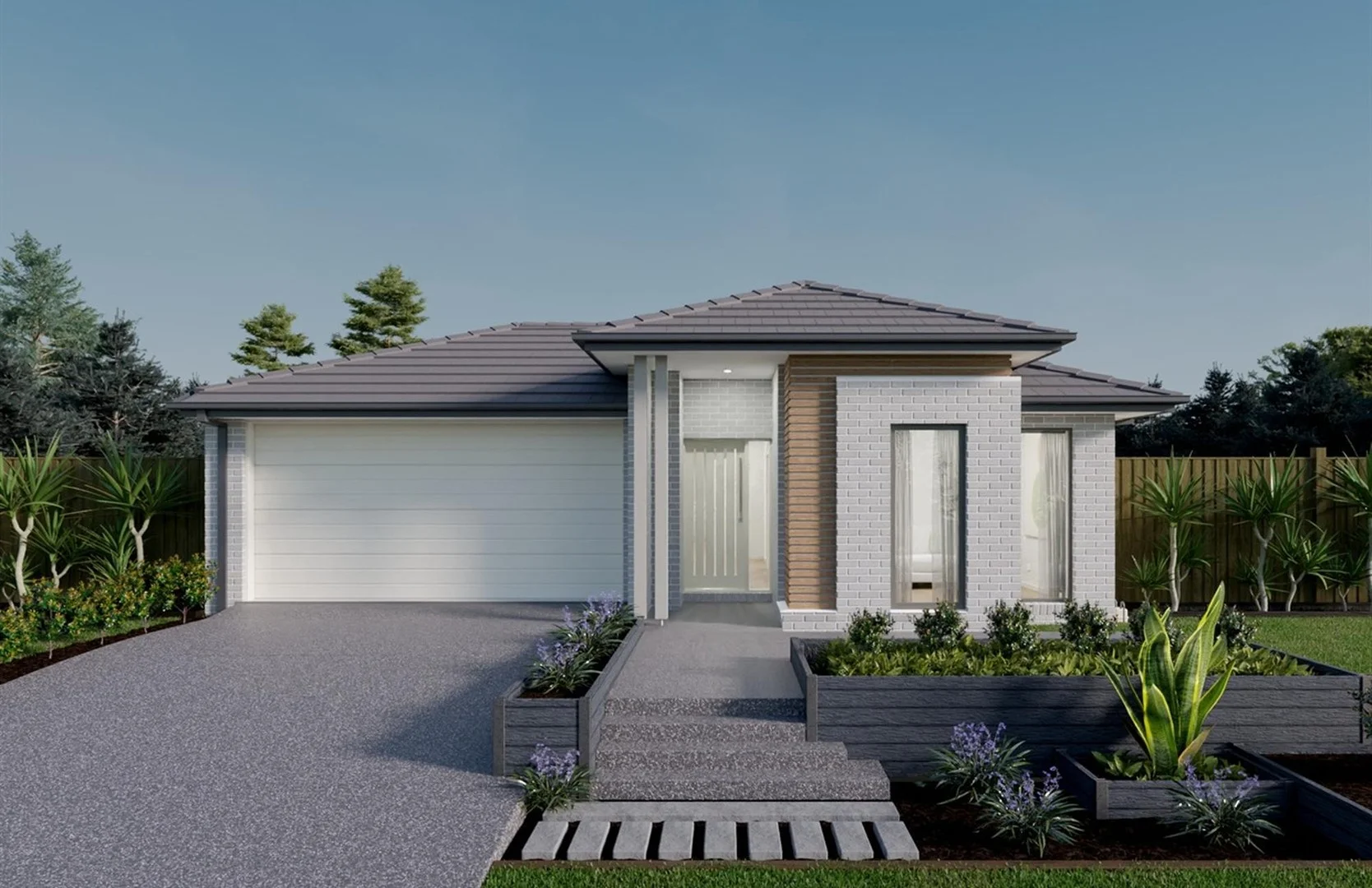 $785,700
propertyType.NEW HOUSE & LAND
$785,700
propertyType.NEW HOUSE & LAND
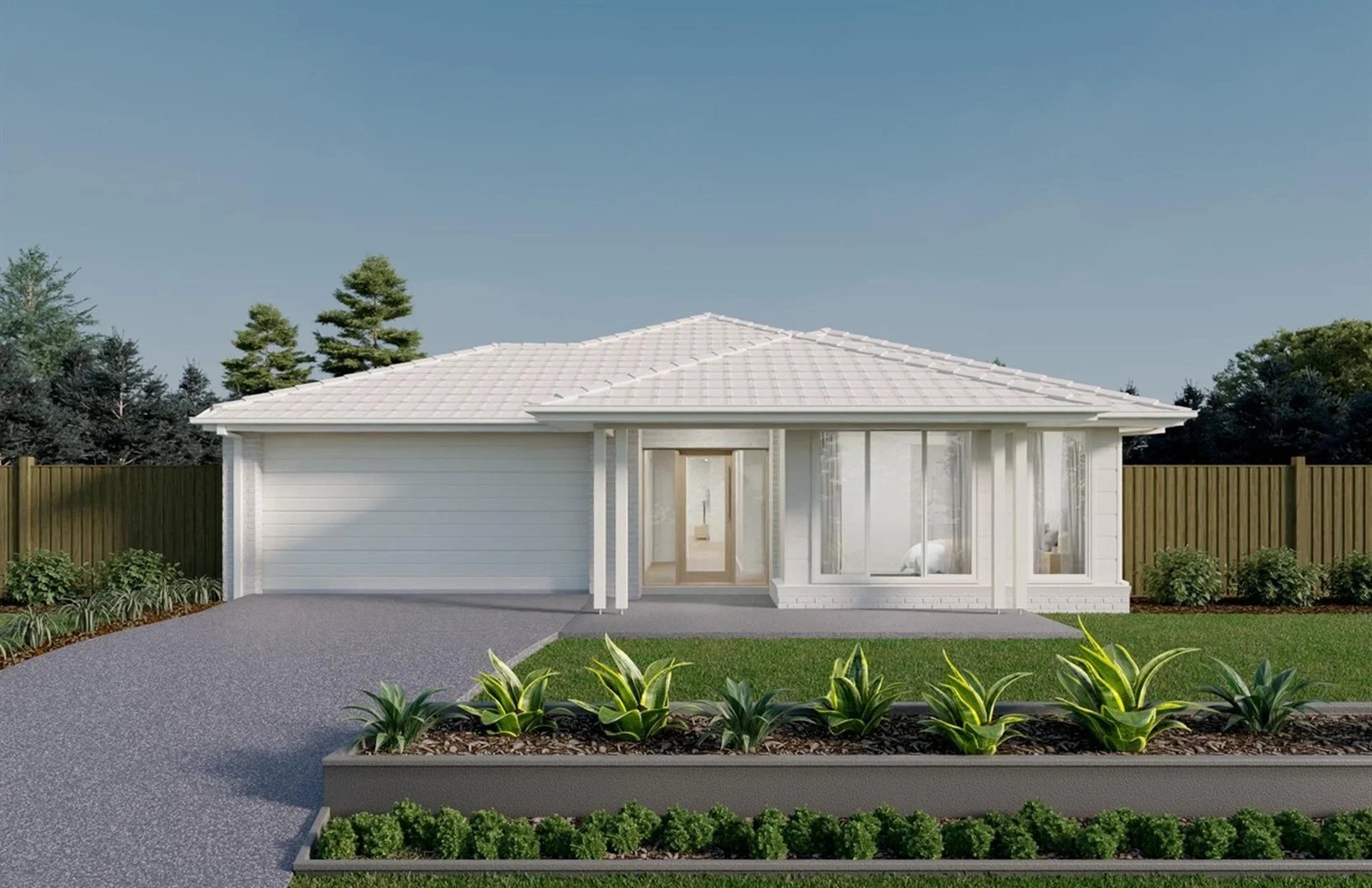 $836,500
propertyType.NEW HOUSE & LAND
$836,500
propertyType.NEW HOUSE & LAND


