## 1. Overview
Hillcrest Christian College Clyde North is an independent Christian school serving students from early learning through senior secondary. The school aims to blend faith-based values with strong academics and a broad co-curricular program within a welcoming, inclusive community. Class sizes are moderate, supporting close student–teacher relationships, and the culture emphasises character, service, and excellence.
- School type: Independent Christian
- School size: Medium
- Class size: Approximately 20–25 students per class (varies by year)
- Atmosphere/culture: Nurturing, inclusive, academically oriented with active sport and arts programs
⸻
## 2. Academics & Learning
Hillcrest Christian College focuses on core academic strengths including STEM, English, and the humanities, with leadership development and language options. The school offers special programs such as enrichment for gifted and talented students and pathways to senior secondary programs. In terms of trends, NAPLAN progress and literacy/numeracy growth have been observed over time, reflecting ongoing curriculum development.
- Academic strengths: STEM, English, leadership development, language options
- Special programs: Enrichment/gifted programs, senior pathways (e.g., VCE)
- NAPLAN / trends: Steady improvement in literacy and numeracy over multiple years
- Student-teacher ratios: Generally small-to-medium classes (approx. 1:12–1:20, varies by year)
- Support for diverse learners: EAL support, SEN services, learning support and targeted tutoring
⸻
## 3. Sports & Extracurricular Strengths
A key focus for many families, with a broad offering of sports and co-curricular activities. Students can participate in team and individual sports, arts, and STEM-oriented clubs.
- Sports offered: Soccer, basketball, netball, cricket, Australian rules football, athletics, swimming
- Strong teams or achievements: Participation in regional competitions with growing program depth
- Music, arts, drama programs: Active music ensembles and performing arts opportunities
- Clubs: Robotics, chess, coding, debating, and other academic/creative clubs
- Partnerships: Local sports academies and regional competitions for broader exposure
⸻
## 4. Wellbeing & Pastoral Care
Wellbeing and pastoral support are central to school life, with structures to help students thrive socially and emotionally.
- Anti-bullying approach: Clear policy, proactive education and reporting mechanisms
- House system: House groups to foster belonging, leadership, and friendly competition
- Counsellors / wellbeing officers: Access to dedicated wellbeing staff
- Transition support for new students: Orientation days, buddy programs, and mentorship
⸻
## 5. Facilities
Facilities are designed to support academics, arts, sport, and digital learning in a visually engaging way.
- Sports grounds
- Libraries
- Science labs
- Music/performing arts center
- Tech/innovation labs
- Cafeteria
- Updated playgrounds
- Modern learning spaces and digital classrooms
⸻
## 6. School Values & Community Culture
Parents often look for a school’s ethos and how it shapes everyday life.
- School values / mission: Christian faith-informed education with emphasis on character and service
- Leadership style: Collaborative, student-centred, values-driven
- Behaviour expectations: Respect, responsibility, integrity
- Community reputation: Welcoming and inclusive, active family involvement
- Diversity & inclusion: Commitment to welcoming families from diverse backgrounds
⸻
## 7. School Logistics & Daily Operations
Practical, day-to-day information helps families plan.
- School hours: Typically start around 9:00 am and finish mid-to-late afternoon (varies by year)
- Before/after school care: Available
- Uniform requirements: School uniform (and sport uniform for PE)
- Transport (train/bus routes): Bus services and proximity to local transport; parking arrangements
- Canteen availability: On-site canteen
- Fees (low/medium/high ranges): Fees generally mid-to-high range relative to local options
⸻
## 8. Enrolment & Admissions
11. What is the enrolment process and timeline?
- Expression of interest and submission of a completed application with required documents
- Review of academic and conduct history; may include an interview
- Offer of placement based on availability and criteria; confirmation and fees follow
- Orientation and starting arrangements provided
- Timelines vary; check with admissions for current intake cycle
12. Is there a waiting list, and how does it work?
- Yes, there is often a waiting list; offers are made as places become available, with priority considerations (e.g., siblings, local catchment)
13. Are there any entry requirements, tests, or interviews?
- Typically an interview and may include literacy/numeracy assessment; references and prior school reports may be requested
14. Does the school accept mid-year transfers?
- Mid-year transfers may be considered if places are available; assessments and case-by-case review determine eligibility
⸻
## 9. Frequently Asked Questions
- Why Parents Choose This School?
- Strong faith-based values, supportive pastoral care, solid academics, and a welcoming community.
- What type of student thrives at this school?
- Students who are motivated, collaborative, and engaged in academics, arts, sport, and service.
- What opportunities are available for students to extend their skills (academics, sports, arts)?
- Academic extension, leadership opportunities, sports teams, music/arts programs, robotics, coding, debating.
- How does the school communicate with parents?
- Regular newsletters, emails, a parent portal/app, parent-teacher conferences, and community events.
- What is the school’s approach to teaching and learning?
- Differentiated, inquiry-based learning with integration of Christian worldview and technology-enabled resources.
- How does the school support students who need extra academic help?
- Learning support, targeted tutoring, EAL services, and SEN assistance.
- What support is available for academic challenges?
- Individualised plans, tutoring, and coordinated teacher collaboration to address gaps.
- How does the school communicate with parents?
- See above (multiple channels including digital platforms and events).
- What are the class sizes and how much individual attention do students receive?
- Typical class sizes around 20–25; teacher-student contact supports individualized attention.
- What extracurricular and sports opportunities are available?
- Broad range of sports, arts, music, robotics, coding, debating, and various clubs.
- What facilities does the school offer (sports, science, arts)?
- Modern science labs, libraries, performing arts spaces, tech labs, and extensive sports facilities.
- What is the school’s approach to technology and digital learning?
- Integration of digital platforms, one-to-one devices where applicable, and safe, guided online learning.
- What transport and accessibility options are available?
- Bus services and access to public transport; well-planned drop-off/pick-up and accessible facilities.
- What are the typical school fees or additional costs?
- Fees are generally mid-to-high range with additional costs for uniforms, trips, and some activities.
⸻
## 10. Short Pros & Cons list
- Pros
- Values-based Christian education
- Strong pastoral care and community feel
- Moderate class sizes and opportunities for individual attention
- Broad range of academics, arts, and sports
- Modern facilities and well-supported digital learning
- Inclusive culture with emphasis on student wellbeing
- Cons
- Independent school fees may be higher than public options
- Availability of places can be limited; potential waiting lists
- Location may require commuting for some families
- Religion-based environment might not suit all families

 Free
Free







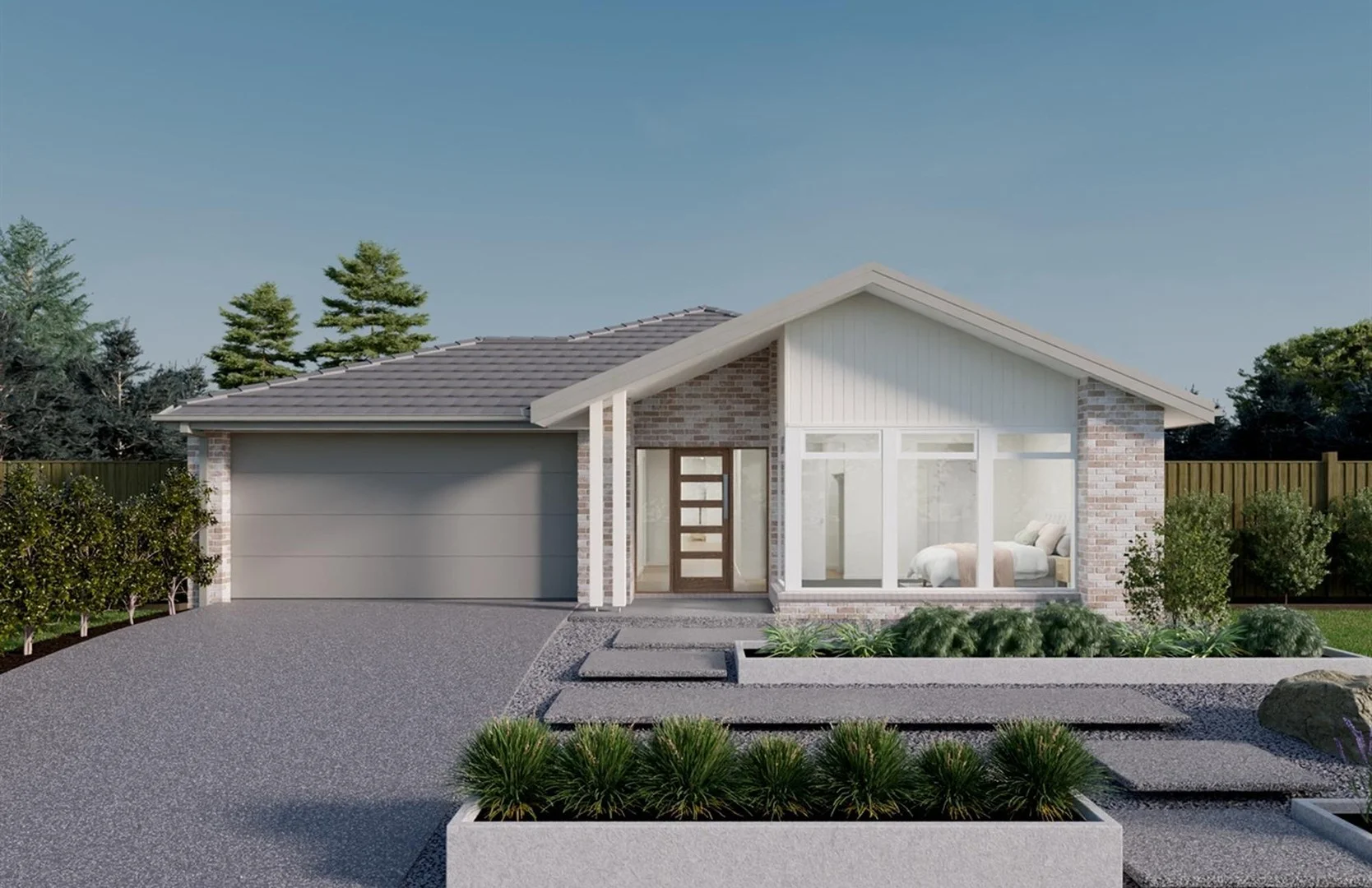 $1,116,900
propertyType.NEW HOUSE & LAND
$1,116,900
propertyType.NEW HOUSE & LAND
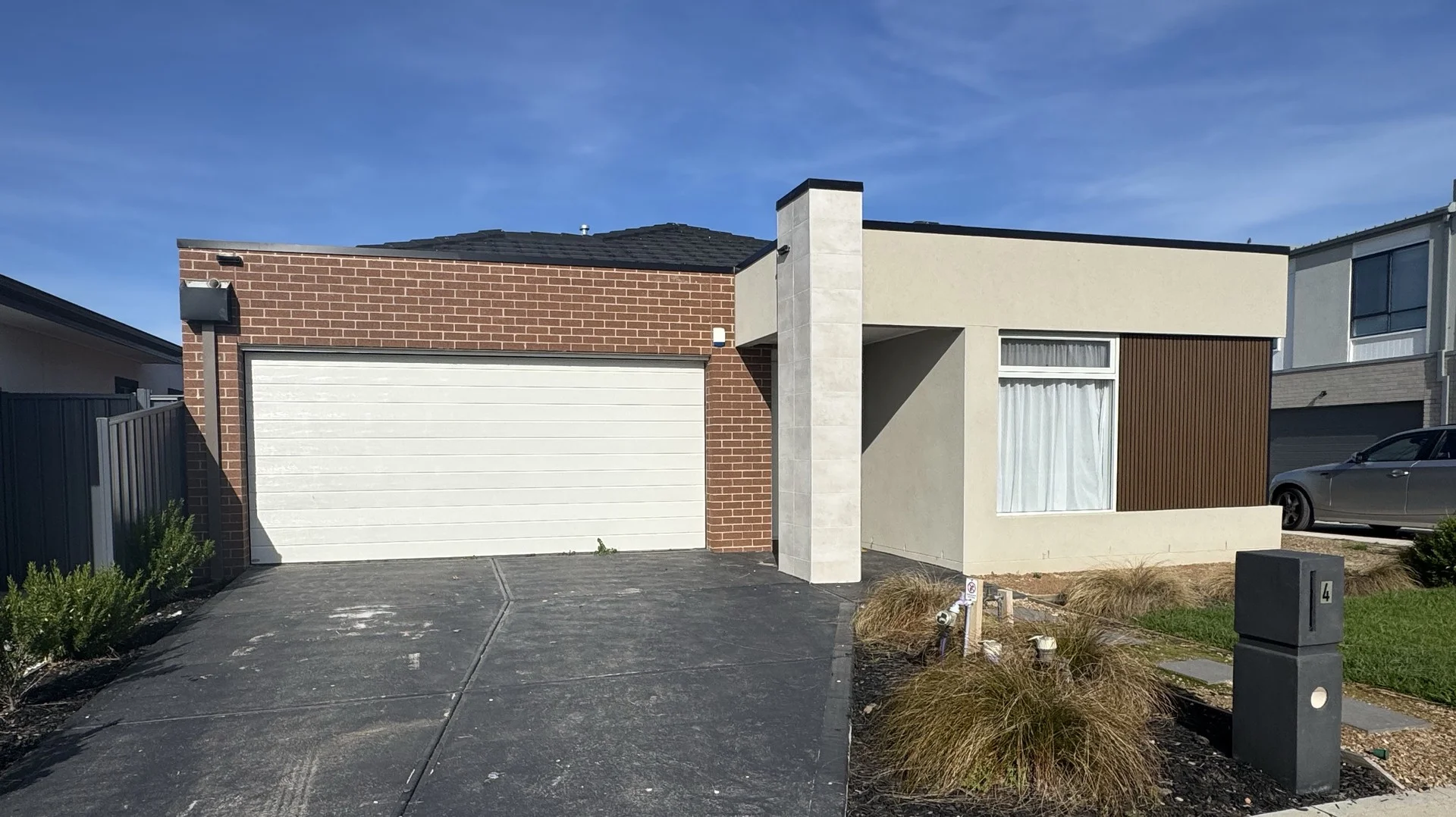 $600
House
$600
House
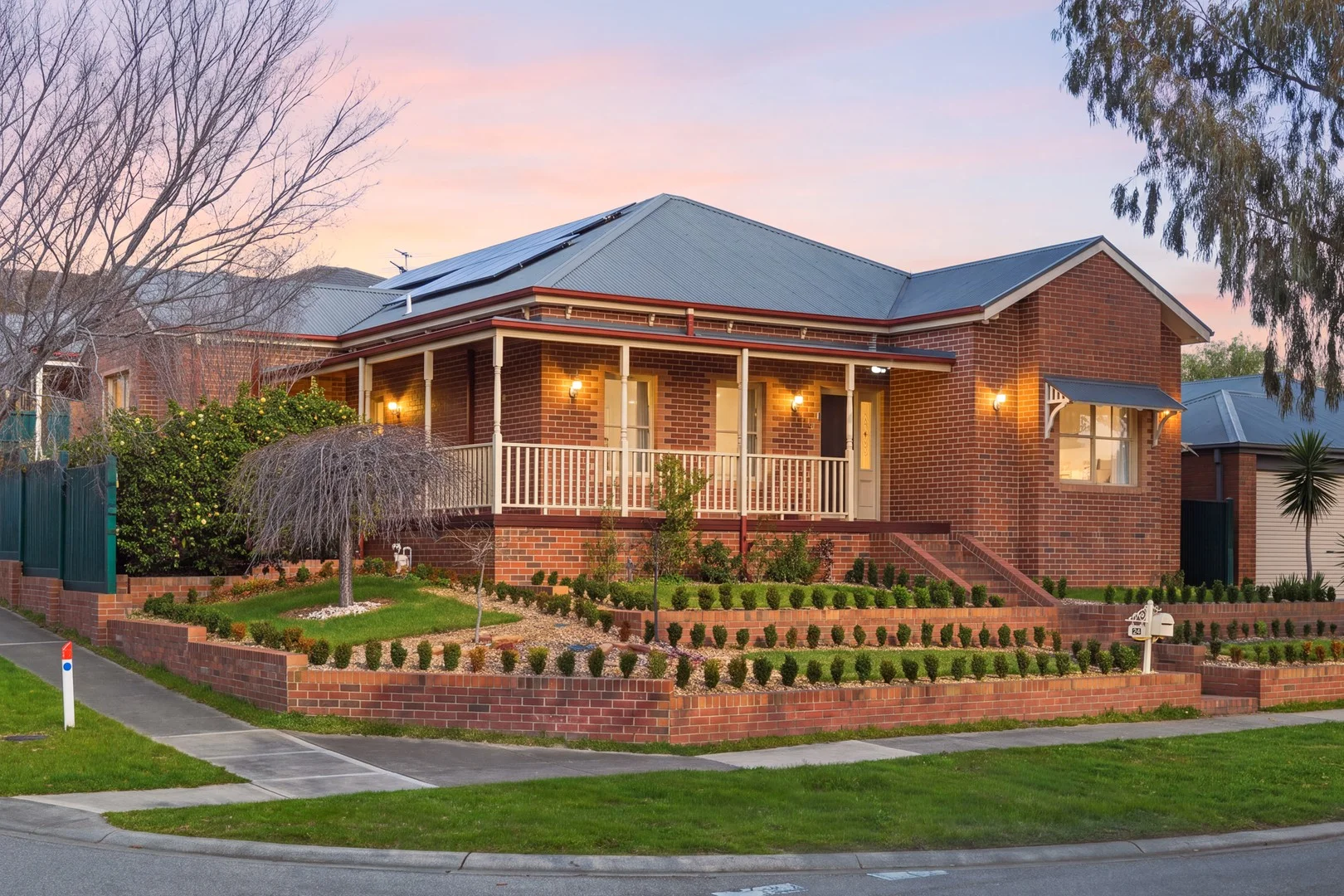 $1,200,000
House
$1,200,000
House
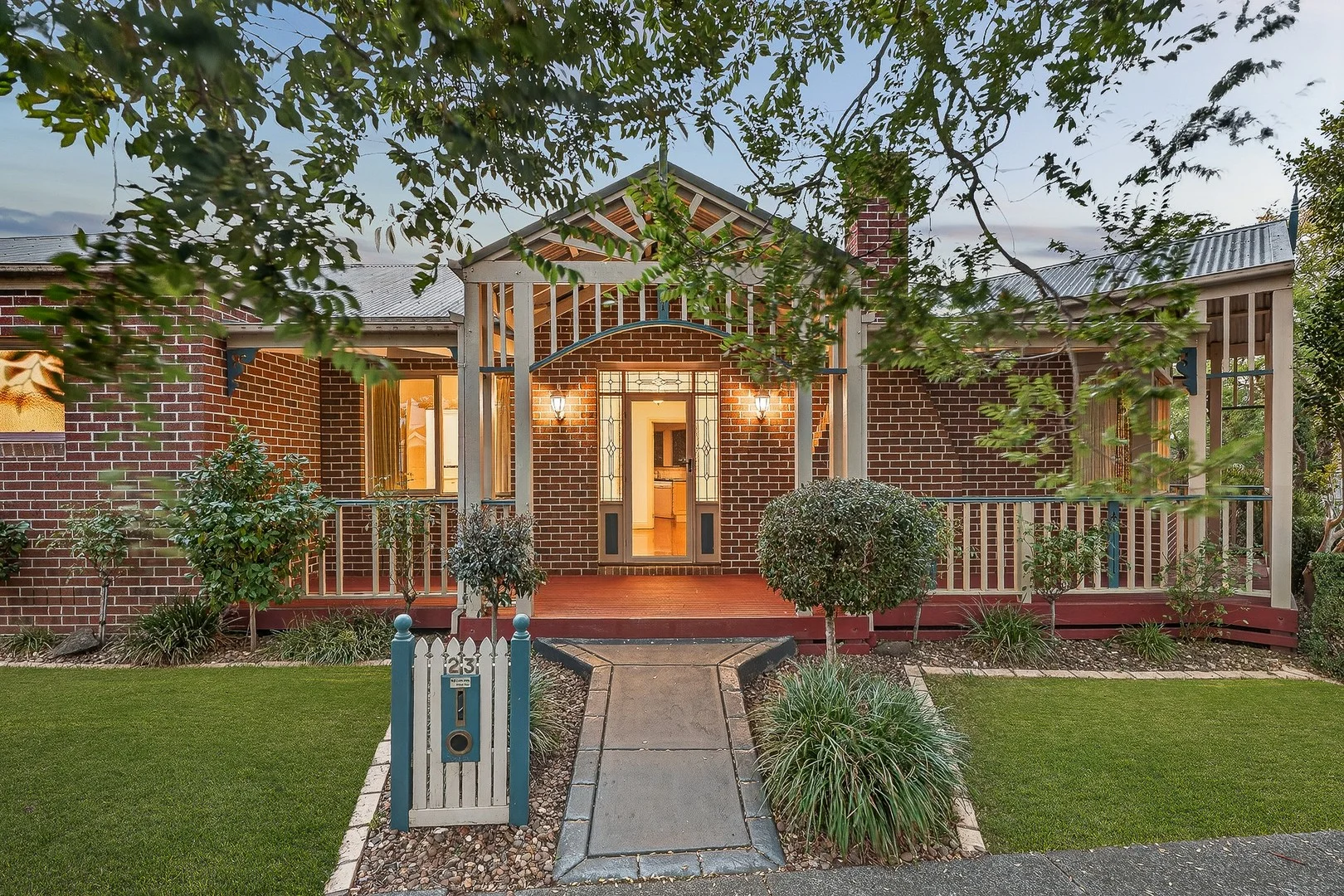 $1,050,000 - $1,150,000
House
$1,050,000 - $1,150,000
House
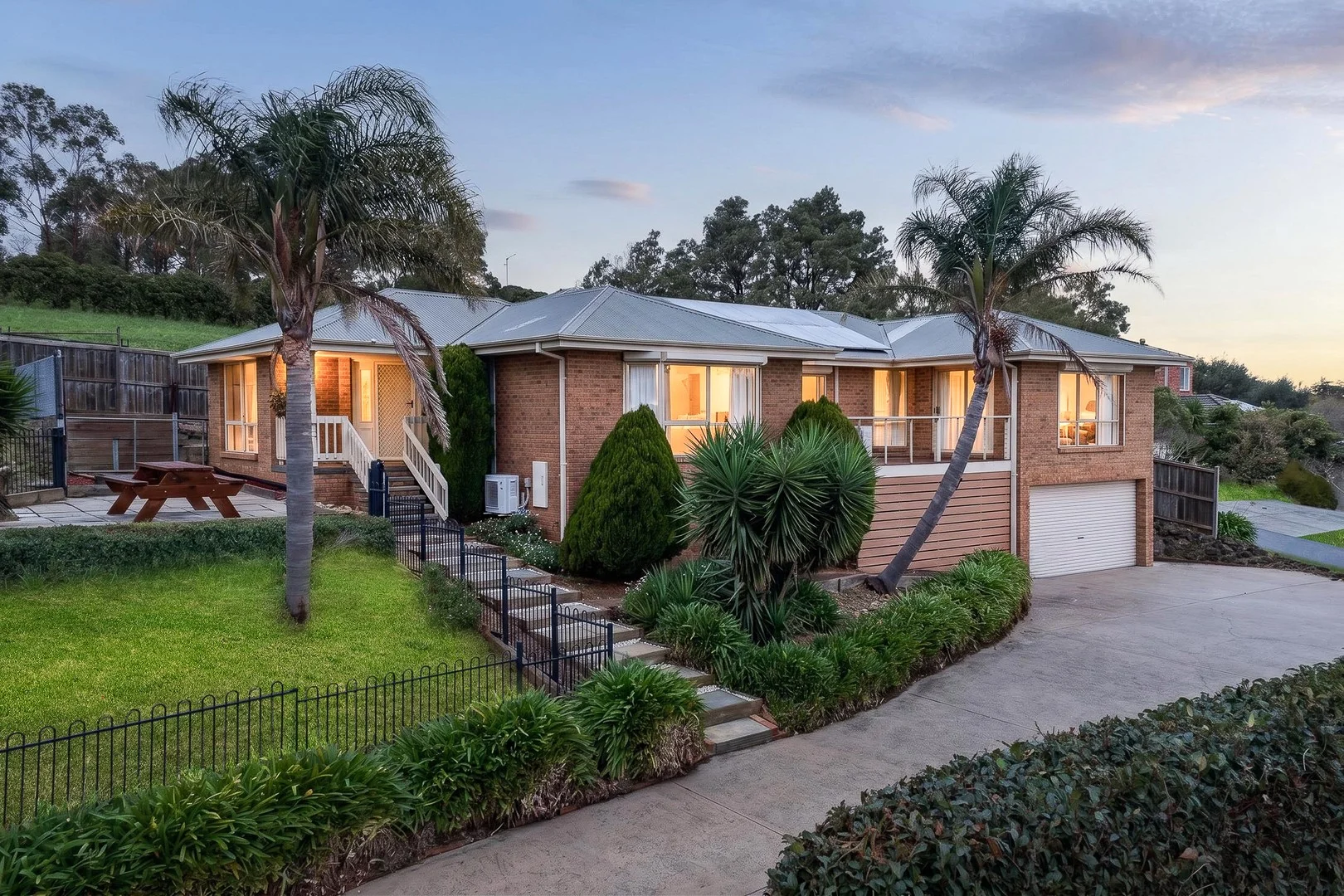 $850,000
House
$850,000
House
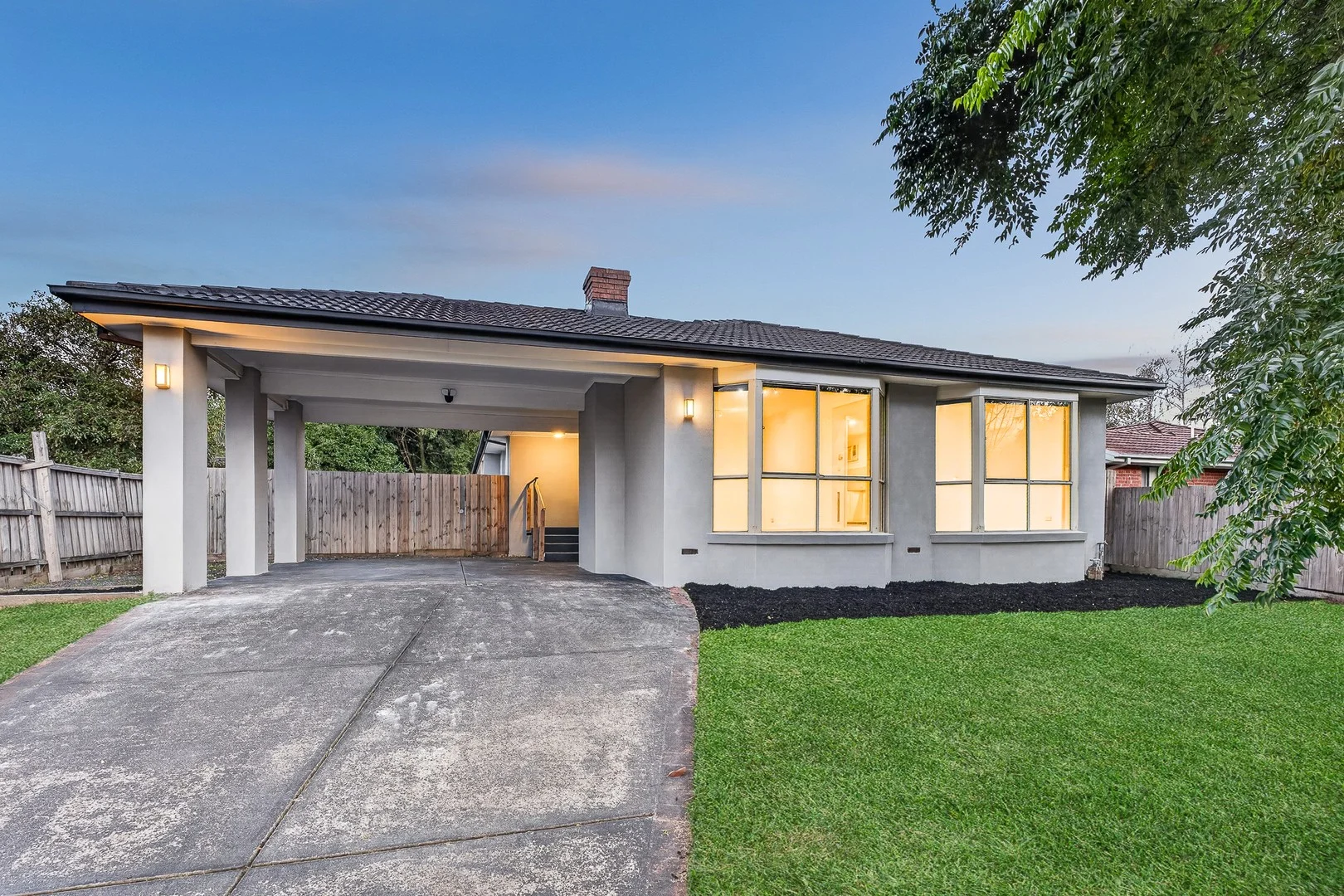 $800,000 - $880,000
House
$800,000 - $880,000
House
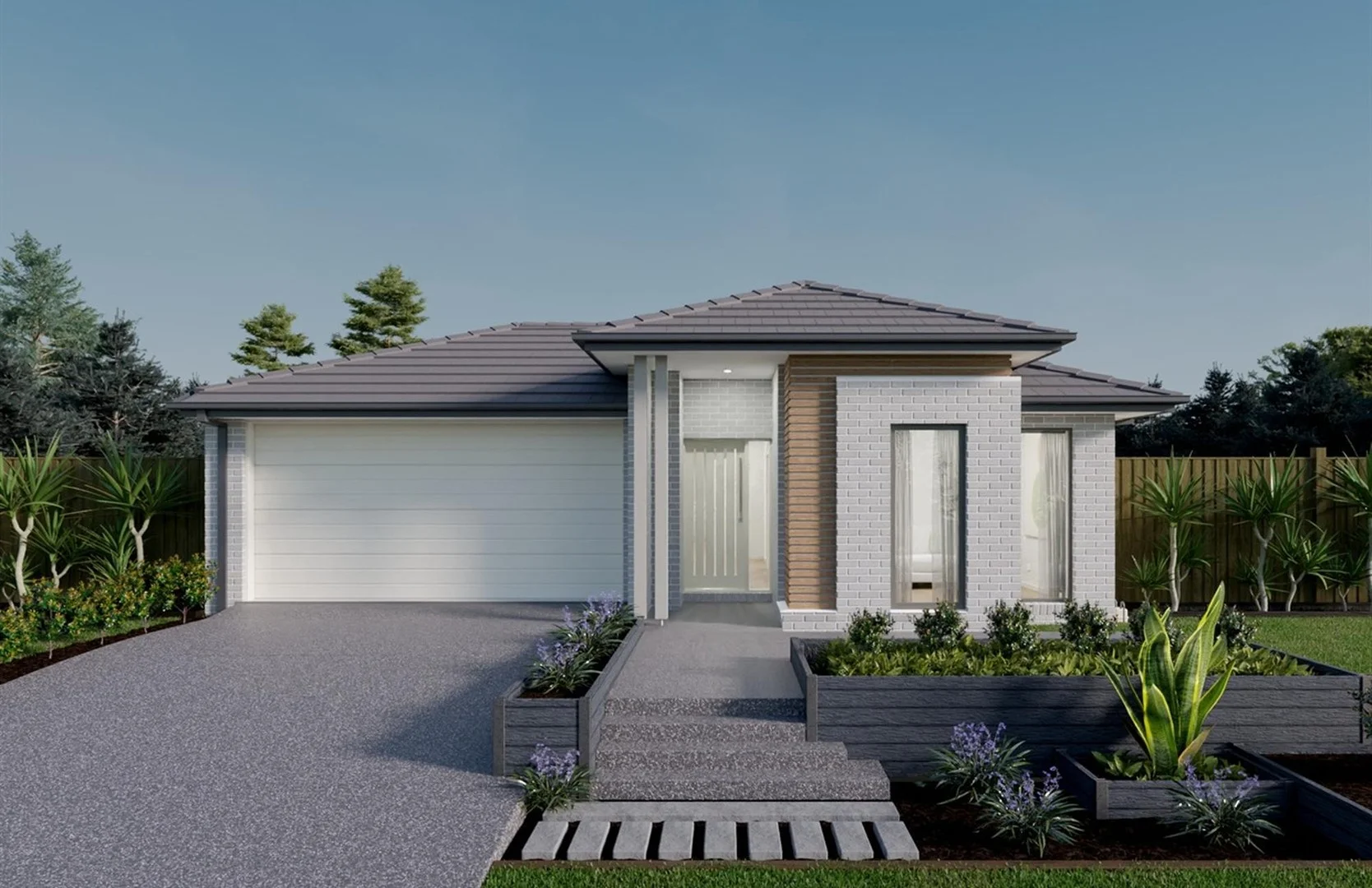 $785,700
propertyType.NEW HOUSE & LAND
$785,700
propertyType.NEW HOUSE & LAND
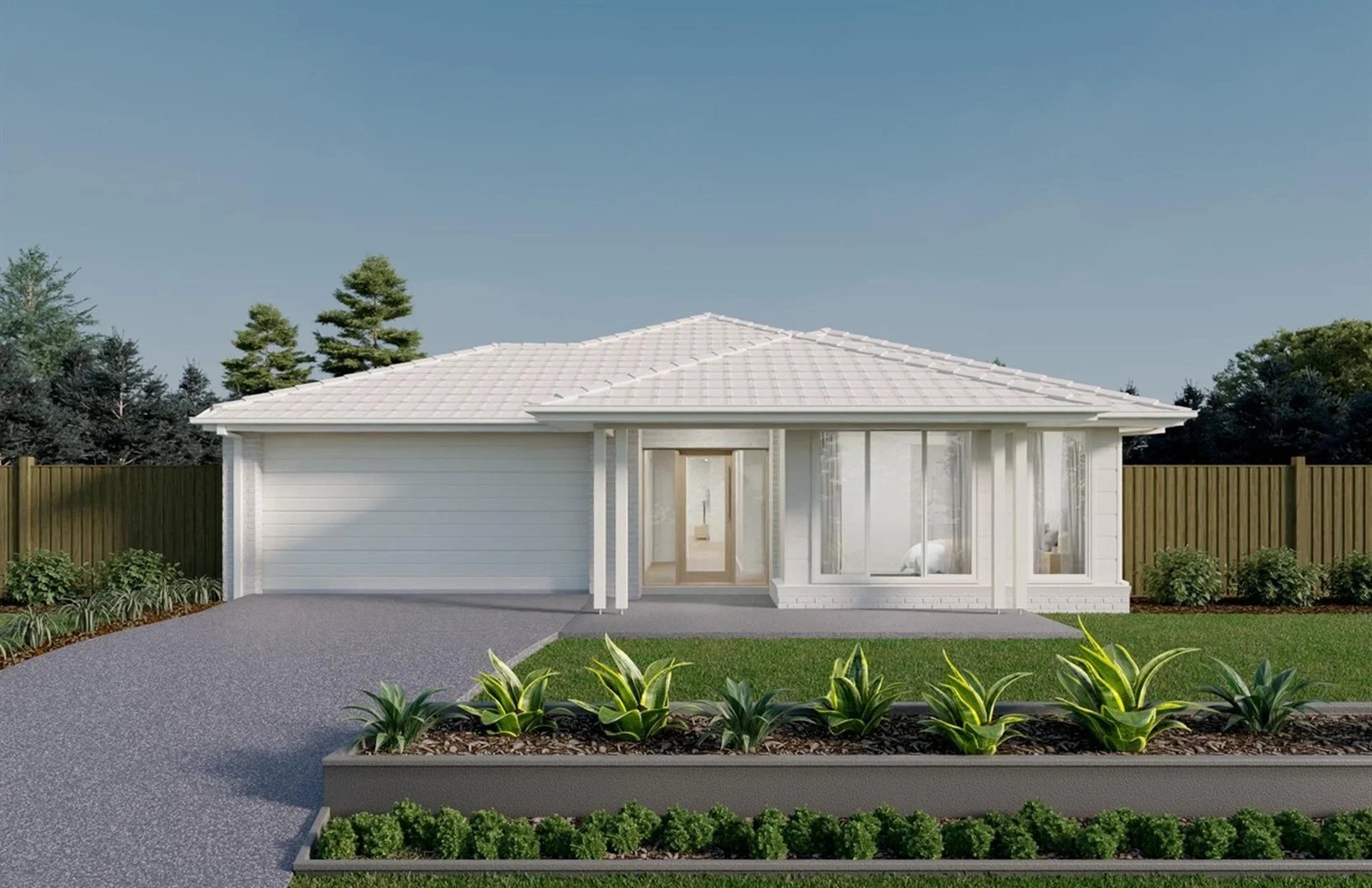 $836,500
propertyType.NEW HOUSE & LAND
$836,500
propertyType.NEW HOUSE & LAND
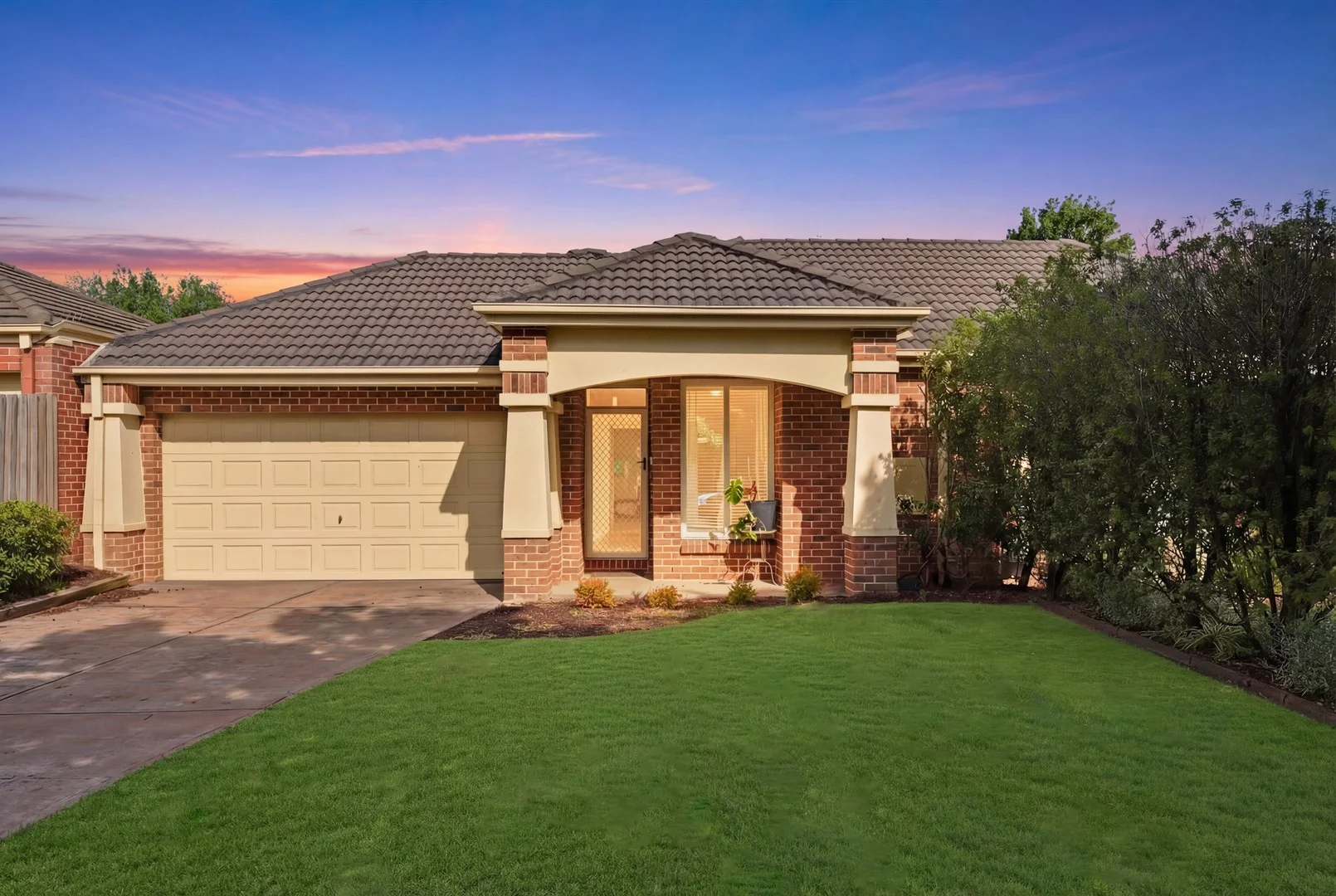 $795,000 - $835,000
House
$795,000 - $835,000
House


