## 1. Overview
Conservatorium High School is a public, academically selective high school in Sydney, NSW, known for its exceptional focus on music alongside strong core academics. As a public school, it draws students from across the city who are committed to high-level study and a demanding performing-arts program. The school is medium-sized, with class groups typically in the low-to-mid 20s, fostering a tight-knit, high-expectation learning environment where students are challenged to excel in both scholarly and musical pursuits.
The atmosphere is a blend of academic rigor and performing-arts culture. Students are encouraged to pursue excellence in their studies while developing advanced musical skills through ensembles, auditions, and concerts. The culture supports inclusivity and collaboration, with a clear emphasis on discipline, resilience, and personal growth.
⸻
## 2. Academics & Learning
- Academic strengths: Core academic subjects (English, mathematics, science, humanities) delivered alongside a strong emphasis on music theory, performance, and musicology. The school functions as a flagship for rigorous academic achievement complemented by an intensive conservatorium program.
- Special programs: Audition-based entry into the music stream, specialist music ensembles, opportunities for advanced/accelerated learning in both academic and musical domains, and a dedicated conservatorium pathway that integrates performance with curriculum studies.
- NAPLAN trends: Historically strong performance in literacy and numeracy relative to state averages, with consistent improvement and strong attainment across year groups.
- Student-teacher ratios: Classrooms are designed for high engagement with relatively low student-teacher ratios (approximate range around 1:10 to 1:15 in core classes), enabling more individualized feedback and targeted support.
- Support for diverse learners: Comprehensive support for diverse learners, including EAL/D assistance, learning and support programs for students with SEN, and tailored accommodations where needed to ensure inclusive access to both academic and musical streams.
⸻
## 3. Sports & Extracurricular Strengths
- Sports offered: A broad range of school sports typical of NSW high schools, with opportunities to participate in inter-school competitions and PE programs alongside other co-curricular activities.
- Strong teams or achievements: Competitive involvement in inter-school activities across sports, while the school’s standout profile remains its music program; sports success is supported by strong general fitness and team participation.
- Music, arts, drama programs: World-class music program is a core strength, featuring ensembles (orchestras, bands, choirs), regular public performances, and collaboration with professional musicians and organisations.
- Clubs: Robotics, chess, coding, debating, and other STEM/academic clubs, along with music-focused clubs and performance groups.
- Partnerships: Ties with local music academies, universities, and performing-arts organisations for competitions, masterclasses, and joint performances.
⸻
## 4. Wellbeing & Pastoral Care
- Anti-bullying approach: Proactive anti-bullying policies and clear reporting pathways; emphasis on creating a respectful, safe school climate.
- House system: A house-based structure to foster belonging, leadership, teamwork, and healthy competition across year levels.
- Counsellors / wellbeing officers: Access to school psychologists, guidance counsellors, and wellbeing staff to support academic stress, social-emotional development, and transition needs.
- Transition support for new students: Structured orientation, buddy systems, and targeted support for students entering from different schools or entering the music stream, ensuring a smooth adjustment to both academic and performing-arts demands.
⸻
## 5. Facilities
- Sports grounds: Access to sports facilities and PE spaces appropriate to NSW high schools, supporting a broad physical-activity program.
- Libraries: On-site library with resources for general studies, music literature, and study spaces for individual or group work.
- Science labs: Well-equipped science laboratories for hands-on experiments and practical investigations.
- Music/performing arts centers: Dedicated music rooms, rehearsal studios, practice rooms, and an on-site performance venue or concert space to support regular public performances.
- Tech/innovation labs: Computer labs and IT facilities for digital learning, music technology, and project-based activities.
- Cafeteria: In-school canteen or catering facilities providing daily meals and snacks.
- Updated playgrounds: Modern, safe outdoor spaces for breaks and informal gatherings.
⸻
## 6. School Values & Community Culture
- School values / mission: A culture of excellence, integrity, effort, and collaboration, with a strong emphasis on developing both musical and academic talents.
- Leadership style: Student leadership structures (including the house system and ensemble leadership roles) promote peer-to-peer mentorship and responsibility.
- Behaviour expectations: Clear standards for conduct, respect, resilience, and responsibility; consistent application across academic and musical settings.
- Community reputation: Known for high academic standards and a premier music program, fostering strong alumni networks and engagement with the wider performing-arts community.
- Diversity & inclusion: Commitment to inclusive practices and welcoming students from diverse backgrounds, with support mechanisms to help all students participate fully in both studies and music.
⸻
## 7. School Logistics & Daily Operations
- School hours: Typical school day starts mid-morning and ends in the mid-to-late afternoon, with scheduling designed to accommodate music rehearsals and ensembles.
- Before/after school care: Availability varies by campus; some days may offer supervised study or care programs before/after school through school or community providers.
- Uniform requirements: Uniforms required; specifics include formal school attire for lessons and performances, with guidelines for music ensembles during performances.
- Transport (train/bus routes): Well-served by public transport options typical of central Sydney locations, with accessibility via trains and buses; the school’s location generally offers convenient routes for students from various districts.
- Canteen availability: On-site canteen or food services for snacks and meals during the school day.
- Fees (low/medium/high ranges): As a public school, there is no tuition; families may incur standard voluntary contributions, uniform costs, and incidental charges for trips or performances.
⸻
## 8. Enrolment & Admissions
11. What is the enrolment process and timeline?
- Entry is via NSW Department of Education selective school procedures, with a music audition component for the conservatorium pathway. Applications are typically submitted through the department’s timeline, followed by a selective test and audition process. Offers are issued based on ranking and seat availability, with timelines published by the department.
12. Is there a waiting list, and how does it work?
- Yes, there is typically a waiting list. Applicants are placed on the list and offers are made as seats become available, with rankings determined by test results, audition outcomes, and the availability of space within the music stream and overall intake.
13. Are there any entry requirements, tests, or interviews?
- Yes. Entry requires performance-based auditions for the music program, as well as standard NSW selective high school testing for general academic entry. Some applicants may participate in interviews or portfolio assessments as part of the process.
14. Does the school accept mid-year transfers?
- Mid-year transfers may be considered in exceptional cases, subject to NSW Department of Education rules and seat availability. Applications typically go through the standard transfer process with review and approval required.
⸻
## 9. Frequently Ask Questions
- Why Parents Choose This School?
- Strong academic outcomes combined with a premier music program; a high-performance culture that supports both scholastic and artistic growth; opportunities to compete and showcase talents through ensembles and performances.
- What type of student thrives at this school?
- Motivated, disciplined students who have strong academic work habits and a passion for music or performing arts. Students who thrive in structured, high-expectation environments with collaboration between academics and music.
- What opportunities are available for students to extend their skills (academics, sports, arts)?
- Advanced coursework and enrichment in core subjects; extensive music ensembles, theory, and performance opportunities; clubs in STEM, debate, coding, and robotics; competitive inter-school events and festivals.
- How does the school communicate with parents?
- Regular newsletters, official emails, parent portals, classroom portals, and scheduled parent-teacher conferences. Updates about concerts, exams, and school events are shared through these channels.
- What is the school’s approach to teaching and learning?
- A balanced, student-centered approach that integrates rigorous academics with immersive musical instruction. Emphasis on critical thinking, collaboration, creative problem-solving, and performance-based learning.
- How does the school support students who need extra academic help?
- Individual and small-group tutoring, learning support plans, EAL/D assistance, SEN accommodation, and targeted intervention in literacy and numeracy where needed.
- What support is available for academic challenges?
- Access to guidance counsellors, academic mentoring, and structured remediation or enrichment programs; coordinated support across core subjects and the music stream.
- How does the school communicate with parents?
- (See above) Regular updates via newsletters, portals, and conferences; emergency communications via SMS or email as needed.
- What are the class sizes and how much individual attention do students receive?
- Class sizes typically around 20–25 students, with teachers able to provide substantial individual feedback and targeted support, especially in core subjects and music training.
- What extracurricular and sports opportunities are available?
- A wide range of clubs (robotics, chess, coding, debating) and extensive music programs (ensembles, concerts). Sports participate through inter-school programs and PE activities as part of the general student experience.
- What facilities does the school offer (sports, science, arts)?
- Comprehensive facilities including music and performing arts spaces, theatres/auditoriums, dedicated practice rooms, science labs, libraries, tech/innovation labs, and a canteen.
- What is the school’s approach to technology and digital learning?
- Integration of digital tools across learning, with computer labs and music technology resources; use of online platforms for assignments, feedback, and collaboration.
- What transport and accessibility options are available?
- Strong public-transport access via nearby train and bus routes; accessible facilities and processes aligned with NSW education guidelines for students with diverse needs.
- What are typical school fees or additional costs?
- Being a public school, there is no tuition fee. There are usual costs for uniforms, excursions, performances, and potential voluntary contributions or fundraising items.
⸻
## 10. Short Pros & Cons list
- Pros
- Premier music program with strong performance opportunities
- High academic expectations and solid outcomes
- Supportive, inclusive culture with dedicated wellbeing and guidance
- Balanced focus on both arts and core subjects
- Access to expert ensembles, facilities, and partnerships
- Cons
- Music workload can be demanding alongside academics
- Competitive entry, which may limit options for non-musical emphasis
- Public-school processes mean intake depends on department timelines and seat availability
- Travel or commuting may be longer for students from outer districts depending on location
⸻
 $95+
$95+










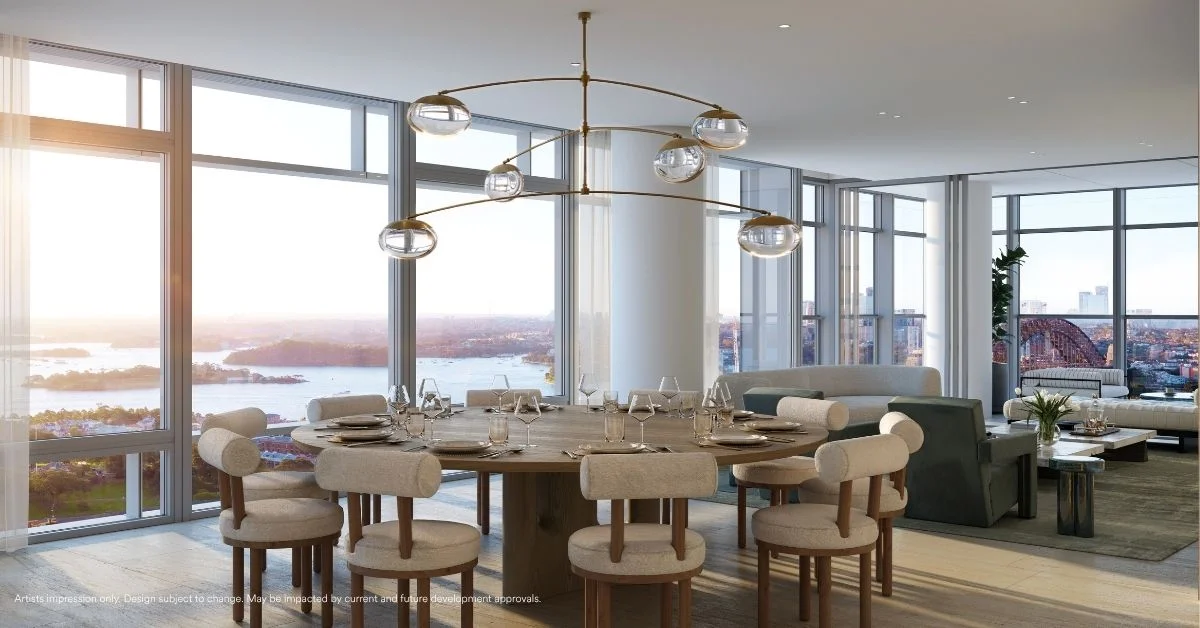 $26,550,000
propertyType.NEW APARTMENTS / OFF THE PLAN
$26,550,000
propertyType.NEW APARTMENTS / OFF THE PLAN
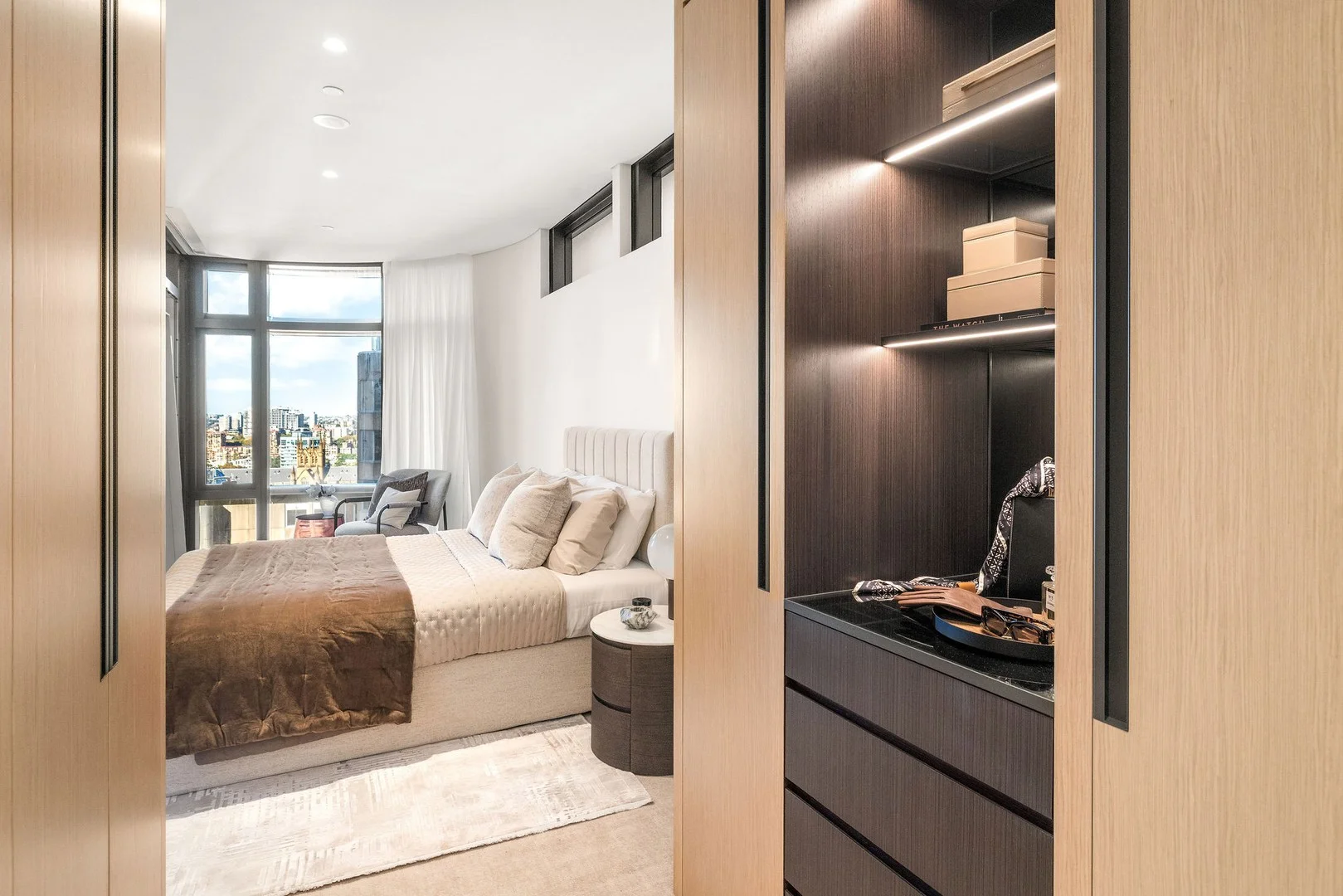 $2,745,000
propertyType.NEW APARTMENTS / OFF THE PLAN
$2,745,000
propertyType.NEW APARTMENTS / OFF THE PLAN
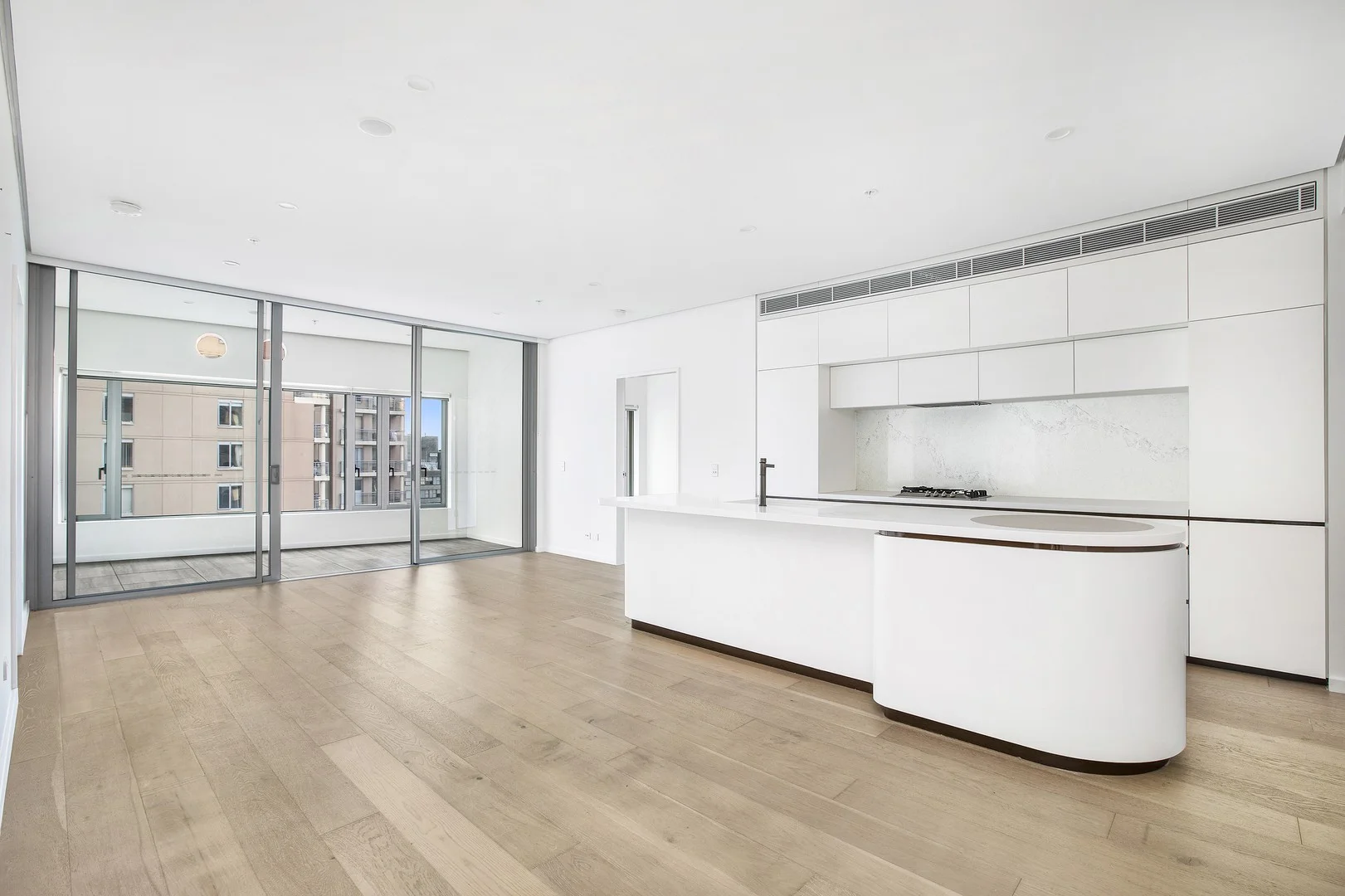 $2,250,000
Apartment / Unit / Flat
$2,250,000
Apartment / Unit / Flat
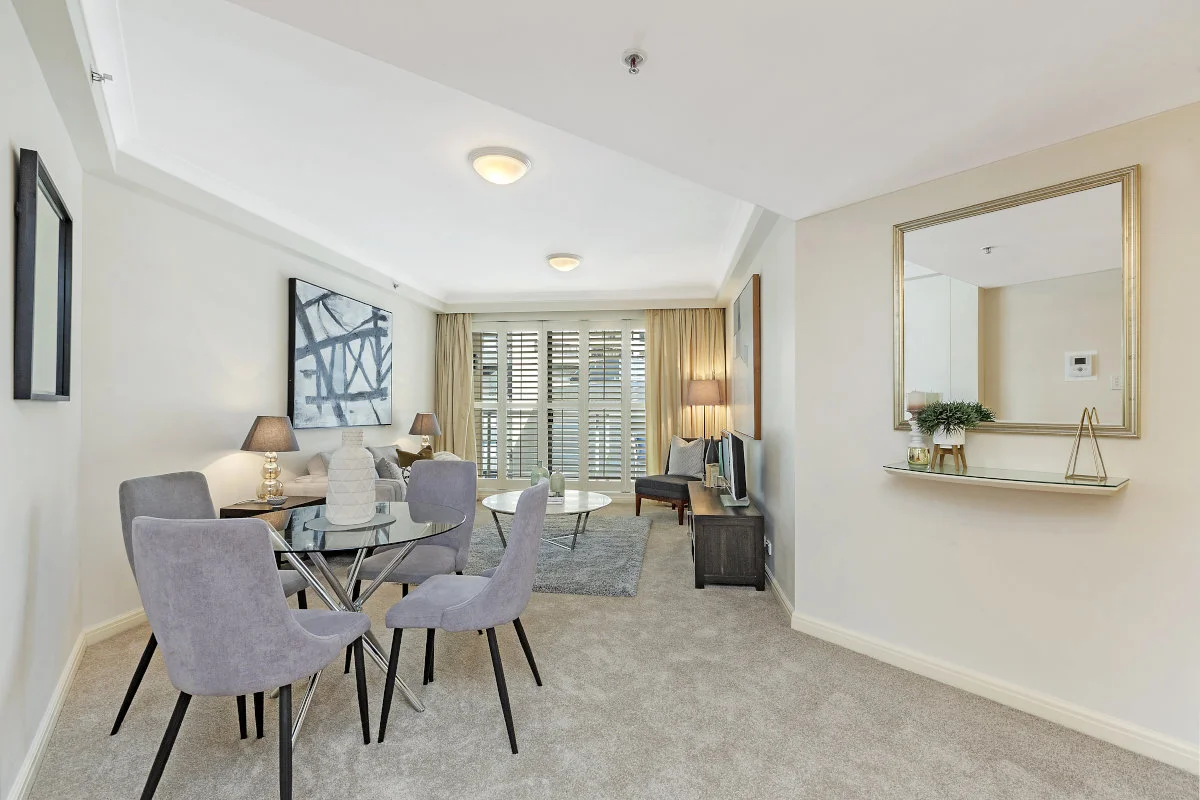 $660,000 - $725,000
Apartment / Unit / Flat
$660,000 - $725,000
Apartment / Unit / Flat
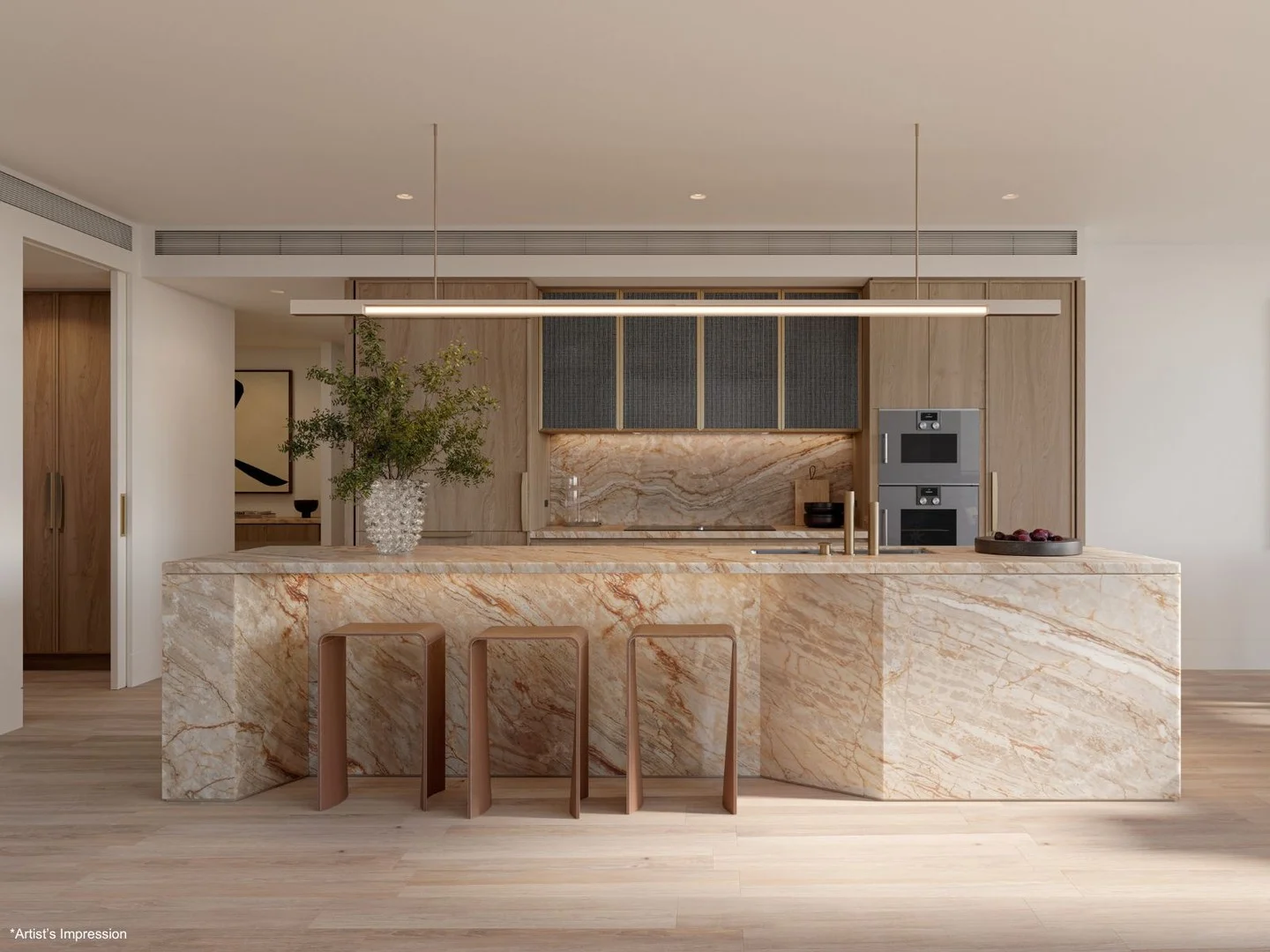 $6,225,000
propertyType.NEW APARTMENTS / OFF THE PLAN
$6,225,000
propertyType.NEW APARTMENTS / OFF THE PLAN
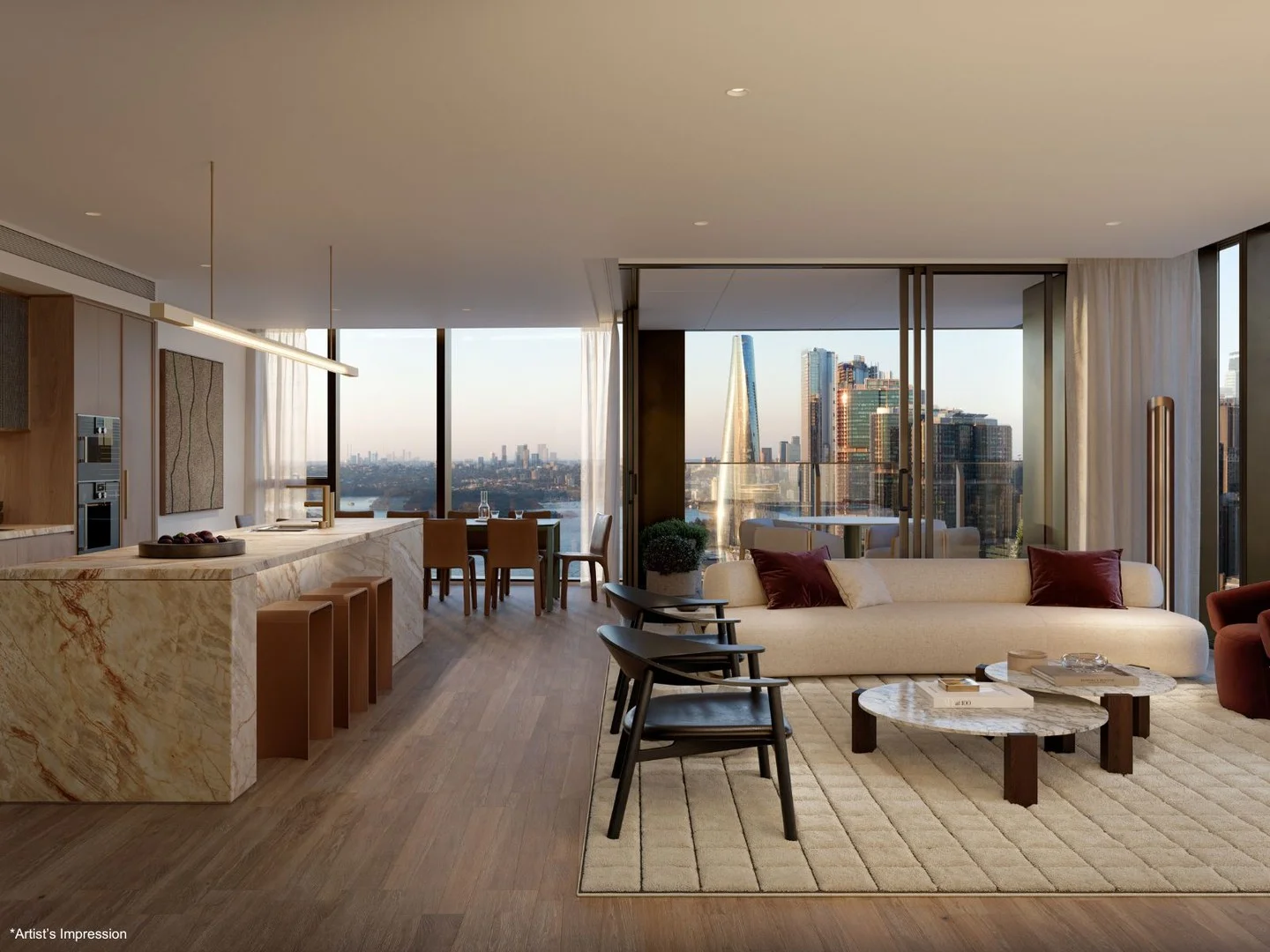 $12,980,000
propertyType.NEW APARTMENTS / OFF THE PLAN
$12,980,000
propertyType.NEW APARTMENTS / OFF THE PLAN
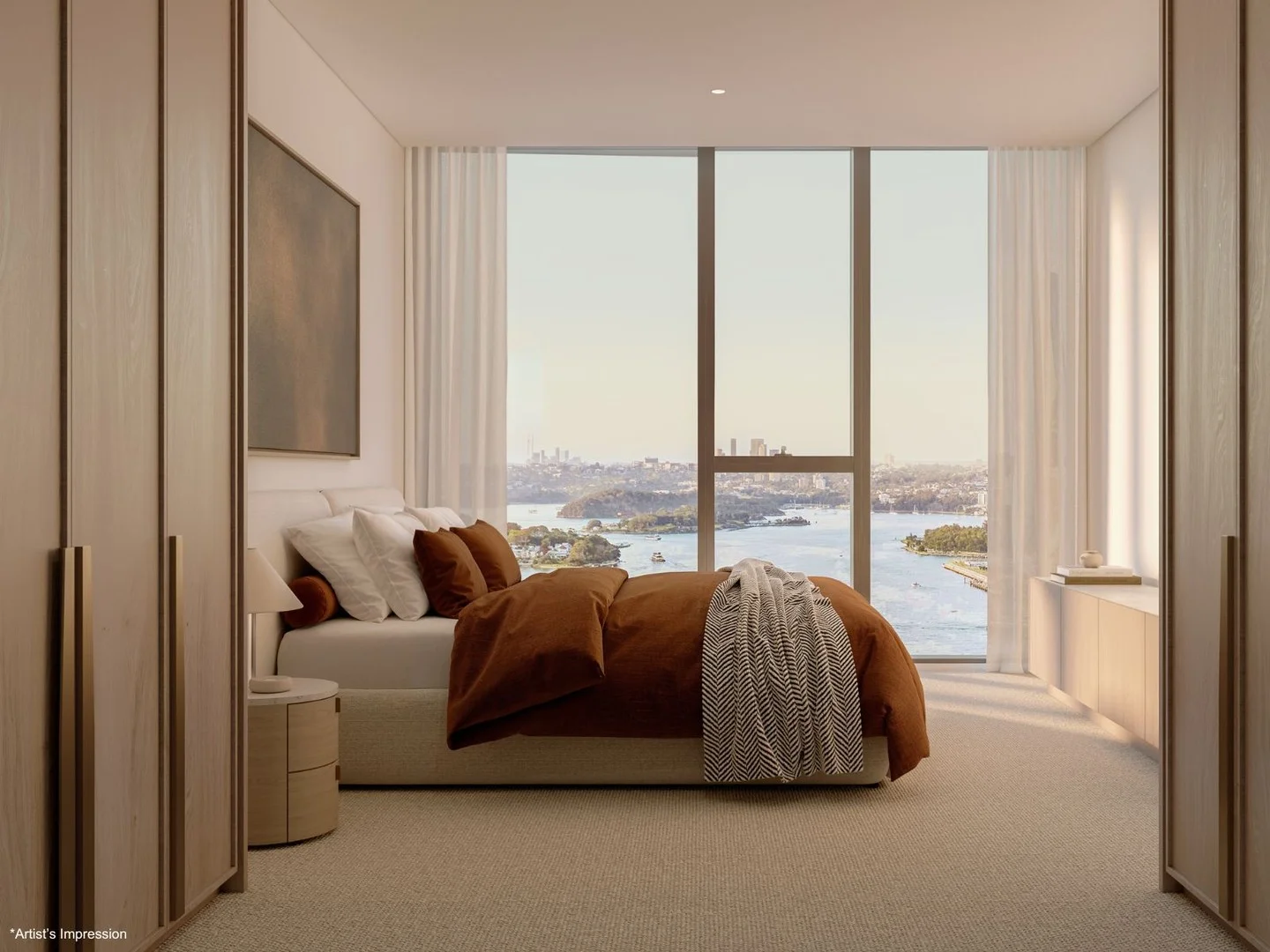 $8,630,000
propertyType.NEW APARTMENTS / OFF THE PLAN
$8,630,000
propertyType.NEW APARTMENTS / OFF THE PLAN
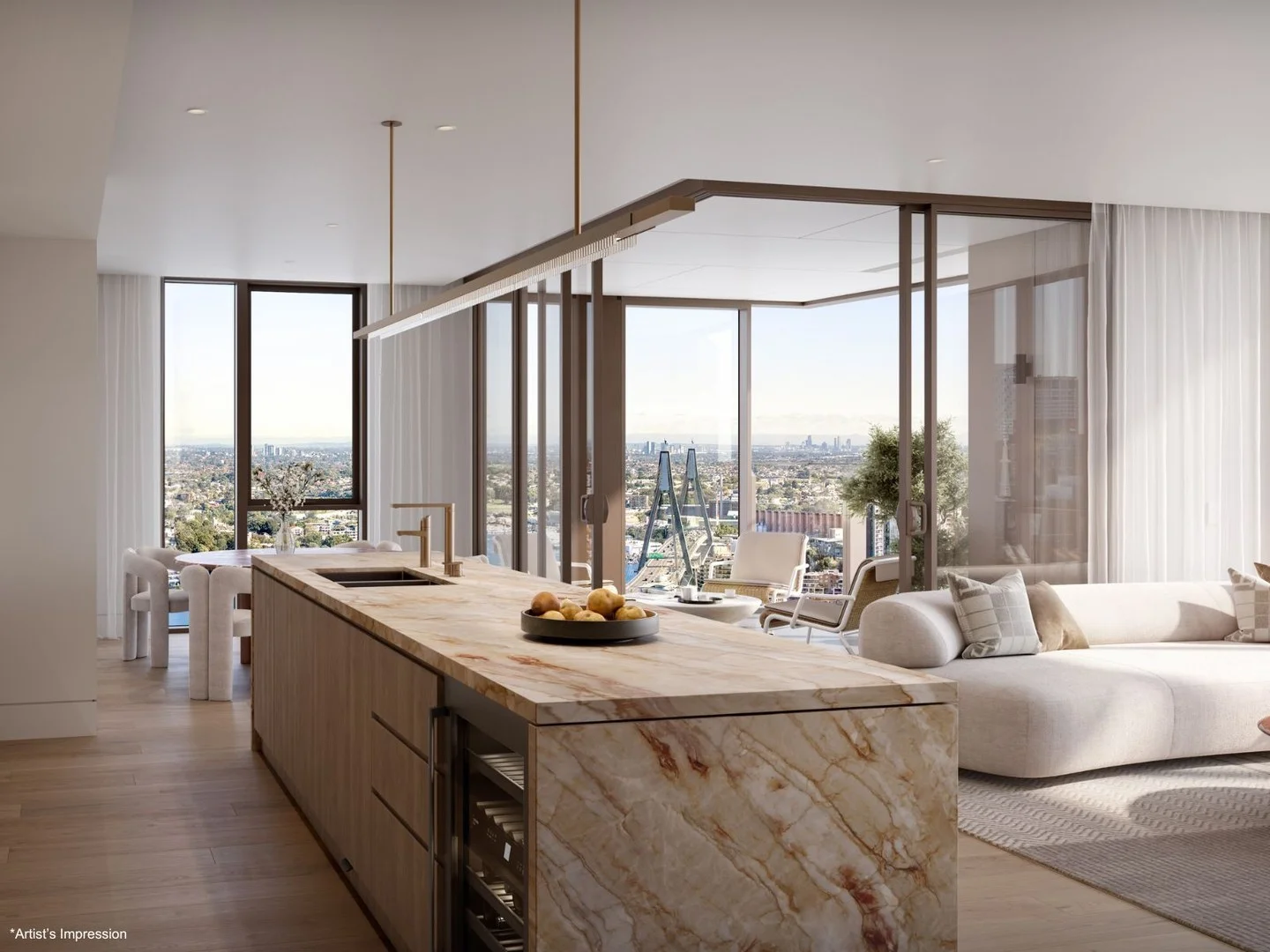 $9,020,000
propertyType.NEW APARTMENTS / OFF THE PLAN
$9,020,000
propertyType.NEW APARTMENTS / OFF THE PLAN
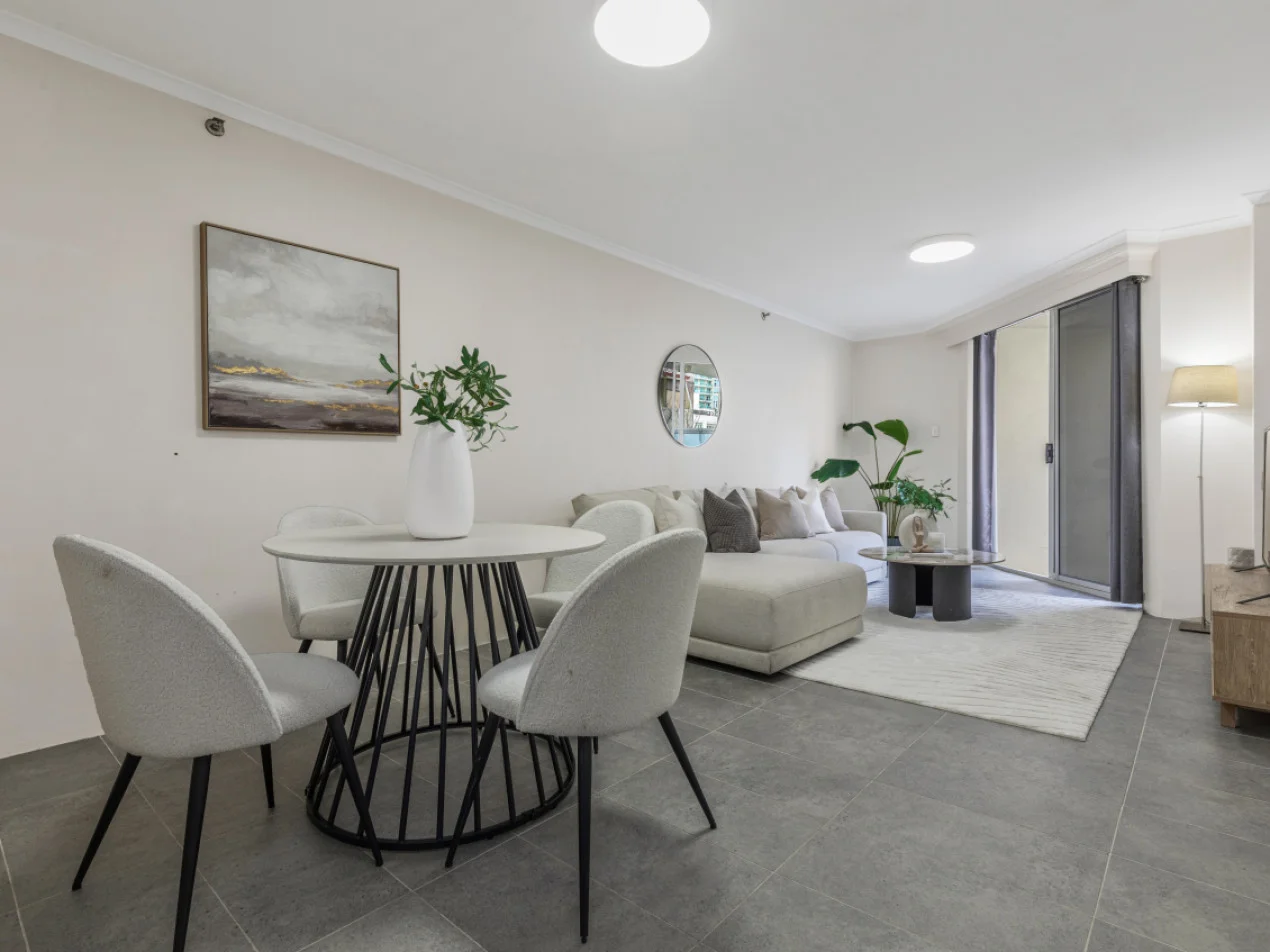 $640,000 - $675,000
Apartment / Unit / Flat
$640,000 - $675,000
Apartment / Unit / Flat