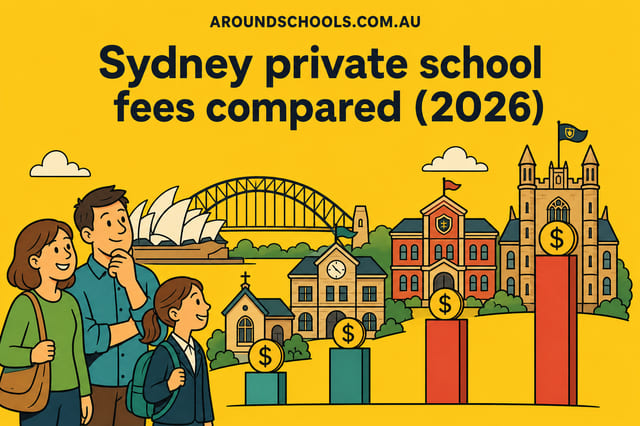
## 1. Overview
⸻
St Mary’s Cathedral College is a Catholic independent secondary school for boys in Sydney’s CBD. The college emphasises faith formation, strong academics, leadership development and a sense of community, all within a modern learning environment. With a medium-to-large student body, classes are typically structured to support individual attention while fostering teamwork, discipline and a respectful, inclusive culture.
- School type: Catholic, independent
- School size: medium to large
- Class size: generally mid-20s (varies by year and subject)
- Atmosphere/culture: nurturing, academically focused, inclusive, sport- and culture-aware
⸻
## 2. Academics & Learning
⸻
The college aims to deliver rigorous academic programs across core subjects (English, Mathematics, Science, Humanities) while cultivating critical thinking, communication and problem-solving. Strengths commonly highlighted include English and STEM areas, as well as leadership development and opportunities in languages.
- Academic strengths: English, STEM, leadership development, languages
- Special programs: Gifted & Talented pathways, accelerated learning options where available; potential for specialised tracks or Diploma pathways depending on year level
- NAPLAN / trends: historically strong performance relative to state averages with steady or improving trends in reading and numeracy over recent cohorts
- Student-teacher ratios: typically around 1:12 to 1:15, with smaller groupings in key subjects or year groups
- Support for diverse learners: dedicated EAL support where needed; learning support services for students with SEN; access to tutoring or targeted interventions as part of inclusion practices
⸻
## 3. Sports & Extracurricular Strengths
⸻
Sports and co-curriculars are central to the school experience, especially for boys in the 10–14 age range, and many families value strong team culture, achievement and breadth of options.
- Sports offered: rugby, cricket, football (soccer), basketball, athletics, swimming, tennis, and other mainstream school sports
- Strong teams or achievements: competitive school teams with participation in local and regional competitions
- Music, arts, drama programs: robust performing arts, choir and band opportunities; regular theatre/drama productions
- Clubs: robotics, chess, coding, debating, and other academic/interest clubs
- Partnerships: connections with local clubs, sports academies and inter-school competitions for extended opportunities
⸻
## 4. Wellbeing & Pastoral Care
⸻
Wellbeing and pastoral care are central to student success, with structures to support students academically, socially and emotionally.
- Anti-bullying approach: clear policies, reporting channels, and preventive programs within a culture of respect
- House system: house groups to foster belonging, competition and mentorship
- Counsellors / wellbeing officers: access to school counsellors and wellbeing staff for pastoral support
- Transition support for new students: buddy programs, orientation sessions and dedicated staff support to help new students settle in
⸻
## 5. Facilities
⸻
The school provides a range of facilities designed to support learning, performance and recreation.
- Sports grounds: on-site facilities for a variety of sports
- Libraries: well-equipped library spaces for study and research
- Science labs: modern laboratories for biology, chemistry, physics and related subjects
- Music/performing arts centers: spaces for ensembles, rehearsals and performances
- Tech/innovation labs: digital labs and maker-space environments
- Cafeteria: on-site canteen for meals and snacks
- Updated playgrounds: outdoor spaces for recreation and social activity
⸻
## 6. School Values & Community Culture
⸻
The college communicates a Catholic ethos while fostering a positive, inclusive school culture focused on character and leadership.
- School values / mission: faith, service, excellence, integrity, respect
- Leadership style: collaborative and student-involved; opportunities for student voice and leadership roles
- Behaviour expectations: clear codes of conduct emphasizing respect, responsibility and safety
- Community reputation: connected with parish life and broader Catholic education networks; dedicated to service and community engagement
- Diversity & inclusion: welcoming environment for students from diverse backgrounds; commitment to inclusive practices
⸻
## 7. School Logistics & Daily Operations
⸻
Practical information to help families plan around school day routines.
- School hours: typical daytime schedule (start around 8:00 am; finish in mid-afternoon)
- Before/after school care: may be offered or arranged via relations with external providers or school-based programs
- Uniform requirements: formal school uniform; details vary by year level
- Transport (train/bus routes): accessible via public transport in the Sydney CBD; proximity to bus/train routes; parking considerations may apply
- Canteen availability: on-site canteen or cafeteria services
- Fees (low/medium/high ranges): fees generally fall in the middle-to-upper range for NSW independent Catholic schools
⸻
## 8. Enrolment & Admissions
⸻
Details commonly involved in joining the college.
- What is the enrolment process and timeline?
- Online application, submission of required documents, and communication of intake timelines (often aligned to academic year cycles)
- Information sessions or tours may be available; deadlines and intake rounds vary by year
- Is there a waiting list, and how does it work?
- Waiting lists can apply for high-demand years; offers typically occur in sequential rounds based on available vacancies
- Are there any entry requirements, tests, or interviews?
- Entrance assessments or interviews and consideration of academic records; religious suitability discussions and references may be part of the process
- Does the school accept mid-year transfers?
- Mid-year transfers may be possible if vacancies exist; families should contact the admissions office early to discuss options
⸻
## 9. Frequently Asked Questions
⸻
- Why Parents Choose This School?
- Strong Catholic values, solid academic outcomes, leadership opportunities, supportive pastoral care and a sense of community in a city setting
- What type of student thrives at this school?
- Motivated, values community, participates in service, and enjoys a balance of academics, sport and the arts
- What opportunities are available for students to extend their skills (academics, sports, arts)?
- Advanced or accelerated tracks where available, leadership programs, competitive sports, music ensembles, drama and a wide range of clubs
- How does the school communicate with parents?
- Regular newsletters, parent portals, emails, parent-teacher meetings and notices via the school’s communications channels
- What is the school’s approach to teaching and learning?
- Student-centered, inquiry-based approaches augmented by digital tools and collaborative learning
- How does the school support students who need extra academic help?
- Access to learning support, EAL services, tutoring or targeted interventions within a structured framework
- What support is available for academic challenges?
- Dedicated counselling and learning support staff; tailored support plans and progression monitoring
- How does the school communicate with parents? (duplicate)
- Through multiple channels including digital portals, written communications and face-to-face meetings
- What are the class sizes and how much individual attention do students receive?
- Class sizes typically mid-20s; available small-group support or targeted assistance where needed
- What extracurricular and sports opportunities are available?
- Wide range including team sports, arts, music ensembles, robotics, chess and debating clubs
- What facilities does the school offer (sports, science, arts)?
- Modern science labs, libraries, performing arts spaces, sports grounds, and tech/innovation labs
- What is the school’s approach to technology and digital learning?
- Integrated technology in learning, potential 1:1 device programs or BYOD options; emphasis on digital literacy and responsible use
- What transport and accessibility options are available?
- Access via public transport (bus/train), with considerations for city-based commuting and mobility needs
- What are typical school fees or additional costs?
- Fees are in the medium-to-high range for NSW independent Catholic schools; additional costs may include uniforms, trips and extracurriculars
⸻
## 10. Short Pros & Cons list
⸻
- Pros
- Catholic values and supportive pastoral care
- Strong academic offerings with balanced focus on sport and arts
- Broad extracurricular options and leadership opportunities
- Modern facilities and resources to support learning
- Active sense of community and school spirit
- Cons
- Urban CBD location may involve higher transport complexity and cost
- Fees typical of private Catholic schools; additional costs for uniforms and activities
- Class sizes, while manageable, may be larger in some year groups
- Availability of certain programs (e.g., IB) can vary by year and intake
If you’d like, I can tailor this content further with more specific details or format it to fit a particular page layout on Aroundschools.

 $95+
$95+













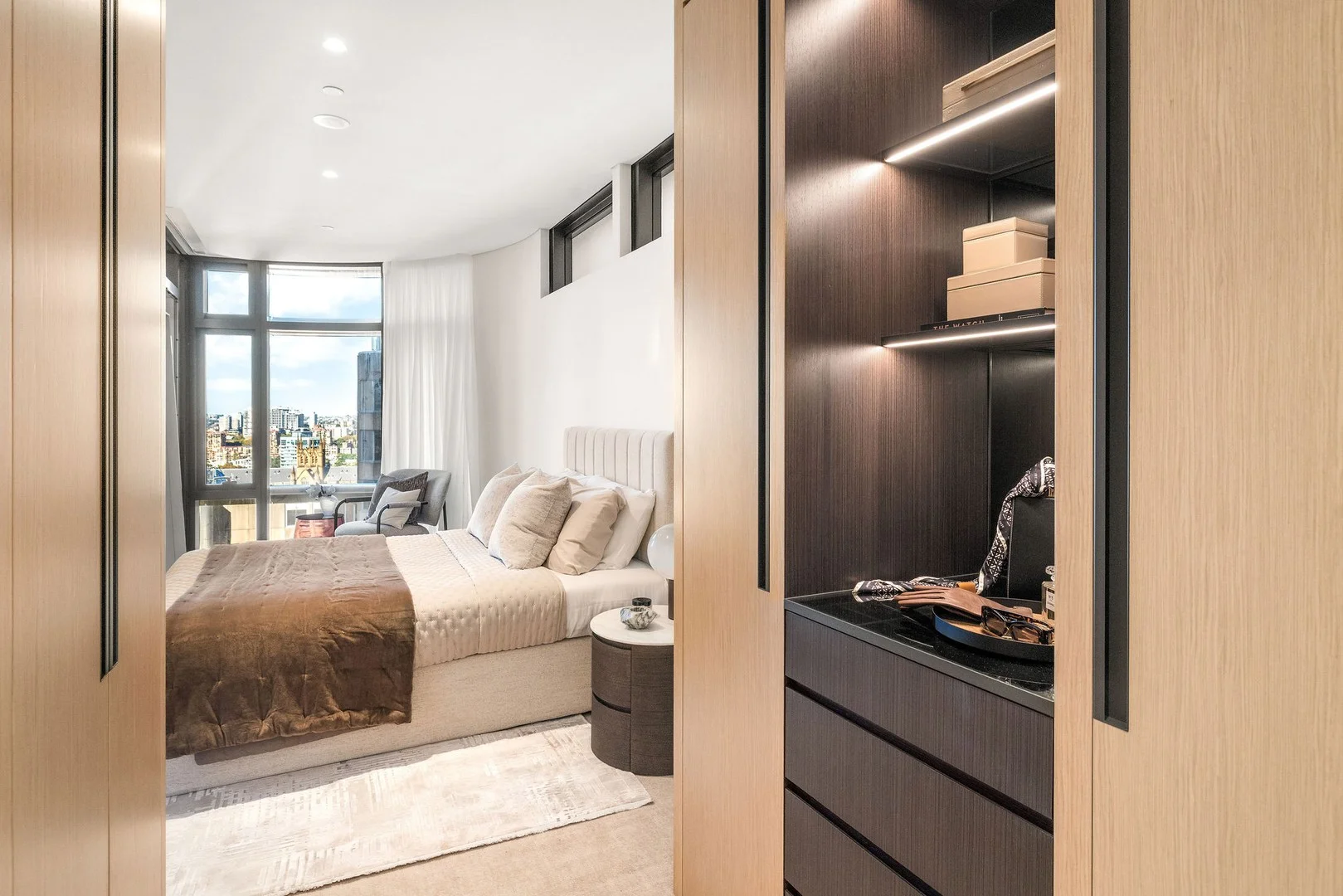 $2,745,000
propertyType.NEW APARTMENTS / OFF THE PLAN
$2,745,000
propertyType.NEW APARTMENTS / OFF THE PLAN
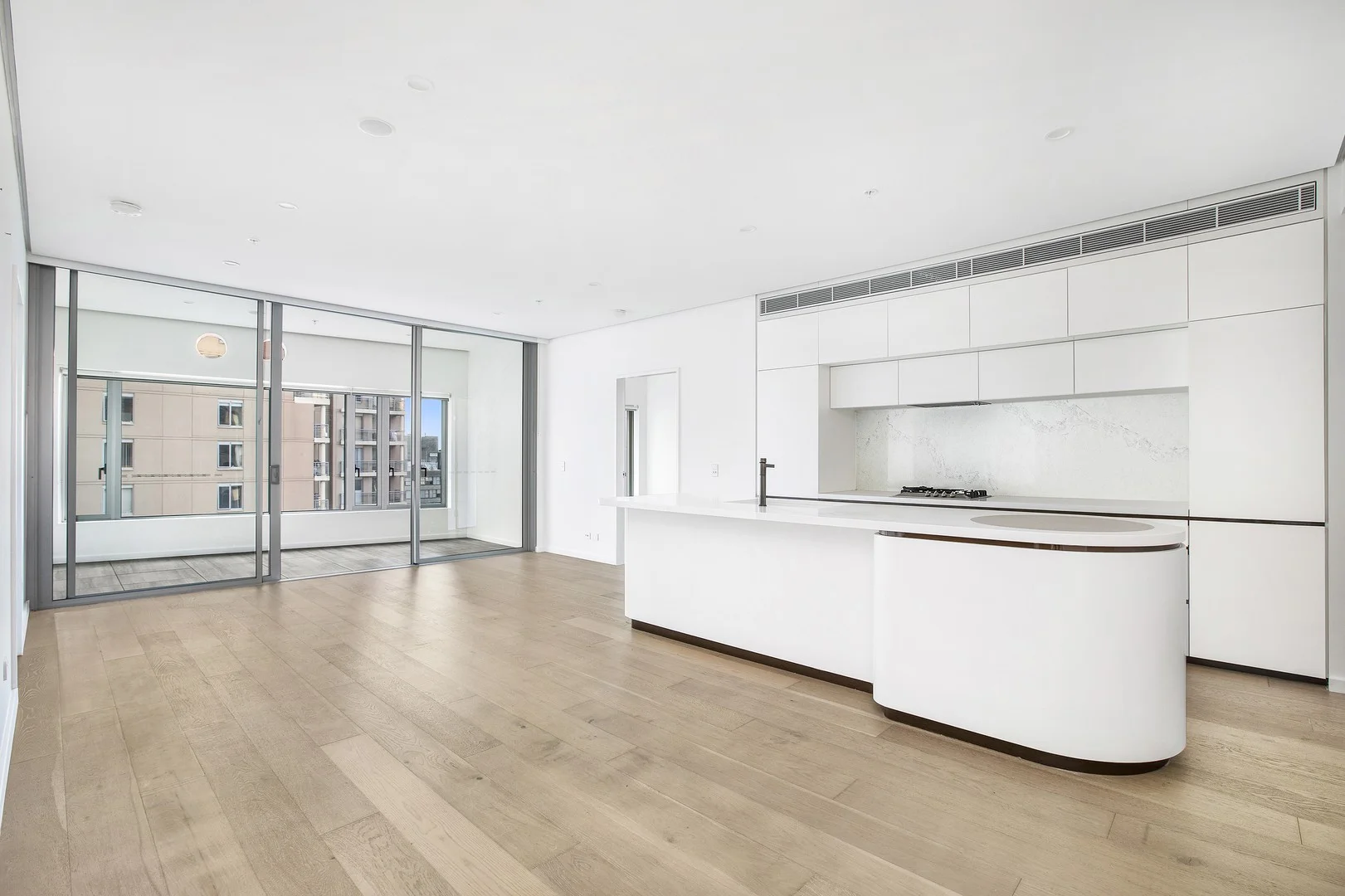 $2,250,000
Apartment / Unit / Flat
$2,250,000
Apartment / Unit / Flat
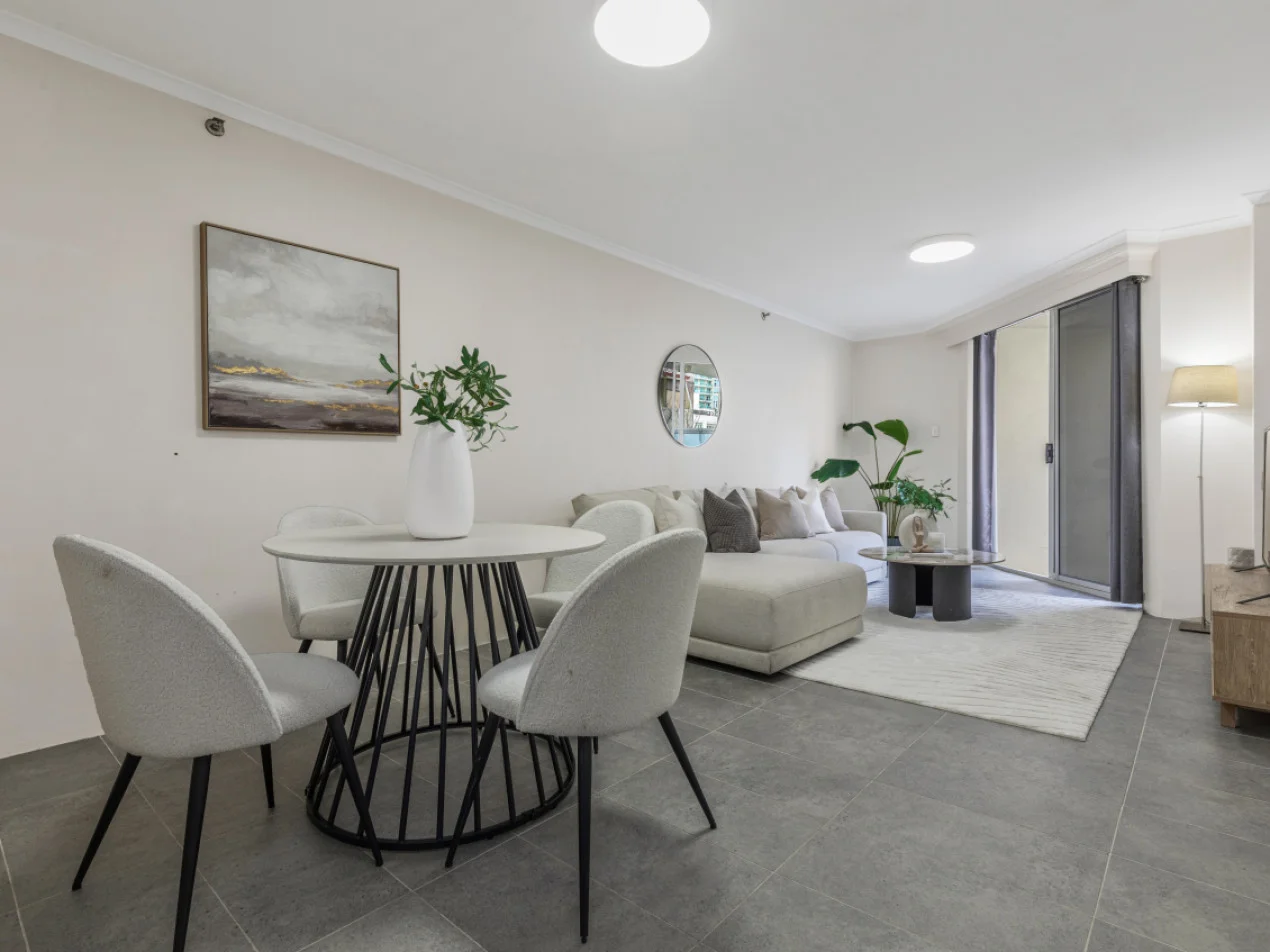
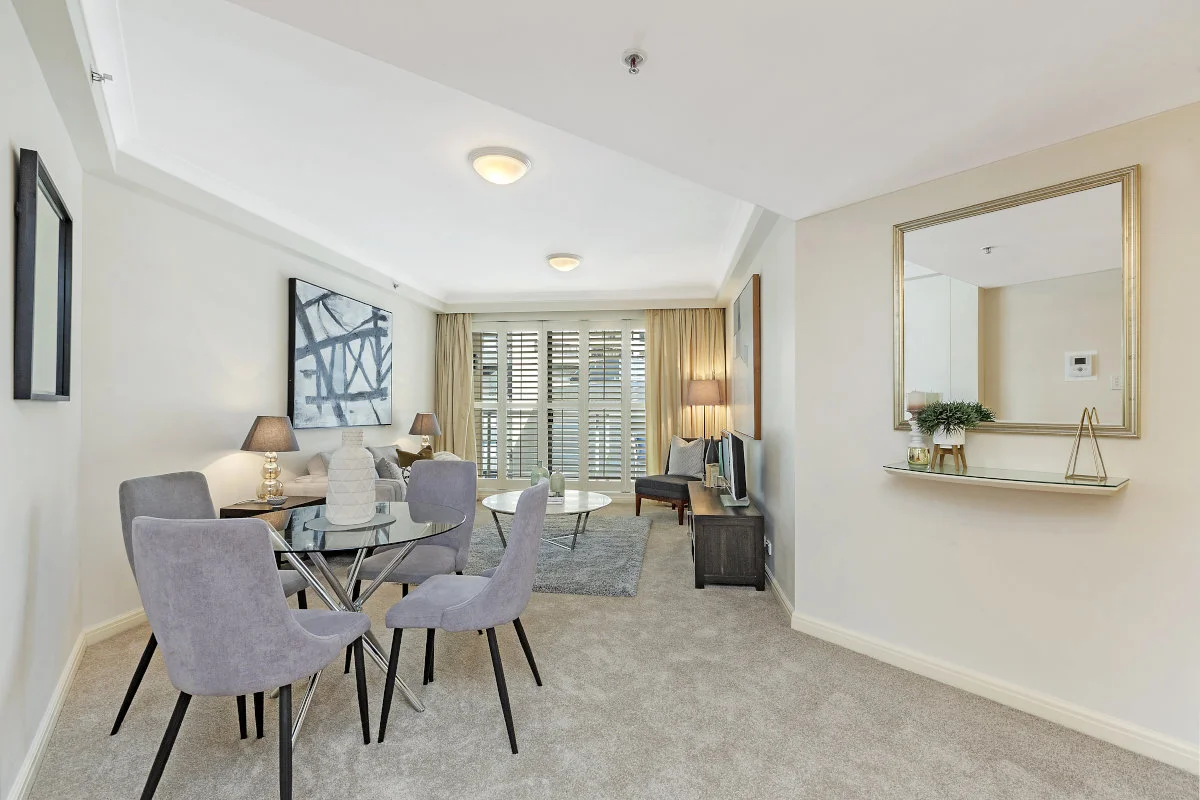 $660,000 - $725,000
Apartment / Unit / Flat
$660,000 - $725,000
Apartment / Unit / Flat
 $640,000 - $675,000
Apartment / Unit / Flat
$640,000 - $675,000
Apartment / Unit / Flat
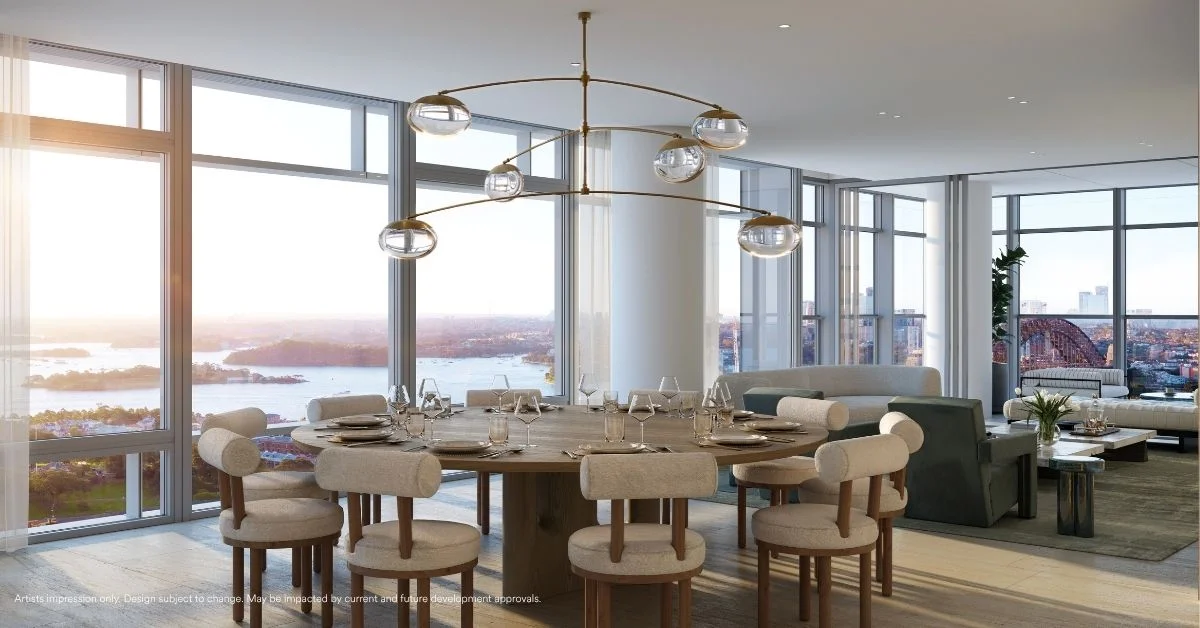 $26,550,000
propertyType.NEW APARTMENTS / OFF THE PLAN
$26,550,000
propertyType.NEW APARTMENTS / OFF THE PLAN
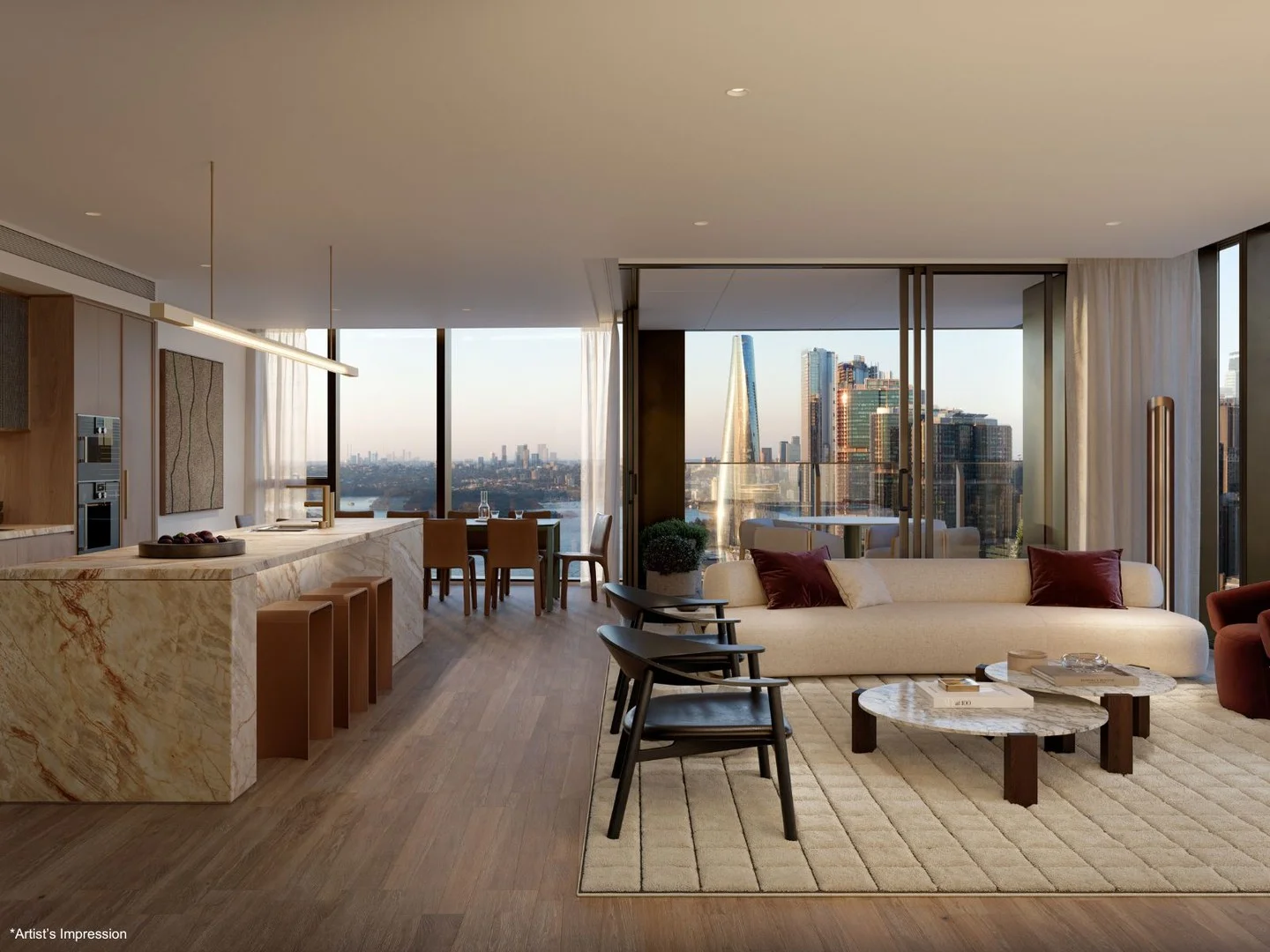 $12,980,000
propertyType.NEW APARTMENTS / OFF THE PLAN
$12,980,000
propertyType.NEW APARTMENTS / OFF THE PLAN
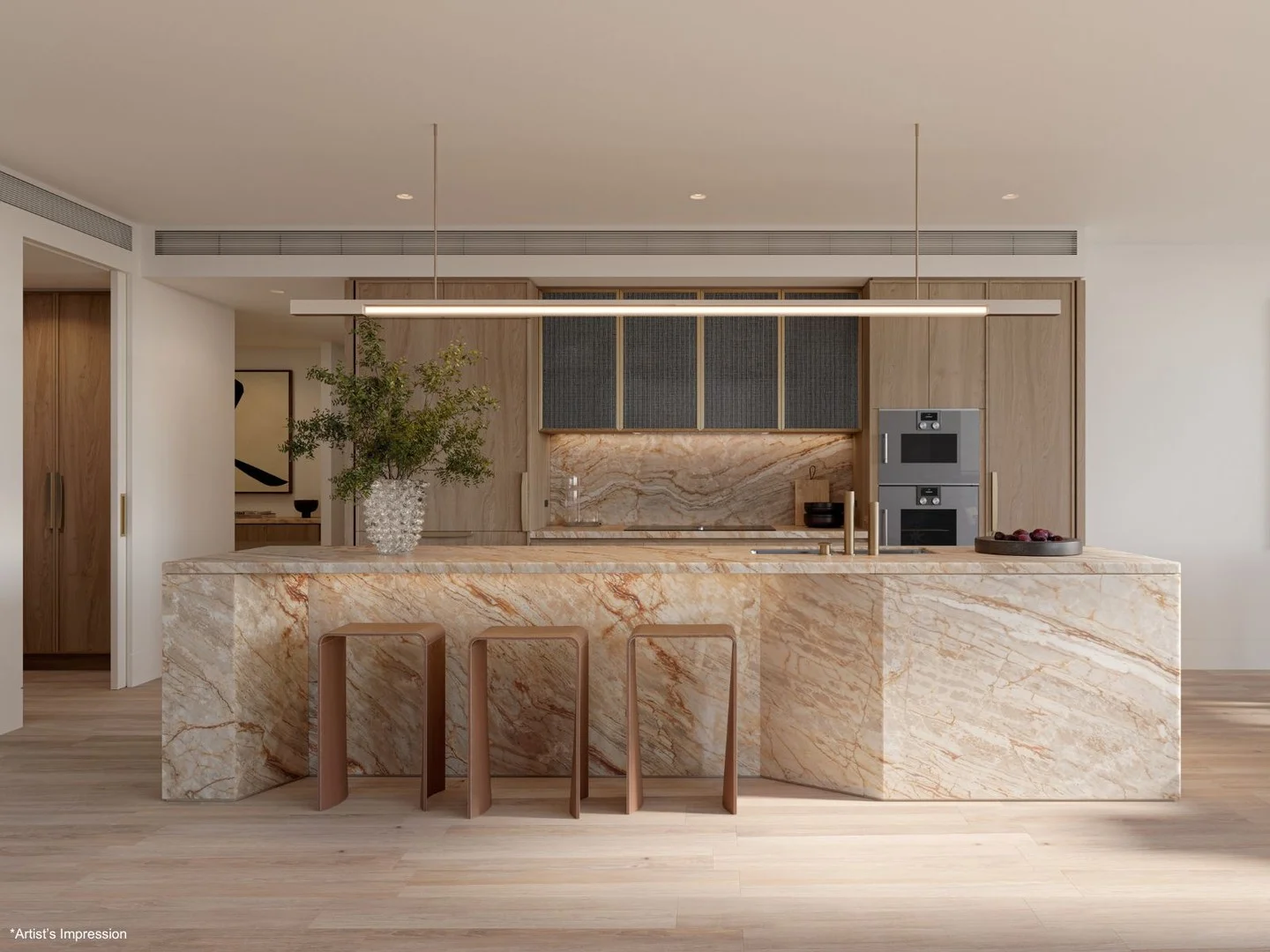 $6,225,000
propertyType.NEW APARTMENTS / OFF THE PLAN
$6,225,000
propertyType.NEW APARTMENTS / OFF THE PLAN
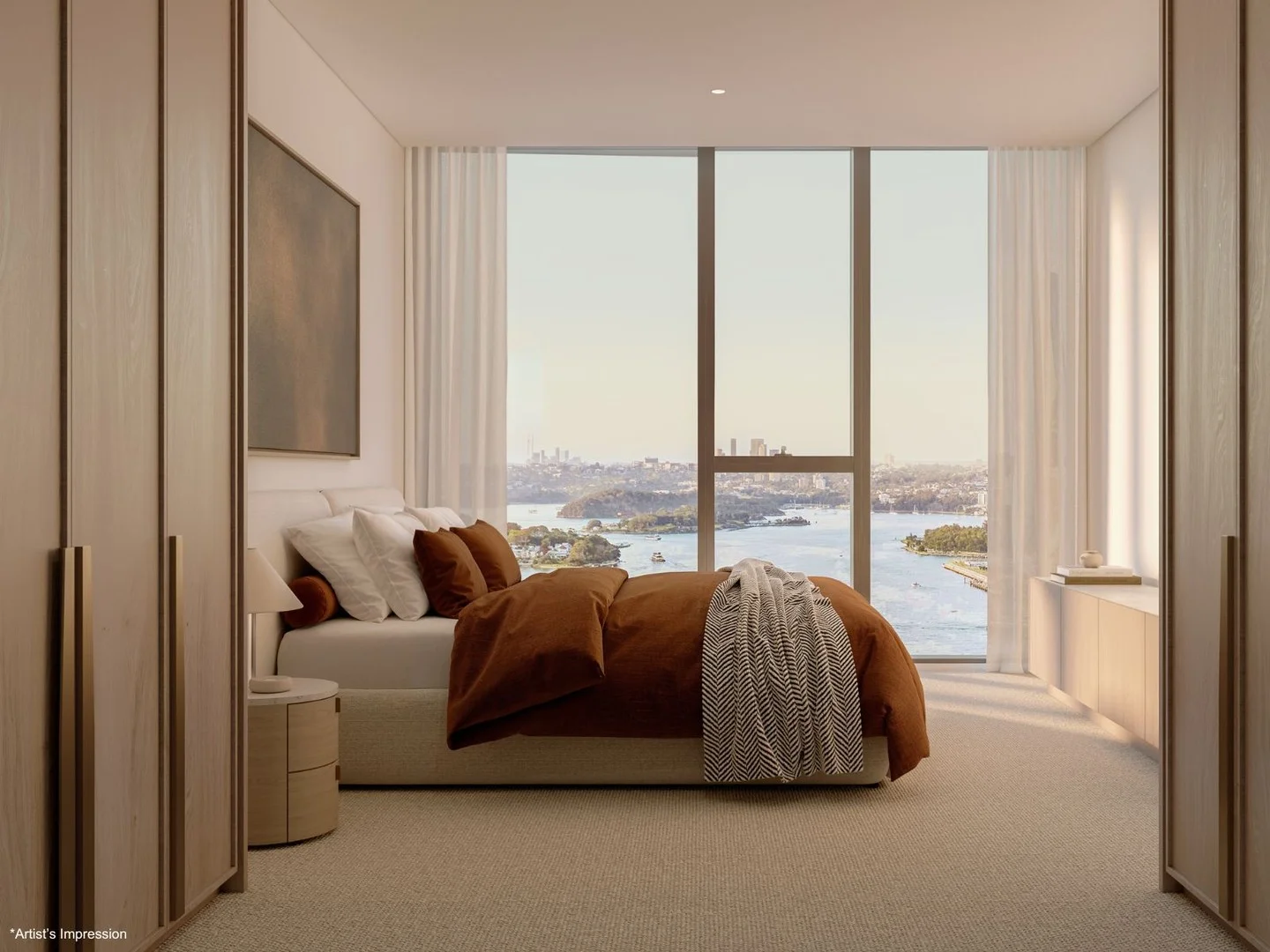 $8,630,000
propertyType.NEW APARTMENTS / OFF THE PLAN
$8,630,000
propertyType.NEW APARTMENTS / OFF THE PLAN
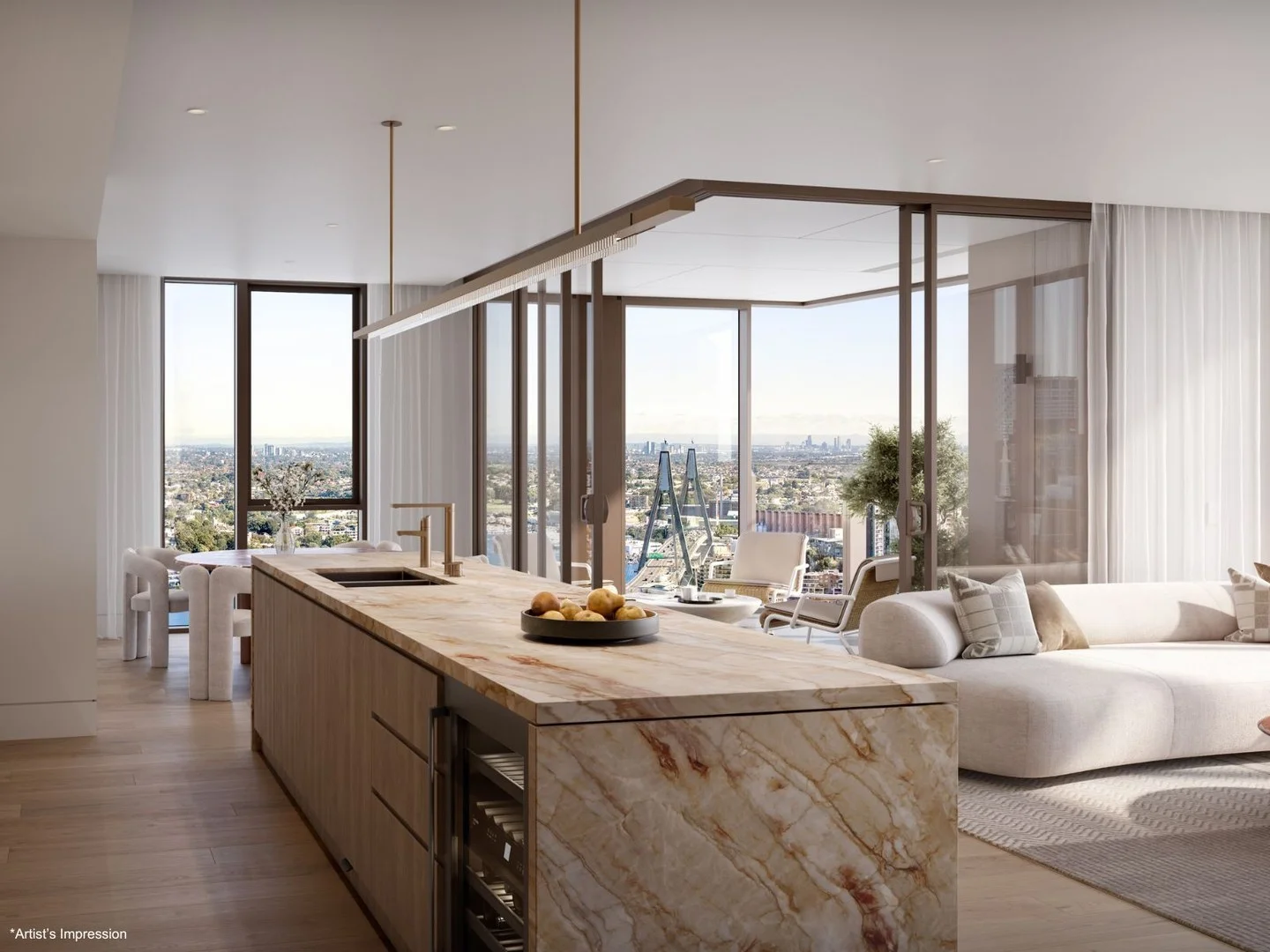 $9,020,000
propertyType.NEW APARTMENTS / OFF THE PLAN
$9,020,000
propertyType.NEW APARTMENTS / OFF THE PLAN