### 1. Overview
Plunkett Street Public School is a public primary school serving the Woolloomooloo community with a focus on developing confident, capable learners in a supportive, inclusive environment. The school tends to be small-to-medium in size, fostering a close-knit feel where students are known by name and families feel welcome.
Class sizes are typically in the mid-20s, allowing for more individualized attention within a collaborative classroom culture. The atmosphere emphasises inclusion, respect, and a balanced approach to academics, creativity, and Play/PE, helping students feel safe, motivated and engaged.
---
### 2. Academics & Learning
- Academic strengths: Strong focus on literacy and numeracy with integrated STEM activities, alongside opportunities to develop language and leadership skills through project work and cross-curricular learning.
- Special programs: Gifted and Talented programs where offered, plus EAL/D support and inclusive practices to help all learners access the curriculum.
- NAPLAN / trends: Trends typically show steady or improving performance across cohorts, with emphasis on year-to-year growth in reading and numeracy; school reports provide the latest trend data.
- Student-teacher ratios: Generally in the lower to mid-range for public primary schools, with class sizes commonly around 20–25 students and specialist support where available.
- Support for diverse learners: Strong commitment to inclusive education, with EAL/D support, SEN liaison, and targeted learning plans to support individual needs.
---
### 3. Sports & Extracurricular Strengths
- Sports offered: Core school sports such as soccer, netball, basketball, rugby league, athletics and swimming programs.
- Strong teams or achievements: Participation in local district events and inter-school competitions; emphasis on teamwork, sportsmanship and personal bests.
- Music, arts, drama programs: Active music and performing arts possibilities, including choirs or ensembles and school productions when offered.
- Clubs: Robotics, coding, chess, debating and other after-school clubs available as interest and staffing allow.
- Partnerships: Local sport clubs and inter-school activities that provide additional opportunities for leagues, fixtures and competitions.
Most families find these opportunities valuable for developing teamwork, discipline and commitment during primary years.
---
### 4. Wellbeing & Pastoral Care
- Anti-bullying approach: Clear anti-bullying policies with restorative approaches and promotion of respectful relationships across the school.
- House system: House-based activities and competitions to build belonging and healthy rivalry.
- Counsellors / wellbeing officers: Access to school wellbeing staff to support emotional, social and mental health needs.
- Transition support for new students: Orientation activities, buddy programs and transition plans to help new students settle in smoothly.
This section aims to build trust with families by prioritising a safe, supportive learning environment.
---
### 5. Facilities
- Sports grounds: On-site playing fields or courts suitable for a range of physical activities.
- Libraries: A school library space to support reading and independent learning.
- Science labs: Science resources and practical learning opportunities (as available).
- Music/performing arts centers: Space and facilities to support music and drama activities.
- Tech/innovation labs: Access to learning spaces that support technology and digital learning where available.
- Cafeteria: On-site or coordinated lunch arrangements; catering to student needs.
- Updated playgrounds: Modern play areas designed for safe physical activity.
The facilities focus on being visually appealing, functional and adaptable for a range of learning activities.
---
### 6. School Values & Community Culture
- Values / mission: Emphasis on respect, responsibility, inclusion and collaboration as core school values.
- Leadership style: Student voice and leadership opportunities (e.g., student councils or class representatives); teacher and leadership teams foster collaborative decision-making.
- Behaviour expectations: Clear, positive behaviour expectations aligned with the school’s values; consistent reinforcement through whole-school programs.
- Community reputation: Strong connections with families and local community; regular community events and partnerships are encouraged.
- Diversity & inclusion: Commitment to inclusive practices that welcome students from diverse backgrounds and abilities.
This section helps parents understand the character and daily life at the school.
---
### 7. School Logistics & Daily Operations
- School hours: Typical day runs during standard NSW school hours; exact start/end times may vary by year level.
- Before/after school care: OSHC or similar programs may be available before and after school, depending on the year and enrolment zone.
- Uniform requirements: School uniform expected; details available through the school’s administration or parent information.
- Transport (train/bus routes): Public transport options and local bus routes commonly used by families; check zone and local timetables for accessibility.
- Canteen availability: Canteen or lunch-ordering options may be available, varying by term and staffing.
- Fees (low/medium/high ranges): As a public school, there is no tuition; some voluntary contributions and costs for excursions or activities may apply.
This section gives quick, practical information to help families plan daily routines and budgets.
---
### 8. Enrolment & Admissions
11. What is the enrolment process and timeline?
- Public enrolment generally follows a catchment-based process. Begin by contacting the school to confirm eligibility and catchment status, then submit the required documents (proof of address, birth certificate, immunisation records, and any specific school forms). The timeline typically runs in the months leading up to the new school year; start earlier to secure a place, especially if you are outside the catchment or seeking limited-space entry.
12. Is there a waiting list, and how does it work?
- Enrolments are tied to catchment zones, with priority given to students within the designated area. Outside-zone enrolments may face wait times depending on space. If a waiting list applies, it is managed by the school in coordination with the NSW Department of Education.
13. Are there any entry requirements, tests, or interviews?
- For standard local enrolments, there are no entrance tests or interviews. Primary-level enrolments focus on eligibility, documentation and placement within the school’s year structure. Selective or high-demand pathways (if applicable) may have different requirements, but those would be separate from typical public primary enrolments.
14. Does the school accept mid-year transfers?
- Mid-year transfers can be considered if space is available and if documentation is in order. Contact the school promptly to discuss feasibility, required paperwork, and any transition supports the school can provide to accommodate the move mid-year.
---
### 9. Frequently Ask Questions
- Why Parents Choose This School?
- Families value the public, inclusive environment, supportive staff, strong literacy/numeracy focus, and opportunities for involvement in a close-knit community.
- What type of student thrives at this school?
- Students who enjoy a balanced program, value collaboration, and benefit from small-to-medium class settings with supportive teachers tend to thrive.
- What opportunities are available for students to extend their skills (academics, sports, arts)?
- Access to extended literacy and numeracy activities, STEM projects, sports teams, music/drama opportunities, and after-school clubs such as robotics, coding, chess and debating.
- How does the school communicate with parents?
- Regular updates through newsletters, emails, parent evenings, and online portals as applicable; open lines of communication with teachers and administration.
- What is the school’s approach to teaching and learning?
- A balanced approach combining explicit instruction with collaborative, inquiry-based learning, and a strong emphasis on literacy, numeracy and wellbeing.
- How does the school support students who need extra academic help?
- Targeted support through EAL/D, SEN services, small-group interventions and individual learning plans where appropriate.
- What support is available for academic challenges?
- Access to classroom differentiation, specialist staff, and referral pathways to additional support services as needed.
- How does the school communicate with parents? (duplicate)
- See above; ongoing, transparent communication is encouraged to support student progress.
- What are the class sizes and how much individual attention do students receive?
- Class sizes are typically around 20–25 students, with teachers able to provide targeted support within the classroom and through additional programs.
- What extracurricular and sports opportunities are available?
- A range of sports, music/arts, drama, and clubs such as robotics, coding, chess and debating, with opportunities to participate in inter-school activities.
- What facilities does the school offer (sports, science, arts)?
- Facilities include sports grounds, library, science resources, music/performing arts spaces, technology/innovation areas and dining/play areas.
- What is the school’s approach to technology and digital learning?
- Integration of digital tools to support learning, with ethical and safe use of technology, and opportunities for students to develop digital literacy.
- What transport and accessibility options are available?
- Public transport options and school accessibility considerations are communicated to families; discuss options with the school to plan travel.
- What are typical school fees or additional costs?
- There is no tuition for public primary schooling; some costs may arise from excursions, voluntary contributions, or optional activities.
---
### 10. Short Pros & Cons list
Pros
- Public, inclusive environment with a focus on literacy, numeracy and wellbeing
- Small-to-medium class sizes support individualized attention
- Wide range of extracurriculars and sports
- Robust support for diverse learners (EAL/D, SEN)
- Strong sense of community and family involvement
Cons
- As an inner-city school, transport and urban commutes can be a consideration
- Availability of certain programs may vary by year or staffing
- Some optional activities may incur costs or require fundraising
- Out-of-area enrolments depend on space and may involve waiting periods
If you’d like, I can tailor any section further with additional details you provide (specific programs, staff roles, or exact facilities) or adjust the tone to match your site’s style.
 $95+
$95+














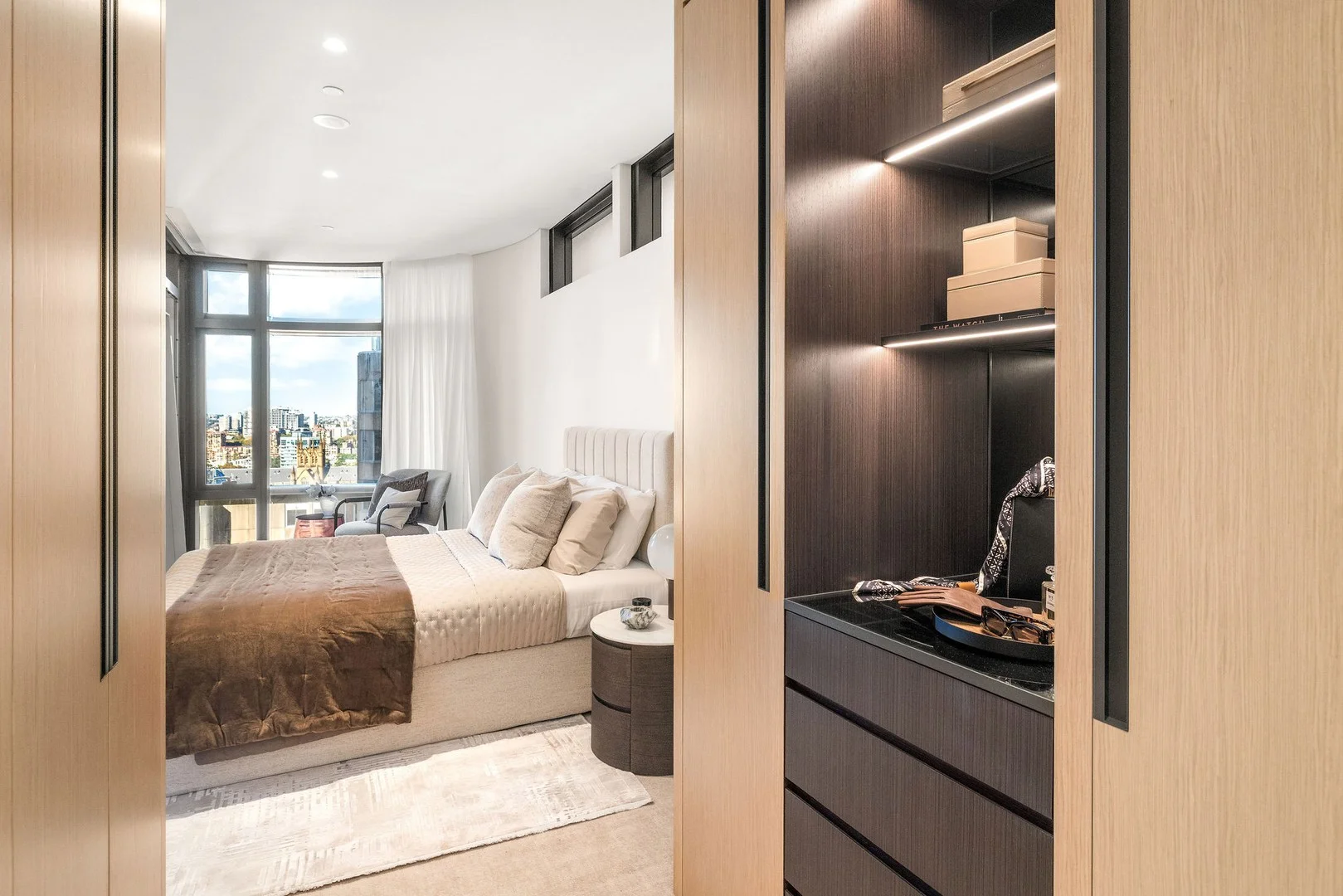 $2,745,000
propertyType.NEW APARTMENTS / OFF THE PLAN
$2,745,000
propertyType.NEW APARTMENTS / OFF THE PLAN
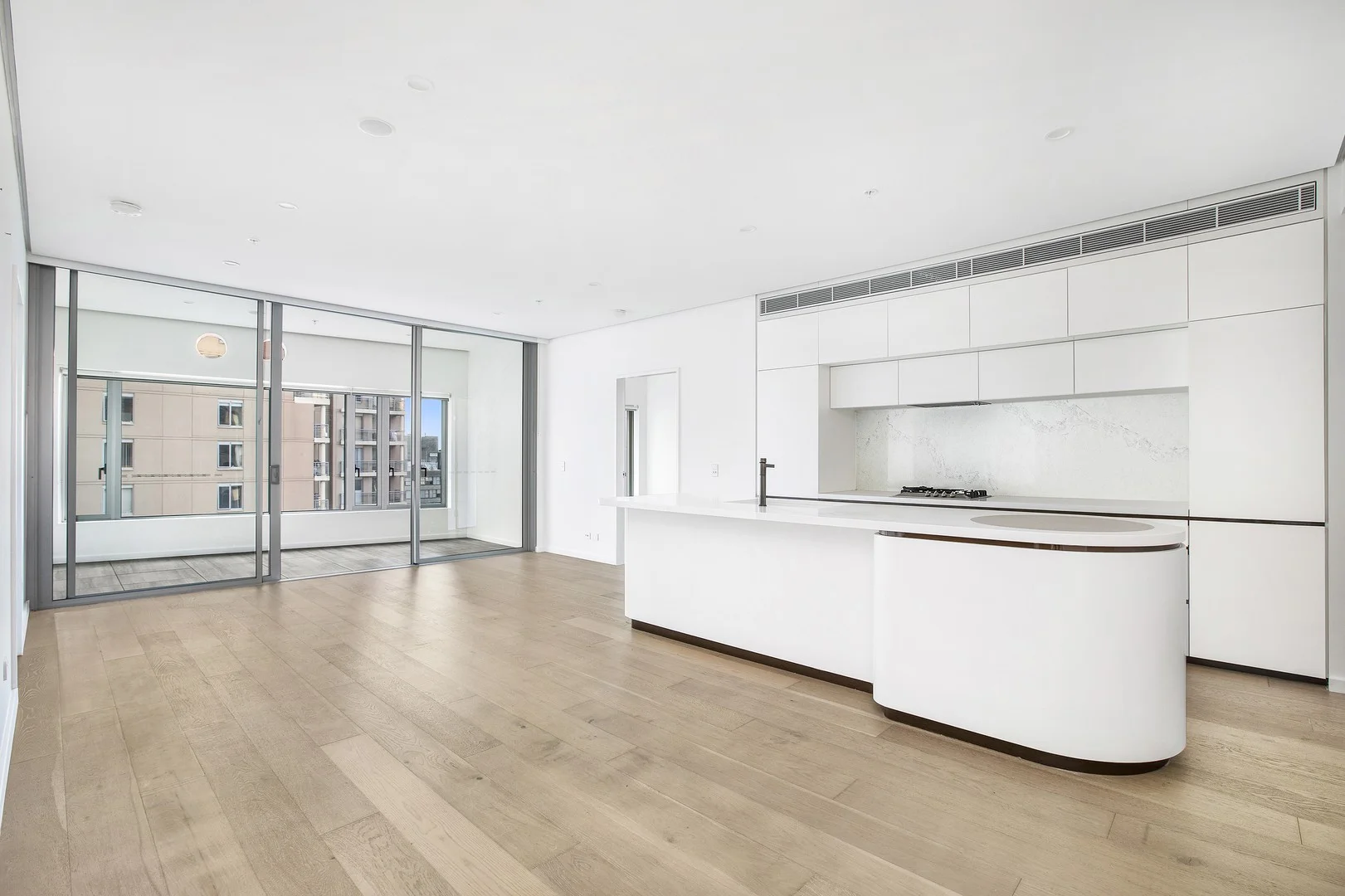 $2,250,000
Apartment / Unit / Flat
$2,250,000
Apartment / Unit / Flat
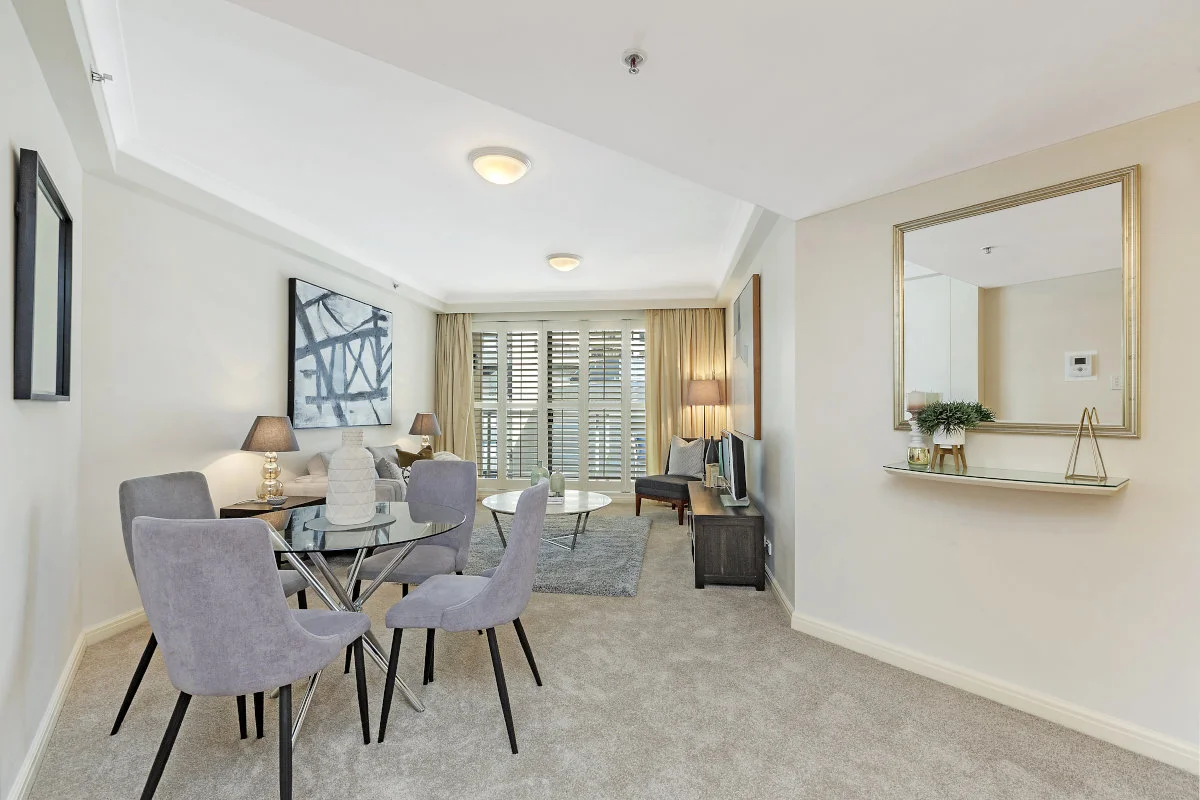 $660,000 - $725,000
Apartment / Unit / Flat
$660,000 - $725,000
Apartment / Unit / Flat
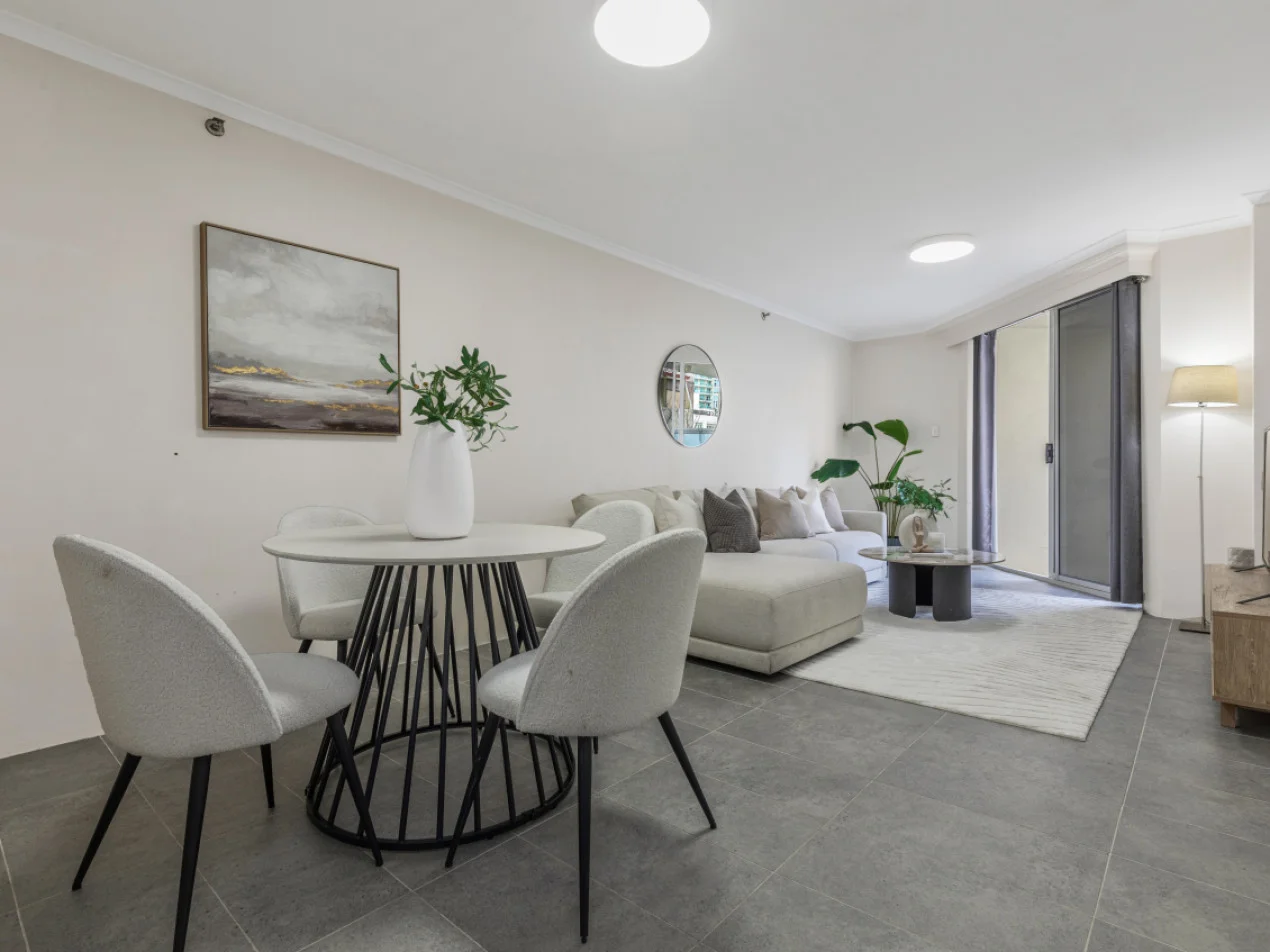 $640,000 - $675,000
Apartment / Unit / Flat
$640,000 - $675,000
Apartment / Unit / Flat
 $26,550,000
propertyType.NEW APARTMENTS / OFF THE PLAN
$26,550,000
propertyType.NEW APARTMENTS / OFF THE PLAN
 $12,980,000
propertyType.NEW APARTMENTS / OFF THE PLAN
$12,980,000
propertyType.NEW APARTMENTS / OFF THE PLAN
 $6,225,000
propertyType.NEW APARTMENTS / OFF THE PLAN
$6,225,000
propertyType.NEW APARTMENTS / OFF THE PLAN
 $8,630,000
propertyType.NEW APARTMENTS / OFF THE PLAN
$8,630,000
propertyType.NEW APARTMENTS / OFF THE PLAN
 $9,020,000
propertyType.NEW APARTMENTS / OFF THE PLAN
$9,020,000
propertyType.NEW APARTMENTS / OFF THE PLAN


