## 1. Overview
Sydney Distance Education High School is a public NSW Department of Education high school focused on distance education, serving students across New South Wales who benefit from online and flexible learning. As a public school, it provides accessible learning within the NSW syllabus framework, with an emphasis on individualized study plans and supported independence.
- School type: Public
- School size: Medium
- Class size: Small-to-medium (online delivery allows for individualized attention)
- Atmosphere/culture: Inclusive, supportive, flexible, student-centered
Note: Specific on-site facilities and class structures vary by program and year. For current details, check with the school’s enrolment team.
---
## 2. Academics & Learning
- Academic strengths: Strong emphasis on core NSW subjects (English, Mathematics, Science), with a focus on digital literacy and self-directed learning. Subjects are aligned to the NSW syllabus to support HSC readiness where applicable.
- Special programs: Distance education model enabling flexible delivery; opportunities for accelerated learning or gifted/talented pathways through online modules where available; support for diverse learning needs through planning and targeted resources.
- NAPLAN / trends: Trends focus on continuous improvement and targeted intervention. Because outcomes can vary by cohort, the school tracks growth over time and adjusts supports to lift literacy and numeracy across years.
- Student-teacher ratios: Online delivery typically enables smaller learning cohorts and more individual contact. Ratios commonly range from roughly 1:12 to 1:25 depending on subject and year level.
- Support for diverse learners: Strong EAL support, pathways for students with SEN, learning support plans, assistive technologies, and access to additional tutoring or guidance when needed.
---
## 3. Sports & Extracurricular Strengths
- Sports offered: Flexibly organized options; students can participate in NSW school sport programs and local community activities, with arrangement for on-site or remote participation where possible.
- Strong teams or achievements: Recognition tends to come through inter-school and community programs rather than a single campus-based roster; achievements often reflect participation in state-wide or regional events.
- Music, arts, drama programs: Access to music and performing arts through remote ensembles, online showcases, and on-site opportunities when available.
- Clubs: Robotics, coding, chess, debating, and student council are commonly available as part of school-supported clubs.
- Partnerships: Collaborations with local clubs, community groups, and online competitions to provide broader opportunities in sport, robotics, coding, and arts.
---
## 4. Wellbeing & Pastoral Care
- Anti-bullying approach: Clear policies and reporting channels; emphasis on respectful online and offline conduct; proactive monitoring of student welfare.
- House system: When used, a house-based structure supports peer connection and mentoring; otherwise, a dedicated pastoral care model provides guidance and belonging.
- Counsellors / wellbeing officers: Access to school counsellors or wellbeing staff to support mental health, study stress, and transition needs.
- Transition support for new students: Orientation programs, learning plans, buddy/support networks, and tailored onboarding to help new students settle in and engage with learning.
---
## 5. Facilities
- Sports grounds: On-site facilities available where programs run; many students participate in activities with local venues or partner schools.
- Libraries: Campus library resources and access to digital libraries and online research tools.
- Science labs: On-site laboratories for hands-on experiments where applicable; virtual lab simulations are also used when needed.
- Music/performing arts centers: Dedicated spaces for music and drama, with opportunities for performances and showcases.
- Tech/innovation labs: Computer labs and makerspace-style facilities; strong emphasis on digital learning and practical projects.
- Cafeteria: On-site dining facilities for on-campus days; online learners arrange meals through home or local options.
- Updated playgrounds: Outdoor spaces maintained for on-site students; emphasis on safe, inclusive environments.
Note: Distanced-based delivery means many resources are accessed digitally, with on-site facilities used for specific activities and assessments.
---
## 6. School Values & Community Culture
- School values / mission: Commitment to inclusive education, student wellbeing, academic integrity, and flexible learning that meets diverse needs.
- Leadership style: Collaborative and student-centered, with opportunities for student voice in clubs, councils, and learning planning.
- Behaviour expectations: Clear codes of conduct that apply to both online and on-site environments; emphasis on respect, responsibility, and resilience.
- Community reputation: Focus on accessibility, supporting learners across NSW, and fostering an inclusive culture that values diversity.
- Diversity & inclusion: Emphasis on welcoming students from various backgrounds, with supports to ensure equitable access to learning and participation.
---
## 7. School Logistics & Daily Operations
- School hours: Primary teaching blocks are scheduled around NSW hours; online learning enables flexible pacing to fit individual circumstances.
- Before/after school care: Not a standard feature of distance education; some on-site days may offer supervision or care; confirm with the school about any wrap-around options.
- Uniform requirements: Uniforms may be required for on-site activities and events; online classes typically do not mandate uniforms for virtual sessions, but check the policy for specific events.
- Transport (train/bus routes): Public transport is used by students attending on-site sessions or exams; many online learners do not require daily transport.
- Canteen availability: On-site canteen generally available on campus days; online learners arrange meals through home or local options.
- Fees (low/medium/high ranges): NSW public schools are government funded; instruction is typically at no tuition cost, with potential small charges for materials, excursions, or optional programs.
---
## 8. Enrolment & Admissions
11. What is the enrolment process and timeline?
- Start by contacting the school to express interest and confirm eligibility.
- Submit an enrolment application with required documentation (proof of identity, residency, prior school records, immunisation details where applicable).
- The school reviews the application, may conduct an orientation or planning discussion, and outlines an initial learning plan and timetable.
- Once offered a place, there is an onboarding period to set up online access, learning goals, and subject selections.
- Timeline varies by year and intake, but expect several weeks from application to confirmed enrolment.
12. Is there a waiting list, and how does it work?
- Waiting lists can occur if demand exceeds places in a given year or course availability.
- Placement is typically determined by eligibility, available capacity, and sometimes priority factors (e.g., prior attendance, regional needs).
- The school will communicate waitlist status and expected timelines and may offer interim arrangements or alternate study options.
13. Are there any entry requirements, tests, or interviews?
- Generally no formal entrance exam is required for NSW public distance education. However, an enrolment interview or planning discussion is common to determine learning needs, pacing, and subject choices.
- Documentation may include previous school records, proof of residency, immunisation status, and consent for learning arrangements.
- Some courses or programs may require prerequisites or readiness checks for online modules.
14. Does the school accept mid-year transfers?
- Yes, mid-year transfers are possible when spaces are available.
- Transfer steps typically include providing current transcripts, learning plans, and evidence of eligibility; timing and availability depend on existing cohorts and course capacity.
- Early communication with the school is advised to secure a place and plan a smooth transition.
---
## 9. Frequently Asked Questions
- Why Parents Choose This School?
- Flexible, remote-friendly learning that suits travel, health, or family commitments; strong alignment with NSW syllabus and ongoing support for progress.
- What type of student thrives at this school?
- Self-motivated, disciplined learners who are comfortable with online study, independent planning, and regular communication with teachers.
- What opportunities are available for students to extend their skills (academics, sports, arts)?
- Advanced/accelerated online modules, STEM projects, coding and robotics clubs, debates, music and drama opportunities, and access to local or online competitions.
- How does the school communicate with parents?
- Through email, parent portals, phone calls, and scheduled conferences; regular updates on student progress and learning plans.
- What is the school’s approach to teaching and learning?
- A blended online model guided by the NSW syllabus, with teacher-led sessions, independent study, and targeted support when needed.
- How does the school support students who need extra academic help?
- Learning support plans, tutoring or mentoring, EAL and SEN supports, and access to additional resources and adjustments within the online framework.
- What support is available for academic challenges?
- Early intervention, targeted tutoring, flexible pacing, and ongoing communication with teachers and support staff.
- How does the school communicate with parents? (duplicate)
- See above: email, parent portal, conferences, and regular progress updates.
- What are the class sizes and how much individual attention do students receive?
- Class sizes are typically small-to-medium in the online environment, with opportunities for individualized teacher contact and learning support plans.
- What extracurricular and sports opportunities are available?
- Robotics, coding, chess, debating, and virtual or local-opportunity sports and arts programs; partnerships with local clubs for broader options.
- What facilities does the school offer (sports, science, arts)?
- On-site facilities for science labs, libraries, music and performing arts spaces, and digital learning resources; online and off-site options complement on-campus activities.
- What is the school’s approach to technology and digital learning?
- Strong emphasis on digital platforms, online resources, and digital literacy; teachers use online tools to deliver instruction, monitor progress, and support learners.
- What transport and accessibility options are available?
- For on-site days, public transport connections and campus access; many students participate remotely and do not require daily transport.
- What are typical school fees or additional costs?
- Public schools generally have no tuition fees; there may be small charges for materials, excursions, or optional programs.
---
## 10. Short Pros & Cons list
- Pros
- Flexible, online-friendly learning tailored to individual needs
- NSW syllabus alignment with ongoing teacher support
- Accessible for students across NSW; strong focus on inclusivity
- Wide range of clubs and digital learning opportunities
- Support for diverse learners (EAL, SEN)
- Cons
- On-site attendance options may be limited compared to traditional schools
- Some students may require strong self-management and motivation
- Extracurriculars can depend on partnerships and local arrangements
- Availability of certain facilities may vary by campus and program
If you’d like, I can tailor this content further with more precise details from the school or help adapt it into a web-friendly format for your site.

 $95+
$95+











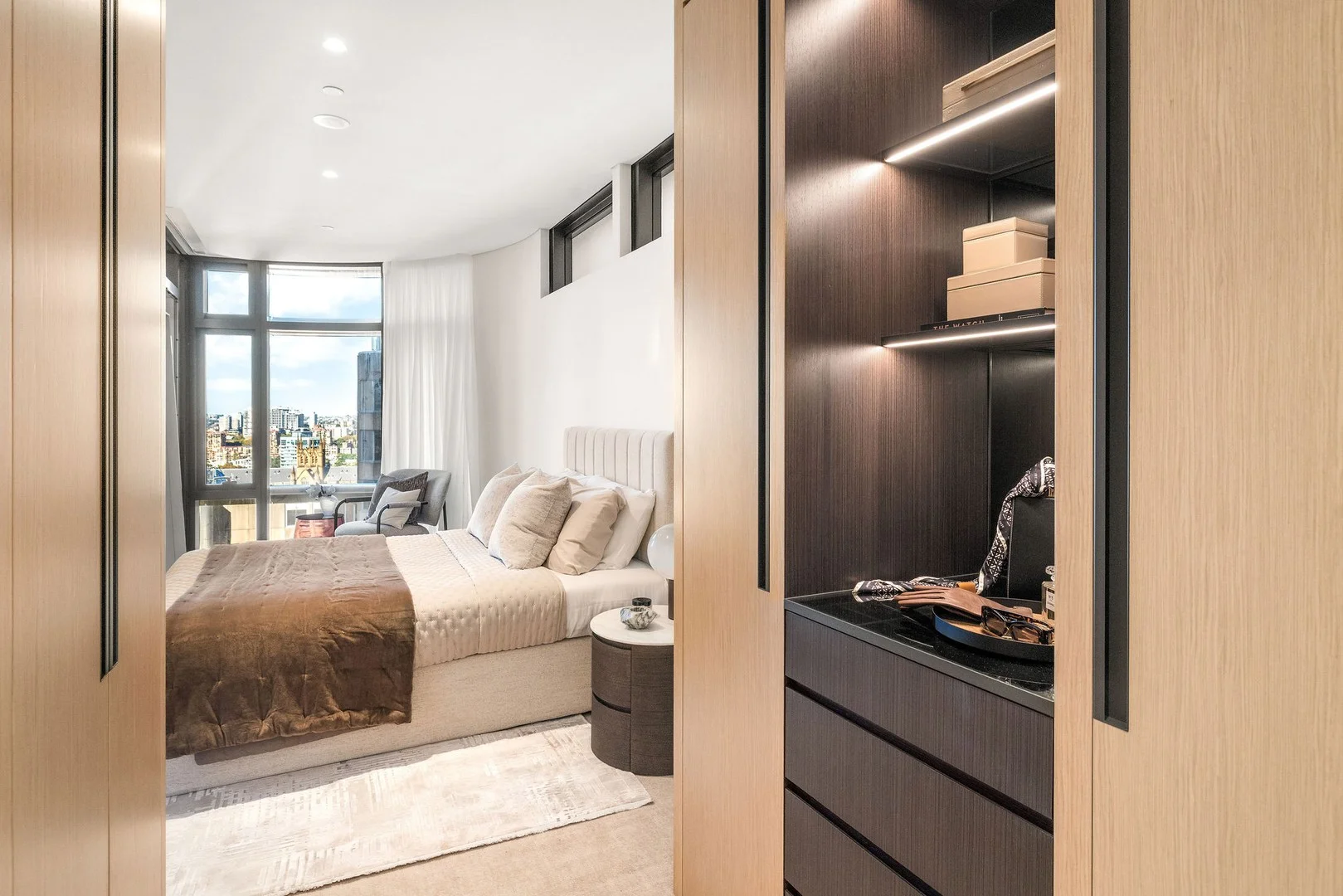 $2,745,000
propertyType.NEW APARTMENTS / OFF THE PLAN
$2,745,000
propertyType.NEW APARTMENTS / OFF THE PLAN
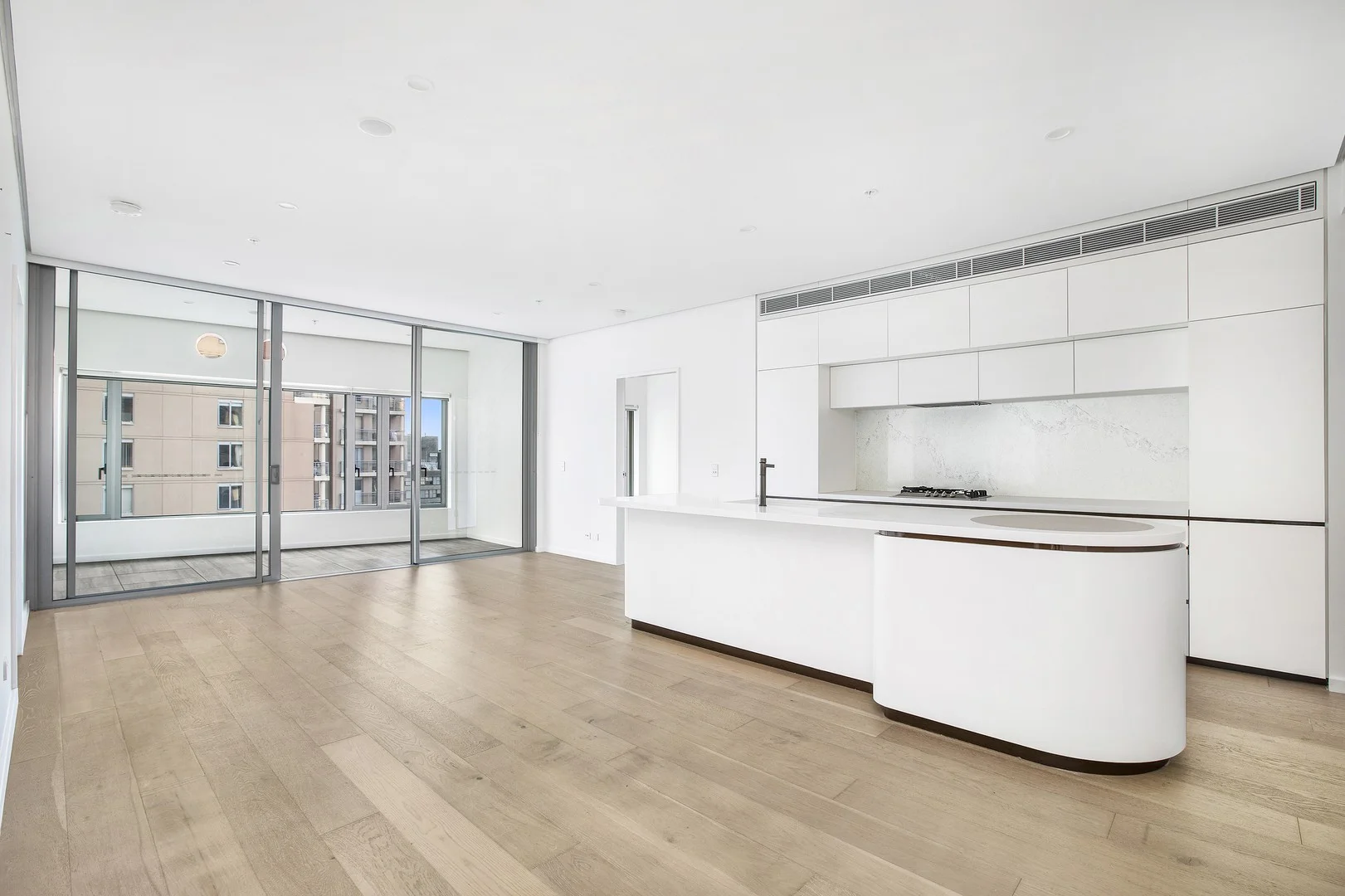 $2,250,000
Apartment / Unit / Flat
$2,250,000
Apartment / Unit / Flat
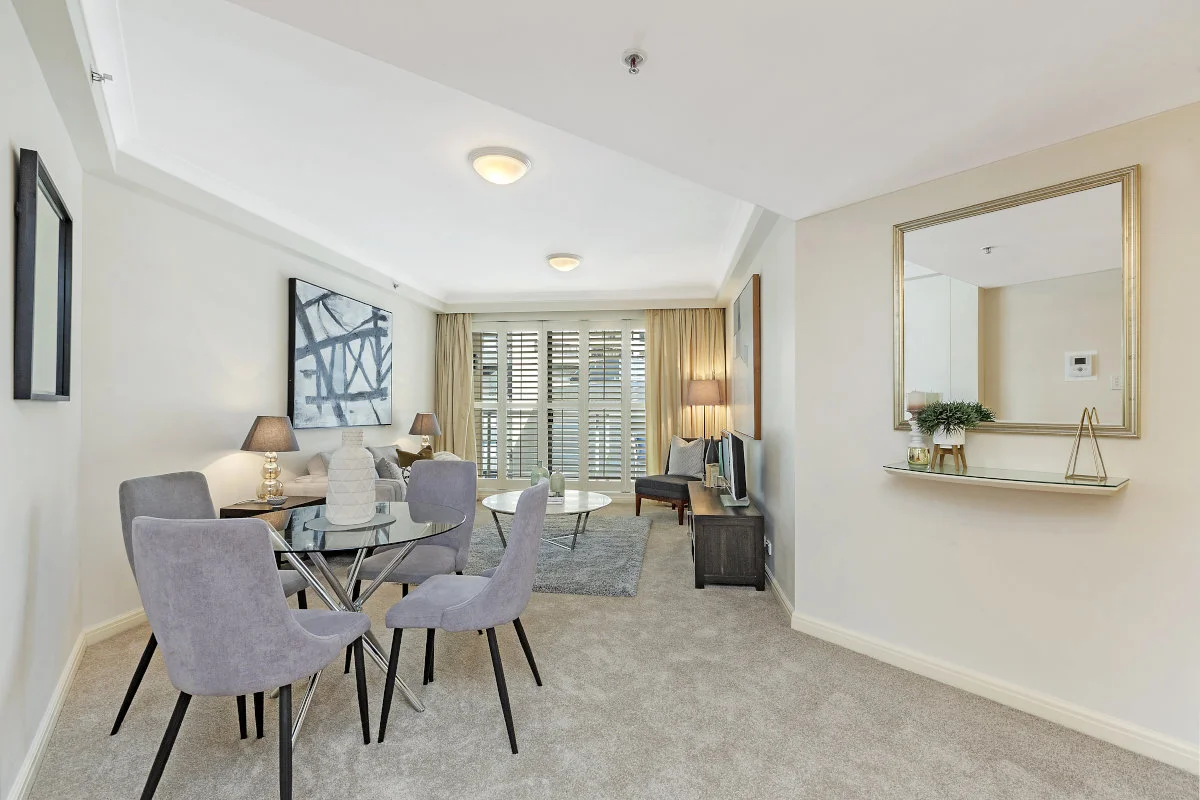 $660,000 - $725,000
Apartment / Unit / Flat
$660,000 - $725,000
Apartment / Unit / Flat
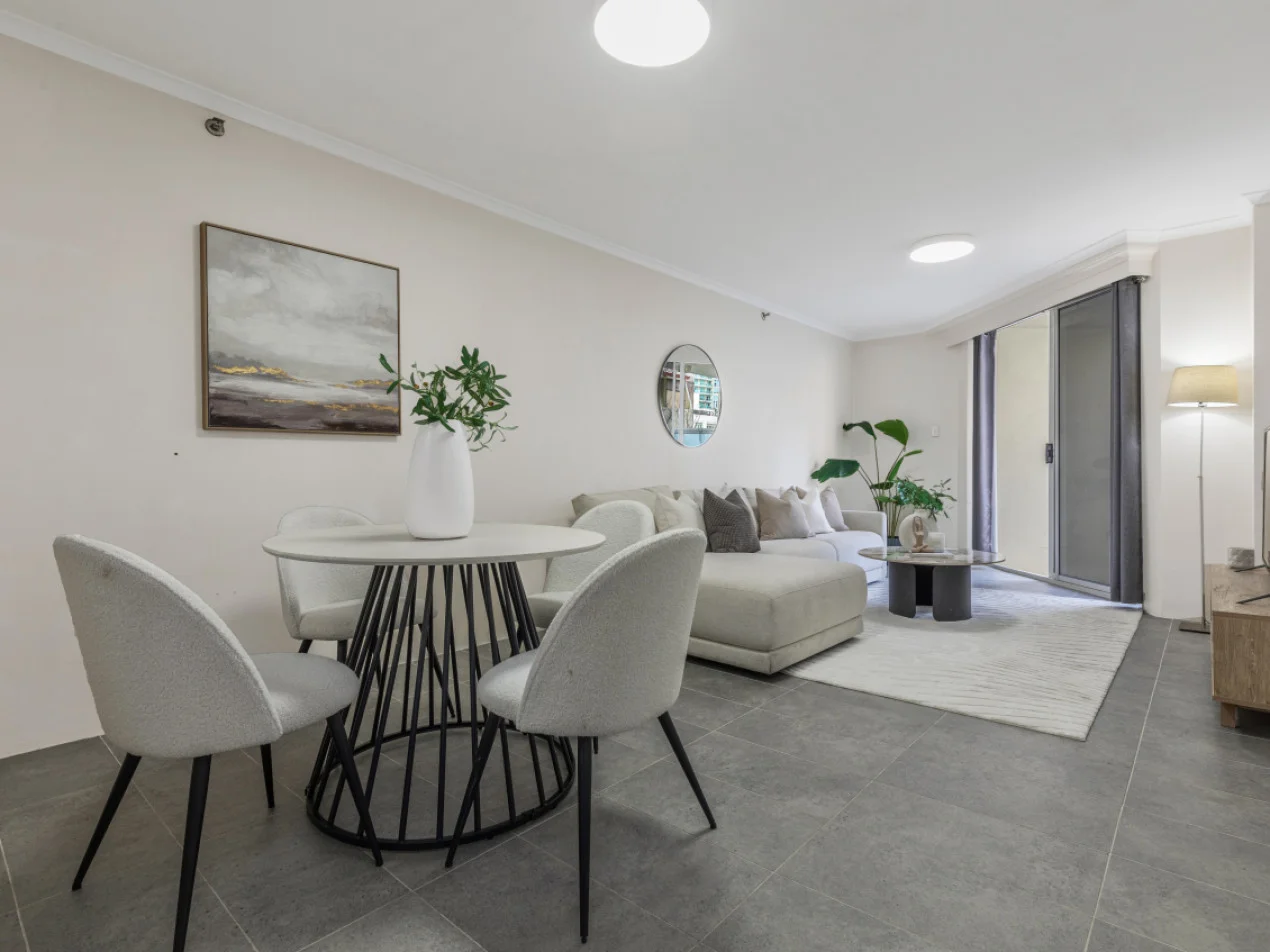 $640,000 - $675,000
Apartment / Unit / Flat
$640,000 - $675,000
Apartment / Unit / Flat
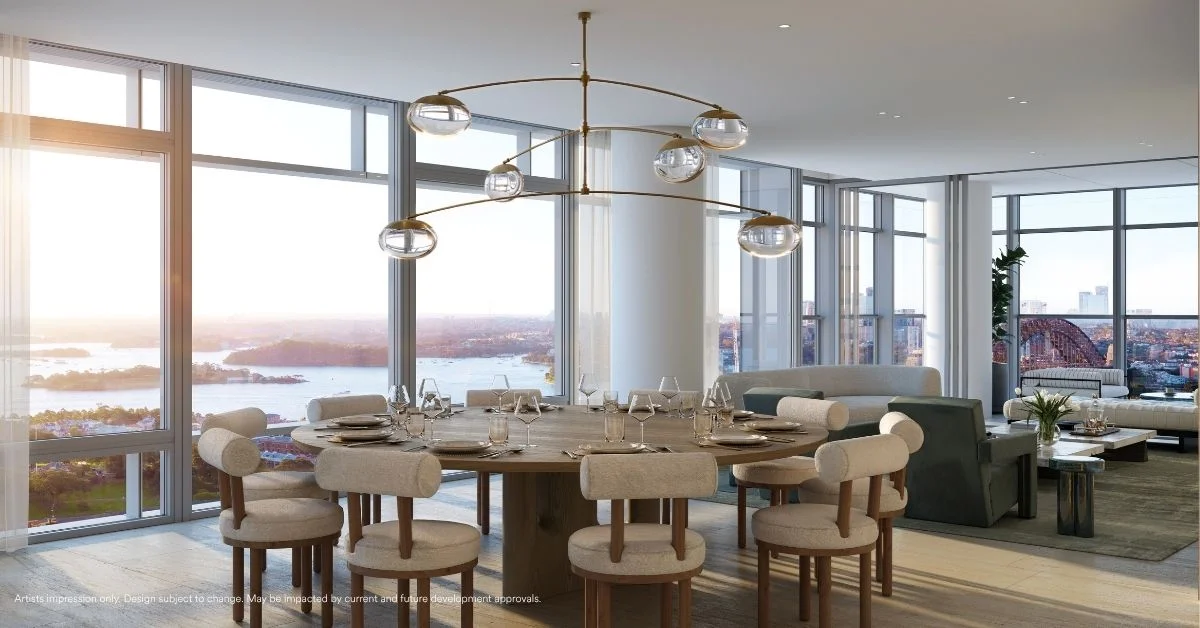 $26,550,000
propertyType.NEW APARTMENTS / OFF THE PLAN
$26,550,000
propertyType.NEW APARTMENTS / OFF THE PLAN
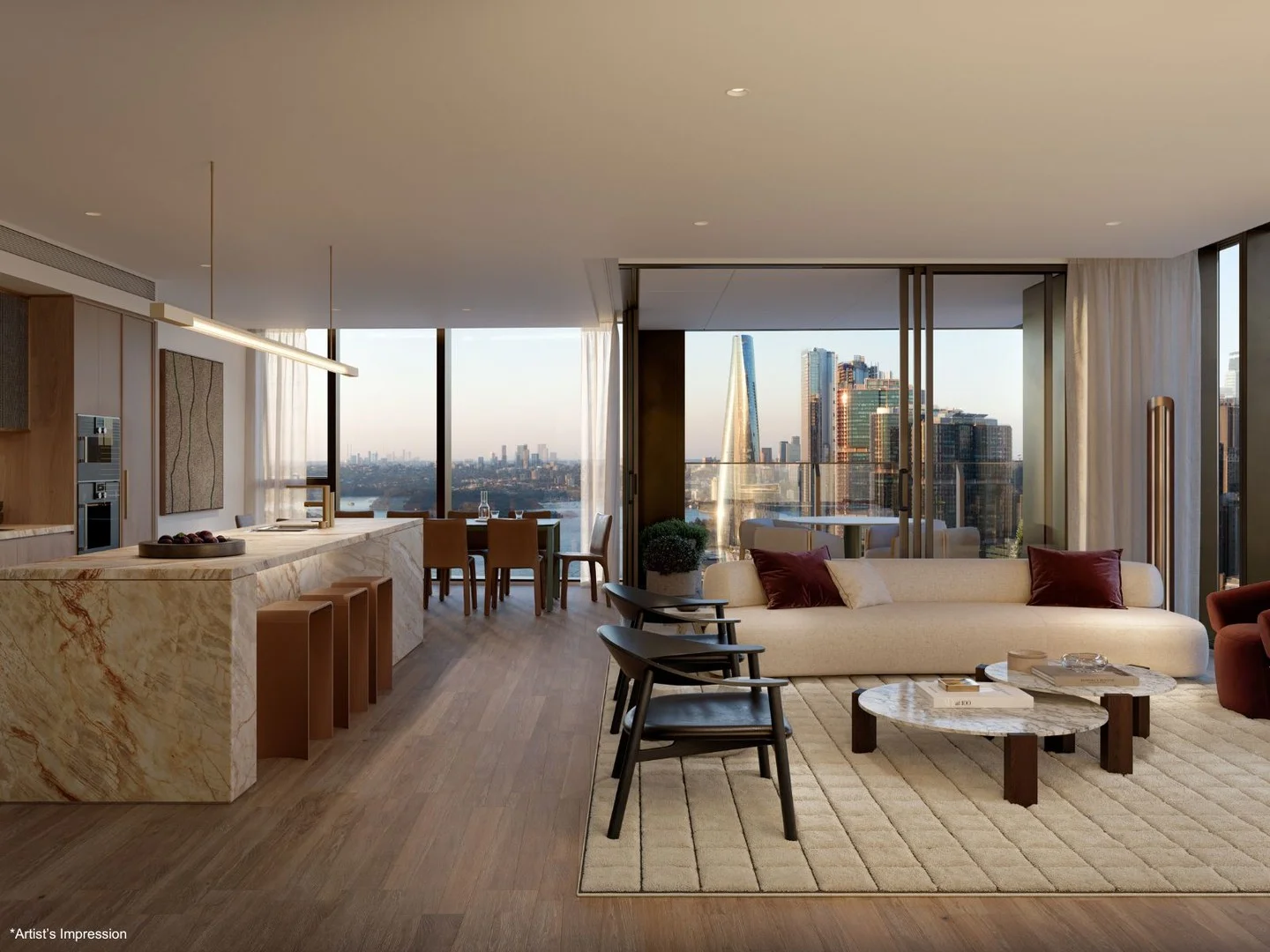 $12,980,000
propertyType.NEW APARTMENTS / OFF THE PLAN
$12,980,000
propertyType.NEW APARTMENTS / OFF THE PLAN
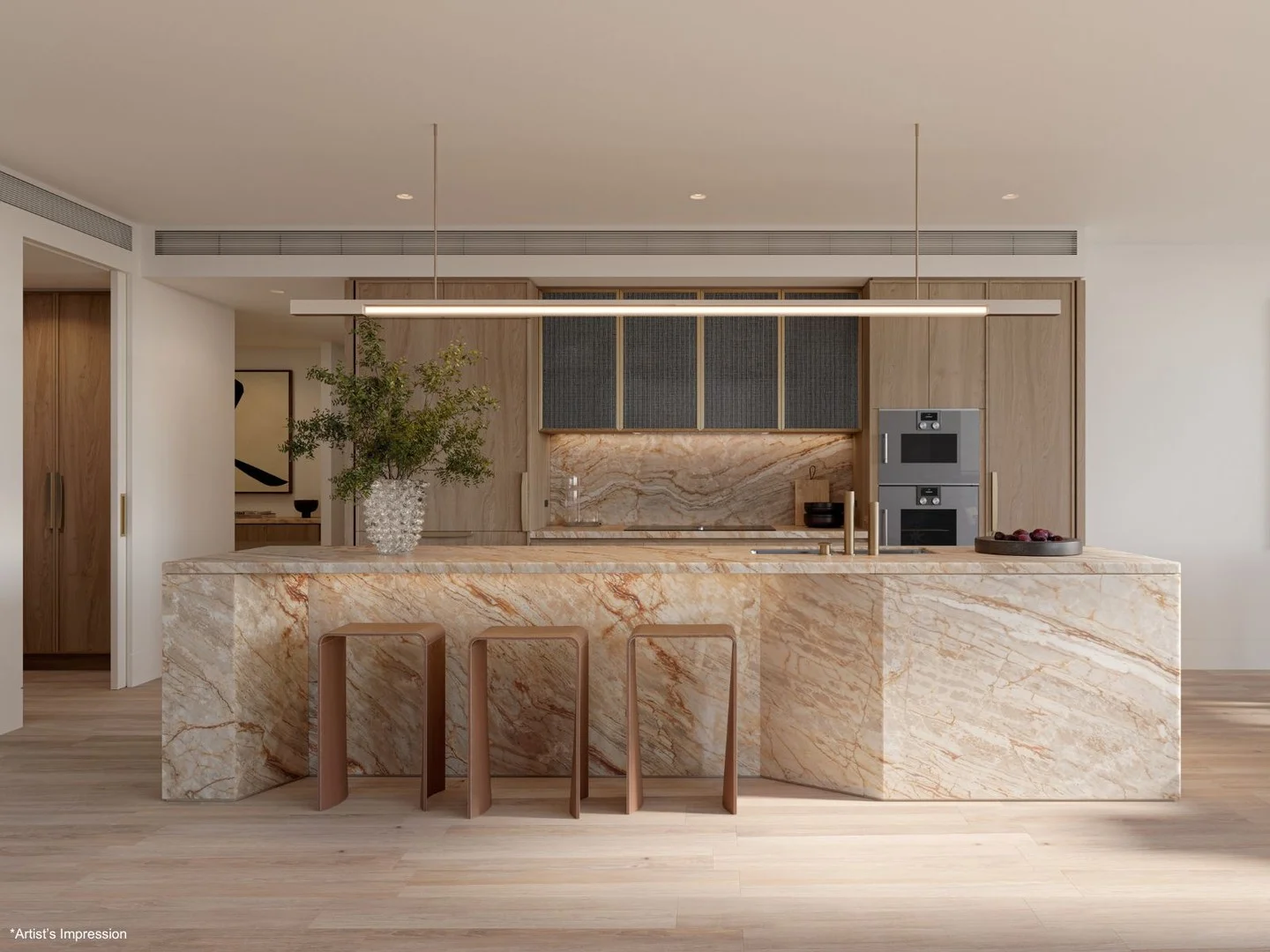 $6,225,000
propertyType.NEW APARTMENTS / OFF THE PLAN
$6,225,000
propertyType.NEW APARTMENTS / OFF THE PLAN
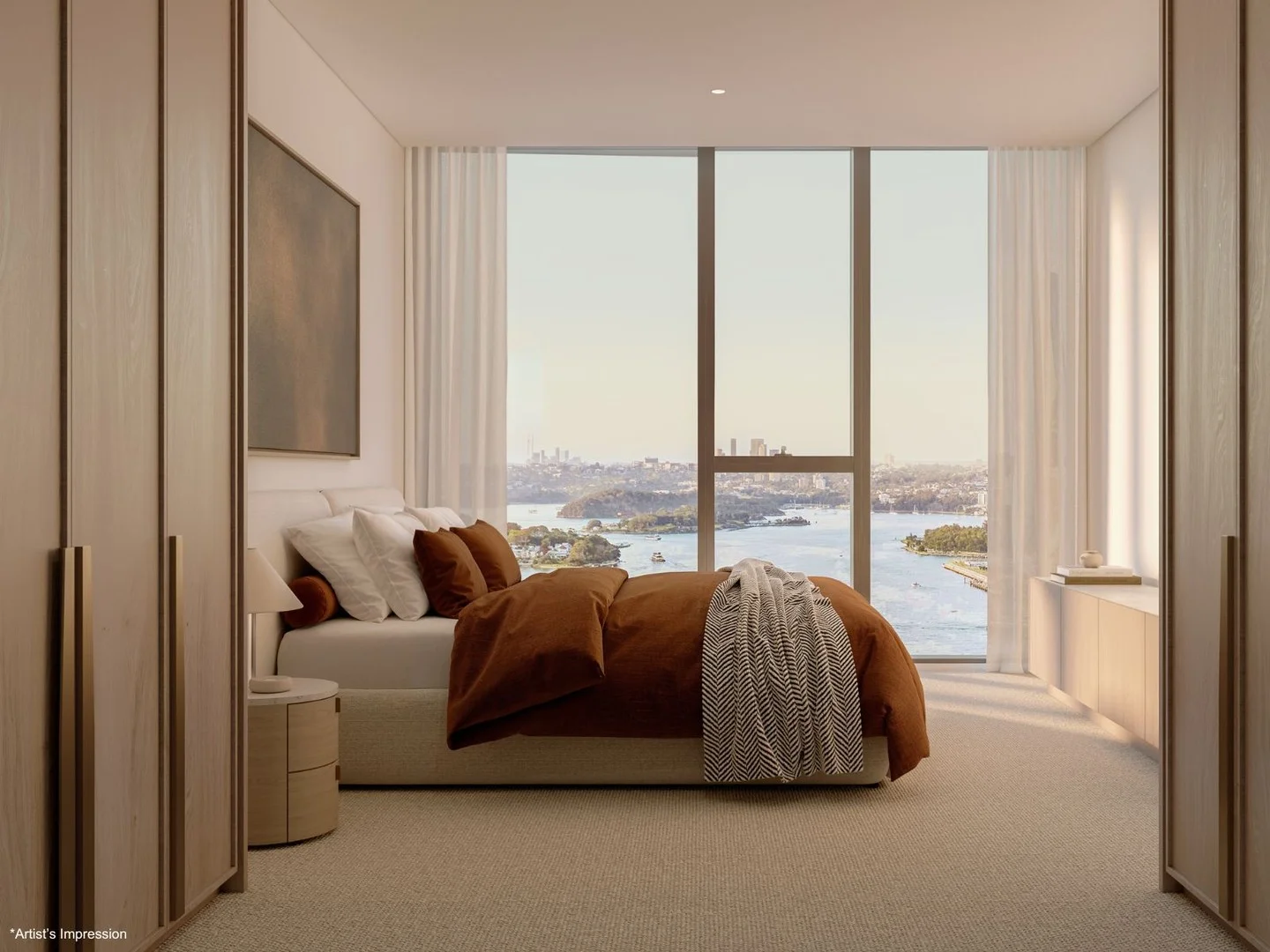 $8,630,000
propertyType.NEW APARTMENTS / OFF THE PLAN
$8,630,000
propertyType.NEW APARTMENTS / OFF THE PLAN
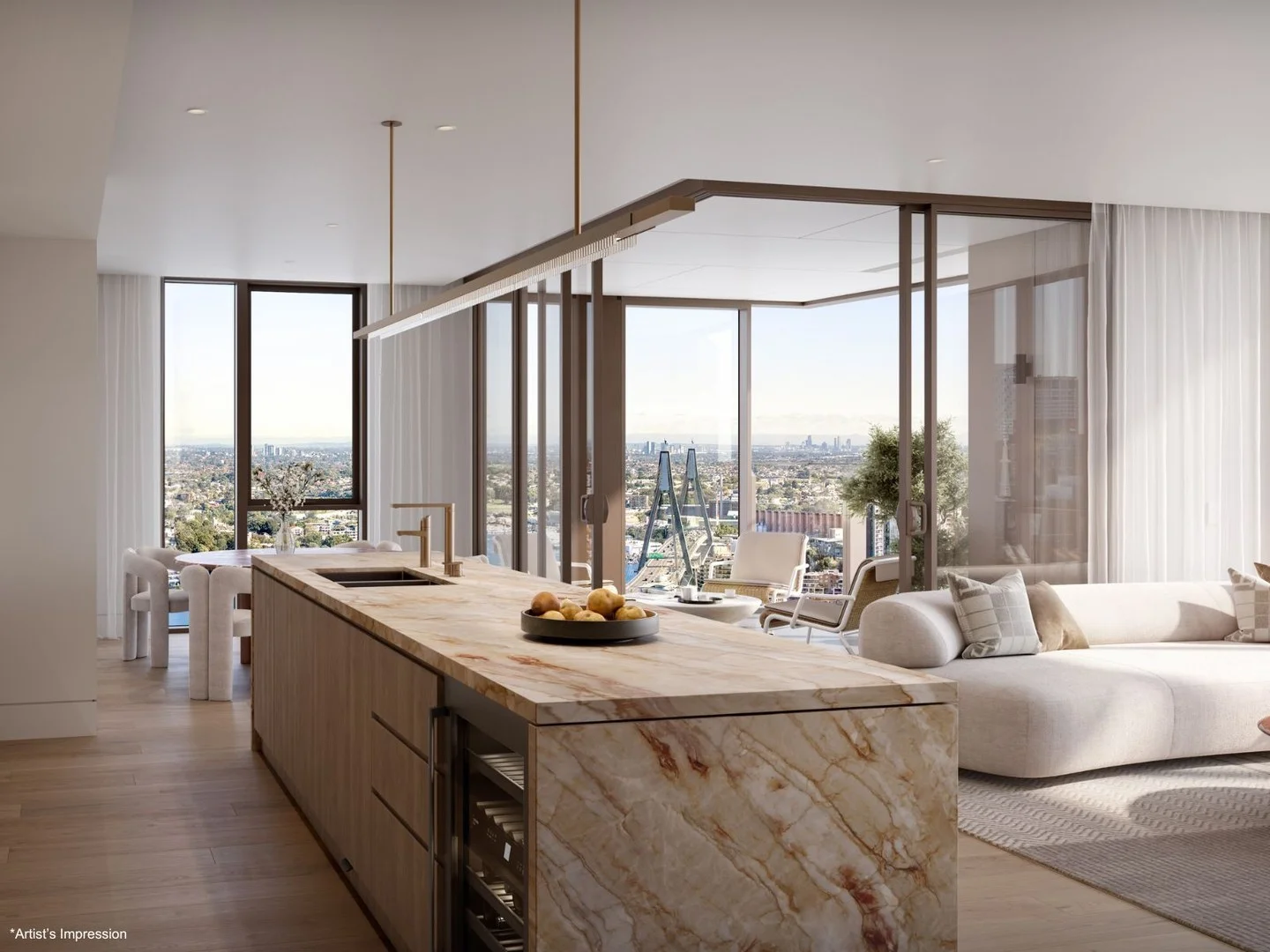 $9,020,000
propertyType.NEW APARTMENTS / OFF THE PLAN
$9,020,000
propertyType.NEW APARTMENTS / OFF THE PLAN


