## 1. Overview
Dalkeith Primary School is a public, co-educational primary school serving students from Kindergarten to Year 6 in the Dalkeith area of Western Australia. The school operates as a small-to-medium community school with a focus on delivering a well-rounded education in a welcoming, inclusive environment.
Class sizes are typically in the low-to-mid 20s, supporting a manageable and supportive learning climate. The atmosphere is generally nurturing and inclusive, with an emphasis on developing confident, collaborative learners who participate in school life and value teamwork.
## 2. Academics & Learning
Dalkeith Primary School aims to build strong literacy and numeracy foundations while fostering curiosity across the curriculum. Strengths are often seen in core learning areas, with opportunities for students to engage in hands-on STEM activities, creative learning, and critical thinking challenges within the classroom.
Special programs and enrichment opportunities vary by year level and cohort, with a focus on differentiated instruction to meet diverse learner needs. The school typically provides support for students with additional needs, including English as an Additional Language (EAL) learners and students requiring learning support plans.
NAPLAN trends (where available) generally indicate stable to improving performance in key domains such as reading and numeracy, aligning with state-wide progress. Student-teacher ratios are commonly around 1:20, balancing individual attention with collaborative classroom learning.
## 3. Sports & Extracurricular Strengths
Dalkeith Primary offers a range of physical education and extracurricular opportunities to engage students aged 10–14 and beyond. Expected sports include ball sports (e.g., soccer and netball), athletics, and swimming, with a focus on teamwork, participation, and fair play.
Strong clubs and activities commonly found at many WA primary schools include robotics, chess, coding, and debating, alongside music and arts programs such as choir or instrument ensembles. The school often supports partnerships with local clubs, community programs, and inter-school competitions to broaden opportunities beyond the classroom.
## 4. Wellbeing & Pastoral Care
Wellbeing is a central consideration for families. Dalkeith Primary typically emphasizes a positive, inclusive school climate with an anti-bullying approach centered on prevention, response, and restoration. A house system is often used to foster healthy competition and peer support among students.
Counsellors or wellbeing officers provide accessible support for social-emotional needs, with targeted transition programs and orientation for new students to help families settle in smoothly. The school promotes student voice and leadership opportunities to build confidence and resilience.
## 5. Facilities
Dalkeith Primary’s facilities are designed to support a broad curriculum and engaging student life. Key features commonly highlighted include:
- Sports grounds for PE and athletics
- Library for reading, research, and quiet study
- Science labs for practical experiments
- Music and performing arts spaces for concerts and rehearsals
- Tech/innovation labs or computer rooms for digital learning
- Canteen or lunch facilities
- Updated playgrounds and outdoor learning spaces
The overall facilities are presented as visual, bright, and easy to navigate, helping to support diverse learning activities.
## 6. School Values & Community Culture
The school operates with a clear set of values and a community-minded culture. Typical elements include:
- A values-driven mission focusing on respect, responsibility, resilience, and collaboration
- A leadership style that encourages student voice, teacher collaboration, and open communication with families
- Clear behaviour expectations, aligned with positive behaviour support
- A growing sense of community reputation through parent involvement, local partnerships, and student achievements
- Commitment to diversity and inclusion, ensuring all students feel welcome and supported
## 7. School Logistics & Daily Operations
Helpful daily logistics for families include:
- School hours: typically a morning start around 8:30–9:00am and a afternoon finish around 3:00pm (exact times may vary by year level)
- Before/after school care: often available through before/after school care programs or school-approved services
- Uniform requirements: school uniform is standard, with details provided by the school
- Transport: accessible by public transport; a range of bus routes or local drop-off/pick-up options
- Canteen: available with healthy meal and snack options
- Fees: school-level costs are generally low to medium, with additional costs for excursions, activities, or materials not fully covered by the standard curriculum
## 8. Enrolment & Admissions
11. What is the enrolment process and timeline?
- Enrolment is typically managed through the Western Australian Department of Education. Families in the catchment area should begin by submitting an enrolment application and providing required documentation (proof of address, birth certificate, immunisation records, etc.). Timelines vary by intake year and availability.
12. Is there a waiting list, and how does it work?
- Some year levels may have waitlists if the school reaches capacity. Waiting lists are usually managed in order of application date and eligibility, with priority given to students living in the school’s catchment area.
13. Are there any entry requirements, tests, or interviews?
- Most primary school entries do not require entrance tests. Some cases (e.g., complex learning needs or additional support requirements) may involve brief assessments or discussions to determine appropriate support. Routine enrolment typically relies on documentation and eligibility.
14. Does the school accept mid-year transfers?
- Mid-year transfers are possible if there is space and the school can accommodate the new student’s needs. Families should contact the school as soon as possible to discuss availability and required documentation.
## 9. Frequently Asked Questions
- Why Parents Choose This School?
- A welcoming, inclusive environment with a strong focus on core literacy and numeracy, supportive staff, and opportunities to participate in a range of activities.
- What type of student thrives at this school?
- Curious, respectful, and engaged students who enjoy collaborative learning, and who value participation in a broad range of academics, arts, and sports.
- What opportunities are available for students to extend their skills (academics, sports, arts)?
- Access to enriched classroom learning, clubs and activities (e.g., robotics, chess, coding, debating), music and drama, and participation in local sports programs and inter-school events.
- How does the school communicate with parents?
- Through newsletters, emails, parent-teacher interviews, school apps, and notices posted on school platforms; regular updates on student progress and school events.
- What is the school’s approach to teaching and learning?
- Differentiated instruction to meet diverse needs, with a focus on literacy, numeracy, inquiry-based learning, and digital literacy integrated across the curriculum.
- How does the school support students who need extra academic help?
- In-class differentiation, targeted small-group support, and access to learning support staff for EAL and SEN students.
- What support is available for academic challenges?
- Additional instruction within the classroom, targeted interventions, and referral to support services as needed.
- How does the school communicate with parents? (duplicate)
- See above: regular updates via newsletters, emails, and official communication platforms.
- What are the class sizes and how much individual attention do students receive?
- Class sizes are typically in the low-to-mid 20s, with teachers providing ongoing feedback and differentiated support to meet individual learning needs.
- What extracurricular and sports opportunities are available?
- A range of sports and physical activities, plus clubs such as robotics, chess, coding, and debating, along with music and performing arts programs.
- What facilities does the school offer (sports, science, arts)?
- Modern facilities including sports grounds, a library, science labs, music/performing arts spaces, and technology/innovation spaces.
- What is the school’s approach to technology and digital learning?
- Emphasis on digital literacy across the curriculum, with access to computer facilities and age-appropriate technology experiences.
- What transport and accessibility options are available?
- Access to public transport and local bus routes, with practical drop-off/pick-up arrangements and accessibility considerations.
- What are typical school fees or additional costs?
- Public primary schools have modest fees for materials and activities beyond core curriculum; there may be costs for excursions, uniforms, and optional programs.
## 10. Short Pros & Cons list
- Pros
- Public, community-focused environment with strong literacy and numeracy foundations
- Inclusive culture and support for diverse learners
- Balanced approach to academics, sport, arts, and technology
- Access to a range of extracurricular activities and clubs
- Positive wellbeing and pastoral support, with transition assistance
- Cons
- Class sizes, while typical for public primary schools, may vary by year level
- Availability of some enrichment programs may depend on year cohorts and funding
- Some specialty facilities or programs may be limited compared with larger schools
- Transport options rely on local routes and catchment boundaries











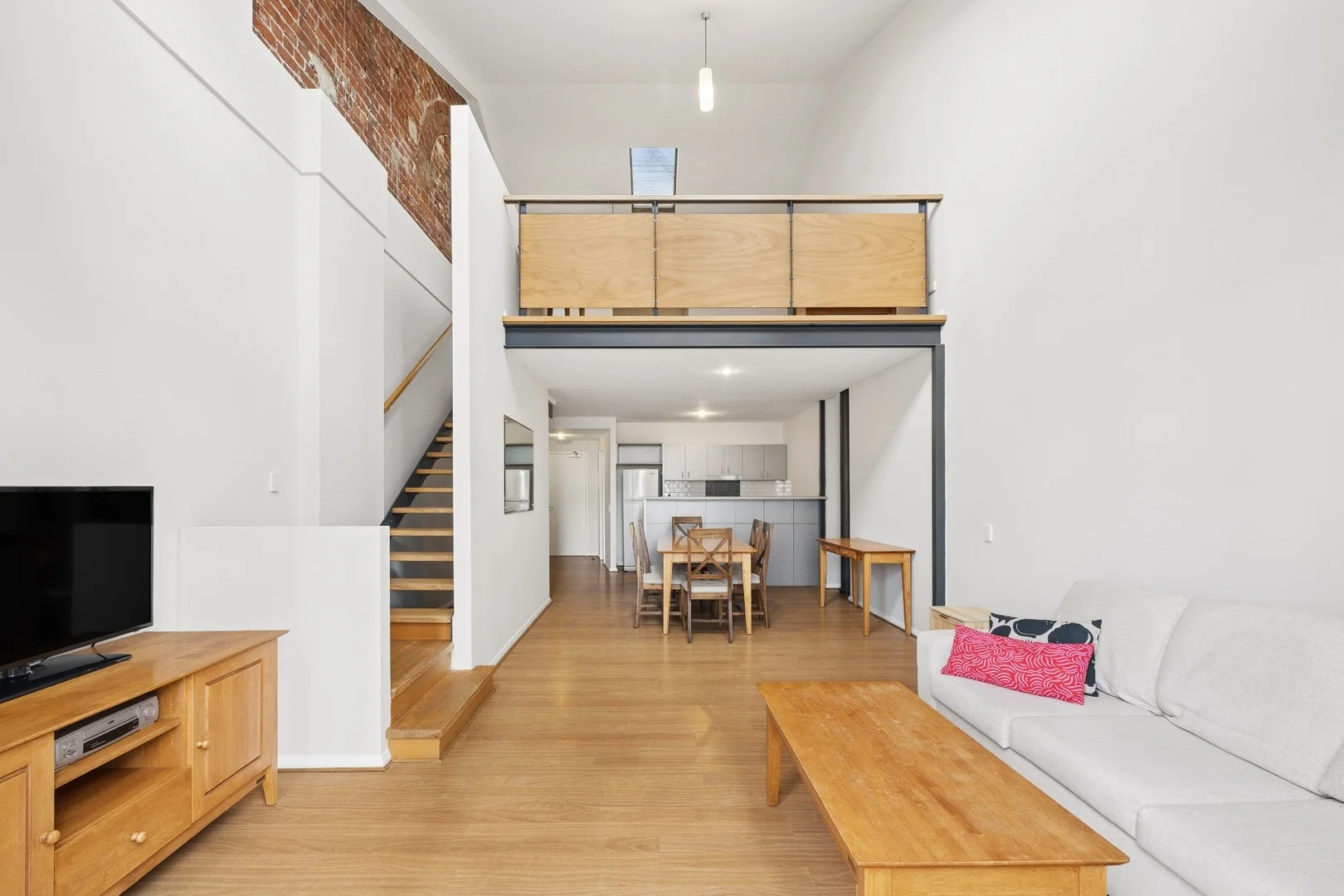 $549,000
Apartment / Unit / Flat
$549,000
Apartment / Unit / Flat
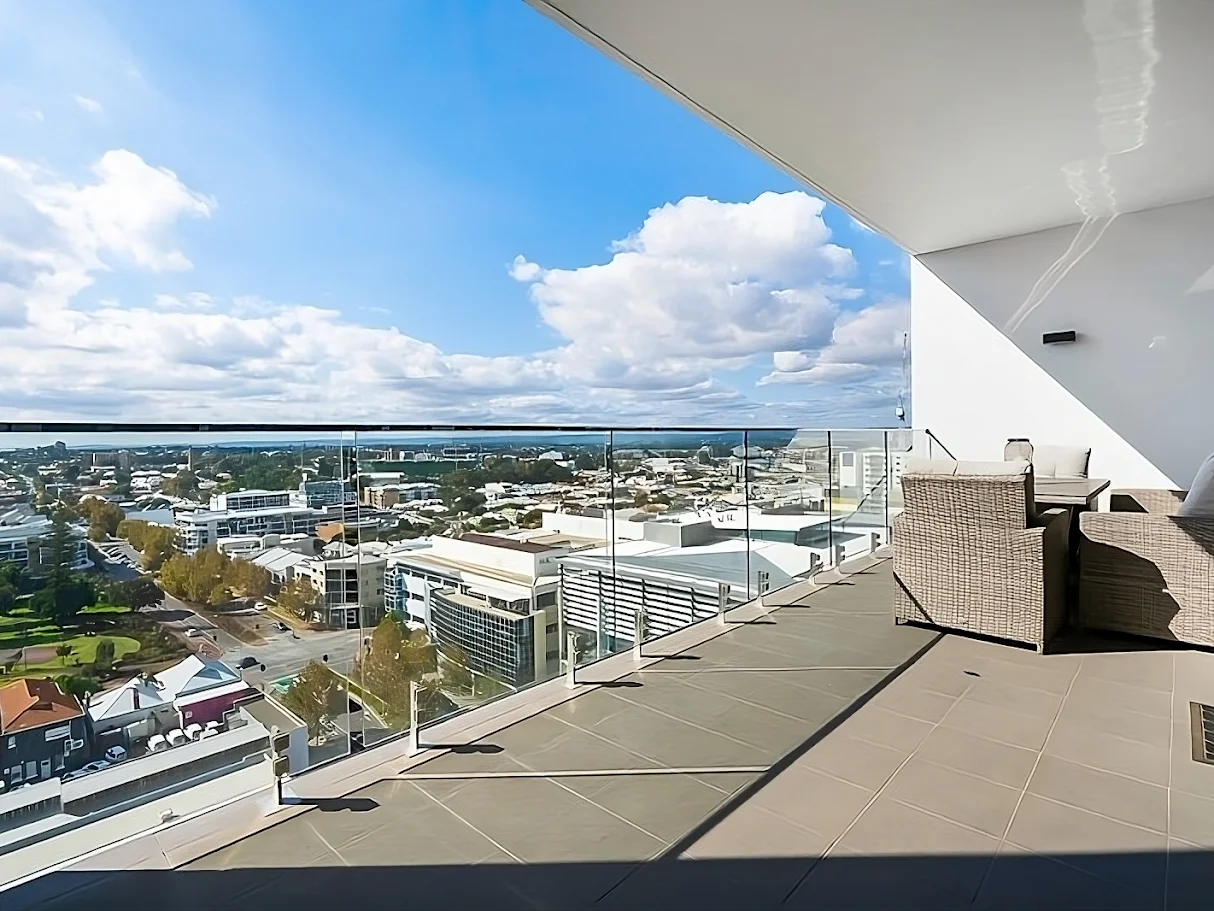 $580,000
Apartment / Unit / Flat
$580,000
Apartment / Unit / Flat
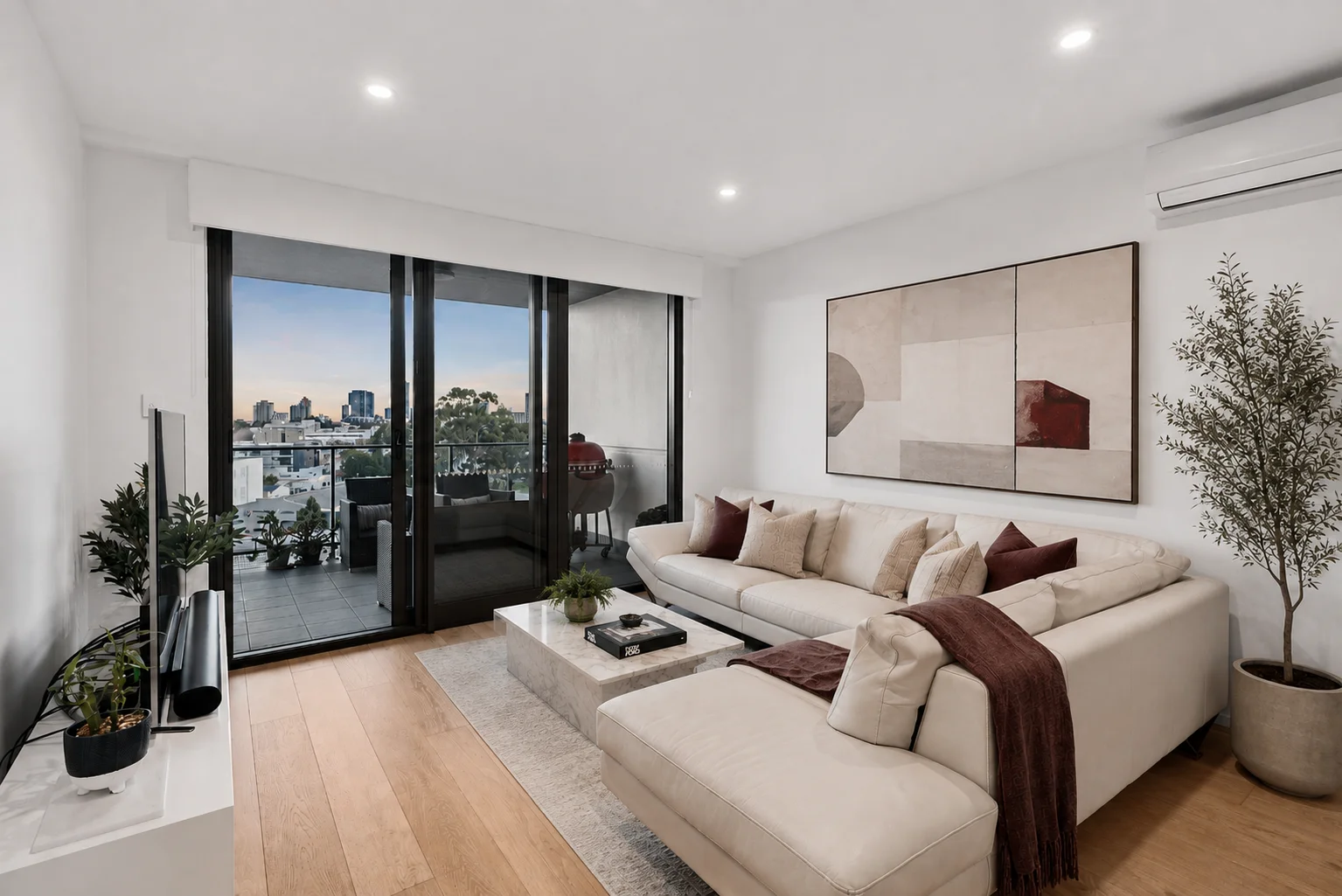 $700,000
Apartment / Unit / Flat
$700,000
Apartment / Unit / Flat


