1. Overview
Loreto Nedlands is a private Catholic girls’ school in Western Australia, part of the Loreto Education network. It combines faith-based learning with a broad, well-rounded curriculum, aiming to develop confident, compassionate young women who contribute to their communities. The school is medium-sized, offering a welcoming, close-knit atmosphere where students are supported to pursue academic excellence, leadership, and service.
Class sizes are typically small to medium, enabling strong teacher-student engagement. The culture emphasises inclusivity, high expectations, and care for individual development, helping students feel valued and motivated across academics, arts, sport and community life.
⸻
2. Academics & Learning
Academic strengths commonly cited include English and humanities, strong STEM programs, and opportunities for language study. The school offers specialized programs for gifted and talented students and accelerated learning pathways to stretch high-achieving learners. NAPLAN trends at Loreto Nedlands generally show steady or improving performance over time, with a focus on building literacy, numeracy and critical thinking skills.
Student-teacher ratios are kept purposefully low to support personalized learning, typically in the mid-range for a private Australian school. The school provides strong support for diverse learners, including dedicated EAL (English as an Additional Language) assistance and targeted SEN (Special Educational Needs) support through an inclusive education team.
⸻
3. Sports & Extracurricular Strengths
Sports offered often include netball, basketball, soccer/football, hockey, athletics, swimming and tennis, with opportunities to compete in inter-school events and carnivals. The school runs strong teams across multiple codes and supports student leadership through sport.
In addition to sport, Loreto Nedlands emphasises music, drama and the arts, with ensembles, choirs and productions that showcase student talent. Clubs frequently available include robotics, coding, chess and debating, providing wide-ranging pathways for interests beyond the classroom. The school also forms partnerships with local clubs and competitions to broaden access to external events and opportunities.
⸻
4. Wellbeing & Pastoral Care
A priority for families, wellbeing and pastoral care at the school focuses on a positive, respectful environment. An anti-bullying approach combines clear policies with proactive programs and student-led initiatives. A house system supports belonging, teamwork and regular pastoral activities.
Counsellors or wellbeing officers are available to students, with targeted support for transition periods (e.g., starting year levels, moving between campuses or year transitions). Orientation programs and ongoing welfare check-ins help new students settle in smoothly and build confidence as they adjust to school life.
⸻
5. Facilities
- Sports grounds and gym facilities for a range of activities
- Libraries with study spaces and quiet zones
- Modern science laboratories for STEM learning
- Music and performing arts centers supporting ensembles and productions
- Tech/innovation labs or makerspaces to support design and coding projects
- Canteen or cafeteria offering healthy options
- Updated playgrounds and outdoor spaces for recreation and break times
The facilities are designed to be visually engaging and easy to navigate, supporting a hands-on, inquiry-based approach to learning.
⸻
6. School Values & Community Culture
Loreto Nedlands operates with Catholic values at its core, emphasizing service, compassion, integrity and respect. Leadership is typically collaborative and student-centred, inviting students to take active roles in school life and decision-making where appropriate. Behavior expectations are clear and consistently applied to foster a safe, inclusive environment.
The school enjoys a strong community reputation for support, faith-based learning and a commitment to diversity and inclusion. Students are encouraged to contribute to the common good, participate in service activities, and develop empathy and global awareness.
⸻
7. School Logistics & Daily Operations
- School hours generally run from early morning to mid-afternoon, with supervised before- and after-school arrangements available in some forms.
- Uniform requirements include a formal uniform for everyday wear and a separate sports uniform for physical education and games.
- Transport options typically include local bus routes and walking/cycling opportunities; some families use school-arranged or partner transport arrangements where available.
- A canteen or cafeteria provides meals and snacks on school days.
- Fees fall into a medium range relative to WA private Catholic schools; exact figures depend on year level and program choices.
⸻
8. Enrolment & Admissions
11. What is the enrolment process and timeline?
- Applications are submitted online with supporting documents. Families are guided through an admissions timeline that typically includes information sessions or open days, eligibility checks, and an interview or assessment as part of the process. Offers follow once places are available, with timelines varying by year level and demand.
12. Is there a waiting list, and how does it work?
- Yes, a waiting list can apply when not all places are available. The process generally involves application submission, placement on the list, and periodic updates. Priority may be given to siblings or local catchment considerations, depending on school policy.
13. Are there any entry requirements, tests, or interviews?
- Most Catholic private schools include an interview and may require review of academic records. Some programs may have assessments or information sessions to understand fit with the school’s learning environment and values.
14. Does the school accept mid-year transfers?
- Yes, mid-year transfers are possible when a place is available and the student’s needs align with the school program. Availability varies by term and year level.
⸻
9. Frequently Ask Questions
- Why Parents Choose This School?
- A Catholic, values-driven education with a supportive community, strong academics and diverse opportunities for growth in sport, arts and leadership.
- What type of student thrives at this school?
- Motivated students who value faith-based learning, community involvement, and a balanced program across academics, arts and sport.
- What opportunities are available for students to extend their skills (academics, sports, arts)?
- Advanced coursework pathways, gifted and talented programs, leadership roles in clubs and student councils, competitive sports teams, performing arts ensembles, and coding/robotics clubs.
- How does the school communicate with parents?
- Regular newsletters, parent portals, scheduled parent-teacher meetings, and timely updates on events, student progress and wellbeing.
- What is the school’s approach to teaching and learning?
- A mix of classroom instruction, inquiry-based learning, and differentiated support to meet diverse learner needs, with emphasis on literacy, numeracy and critical thinking.
- How does the school support students who need extra academic help?
- Targeted EAL and SEN support, small-group or one-on-one tutoring, and tailored learning plans within an inclusive framework.
- What support is available for academic challenges?
- Access to tutors, learning support staff, and adjustments within classroom instruction to help students catch up or extend their learning.
- How does the school communicate with parents?
- See above: parent portals, updates, meetings and proactive wellbeing check-ins as part of regular communication.
- What are the class sizes and how much individual attention do students receive?
- Class sizes are small to medium, designed to enable frequent teacher-student interaction and personalized feedback.
- What extracurricular and sports opportunities are available?
- A broad program including teams across major sports, arts ensembles, drama and music, plus clubs in robotics, coding, chess and debating.
- What facilities does the school offer (sports, science, arts)?
- Comprehensive facilities including sports grounds, libraries, science labs, performing arts spaces, tech labs and a canteen.
- What is the school’s approach to technology and digital learning?
- Integrates digital learning across the curriculum with access to ICT resources, coding and design activities, and responsible use education.
- What transport and accessibility options are available?
- Local bus routes and convenient access through public transport, with walking/cycling options and supportive arrangements for families.
- What are the typical school fees or additional costs?
- Fees are in the medium range for private Catholic schools in WA; there may be additional costs for excursions, camps, uniforms and extracurricular activities.
⸻
10. Short Pros & Cons list
Pros
- Catholic, values-based education with a focus on service and leadership
- Small-to-medium class sizes enabling personal attention
- Broad range of academics, arts and sport with strong extracurricular options
- Supportive wellbeing and inclusive learning environment
- Modern facilities and a welcoming community atmosphere
Cons
- Fees are higher than government schools (as expected for private Catholic education)
- Availability of entry spots can be competitive; waiting lists may apply
- Academic and extracurricular options vary by year level and demand, which may affect program choice
- Transport options depend on personal location and may require planning
⸻










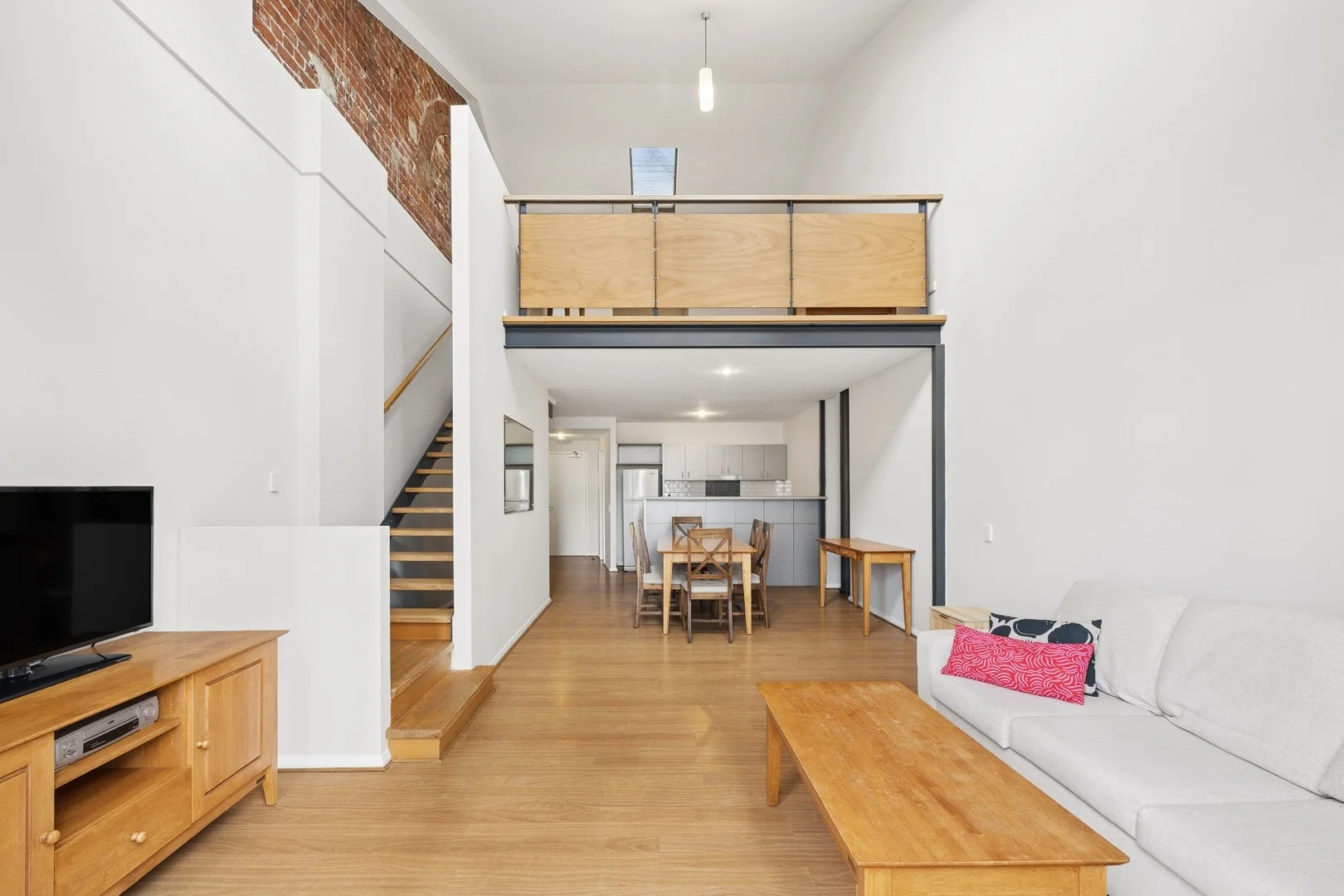 $549,000
Apartment / Unit / Flat
$549,000
Apartment / Unit / Flat
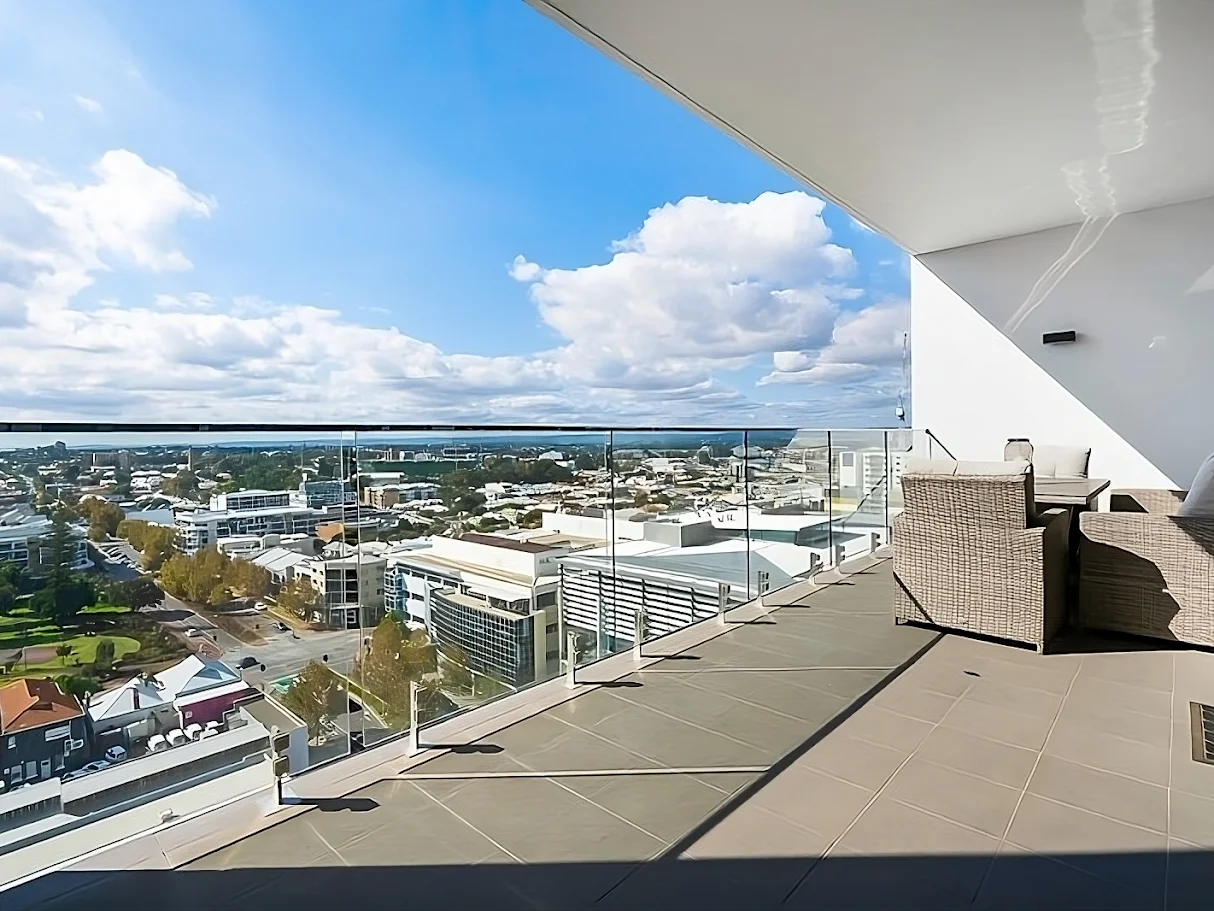 $580,000
Apartment / Unit / Flat
$580,000
Apartment / Unit / Flat
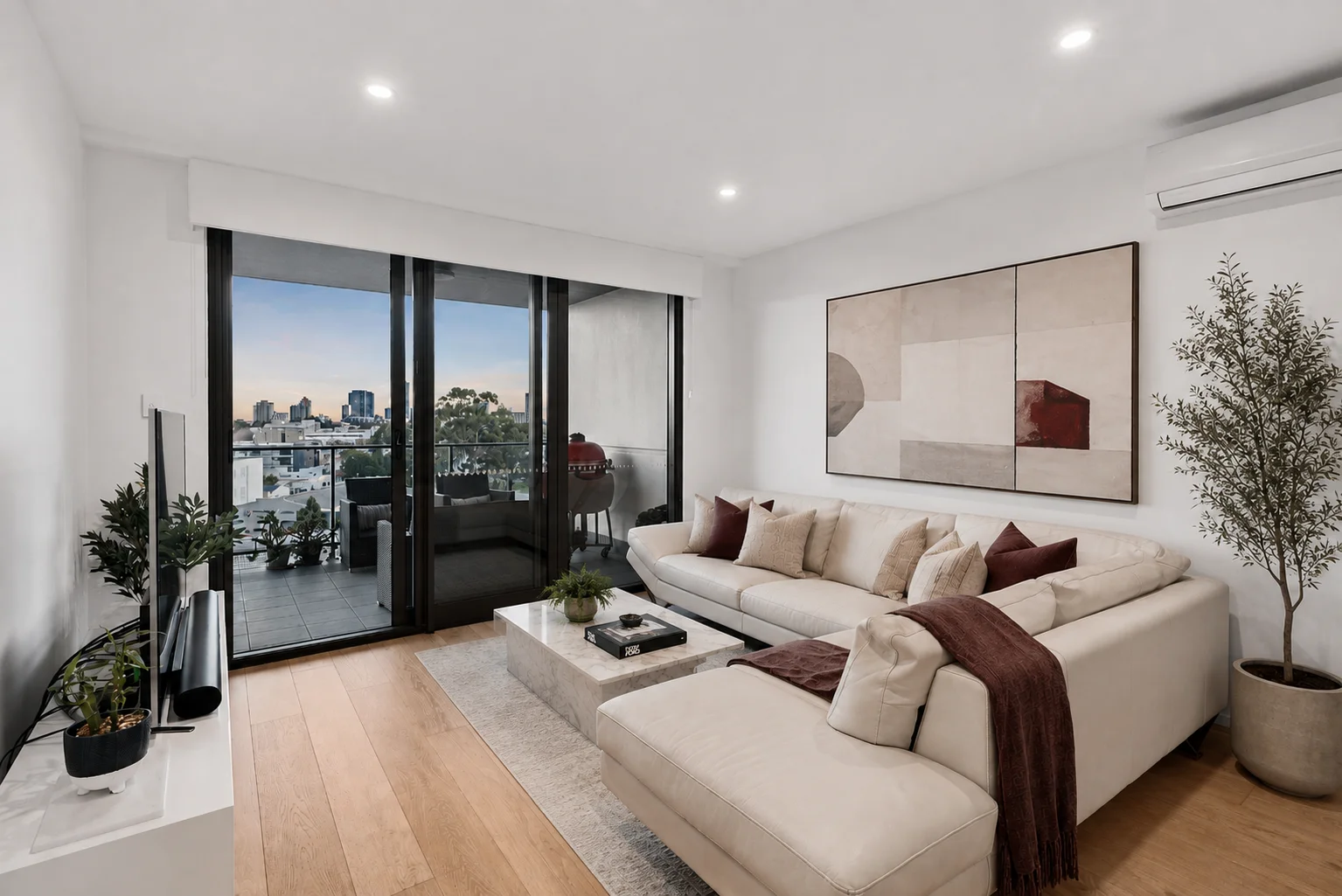 $700,000
Apartment / Unit / Flat
$700,000
Apartment / Unit / Flat