# Overview
Nedlands Primary School is a public primary school serving families in the Nedlands area of Western Australia. As a publicly funded school, it focuses on providing an inclusive, community-minded learning environment for local students. The school aims to balance strong academic grounding with opportunities for creativity, sport, and social development.
The school is medium-sized, with class sizes typically in the mid-20s. The atmosphere is welcoming and supportive, prioritising a nurturing, inclusive culture where students can develop confidence, resilience, and a love of learning.
# Academics & Learning
- Academic strengths: Solid foundations in English and numeracy, with a broad emphasis on literacy, numeracy, STEM, and creative arts. There are opportunities to explore leadership and collaborative projects across year levels.
- Special programs: Includes provisions for English as an Additional Language (EAL) learners and support for students who may need additional challenge through gifted and talented pathways or acceleration options where appropriate.
- NAPLAN / trends: Over recent years, the school has demonstrated steady progress in literacy and numeracy, with a focus on targeted interventions to support students across achievement levels. Trends show improvement relative to state performance in key areas.
- Student-teacher ratios: Typical class configurations support average ratios in the mid-20s, with a focus on meaningful teacher-student contact and small-group supports.
- Support for diverse learners: Strong emphasis on inclusive education, with EAL/D support, learning support frameworks, and access to relevant specialists to help students reach their potential.
# Sports & Extracurricular Strengths
- Sports offered: A range of mainstream school sports and physical activities, with opportunities to participate in interschool events and school-wide athletics or swimming programs.
- Strong teams or achievements: Focus on participation, teamwork, and developing sport skills; celebration of student participation and achievements in local interschool competitions.
- Music, arts, drama programs: Active involvement in music and performing arts, with opportunities for choir, instrumental study, drama, and school productions.
- Clubs: Coding, robotics, chess, and debating are commonly available or accessible through after-school programs and school-based clubs.
- Partnerships: Local community partnerships support competitions, arts activities, and extracurricular opportunities, helping students connect with broader networks beyond the classroom.
# Wellbeing & Pastoral Care
- Anti-bullying approach: Proactive wellbeing programs and positive behaviour frameworks to promote respect, kindness, and safe learning environments.
- House system: A house or team system is used to foster belonging, friendly competition, and school-wide events.
- Counsellors / wellbeing officers: Access to wellbeing staff and targeted supports to help students manage social-emotional learning and stress.
- Transition support for new students: Orientation activities, buddy systems, and transition programs to help new students settle in smoothly and build peer connections.
# Facilities
- Sports grounds: On-site sports fields or courts for outdoor activities and physical education.
- Libraries: A dedicated library to support reading, research, and literacy programs.
- Science labs: Specialist rooms and facilities to support science learning and practical investigations.
- Music/performing arts centers: Spaces for music education, rehearsals, and performances.
- Tech/innovation labs: Computer and digital learning environments to support ICT and STEM activities.
- Cafeteria: Canteen or school cafeteria providing healthy meal and snack options.
- Updated playgrounds: Modern, age-appropriate play spaces and outdoor learning areas.
# School Values & Community Culture
- School values / mission: A values-led approach emphasising respect, responsibility, collaboration, and inclusivity.
- Leadership style: Student-centred with opportunities for student voice and leadership through classroom roles and school-wide initiatives.
- Behaviour expectations: Clear guidelines focused on respectful conduct, safety, and positive relationships.
- Community reputation: Known for a welcoming, family-friendly atmosphere and strong local involvement.
- Diversity & inclusion: Commitment to creating an inclusive environment where every student can participate and succeed, with supports tailored to individual learning needs.
# School Logistics & Daily Operations
- School hours: Typical day runs during standard WA primary hours; specifics may vary by term, so check the current school calendar.
- Before/after school care: OSCAR or approved providers often available for before/after school care.
- Uniform requirements: School uniform is standard; students wear identified school colours and approved items as per the school uniform policy.
- Transport (train/bus routes): Access to local bus routes and safe walking/cycling routes; families should verify current transport options via the school and local public transport authority.
- Canteen availability: Canteen or canteen services operate on a scheduled basis to provide snacks and meals.
- Fees (low/medium/high ranges): Being a public school, there are no tuition fees; families may incur voluntary contributions and charges for certain activities or excursions; overall costs are typically moderate.
# Enrolment & Admissions
11. What is the enrolment process and timeline?
- Enrolment is managed through the Western Australian Department of Education processes, typically starting with submitting an application for enrolment in the school’s catchment area. Gather required documents (proof of address, birth certificate, immunisation records, etc.). Offers and placements are communicated according to the DOE timelines and catchment priorities. Check the school’s current DOE guidance for exact dates and steps.
12. Is there a waiting list, and how does it work?
- If the school has more applicants than available places, a waiting list may be used. Allocation from the waiting list follows DOE policies, prioritising in-catchment families and available vacancies. Timelines vary by year and cohort size.
13. Are there any entry requirements, tests, or interviews?
- Generally, WA public primary schools do not require entry tests for standard intake. Some schools may conduct informal intake discussions or gather information to support transition, especially for students with specific learning needs. Formal interviews are uncommon for general admission.
14. Does the school accept mid-year transfers?
- Mid-year transfers are possible where vacancies exist and the DOE approves placement. Parents should contact the school as early as possible to discuss eligibility, required documentation, and transition planning.
# Frequently Asked Questions
- Why Parents Choose This School?
- Community feel, approachable staff, strong literacy and numeracy foundations, and a welcoming environment that supports every child’s growth.
- What type of student thrives at this school?
- Curious, collaborative students who participate in both academics and activities, value teamwork, and appreciate a supportive learning community.
- What opportunities are available for students to extend their skills (academics, sports, arts)?
- A range of academic extensions, sports programs, music and arts opportunities, and after-school clubs like coding, robotics, chess, and debating.
- How does the school communicate with parents?
- Regular newsletters, emails, the school portal, and parent-teacher meetings; updates are provided on a consistent schedule to keep families informed.
- What is the school’s approach to teaching and learning?
- A student-centered, literacy- and numeracy-focused model with inclusive practices, collaborative learning, and hands-on inquiry in science, technology, and the arts.
- How does the school support students who need extra academic help?
- Targeted interventions, EAL/D support, learning support staff, and small-group assistance within the classroom or through specialist programs.
- What support is available for academic challenges?
- Access to teachers, learning support staff, and occasional external referrals if needed; personalised plans aim to help students progress.
- How does the school communicate with parents? (duplicate)
- See above: newsletters, portals, emails, and meetings; ongoing channels are used for updates and engagement.
- What are the class sizes and how much individual attention do students receive?
- Class sizes typically sit in the mid-20s, with teacher-led instruction and targeted small-group support to ensure individual attention where needed.
- What extracurricular and sports opportunities are available?
- A variety of sports and physical activities, plus clubs such as coding, robotics, chess, and debating, and music/arts programs.
- What facilities does the school offer (sports, science, arts)?
- Updated facilities including sports grounds, a library, science labs, a music and performing arts space, tech/innovation labs, a canteen, and modern play areas.
- What is the school’s approach to technology and digital learning?
- Integration of ICT and digital learning across the curriculum, with access to devices and online learning tools to support modern skill development.
- What transport and accessibility options are available?
- Local bus routes, walking and cycling options, and proximity to community transport; families should confirm current routes and accessibility with the school.
- What are the typical school fees or additional costs?
- As a public school, there are no tuition fees. There may be voluntary contributions and charges for extra activities or excursions; costs are generally moderate.
# Short Pros & Cons list
- Pros
- Public school with a strong community focus and inclusive culture.
- Balanced emphasis on academics, wellbeing, and a broad range of extracurriculars.
- Moderate class sizes with opportunities for targeted support and extension.
- Good facilities for science, arts, and digital learning.
- Active student engagement through clubs, sports, and music.
- Cons
- As a public school, some programs or resources may be subject to annual DOE funding variations.
- Exact availability of certain after-school clubs or intermediate-level programs may depend on term and staffing.
- Transport options may vary; families relying on public transport should verify current routes and timings.
- Enrolment opportunities for non-catchment families may be limited by vacancies and DOE policies.










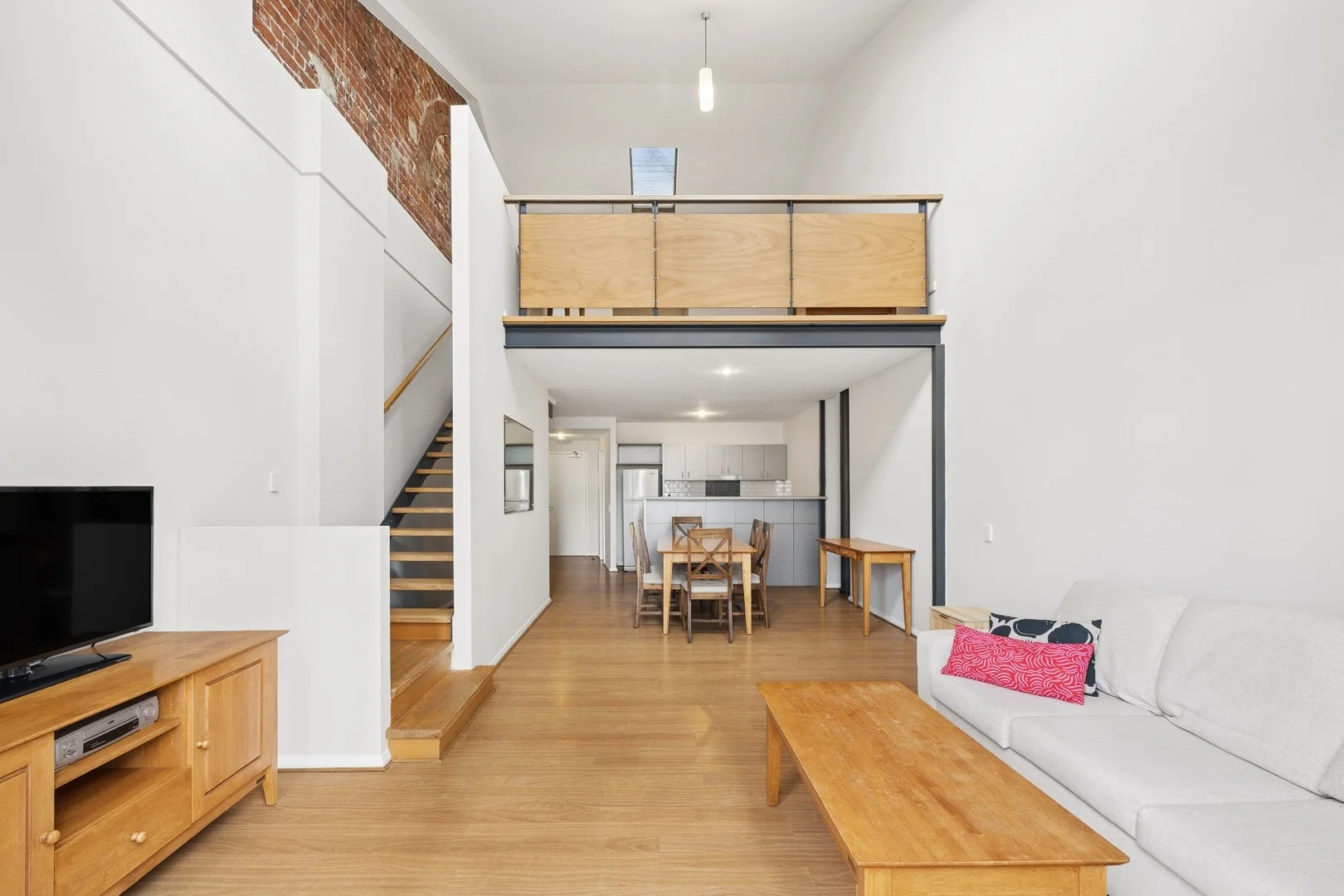 $549,000
Apartment / Unit / Flat
$549,000
Apartment / Unit / Flat
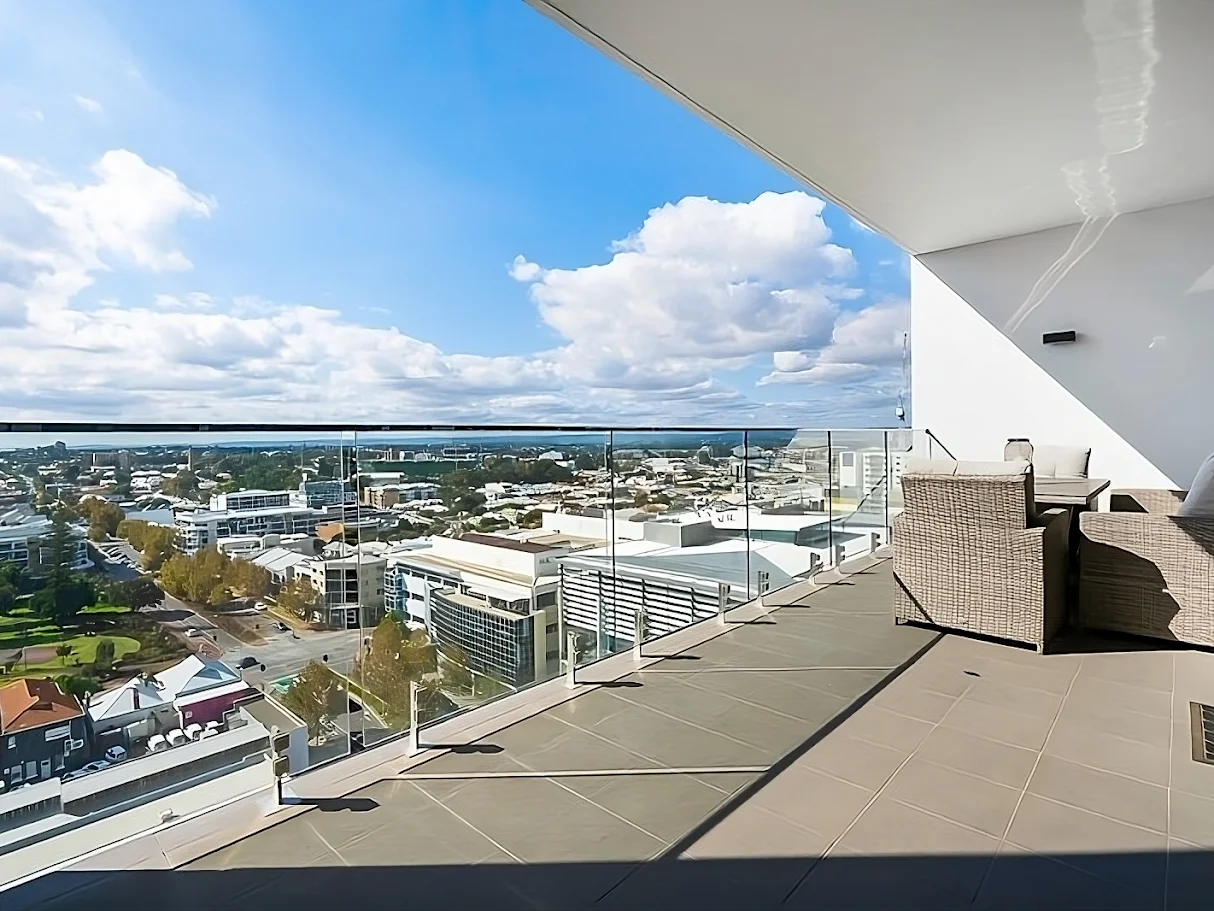 $580,000
Apartment / Unit / Flat
$580,000
Apartment / Unit / Flat
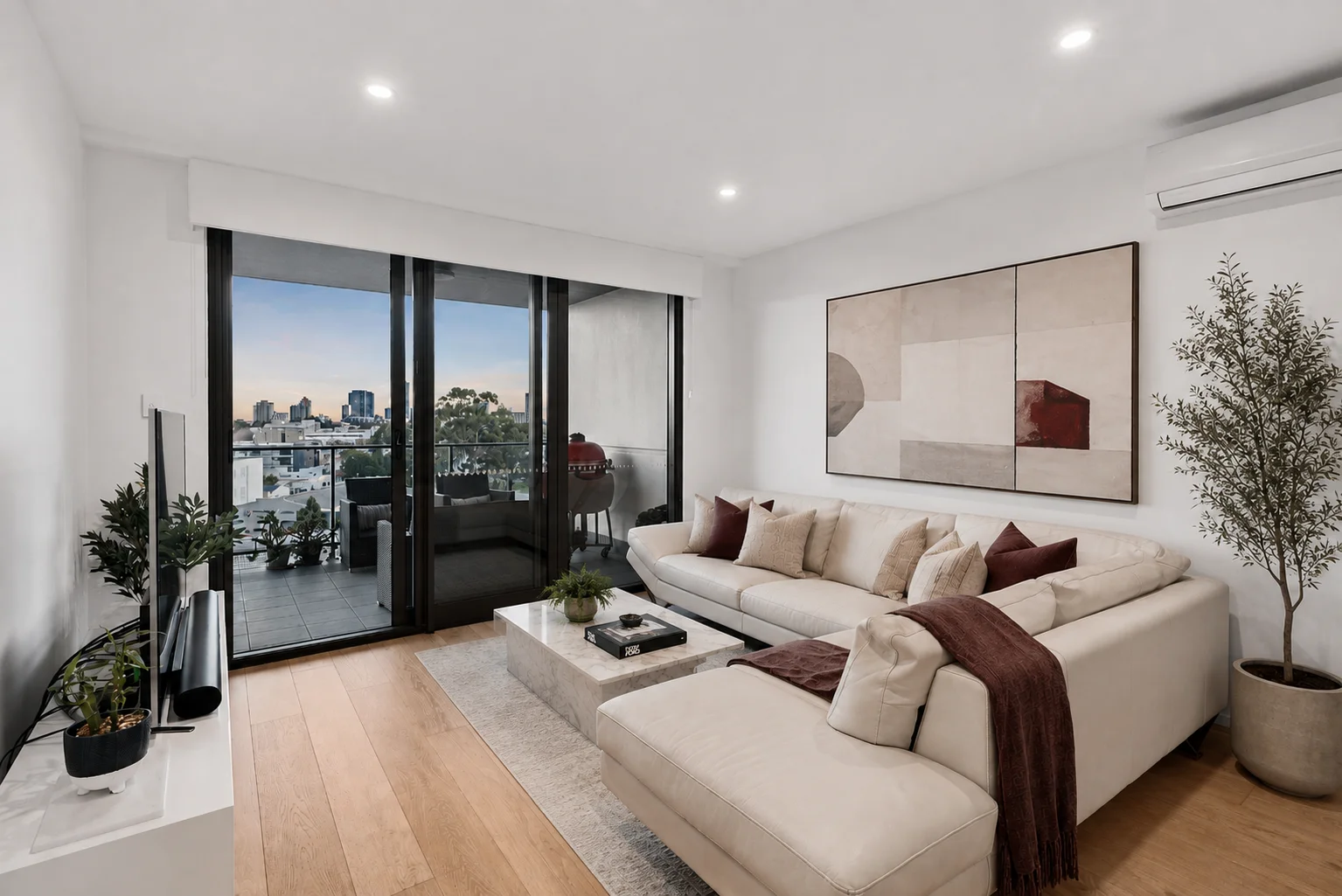 $700,000
Apartment / Unit / Flat
$700,000
Apartment / Unit / Flat