## 1. Overview
St Vincent's College, Potts Point is a Catholic independent secondary school in New South Wales. It offers a values-based education within the Vincentian tradition, focused on developing students who are academically capable, socially responsible and engaged with their community. The school aims to provide a supportive, inclusive environment with strong pastoral care and opportunities across academics, faith, and extra-curricular activities.
The school is a medium-sized community with class sizes designed to support individual attention. The atmosphere tends to be nurturing and academic, with a culture that encourages participation, leadership and a sense of belonging for students from diverse backgrounds.
---
## 2. Academics & Learning
- Academic strengths: STEM, English, leadership development, and languages are emphasised to prepare students for post-school pathways.
- Special programs: Gifted and Talented options, potential accelerated learning pathways, and access to broader curriculum choices typical of independent Catholic schools.
- NAPLAN trends: Trends over recent years show steady performance with improvements in reading and numeracy; the college generally aims to meet or exceed state averages in key areas.
- Student-teacher ratios: Class sizes are structured to support more individualized attention, with a focus on engaging teaching and learning.
- Support for diverse learners: EAL/D support, SEN assistance, and targeted learning support are available to help students reach their potential.
---
## 3. Sports & Extracurricular Strengths
- Sports offered: Rugby, football/soccer, cricket, basketball, tennis, swimming and other school-level competitive programs.
- Strong teams or achievements: Competitive inter-school teams with notable local and regional participation and achievements in sport.
- Music, arts, drama programs: Active music ensembles, performing arts opportunities and drama productions.
- Clubs: Robotics, chess, coding, debating, and other academic/creative clubs are commonly available.
- Partnerships: Connections with local sports and arts organizations, as well as participation in inter-school competitions and related events.
Most parents in the local area look for a broad, balanced offering of sport, arts and intellectual clubs, and St Vincent's College aims to provide that mix.
---
## 4. Wellbeing & Pastoral Care
- Anti-bullying approach: Clear anti-bullying policies and proactive programs to foster respect and safety.
- House system: A house-based structure to promote community, belonging and healthy competition.
- Counsellors / wellbeing officers: Access to wellbeing staff and pastoral care to support students’ personal and social development.
- Transition support for new students: Orientation, buddy programs and transition support to help new students settle in smoothly.
This section is designed to build trust with families by showing a strong emphasis on student welfare and a supportive school climate.
---
## 5. Facilities
- Sports grounds: On-site sports facilities to support physical education and teams.
- Libraries: Centralised learning spaces with books and study resources.
- Science labs: Modern laboratories for practical science work.
- Music/performing arts centers: Dedicated spaces for music, drama and performances.
- Tech/innovation labs: Computing and technology spaces to explore coding, design and innovation.
- Cafeteria: On-site canteen or dining facilities for students.
- Updated playgrounds: Outdoor spaces suitable for recreation and outdoor learning.
The facilities are presented with a visual and simple layout to help parents picture daily life at the school.
---
## 6. School Values & Community Culture
- School values / mission: A Catholic, service-oriented mission with an emphasis on integrity, respect, compassion and social responsibility.
- Leadership style: Democratised student leadership opportunities alongside strong teacher mentorship.
- Behaviour expectations: Clear code of conduct focusing on respect, responsibility and positive relationships.
- Community reputation: Known for a welcoming, inclusive and community-minded culture within the local area.
- Diversity & inclusion: Commitment to diversity and inclusive practices within the school community.
Families can expect a culture that blends faith-informed values with practical preparation for life beyond school.
---
## 7. School Logistics & Daily Operations
- School hours: The school day generally follows a standard pattern for NSW Catholic secondary schools, with start and finish times that align with other independent schools in the area.
- Before/after school care: Supportable options may be available for before and after school care or supervision.
- Uniform requirements: Uniforms are standard and required as part of daily school life.
- Transport (train/bus routes): Accessible via local public transport routes with bus or train options convenient to Potts Point and surrounding areas.
- Canteen availability: A canteen or meal facilities are available for students.
- Fees (low/medium/high ranges): Fees are in the mid-to-high range for NSW Catholic independent schools, in line with similar institutions of comparable size and curriculum.
---
## 8. Enrolment & Admissions
11. What is the enrolment process and timeline?
- Applications typically open well in advance of the start of the school year. Families submit an application with required documents, followed by the school’s assessment, interview, or placement activities. Offers are made based on space availability and fit with the school’s curriculum and values. Completion of enrolment forms and payment of any applicable fees finalise the process.
12. Is there a waiting list, and how does it work?
- Waiting lists are common when spaces are limited. The school will communicate how the list is managed, how priority is assigned (e.g., siblings, parish affiliations, or geographic considerations), and estimated wait times.
13. Are there any entry requirements, tests, or interviews?
- Entry requirements often include an intake assessment, an interview (with the student and family), and provision of academic and pastoral information. Some programs may require additional documentation or references.
14. Does the school accept mid-year transfers?
- Mid-year transfers are sometimes possible depending on vacancies and placement requirements. Families interested in mid-year moves should contact the admissions team early to discuss availability and a potential transition plan.
---
## 9. Frequently Asked Questions
- Why Parents Choose This School?
- Catholic values, a balanced curriculum, supportive pastoral care, and opportunities across academics, sport and the arts.
- What type of student thrives at this school?
- Students who value a values-based education, community, leadership opportunities, and participation in a broad activity program.
- What opportunities are available for students to extend their skills (academics, sports, arts)?
- Strengths in STEM and English, leadership development, languages, a range of clubs (robotics, coding, debating), and competitive teams in sports and arts.
- How does the school communicate with parents?
- Regular communications via newsletters, emails, online portals, and parent meetings; open channels for feedback through pastoral care and leadership teams.
- What is the school’s approach to teaching and learning?
- A student-centered approach with emphasis on literacy, numeracy, critical thinking, and real-world applications, supported by small class sizes and differentiated instruction.
- How does the school support students who need extra academic help?
- Access to learning support, SEN assistance, EAL/D support, and targeted interventions to help students meet their learning goals.
- What support is available for academic challenges?
- Tutoring, study skill development, mentoring, and coordinated support plans as part of the wellbeing and academic teams.
- How does the school communicate with parents? (Repeated)
- See above: regular updates, meetings, and online platforms.
- What are the class sizes and how much individual attention do students receive?
- Class sizes are designed to be manageable to allow more individual attention, with dedicated teachers providing support and feedback.
- What extracurricular and sports opportunities are available?
- A broad range of sports (including rugby, football, cricket, basketball, tennis), plus clubs in robotics, chess, coding and debating, alongside music and drama programs.
- What facilities does the school offer (sports, science, arts)?
- Sports grounds, libraries, science labs, music/performing arts spaces, tech/innovation labs, a cafeteria and updated outdoor play areas.
- What is the school’s approach to technology and digital learning?
- Integration of technology in learning through computer labs, coding and digital literacy programs, and access to devices and resources as part of the curriculum.
- What transport and accessibility options are available?
- Access via local public transport with nearby bus routes and train access; considerations for families in coordinating travel.
- What are the typical school fees or additional costs?
- Fees fall in the mid-to-high range for NSW Catholic independent schools; families should check current schedules for exact figures and any additional costs (books, activities, excursions).
---
## 10. Short Pros & Cons list
- Pros
- Catholic independent education with a values-based approach
- Broad academic and extracurricular program
- Supportive wellbeing and pastoral care
- Range of clubs and competitions (academic, sport, arts)
- Moderate-to-high emphasis on leadership and community involvement
- Cons
- Fees are higher than public schools
- Competition for places can lead to waiting lists
- Transport options vary by family location and may require planning
- Facilities and programs may vary year-to-year with funding and enrolment pressures
If you’d like, I can tailor this content further with more precise details or Language-specific wording for your Aroundschools listing.

 $95+
$95+












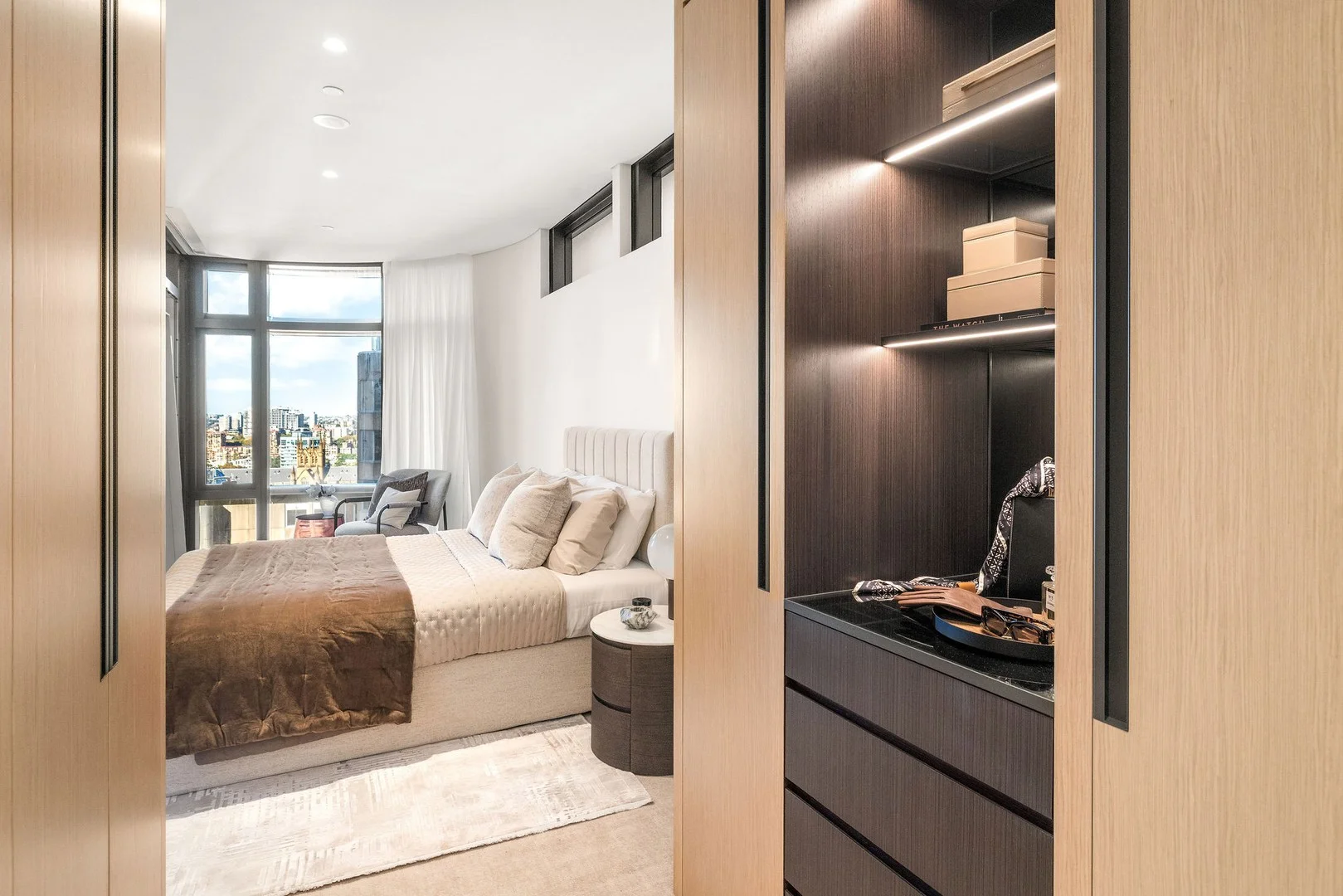 $2,745,000
propertyType.NEW APARTMENTS / OFF THE PLAN
$2,745,000
propertyType.NEW APARTMENTS / OFF THE PLAN
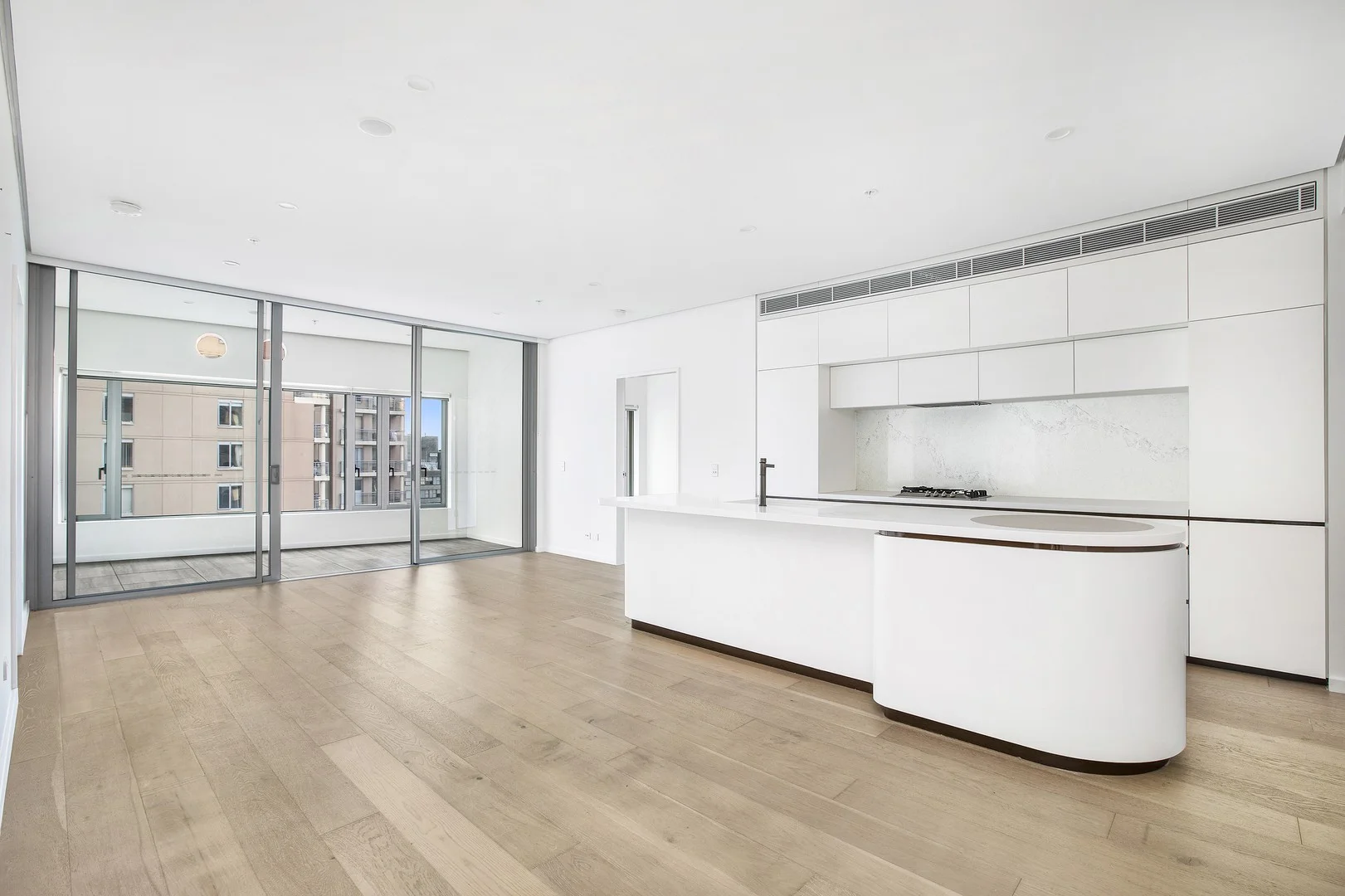 $2,250,000
Apartment / Unit / Flat
$2,250,000
Apartment / Unit / Flat
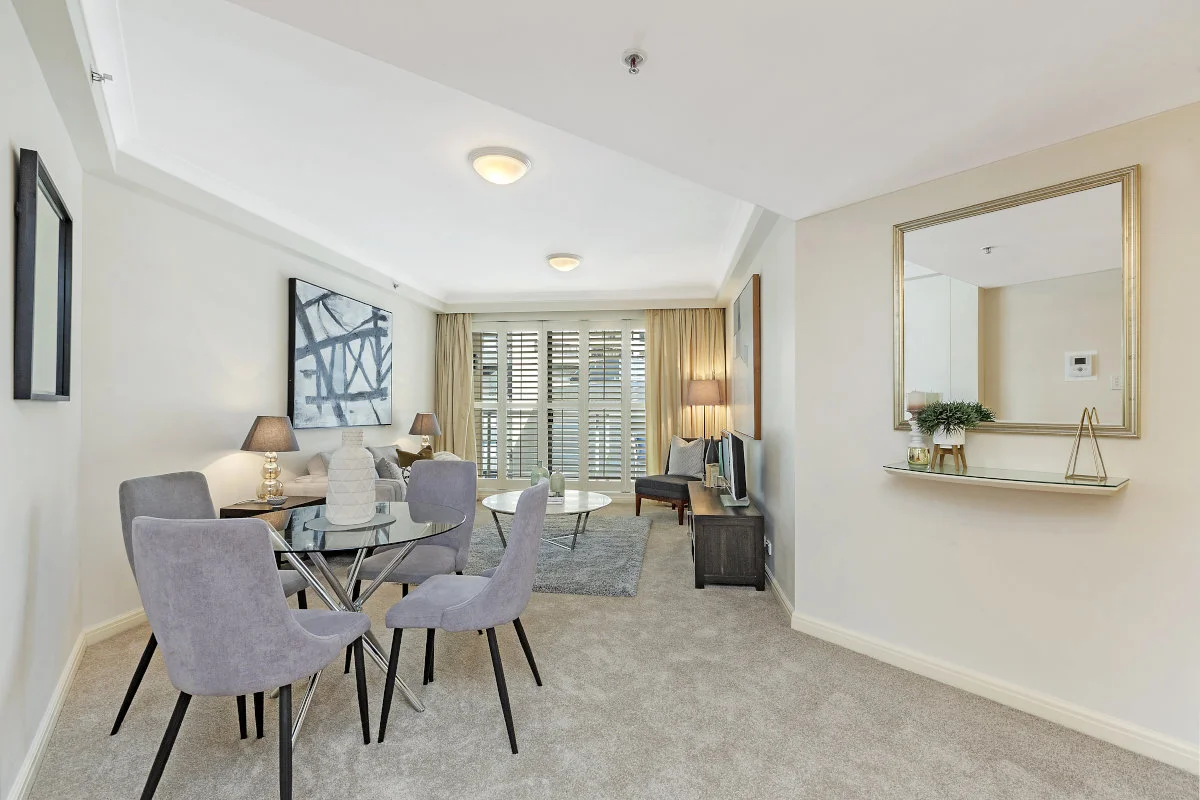 $660,000 - $725,000
Apartment / Unit / Flat
$660,000 - $725,000
Apartment / Unit / Flat
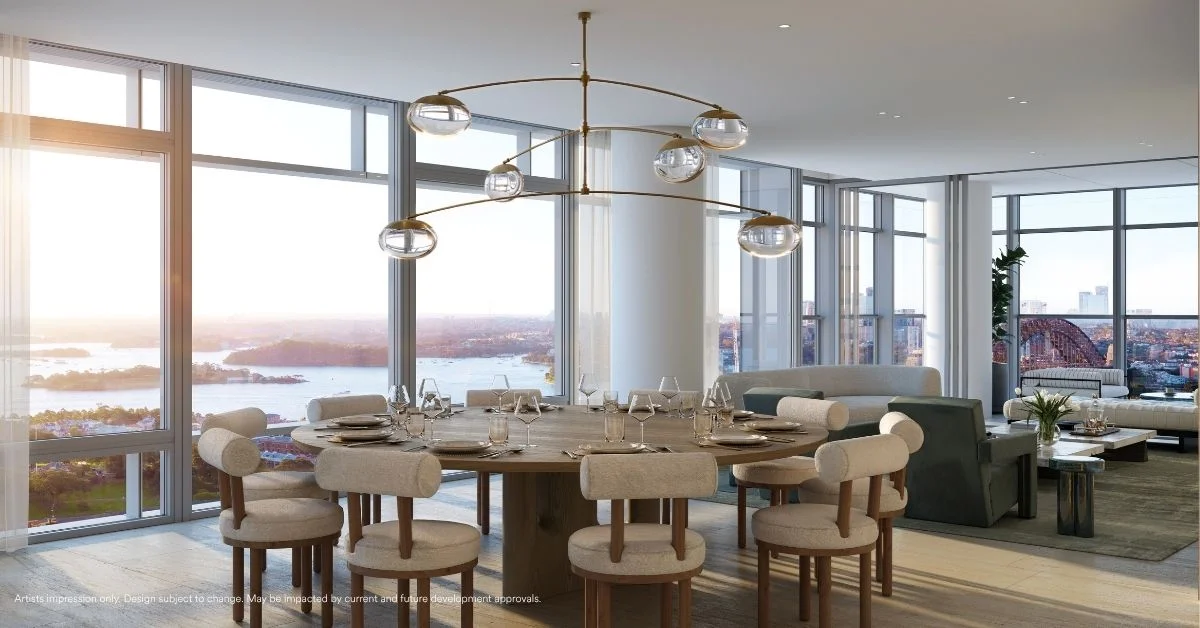 $26,550,000
propertyType.NEW APARTMENTS / OFF THE PLAN
$26,550,000
propertyType.NEW APARTMENTS / OFF THE PLAN
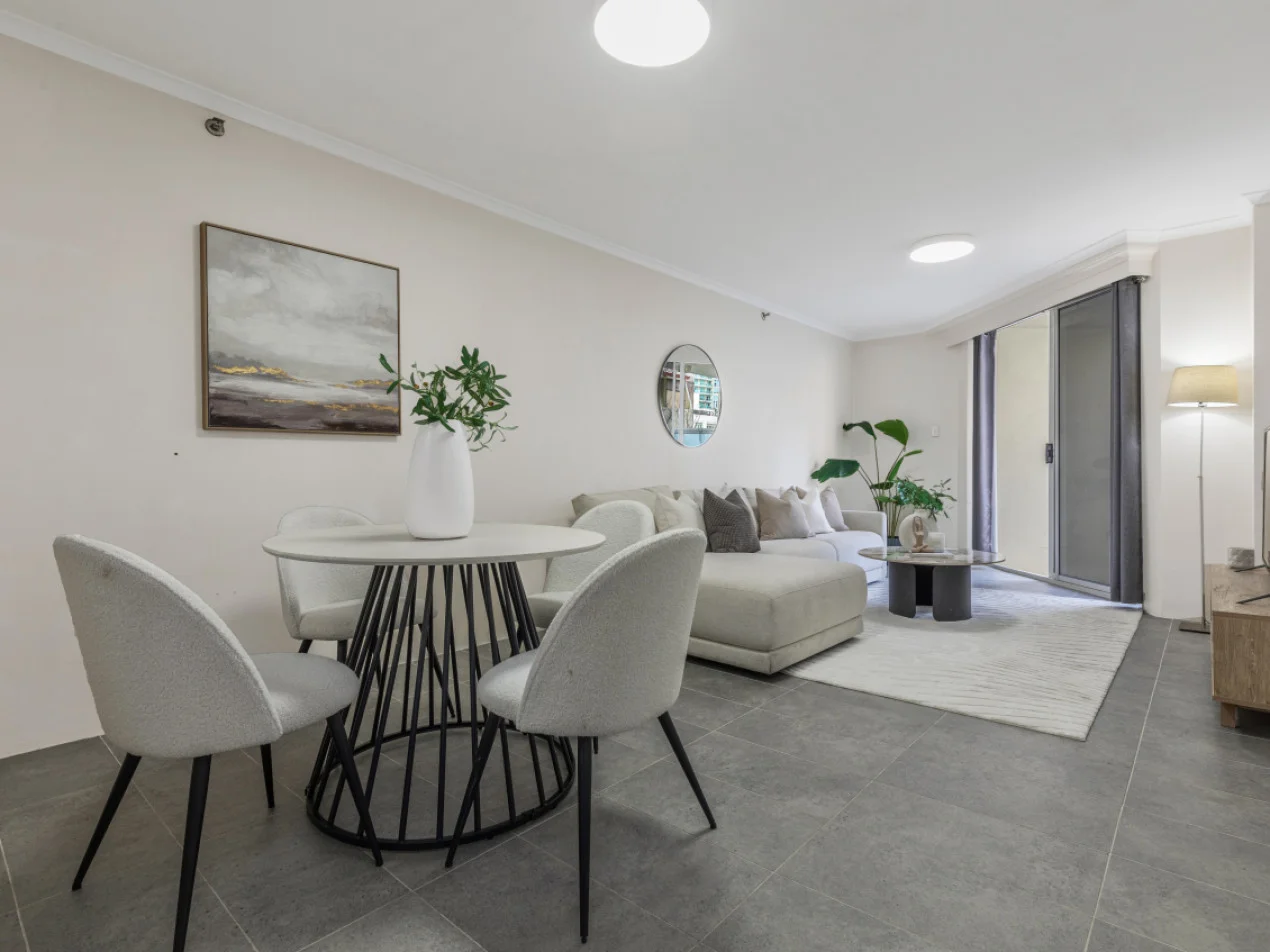 $640,000 - $675,000
Apartment / Unit / Flat
$640,000 - $675,000
Apartment / Unit / Flat
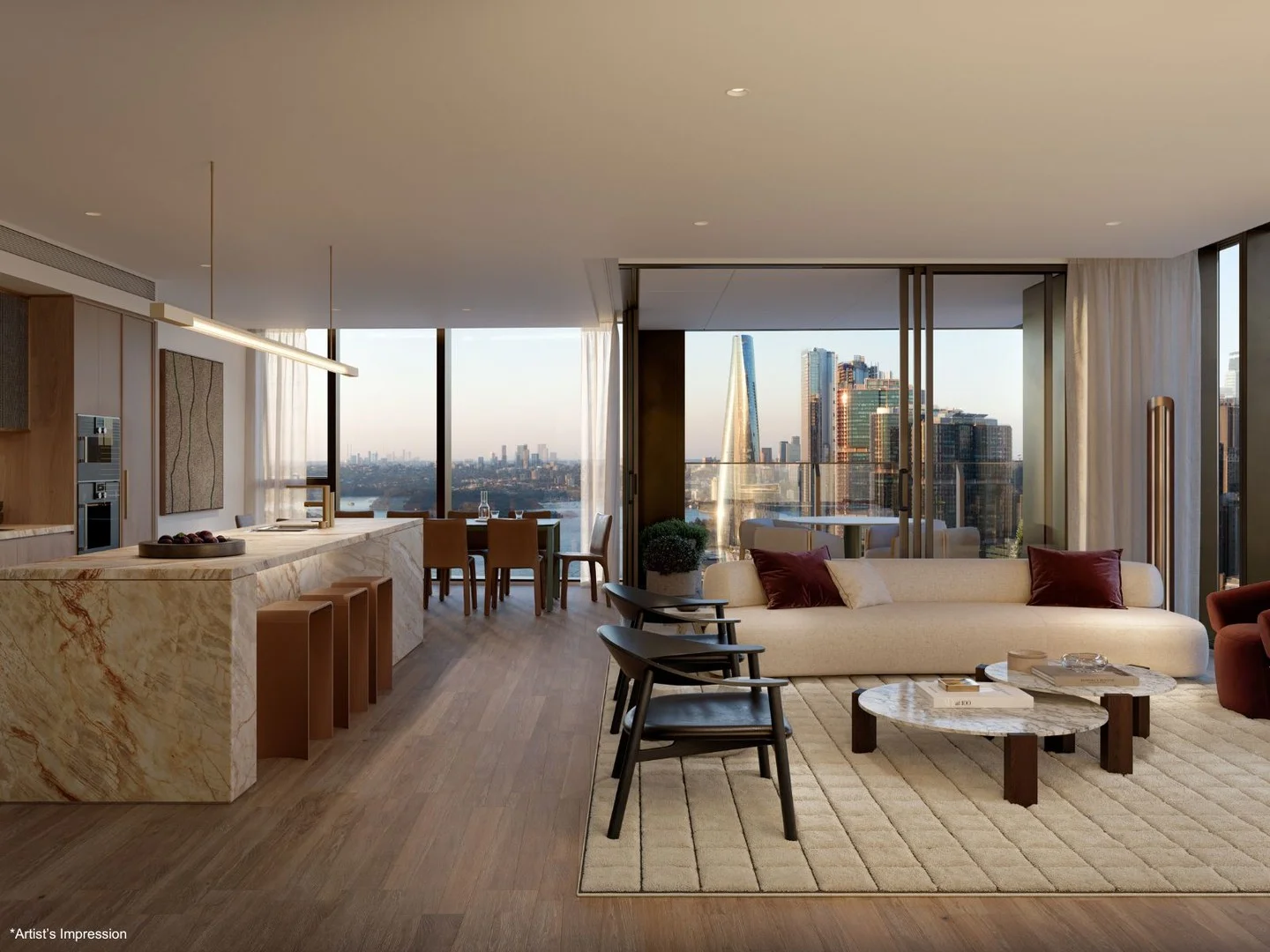 $12,980,000
propertyType.NEW APARTMENTS / OFF THE PLAN
$12,980,000
propertyType.NEW APARTMENTS / OFF THE PLAN
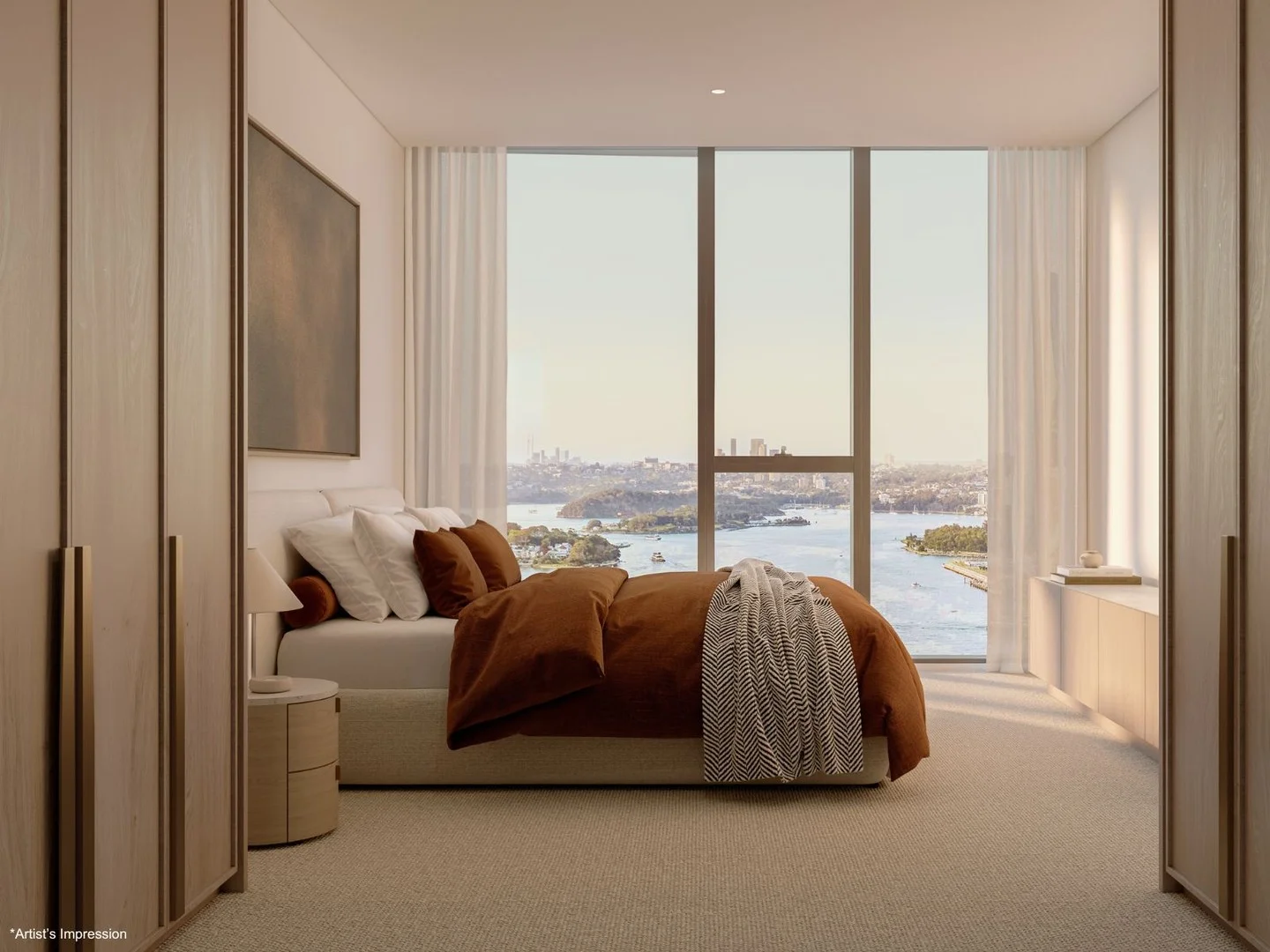 $8,630,000
propertyType.NEW APARTMENTS / OFF THE PLAN
$8,630,000
propertyType.NEW APARTMENTS / OFF THE PLAN
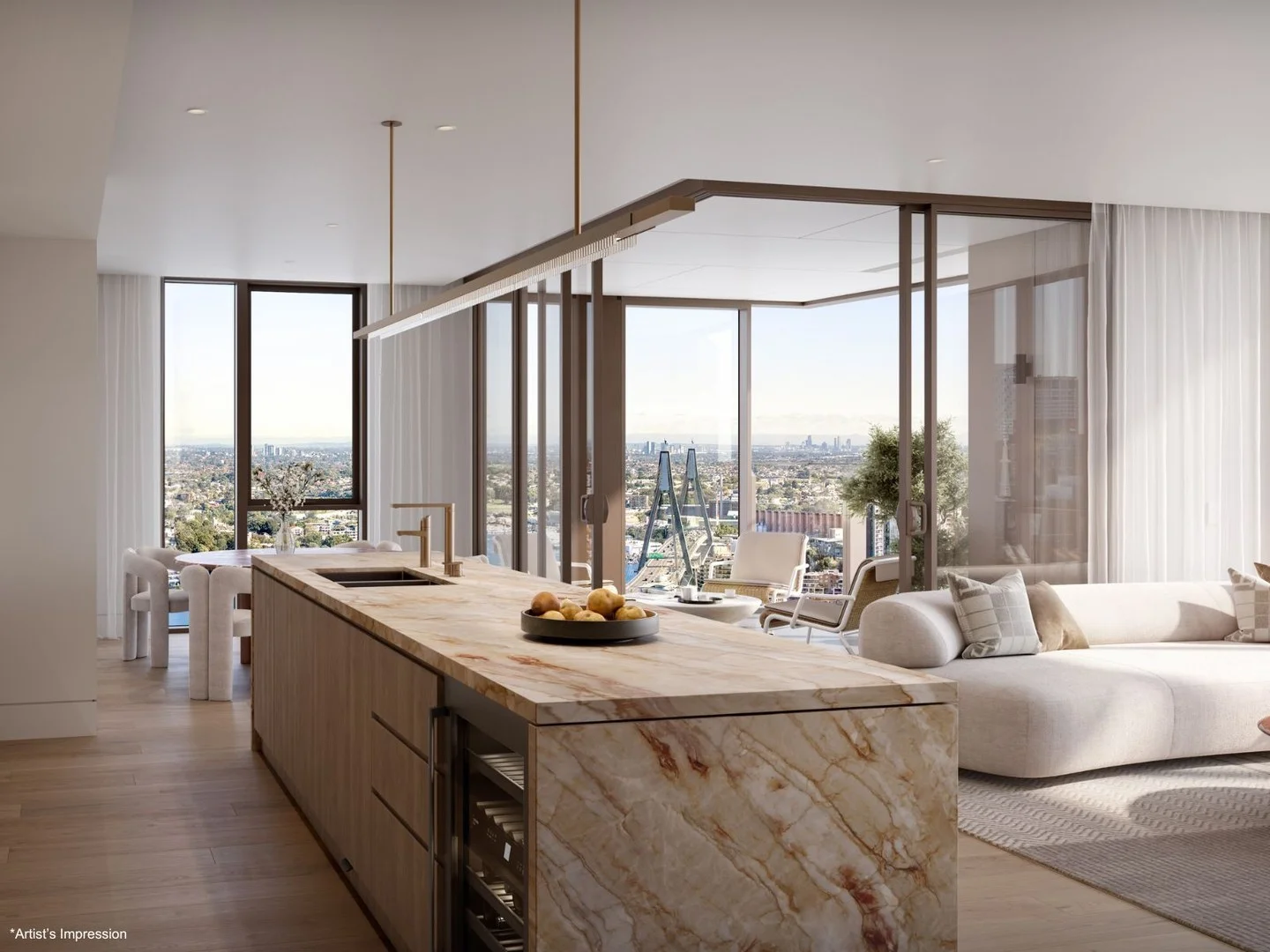 $9,020,000
propertyType.NEW APARTMENTS / OFF THE PLAN
$9,020,000
propertyType.NEW APARTMENTS / OFF THE PLAN
 $6,225,000
propertyType.NEW APARTMENTS / OFF THE PLAN
$6,225,000
propertyType.NEW APARTMENTS / OFF THE PLAN


