Overview
## 1. Overview
Divrei Emineh is a public secondary school in Brighton, VIC, offering Year 7–12 education within the Victorian public system. The school emphasizes a balanced, inclusive learning environment with a strong focus on academic achievement and student wellbeing. With a medium-sized student body, class sizes typically run in the low-to-mid 20s, supporting opportunities for individual attention while maintaining a vibrant and collaborative city-school atmosphere.
The atmosphere is nurturing and inclusive, with a culture that values academic effort, wellbeing, and community involvement. Students are encouraged to engage in a range of learning experiences, develop leadership skills, and contribute positively to the school and broader Brighton community.
---
## 2. Academics & Learning
- Academic strengths: STEM, English, languages, leadership development, and a broad senior secondary pathway (VCE/ATAR readiness).
- Special programs: Gifted and Talented/enrichment options, accelerated learning pathways, and language immersion opportunities; strong English and literacy support where needed.
- NAPLAN trends: Steady improvement and consistency in reading, writing, and numeracy over recent years, with a focus on close monitoring and targeted support where gaps appear.
- Student-teacher ratios: Approximately 1:14, with class sizes typically 22–28 students.
- Support for diverse learners: EAL support, SEN support, Learning Support Plans, and inclusive education practices to meet a range of learning needs.
---
## 3. Sports & Extracurricular Strengths
- Sports offered: Netball, basketball, football (soccer), cricket, tennis, athletics, and general fitness programs.
- Strong teams or achievements: Competitive inter-school teams with a presence in regional championships; emphasis on teamwork, fair play, and personal bests.
- Music, arts, drama programs: Concert band, choir, school plays and drama productions, and opportunities to perform in community events.
- Clubs: Robotics, chess, coding, debating, public speaking, and other student-led interest groups.
- Partnerships: Collaboration with local coding/capability academies and regional competitions; opportunities to engage with community sports programs and external arts organizations.
Most parents skim this section for quick sense of sports and clubs available to boys aged 10–14.
---
## 4. Wellbeing & Pastoral Care
- Anti-bullying approach: Clear anti-bullying policies, restorative practices, and student-led wellbeing initiatives; regular staff training and student education.
- House system: Four houses that promote belonging, friendly competition, and social connection across year levels.
- Counsellors / wellbeing officers: A dedicated wellbeing team, including school counsellors, accessible for confidential support and early intervention.
- Transition support for new students: Structured orientation, buddy systems, and dedicated transition programs to help new students settle in quickly.
---
## 5. Facilities
- Sports grounds: On-site or nearby well-maintained sports fields and courts.
- Libraries: Well-equipped library with study spaces and digital resources.
- Science labs: Modern science laboratories for practical experiments and inquiry-based learning.
- Music/performing arts centers: Dedicated spaces for music practice, rehearsals, and performances.
- Tech/innovation labs: Computer labs and maker spaces supporting coding, robotics, and project-based learning.
- Cafeteria: On-site canteen with healthy meal and snack options.
- Updated playgrounds: Safe, accessible outdoor spaces for recreation and informal learning.
---
## 6. School Values & Community Culture
- School values / mission: Core commitments to respect, integrity, excellence, and inclusion, with a focus on student wellbeing and community contribution.
- Leadership style: Student leadership opportunities complemented by teacher mentorship; emphasis on student voice and collaboration.
- Behaviour expectations: Positive behaviour framework with clear codes of conduct and restorative approaches to discipline.
- Community reputation: Known for a welcoming, inclusive environment and strong home–school partnerships.
- Diversity & inclusion: Proactive programs and practices to support diversity and ensure every student feels valued.
---
## 7. School Logistics & Daily Operations
- School hours: Typical core hours from 9:00 am to 3:30 pm, with supervised study or activities available before and after school.
- Before/after school care: OSHC or equivalent arrangements available to support families.
- Uniform requirements: School uniform policy (including formal and sports uniforms) with defined guidelines and shop information.
- Transport: Regular bus routes and accessible public transport options; proximity to local train stations and ample parking for families.
- Canteen availability: On-site canteen offering healthy meal options and snacks.
- Fees: Low to moderate overall, reflecting public-school standards; additional costs may include uniforms, voluntary contributions, and approved excursions or activities.
---
## 8. Enrolment & Admissions
### 11. What is the enrolment process and timeline?
Enrolment typically operates through the public system with an annual intake for Year 7. In-area and out-of-area priorities may apply depending on catchment rules. Applications are usually submitted online via the school’s admissions portal, with required documents such as birth certificate, immunisation status, and proof of address. Offers and placement decisions follow a defined timeline set by the school in conjunction with the Department of Education, with notification windows and orientation安排 in the lead-up to the new school year.
### 12. Is there a waiting list, and how does it work?
Waiting lists can occur for in-demand year levels or programs. If a waiting list is required, it is typically managed by the school with a priority order based on enrolment policies (e.g., area priority) and vacancy availability. Prospective families are usually advised of their status and next steps within a defined timeframe.
### 13. Are there any entry requirements, tests, or interviews?
Generally, there are no entrance tests for standard enrolment. Some programs or selective pathways may involve information sessions or optional interviews to understand student fit. In certain circumstances, additional assessments may be used to tailor support or pathways.
### 14. Does the school accept mid-year transfers?
Mid-year transfers are considered subject to vacancy and capacity. Families seeking a mid-year transfer should contact the admissions office, provide current transcripts, and complete the standard enrolment process to determine eligibility and placement options.
---
## 9. Frequently Asked Questions
- Why Parents Choose This School?
- A supportive, inclusive learning community with strong academics, wellbeing support, and active family engagement.
- What type of student thrives at this school?
- Students who are motivated, collaborative, and eager to participate in a range of academic and co-curricular opportunities, including sports, arts, and leadership roles.
- What opportunities are available for students to extend their skills (academics, sports, arts)?
- Enrichment and accelerated pathways, gifted and talented options, diverse clubs and teams, music and drama programs, and regional-level sports and arts opportunities.
- How does the school communicate with parents?
- Regular newsletters, parent-teacher meetings, online portals for progress updates, and timely communications about events and changes.
- What is the school’s approach to teaching and learning?
- Student-centred instruction with emphasis on critical thinking, collaboration, literacy and numeracy development, and real-world applications.
- How does the school support students who need extra academic help?
- Targeted tutoring, Learning Support Plans, EAL and SEN support, small-group interventions, and access to wellbeing staff for holistic support.
- What support is available for academic challenges?
- Early identification, tailored intervention plans, access to study supports, and guidance in subject selections and career pathways.
- How does the school communicate with parents? (Repeated)
- See above: regular updates through multiple channels including portal, emails, and calls.
- What are the class sizes and how much individual attention do students receive?
- Class sizes typically 22–28 students, with teacher-student contact designed to enable some individual attention and teacher feedback within standard class time.
- What extracurricular and sports opportunities are available?
- A broad mix of sports, music, drama, robotics, chess, coding, debating, and other clubs, plus pathways to inter-school competitions and community partnerships.
- What facilities does the school offer (sports, science, arts)?
- Modern science labs, music/performing arts spaces, libraries, tech/innovation labs, sports facilities, and a well-equipped canteen.
- What is the school’s approach to technology and digital learning?
- Integration of digital tools to support learning, with emphasis on digital literacy, safe online practices, and responsible technology use.
- What transport and accessibility options are available?
- Public transport access via local bus routes and nearby train stations, with parking and accessibility considerations to support all families.
- What are the typical school fees or additional costs?
- Public-school fees are generally modest; additional costs may include uniforms, approved excursions, and optional programs or activities.
---
## 10. Short Pros & Cons list
- Pros
- Inclusive, supportive culture with strong wellbeing and student voice
- Solid academic program with opportunities in STEM, languages, and humanities
- Broad extracurricular footprint (sports, arts, clubs)
- Modern facilities that support hands-on learning
- Accessible transport options and family-friendly routines
- Cons
- Class sizes, while typical for the sector, may still feel large for some students
- Some programs or excursions may involve additional costs
- Demand for popular year levels can lead to waitlists for specific pathways or cohorts
- Travel times for families living outside the immediate catchment may be longer
- Mid-year transfers depend on vacancy and may limit immediate placement











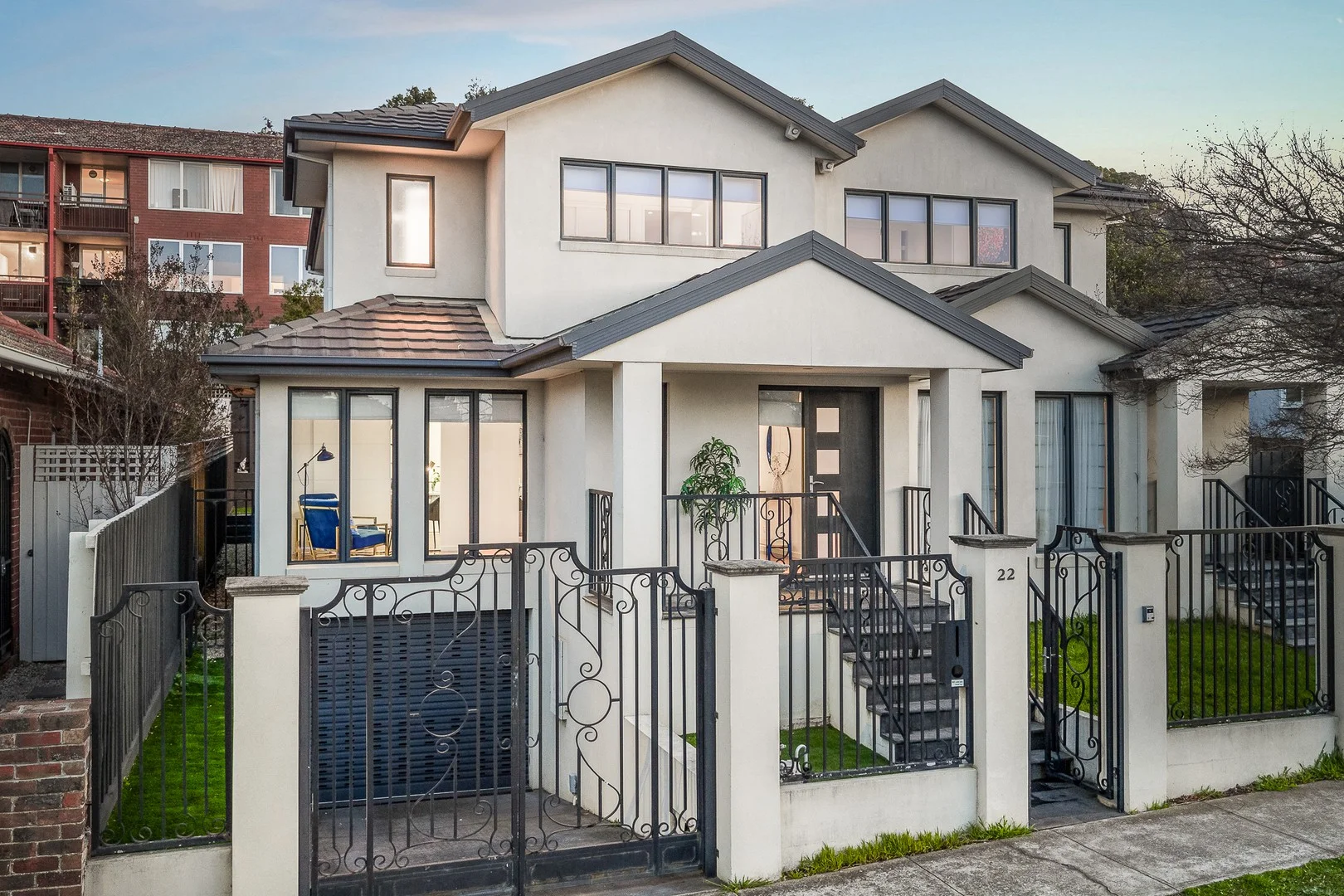 $2,390,000
Townhouse
$2,390,000
Townhouse
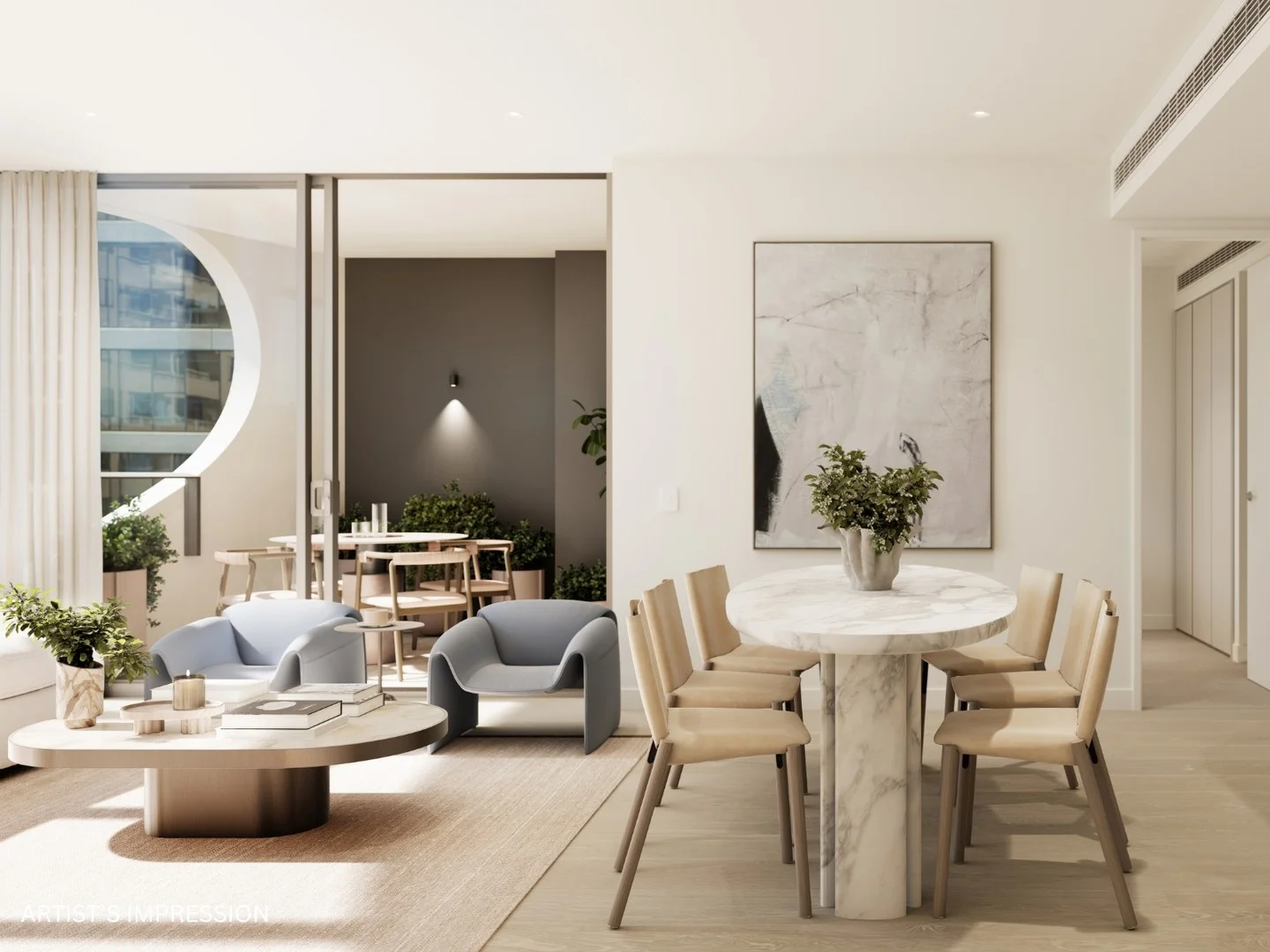 $1,640,000
Apartment / Unit / Flat
$1,640,000
Apartment / Unit / Flat
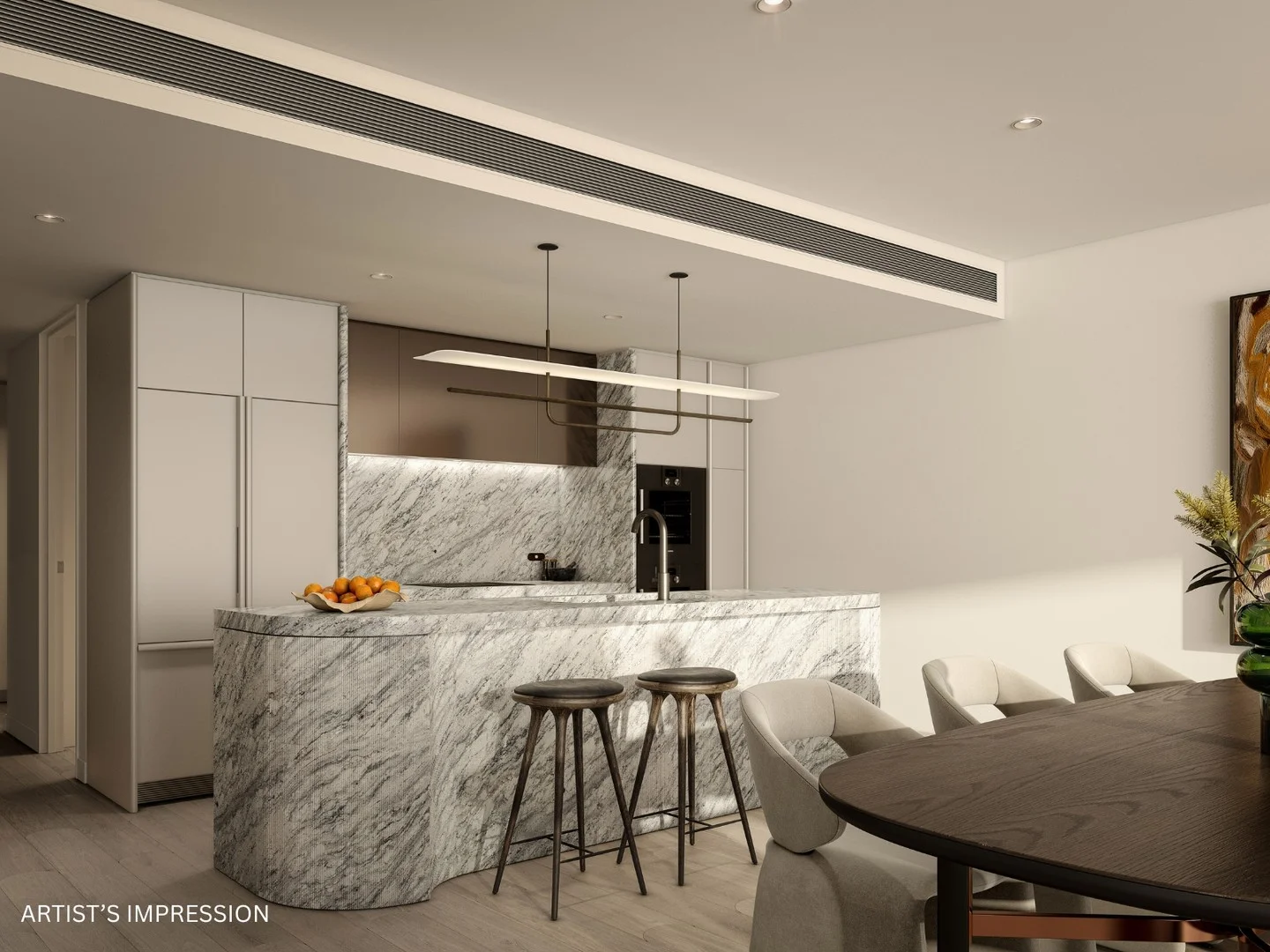 $2,900,000
Apartment / Unit / Flat
$2,900,000
Apartment / Unit / Flat
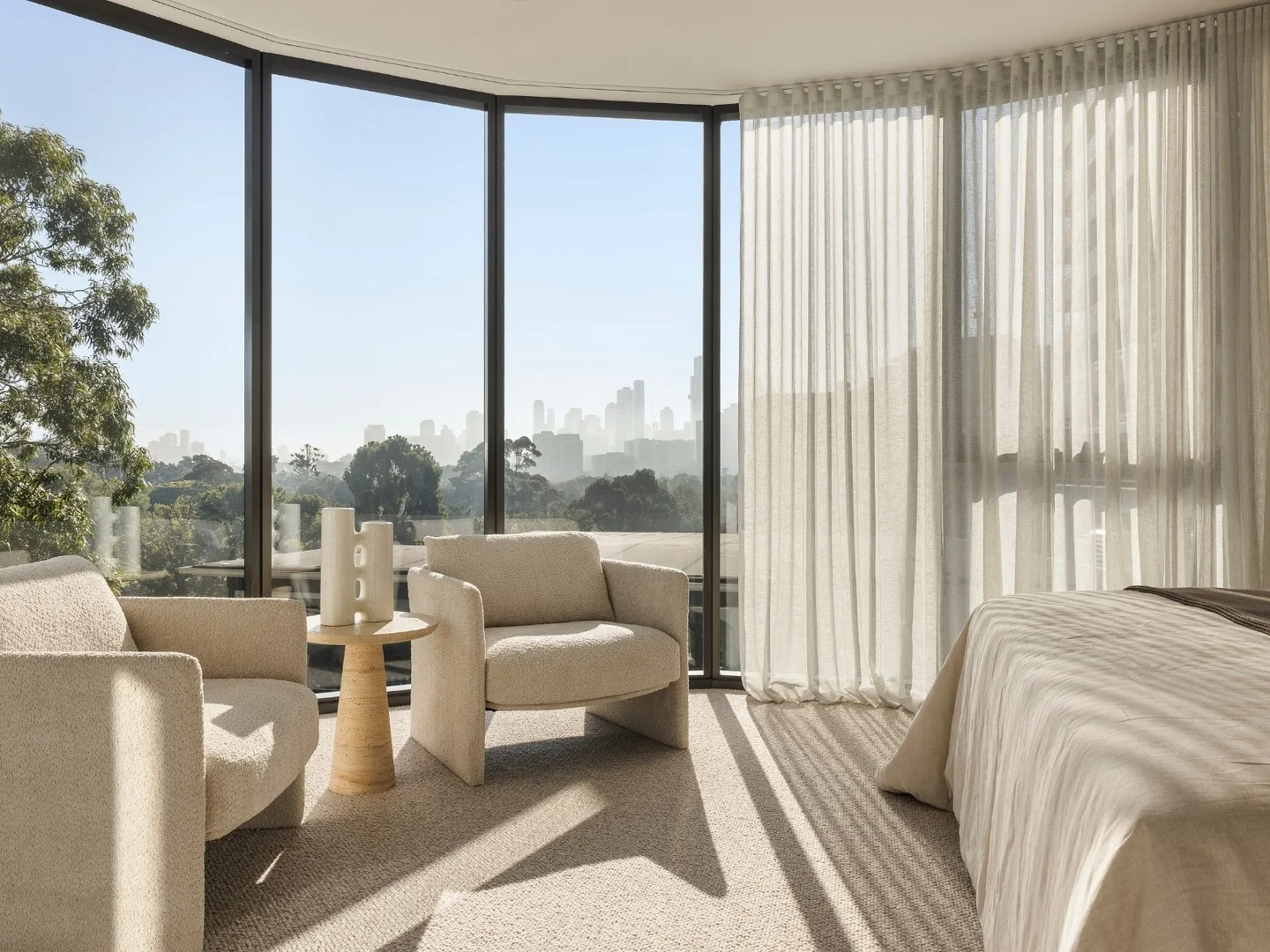 $2,750,000
Apartment / Unit / Flat
$2,750,000
Apartment / Unit / Flat
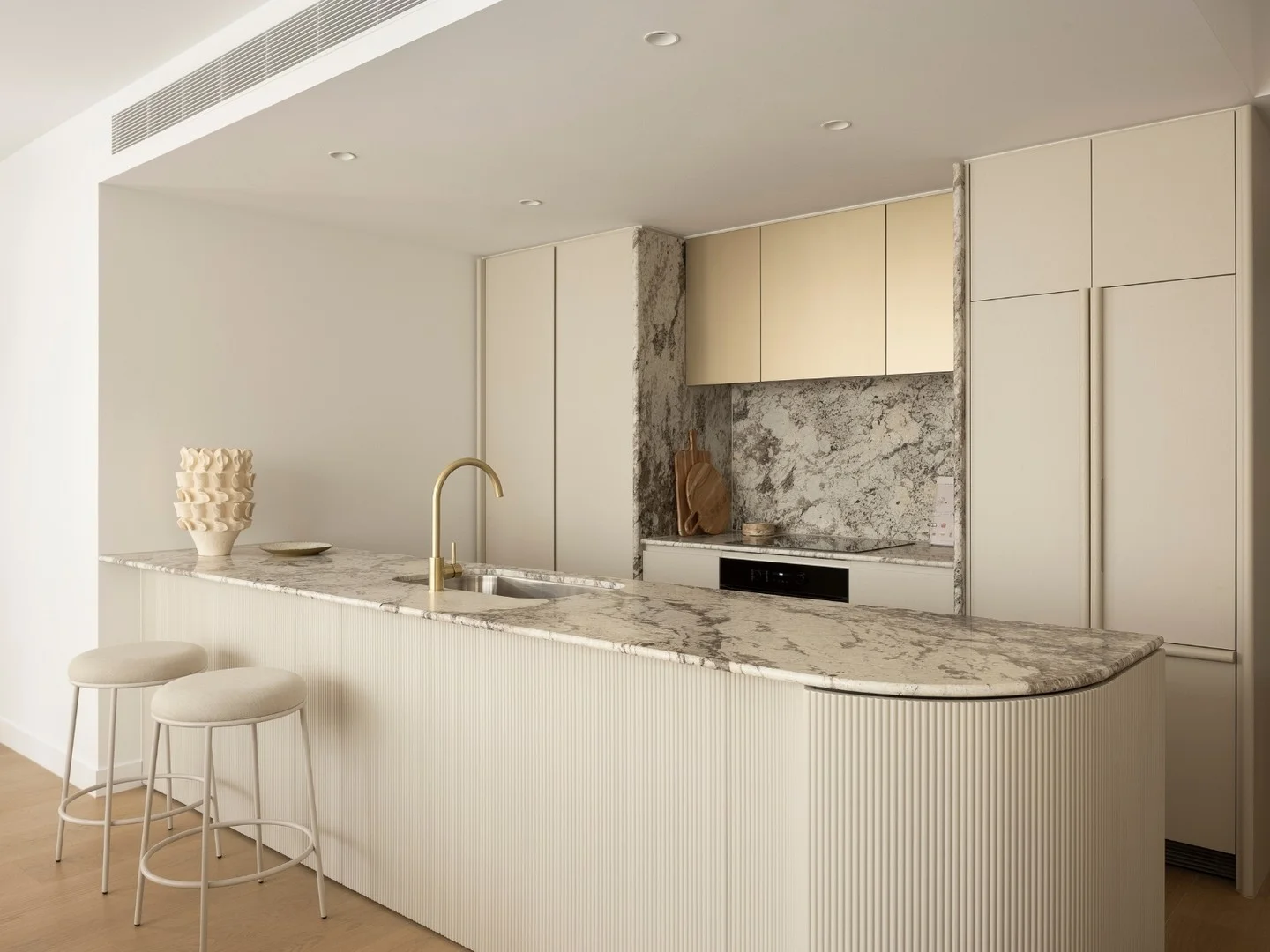 $1,345,000
Apartment / Unit / Flat
$1,345,000
Apartment / Unit / Flat
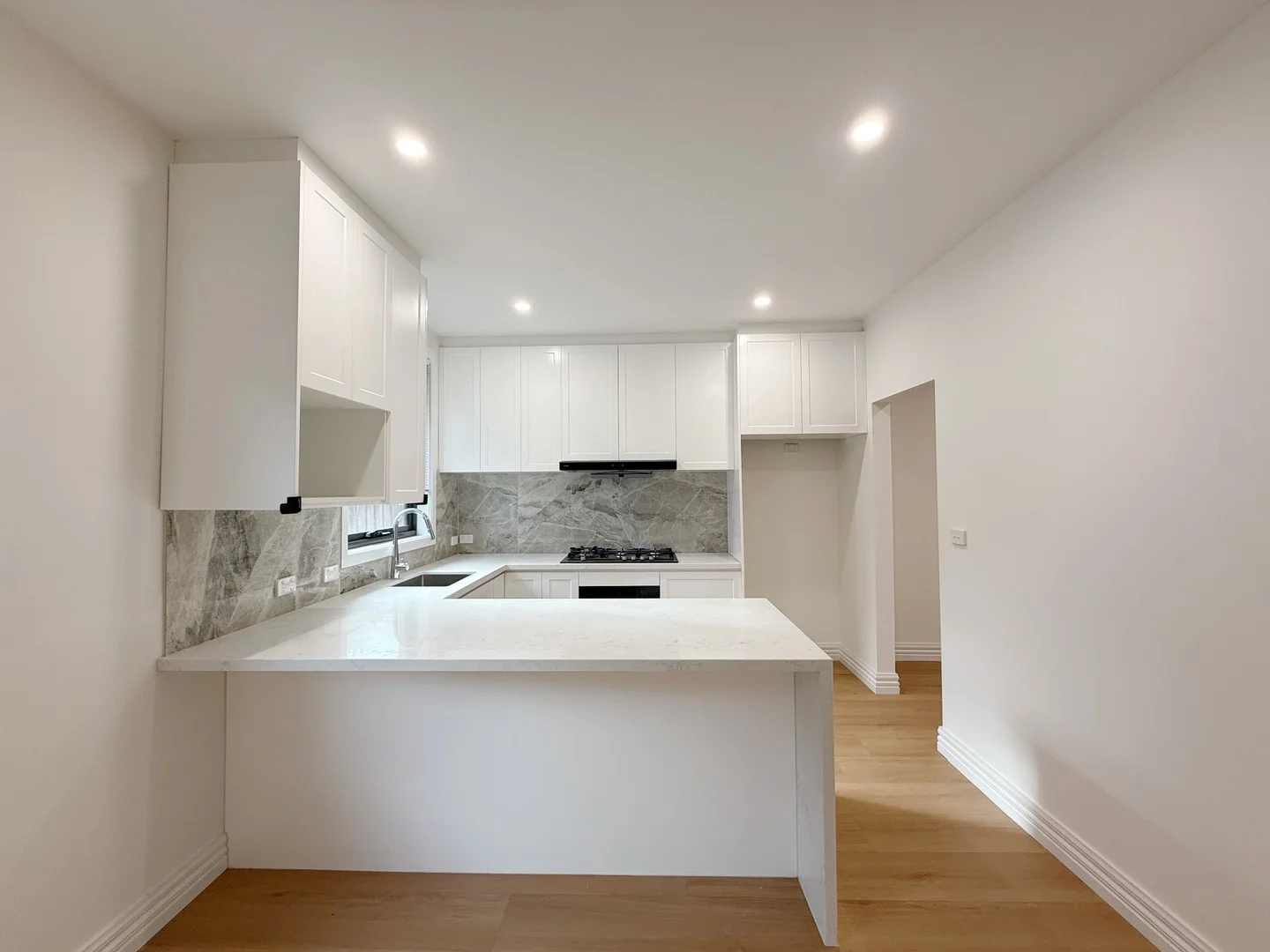 $1,280
House
$1,280
House
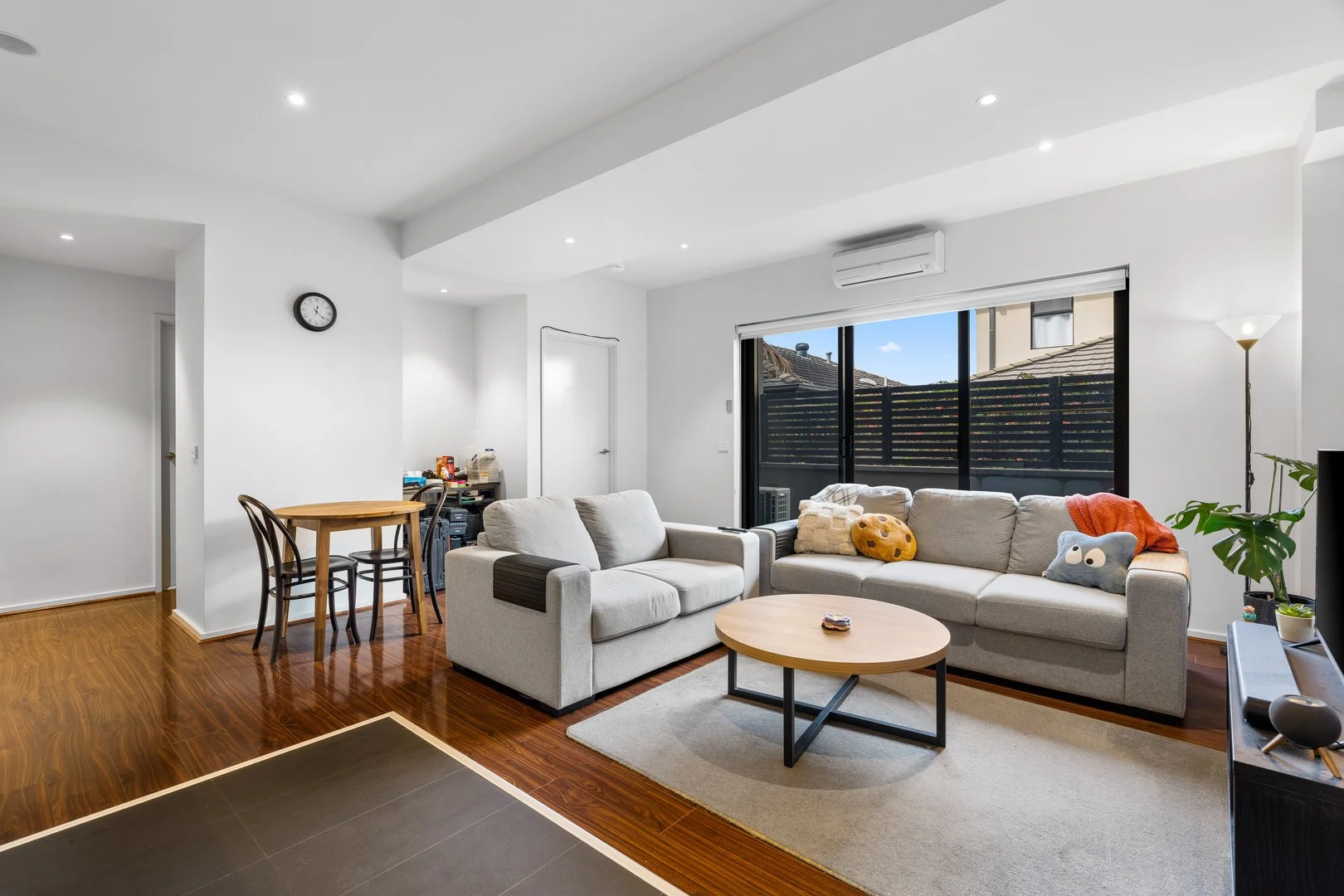 $385,000 - $410,000
Apartment / Unit / Flat
$385,000 - $410,000
Apartment / Unit / Flat
 $820,000
propertyType.NEW APARTMENTS / OFF THE PLAN
$820,000
propertyType.NEW APARTMENTS / OFF THE PLAN
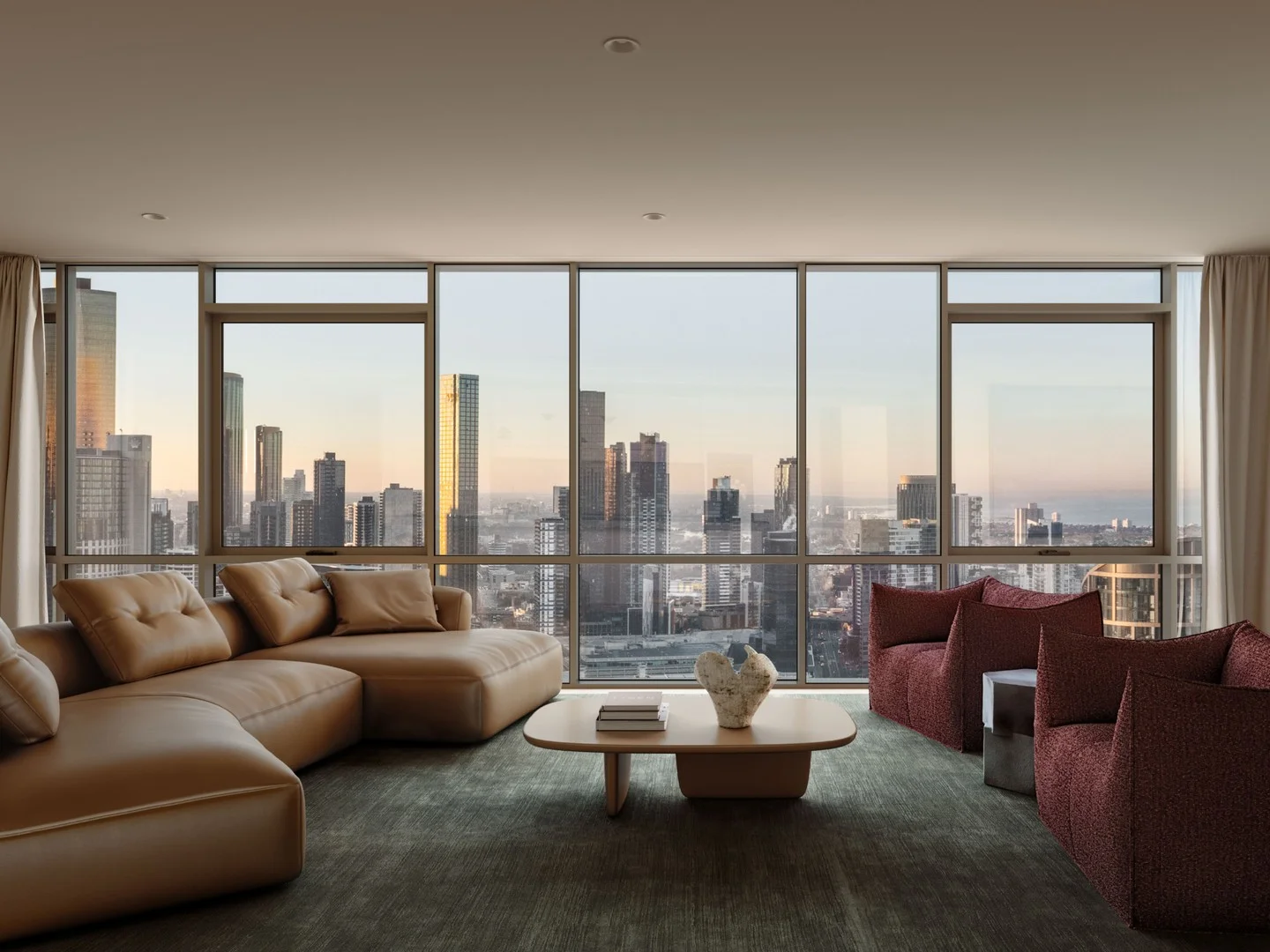 $3,700,000
propertyType.NEW APARTMENTS / OFF THE PLAN
$3,700,000
propertyType.NEW APARTMENTS / OFF THE PLAN