Overview
## 1. Overview
Doreen Primary School is a public, co-educational primary school serving students from Prep to Year 6 in Victoria. The school emphasises a nurturing, inclusive, community-focused culture that supports student wellbeing and achievement. Class sizes are kept in a comfortable range to allow meaningful teacher-student interaction, with a learning environment that values collaboration, respect, and curiosity.
School type: Public
School size: Medium
Class size: Typically around 20–25 students per class
Atmosphere/culture: Inclusive, nurturing, community-oriented
---
## 2. Academics & Learning
- Academic strengths: Focus on literacy and numeracy with opportunities to explore STEM concepts and digital literacy; emphasis on developing strong foundational skills and student voice in learning.
- Special programs: Extension/ gifted and talented opportunities where available; targeted intervention and support programs to assist diverse learners.
- NAPLAN / trends: NAPLAN participation occurs as part of state testing; trends generally reflect year-to-year variation and tend to align with state averages, with ongoing efforts to improve literacy and numeracy outcomes.
- Student-teacher ratios: Class sizes and teacher-to-student ratios align with state guidelines, enabling some small-group and differentiated instruction within the day.
- Support for diverse learners: Inclusive supports such as EAL (where applicable), SEN, Learning Support programs, and a dedicated team to assist students needing extra help.
---
## 3. Sports & Extracurricular Strengths
- Sports offered: A range of PE and school sport activities, including team and individual sports common to primary settings (e.g., basketball, soccer, athletics, netball, cricket, and general fitness programs).
- Strong teams or achievements: Participation in local interschool events and district competitions; emphasis on teamwork, sportsmanship, and personal bests.
- Music, arts, drama programs: Active music and performing arts opportunities, school concerts, and visual arts initiatives.
- Clubs: Robotics, coding, chess, debating, and other after-school clubs to build skills beyond the classroom.
- Partnerships: Connections with local community groups and nearby clubs for competitions and enrichment activities.
---
## 4. Wellbeing & Pastoral Care
- Anti-bullying approach: Clear anti-bullying policies and restorative approaches to behaviour; emphasis on a safe, respectful school climate.
- House system: House groups support belonging, teamwork, and wellbeing across year levels.
- Counsellors / wellbeing officers: Access to wellbeing staff to support student mental health, resilience, and social-emotional learning.
- Transition support for new students: Orientation activities, buddy systems, and transition programs to help new students settle in smoothly.
---
## 5. Facilities
- Sports grounds: On-site sports facilities and outdoor play spaces.
- Libraries: School library for reading, research, and quiet study.
- Science labs: Dedicated spaces for science activities and practical learning.
- Music/performing arts centers: Rooms or spaces for music practice, rehearsal, and performances.
- Tech/innovation labs: Areas for technology and digital learning activities.
- Cafeteria: On-site canteen or lunch facilities and arrangements for lunch orders.
- Updated playgrounds: Modern, safe play areas and equipment.
---
## 6. School Values & Community Culture
- School values / mission: Focus on respect, responsibility, inclusion, and collaboration; emphasis on developing positive character and a love of learning.
- Leadership style: Collaborative and student-inclusive, with opportunities for student voice and leadership within class and school initiatives.
- Behaviour expectations: Clear expectations rooted in respect and responsibility; restorative practices to resolve conflicts.
- Community reputation: Generally positive and supportive, with active involvement from families and the local community.
- Diversity & inclusion: Commitment to inclusive education and celebrating diversity within the school community.
---
## 7. School Logistics & Daily Operations
- School hours: Typically a daytime schedule (e.g., 9:00 am–3:30 pm) with some flexibility for term variations.
- Before/after school care: Availability of before- and after-school care through school programs or external providers.
- Uniform requirements: School uniform policy in place, with appropriate daily dress guidelines.
- Transport (train/bus routes): Access to local transport options; details depend on student location and route planning.
- Canteen availability: Canteen or lunch-order arrangements available on certain days.
- Fees (low/medium/high ranges): Public schools generally have minimal compulsory fees; costs mainly relate to essential learning materials and optional items or activities.
---
## 8. Enrolment & Admissions
11. What is the enrolment process and timeline?
- Enrolment is typically handled through the school in line with Department of Education procedures. Check eligibility (including catchment considerations), complete the school's enrolment form, provide required documentation (e.g., proof of address and birth certificate), and participate in any information sessions or interviews if offered. Timeline details are provided by the school and may align with annual intake cycles for the following school year.
12. Is there a waiting list, and how does it work?
- Many schools maintain a waiting list when demand exceeds available places. Applications are placed in a queue in order of submission date or according to published priority rules. The school will communicate expected timelines and next steps if you are on the list.
13. Are there any entry requirements, tests, or interviews?
- Primary school entry generally does not involve entrance exams. Some schools may conduct informal meetings or classroom visits to understand student needs and fit, but formal testing is uncommon at the primary level. Any required assessments or discussions would be communicated by the school.
14. Does the school accept mid-year transfers?
- Mid-year transfers are sometimes possible, subject to space and place availability. Families should contact the school promptly to discuss feasibility and required documentation.
---
## 9. Frequently Asked Questions
- Why Parents Choose This School?
Families often choose for a welcoming community, strong emphasis on wellbeing and inclusive education, solid core academics, and opportunities across sport, arts, and clubs.
- What type of student thrives at this school?
Students who are engaged, curious, collaborative, and respectful; those who value belonging and participation in a range of activities beyond academics.
- What opportunities are available for students to extend their skills (academics, sports, arts)?
Access to literacy and numeracy supports, STEM and digital learning; extension opportunities where available; clubs in robotics, coding, chess, debating; music and drama programs; sport and interschool events.
- How does the school communicate with parents?
Through newsletters, emails, SMS, an online portal (where possible), parent-teacher meetings, and scheduled information sessions.
- What is the school’s approach to teaching and learning?
Student-centered, differentiated instruction, ongoing assessment and feedback, and a focus on building foundational skills alongside inquiry and collaboration.
- How does the school support students who need extra academic help?
Learning Support programs, targeted interventions, EAL/SEN support where applicable, and coordination with families to tailor supports.
- What support is available for academic challenges?
Access to learning support staff, small-group or individual interventions, and referral pathways to external specialists if needed.
- How does the school communicate with parents? (Repeated)
See above; expect regular updates and opportunities to engage with teachers and leadership.
- What are the class sizes and how much individual attention do students receive?
Class sizes are designed to enable meaningful instruction; teachers provide differentiated teaching and opportunities for small-group work to address individual needs.
- What extracurricular and sports opportunities are available?
A range of sports, music and arts programs, and clubs such as robotics, coding, chess, and debating; participation varies by year and term.
- What facilities does the school offer (sports, science, arts)?
Sports grounds, library, science labs, music/performing arts spaces, tech/innovation labs, canteen, and updated playgrounds.
- What is the school’s approach to technology and digital learning?
Integration of digital literacy across the curriculum, with age-appropriate technology use and emphasis on responsible digital citizenship.
- What transport and accessibility options are available?
Local transport options and accessibility considerations; information about routes and accessibility can be provided by the school.
- What are typical school fees or additional costs?
Public primary schools have low compulsory fees; there may be costs for learning materials, trips, or optional activities, with details provided by the school.
---
## 10. Short Pros & Cons list
- Pros
- Strong sense of community and inclusive culture
- Focus on wellbeing and student support
- Solid core academics with opportunities in STEM and digital literacy
- Broad range of after-school clubs and extracurriculars
- Positive engagement with families and local community
- Cons
- As a medium-sized public school, program variety may be more limited than larger schools
- Enrolment may be influenced by catchment areas and space availability
- Specific specialist facilities or programs can vary by year and funding
If you’d like, I can tailor this content further with more precise details from the school’s official enrolment pages or recent communications.











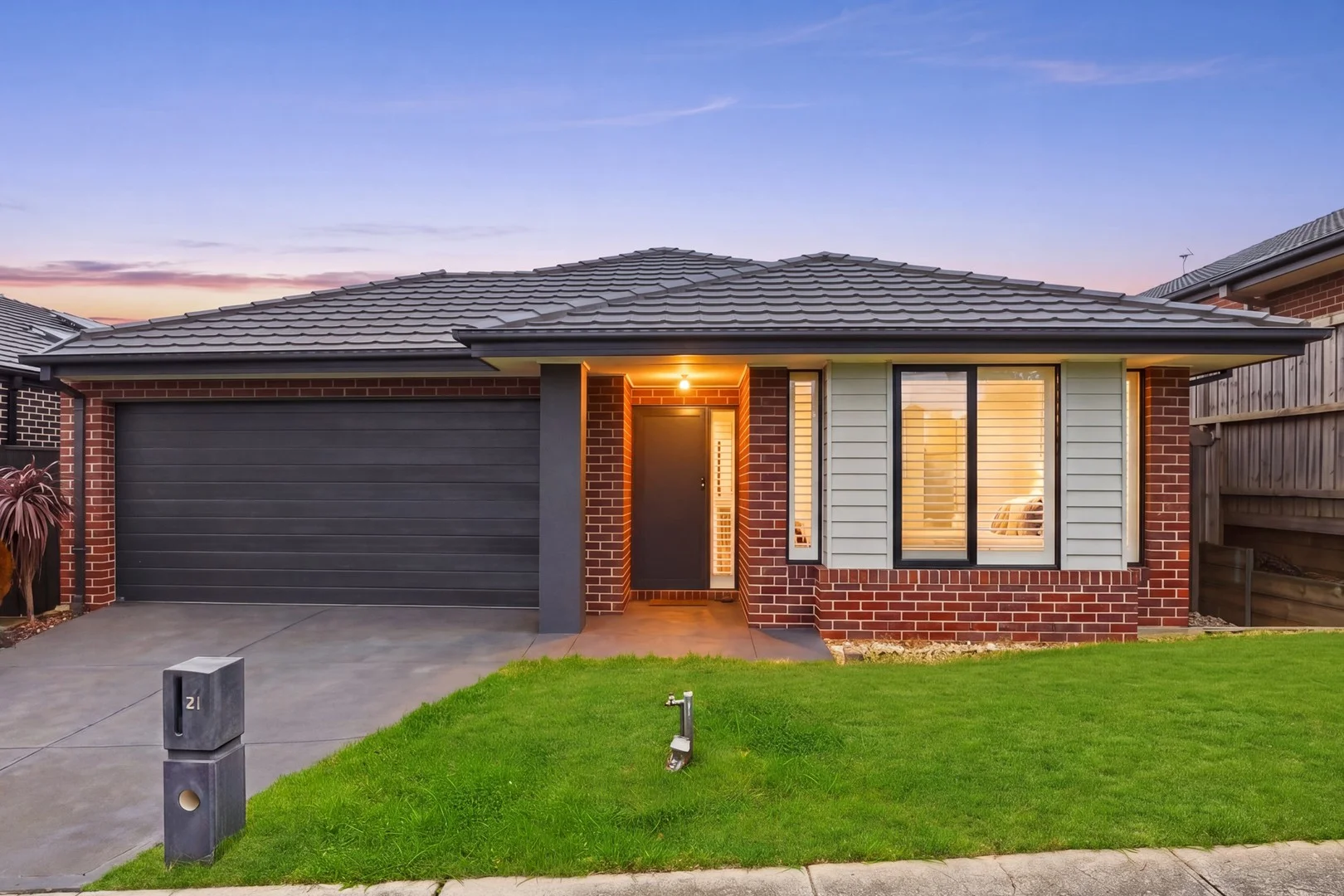 $800,000 - $850,000
House
$800,000 - $850,000
House
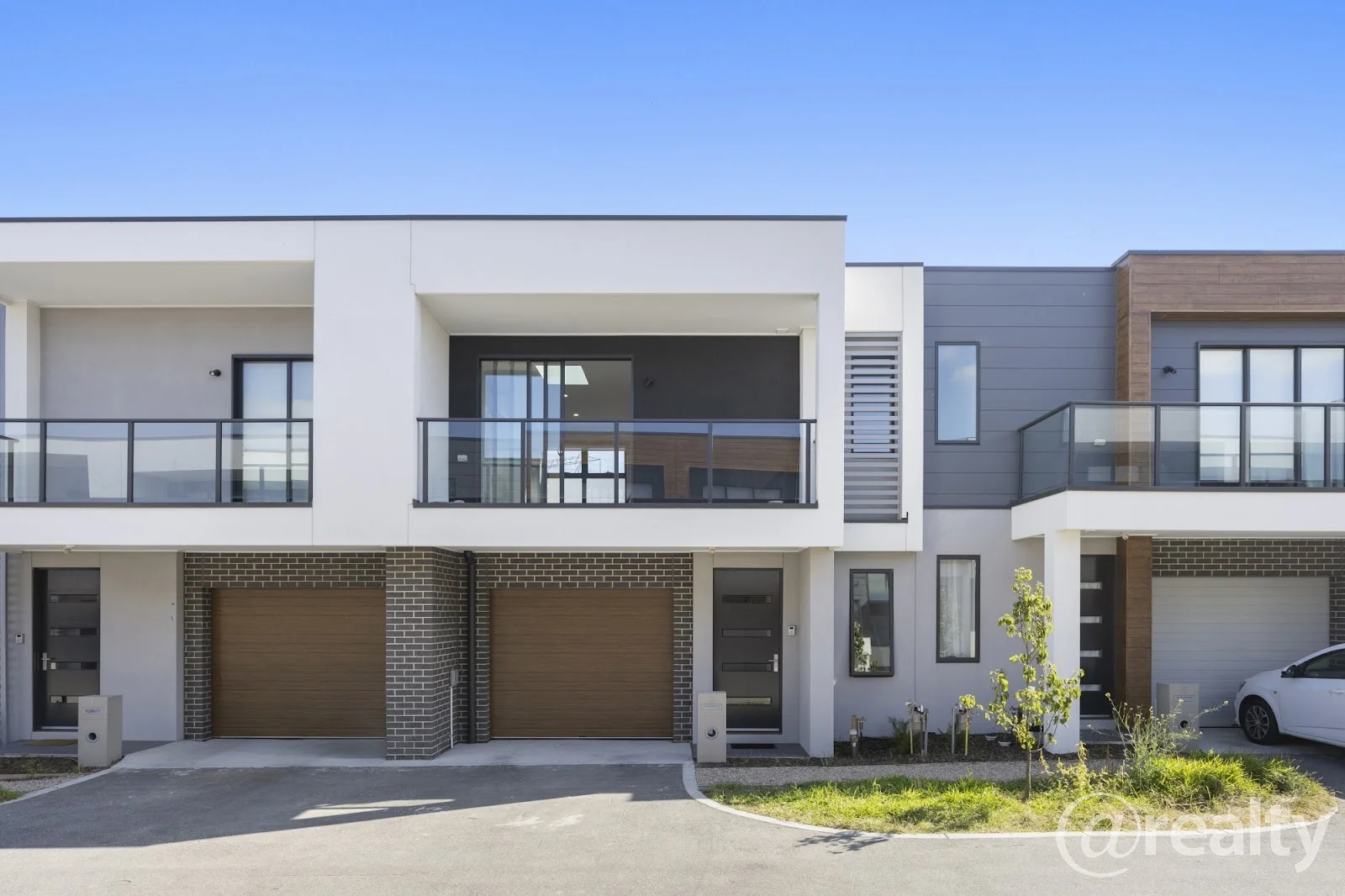 $510
Townhouse
$510
Townhouse
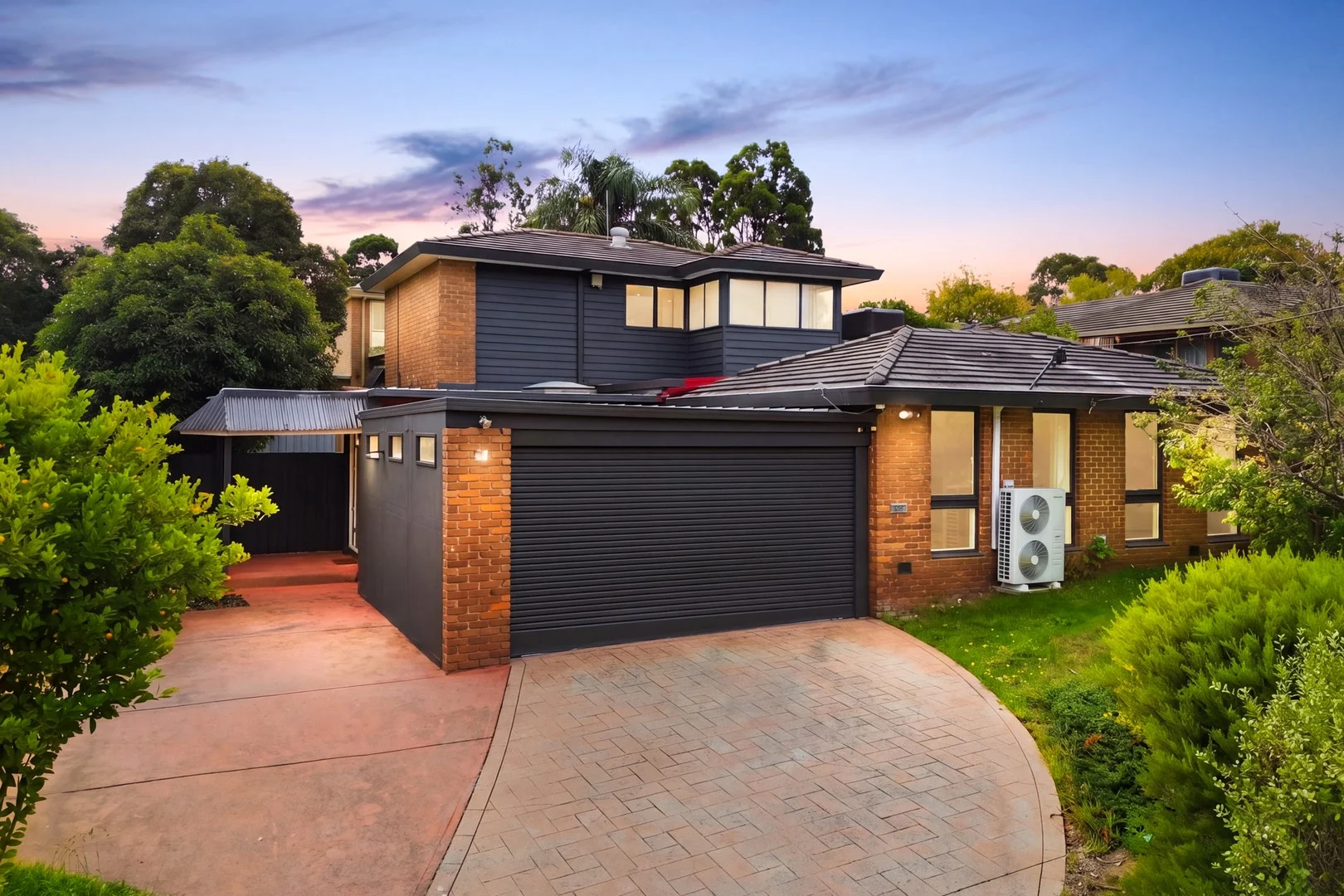 $1,220,000 - $1,320,000
House
$1,220,000 - $1,320,000
House