Overview
## Overview
St Paul the Apostle Catholic Primary School is a Catholic co-educational primary school serving families in Doreen, Victoria. The school integrates faith-based learning with contemporary classroom practice to support the holistic development of each student. It is a small to medium-sized community, with class sizes typically in the low-to-mid twenties, which helps teachers know students well and tailor support accordingly.
The atmosphere is nurturing and inclusive, emphasising respect, faith, service and personal growth. The school aims to foster strong partnerships with families and the local parish to support students’ academic progress, spiritual development, and wellbeing.
⟲ School type: Catholic
⟲ School size: Small to medium
⟲ Class size: Approximately 22–26 students per class
⟲ Atmosphere/culture: Nurturing, inclusive, faith-based, community-focused
---
## Academics & Learning
- Academic strengths: Literacy and numeracy are foundational priorities, with a focus on effective reading, writing and mathematical thinking. The school also emphasises faith formation integrated with curriculum, plus opportunities in science, technology and inquiry-based learning.
- Special programs: Catholic faith education and liturgy; student leadership opportunities; additional extension options where available (Gifted & Talented pathways may be offered as part of individual planning).
- NAPLAN / trends: Trends typically show stability over recent years, with outcomes generally aligning with or above local/state averages; detailed trend data is available in annual reports.
- Student-teacher ratios: Class sizes around 22–26 students; overall student–teacher ratios commonly in the range of about 1:18 to 1:22, varying by year level.
- Support for diverse learners: EAL (English as an Additional Language) support where needed; in-class differentiation and targeted assistance; access to learning support staff and SEN planning as appropriate.
---
## Sports & Extracurricular Strengths
- Sports offered: AFL-style activities, netball, basketball, soccer, cricket, athletics, swimming-related programs, and playground active play.
- Strong teams or achievements: Interschool and district competition participation; emphasis on teamwork, fair play and personal bests.
- Music, arts, drama programs: School choirs, musical performances, and opportunities in drama or school productions.
- Clubs: Robotics, coding, chess, debating, and other curriculum-linked clubs are commonly offered or available through partnerships.
- Partnerships: Connections with local community clubs and regional interschool competitions to broaden access to sport and performance opportunities.
Most parents of boys aged 10–14 value schools with clear pathways to sport, arts and leadership; this school aims to provide balanced opportunities across academics, sport and creative pursuits.
---
## Wellbeing & Pastoral Care
- Anti-bullying approach: Clear antibullying policy with a positive behaviour framework; emphasis on respect, empathy and restorative practices.
- House system: House-based activities and competitions to build community and belonging.
- Counsellors / wellbeing officers: Access to a school wellbeing team or counsellor for student support.
- Transition support for new students: Orientation programs, buddy systems, and transition visits to help new students settle in.
This section builds trust by showing a structured approach to student wellbeing, safety and belonging.
---
## Facilities
- Sports grounds: External playing fields and versatile outdoor spaces.
- Libraries: School library with reading and learning resources.
- Science labs: Dedicated spaces for hands-on science learning.
- Music/performing arts centers: Facilities for music, drama and singing.
- Tech/innovation labs: Access to ICT resources and digital learning spaces.
- Cafeteria: On-site canteen or lunch facilities supporting healthy eating.
- Updated playgrounds: Modern, engaging outdoor play areas.
Facilities are designed to support a visually engaging, hands-on learning environment while enabling seamless transition between subjects and activities.
---
## School Values & Community Culture
- School values / mission: Catholic identity with emphasis on faith, service, compassion, integrity and community contribution.
- Leadership style: Democratic and student-inclusive leadership opportunities complemented by supportive staff guidance.
- Behaviour expectations: Clear conduct expectations rooted in respect, responsibility and kindness.
- Community reputation: Positive standing within the parish and local community; emphasis on partnership with families.
- Diversity & inclusion: Inclusive policies and practices that welcome families from diverse backgrounds and abilities.
This section communicates what kind of students thrive here and how the school fosters a respectful, engaged community.
---
## School Logistics & Daily Operations
- School hours: Typical daily schedule runs during standard primary school hours (start and finish times may vary; check school calendar for exact times).
- Before/after school care: Availability of a supervised program before and after school.
- Uniform requirements: Standard school uniform with expectations for daily wear and sports uniform on appropriate days.
- Transport (train/bus routes): Access to local bus routes and other public transport options; specifics depend on the local network.
- Canteen availability: Canteen or lunch program available to provide meals or snacks.
- Fees (low/medium/high ranges): Fees align with Catholic primary school ranges; details on tuition, levies and additional costs (book packs, excursions) are available from the school’s admissions information.
---
## Enrolment & Admissions
11. What is the enrolment process and timeline?
- Applications are typically submitted via the school's admissions process within the year prior to starting; timelines vary by intake and year level. Families may be invited to information sessions and interviews as part of the process. Successful applicants receive placement offers subject to available places.
12. Is there a waiting list, and how does it work?
- Waiting lists can apply if year-level capacity is reached. Priority often given to siblings and parish families, with offers allocated according to the school’s published policy and timeline.
13. Are there any entry requirements, tests, or interviews?
- Primary entry usually does not involve formal academic testing; there may be an interview or information session to understand family expectations, Catholic identity alignment, and to complete enrolment paperwork. Documentary requirements (birth certificates, immunisation records, etc.) are typically requested.
14. Does the school accept mid-year transfers?
- Mid-year transfers are considered if places are available. Families seeking a mid-year move should contact the school early to discuss availability and the transfer process, including any necessary records and transition support.
---
## Frequently Asked Questions
- Why Parents Choose This School?
- A strong Catholic identity, nurturing community, focus on literacy and numeracy, and a welcoming environment for faith formation and personal growth.
- What type of student thrives at this school?
- Students who value faith, community involvement, collaborative learning, and balanced participation across academics, sport, and the arts.
- What opportunities are available for students to extend their skills (academics, sports, arts)?
- Access to extension activities in literacy, numeracy, science and technology; broad sport programs; music, drama and arts opportunities; leadership roles and clubs.
- How does the school communicate with parents?
- Regular newsletters, parent-teacher meetings, academic portals, phone calls, and emails; updates through the school website or portal.
- What is the school’s approach to teaching and learning?
- A balanced, evidence-informed approach that integrates faith formation with rigorous literacy, numeracy and inquiry-based learning, with differentiation to support diverse learners.
- How does the school support students who need extra academic help?
- In-class differentiation, targeted small-group support, learning support staff, and access to EAL or SEN services where available.
- What support is available for academic challenges?
- Early identification, intervention programs, mentoring and collaboration with families to develop individual learning plans.
- How does the school communicate with parents? (Repeated)
- See above: newsletters, meetings, portals, and direct communications from teachers and leadership.
- What are the class sizes and how much individual attention do students receive?
- Class sizes typically around 22–26 students; teachers provide regular feedback and targeted support to individual learners.
- What extracurricular and sports opportunities are available?
- Sports including football, netball, basketball, cricket, soccer and athletics; music and drama; clubs such as robotics, coding, chess and debating.
- What facilities does the school offer (sports, science, arts)?
- Sports grounds, libraries, science labs, music/performing arts spaces, technology labs, canteen, and updated playgrounds.
- What is the school’s approach to technology and digital learning?
- Integrated ICT across the curriculum, with appropriate devices and digital learning platforms to support learning and safety.
- What transport and accessibility options are available?
- Local bus routes and transport options; parking and accessibility considerations are communicated by the school.
- What are the typical school fees or additional costs?
- Fees and associated costs (uniforms, book packs, excursions) are in line with Catholic primary schools; precise figures are provided in the school’s fee schedule.
---
## Short Pros & Cons list
- Pros
- Strong Catholic identity and values-based education
- Nurturing, inclusive learning environment
- Small to medium class sizes enabling individual attention
- Balanced focus on academics, faith formation, sport and the arts
- Active wellbeing support and transition assistance
- Cons
- Catholic school environment may not suit families seeking a secular setting
- Fees and contributions typical of non-government schools
- Limited to available places; may have waiting lists during peak intake years
- Transport options depend on local networks and may require coordination
- Range of clubs and programs can vary year to year based on staffing and funding
Note: Details can change; for current enrolment timelines, fees and program specifics, please contact the school directly.










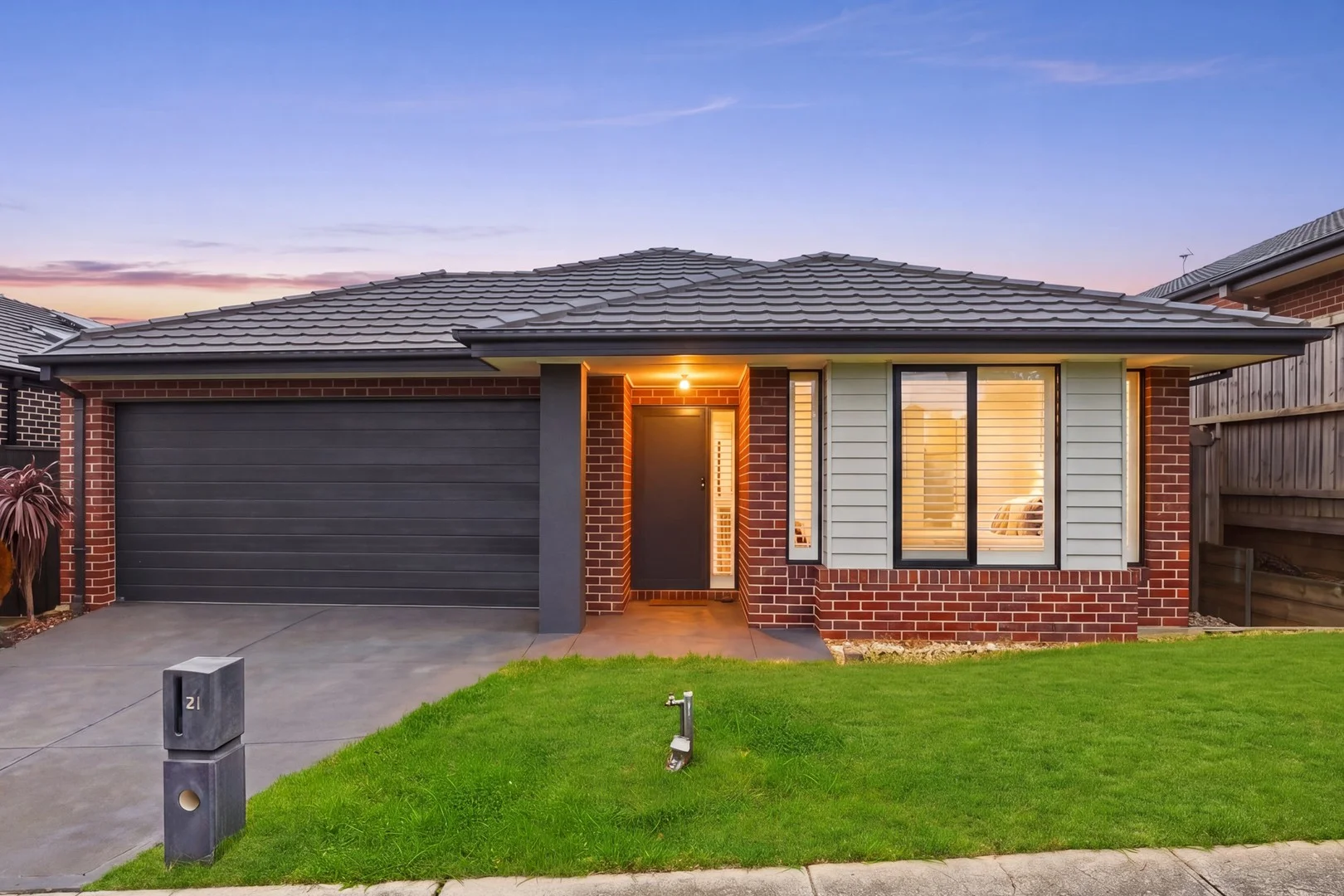 $800,000 - $850,000
House
$800,000 - $850,000
House
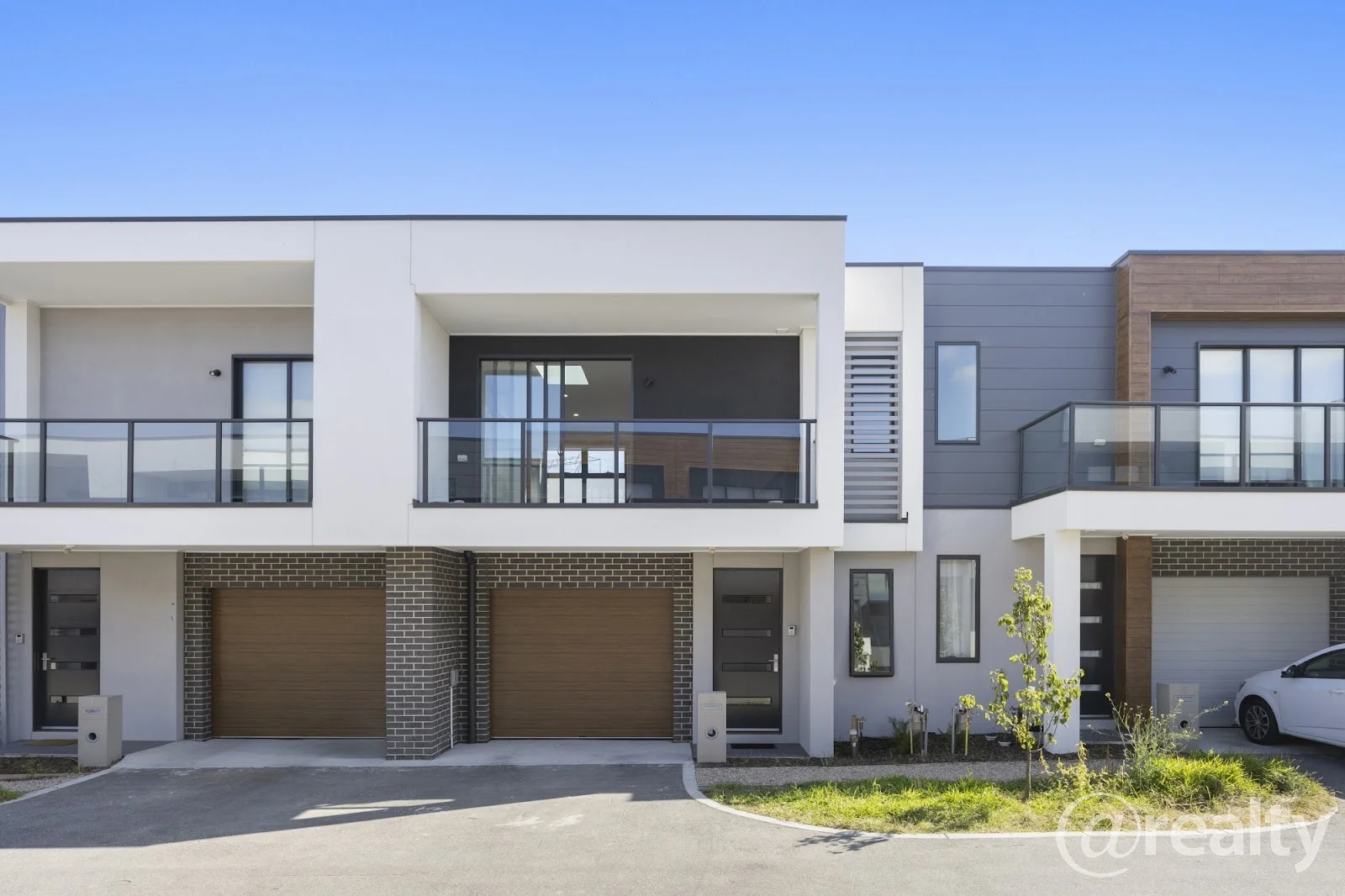 $510
Townhouse
$510
Townhouse
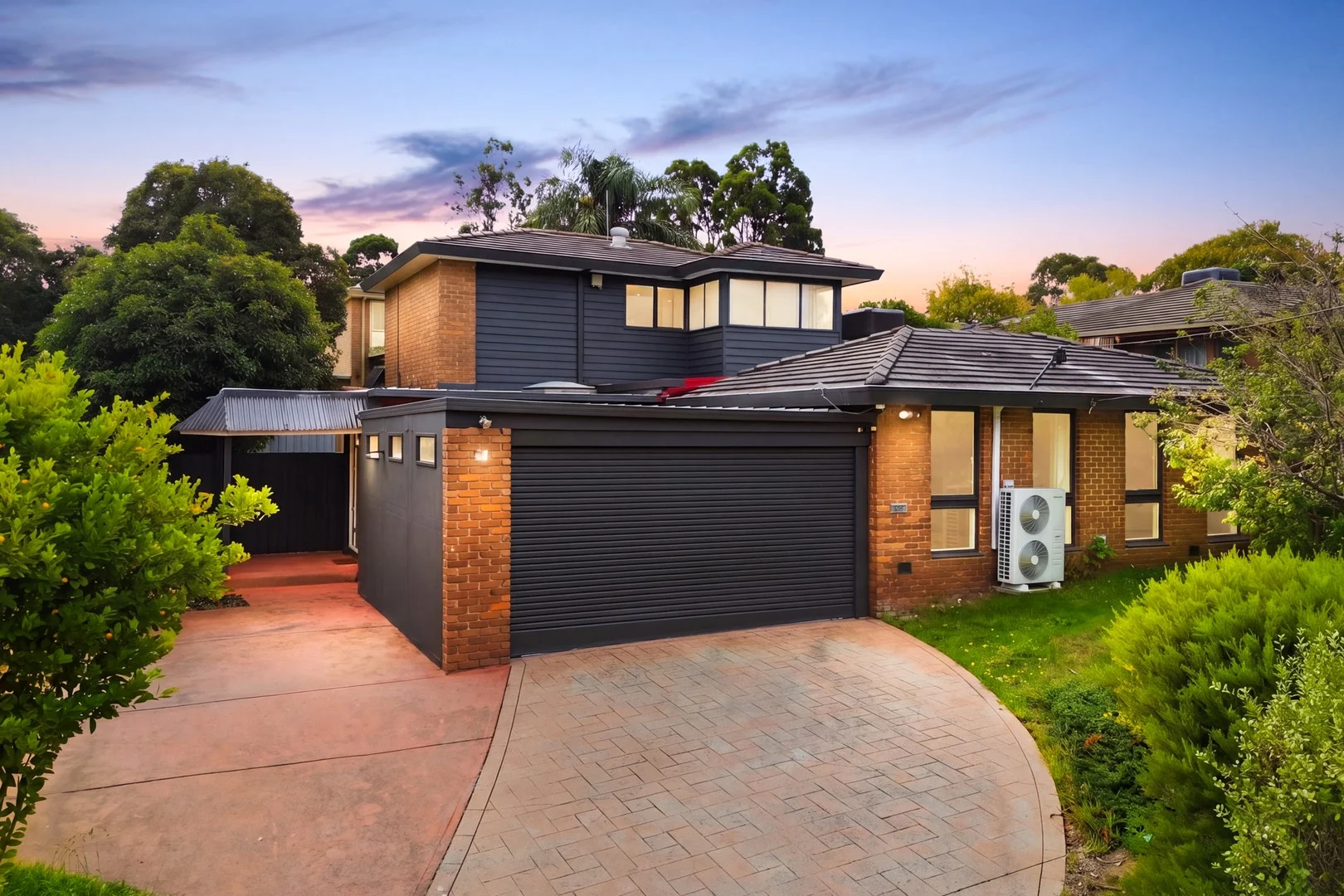 $1,220,000 - $1,320,000
House
$1,220,000 - $1,320,000
House