# Overview
Ivanhoe Grammar School – Plenty Campus is a private, independent co-educational campus in Mernda, Victoria. As part of the Ivanhoe Grammar School family, the Plenty Campus offers a comprehensive K–12 program with a strong focus on both academics and well-rounded development. The campus tends to feel like a medium-to-large school community, with class sizes commonly around 20–25 students. The atmosphere emphasises a nurturing, inclusive culture that also values high academic achievement and active participation in sport and co-curricular life.
The Plenty campus fosters a balanced environment where students are encouraged to pursue excellence across academics, sports, arts and leadership. The culture supports students’ personal growth, strong community connections, and opportunities to compete and collaborate both within school programs and in external competitions.
---
# Academics & Learning
- Academic strengths: strong emphasis on STEM, English, leadership development, and languages, with opportunities across core and elective subjects to build a well-rounded skill set.
- Special programs: gifted and talented pathways, accelerated learning options, and leadership development programs are available to cater for high-ability learners and to nurture future leaders.
- NAPLAN trends: historically the school has shown steady improvement and ongoing commitment to enhancing literacy and numeracy outcomes across year levels.
- Student–teacher ratios: typically in the low-teens, with more targeted small-group support available in certain subjects and year groups.
- Support for diverse learners: robust support for EAL (English as an Additional Language) learners and SEN (Special Educational Needs) through in-school learning support staff and tailored learning plans.
---
# Sports & Extracurricular Strengths
- Sports offered: a broad program including basketball, cricket, football (soccer), rugby/netball, tennis, athletics, swimming, cross-country, and A–league style gym/fitness activities.
- Strong teams or achievements: competitive school teams with participation in district/state championships and inter-school competitions.
- Music, arts, drama programs: active music ensembles, theatre and performing arts opportunities, and visual arts programs that run alongside academic subjects.
- Clubs: robotics, chess, coding, debating, public speaking, and other interest-based clubs are available to broaden skills outside the classroom.
- Partnerships: connections with local sporting clubs and regional competitions to extend student participation and achievement beyond school boundaries.
---
# Wellbeing & Pastoral Care
- Anti-bullying approach: proactive, clearly communicated policies with accessible reporting channels and strong pastoral support to create a safe school climate.
- House system: a house-based structure that fosters belonging, teamwork and healthy competition across year levels.
- Counsellors / wellbeing officers: dedicated wellbeing staff and school counselors available to support mental health, adjustment, and personal development.
- Transition support for new students: structured orientation, buddy programs, and targeted support to help new students settle in smoothly.
---
# Facilities
- Sports grounds: extensive playing fields and courts suitable for a wide range of sports.
- Libraries: well-resourced libraries with study spaces and digital access.
- Science labs: modern science facilities to support hands-on experiments across disciplines.
- Music/performing arts centers: dedicated spaces for rehearsals, performances and music education.
- Tech/innovation labs: classrooms and labs focused on digital learning, coding, robotics and design projects.
- Cafeteria: on-site dining facilities with a variety of meal options.
- Updated playgrounds: safe, well-maintained outdoor spaces for recreation and physical education.
---
# School Values & Community Culture
- Values / mission: a focus on respect, responsibility, integrity and excellence, with an emphasis on leadership and service within the school and broader community.
- Leadership style: student-centred and collaborative, with opportunities for student voice in leadership roles and committees.
- Behaviour expectations: clear codes of conduct aligned with school values; emphasis on respect, inclusion and responsible citizenship.
- Community reputation: a welcoming, supportive community known for strong parent partnerships, student engagement and a commitment to diversity and inclusion.
- Diversity & inclusion: active efforts to create an welcoming environment for students from a range of backgrounds, abilities and interests.
---
# School Logistics & Daily Operations
- School hours: typical daily schedule aligned with the Victorian school calendar; includes essential instructional hours with early and/or after-school programs as needed.
- Before/after school care: available to support families with flexible care options.
- Uniform requirements: formal school uniform policy with guidance on culottes/shorts, shirts, ties/blags, and footwear as appropriate to year level.
- Transport: access to bus services and convenient transport options; information on local routes is available through the school’s admissions team.
- Canteen availability: on-site canteen or café options providing meals and snacks.
- Fees (low/medium/high ranges): fee-level described as mid-to-high relative to the broader market, with typical annual fee ranges depending on year level and program choices; family discounts and sibling arrangements may apply.
---
# Enrolment & Admissions
11. What is the enrolment process and timeline?
- Submit an online expression of interest or enrolment application.
- Provide required documents (birth certificate, immunisation records, previous school reports, etc.).
- Complete any year-level assessments or readiness tasks if applicable, and participate in a formal interview or information session.
- Receive notification of offer and enroll by the stated deadline; confirm acceptance and complete tutorial/baseline steps as directed.
- Timeline can vary by year level and space availability; early applications are encouraged.
12. Is there a waiting list, and how does it work?
- Yes, there is typically a waiting list when spaces are limited.
- Places are allocated based on space availability, year level, and sometimes catchment or sibling considerations; processing times vary.
- Parents can remain in contact with the admissions team for current wait times and potential release dates.
13. Are there any entry requirements, tests, or interviews?
- Entrance interviews are common, sometimes with a short assessment or observational tasks to understand fit and needs.
- EAL or SEN assessments may be requested if relevant to support planning.
- Some year levels may have additional program-specific entry requirements.
14. Does the school accept mid-year transfers?
- Mid-year transfers are possible subject to space and assessment of admission requirements.
- Families should contact the admissions team early to discuss availability, timetables, and necessary documentation.
---
# Frequently Asked Questions
- Why Parents Choose This School?
- A well-rounded independent framework that balances academics, wellbeing and character development within a community-focused environment.
- What type of student thrives at this school?
- Students who are motivated to engage across academics, sport, arts and leadership, and who value a supportive, inclusive culture.
- What opportunities are available for students to extend their skills (academics, sports, arts)?
- Challenging coursework options, gifted/talented pathways, accelerated learning, competitive sports teams, music and drama programs, and a range of clubs (robotics, coding, debating, etc.).
- How does the school communicate with parents?
- Regular newsletters, parent portals or apps, scheduled parent-teacher meetings, and timely updates from teachers and wellbeing staff.
- What is the school’s approach to teaching and learning?
- A blend of rigorous academics, inquiry-based learning, and opportunities for practical, real-world application; emphasis on critical thinking, collaboration and digital literacy.
- How does the school support students who need extra academic help?
- Targeted learning support, small-group tutorials, and access to specialist staff for EAL and SEN needs.
- What support is available for academic challenges?
- Diagnostic assessments, individualized learning plans, tutoring options, and ongoing monitoring with parents.
- How does the school communicate with parents? (Duplicate)
- See above: regular updates via parent portals, emails, meetings, and timely alerts.
- What are the class sizes and how much individual attention do students receive?
- Class sizes typically around 20–25 students; additional individualized support provided through targeted teaching and learning support.
- What extracurricular and sports opportunities are available?
- Broad sport programs, music and arts ensembles, debating, robotics, chess, coding clubs, and participation in inter-school competitions.
- What facilities does the school offer (sports, science, arts)?
- Sports grounds, libraries, science labs, performing arts centers, tech/innovation labs, canteen, and updated playgrounds.
- What is the school’s approach to technology and digital learning?
- Strong emphasis on digital literacy, coding, and integration of technology across the curriculum to enhance learning and creativity.
- What transport and accessibility options are available?
- Information on local bus routes and transport options; school can assist with travel planning and arrangements.
- What are the typical school fees or additional costs?
- Fees are in the mid-to-high range; there may be additional costs for excursions, uniforms, and optional programs.
---
# Short Pros & Cons list
- Pros
- Private, independent school with a strong academic program.
- Balanced focus on academics, wellbeing, sport and the arts.
- Supportive wellbeing framework and transition help for new students.
- Diverse range of co-curricular activities and clubs.
- Good facilities and modern learning spaces.
- Cons
- Fees are higher than many public options; ongoing costs for uniforms and activities.
- Competition for selective spaces may mean waiting lists or limited mid-year starts.
- A private school environment may require adjustment for students transitioning from different schooling systems.

 Free
Free









 $800,000 - $850,000
House
$800,000 - $850,000
House
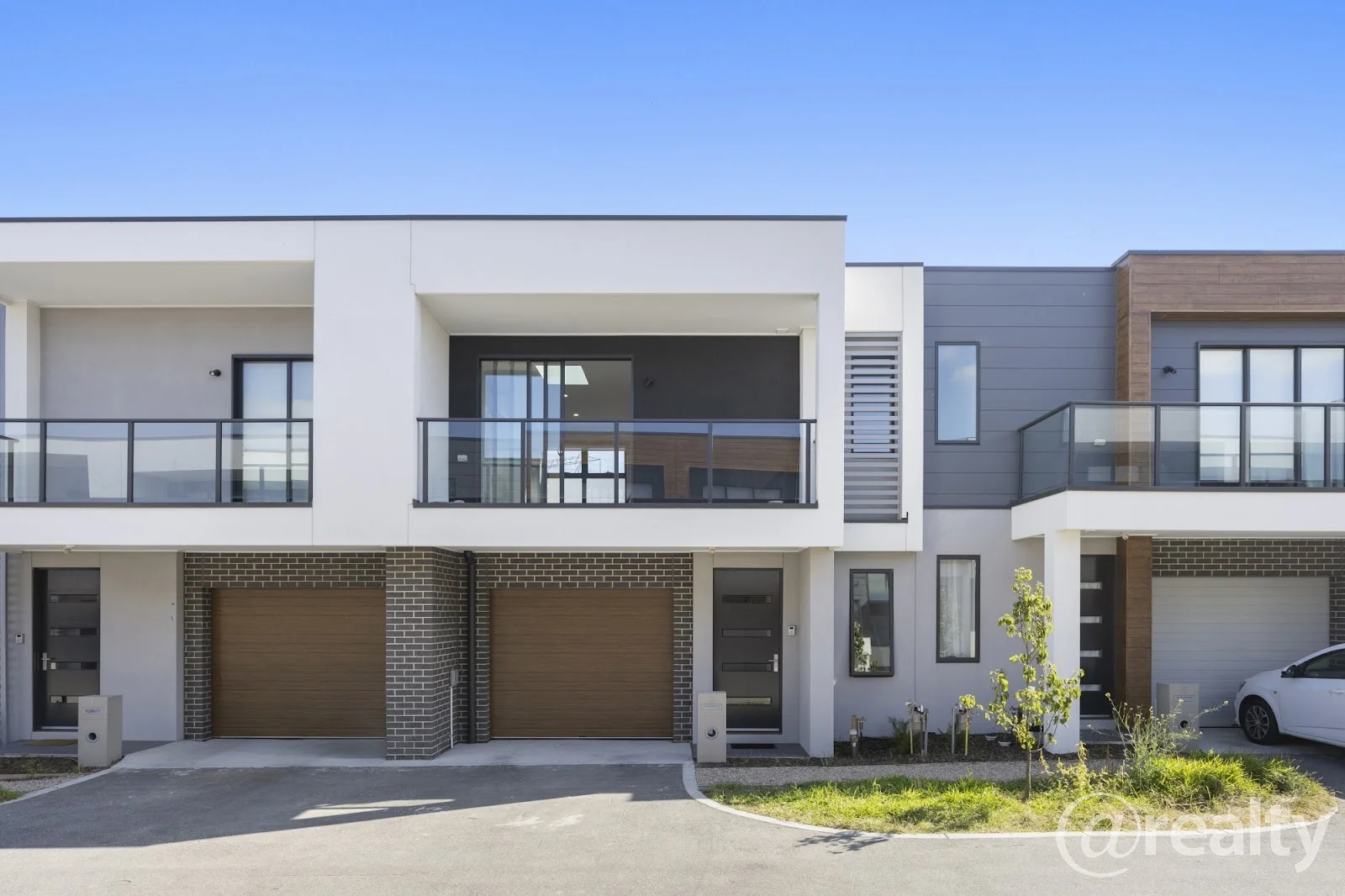 $510
Townhouse
$510
Townhouse
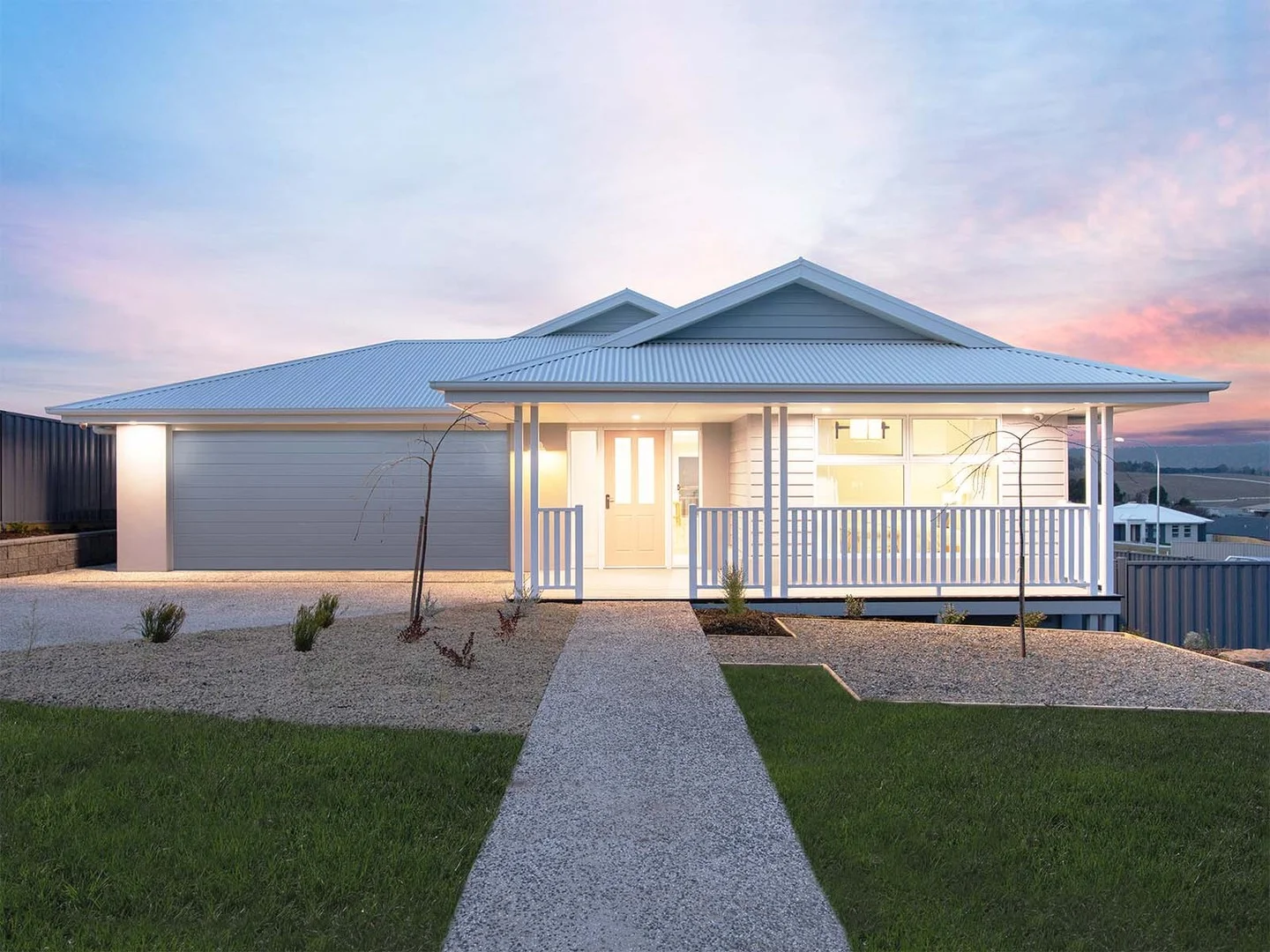 $879,660
propertyType.NEW HOUSE & LAND
$879,660
propertyType.NEW HOUSE & LAND
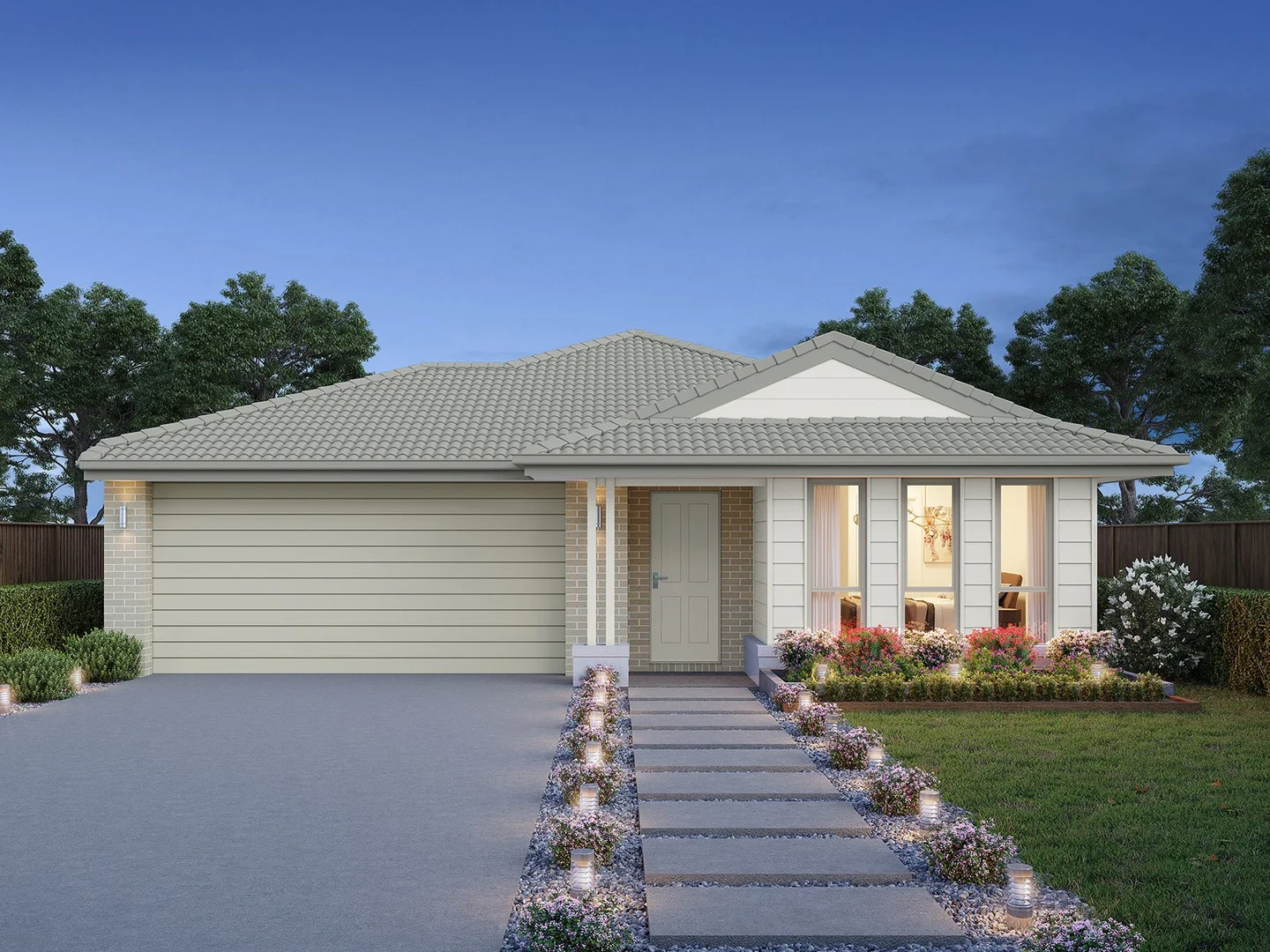 $744,200
propertyType.NEW HOUSE & LAND
$744,200
propertyType.NEW HOUSE & LAND
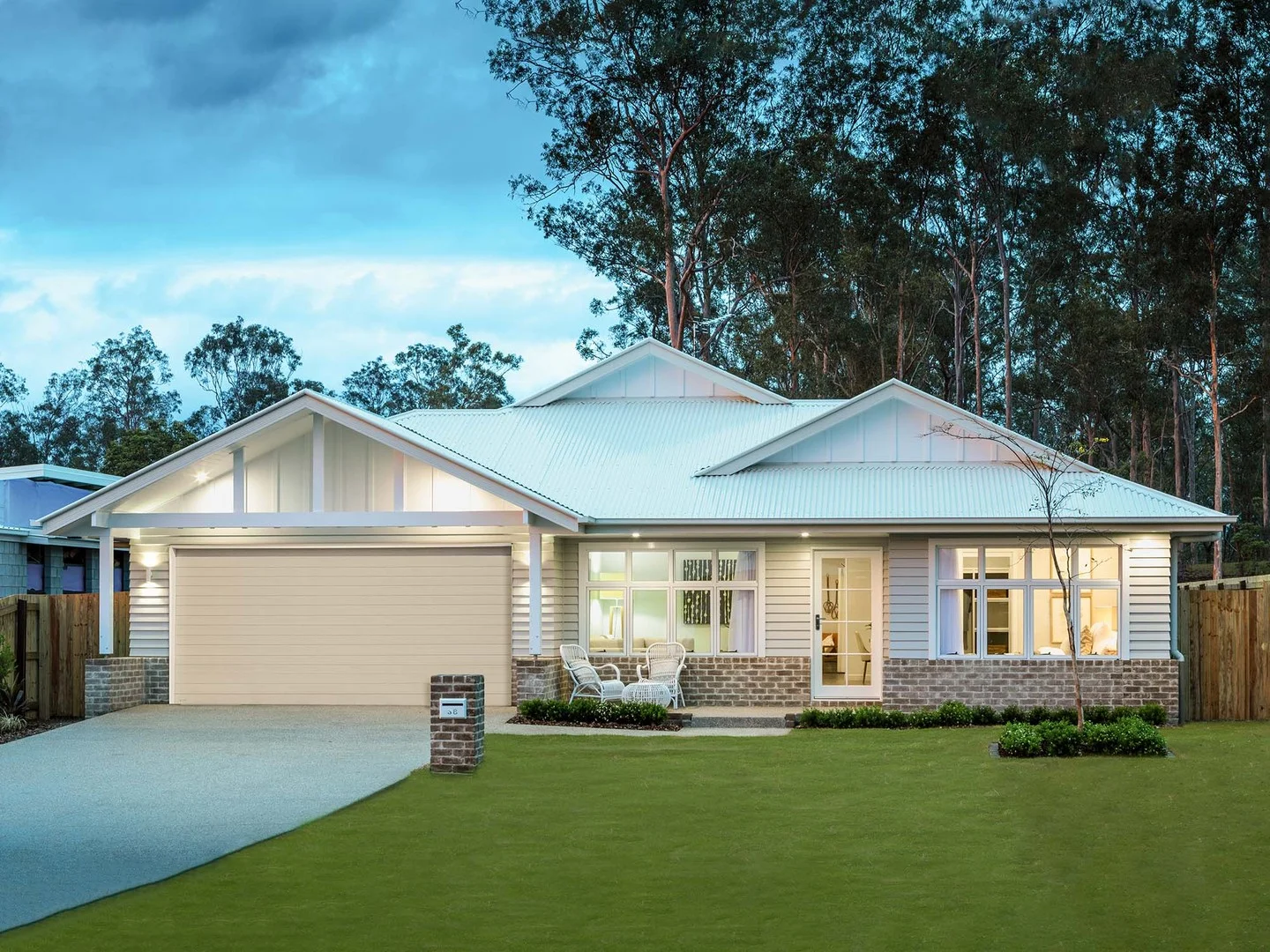 $808,700
propertyType.NEW HOUSE & LAND
$808,700
propertyType.NEW HOUSE & LAND
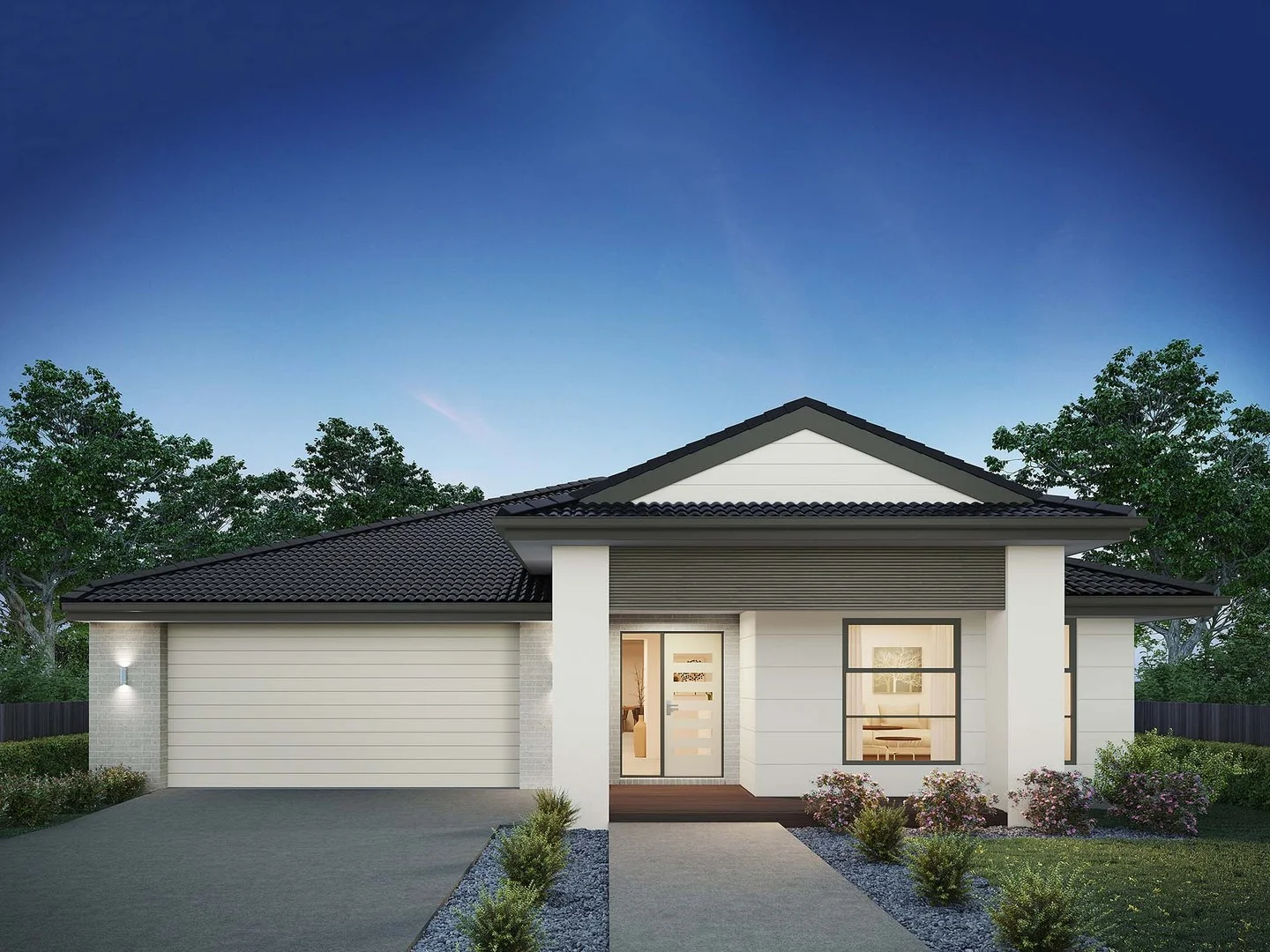 $862,600
propertyType.NEW HOUSE & LAND
$862,600
propertyType.NEW HOUSE & LAND
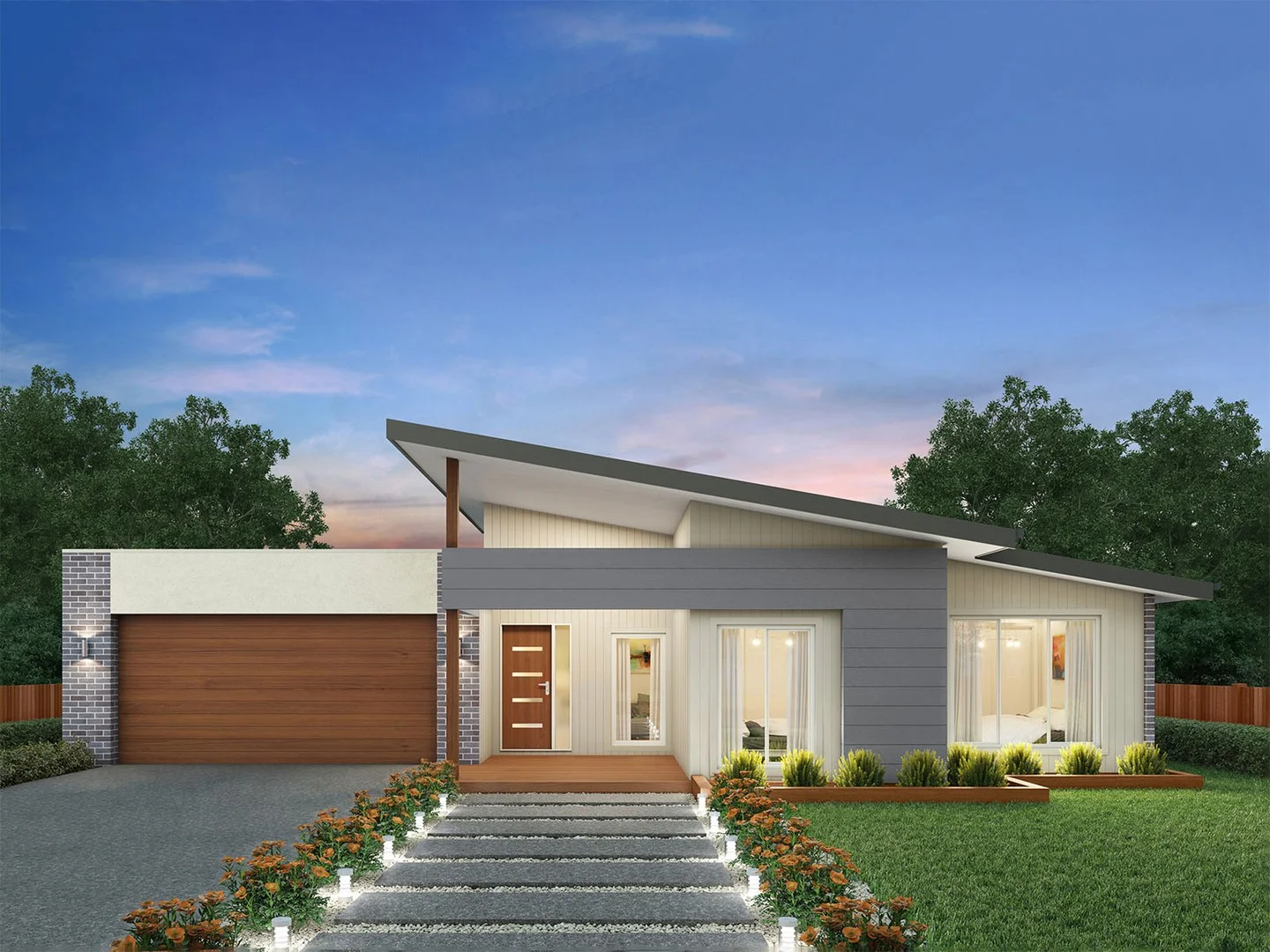 $777,500
propertyType.NEW HOUSE & LAND
$777,500
propertyType.NEW HOUSE & LAND
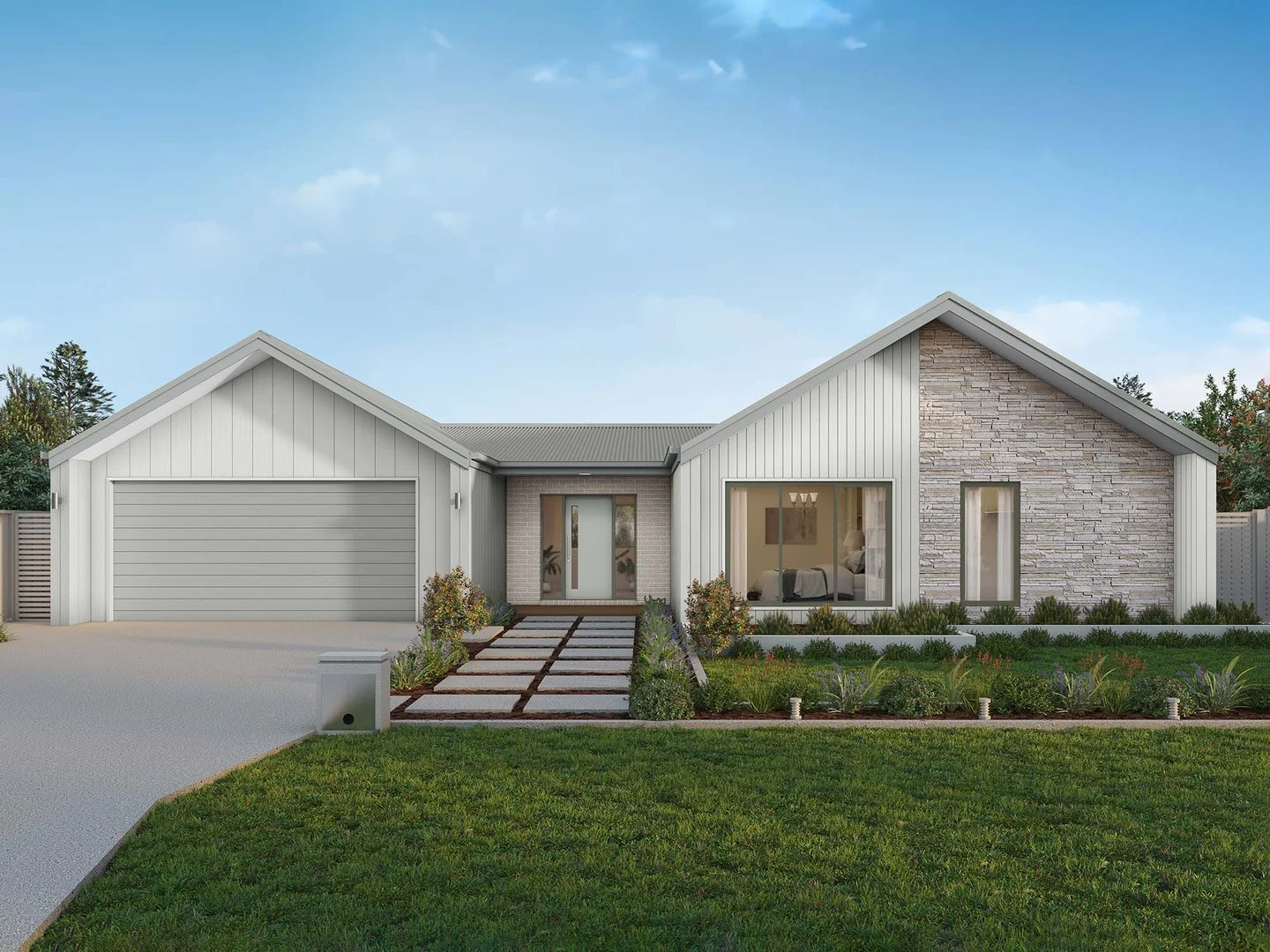 $861,300
propertyType.NEW HOUSE & LAND
$861,300
propertyType.NEW HOUSE & LAND
 $753,300
propertyType.NEW HOUSE & LAND
$753,300
propertyType.NEW HOUSE & LAND


