Overview
## 1. Overview
Ashley Park Primary School is a public (government) primary school serving families in the Doreen area. The school emphasises an inclusive, nurturing environment that supports students to develop academically, socially and emotionally. It is a medium-sized community school focused on building strong relationships between students, staff and families.
Key details:
- School type: Public
- School size: Medium
- Class size: Typically around 20–25 students
- Atmosphere/culture: Inclusive, nurturing, diverse
---
## 2. Academics & Learning
Ashley Park Primary aims to deliver strong learning across core subjects while supporting diverse learner needs.
- Academic strengths: Literacy and numeracy foundations with emphasis on STEM thinking and English development; opportunities to develop leadership and language skills through classroom and school-wide programs.
- Special programs: Access to targeted literacy/numeracy support, digital technologies, and enrichment opportunities as part of the regular school program; potential for gifted and talented pathways where offered.
- NAPLAN trends: Consistent year-to-year progress in key learning areas, with improvements often seen in reading and numeracy over time; focus on ongoing growth and year-to-year gains.
- Student-teacher ratios: Class sizes designed to be manageable for effective instruction, with typical primary school ratios in the 1:20–1:25 range depending on year level and staffing.
- Support for diverse learners: Dedicated support for EAL (English as an Additional Language) and SEN (Special Educational Needs), with access to equipping resources and specialist staff as needed.
---
## 3. Sports & Extracurricular Strengths
A strong focus on balanced development, with a range of activities to suit different interests and abilities.
- Sports offered: Common primary-school sports such as Australian Rules football, cricket, soccer, netball, basketball, athletics and swimming programs.
- Strong teams or achievements: Participation in inter-school events and local competitions; opportunities to contribute to school teams and showcase talents.
- Music, arts, drama programs: Active involvement in music and performing arts, with opportunities for performances and showcases.
- Clubs: Robotics, coding, chess, debating and other ICT-related clubs commonly offered; after-school programs may include additional activities.
- Partnerships: Local community partnerships and participation in local competitions or festivals to broaden experiences beyond the classroom.
---
## 4. Wellbeing & Pastoral Care
Prioritising student wellbeing and positive school culture.
- Anti-bullying approach: Clear anti-bullying policies and programs, promoted through assemblies, classroom activities and student-led initiatives.
- House system: A house-based framework to foster belonging, leadership and teamwork (where applicable at the school).
- Counsellors / wellbeing officers: Access to guidance staff focused on social-emotional wellbeing, resilience, and mental health supports.
- Transition support for new students: Structured orientation and buddy systems to help new students settle in smoothly and build connections.
---
## 5. Facilities
Facilities are designed to support a broad range of learning and student experiences.
- Sports grounds
- Libraries
- Science labs
- Music/performing arts centers
- Tech/innovation labs
- Canteen
- Updated playgrounds
---
## 6. School Values & Community Culture
What kind of students thrive at Ashley Park Primary and how the school operates.
- School values / mission: Focus on respect, resilience, responsibility, and inclusivity; emphasis on developing responsible citizens.
- Leadership style: Opportunities for student voice and leadership through student council or class leadership roles; collaborative planning with staff.
- Behaviour expectations: Clear codes of conduct, consistent expectations, and restorative practices to address conflicts.
- Community reputation: A positive, close-knit school community known for supportive families and engaged staff.
- Diversity & inclusion: Commitment to welcoming students from diverse backgrounds and ensuring equitable access to learning opportunities.
---
## 7. School Logistics & Daily Operations
Practical information to help families plan their day.
- School hours: Typical primary-year schedule (e.g., start mid-morning through afternoon); check current term calendar for exact times.
- Before/after school care: After-school programs or care services usually available, subject to booking.
- Uniform requirements: School uniform commonly required; details provided by the school (colors, acceptable items).
- Transport (train/bus routes): Local bus routes and public transport options available; proximity to bus stops/train stations and school pick-up policies noted by the school.
- Canteen availability: On-site canteen or lunch program offering healthy options.
- Fees (low/medium/high ranges): Primary school levies and contributions are typically modest; essential materials and activities may have small charges or voluntary contributions.
---
## 8. Enrolment & Admissions
11. What is the enrolment process and timeline?
- Applications are submitted through the school or the Department of Education as advised; timelines align with the Victorian school year. Applicants usually provide standard documents (birth certificate, immunisation records, proof of residence) and may receive information about start dates and orientation sessions.
12. Is there a waiting list, and how does it work?
- If applications exceed places, enrolments are typically prioritised by catchment eligibility, with a waiting list managed by the school and DET guidelines. Space availability can affect timing of offers; families are kept informed of their status.
13. Are there any entry requirements, tests, or interviews?
- Public primary schools generally do not require entrance exams. Some families may be asked to participate in a brief information session or school tour, and schools may conduct a short conversation to understand student needs. Immunisation requirements are standard for enrolment.
14. Does the school accept mid-year transfers?
- Yes, subject to available space and enrolment capacity. Families seeking mid-year transfers should contact the school early to discuss options and required documentation.
---
## 9. Frequently Asked Questions
- Why Parents Choose This School?
The school offers a welcoming, inclusive environment with a focus on wellbeing, strong literacy and numeracy foundations, and opportunities across academics, arts and sport.
- What type of student thrives at this school?
Students who are curious, collaborative and committed to learning; they benefit from a supportive community, varied programs and a balanced approach to academics, sport and arts.
- What opportunities are available for students to extend their skills (academics, sports, arts)?
A range of enrichment activities, clubs (robotics, coding, chess, debating), targeted literacy/numeracy support, and participation in sports and performing arts.
- How does the school communicate with parents?
Regular updates through newsletters, the school app or portal, parent-teacher conferences, and open channels with teachers and administration.
- What is the school’s approach to teaching and learning?
A student-centered approach that emphasises literacy and numeracy mastery, critical thinking, collaboration, and the use of technology to support learning.
- How does the school support students who need extra academic help?
Targeted intervention programs, small-group or one-on-one support, and access to specialist staff as needed.
- What support is available for academic challenges?
Additional tutoring, adjustments to learning plans, and collaboration with families to set achievable goals.
- How does the school communicate with parents? (Repeated question)
See above: newsletters, portal/app updates, meetings, and responsive staff.
- What are the class sizes and how much individual attention do students receive?
Typical class sizes around 20–25 students; teachers aim to provide meaningful individual attention through small-group instruction and differentiated tasks.
- What extracurricular and sports opportunities are available?
A range of sports, arts and clubs (robotics, coding, chess, debating), with opportunities to participate in local competitions and showcases.
- What facilities does the school offer (sports, science, arts)?
Sports grounds, libraries, science labs, music/performing arts spaces, technology/innovation labs, and a canteen.
- What is the school’s approach to technology and digital learning?
Integration of digital tools to support learning, encourage responsible use of technology, and develop digital literacy across year levels.
- What transport and accessibility options are available?
Access to local bus routes and public transport; the school can provide guidance on catchment boundaries and travel planning.
- What are the typical school fees or additional costs?
Public primary schools generally have low fees and voluntary contributions; costs may relate to materials, activities or optional programs.
---
## 10. Short Pros & Cons list
- Pros
- Inclusive, nurturing school culture
- Strong focus on literacy, numeracy and wellbeing
- Broad range of extracurriculars and clubs
- Access to specialist staff and targeted support
- Positive community engagement and partnerships
- Cons
- As a medium-sized public school, demand can outstrip spaces at peak times (varies by year)
- Uniform and certain program costs may apply; some activities may have voluntary contributions
- Specific specialty programs may depend on cohort needs and staffing each year











 $800,000 - $850,000
House
$800,000 - $850,000
House
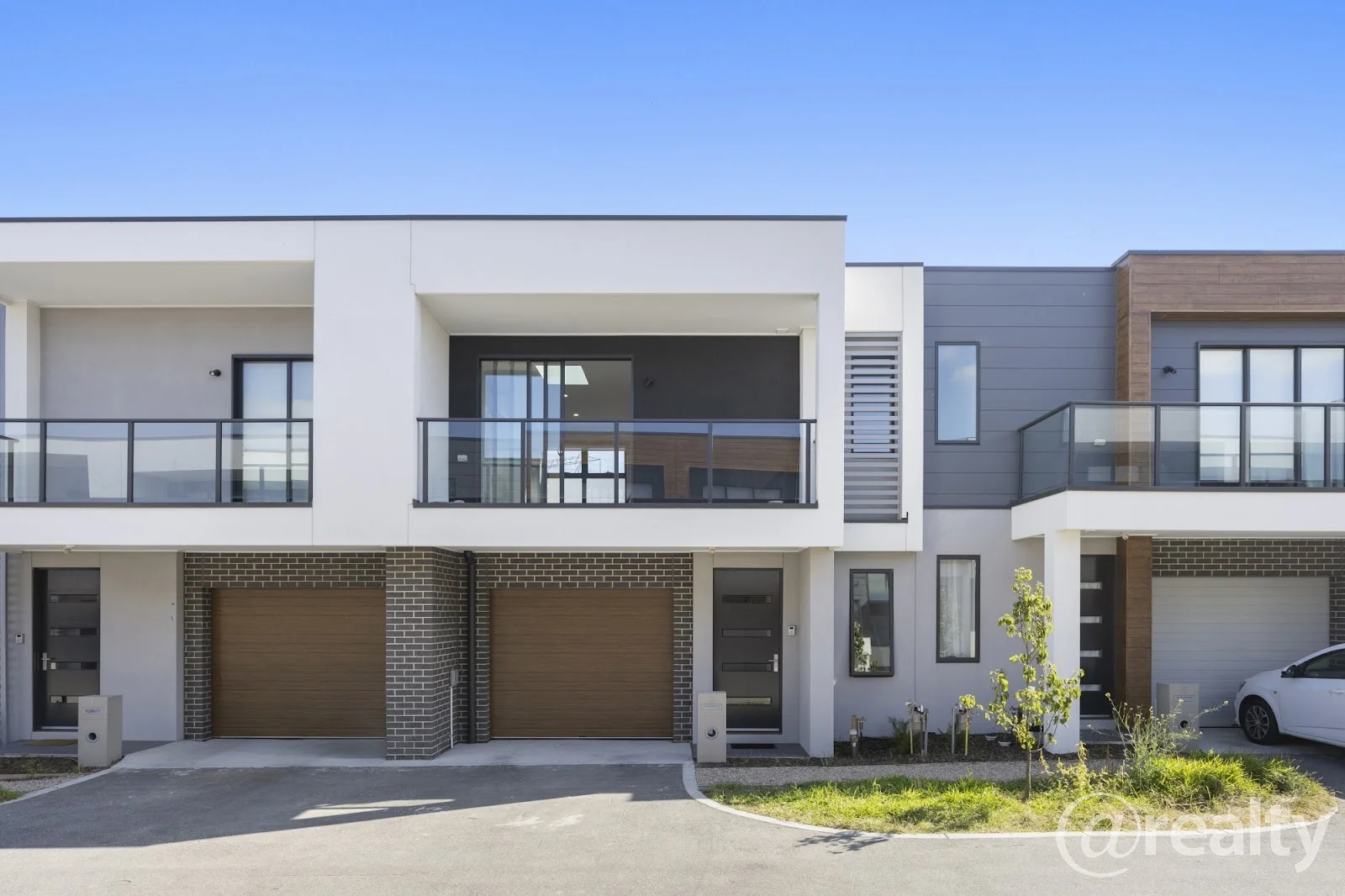 $510
Townhouse
$510
Townhouse
 $1,220,000 - $1,320,000
House
$1,220,000 - $1,320,000
House