## 1. Overview
Wembley Downs Primary School is a public (government) primary school in Western Australia, serving families in the Wembley Downs area and surrounding suburbs. The school is a medium-sized, co-educational community that emphasizes a welcoming, supportive culture where students can learn and grow together. Classrooms focus on strong foundational skills, with an emphasis on wellbeing, positive relationships, and active participation in school life.
The atmosphere is nurturing and inclusive, with a focus on high-quality teaching and a broad range of learning experiences. Students are encouraged to develop academic skills while building resilience, teamwork, and a sense of community.
---
## 2. Academics & Learning
- Academic strengths: solid literacy and numeracy foundations, with progressive emphasis on STEM, digital literacy, and creative thinking. There is support for developing language skills and overall academic confidence across year levels.
- Special programs: opportunities for enrichment and talent development, including coding/digital technologies and arts-based activities; access to targeted supports as needed.
- NAPLAN / trends: recent years show steady improvement in core literacy and numeracy indicators, with stable performance overall and ongoing focus on data-informed teaching strategies.
- Student-teacher ratios: classes are planned to provide attentive teaching, with typical primary-school ratios that balance individual attention and collaborative learning.
- Support for diverse learners: dedicated support for EAL (English as an Additional Language) students and SEN (special education needs) appointments, plus small-group or targeted interventions where appropriate.
---
## 3. Sports & Extracurricular Strengths
- Sports offered: a range of team and individual activities, including athletics, soccer, netball, swimming, and other school-wide sports programs.
- Strong teams or achievements: involvement in interschool events and district-level competitions, with opportunities for students to represent the school.
- Music, arts, drama programs: active music and performing arts options, with opportunities for choir, concerts, and school productions.
- Clubs: robotics, chess, coding, debating, and other clubs that support STEM and critical-thinking skills.
- Partnerships: connections with local clubs, community groups, and competitions to extend learning beyond the classroom.
Note: This section prioritizes suitability for boys aged 10–14, highlighting leadership, teamwork, and competitive/participation opportunities.
---
## 4. Wellbeing & Pastoral Care
- Anti-bullying approach: clear anti-bullying policies and whole-school programs that promote respectful relationships and a safe learning environment.
- House system: a house-based framework to encourage positive competition, teamwork, and school spirit.
- Counsellors / wellbeing officers: access to wellbeing staff or a school counsellor to support social-emotional learning and personal development.
- Transition support for new students: what to expect when joining, with orientation activities and tailored supports to help students settle in quickly.
---
## 5. Facilities
- Sports grounds: well-maintained outdoor spaces for physical activity and team sports.
- Libraries: a resource-rich library to support reading and research.
- Science labs: dedicated spaces for hands-on science learning.
- Music/performing arts centers: facilities that support music education and performances.
- Tech/innovation labs: dedicated areas for digital learning, coding, and hands-on technology projects.
- Cafeteria: on-site dining options and a suitable canteen environment.
- Updated playgrounds: modern, safe playgrounds and outdoor learning spaces.
---
## 6. School Values & Community Culture
- School values / mission: a clear emphasis on respect, responsibility, resilience, and inclusion, with a focus on developing responsible, community-minded learners.
- Leadership style: distributed leadership and strong student voice in appropriate decision-making processes, supported by collaborative staff practices.
- Behaviour expectations: consistent positive-behaviour expectations and recognition programs to reinforce constructive conduct.
- Community reputation: well-regarded for a friendly, supportive school culture with active family involvement and open communication.
- Diversity & inclusion: welcoming to families from diverse backgrounds, with inclusive practices across teaching and school life.
---
## 7. School Logistics & Daily Operations
- School hours: typical daily hours align with WA public primary schedules (start in the morning, finish in the mid-afternoon), with clear routines for breaks and transitions.
- Before/after school care: access to after-school care programs or approved providers to support working families.
- Uniform requirements: a school uniform policy with specified attire for daily wear and terms of sport or events.
- Transport (train/bus routes): the school is accessible by public transport and has established bus routes and traffic arrangements to support safe drop-off and pickup.
- Canteen availability: on-site canteen or lunch options available to students.
- Fees (low/medium/high ranges): as a public school, there is no tuition, with voluntary contributions and some activity-based charges that may apply for certain programs or excursions.
---
## 8. Enrolment & Admissions
### 11. What is the enrolment process and timeline?
- Enrollment typically begins with submitting an application through the public-school enrollment system for the upcoming school year. Families often have an information session or open day, followed by a placement notification within the stated timelines. The process is designed to confirm a place and to ensure suitable year-level alignment for incoming students.
### 12. Is there a waiting list, and how does it work?
- Waiting lists can occur when year-level demand outstrips available places. Waiting lists are managed by year level, with placement determined by district policy, date of application, and available spaces. Families are informed of expected timelines and next steps.
### 13. Are there any entry requirements, tests, or interviews?
- Entry generally does not involve entrance exams. Schools may conduct readiness checks or interviews with families to understand student needs and to support a smooth transition, particularly for students with diverse learning needs or for EAL considerations.
### 14. Does the school accept mid-year transfers?
- Mid-year transfers are possible if spaces are available. Prospective transfer requests typically involve submitting the required records (academic progress, reports, and consent forms) and coordinating with both feeder and receiving schools to ensure a successful transition.
---
## 9. Frequently Asked Questions
- Why Parents Choose This School?
- A welcoming, inclusive culture with strong emphasis on wellbeing, good foundational academics, and broad learning opportunities inside and outside the classroom.
- What type of student thrives at this school?
- Students who are curious, collaborate well with peers, show resilience, and engage in a range of learning experiences across academics, sport, and the arts.
- What opportunities are available for students to extend their skills (academics, sports, arts)?
- Enrichment programs, coding and digital-literacy activities, robust arts and music programs, sports participation, and clubs such as robotics, chess, and debating.
- How does the school communicate with parents?
- Regular newsletters, emails, a school portal or learning management system, parent-teacher interviews, and targeted updates about student progress and events.
- What is the school’s approach to teaching and learning?
- A focus on core literacy and numeracy, complemented by inquiry-based and differentiated learning, with opportunities for collaboration and student voice.
- How does the school support students who need extra academic help?
- Targeted interventions, EAL/SEN supports, small-group or one-on-one assistance, and data-informed planning to accelerate progress.
- What support is available for academic challenges?
- Access to tutors, learning support staff, and specialist programs to address gaps and build confidence in key subjects.
- How does the school communicate with parents? (Repeated)
- See above: newsletters, portals, emails, interviews, and event communications.
- What are the class sizes and how much individual attention do students receive?
- Class sizes are kept to a size that supports engagement and feedback, with teachers able to provide meaningful individual or small-group attention within the year-level structure.
- What extracurricular and sports opportunities are available?
- A range of sports, clubs (robotics, coding, chess, debating), music and arts programs, and opportunities to represent the school in interschool activities.
- What facilities does the school offer (sports, science, arts)?
- Sports grounds, libraries, science labs, music/performing arts spaces, tech/innovation labs, a canteen, and updated playgrounds.
- What is the school’s approach to technology and digital learning?
- Emphasis on digital literacy, coding, and responsible use of technology, supported by dedicated labs and classroom devices.
- What transport and accessibility options are available?
- Public transport access, school bus routes where applicable, safe drop-off/pick-up zones, and well-planned pedestrian and cycling routes.
- What are typical school fees or additional costs?
- Public schools generally do not charge tuition; there are voluntary contributions and charges for certain activities or excursions.
---
## 10. Short Pros & Cons list
- Pros
- Strong sense of community and supportive environment
- Solid academic foundations with enrichment opportunities
- Wide range of extracurriculars (sports, clubs, arts, tech)
- Focus on wellbeing, inclusion, and student voice
- Convenient access and family-friendly logistics
- Cons
- As a popular public school, some year levels may have wait lists or high demand
- By nature of a broad program, some specialized or niche offerings may be limited compared with independent or selective schools
- Transport and parking considerations can vary by time of day in a busy suburb











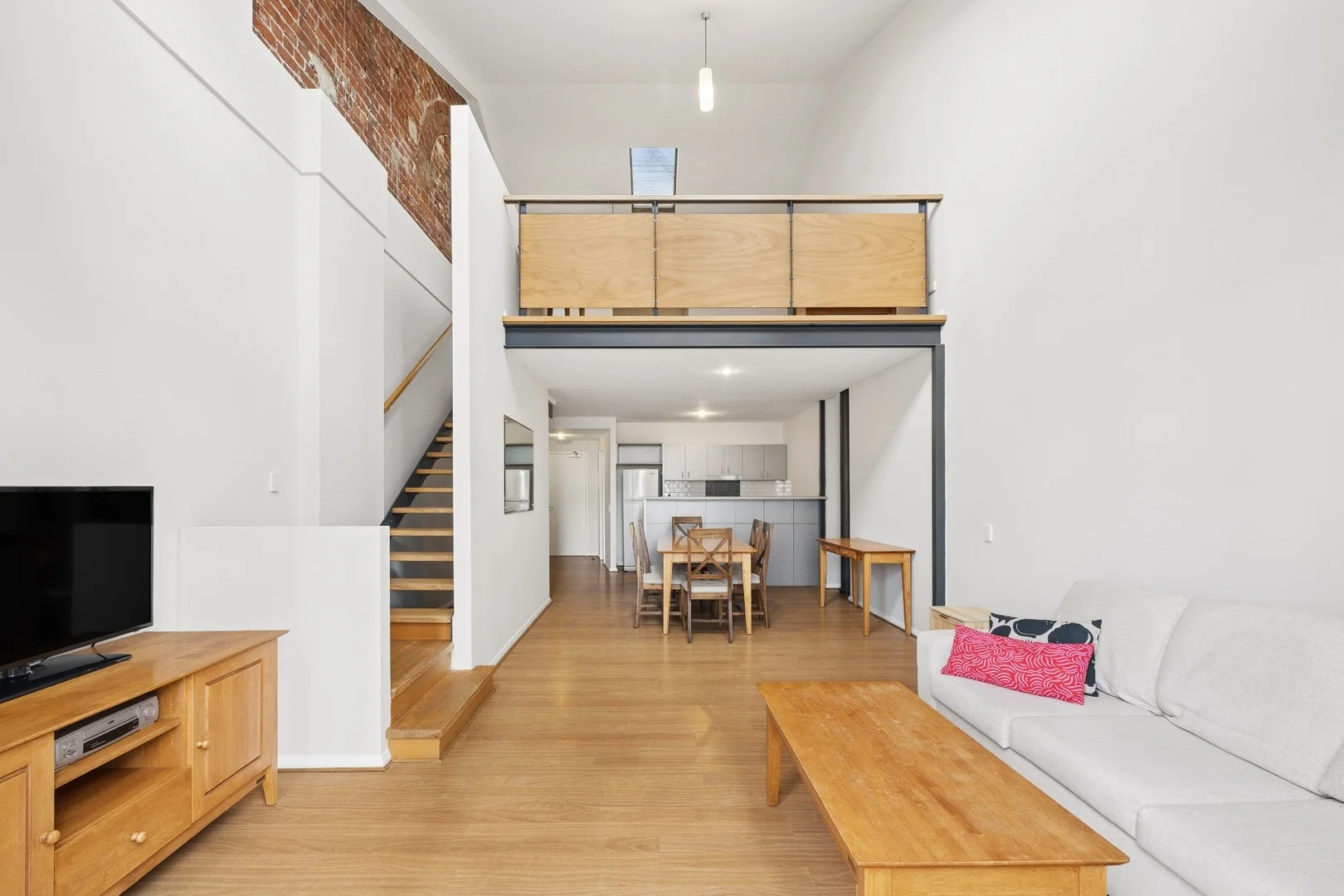 $549,000
Apartment / Unit / Flat
$549,000
Apartment / Unit / Flat
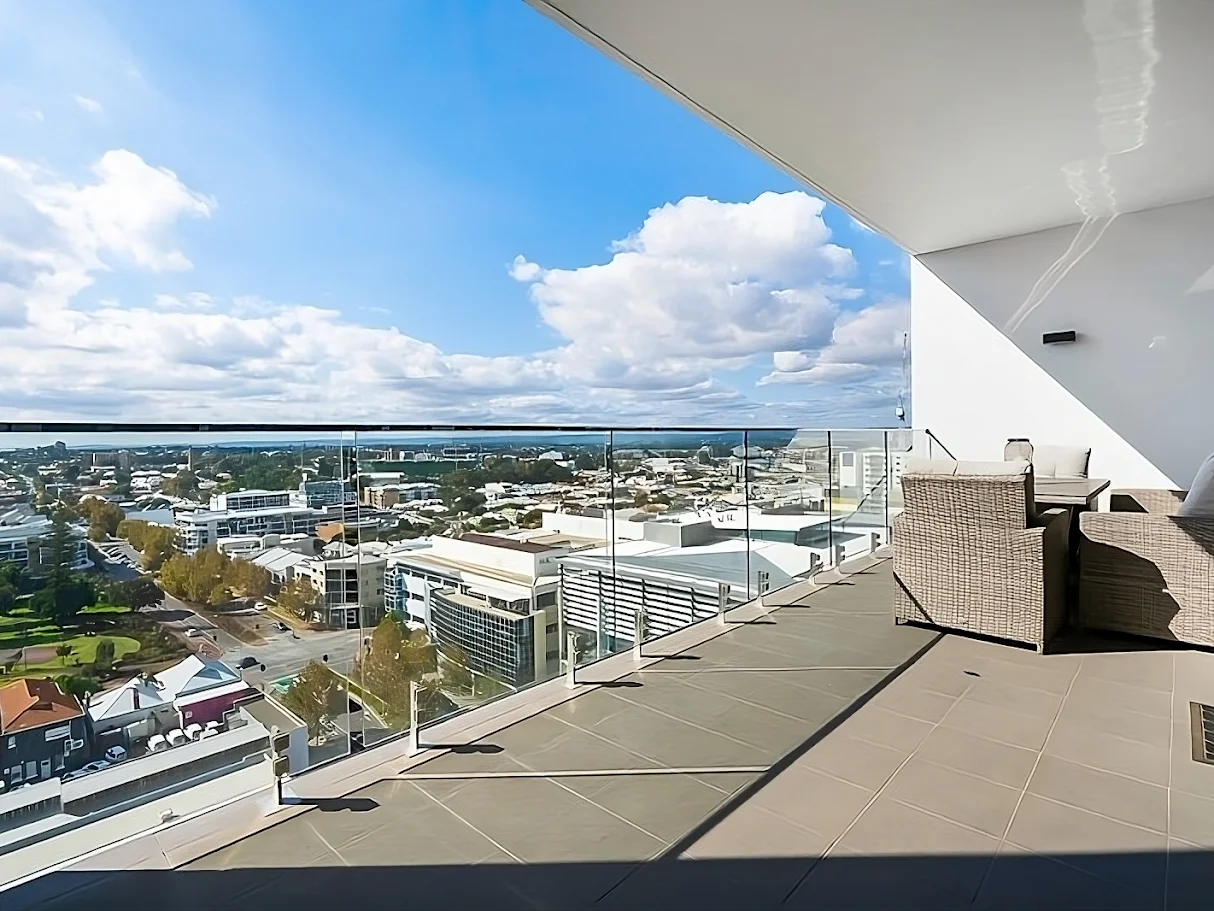 $580,000
Apartment / Unit / Flat
$580,000
Apartment / Unit / Flat
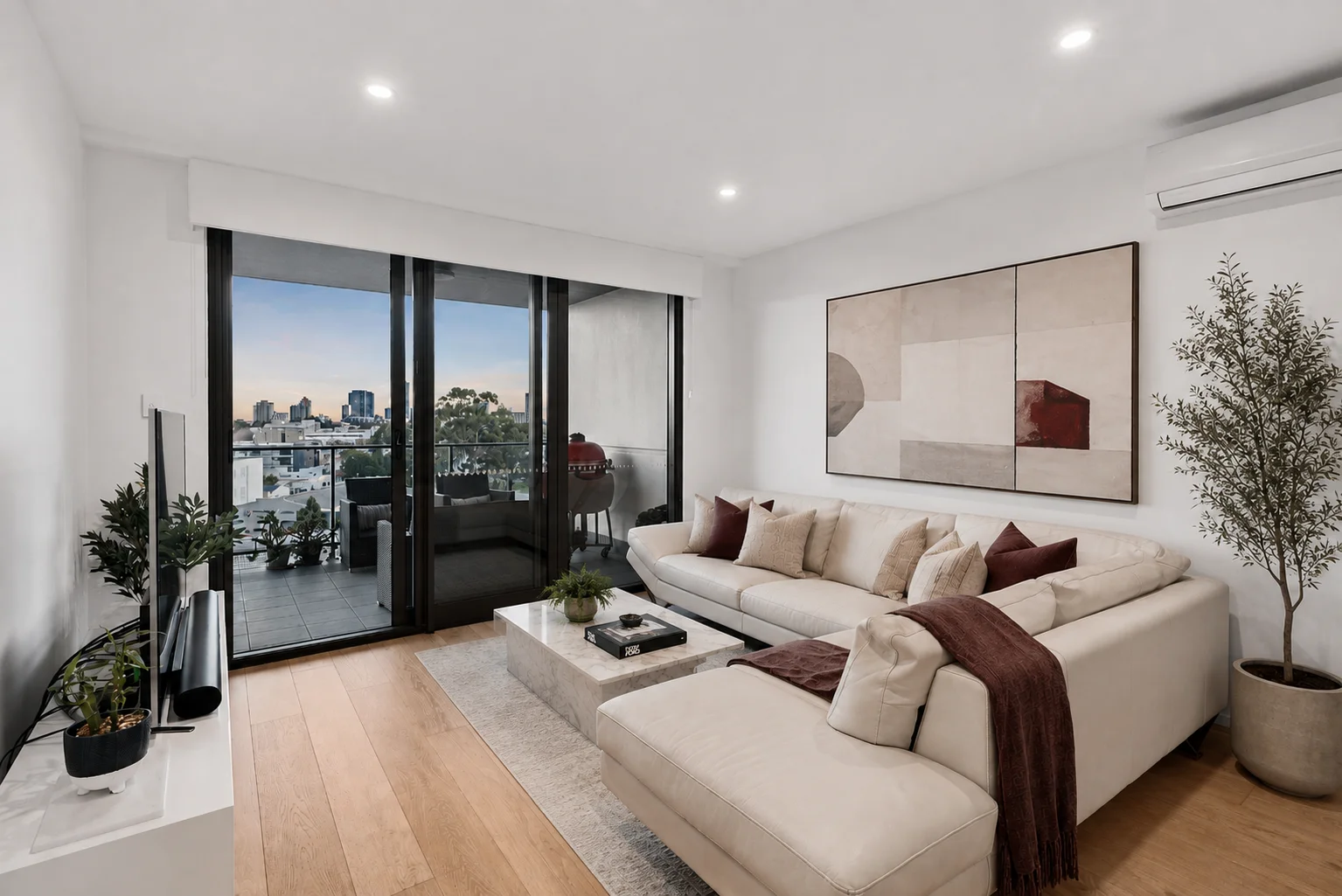 $700,000
Apartment / Unit / Flat
$700,000
Apartment / Unit / Flat


