## 1. Overview
Findon High School is a public secondary school located in Findon, in the Adelaide metropolitan area of South Australia. It serves students across the secondary years with a broad, curriculum-aligned program designed to prepare learners for further study, work, and citizenship. The school emphasises a supportive, inclusive culture with a focus on academic achievement, student wellbeing, and participation in sport and community activities.
- School type: Public
- School size: Medium
- Class size: Approximately 22–25 students
- Atmosphere/culture: Inclusive, supportive, academically focused with strong community spirit and sport
---
## 2. Academics & Learning
- Academic strengths: Solid foundations across English, mathematics, science and humanities, with growing emphasis on STEM, languages and ICT.
- Special programs: Vocational Education and Training (VET) pathways, leadership development initiatives, and opportunities for accelerated learning or gifted and talented programs where available.
- NAPLAN / trends (not scores): School-wide use of NAPLAN data to identify gaps and target improvements; trends show a focus on literacy and numeracy progression across cohorts.
- Student-teacher ratios: Typically around 1:15–1:22, varying by year level and program.
- Support for diverse learners: Strong support for EAL (English as an Additional Language) and students with special educational needs, including targeted intervention and inclusive classroom practices.
---
## 3. Sports & Extracurricular Strengths
- Sports offered: A range of sports including basketball, netball, football (soccer and/or AFL-style offerings depending on year), cricket, athletics, swimming, and other district-compatible activities.
- Strong teams or achievements: Active participation in local and district-level competitions; opportunities to contribute to school sporting premierships and representative events.
- Music, arts, drama programs: Active performing arts culture with access to music ensembles, drama productions and school music activities.
- Clubs: Robotics, chess, coding, debating and other student-led clubs depending on year and staffing.
- Partnerships: Connections with local community clubs and regional competitions to broaden opportunities for sport, music and STEM activities.
---
## 4. Wellbeing & Pastoral Care
- Anti-bullying approach: Whole-school framework emphasising respectful relationships, restorative practices and clear anti-bullying policies.
- House system: House-based pastoral structure to promote belonging, competition and peer support.
- Counsellors / wellbeing officers: Access to school counsellors and wellbeing staff for academic, social and personal support.
- Transition support for new students: Orientation programs, buddy systems and targeted transition support to help new students settle in.
---
## 5. Facilities
- Sports grounds
- Libraries
- Science labs
- Music/performing arts centers
- Tech/innovation labs
- Cafeteria
- Updated playgrounds
A visually engaging campus that supports learning across disciplines, with dedicated spaces for STEM, arts and physical education.
---
## 6. School Values & Community Culture
- School values / mission: Emphasis on respect, responsibility, resilience, inclusion and striving for personal and collective excellence.
- Leadership style: Distributed leadership with opportunities for student leadership and teacher collaboration; emphasis on listening to student voices.
- Behaviour expectations: Clear codes of conduct with consistent expectations for conduct, safety and respect.
- Community reputation: Positive local reputation for supportive staff, inclusive practices and a focus on student wellbeing.
- Diversity & inclusion: Committed to a diverse and inclusive environment that supports students from varied backgrounds.
---
## 7. School Logistics & Daily Operations
- School hours: Typical school day starts mid-morning to early afternoon with a structured timetable; variations may occur by year level or program.
- Before/after school care: Some provision or links to OSHC or school-run activities; check current offerings.
- Uniform requirements: School uniform required; details provided to families at enrolment.
- Transport (train/bus routes): Access via local bus services and public transport; school can assist with route planning.
- Canteen availability: Canteen or food services on-site or nearby options; lunch options available during the day.
- Fees (low/medium/high ranges): Public school; no tuition fees for standard enrolment; minimal contributions may apply for materials, activities or excursions. Uniform and certain program costs may be extra.
---
## 8. Enrolment & Admissions
11. What is the enrolment process and timeline?
- Enrolment is typically coordinated through the South Australian Department for Education in conjunction with Findon High School. Parents/guardians usually submit an application during the annual intake period, with documentation such as proof of residency and required student information. The school provides timelines for applications, offers and anticipated start dates; exact dates vary by year and intake round. Contact the school to confirm current timelines and required documents.
12. Is there a waiting list, and how does it work?
- Some year levels may have limited spaces; if applications exceed vacancies, a waiting list may be established. Priority often follows local catchment guidelines and availability. The school will advise where you are on the list and provide expected timelines for decision-making.
13. Are there any entry requirements, tests, or interviews?
- Generally, government secondary schools in SA do not require entrance exams. Some programs or year levels may include information sessions or brief interviews to support placement decisions or to explain programs. Requirements typically include proof of residency, immunisation status (as applicable), and necessary student information.
14. Does the school accept mid-year transfers?
- Mid-year transfers may be possible depending on available space and placement needs. Families interested in a transfer should contact the school as early as possible to discuss suitability, required documentation, and availability.
---
## 9. Frequently Asked Questions
- Why Parents Choose This School?
- A welcoming, inclusive environment with strong pastoral care, balanced academics, opportunities in sport, arts and clubs, and clear communication with families.
- What type of student thrives at this school?
- Students who are motivated to learn, value teamwork and community, participate in clubs and sports, and engage with a supportive staff team.
- What opportunities are available for students to extend their skills (academics, sports, arts)?
- Access to VET pathways, leadership opportunities, enrichment programs, sport teams, performing arts, robotics, coding and debating clubs, and partnerships with local organizations.
- How does the school communicate with parents?
- Through newsletters, emails, a school app/portal, notices and parent-teacher interviews, with information shared regularly about learning, events and student wellbeing.
- What is the school’s approach to teaching and learning?
- Student-centered, evidence-based practices with differentiated instruction and the integration of technology to support learning across the curriculum.
- How does the school support students who need extra academic help?
- Targeted literacy and numeracy support, classroom differentiation, small-group instruction, and access to EAL/SEN support services.
- What support is available for academic challenges?
- Academic support plans, tutoring options, mentorship and referrals to specialist staff as needed.
- How does the school communicate with parents?
- See above; regular updates, direct contact from teachers or coordinators, and opportunities for parent meetings.
- What are the class sizes and how much individual attention do students receive?
- Class sizes typically around 22–25 students, with teachers providing individual and small-group support as part of the classroom and wellbeing processes.
- What extracurricular and sports opportunities are available?
- A range of sports (team and individual), music and performing arts, robotics, chess, coding, debating and other clubs depending on year level and staffing.
- What facilities does the school offer (sports, science, arts)?
- Sports facilities and grounds, libraries, science labs, performing arts spaces, tech/innovation labs, canteen, and updated play areas.
- What is the school’s approach to technology and digital learning?
- Integration of digital tools and resources to support learning, with access to appropriate devices and online platforms as part of everyday teaching.
- What transport and accessibility options are available?
- Public transport access via local bus routes; guidance on route planning and accessibility features for students with mobility needs.
- What are the typical school fees or additional costs?
- As a public school, there is no tuition fee for standard enrolment; costs may include uniforms, student resources, excursions and activities. Details are provided at enrolment.
---
## 10. Short Pros & Cons list
- Pros
- Public school with a focus on inclusive, supportive learning environments
- Balanced emphasis on academics, wellbeing, sport and arts
- Range of pathways including VET and enrichment opportunities
- Active student support and wellbeing services
- Transparent communication with families and involvement in the school community
- Cons
- As a medium-sized public school, available spaces for new enrolments can vary by year level
- Specific programs or clubs may depend on staff availability and student interest
- Commute via public transport may vary for families outside the immediate catchment
If you’d like, I can tailor this content further with more precise details from Findon High School’s current prospectus or latest information you provide.








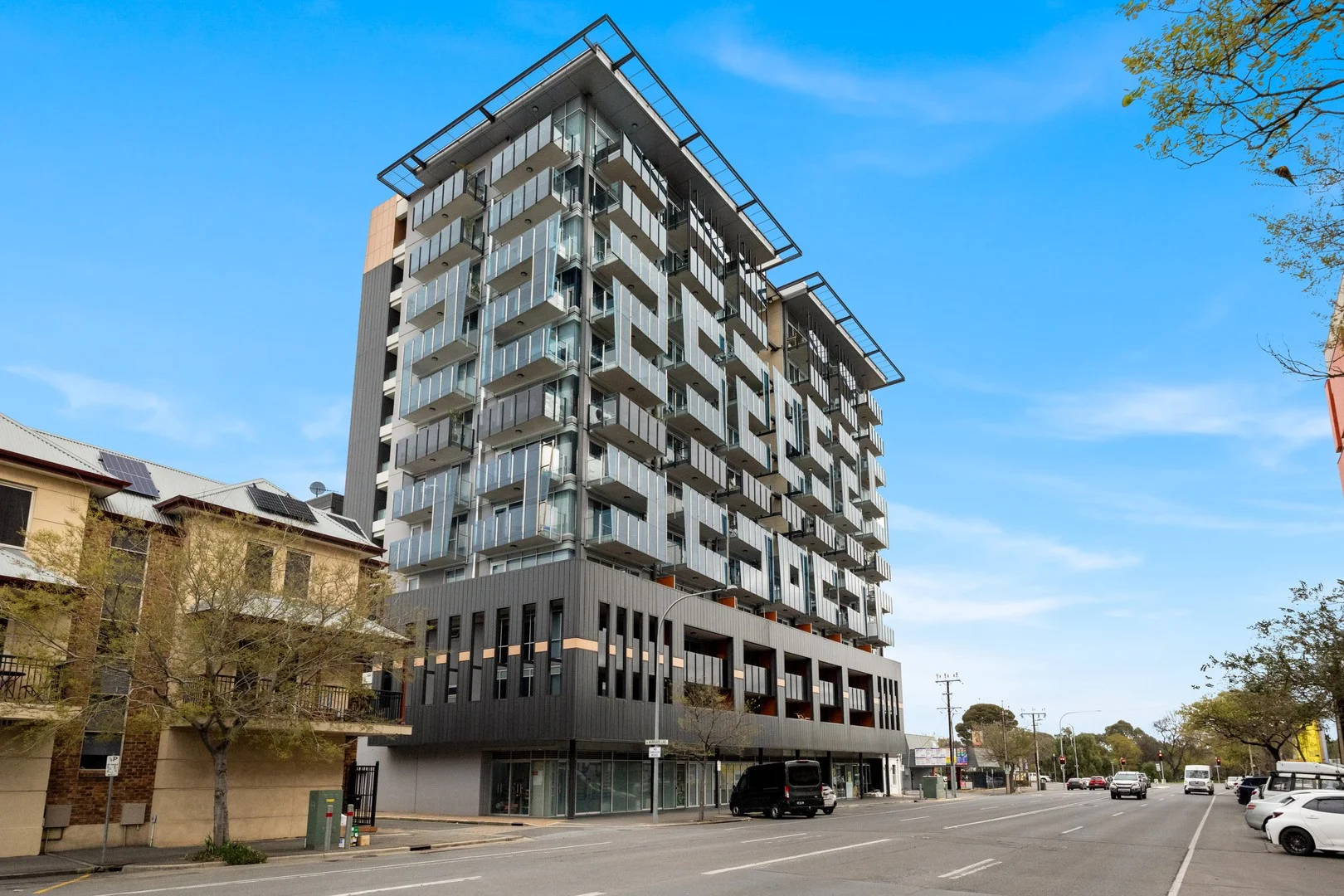 $1,100,000
Apartment / Unit / Flat
$1,100,000
Apartment / Unit / Flat
 $588,000
Apartment / Unit / Flat
$588,000
Apartment / Unit / Flat
 $557,000
Apartment / Unit / Flat
$557,000
Apartment / Unit / Flat
 $935,000
Apartment / Unit / Flat
$935,000
Apartment / Unit / Flat
 $1,056,000
Apartment / Unit / Flat
$1,056,000
Apartment / Unit / Flat
 $440,000
Apartment / Unit / Flat
$440,000
Apartment / Unit / Flat
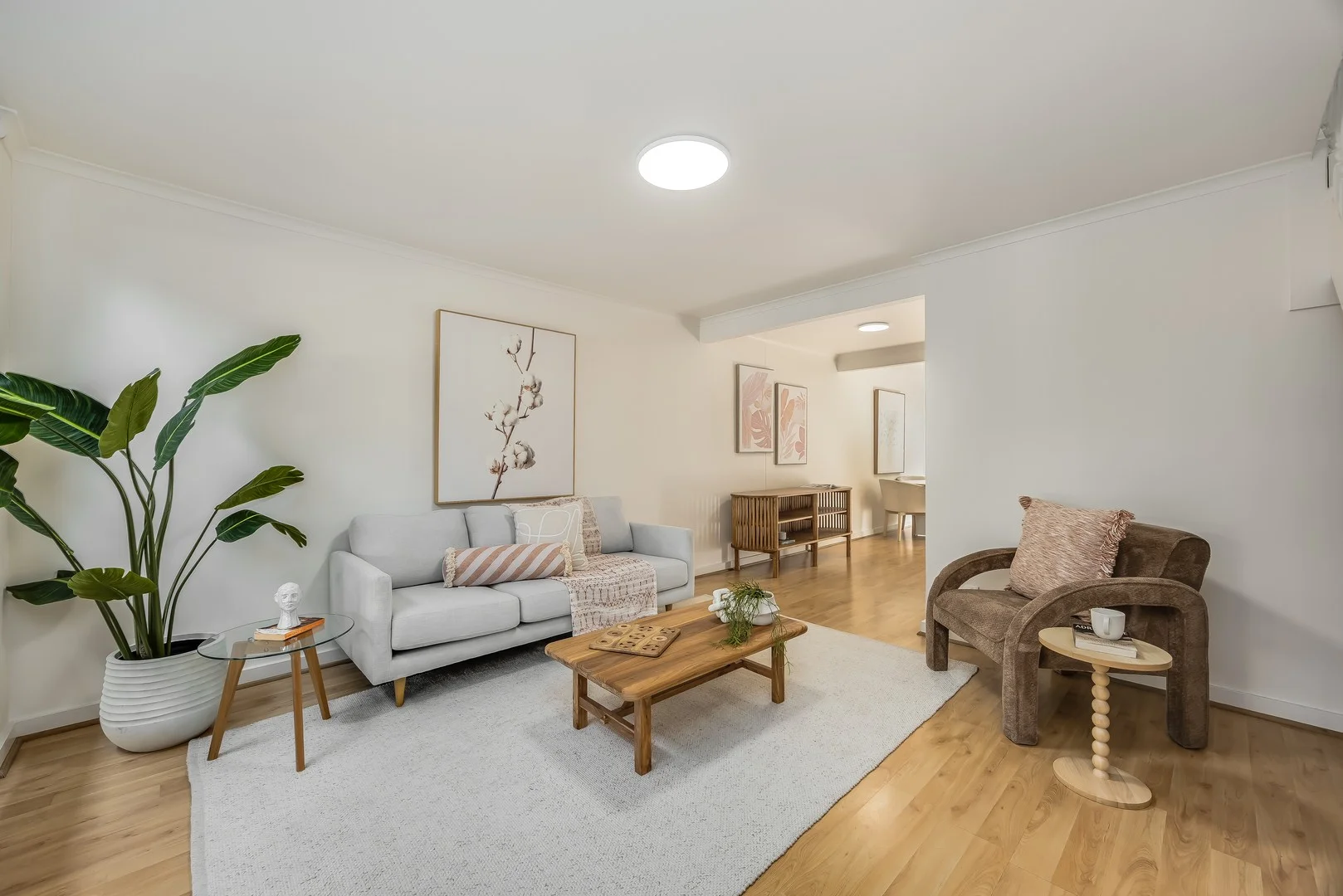 $775,000
House
$775,000
House
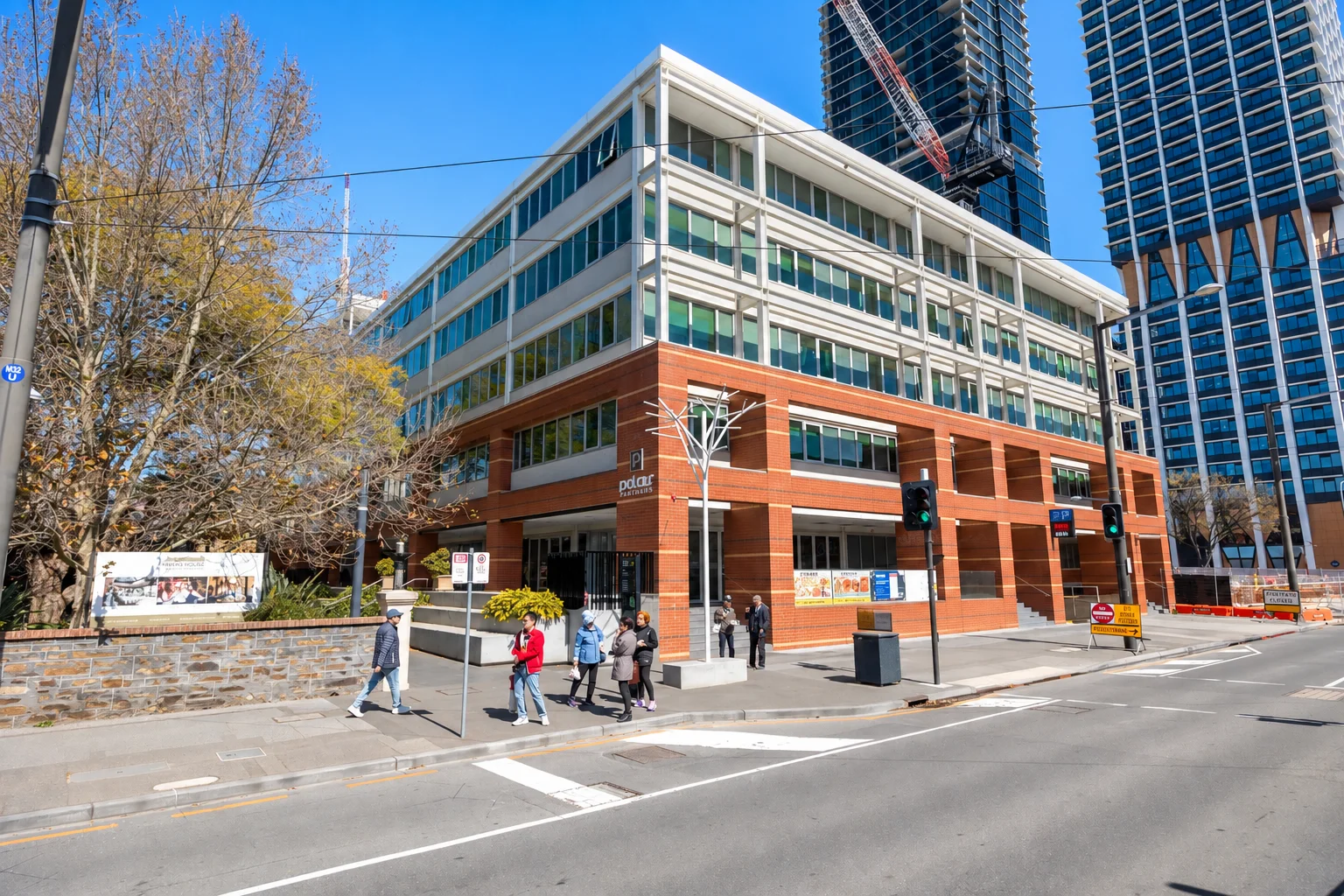 $545,000
Apartment / Unit / Flat
$545,000
Apartment / Unit / Flat