## Overview
Seaton High School is a public secondary school offering comprehensive education for co-educational students. It emphasises an inclusive and supportive learning environment with opportunities across academics, sport, and the arts. The school aims to balance strong student wellbeing with a broad curriculum to prepare students for post-school pathways.
The school tends to be described as medium-to-large in size, with class sizes that sit in the mid-20s range in many year levels. The atmosphere combines a focus on academic achievement with a culture that values belonging, teamwork, and participation in sport and extracurricular activities.
⸻
## Academics & Learning
- Academic strengths: Broad curriculum with emphasis on English, Mathematics, Science, and STEM pathways, alongside languages and leadership opportunities. The school supports students to pursue academic excellence through a range of subject options and enrichment activities.
- Special programs: Gifted and talented options, accelerated learning opportunities, and pathways into Vocational Education and Training (VET) to cater for diverse learner needs and interests.
- NAPLAN trends: Over recent years the school has shown stable to improving performance in key domains, with fluctuations typical of year-to-year data. The school emphasises progress and learning growth over raw scores.
- Student-teacher ratios: Class sizes and teacher support are designed to enable regular teacher contact and targeted assistance, with additional learning support where needed.
- Support for diverse learners: Dedicated support for EAL (English as an Additional Language) and students with additional learning needs (SEN), including tailored learning plans and access to support staff.
⸻
## Sports & Extracurricular Strengths
- Sports offered: A broad program including football, netball, basketball, cricket, soccer, athletics, and other team and individual sports.
- Strong teams or achievements: Competitive school teams participate in local and regional events, with emphasis on fair play, development, and teamwork.
- Music, arts, drama programs: Active music ensembles, drama productions, and opportunities in performing arts to showcase student creativity.
- Clubs: Robotics, coding, chess, debating, film/media clubs, and other student-led activities support a wide range of interests.
- Partnerships: Engagement with local clubs, community organisations, and inter-school competitions to broaden opportunities beyond regular classes.
⸻
## Wellbeing & Pastoral Care
- Anti-bullying approach: Whole-school policies and programs aimed at creating a safe, respectful environment with clear reporting and support mechanisms.
- House system: A house or pastoral group structure helps build belonging, community, and leadership opportunities.
- Counsellors / wellbeing officers: Access to school-based counsellors and wellbeing staff who provide confidential support and guidance.
- Transition support for new students: Orientation activities, buddy systems, and targeted help for students starting at the school to ease transitions.
⸻
## Facilities
- Sports grounds: On-site outdoor spaces suitable for PE and school sport.
- Libraries: Dedicated library resources to support reading and research.
- Science labs: Modern laboratories for biology, chemistry, physics, and related experiments.
- Music/performing arts centers: Space for music ensembles, drama rehearsals, and performances.
- Tech/innovation labs: Facilities for technology, coding, robotics, and digital projects.
- Cafeteria: On-site canteen providing a range of meal and snack options.
- Updated playgrounds: Play areas and outdoor spaces for breaks and recreation.
⸻
## School Values & Community Culture
- School values / mission: A focus on respect, responsibility, resilience, and excellence within a supportive community.
- Leadership style: Inclusive, student-inclusive leadership with opportunities for student voice and participation in school decisions.
- Behaviour expectations: Clear codes of conduct aligned with positive behaviour support and consistent expectations.
- Community reputation: Known for a welcoming environment with strong ties to local families and community groups.
- Diversity & inclusion: Commitment to diversity and inclusive practices that welcome students from different backgrounds.
⸻
## School Logistics & Daily Operations
- School hours: Regular school day starts in the morning and finishes in the mid-afternoon, with occasional after-school activities.
- Before/after school care: Availability varies; some arrangements may be through OSCH providers or school-based programs.
- Uniform requirements: School uniform policy applies; details provided by the school.
- Transport (train/bus routes): Access to regional bus routes and local transport connections; catchment and mobility options vary.
- Canteen availability: On-site canteen or snack options available.
- Fees (low/medium/high ranges): As a public high school, tuition is not charged; there may be costs associated with uniforms, excursions, and elective materials.
⸻
## Enrolment & Admissions
11. What is the enrolment process and timeline?
- Enquiries typically begin with submitting an enrolment application and providing required documentation (proof of identity, address, immunisation records as applicable). Timelines can vary by intake period and the school’s capacity; check with the school for the current calendar and required documents.
12. Is there a waiting list, and how does it work?
- There may be a waiting list for popular year levels or programs. Enrolment decisions often consider catchment rules, availability, and placement priorities; the school will outline the process and expected wait times if applicable.
13. Are there any entry requirements, tests, or interviews?
- Most public high schools do not require entrance tests for general enrolment. Some selective or prestigious programs may have assessment or interview pathways; details are provided by the school for any targeted programs.
14. Does the school accept mid-year transfers?
- Transfer requests during the year are possible subject to space and policy, with the school's administration guiding the transfer process and timelines.
⸻
## Frequently Asked Questions
- Why Parents Choose This School?
- A strong, well-rounded program with supportive wellbeing, diverse extracurriculars, and a welcoming community.
- What type of student thrives at this school?
- Students who are curious, participate in class, engage in sport or the arts, and value a balanced academic and social environment.
- What opportunities are available for students to extend their skills (academics, sports, arts)?
- Advanced courses and enrichment in core subjects, leadership roles, clubs (robotics, coding, debating), sports teams, music and drama programs, and VET pathways.
- How does the school communicate with parents?
- Regular newsletters, a student portal or learning management system, emails, parent evenings, and social media updates as applicable.
- What is the school’s approach to teaching and learning?
- Student-centred learning with a broad curriculum, regular feedback, and opportunities for collaboration, practical and problem-based activities, and targeted support.
- How does the school support students who need extra academic help?
- Learning support services, EAL and SEN provisions, targeted tutoring or additional help within the timetable, and access to specialist staff.
- What support is available for academic challenges?
- Dedicated counsellors or wellbeing officers, assessment reviews, additional coaching, and adjustments to learning plans as needed.
- How does the school communicate with parents? (Repeated)
- See above: newsletters, portal, events, and direct communications as needed.
- What are the class sizes and how much individual attention do students receive?
- Class sizes are designed to provide regular teacher contact and opportunities for feedback; additional support is available through learning support staff.
- What extracurricular and sports opportunities are available?
- A wide range of sports teams, music and drama programs, and clubs such as robotics, coding, chess, and debating.
- What facilities does the school offer (sports, science, arts)?
- Sports grounds, libraries, science labs, music/performing arts facilities, tech/innovation labs, cafeterias, and updated outdoor spaces.
- What is the school’s approach to technology and digital learning?
- Integration of digital tools across learning, access to computer labs or devices, and opportunities for students to develop digital literacy and coding skills.
- What transport and accessibility options are available?
- Bus routes and local transport connections; accessibility considerations and support for students with mobility or other needs.
- What are typical school fees or additional costs?
- Public schooling typically has minimal tuition; additional costs may relate to uniforms, elective materials, activities, or excursions.
⸻
## Short Pros & Cons list
- Pros
- Inclusive, supportive environment with a broad curriculum
- Strong wellbeing supports and student services
- Wide range of extracurricular activities (sports, arts, clubs)
- Opportunities for leadership and real-world experiences
- Good community connections and partnerships
- Cons
- Larger school size can mean busier administration and busier campuses
- Some programs or facilities may have wait lists or be in high demand
- Uniforms and certain extra costs can add to ongoing expenses
- Balancing academics with a busy extracurricular schedule may require planning
⸻









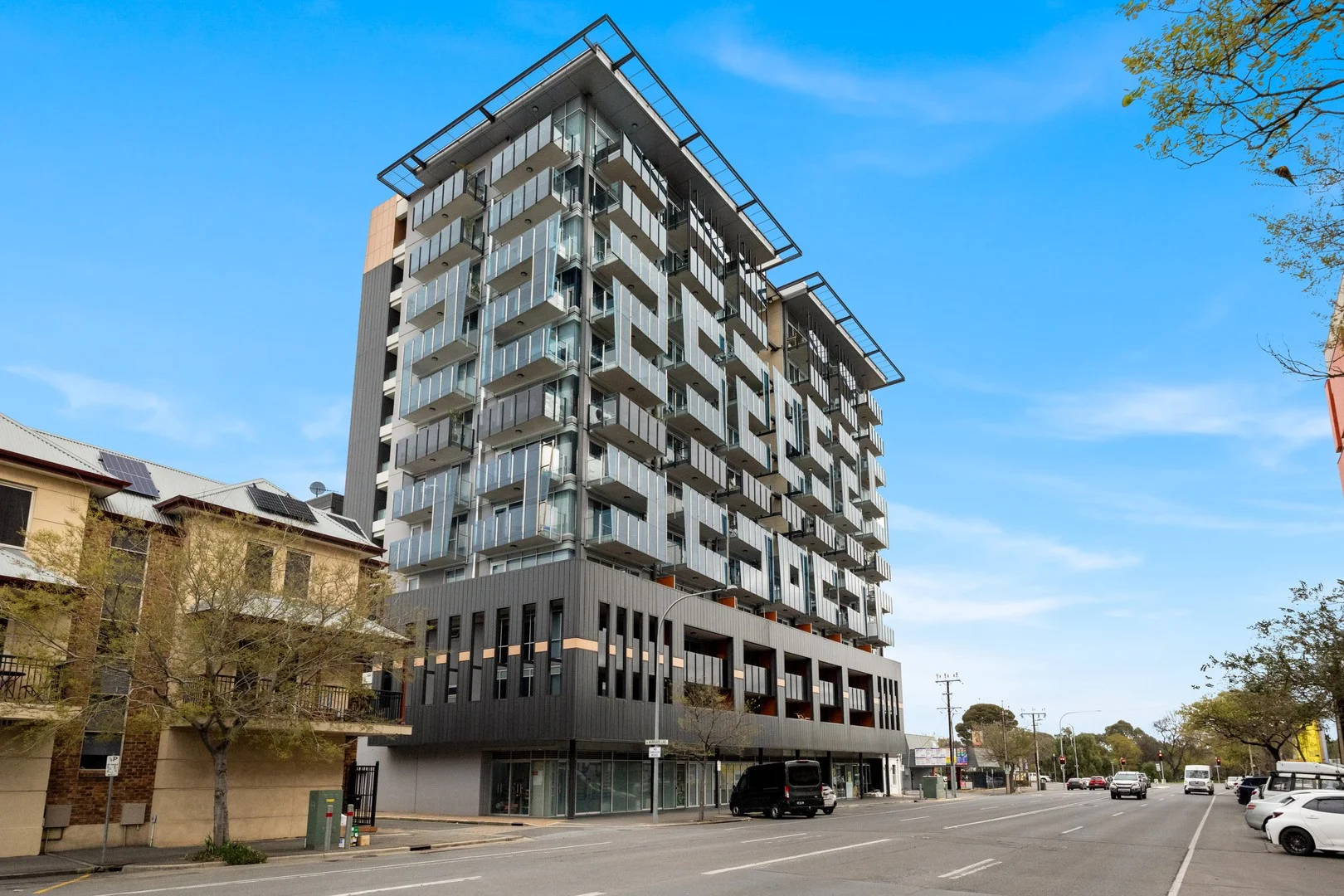 $1,100,000
Apartment / Unit / Flat
$1,100,000
Apartment / Unit / Flat
 $588,000
Apartment / Unit / Flat
$588,000
Apartment / Unit / Flat
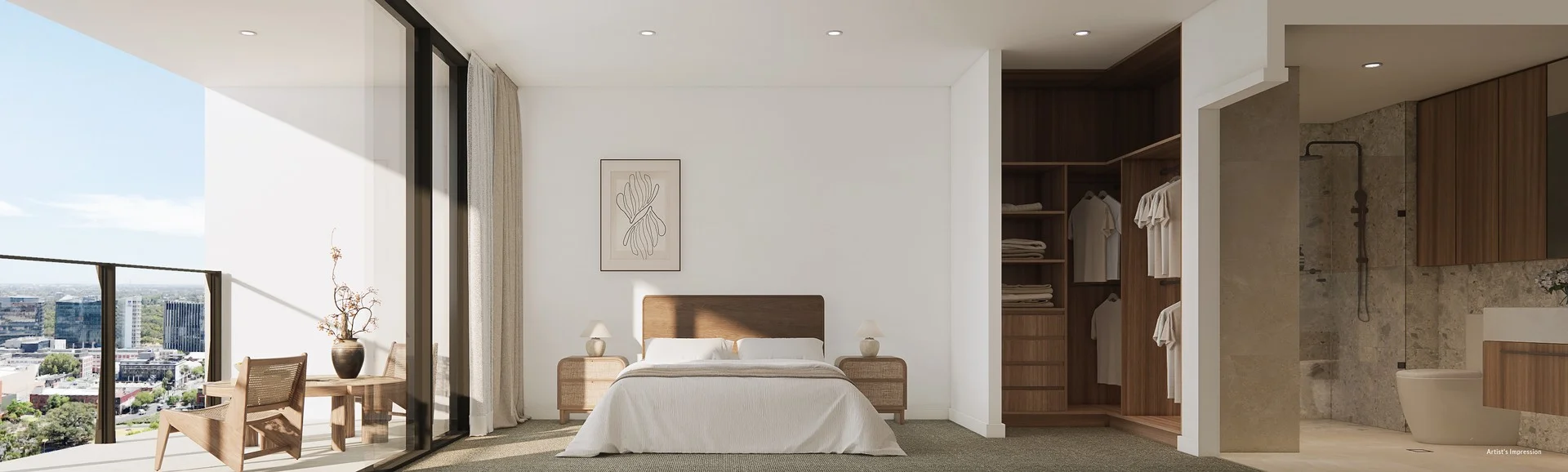 $1,056,000
Apartment / Unit / Flat
$1,056,000
Apartment / Unit / Flat
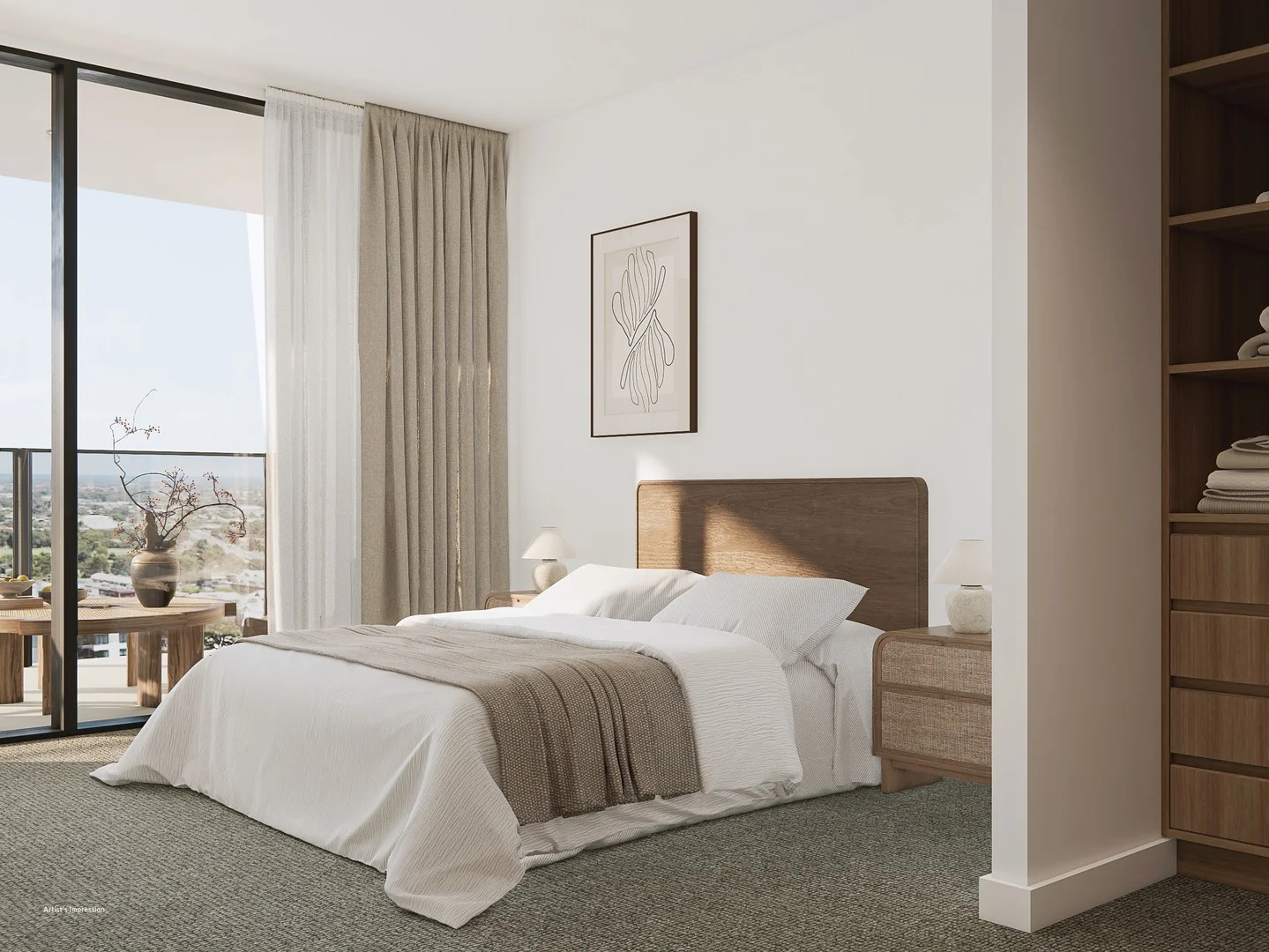 $935,000
Apartment / Unit / Flat
$935,000
Apartment / Unit / Flat
 $557,000
Apartment / Unit / Flat
$557,000
Apartment / Unit / Flat
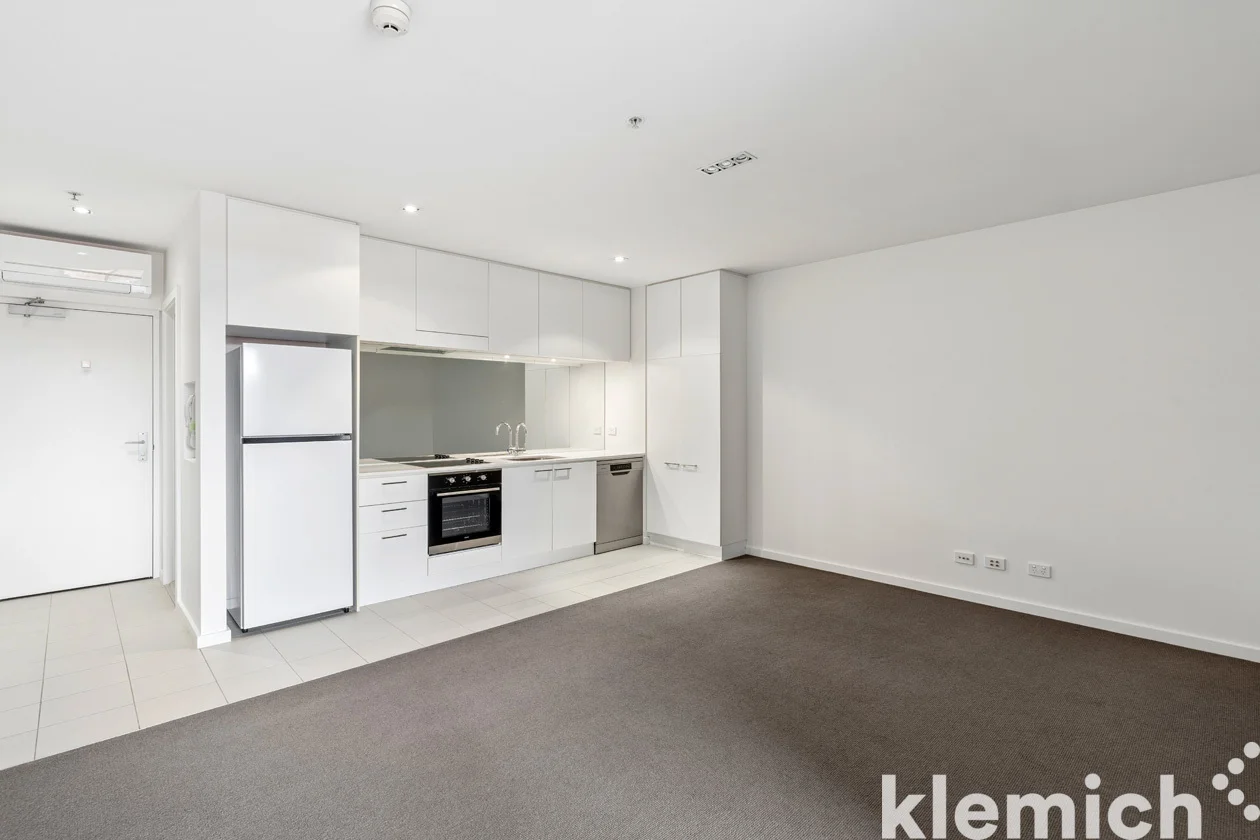 $440,000
Apartment / Unit / Flat
$440,000
Apartment / Unit / Flat
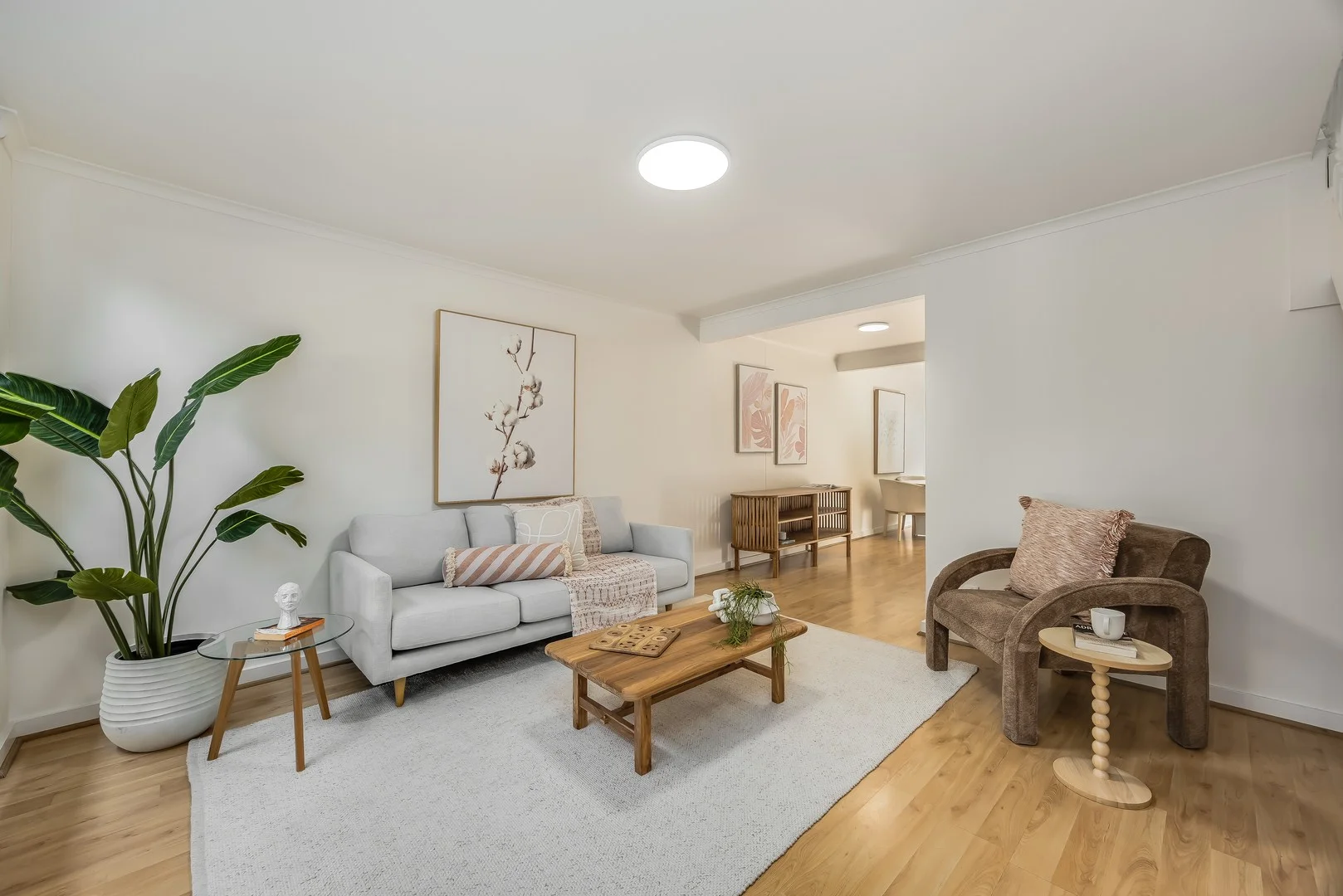 $775,000
House
$775,000
House
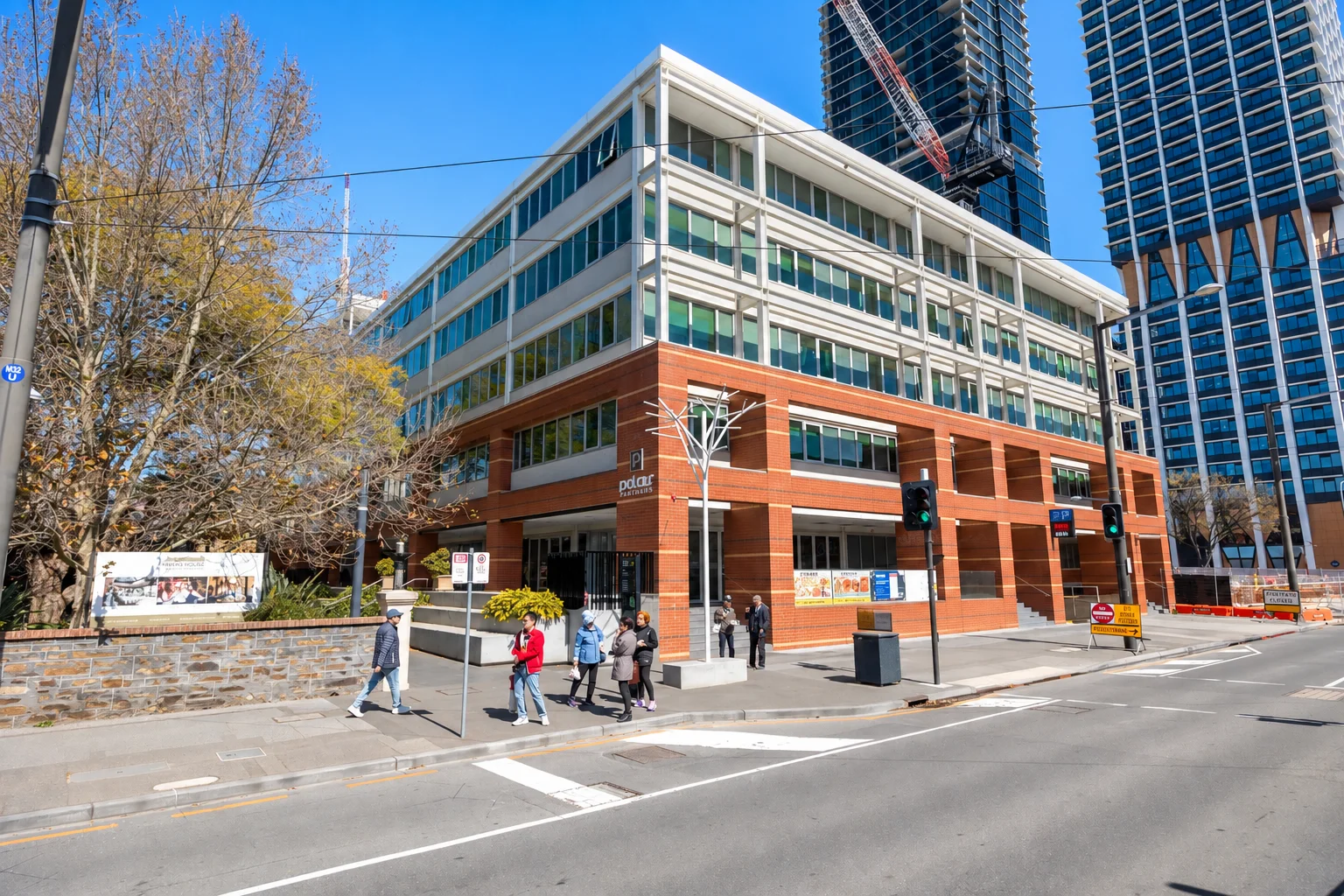 $545,000
Apartment / Unit / Flat
$545,000
Apartment / Unit / Flat