1. Overview
Our Lady Queen of Peace School is a Catholic primary school serving families in Albert Park and the surrounding area. As a Catholic school, it centers faith-based values, student wellbeing and community involvement, while delivering a broad curriculum to nurture the whole child.
The school environment is small to medium in size, with class sizes typically in the 20s. This supports a warm, nurturing atmosphere where students are known well by teachers and encouraged to grow academically, socially and spiritually. The culture emphasises inclusivity, resilience and active participation in school life.
2. Academics & Learning
- Academic strengths: English and literacy, numeracy, religious education, and the arts are core strengths, with opportunities to integrate STEM concepts across the curriculum.
- Special programs: Gifted and Talented pathways, plus targeted support for students who benefit from extra literacy or numeracy assistance; ICT and digital learning embedded across classrooms.
- NAPLAN trends: Consistent participation with steady progress over recent years, reflecting focused teaching strategies and targeted literacy/numeracy interventions.
- Student-teacher ratios: Favorable ratios in line with primary schooling expectations (roughly around 1:18 for planning and small-group learning opportunities).
- Support for diverse learners: Strong EAL (English as an Additional Language) support and inclusive education for students with additional learning needs (SEN), with personalised learning plans where appropriate.
3. Sports & Extracurricular Strengths
- Sports offered: Cricket, football (soccer), basketball, netball, athletics, and minor codes as appropriate to the cohort.
- Strong teams or achievements: Regular participation in local school sport events and inter-school competitions; emphasis on teamwork, fair play and skill development.
- Music, arts, drama programs: Active music and performing arts program including choir, instrumental lessons and school productions; visual arts integrated across the curriculum.
- Clubs: Robotics, chess, coding, debating and other enrichment clubs available to students.
- Partnerships: Connections with local clubs and community programs to support competitions, coaching and opportunities beyond the classroom.
4. Wellbeing & Pastoral Care
- Anti-bullying approach: Clear anti-bullying policies, restorative practices and a culture of respect; regular well-being lessons and student-led initiatives.
- House system: House groups support collaboration, friendly competition and mentorship across year levels.
- Counsellors / wellbeing officers: Access to school-based wellbeing staff to support social, emotional and behavioural needs.
- Transition support for new students: Structured transition processes, orientation activities and peer buddy systems to help new students settle in smoothly.
5. Facilities
- Sports grounds: On-site playing fields and courts suitable for a range of activities.
- Libraries: School library with a diverse collection to promote reading for enjoyment and research.
- Science labs: Dedicated science spaces for hands-on experiments and inquiry-based learning.
- Music/performing arts centers: Facilities to support music, drama and production activities.
- Tech/innovation labs: Digital labs and maker spaces to integrate technology and design thinking.
- Cafeteria: On-site canteen offering healthy meal and snack options.
- Updated playgrounds: Well-maintained play areas that encourage active play and exploration.
6. School Values & Community Culture
- School values / mission: A faith-informed mission focusing on respect, responsibility, integrity and service to others.
- Leadership style: Collaborative leadership with opportunities for student voice and teacher collaboration; strong pastoral care ethos.
- Behaviour expectations: Clear codes of conduct rooted in respect, responsibility and community safety; consistent, fair discipline with restorative practices.
- Community reputation: Positive reputation for a welcoming, inclusive atmosphere and supportive relationships among families, staff and parish communities.
- Diversity & inclusion: Commitment to welcoming students from diverse backgrounds and ensuring accessible learning for all.
7. School Logistics & Daily Operations
- School hours: Typical primary school day with start and finish times aligned to local schedules; consider slight variations by year level.
- Before/after school care: Availability of before- and after-school care programs to support working families.
- Uniform requirements: School uniform encouraged or required, with a sports uniform option for physical education and activities.
- Transport (train/bus routes): Access via local transport options; school may coordinate with families on convenient pickup/drop-off arrangements.
- Canteen availability: Canteen or canteen-style service offering healthy options throughout the day.
- Fees (low/medium/high ranges): Fee levels represent a moderate investment for a Catholic primary school; precise figures vary by year and program and should be confirmed with the school.
8. Enrolment & Admissions
11. What is the enrolment process and timeline?
- Submit an online or paper application with required documents (birth certificate, immunisation status, proof of residency, etc.).
- Applications are reviewed, and short-listed applicants are invited for a family interview or information session.
- Offers are made based on space availability, with a timeline that typically runs across a few months from application to placement.
12. Is there a waiting list, and how does it work?
- Many Catholic primary schools maintain a waiting list when intake is full; priority is often given to siblings and parish/priority criteria.
- Waiting lists are managed in order of application date and available space, with regular updates provided to families.
13. Are there any entry requirements, tests, or interviews?
- Entry generally involves interviews or information sessions to understand student readiness, alongside standard documentation.
- Some schools may request a short assessment or readiness check as part of the enrolment process; religious education commitments and family involvement may also be discussed.
14. Does the school accept mid-year transfers?
- Mid-year transfers are possible if term and class space permit; families should apply and provide school transcripts, immunisation records and any relevant reports.
- Transfer arrangements typically include a transition plan to support the student’s quick integration, including meeting teachers and potential buddy support.
9. Frequently Ask Questions
- Why Parents Choose This School?
This Catholic school offers a faith-centered learning community, strong pastoral care, engaging academics and a supportive environment that fosters individual growth and community involvement.
- What type of student thrives at this school?
Students who respond well to a nurturing, values-based education with opportunities for participation in sport, arts and community service tend to thrive here.
- What opportunities are available for students to extend their skills (academics, sports, arts)?
A range of enrichment options exists, including Gifted and Talented pathways, clubs (robotics, coding, debate), sports teams, music and performing arts programs.
- How does the school communicate with parents?
Regular newsletters, parent-teacher meetings, digital portals for assignments and progress updates, and open channels with teachers and leadership.
- What is the school’s approach to teaching and learning?
An integrated, child-centered approach combines core literacy and numeracy with faith-based values, inquiry-based learning and differentiated instruction.
- How does the school support students who need extra academic help?
Targeted literacy and numeracy support, small-group instruction, EAL/SEN support and tailored learning plans are available.
- What support is available for academic challenges?
Early intervention strategies, targeted tutoring, and ongoing progress monitoring to adjust instruction as needed.
- How does the school communicate with parents? (Note: repeated; consolidated below)
See above: regular updates, meetings, and digital platforms.
- What are the class sizes and how much individual attention do students receive?
Class sizes typically range in the low 20s, with opportunities for targeted small-group instruction and teacher-led support.
- What extracurricular and sports opportunities are available?
A broad program including team sports, music and performing arts, and clubs such as robotics, chess, coding and debating.
- What facilities does the school offer (sports, science, arts)?
Sports grounds, libraries, science labs, performing arts spaces, technology labs and a canteen are available.
- What is the school’s approach to technology and digital learning?
Integrated ICT across the curriculum, with teacher-guided use of digital tools, coding, and responsible use education.
- What transport and accessibility options are available?
Public transport connections and school-arranged options where possible; flexible drop-off/pick-up plans may be available.
- What are the typical school fees or additional costs?
Fees are structured for primary Catholic education with additional costs for activities or trips; exact amounts vary by year and program.
10. Short Pros & Cons list
- Pros
- Catholic values-based education with strong pastoral care
- Small-to-medium school environment conducive to individual attention
- Broad enrichment options: sport, arts, clubs, and leadership opportunities
- Support for diverse learners: EAL and SEN services
- Active community and parental involvement
- Cons
- Limited intake windows may mean waiting lists for certain year levels
- Uniform and additional activity costs can add to overall expenses
- Smaller school size may mean fewer intensive programs in some specialized areas compared with larger schools
Note: Figures, programs and processes can vary by year and intake cycle. Please confirm current details with the school administration to ensure accuracy and up-to-date information.









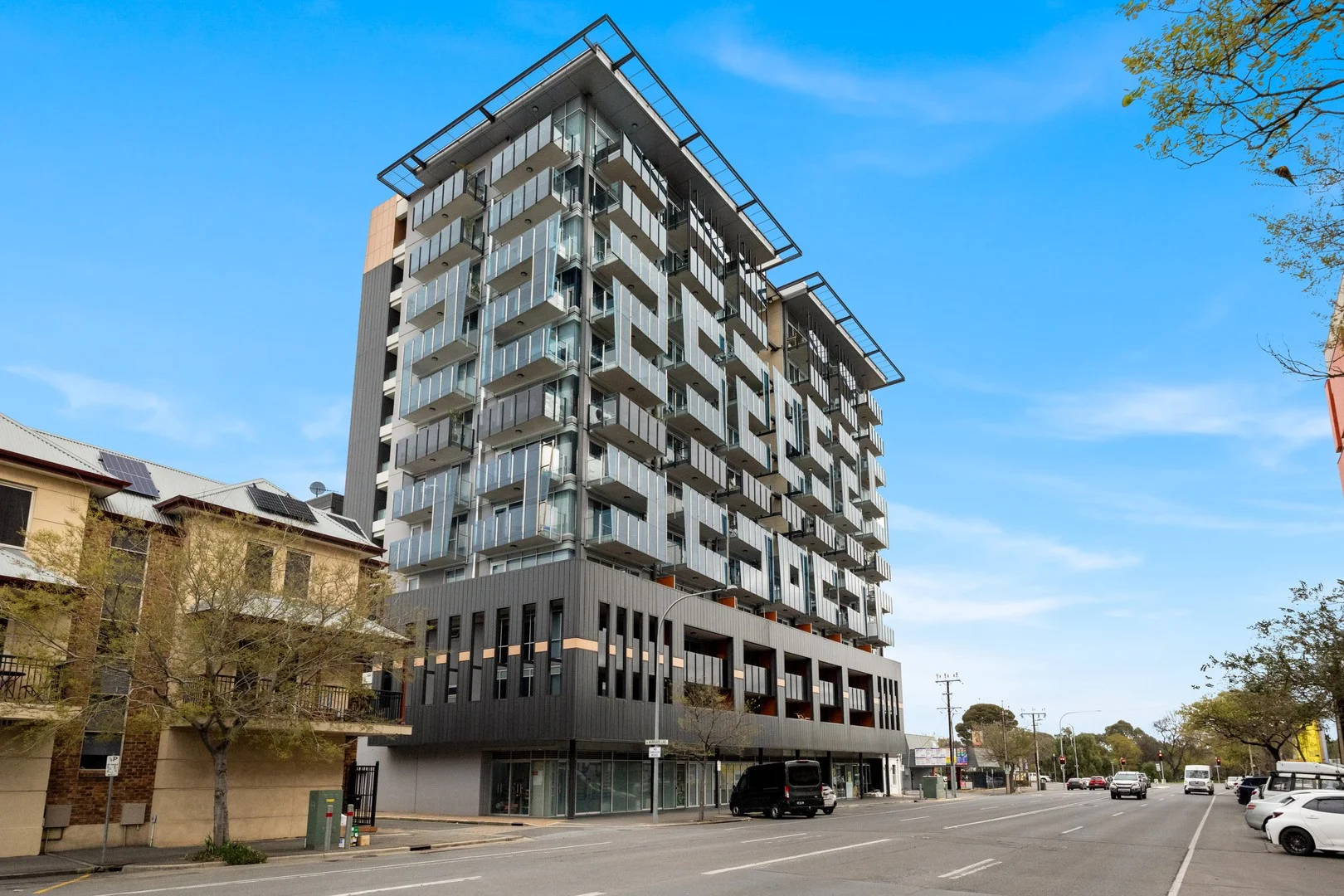 $1,100,000
Apartment / Unit / Flat
$1,100,000
Apartment / Unit / Flat
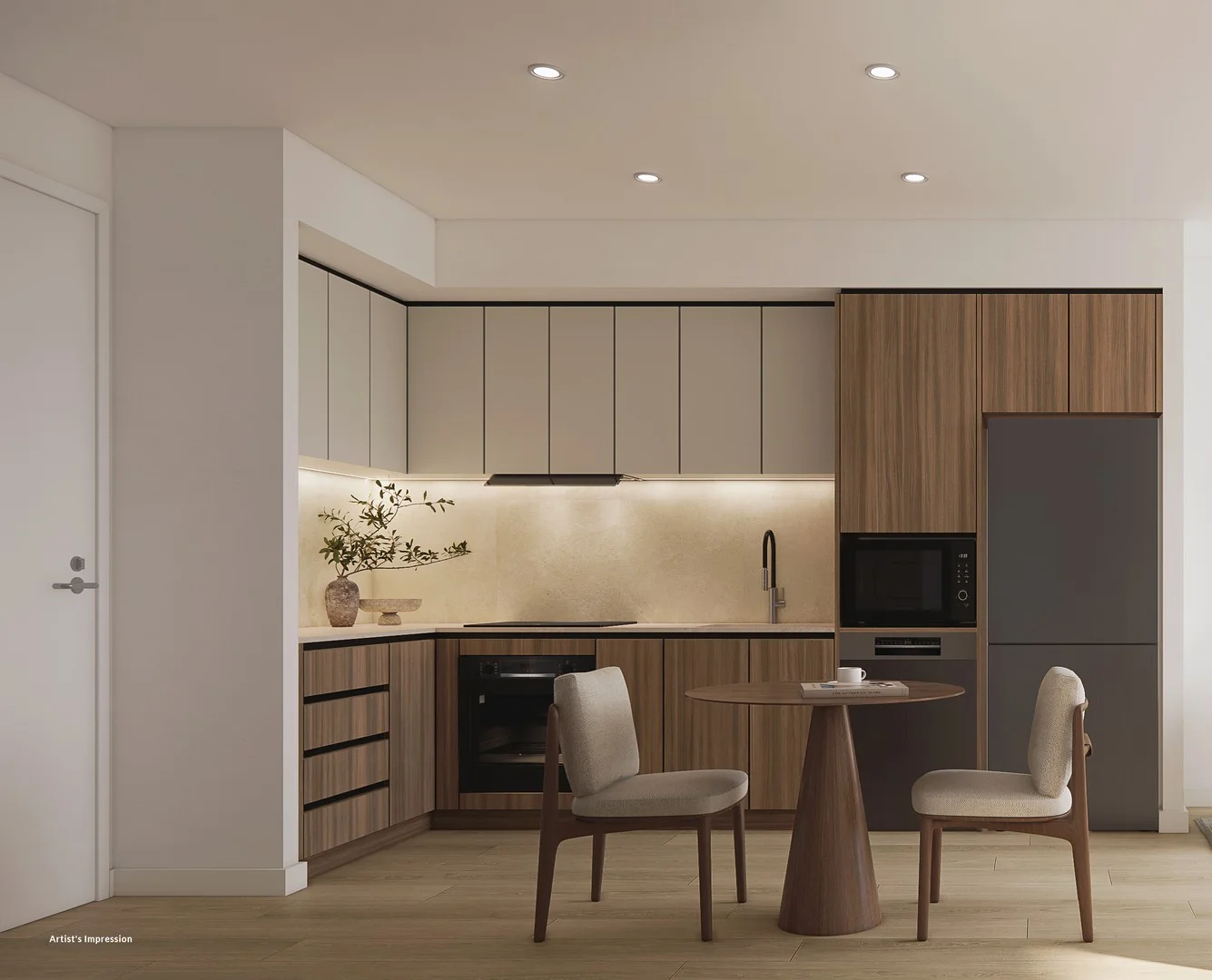 $557,000
Apartment / Unit / Flat
$557,000
Apartment / Unit / Flat
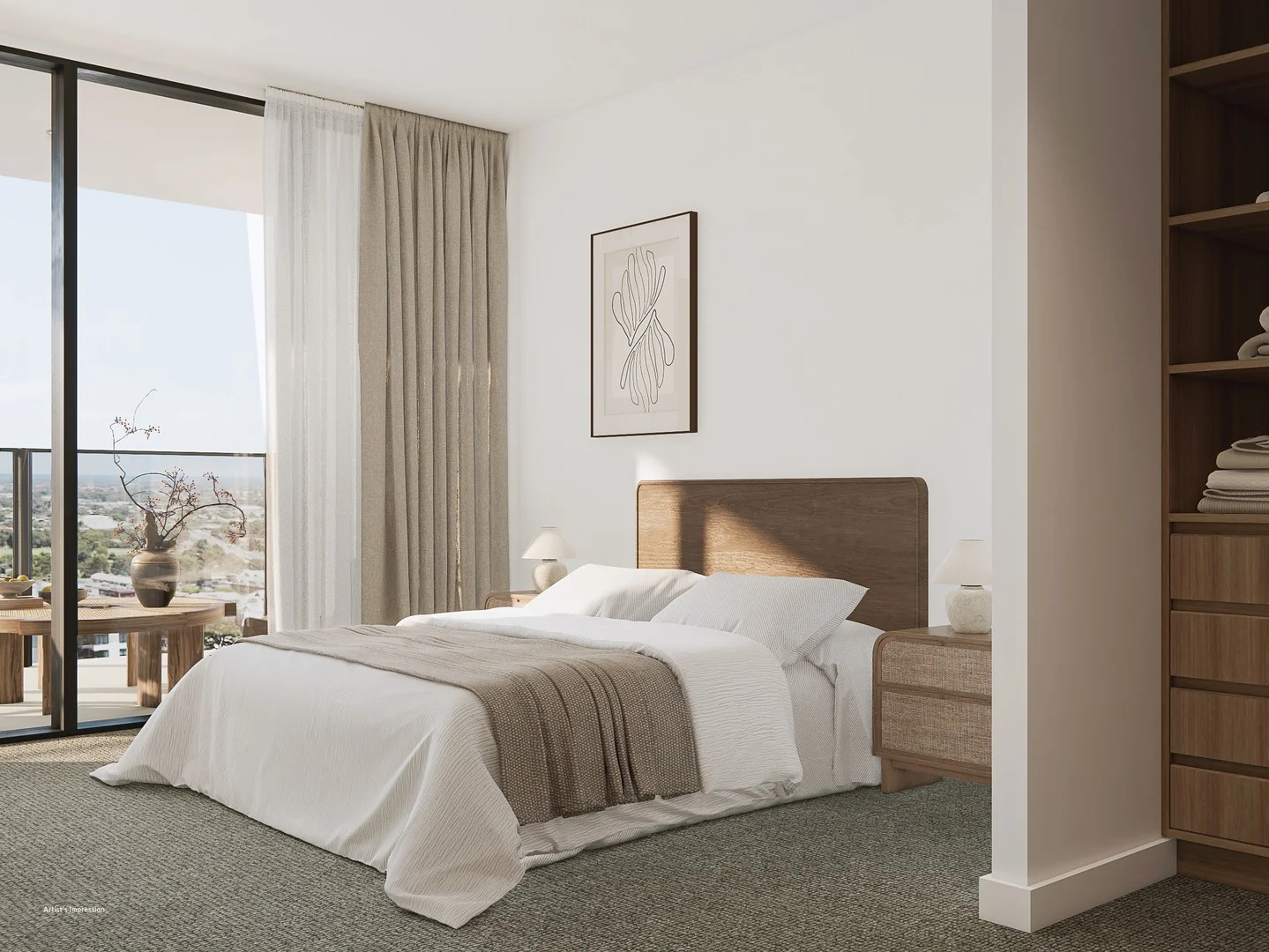 $935,000
Apartment / Unit / Flat
$935,000
Apartment / Unit / Flat
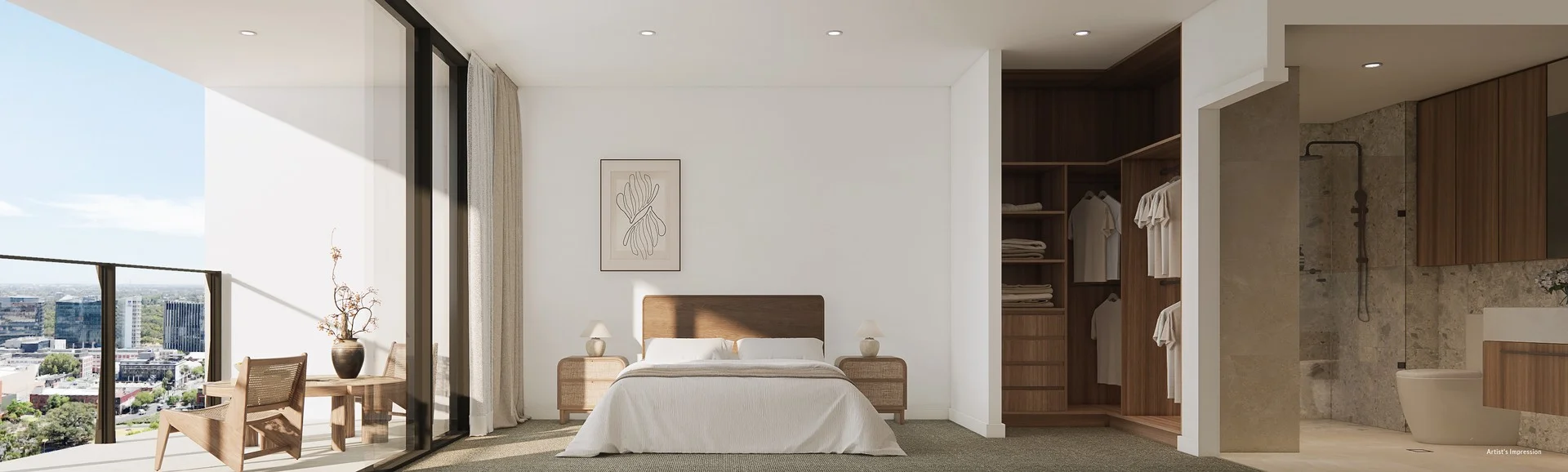 $1,056,000
Apartment / Unit / Flat
$1,056,000
Apartment / Unit / Flat
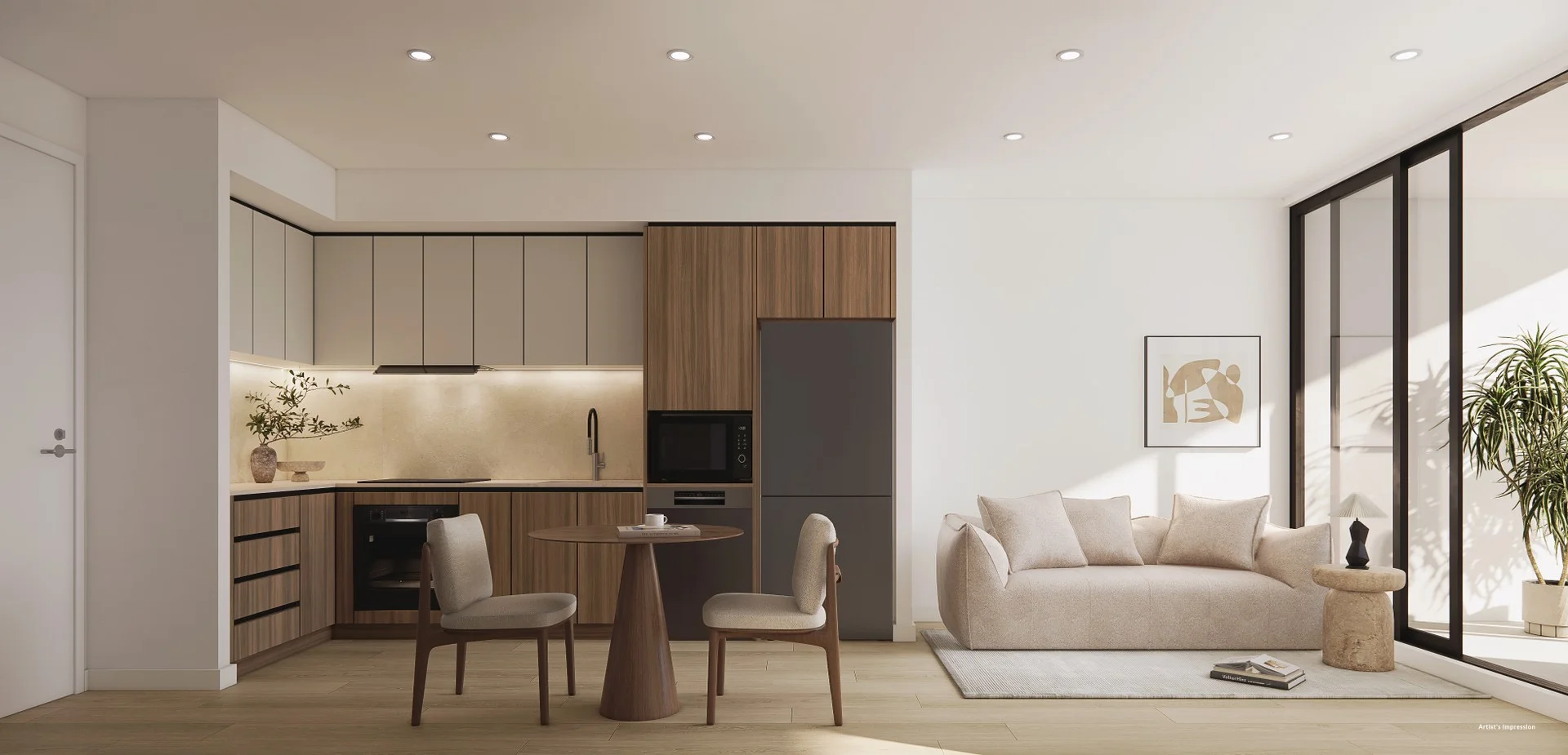 $588,000
Apartment / Unit / Flat
$588,000
Apartment / Unit / Flat
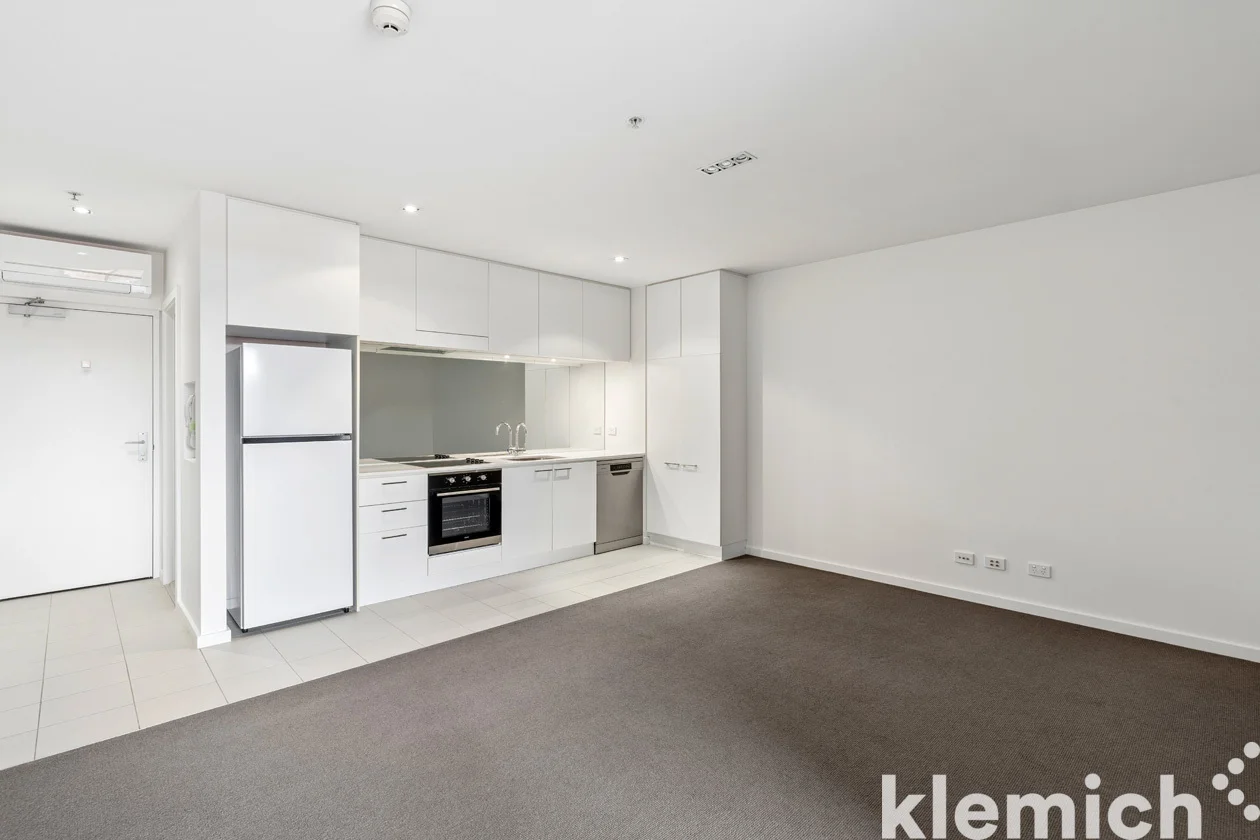 $440,000
Apartment / Unit / Flat
$440,000
Apartment / Unit / Flat
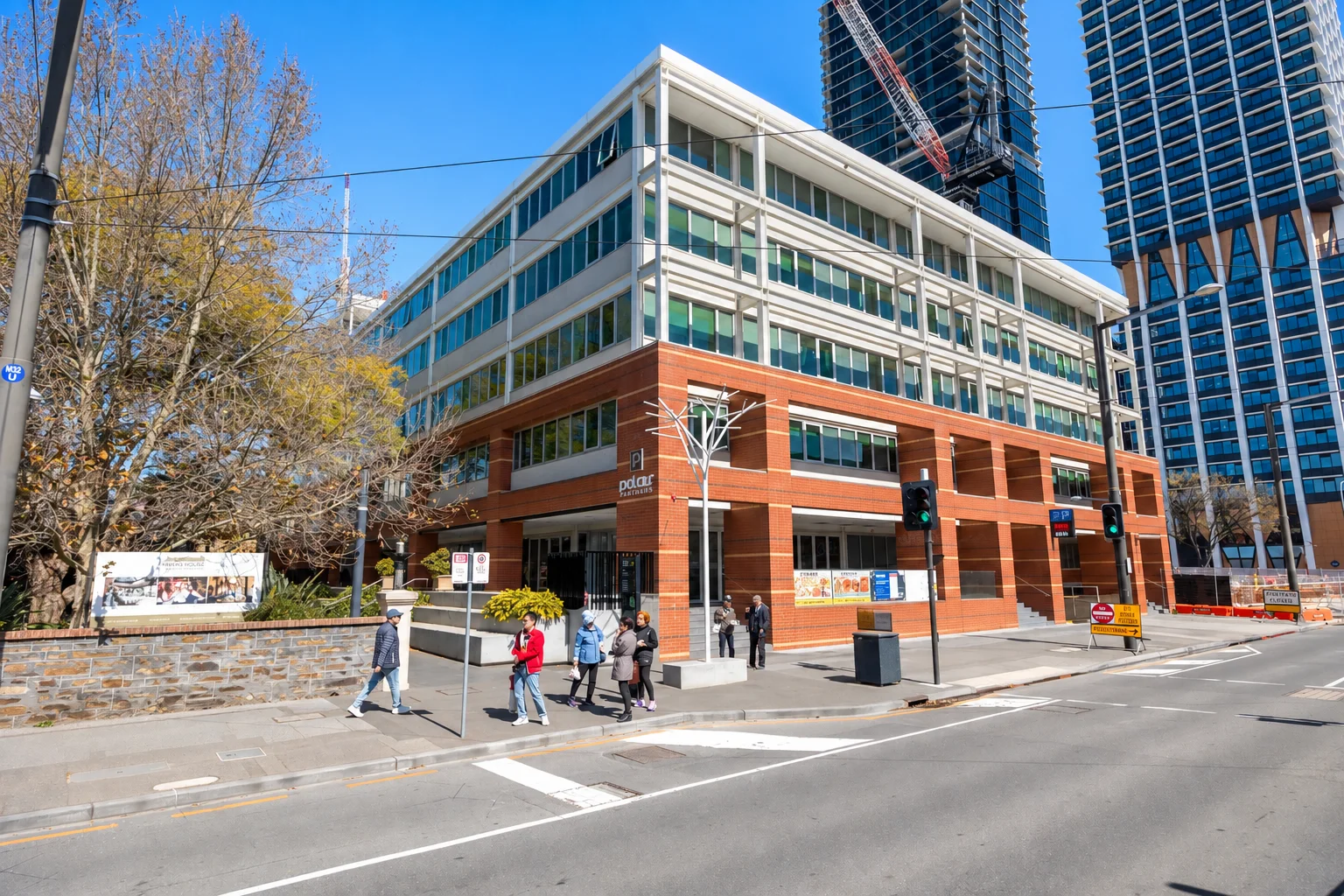 $545,000
Apartment / Unit / Flat
$545,000
Apartment / Unit / Flat
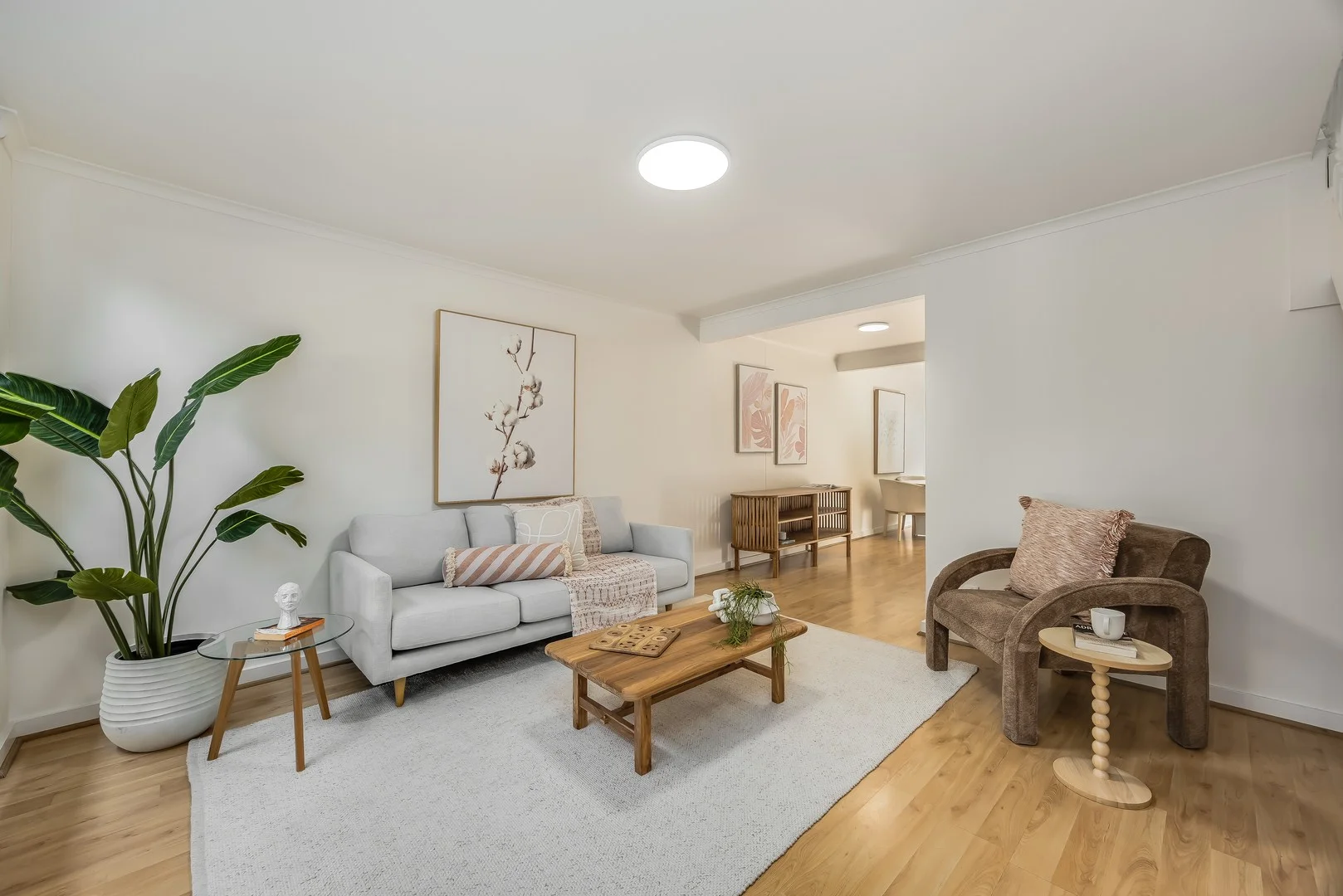 $775,000
House
$775,000
House


