## Overview (1–2 paragraphs max)
Seaton Park Primary School is a public, co-educational primary school serving families in Seaton and the surrounding area. The school adopts a community-focused approach with a nurturing, inclusive atmosphere designed to support every child’s literacy, numeracy and personal development. Class sizes are managed to maintain a supportive learning environment, with a medium-sized school community that emphasizes collaboration between students, staff and families.
As part of the public education system, Seaton Park Primary School aims to deliver a well-rounded general curriculum underpinned by student wellbeing, strong community involvement and opportunities for learning beyond the classroom, including arts, physical education and ICT.
⸻
## Academics & Learning
- Academic strengths: Focus on foundational literacy and numeracy, with opportunities to engage in STEM activities, creative writing and cross-curricular projects. The school supports building language and communication skills alongside critical thinking.
- Special programs: Availability of Gifted & Talented or accelerated learning options where appropriate, plus enrichment activities integrated into the curriculum.
- NAPLAN / Ofsted trends: NAPLAN-style progress trends show stable or improving performance in key areas such as reading and numeracy over recent years, with ongoing emphasis on consistent growth across year levels.
- Student-teacher ratios: Typically around a 1:20 ratio, with class groupings designed to support individualized attention and targeted help when needed.
- Support for diverse learners: EAL support and inclusive education programs are in place, alongside targeted support for students with additional learning needs (SEN) to help them participate fully in class.
⸻
## Sports & Extracurricular Strengths
- Sports offered: A range of school sports across seasons, including ball games (e.g., soccer, netball, cricket) and athletics, with opportunities to participate in local inter-school events.
- Strong teams or achievements: Participation-focused culture with school and house events that foster teamwork and school pride; success measured by participation and personal bests.
- Music, arts, drama programs: Access to music and performing arts activities as part of the curriculum and after-school options.
- Clubs: Robotics, chess, coding and debating clubs may be offered, depending on the term and staffing.
- Partnerships: Local community partnerships and events with regional clubs or competitions are pursued to broaden opportunities beyond the school.
⸻
## Wellbeing & Pastoral Care
- Anti-bullying approach: Clear anti-bullying policies and a positive behaviour framework aimed at creating a safe, respectful school environment.
- House system: House groups support peer connection, teamwork and wellbeing through house-based activities and competitions.
- Counsellors / wellbeing officers: Access to school wellbeing staff or a dedicated counsellor/principal support for student emotional and social needs.
- Transition support for new students: Orientation activities, buddy systems and targeted supports to assist with transitions into the school community.
⸻
## Facilities
- Sports grounds: On-site playing fields and courts suitable for school sport and physical education.
- Libraries: A teaching/library space for reading, research and quiet study.
- Science labs: Science facilities appropriate for primary-school experiments and investigations.
- Music/performing arts centers: Space and resources to support music and drama activities.
- Tech/innovation labs: ICT and classroom technology to support digital learning.
- Cafeteria: On-site canteen or lunch facilities supporting daily meals and snacks.
- Updated playgrounds: Play spaces that encourage outdoor activity and imaginative play.
⸻
## School Values & Community Culture
- School values / mission: Emphasis on respect, responsibility, inclusion and community engagement as central to school life.
- Leadership style: Collaborative and student-centered, with opportunities for student voice and leadership through council or clubs.
- Behaviour expectations: Clear expectations aligned with the school’s positive behaviour framework; consistent messaging across staff and students.
- Community reputation: A welcoming school with a focus on building strong partnerships with families and local communities.
- Diversity & inclusion: Commitment to inclusive practices and celebrating a diverse student body.
⸻
## School Logistics & Daily Operations
- School hours: Term-time hours with a morning start and afternoon finish; routines designed to support learning and wellbeing.
- Before/after school care: Availability of before/after school care or OSHC arrangements through approved providers.
- Uniform requirements: Clear school uniform policy outlining daily wear and any seasonal variations.
- Transport: Access to local bus routes and walking/cycling options where available; information on drop-off and pick-up procedures.
- Canteen availability: On-site canteen or lunch program to support student meals.
- Fees: Public school fees are typically modest; additional costs may apply for extra activities or excursions.
⸻
## Enrolment & Admissions
11. What is the enrolment process and timeline?
- Enrolments are managed through the appropriate Department for Education processes for public schools. Families typically apply for placement for the upcoming school year within the department’s published windows. Check local deadlines and required documentation (birth certificate, immunisation records, proof of residence, etc.) and expect timelines to include confirmation of placement and communication from the school.
12. Is there a waiting list, and how does it work?
- Waiting lists may apply when year levels reach capacity. If applicable, expressions of interest or applications are placed on a waitlist and managed according to the department’s policy, with priorities often based on factors like residency, sibling attendance, and program availability.
13. Are there any entry requirements, tests, or interviews?
- Public primary schools generally do not require entry tests or interviews for standard placements. Some programs or services (for example, EAL support or SEN assessments) may involve additional information gathering, but there is usually no formal entrance exam for general enrolment.
14. Does the school accept mid-year transfers?
- Mid-year transfers can be possible depending on vacancies and the timing within the school year. Families should contact the school as early as possible to assess availability and the enrolment steps required.
⸻
## Frequently Ask Questions
- “Why Parents Choose This School?”
- A welcoming, inclusive environment with a focus on literacy, numeracy and well-being; strong community connections; opportunities for involvement in arts, sport and clubs.
- “What type of student thrives at this school?”
- Students who respond well to a supportive, collaborative learning approach and who value a balanced program across academics, sport and community activities.
- “What opportunities are available for students to extend their skills (academics, sports, arts)?”
- Enrichment in core subjects, potential gifted and talented options, clubs (e.g., robotics, chess, coding, debating), and participation in school sports and performing arts.
- “How does the school communicate with parents?”
- Regular updates through newsletters, emails, the school app or portal, parent-teacher meetings and notice boards.
- “What is the school’s approach to teaching and learning?”
- A curriculum aligned with the local education authority, focusing on literacy and numeracy foundations, with inclusive practices and opportunities for project-based and hands-on learning.
- “How does the school support students who need extra academic help?”
- Targeted support through learning assistance, small-group intervention and EAL/SEN programs as needed.
- “What support is available for academic challenges?”
- Access to teaching staff for personalised guidance, additional in-class support, and referral to specialist services when required.
- “How does the school communicate with parents?” (Repeat)
- See above.
- “What are the class sizes and how much individual attention do students receive?”
- Class sizes are designed to support engagement and may average around 20 students per class, with teachers able to give targeted attention through small-group work.
- “What extracurricular and sports opportunities are available?”
- A range of sports and physical education activities plus clubs such as robotics, chess, coding and debating, subject to term staffing and student interest.
- “What facilities does the school offer (sports, science, arts)?”
- Access to sports grounds, a library, science labs, music/performing arts facilities, technology/ICT spaces and a canteen, with updated playgrounds and outdoor play areas.
- “What is the school’s approach to technology and digital learning?”
- Integration of ICT across the curriculum with classroom technology to support digital literacy, collaboration and critical thinking.
- “What transport and accessibility options are available?”
- Information on local bus routes, walking/cycling options and safe access to and from the school, with considerations for accessibility as needed.
- “What are the typical school fees or additional costs?”
- Public school fees are generally modest, with potential optional costs for certain activities, excursions or resources.
⸻
## Short Pros & Cons list
- Pros
- Public, inclusive learning environment with a focus on wellbeing and community.
- Balanced curriculum across literacy, numeracy, arts and physical education.
- Support for diverse learners and opportunities for enrichment.
- Range of clubs and extracurricular activities.
- Strong parent-school engagement and transparent communication.
- Cons
- As a public school, program availability can vary by year and staffing; some specialized programs may have limited capacity.
- Class sizes and resources may fluctuate with enrolment numbers and funding.
- Transport options depend on local routes and may require coordination with families.
⸻








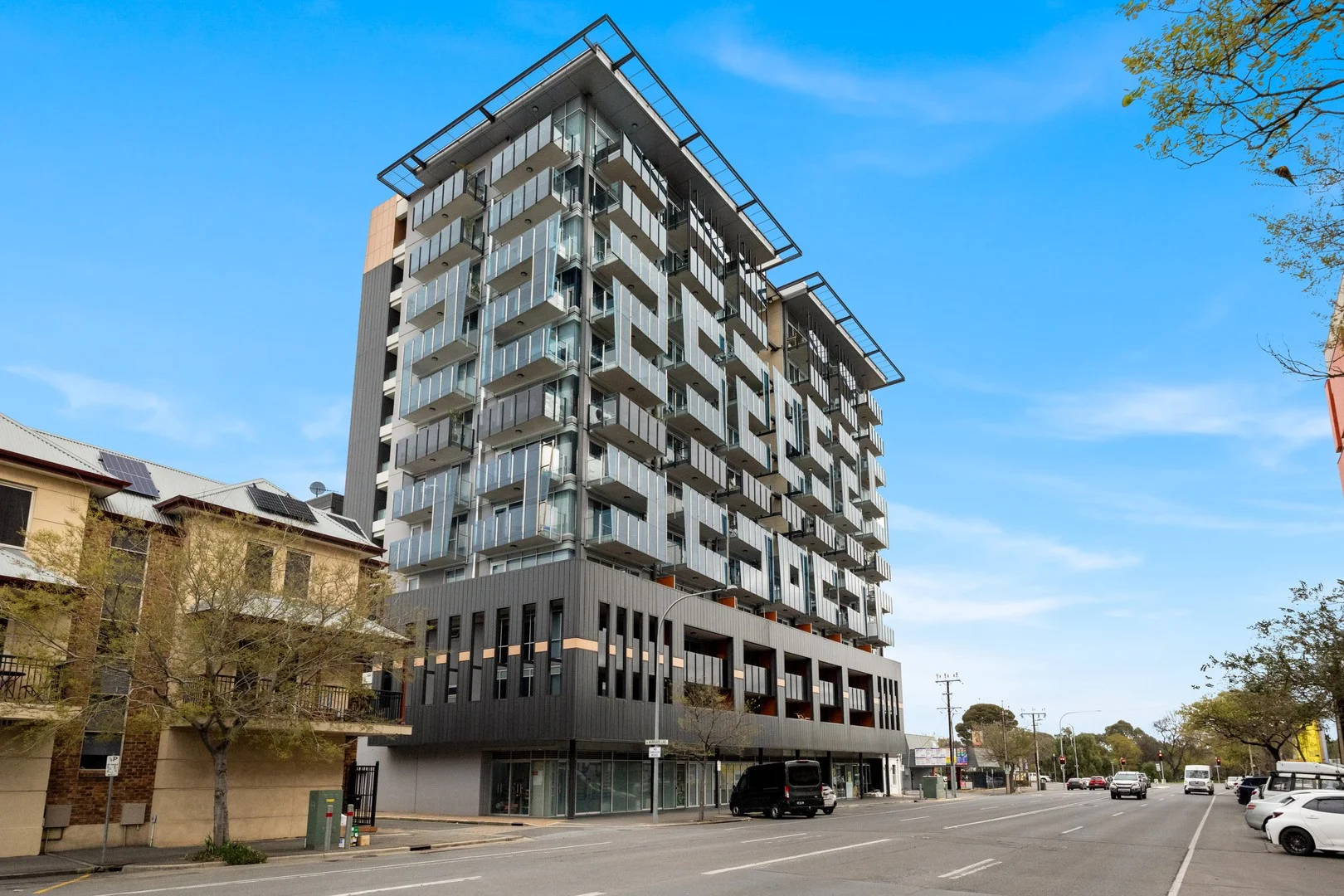 $1,100,000
Apartment / Unit / Flat
$1,100,000
Apartment / Unit / Flat
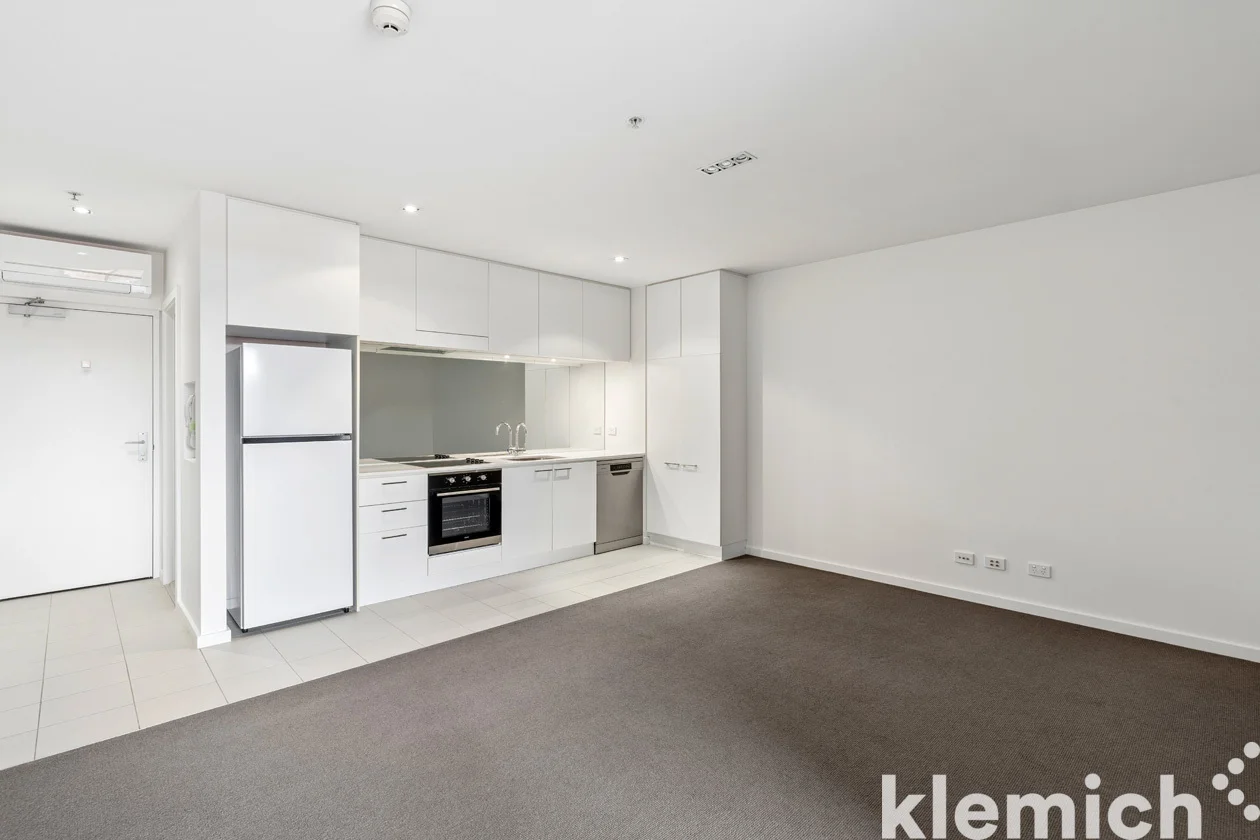 $440,000
Apartment / Unit / Flat
$440,000
Apartment / Unit / Flat
 $1,056,000
Apartment / Unit / Flat
$1,056,000
Apartment / Unit / Flat
 $588,000
Apartment / Unit / Flat
$588,000
Apartment / Unit / Flat
 $935,000
Apartment / Unit / Flat
$935,000
Apartment / Unit / Flat
 $557,000
Apartment / Unit / Flat
$557,000
Apartment / Unit / Flat
 $775,000
House
$775,000
House
 $545,000
Apartment / Unit / Flat
$545,000
Apartment / Unit / Flat