1. Overview
Newman College is an independent Catholic co-educational day school serving families in the Churchlands area. The college fosters a faith-informed, academically focused community with a medium-to-large student body across primary and secondary years. Class sizes are typically in the low-to-mid 20s, supporting personal attention while enabling strong group collaboration.
Atmosphere at Newman College is nurturing and inclusive, with an emphasis on Jesuit-inspired values of service, excellence and community. The school aims to balance rigorous academics with strong pastoral care and opportunities for leadership, sport, arts and faith formation.
⸻
2. Academics & Learning
- Academic strengths: English, Mathematics, Science and STEM pathways, languages, and Social Sciences are supported by a comprehensive curriculum. Religious Education is integrated as a core element of learning, alongside opportunities for leadership development and community service.
- Special programs: Gifted and Talented initiatives and accelerated learning options are available to select students. There are pathways to prepare for senior secondary outcomes, including WACE/ATAR-style subject selection and college-preparatory experiences.
- NAPLAN / trends: The school typically demonstrates strong and stable performance in NAPLAN, with readings and numeracy trends above state averages and ongoing year-to-year improvement in key areas.
- Student-teacher ratios: Generally around 1:12–1:15, with class sizes commonly in the low to mid-20s to promote interaction and individual support.
- Support for diverse learners: Structured support for EAL learners and students with additional learning needs, including learning support services, accommodation plans, and targeted interventions where appropriate.
⸻
3. Sports & Extracurricular Strengths
- Sports offered: A broad program usually includes basketball, netball, soccer, rugby, cricket, tennis, Athletics and swimming, with school teams competing across local and regional fixtures.
- Strong teams or achievements: Competitive inter-school teams with regular participation in regional tournaments and events; emphasis on development programs to build skills and teamwork.
- Music, arts, drama programs: Active music ensembles, choir and drama productions are offered, with opportunities to perform in school concerts and events.
- Clubs: Robotics, chess, coding, debating and other clubs support STEM and communication interests, alongside student leadership and service clubs.
- Partnerships: Connections with local clubs, community organizations and regional competitions provide additional pathways for sport, arts and academic growth.
⸻
4. Wellbeing & Pastoral Care
- Anti-bullying approach: Clear anti-bullying policies and proactive pastoral support promote respectful communities and safe environments.
- House system: A house structure provides identity, mentoring and healthy competition through events and activities.
- Counsellors / wellbeing officers: On-site counsellors and wellbeing staff support social-emotional development and mental health.
- Transition support for new students: Orientation programs, buddy systems and targeted transition supports help students settle into new year groups and cohorts.
⸻
5. Facilities
- Sports grounds
- Libraries
- Science labs
- Music/performing arts centers
- Tech/innovation labs
- Cafeteria
- Updated playgrounds
⸻
6. School Values & Community Culture
- School values / mission: Catholic identity with a focus on faith, service, character, and academic excellence.
- Leadership style: Collaborative and student-inclusive leadership, with opportunities for student voice and leadership roles.
- Behaviour expectations: Clear behavioural standards emphasizing respect, responsibility, integrity and accountability.
- Community reputation: Strong reputation for academic preparation, faith formation and supportive student welfare within the local community.
- Diversity & inclusion: Commitment to a diverse, inclusive environment where students from varied backgrounds feel welcomed and supported.
⸻
7. School Logistics & Daily Operations
- School hours: Typical start around; early morning assemblies or homeroom may precede lessons, with day ending in the mid-to-late afternoon (specific timings vary by year level).
- Before/after school care: Available options for supervision and care outside school hours.
- Uniform requirements: Full school uniform with seasonal adjustments; guidelines for presentation and grooming.
- Transport (train/bus routes): Access to regional bus services and public transport options; Car drop-off/pick-up protocols in place.
- Canteen availability: Canteen or lunch facilities offering daily meals and healthy options.
- Fees (low/medium/high ranges): Fees are in the mid-to-high range for independent Catholic education, with varying levies for year levels and activities.
⸻
8. Enrolment & Admissions
11. What is the enrolment process and timeline?
- Submit an expression of interest or application.
- Attend an information/open day and complete the school’s application form.
- Provide required documents (academic reports, immunizations, birth certificates, etc.).
- The school reviews the application and may arrange interviews for students and families.
- Offer of place is issued upon successful assessment; acceptance and enrolment agreement follow.
- Pay any required deposit and complete documentation to confirm start date.
- Timelines vary by year level and cohort; for some years, the process may run several months, while for others it may be shorter.
12. Is there a waiting list, and how does it work?
- Yes, waiting lists can apply, particularly for popular year levels. Places are allocated based on criteria such as sibling priority, date of application, and suitability. Prospective families may be advised on approximate wait times and opportunities to secure a place if they can accept mid-year or alternate intake.
13. Are there any entry requirements, tests, or interviews?
- Admission typically involves an interview process and review of academic records. For certain year levels or programs, there may be additional assessments or considerations (e.g., for gifted programs or to assess learning needs). Catholic families may be asked to participate in faith formation or related activities as part of enrolment.
14. Does the school accept mid-year transfers?
- Yes, mid-year transfers are considered where spaces exist. Transfer requires appropriate transcripts, current school documentation, and a smooth transition plan to align with the receiving year’s curriculum and timetable.
⸻
9. Frequently Asked Questions
- Why Parents Choose This School?
Parents cite a strong Catholic ethos, a balanced approach to academics, robust pastoral care, broad extracurricular options, and a welcoming community as key reasons for choosing Newman College.
- What type of student thrives at this school?
Students who are motivated by a values-based education, who enjoy leadership opportunities, and who want a supportive environment to pursue academics, sport and the arts tend to thrive.
- What opportunities are available for students to extend their skills (academics, sports, arts)?
The school provides advanced coursework options, leadership programs, competitive sport teams, music ensembles, drama productions, robotics and coding clubs, debating and service activities.
- How does the school communicate with parents?
Regular updates come through newsletters, emails, the school portal, and parent-teacher conferences. Major announcements are typically posted via the school’s official channels.
- What is the school’s approach to teaching and learning?
A mix of strong academic rigor, faith-informed values and a student-centered approach that emphasises critical thinking, collaboration, and real-world application.
- How does the school support students who need extra academic help?
Learning support services, targeted interventions, EAL assistance, and accommodations are available to support diverse learning needs.
- What support is available for academic challenges?
Dedicated tutoring, mentoring, and access to guidance counsellors help students address academic challenges and plan for improvement.
- How does the school communicate with parents? (repeated)
See above: through multiple channels including portal updates, newsletters, and parent-teacher meetings.
- What are the class sizes and how much individual attention do students receive?
Class sizes are typically in the low-to-mid 20s with student-teacher ratios around 1:12–1:15, allowing for regular individual or small-group support.
- What extracurricular and sports opportunities are available?
A wide range of sports, arts, music and clubs are available, including robotics, chess, coding, debating and multiple athletic programs.
- What facilities does the school offer (sports, science, arts)?
Facilities include sports grounds, libraries, science laboratories, music/performing arts centers, tech/innovation labs, a canteen and updated playgrounds.
- What is the school’s approach to technology and digital learning?
Technology is integrated to support learning across subjects, with digital literacy, coding and creative technology opportunities embedded in the curriculum.
- What transport and accessibility options are available?
Regional bus routes and public transport are accessible, with school-assisted arrangements for drop-off/pick-up and accessibility considerations in place.
- What are the typical school fees or additional costs?
Fees are in the independent school range, with day-to-day costs and additional levies for books, camps, uniforms and activities; exact amounts vary by year level and program choices.
⸻
10. Short Pros & Cons list
Pros
- Strong Catholic identity with values-based education
- Balanced focus on academics, pastoral care and faith formation
- Wide range of co-curriculars in sport, arts and clubs
- Supportive, inclusive learning environment
- Good facilities to support STEM, arts and performing arts
Cons
- Higher tuition typical of independent Catholic schools
- Busy school pace with multiple commitments may require strong time management
- Uniforms and family involvement expectations may be higher than some public options
- Transport access may depend on location and routes; peak-time congestion possible
⸻

![Storytime at Cambridge Library [Every Thursdays]](https://image.aroundschools.com.au/[object Object]) Free
Free












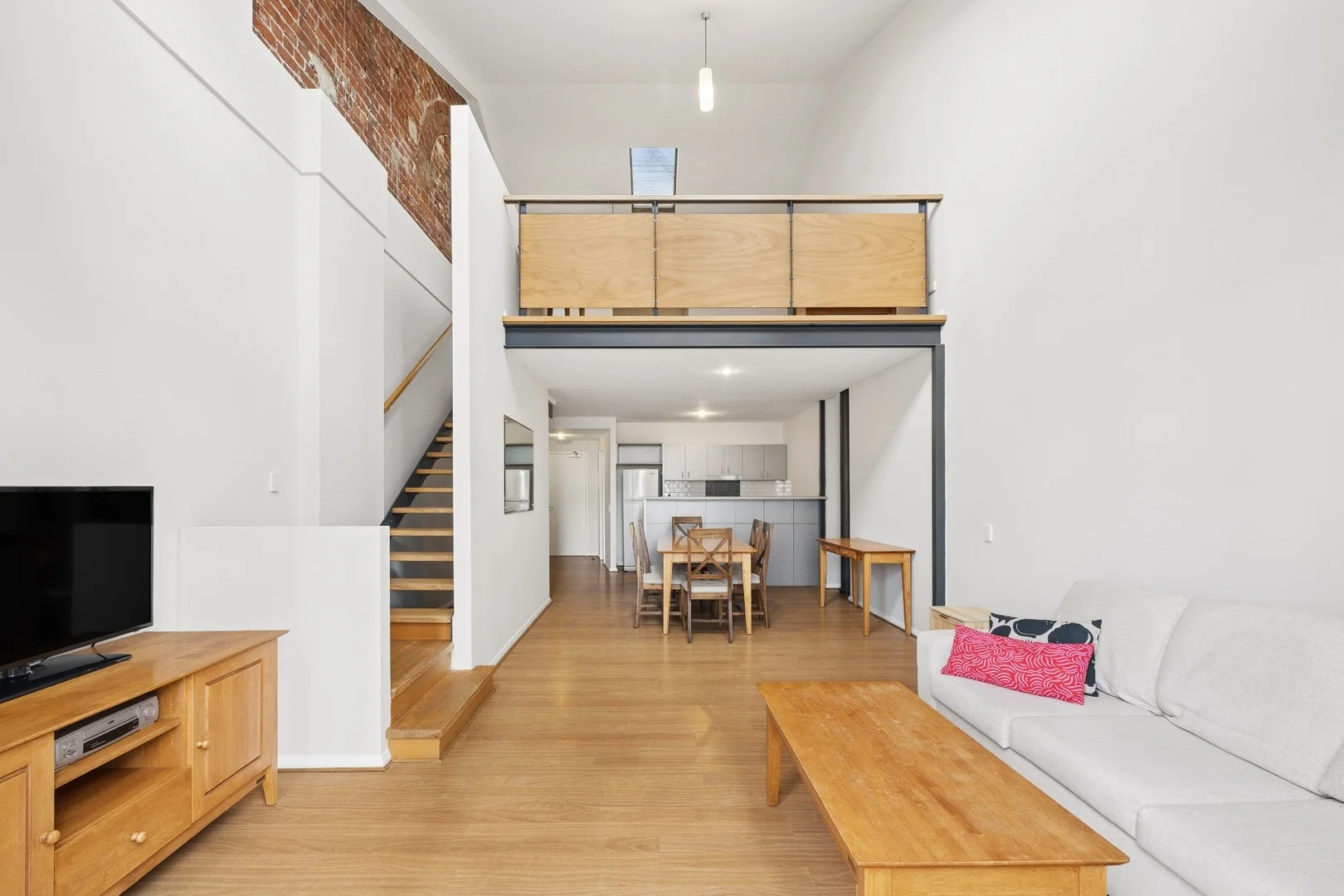 $549,000
Apartment / Unit / Flat
$549,000
Apartment / Unit / Flat
 $580,000
Apartment / Unit / Flat
$580,000
Apartment / Unit / Flat
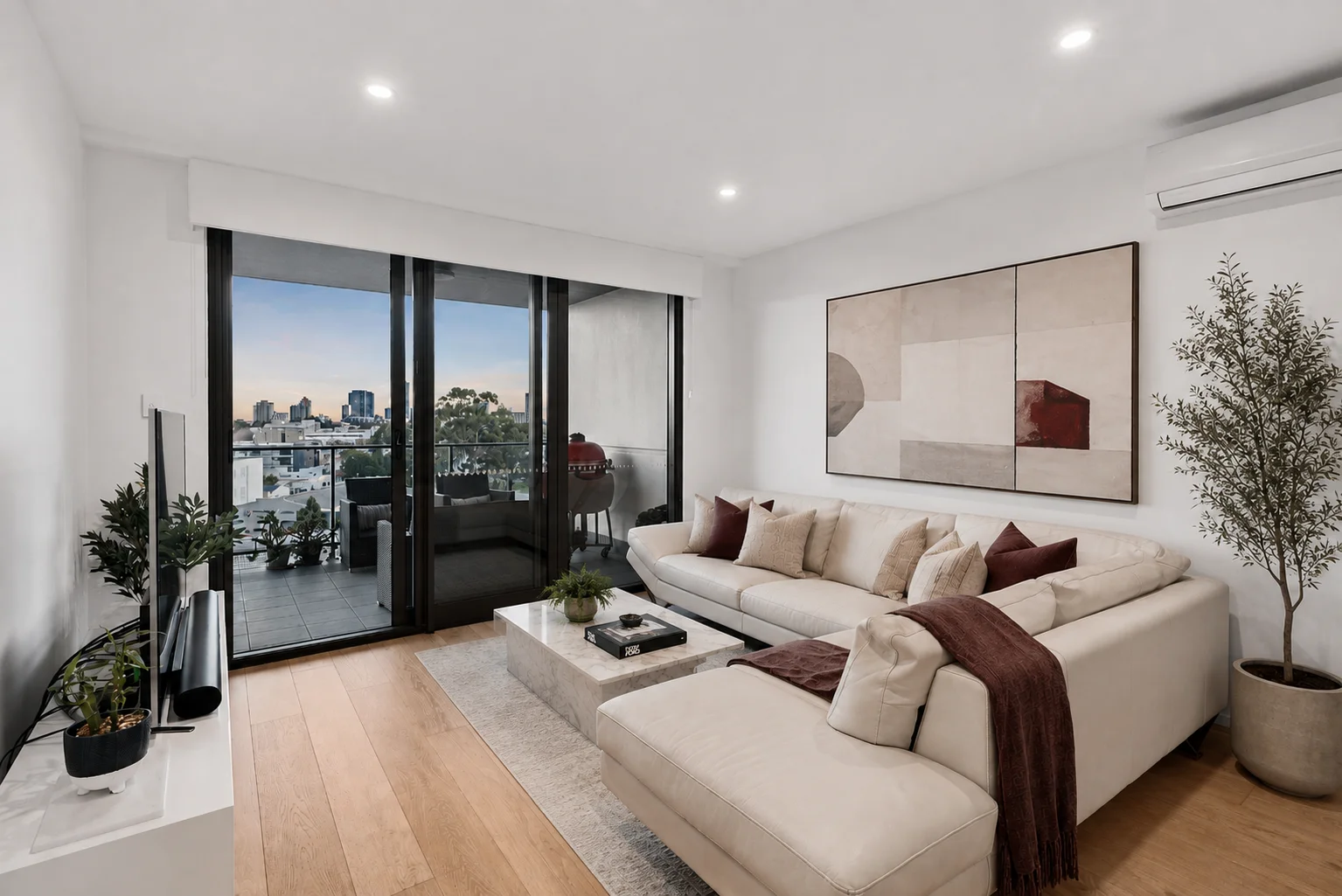 $700,000
Apartment / Unit / Flat
$700,000
Apartment / Unit / Flat


