# 1. Overview
The Japanese School in Western Australia is a private, community-run school focused on Japanese language education and cultural immersion for students in and around Perth. It operates as a weekend/part-time program (hoshuko-style), delivering language instruction and heritage learning outside the standard Western Australian public school system. The school tends to be small and relies on volunteers and qualified instructors to support learning.
Typical class environments are nurturing and inclusive, with an emphasis on respect, cooperation, and cross-cultural understanding. The program is well-suited for families seeking structured language education and opportunities to connect with the Japanese community in Perth.
⸻
# 2. Academics & Learning
- Academic strengths: Japanese language acquisition (speaking, reading, writing), kanji comprehension, listening, cultural literacy, and cross-cultural communication. The program often complements home language learning and can support bilingual development.
- Special programs: Weekday and weekend Japanese language instruction, plus cultural activities (e.g., traditional arts, calligraphy, tea ceremony) offered by instructors or community volunteers.
- NAPLAN / Ofsted trends: Not applicable. As a private/part-time program outside the state schooling framework, formal NAPLAN trends are not published for this school.
- Student-teacher ratios: Class sizes are typically small, with a strong emphasis on individual attention from teachers and volunteer instructors. Exact ratios vary by session and level.
- Support for diverse learners: Offers language support for students learning Japanese as an additional language. Some flexibility for bilingual families and varying levels of Japanese proficiency; specific SEN/EAL accommodations should be confirmed with the school.
⸻
# 3. Sports & Extracurricular Strengths
- Sports offered: Not a primary focus of this weekend language program. Any sports or physical activity opportunities are typically informal or organized through partner clubs, not as a core program.
- Strong teams or achievements: Not a central feature of the school’s typical offering.
- Music, arts, drama programs: Cultural activities and traditional arts (e.g., calligraphy, ikebana, tea ceremony) are common components alongside language learning.
- Clubs: Possible student or volunteer-led activities such as coding, robotics, debate or other clubs, but these are not a guaranteed or core part of the program and depend on volunteer availability.
- Partnerships: May have connections with local Japanese cultural organizations or community groups; opportunities for participation in community events or competitions can arise through the broader Japanese community networks in Perth.
⸻
# 4. Wellbeing & Pastoral Care
- Anti-bullying approach: Emphasizes respectful, inclusive conduct and a supportive community environment typical of small, volunteer-driven programs.
- House system: Not commonly used in this setting.
- Counsellors / wellbeing officers: No dedicated school-based wellbeing staff; wellbeing support is typically provided by instructors and family involvement as needed.
- Transition support for new students: Procedures exist to help new students settle in, with a focus on language support, orientation, and peer connections within the class group.
⸻
# 5. Facilities
- Sports grounds: Not a primary feature; facilities depend on hosting venues used for classes.
- Libraries: Access to local libraries or classroom libraries as part of learning resources.
- Science labs: Not a standard feature of the program.
- Music/performing arts centers: Cultural activities may take place in multi-purpose spaces or partner venues.
- Tech/innovation labs: Not a core component; any technology use is typically for language learning or cultural activities.
- Cafeteria: Not a standard amenity; meals are not typically part of the program.
- Updated playgrounds: Not a primary feature of the program.
⸻
# 6. School Values & Community Culture
- School values / mission: Promote language fluency, cultural understanding, empathy, and community connection within the Japanese-speaking and broader Perth community.
- Leadership style: Community-driven and collaborative, with volunteer instructors and parent involvement contributing to leadership and program delivery.
- Behaviour expectations: Respectful, considerate conduct within classes and events; emphasis on courtesy and cooperation.
- Community reputation: Strong ties to the local Japanese community; a venue for cultural exchange and language maintenance for families with Japanese ties.
- Diversity & inclusion: Primarily serves Japanese-language education needs, but welcomes local families and students interested in Japanese language and culture; inclusivity is encouraged within the program’s capacity.
⸻
# 7. School Logistics & Daily Operations
- School hours: Typically weekend sessions (often Sundays) with morning or afternoon blocks; exact times vary by term.
- Before/after school care: Not commonly offered.
- Uniform requirements: Not a standard requirement for weekend programs; confirm current policies with the school.
- Transport (train/bus routes): Students may travel via public transport to hosting venues; specific routes depend on venue location and family location.
- Canteen availability: Not a standard feature of weekend language programs.
- Fees (low/medium/high ranges): Fees are usually modest and reflect a volunteer-driven program; exact costs vary by term and activity level.
⸻
# 8. Enrolment & Admissions
11. What is the enrolment process and timeline?
- Enrolment is typically via an application or registration process coordinated through the school. Timelines align with term starts and session availability; spaces may be limited.
12. Is there a waiting list, and how does it work?
- Waiting lists can exist when classes reach capacity. The school may place applicants on a waiting list and notify as spaces become available.
13. Are there any entry requirements, tests, or interviews?
- Entry requirements usually involve registration and placement into appropriate language levels. Some sessions may include a short assessment or interview to determine proficiency level and suitability.
14. Does the school accept mid-year transfers?
- Mid-year transfers may be possible depending on class availability and scheduling; check with the school for current capacity and transfer procedures.
⸻
# 9. Frequently Asked Questions
- Why Parents Choose This School?
- To maintain or develop Japanese language skills, connect with the Japanese community, and provide cultural education outside the regular school system.
- What type of student thrives at this school?
- Students who are motivated to study Japanese, enjoy cultural activities, and benefit from a small, collaborative learning environment.
- What opportunities are available for students to extend their skills (academics, sports, arts)?
- Language development, cultural activities, and community events; participation in related clubs or activities may be available through volunteers or partner groups.
- How does the school communicate with parents?
- Communication typically occurs through email, newsletters, notices during sessions, and parent meetings where applicable.
- What is the school’s approach to teaching and learning?
- Language-first focus with supportive, community-driven instruction; emphasis on practical language use and cultural understanding.
- How does the school support students who need extra academic help?
- Small class sizes and individualized attention from instructors; additional guidance may be provided by volunteers or coordinators as available.
- What support is available for academic challenges?
- Language-specific support and parent collaboration; program staff can coordinate with families to address learning needs.
- How does the school communicate with parents?
- See above; multiple channels may be used depending on the session and venue.
- What are the class sizes and how much individual attention do students receive?
- Class sizes are typically small; individual attention is a key feature of the program thanks to the hands-on, volunteer-driven model.
- What extracurricular and sports opportunities are available?
- Primarily language and cultural activities; any sports or clubs are contingent on volunteer-led offerings and may occur through the broader community networks.
- What facilities does the school offer (sports, science, arts)?
- Facilities depend on hosting venues; the program emphasizes language learning and cultural activities, with access to local libraries and multipurpose spaces as available.
- What is the school’s approach to technology and digital learning?
- Technology use is related to language learning and cultural resources; specifics depend on instructors and hosting venues.
- What transport and accessibility options are available?
- Accessibility depends on hosting venues; families typically rely on local public transport or carpooling to class locations.
- What are the typical school fees or additional costs?
- Fees are generally modest and service the operation of the weekend program; exact amounts are provided at enrolment time.
⸻
# 10. Short Pros & Cons list
- Pros
- Strong focus on language learning and cultural immersion in a community setting.
- Small class sizes with more individual attention.
- Flexible, volunteer-driven model that can foster close community connections.
- Accessible to both Japanese families and curious local families interested in Japanese language and culture.
- Cons
- Not a full-time day school; limited to weekend sessions with non-traditional school timing.
- Resources and facilities depend on hosting venues and volunteer availability.
- Fewer formal career or academic pathways compared to a regular primary/secondary school.
- Variation in program offerings from term to term based on volunteer staffing.
⸻
![Storytime at Cambridge Library [Every Thursdays]](https://image.aroundschools.com.au/[object Object]) Free
Free












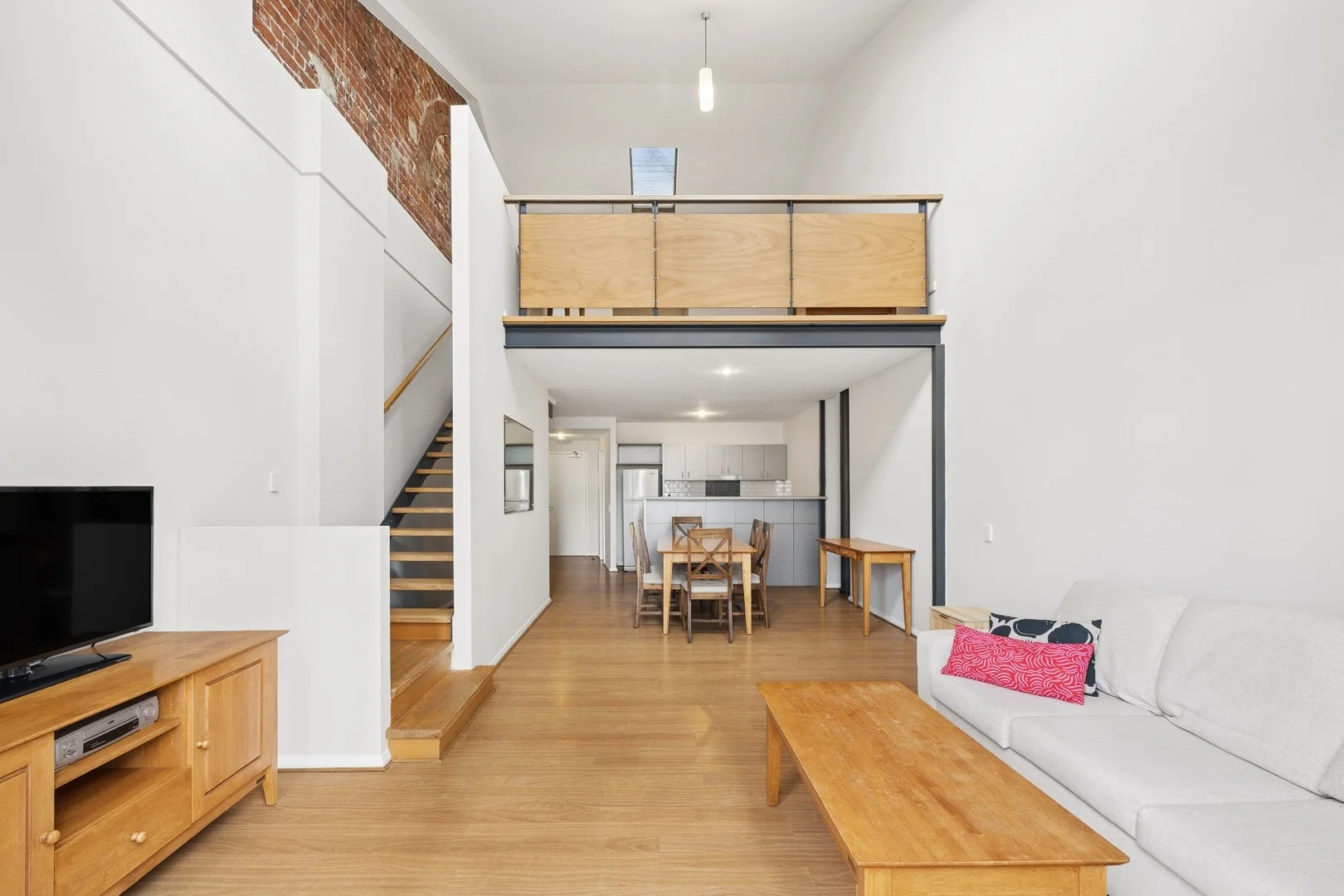 $549,000
Apartment / Unit / Flat
$549,000
Apartment / Unit / Flat
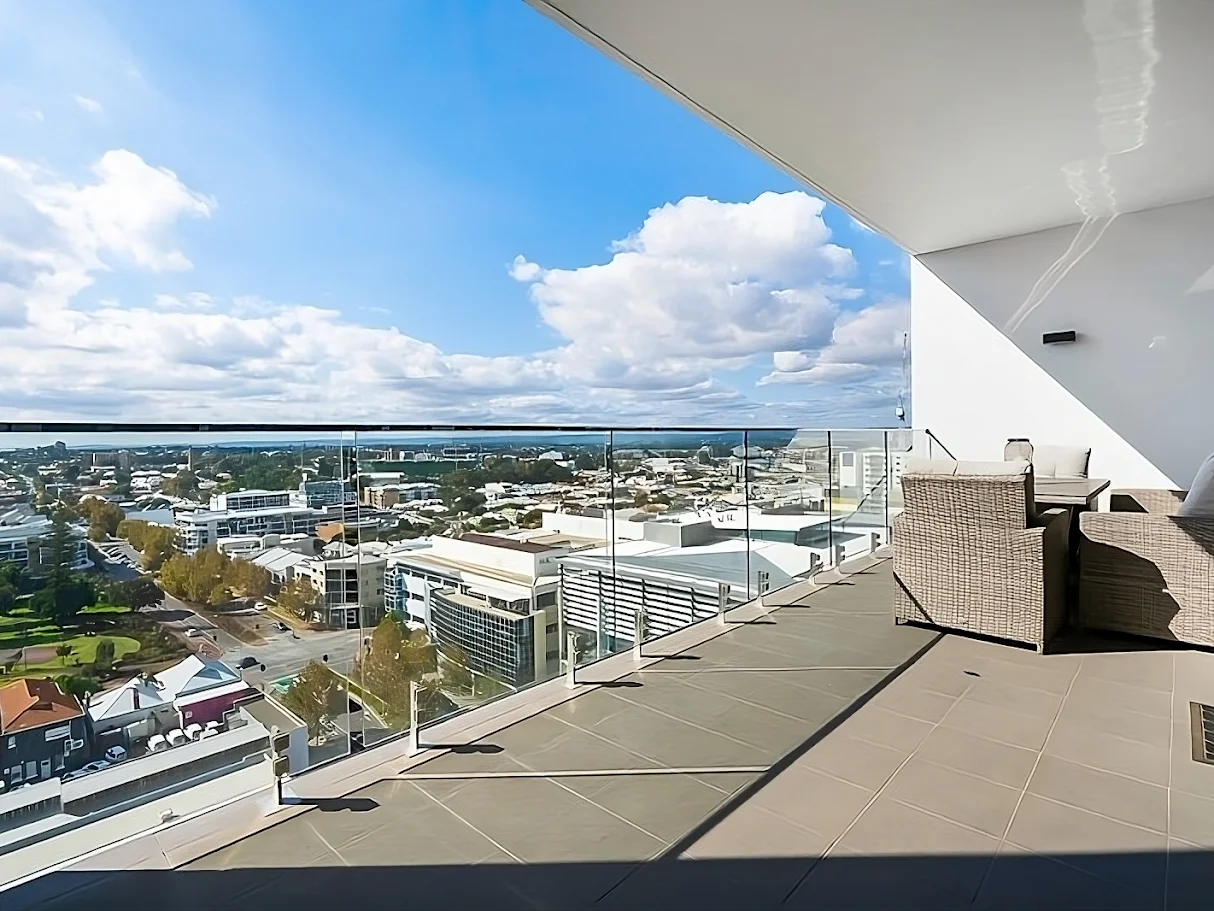 $580,000
Apartment / Unit / Flat
$580,000
Apartment / Unit / Flat
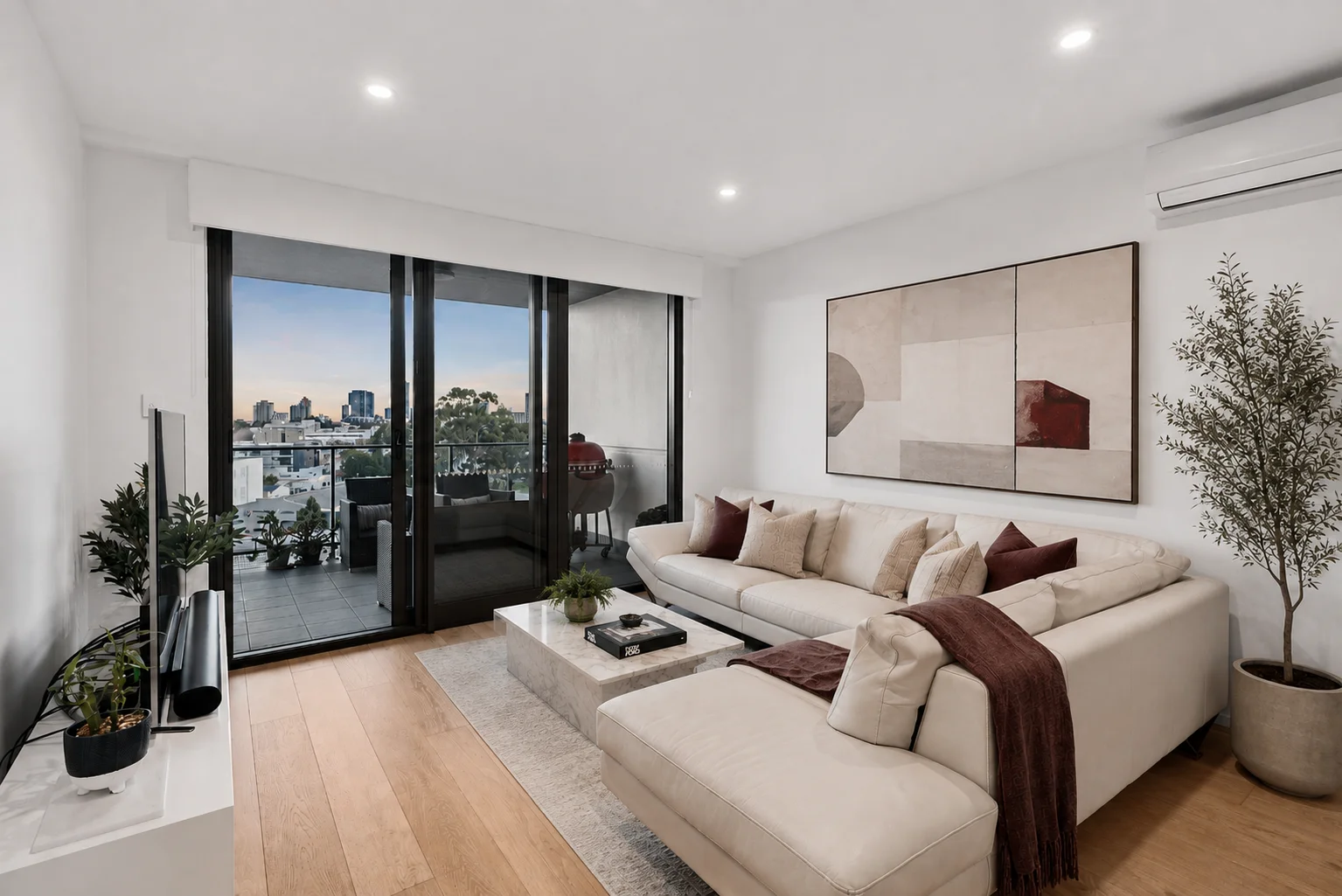 $700,000
Apartment / Unit / Flat
$700,000
Apartment / Unit / Flat