1. Overview
Churchlands Primary School is a public, co-educational primary school located in Western Australia. The school offers a comprehensive Western Australian curriculum to a medium-sized student body, with a focus on building strong literacy and numeracy foundations while supporting student growth across the arts, technology, and physical education. The atmosphere is inclusive and community-focused, balancing academic expectations with nurturing pastoral care and opportunities for student leadership and involvement in a wide range of activities.
- School type: Public
- School size: Medium
- Class size: Typically around 22–26 students per class
- Atmosphere/culture: Inclusive, academically-focused, supportive, and community-driven
⸻
2. Academics & Learning
Churchlands Primary emphasises solid core skills alongside opportunities to explore interests in STEM, the arts, and leadership. Students are supported to develop strong reading, writing, and numeracy competencies, with additional programs that broaden their learning beyond the classroom.
- Academic strengths: Literacy and numeracy foundations; emphasis on STEM and digital literacy; arts and languages opportunities; student leadership pathways
- Special programs: Instrumental music and performing arts; gifted and talented (extension) opportunities; technology/robotics and hands-on learning programs
- NAPLAN trends: Consistent performance with positive year-on-year trends in reading, writing, and numeracy; performance typically above or at state averages
- Student-teacher ratios: Approximately 1:18–1:22
- Support for diverse learners: EAL/D support, targeted assistance for students with additional learning needs, inclusive education practices
⸻
3. Sports & Extracurricular Strengths
A strong focus on well-rounded development, with sport, music, and clubs that appeal to students aged 10–14 and beyond.
- Sports offered: Team sports such as soccer/football, basketball, netball, athletics, and swimming-related programs; opportunities for interschool competitions
- Strong teams or achievements: Active participation in interschool events; regular evidence of school pride and teamwork
- Music, arts, drama programs: Instrumental music program (bands/choir), school concerts, and drama projects
- Clubs: Robotics, coding, chess, debating, and other enrichment clubs
- Partnerships: Connections with local clubs and community organizations for competitions and enrichment activities
⸻
4. Wellbeing & Pastoral Care
Pastoral care and a positive school climate are central to student development and safety.
- Anti-bullying approach: Clear anti-bullying policies, wellbeing programs, and a positive behavioural framework
- House system: House groups to foster belonging, teamwork, and healthy competition
- Counsellors / wellbeing officers: Access to a school counsellor or wellbeing staff for student support
- Transition support for new students: Buddy systems, orientation activities, and targeted transition programs to help new students settle in
⸻
5. Facilities
The school provides a range of modern facilities designed to support a broad curriculum and healthy student life.
- Sports grounds
- Libraries
- Science labs
- Music/performing arts centers
- Tech/innovation labs
- Canteen
- Updated playgrounds
⸻
6. School Values & Community Culture
Churchlands Primary aims to nurture capable, respectful, and engaged learners within a supportive community.
- School values / mission: Focus on respect, responsibility, resilience, and high expectations for learning
- Leadership style: Collaborative and inclusive, with student leadership opportunities
- Behaviour expectations: Clear guidelines and consistent implementation to promote safe, respectful conduct
- Community reputation: Positive reputation for a welcoming, involved parent community and supportive staff
- Diversity & inclusion: Commitment to inclusive practices and celebrating diverse backgrounds
⸻
7. School Logistics & Daily Operations
Practical information to help families plan around school life.
- School hours: Typically a standard primary school day with start and end times aligning with WA public school schedules
- Before/after school care: OSHC or similar programs available for before/after school care
- Uniform requirements: School uniform required
- Transport: Public transport options and local access; walking/cycling encouraged where feasible
- Canteen availability: On-site canteen or snack facilities
- Fees: No tuition fees for public schooling; modest costs for materials, activities, and voluntary contributions may apply
⸻
8. Enrolment & Admissions
11. What is the enrolment process and timeline?
- Enrolments are typically submitted to the school with proof of identity and address, immunisation records, and any required documentation. In WA, there is a local intake policy; places are allocated according to the local intake area first, with out-of-area applications considered where space allows. Check the school’s office for current timelines and required documents.
12. Is there a waiting list, and how does it work?
- Some year levels or out-of-area applications may be placed on a waiting list if places are limited. The waiting list is usually managed by prioritising local intake and available vacancies.
13. Are there any entry requirements, tests, or interviews?
- For standard enrolment, there are generally no entrance exams. Some programs (e.g., Gifted and Talented or specific auditions for music programs) may involve short screenings or interviews. Routine enrolment does not require testing.
14. Does the school accept mid-year transfers?
- Yes, mid-year transfers are possible if there are available places. Parents should contact the school early to discuss vacancies and transition arrangements.
⸻
9. Frequently Asked Questions
- Why Parents Choose This School?
- Strong community feel, solid academic program, supportive staff, and a broad range of co-curricular activities.
- What type of student thrives at this school?
- Curious, collaborative learners who enjoy academics, arts, sports, and getting involved in school life.
- What opportunities are available for students to extend their skills (academics, sports, arts)?
- Extension programs (G&T), instrumental music and performing arts, coding/robotics, debating, sports teams, and interschool competitions.
- How does the school communicate with parents?
- Regular newsletters, parent portals or dashboards, emails, parent-teacher conferences, and information evenings.
- What is the school’s approach to teaching and learning?
- Differentiated instruction, focus on core literacy/numeracy, integration of STEM and the arts, and a whole-child approach.
- How does the school support students who need extra academic help?
- In-class differentiation, targeted small-group support, access to learning support staff, and EAL/D or SEN assistance as needed.
- What support is available for academic challenges?
- Additional tutoring or support programs, targeted interventions, and collaboration with families to plan progress.
- What are the class sizes and how much individual attention do students receive?
- Class sizes are mid-range (roughly 22–26 students); teachers provide ongoing monitoring and feedback with targeted support as needed.
- What extracurricular and sports opportunities are available?
- A wide range of sports, music and drama programs, and clubs such as robotics, coding, chess, and debating.
- What facilities does the school offer (sports, science, arts)?
- Sports grounds, library, science labs, music/performing arts facilities, technology labs, canteen, and updated playgrounds.
- What is the school’s approach to technology and digital learning?
- Integration of digital literacy, technology-enhanced learning, and access to devices and software to support learning.
- What transport and accessibility options are available?
- Local transport options and encouragement of walking/cycling where feasible, with accessible entry points as appropriate.
- What are the typical school fees or additional costs?
- Public school tuition is not charged; there may be voluntary contributions and costs for materials, excursions, and extra activities.
⸻
10. Short Pros & Cons list
Pros
- Public school with a balanced academic and co-curricular program
- Supportive wellbeing culture and anti-bullying focus
- Strong community involvement and partnerships
- Wide range of clubs and enrichment activities
- Good facilities supporting science, arts, and technology
Cons
- Class sizes mid-range; not the smallest, which may affect individualized attention
- Availability of some programs can vary by year level or demand
- Out-of-area enrolments may face wait lists and transfer timelines
⸻

![Storytime at Cambridge Library [Every Thursdays]](https://image.aroundschools.com.au/[object Object]) Free
Free












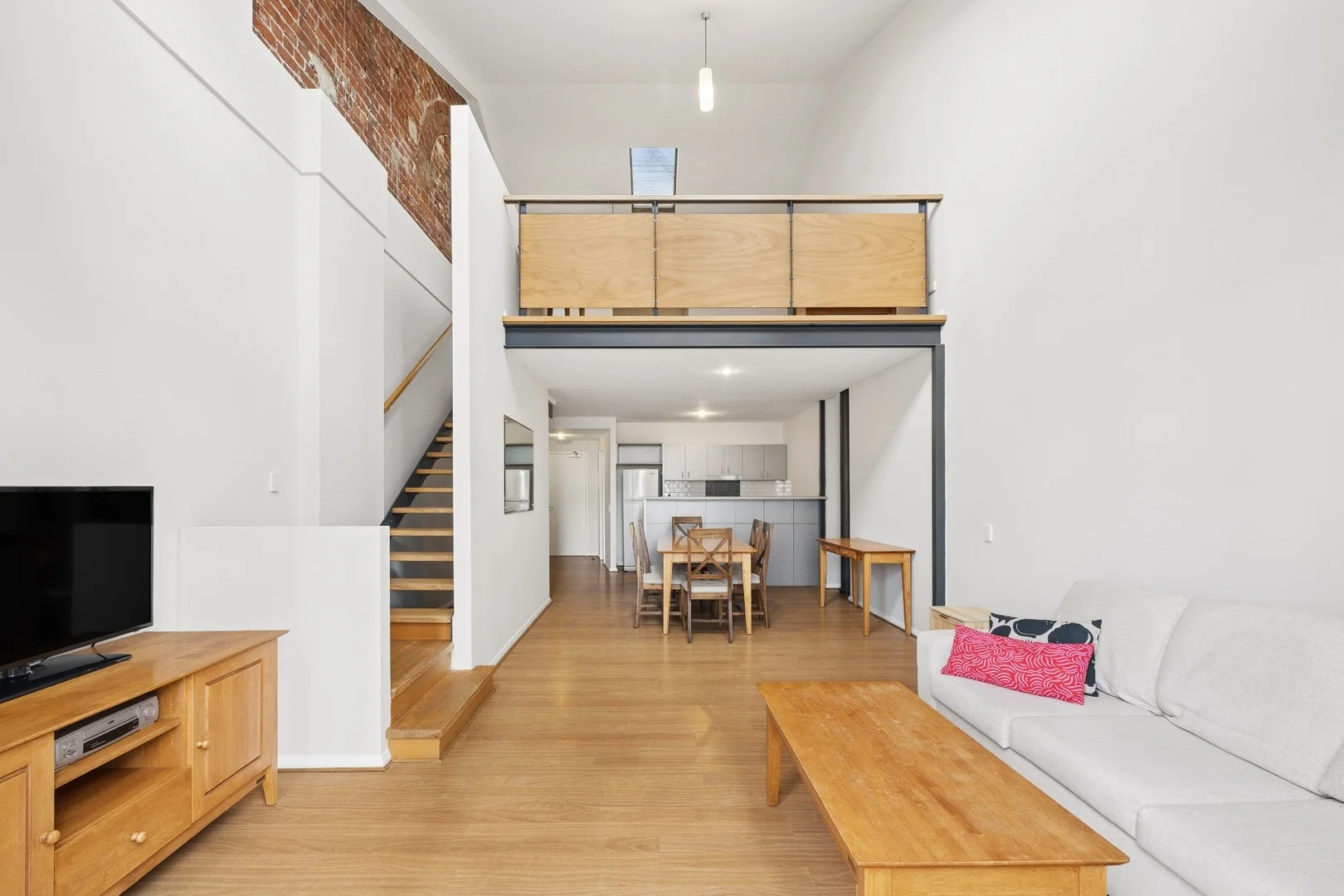 $549,000
Apartment / Unit / Flat
$549,000
Apartment / Unit / Flat
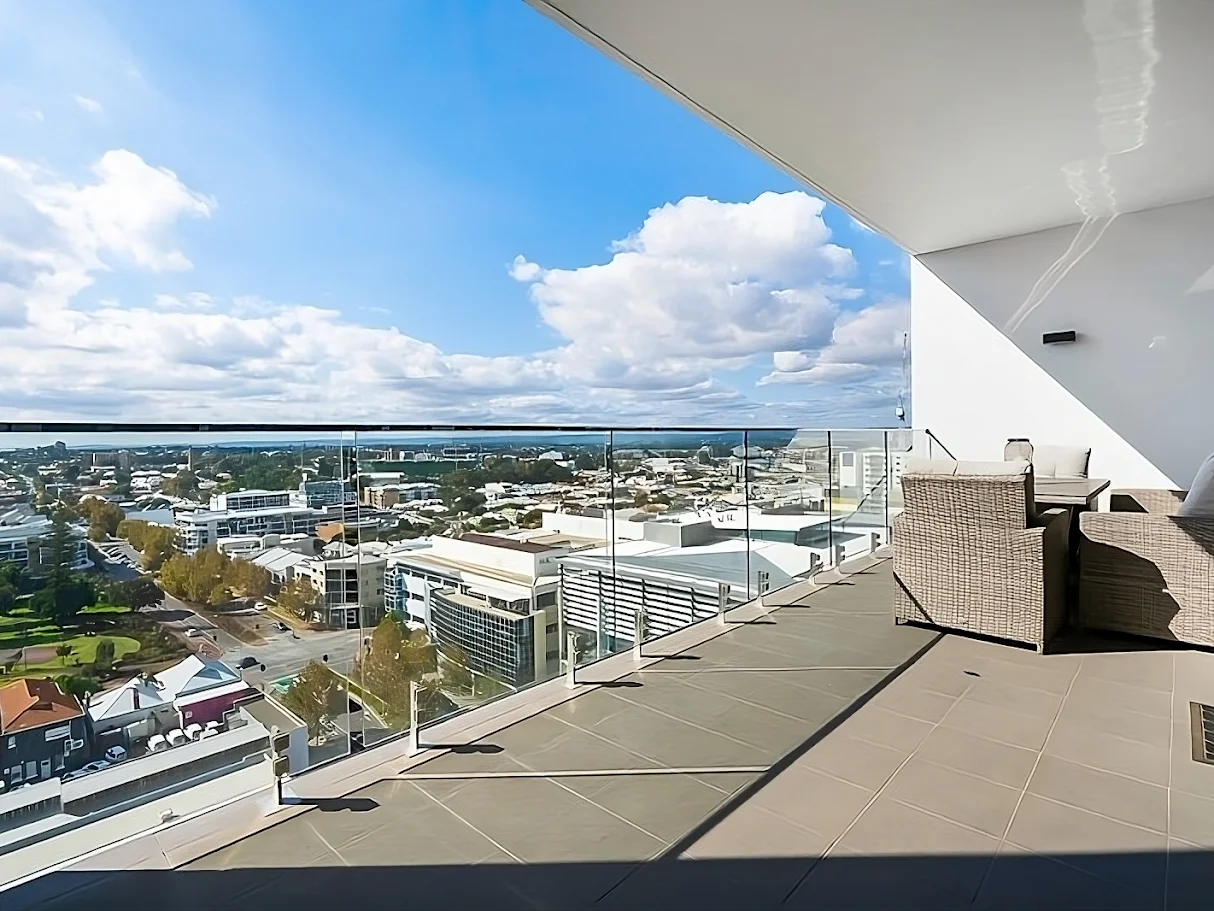 $580,000
Apartment / Unit / Flat
$580,000
Apartment / Unit / Flat
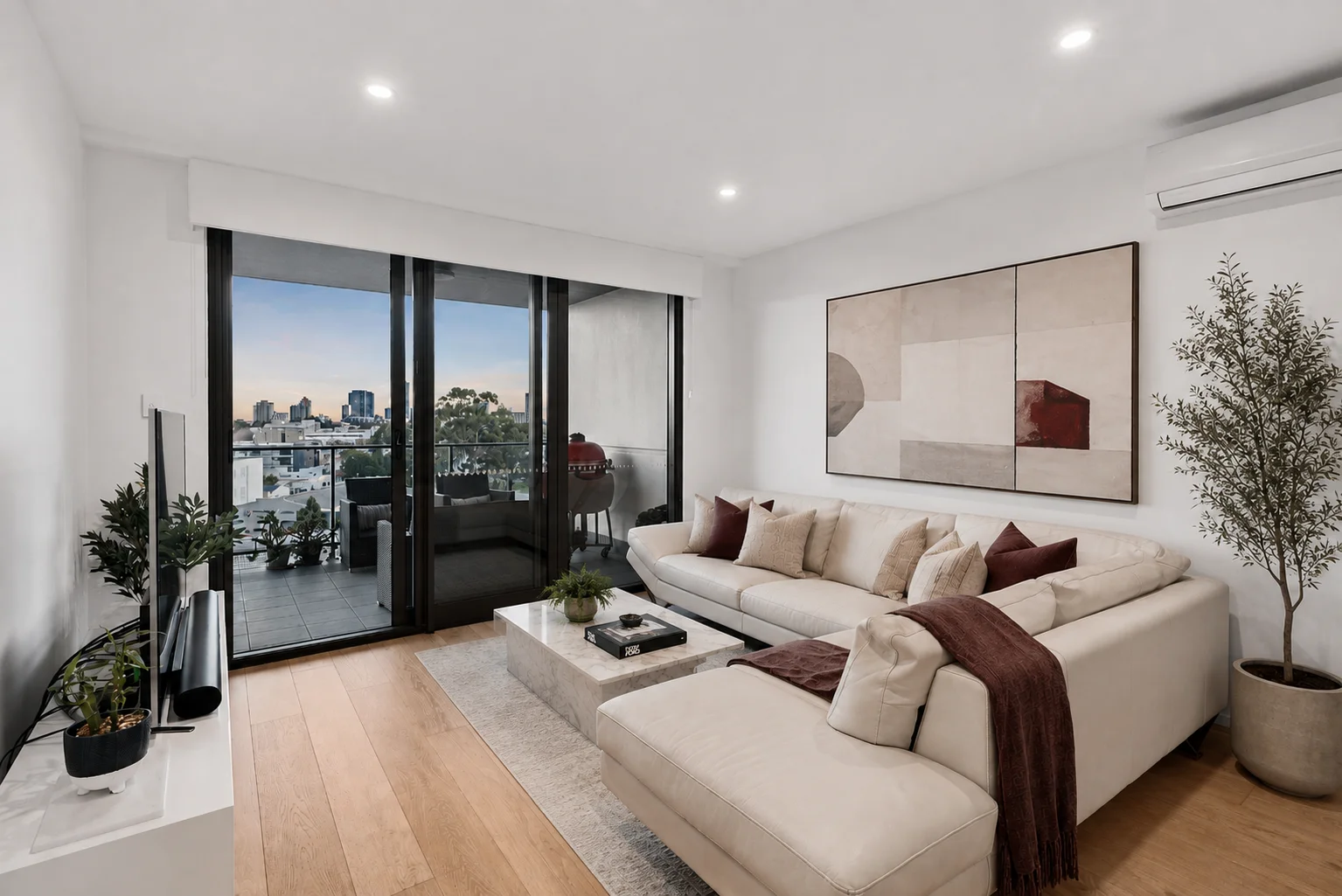 $700,000
Apartment / Unit / Flat
$700,000
Apartment / Unit / Flat