Overview
1. Overview
Ghilgai Steiner School is an independent/private school in Kilsyth, Victoria, adopting contemporary Steiner education principles. It focuses on developing the whole child—head, hands, heart—through a holistic program that blends academics with arts, practical crafts, and outdoor learning. The school tends to attract families seeking a nurturing, community-oriented environment rather than a traditional mainstream school setting.
- School type: Independent/private Steiner school
- School size: Small to medium
- Class size: Typically around 12–20 students in primary years; similar or slightly larger cohorts in secondary
- Atmosphere/culture: Nurturing, inclusive, arts-and-holistic focused, community-oriented ⸻
2. Academics & Learning
Ghilgai’s approach centers on the Steiner pedagogy, which uses immersive, interdisciplinary Main Lesson blocks, artistic and practical activities, and a strong emphasis on creativity and social development.
- Academic strengths: Arts and humanities integration, language learning (LOTE), music and drama, practical crafts, storytelling and literacy through experiential learning
- Special programs: Steiner core program including Eurythmy, handcrafts, woodwork/metalwork, gardening and outdoor education; emphasis on experiential learning and age-appropriate progression
- NAPLAN / Ofsted trends: As an independent Steiner school, public trend data may be limited or not the focus; progress is typically measured through internal holistic assessments and student growth rather than only standardized tests
- Student-teacher ratios: Generally smaller than mainstream schools, supporting more individualized attention (typical ranges seen in Steiner schools: approximately 1:8–1:15 depending on year)
- Support for diverse learners: Differentiated instruction; differentiated supports within Main Lesson blocks; access to additional learning support and guidance; cooperation with families for EAL/SEN needs as applicable
⸻
3. Sports & Extracurricular Strengths
While the core focus is holistic development, Ghilgai offers a balanced mix of physical activity, arts, and clubs that appeal to families prioritizing well-rounded growth.
- Sports offered: Regular physical education, outdoor activities, and seasonal movement-based activities; emphasis on fitness, coordination, and team play
- Strong teams or achievements: School participates in local inter-school activities and Steiner-wide gatherings; achievements often showcased in communal events rather than large-scale athletic trophies
- Music, arts, drama programs: Strong emphasis on arts, performance, choir, drama, and Eurythmy; regular music-making and performance opportunities
- Clubs: Potential clubs include robotics, coding, chess, debating and other interest groups; availability can vary by year and cohort
- Partnerships: Local arts and performing groups, regional Steiner school networks, and community partnerships for events and exhibitions
⸻
4. Wellbeing & Pastoral Care
Wellbeing is central to the Steiner approach, with structures designed to support each child’s emotional and social development.
- Anti-bullying approach: Values-based education with restorative practices and a strong community code of conduct
- House system: May use a house or similar grouping structure to foster belonging and friendly competition; structure can vary by year level
- Counsellors / wellbeing officers: Access to school wellbeing staff or child-focused support; counsellors or equivalent roles may be available
- Transition support for new students: Buddy programs, orientation sessions, and gradual integration strategies to ease transitions
⸻
5. Facilities
Facilities are designed to support a wide range of learning experiences, with spaces for both academic and artistic work, plus outdoor learning.
- Sports grounds: On-site outdoor spaces and fields for physical activity
- Libraries: Central library or well-stocked media/resources area
- Science labs: Practical science spaces aligned with hands-on inquiry
- Music/performing arts centers: Dedicated spaces for music, drama, and performances
- Tech/innovation labs: Craft rooms, woodwork/metalwork areas, and dedicated spaces for creative media
- Cafeteria: On-site canteen or dining area; catering to school meals and breaks
- Updated playgrounds: Child-appropriate outdoor play and learning environments
⸻
6. School Values & Community Culture
Ghilgai aims to cultivate thoughtful, empathetic, and responsible learners who contribute positively to their communities.
- School values / mission: Holistic development, respect, responsibility, compassion, cooperation, and sustainability aligned with Steiner principles
- Leadership style: Facilitator/teacher-guided, collaborative approach; emphasis on relationships and kinder, more local decision-making
- Behaviour expectations: Community standards built on respect, courtesy, and cooperation; restorative approaches to conflict
- Community reputation: Typically strong, close-knit parent and staff community; active involvement in school life and events
- Diversity & inclusion: Welcoming to diverse families; inclusive practices and support for students from varied backgrounds
⸻
7. School Logistics & Daily Operations
Practical information to help families plan daily life around the school.
- School hours: Generally aligned with Victorian primary/secondary schedules; exact hours may vary by year level
- Before/after school care: Often available as wrap-around care or on-site programs; check current offerings
- Uniform requirements: Standard school uniform with seasonal options; specific attire guidelines provided by the school
- Transport (train/bus routes): Local public transport options; school often coordinates or provides guidance on routes
- Canteen availability: On-site canteen or lunch provisions; may vary by campus and year level
- Fees (low/medium/high ranges): Private/independent school fees; typically in the middle to high range for Australian private schools; exact figures published by the school
⸻
8. Enrolment & Admissions
Enrolment processes are designed to assess readiness for Steiner education and fit with the school community.
11. What is the enrolment process and timeline?
- Inquiry and information session
- Application submission and family interview
- Child readiness assessment and alignment with program
- Application review and enrolment decision
- Deposit/confirmation of place and intake plans; timeline varies by year level
12. Is there a waiting list, and how does it work?
- Waiting lists are common for popular year levels; positions depend on space and suitability; timely application recommended
13. Are there any entry requirements, tests, or interviews?
- Family interview and child readiness discussions; assessments are typically designed to understand developmental fit rather than high-stakes testing
14. Does the school accept mid-year transfers?
- Mid-year transfers possible depending on space and alignment with Steiner program; timing and process vary
⸻
9. Frequently Asked Questions
- Why Parents Choose This School?
- Desire for a holistic, arts-rich education; emphasis on social-emotional development and community; smaller class sizes and close teacher-student relationships
- What type of student thrives at this school?
- Students who enjoy hands-on learning, collaborative projects, and the arts; learners who benefit from a nurturing atmosphere and a slower, concept-driven pace
- What opportunities are available for students to extend their skills (academics, sports, arts)?
- Opportunities in Main Lesson blocks across subjects; strong arts and music programs; outdoor education; drama and performance; clubs in coding, robotics, chess, and debate (availability varies)
- How does the school communicate with parents?
- Regular updates through newsletters, parent meetings, student progress discussions, and platform-based communications; emphasis on open, ongoing dialogue
- What is the school’s approach to teaching and learning?
- Child-centered, age-appropriate progression with a focus on experiential learning, integrated arts, and practical activities; balance of academic and practical disciplines
- How does the school support students who need extra academic help?
- Differentiated instruction within lessons; targeted supports and referrals as needed; collaboration with families to tailor supports
- What support is available for academic challenges?
- In-class differentiation, additional teaching support where available, and access to wellbeing and pastoral resources
- How does the school communicate with parents? (Note: repeated)
- See above; multiple channels used to ensure parents are informed and engaged
- What are the class sizes and how much individual attention do students receive?
- Smaller class sizes typical for Steiner schools; individual attention aided by teacher facilitation and project-based learning
- What extracurricular and sports opportunities are available?
- Arts, music and drama programs; physical education and outdoor activities; potential clubs such as robotics, coding, chess, and debating depending on year level
- What facilities does the school offer (sports, science, arts)?
- Comprehensive facilities for science, arts, music, and crafts; well-equipped spaces for hands-on learning and performances
- What is the school’s approach to technology and digital learning?
- Technology integrated in a thoughtful, age-appropriate way with focus on digital literacy and creative applications; balance with hands-on learning
- What transport and accessibility options are available?
- Access to local public transport; school guidance on routes and options; pickup and drop-off coordination as needed
- What are the typical school fees or additional costs?
- Fees reflect private/independent schooling; check the latest fee schedule for exact amounts and any additional costs (materials, excursions, etc.)
⸻
10. Short Pros & Cons list
Pros
- Small to medium school that supports close teacher-student relationships
- Holistic Steiner education with strong emphasis on arts, crafts, and outdoor learning
- Nurturing, inclusive community culture with a focus on wellbeing
- Hands-on learning and interdisciplinary Main Lesson approach
- Opportunities for music, drama, and performance; robust arts programs
Cons
- Not focused on standardized test scores; limited public data on academic metrics
- Niche pedagogy may require adjustment for families new to Steiner education
- Extracurricular offerings may vary year to year; some clubs/spaces depend on cohort size
- Enrollment processes can include waiting lists for popular year levels
- Fees typical of private schooling; consider total cost of attendance
⸻
Note: The content above reflects common characteristics of Steiner schools and what families typically seek. For precise, current details about Ghilgai Steiner School in Kilsyth, Victoria, please consult the school’s official materials or contact them directly.






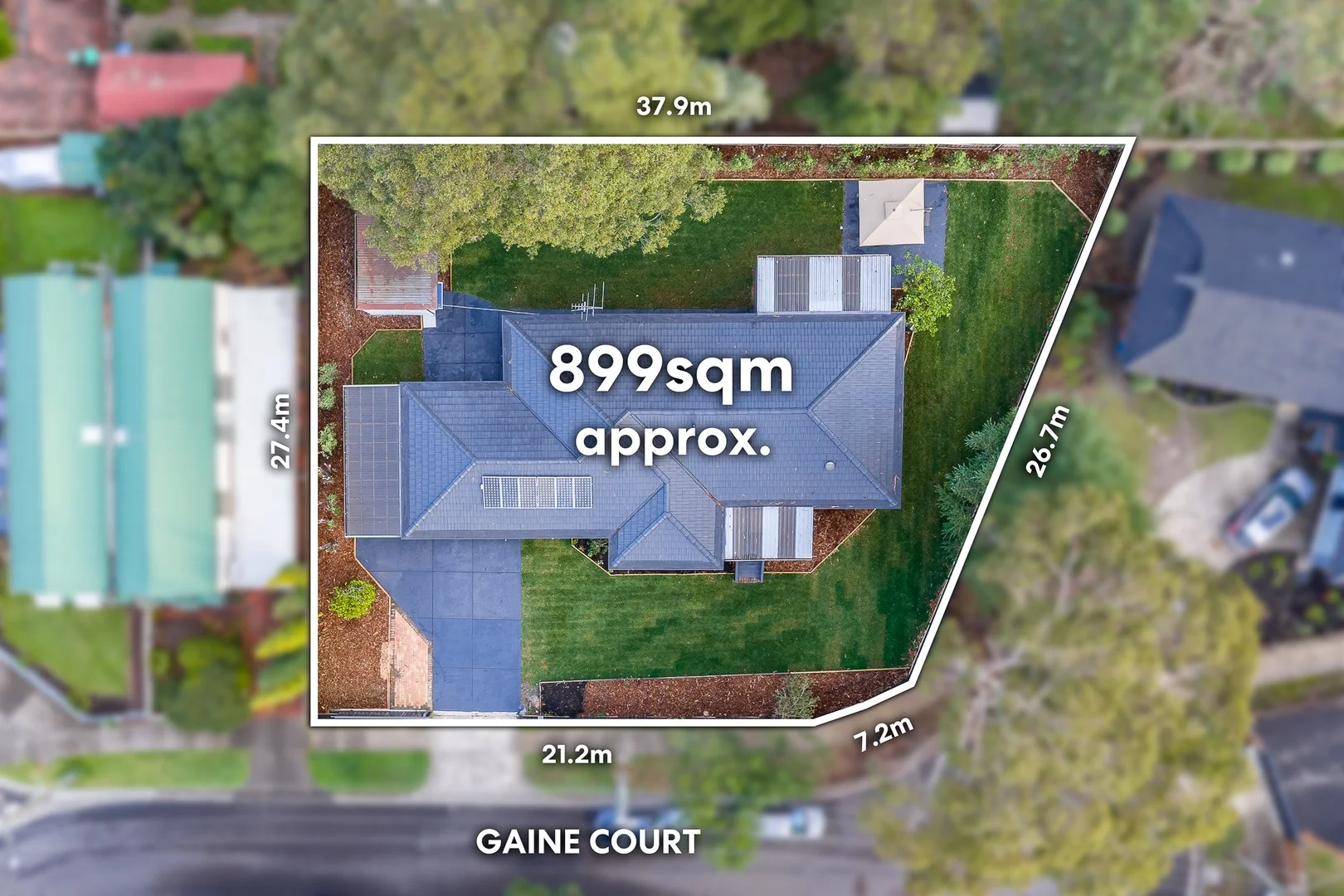 $990,000 - $1,080,000
House
$990,000 - $1,080,000
House
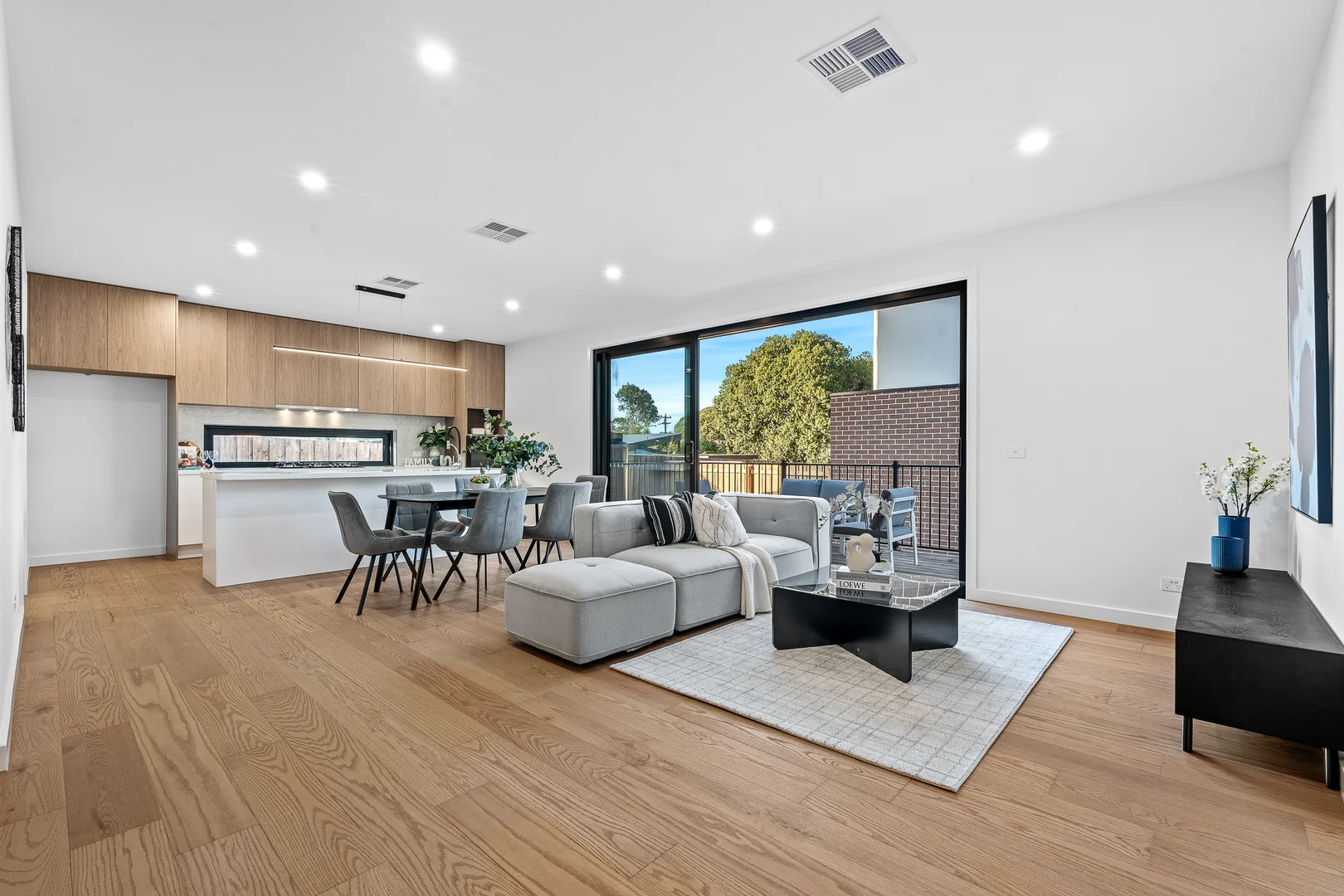 $990,000 - $1,080,000
Townhouse
$990,000 - $1,080,000
Townhouse
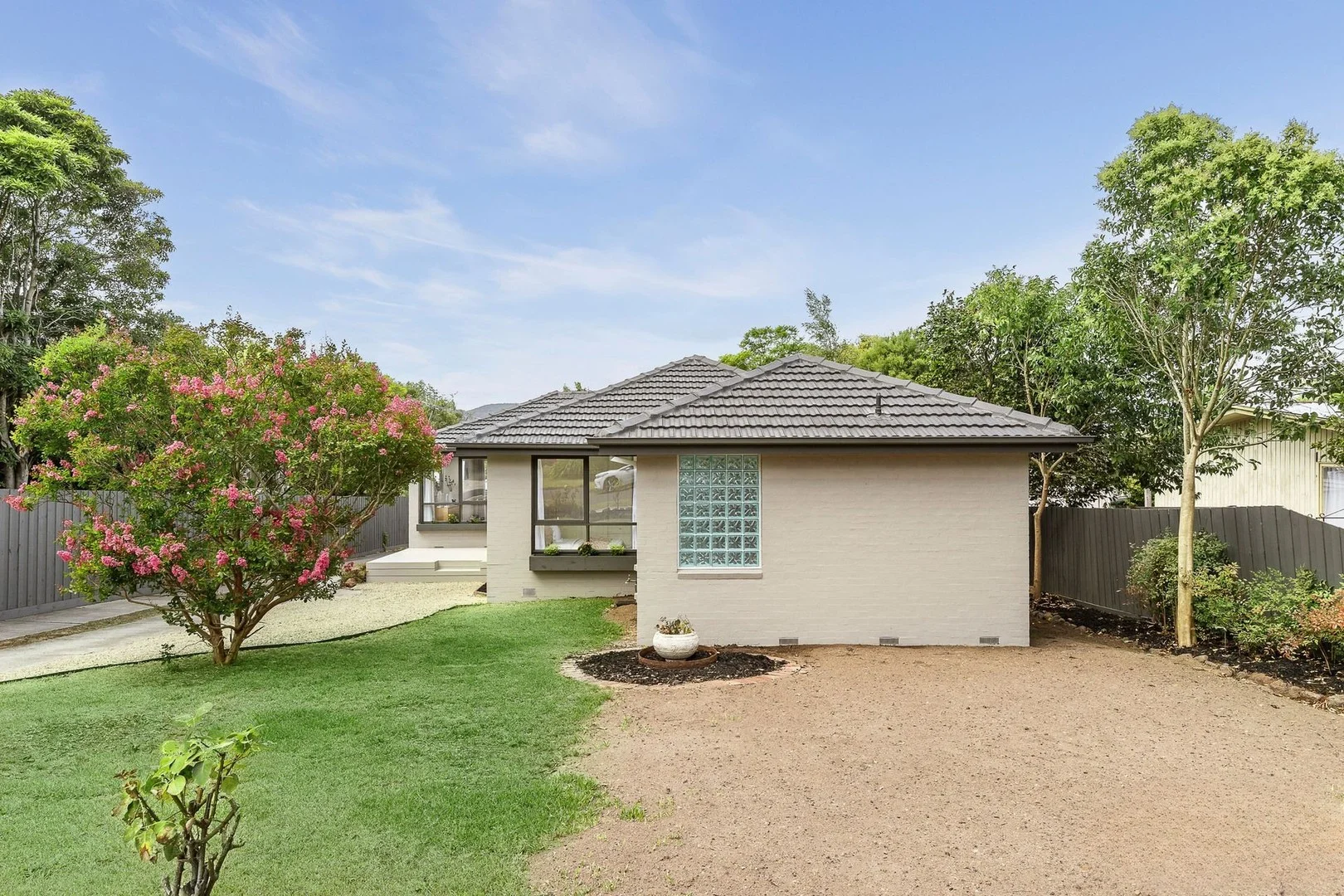 $700
Apartment / Unit / Flat
$700
Apartment / Unit / Flat
 $1,300,000
House
$1,300,000
House
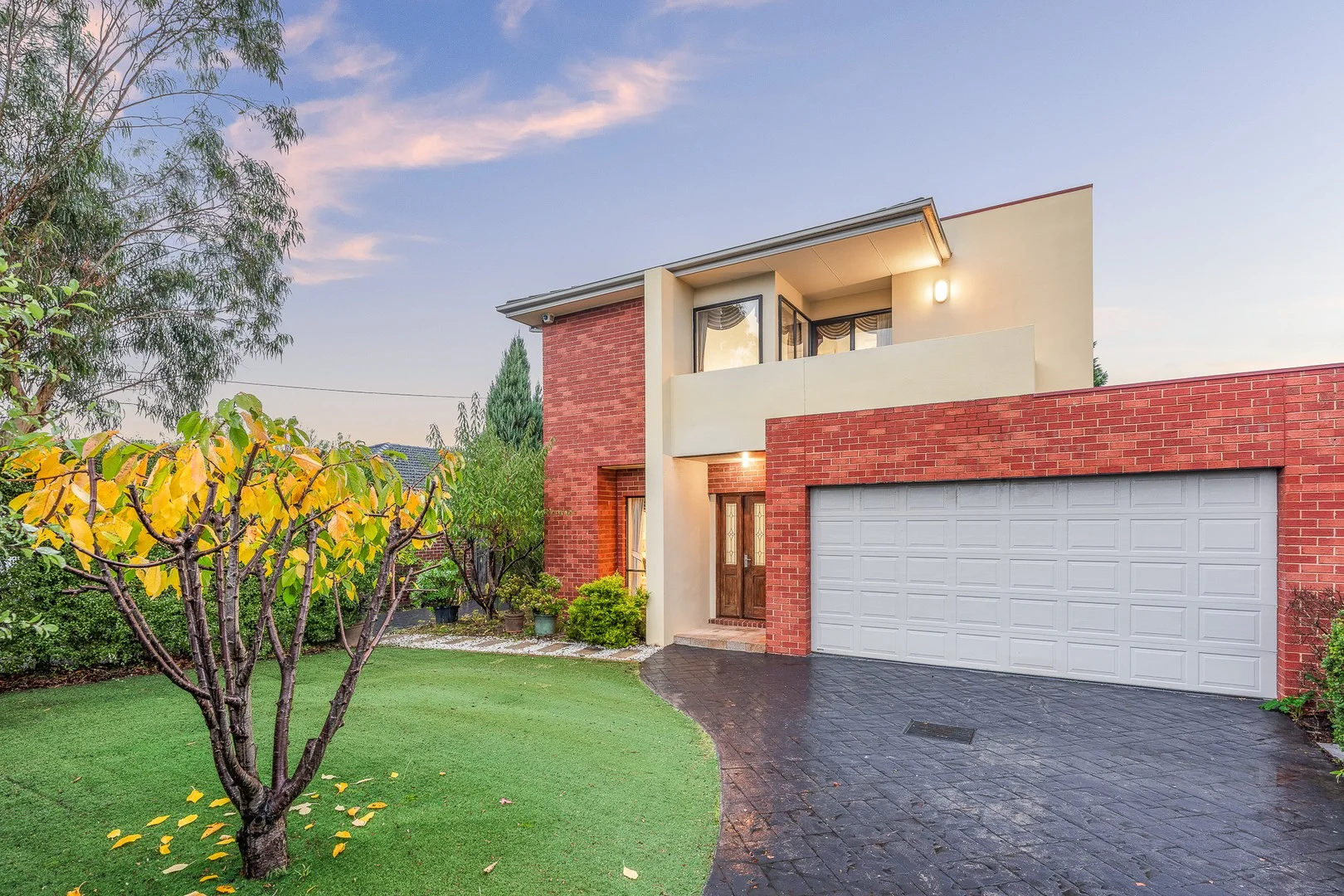 $1,150,000 - $1,250,000
Townhouse
$1,150,000 - $1,250,000
Townhouse
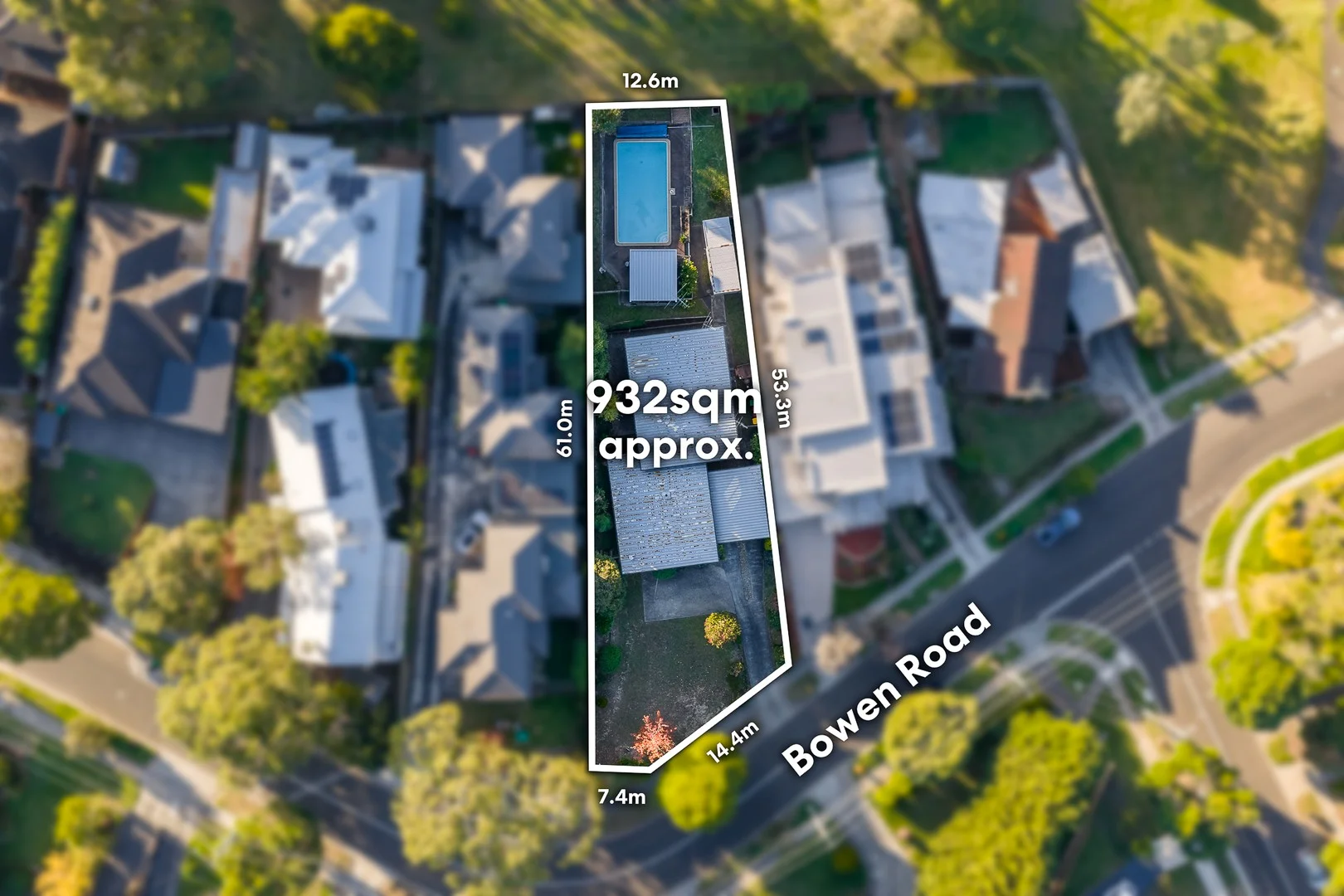 $1,300,000 - $1,400,000
House
$1,300,000 - $1,400,000
House
 $1,500,000
House
$1,500,000
House
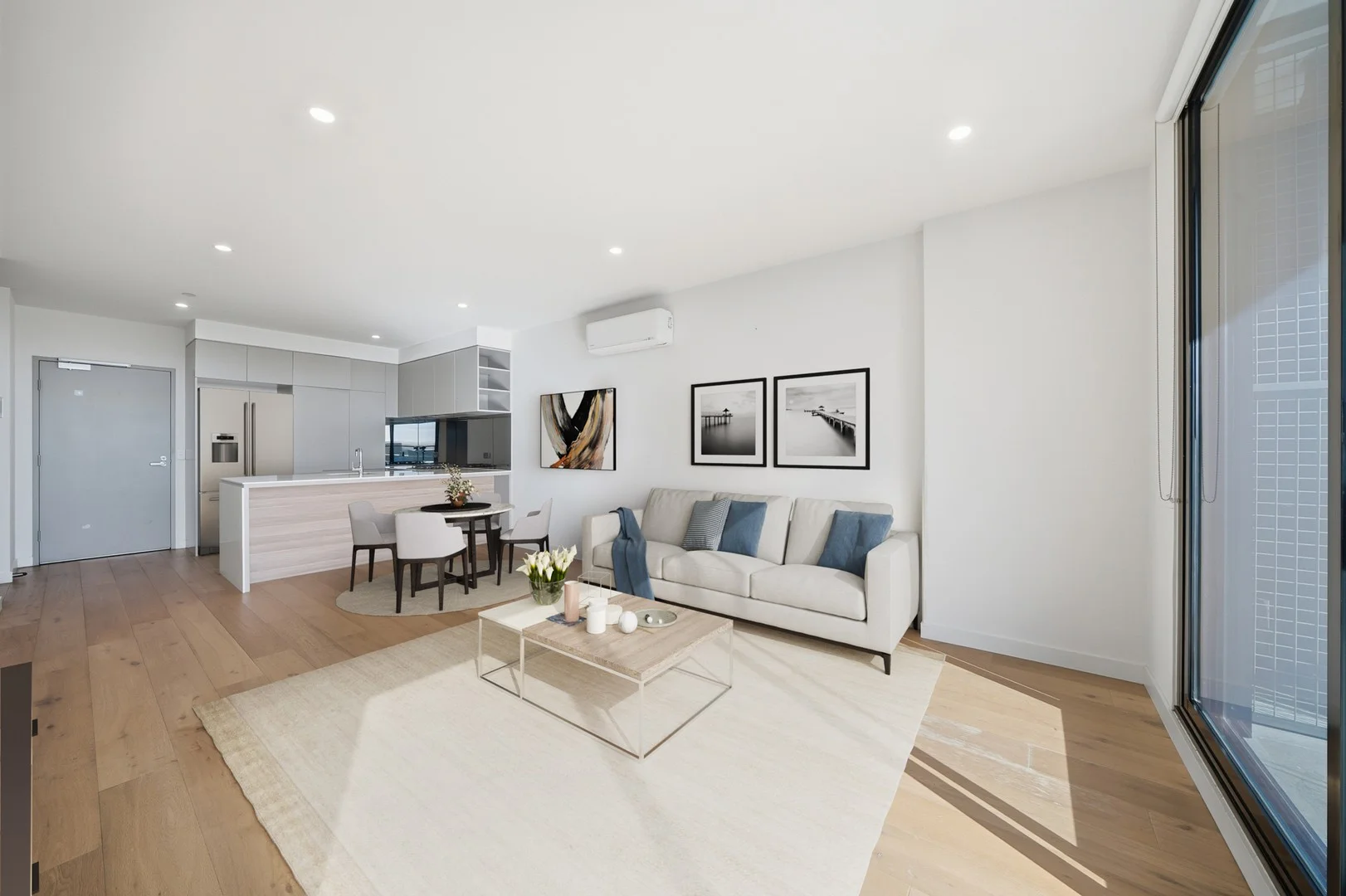 $500,000 - $550,000
Apartment / Unit / Flat
$500,000 - $550,000
Apartment / Unit / Flat