## 1. Overview
Glenunga International High School is a public high school with a strong international focus. It combines the Australian public education model with the internationally recognised IB programs, supporting students from across years 7–12. The school is large and diverse, offering a broad range of subjects and pathways that cater to different interests and aspirations.
- School type: Public
- School size: Large
- Class size: Typically around 20–28 students per class
- Atmosphere/culture: Diverse, inclusive, academically oriented with a global outlook and supportive pastoral care
---
## 2. Academics & Learning
GIHS is known for its IB-enabled approach and strong performance across key learning areas.
- Academic strengths: International Baccalaureate (IB) Diploma Programme, strong English and literary skills, sciences, and language study; emphasis on inquiry-based learning and global perspectives.
- Special programs: IB Middle Years Programme (MYP) and IB Diploma Programme; opportunities for enrichment and accelerated learning within the IB framework.
- NAPLAN / trends: Consistently solid results with positive year-to-year trends in reading and numeracy; performance aligns with international standards through the IB curriculum.
- Student-teacher ratios: Class sizes and teacher support are designed to enable meaningful teacher-student interaction; typical ratios support targeted feedback and monitoring.
- Support for diverse learners: Dedicated support for EAL (English as an Additional Language) students and SEN (Special Educational Needs); learning support staff and programs to assist students who require extra help.
---
## 3. Sports & Extracurricular Strengths
A strong emphasis on well-rounded development includes sports, arts, and a variety of clubs.
- Sports offered: Basketball, soccer, netball, cricket, athletics, swimming, tennis, and other team and individual sports; competitions at inter-school and regional levels.
- Strong teams or achievements: A track record of competitive teams with regional participation and success across multiple sports.
- Music, arts, drama programs: Active music ensembles, performances, drama productions, and arts events that form a regular part of school life.
- Clubs: Robotics, coding, chess, debating, and other student-led or teacher-supported clubs.
- Partnerships: Collaborations with local arts and coding groups, external competitions, and opportunities for experiential learning through partnerships and events.
---
## 4. Wellbeing & Pastoral Care
Pastoral care and wellbeing are central to helping students thrive academically and socially.
- Anti-bullying approach: Clear policies and proactive programs to promote respectful behaviour and safe school environments; restorative practices where appropriate.
- House system: A house or structured pastoral grouping to foster belonging, encourage participation, and support wellbeing.
- Counsellors / wellbeing officers: Access to school counsellors and wellbeing staff to support students’ mental health, study planning, and personal development.
- Transition support for new students: Orientation sessions, buddy programs, and targeted transition support to help new students settle in smoothly.
---
## 5. Facilities
The school’s facilities are designed to support IB learning, performance, and everyday school life.
- Sports grounds
- Libraries
- Science labs
- Music/performing arts centers
- Tech/innovation labs
- Cafeteria
- Updated playgrounds
Visual and functional spaces help students engage across academics, arts, and physical education.
---
## 6. School Values & Community Culture
GIHS aims to cultivate globally minded, responsible young people who contribute positively to their communities.
- School values / mission: Global citizenship, curiosity, integrity, respect, and inclusion; a mission aligned with both local and international perspectives.
- Leadership style: Collaborative and student-inclusive, with opportunities for student voice through councils, clubs, and program involvement.
- Behaviour expectations: Clear codes of conduct focused on respect, safety, responsibility, and integrity.
- Community reputation: Known for inclusivity, academic rigour, and a diverse, engaged student body.
- Diversity & inclusion: Strong emphasis on inclusion and celebrating diverse backgrounds and viewpoints.
---
## 7. School Logistics & Daily Operations
Practical daily operations help families plan around school life.
- School hours: Approximate school day from around 8:30 am to 3:15 pm (adjustments may occur for specific terms or programs).
- Before/after school care: Availability of care and supervision through external providers or school-supported options; check local arrangements for exact times.
- Uniform requirements: School uniform expected; guidelines provided by the school.
- Transport (train/bus routes): Accessible by public transport; bus routes and train stops in the area serve the campus; car parking and drop-off arrangements available.
- Canteen availability: On-site canteen with healthy lunch options.
- Fees (low/medium/high ranges): Public schooling generally involves low to moderate contributions; additional costs may include textbooks, excursions, and program-related activities.
---
## 8. Enrolment & Admissions
11. What is the enrolment process and timeline?
- Applications typically follow the state Department for Education process for in-area enrolments; timelines are published by the Department and the school. Expect steps such as submitting proof of residency, age/identity documents, and completion of required forms; timelines can vary by year and program.
12. Is there a waiting list, and how does it work?
- Waiting lists can occur during oversubscription periods. If you’re on a waitlist, keep in touch with the school and relevant Department processes; seats are offered as they become available and in accordance with in-area priorities.
13. Are there any entry requirements, tests, or interviews?
- Generally, there are no entry tests for standard year-level enrolment in a public high school. For specialised programs like the IB Diploma pathway, there may be prerequisites or guidance interviews to ensure students are prepared for the IB workload and course demands.
14. Does the school accept mid-year transfers?
- Mid-year transfers can be possible if a place is available. Availability depends on current enrolment numbers and year level; contact the school early, provide required documentation, and follow the Department’s transfer procedures.
---
## 9. Frequently Asked Questions
- Why Parents Choose This School?
- The IB-enabled curriculum, global perspective, diverse student body, and supportive learning environment.
- What type of student thrives at this school?
- Students who are curious, motivated by inquiry-based learning, and open to an internationally minded education; those who value a balanced program across academics, arts, and sport.
- What opportunities are available for students to extend their skills (academics, sports, arts)?
- IB Diploma pathway, enrichment and accelerated options within the IB framework, a range of sports, music and drama programs, and clubs such as robotics, coding, debating, and chess.
- How does the school communicate with parents?
- Regular newsletters, emails, parent portals, and school events; information shared through official channels and during parent-teacher contacts.
- What is the school’s approach to teaching and learning?
- Student-centered, inquiry-based learning aligned with the IB philosophy; emphasis on critical thinking, collaboration, and real-world applications.
- How does the school support students who need extra academic help?
- EAL and SEN support, learning support staff, tutoring or small-group sessions, and targeted interventions as needed.
- What support is available for academic challenges?
- Access to counsellors, learning support teams, and structured intervention programs; ongoing communication with families about progress and strategies.
- How does the school communicate with parents?
- See above; multiple channels used to keep families informed about progress, events, and policy changes.
- What are the class sizes and how much individual attention do students receive?
- Typical class sizes are in the 20–28 range, with teacher availability for guidance, feedback, and individualized support within the timetable.
- What extracurricular and sports opportunities are available?
- A broad set of sports (team and individual), arts programs, and clubs such as robotics, coding, debating, chess, and more.
- What facilities does the school offer (sports, science, arts)?
- Comprehensive facilities including sports grounds, libraries, science labs, music/performing arts spaces, tech/innovation labs, a cafeteria, and modern playgrounds.
- What is the school’s approach to technology and digital learning?
- Integrated digital learning across curricula, with access to learning platforms, and common use of devices and software to support inquiry and collaboration.
- What transport and accessibility options are available?
- Public transport options (bus and train), with clear routes serving the campus; on-site accessibility and parking arrangements.
- What are the typical school fees or additional costs?
- Public schools generally have low to moderate contributions; additional costs can include uniforms, books, excursions, and optional program fees; IB-related assessment fees may apply for Diploma students.
---
## 10. Short Pros & Cons list
Pros
- Strong IB pathway with global-minded learning
- Large, diverse student community
- Broad range of academic, arts, and athletic options
- Support for EAL and SEN learners
- Active clubs and partnerships with external groups
Cons
- Large school size may mean busier campuses and fills during peak times
- IB program demands can be challenging and require commitment
- Some extra costs for uniforms, excursions, and optional activities
- Availability of mid-year transfers depends on seats; wait times can vary

 $40+
$40+







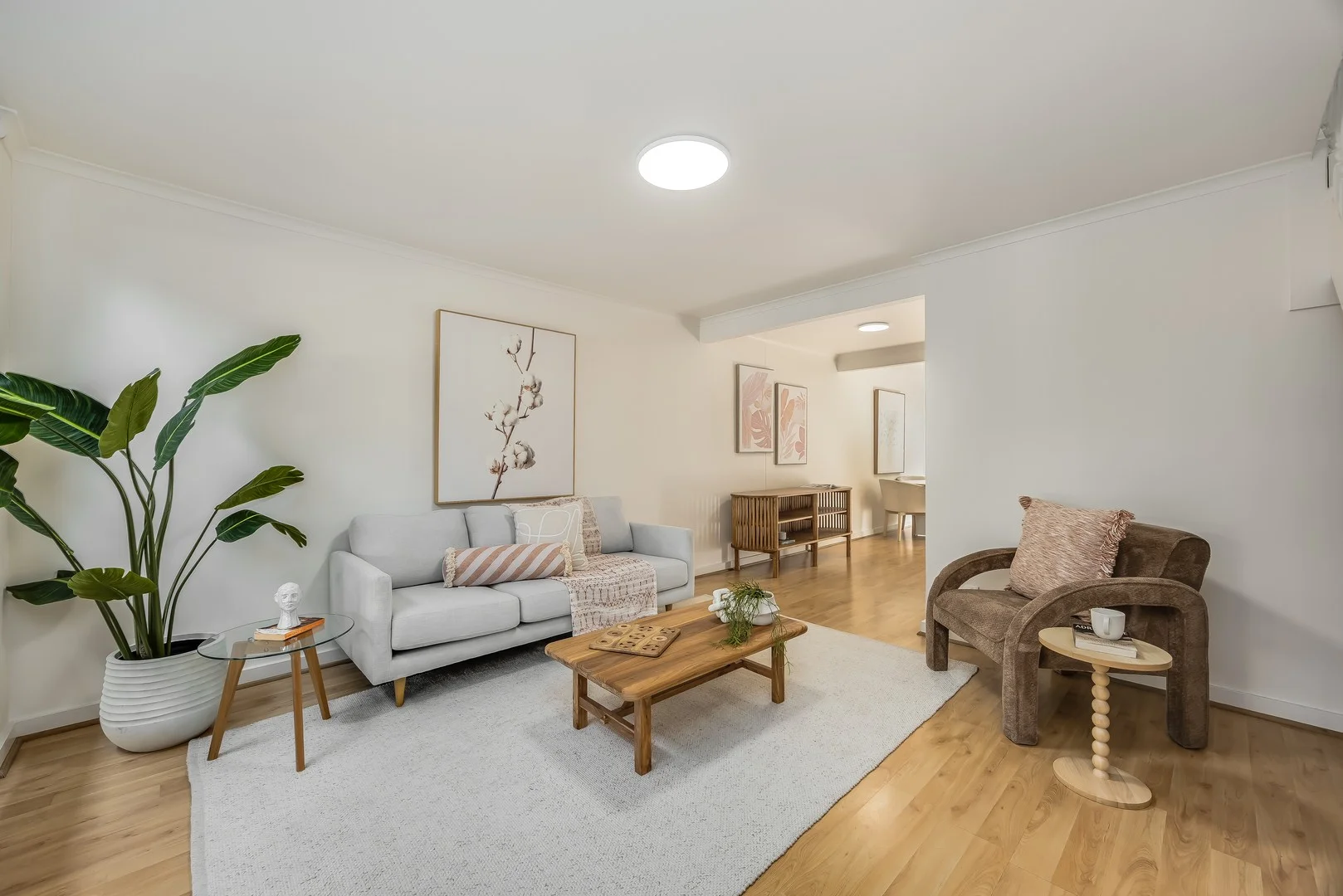 $775,000
House
$775,000
House
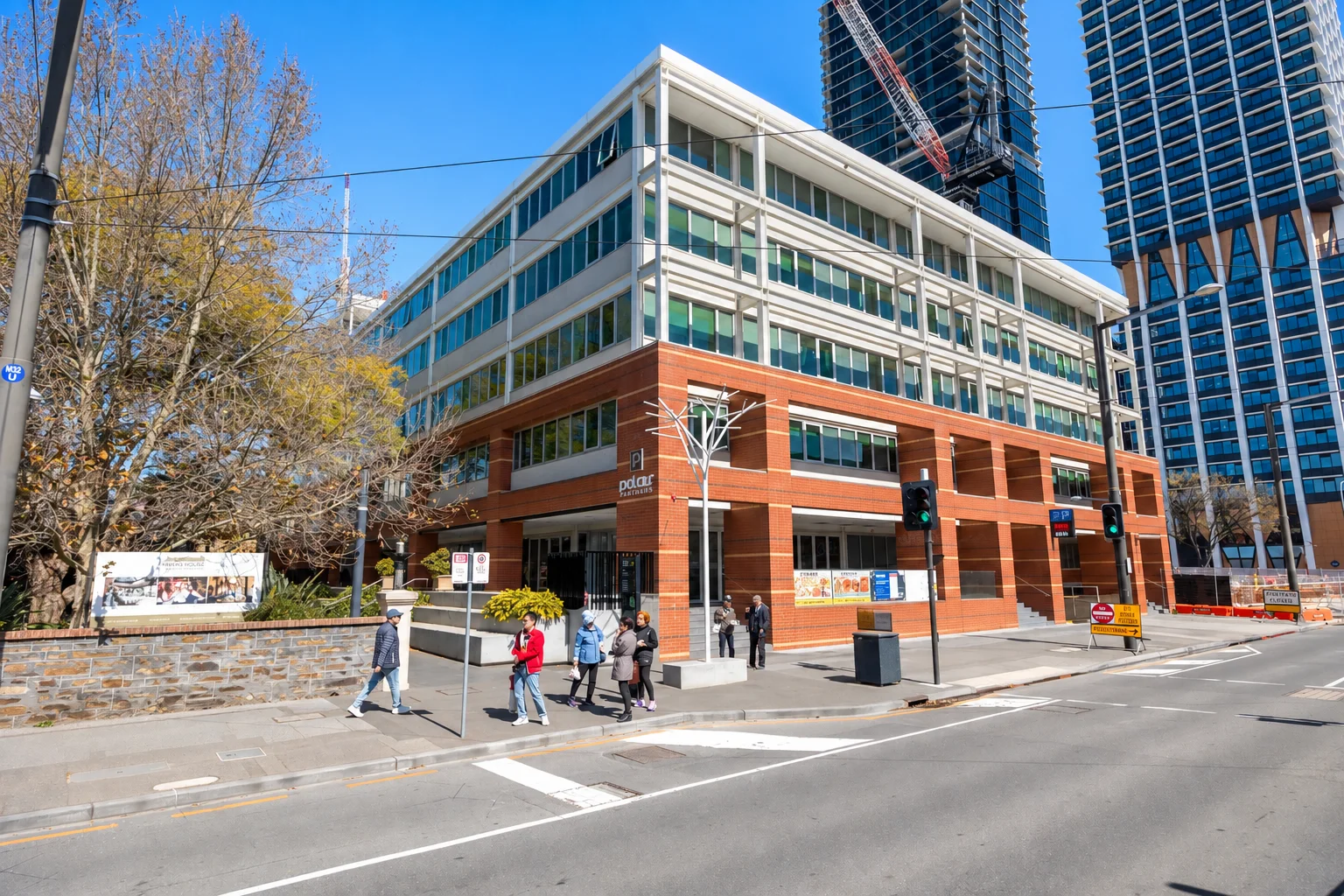 $545,000
Apartment / Unit / Flat
$545,000
Apartment / Unit / Flat
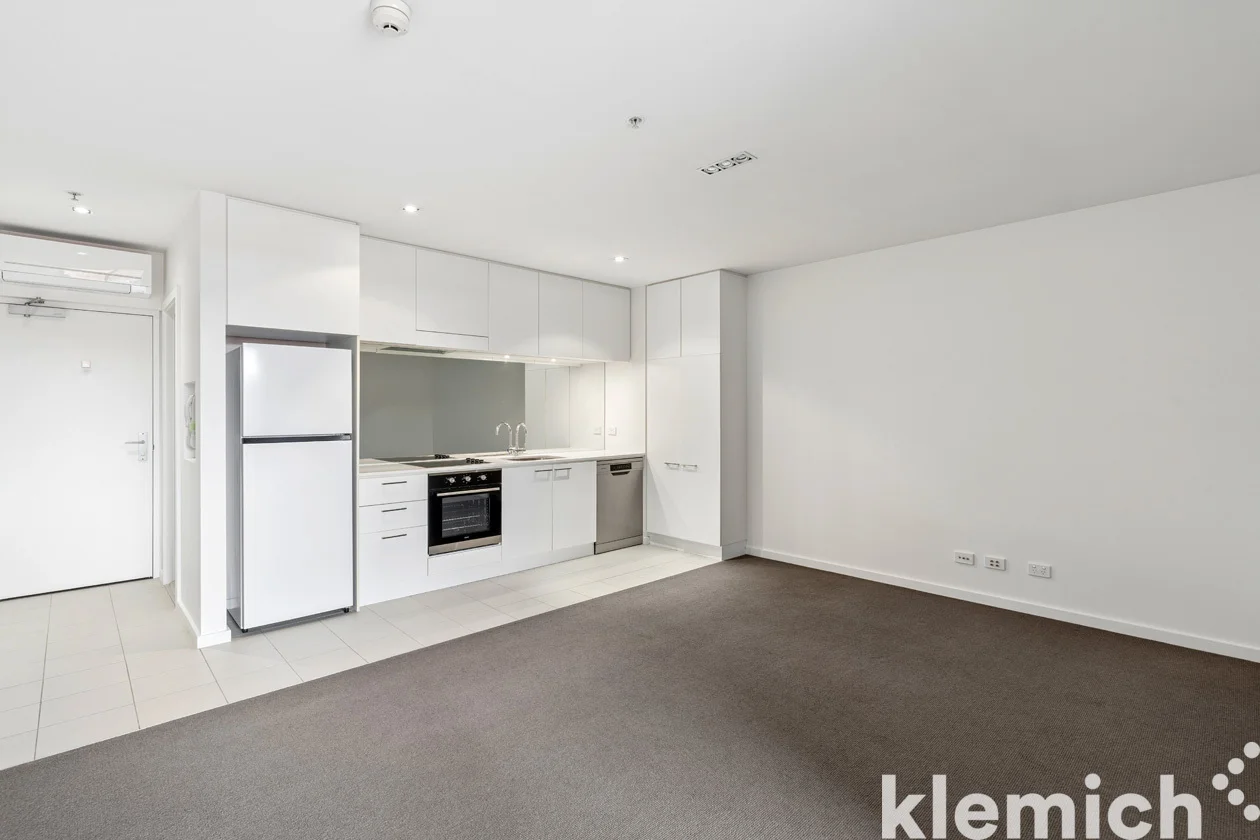 $440,000
Apartment / Unit / Flat
$440,000
Apartment / Unit / Flat
 $935,000
Apartment / Unit / Flat
$935,000
Apartment / Unit / Flat
 $557,000
Apartment / Unit / Flat
$557,000
Apartment / Unit / Flat
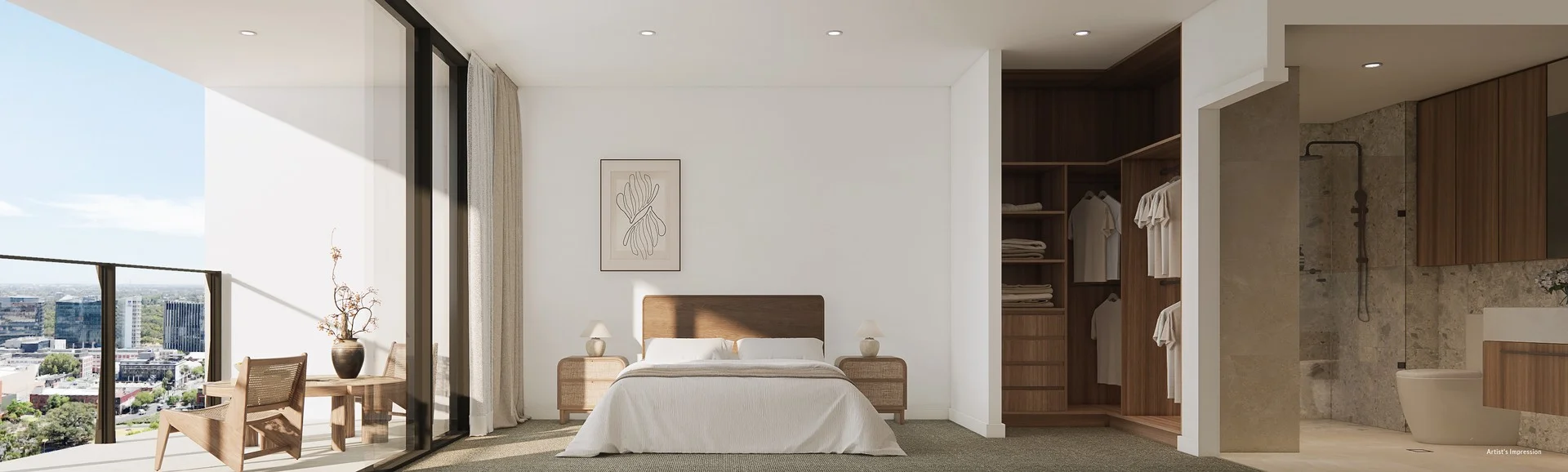 $1,056,000
Apartment / Unit / Flat
$1,056,000
Apartment / Unit / Flat
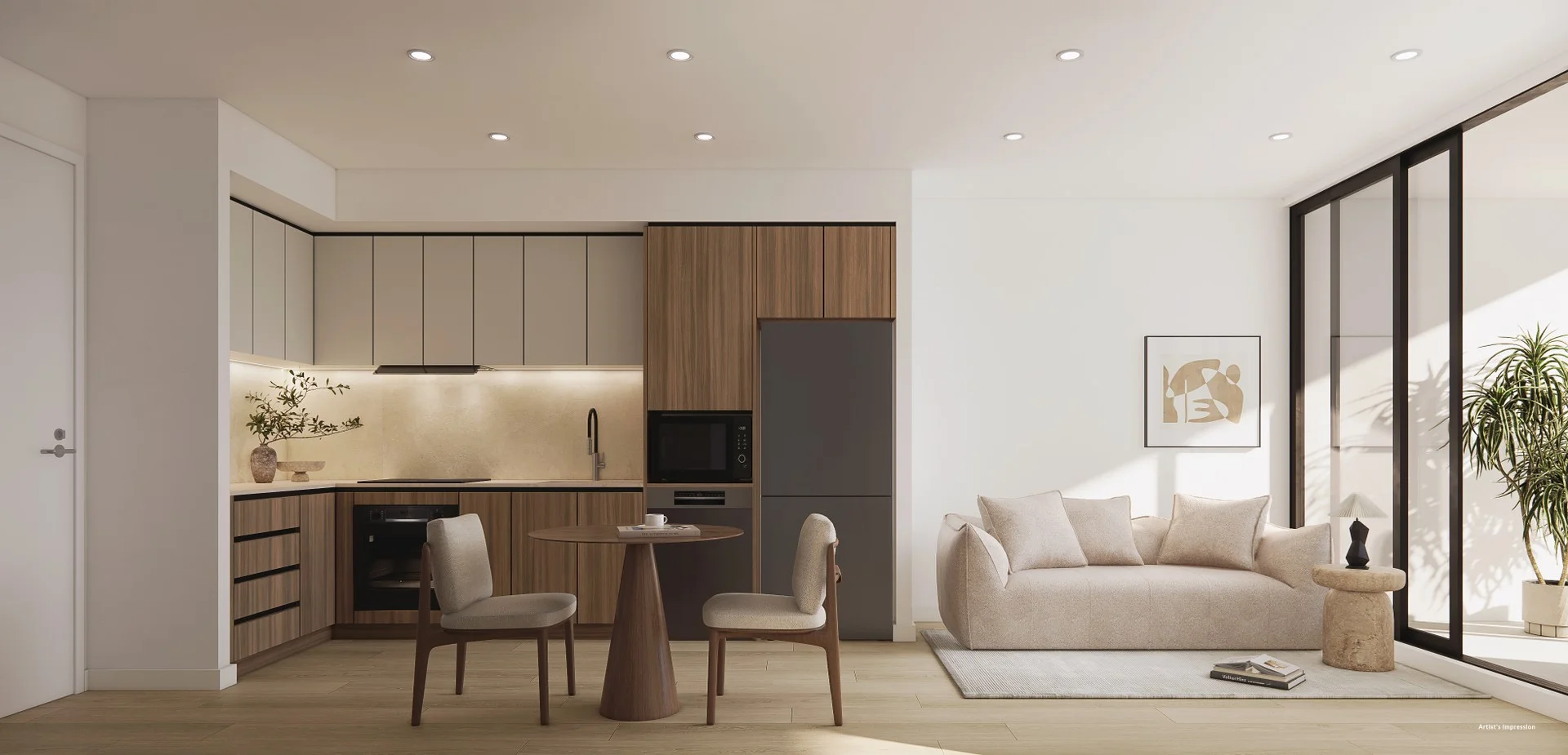 $588,000
Apartment / Unit / Flat
$588,000
Apartment / Unit / Flat
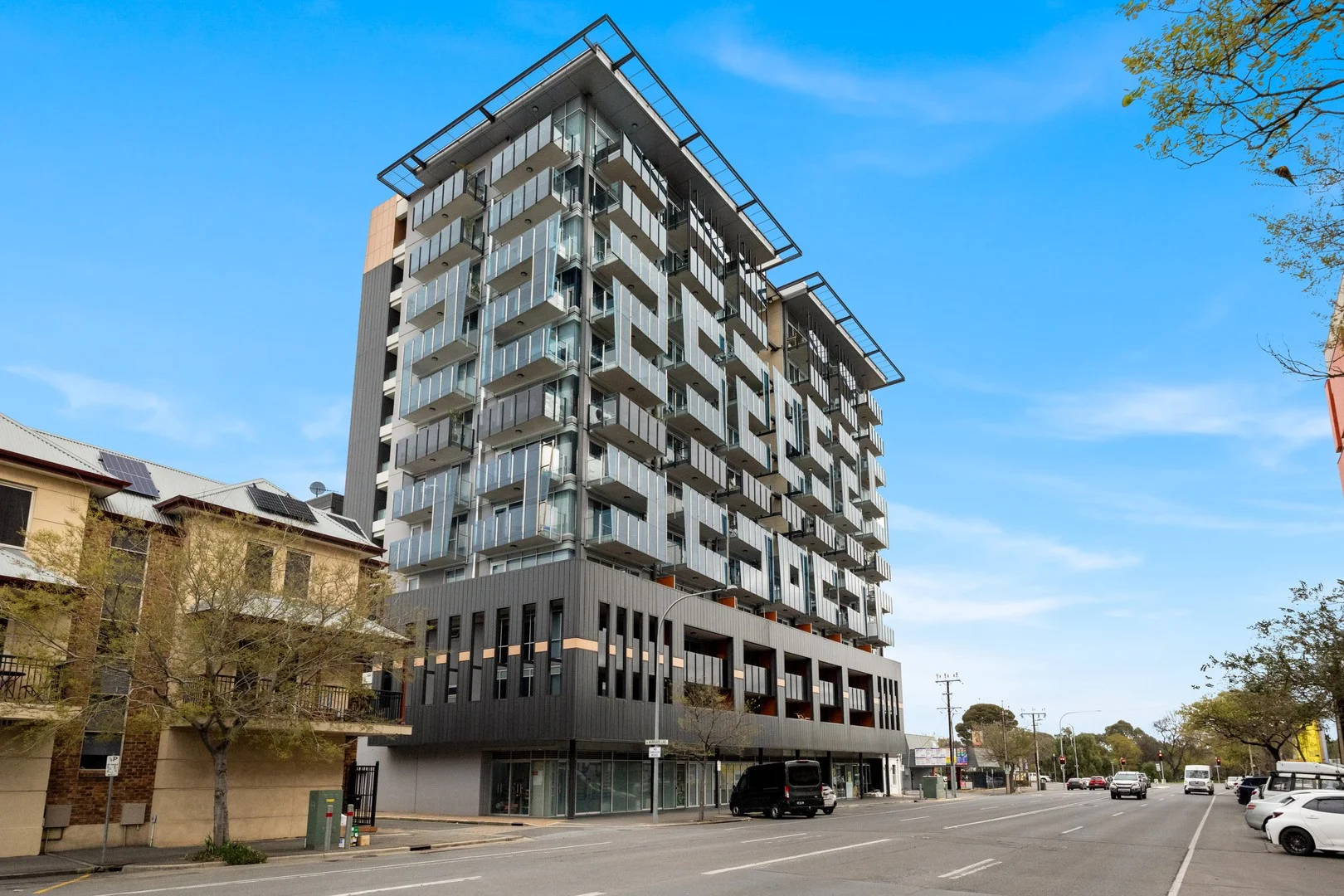 $1,100,000
Apartment / Unit / Flat
$1,100,000
Apartment / Unit / Flat