## 1. Overview
Linden Park Primary is a public, co-educational school serving the Linden Park area as part of South Australia’s government education system. The school is medium-sized, offering a welcoming, community-focused environment where students are encouraged to explore, learn and grow across a broad curriculum.
Class sizes are kept to a manageable level to support individual attention, with an atmosphere that emphasises inclusivity, respect and a collaborative spirit. The culture combines strong academic expectations with a nurturing approach, helping students to feel connected, supported and motivated.
⸻
## 2. Academics & Learning
- Academic strengths: Strong literacy and numeracy foundations, with emphasis on STEM, the arts and creative problem-solving to build well-rounded learners.
- Special programs: Access to engaging programs in arts, languages and science, with opportunities for extension and enrichment within the primary years.
- NAPLAN / trends: Historical trends show steady progress in literacy and numeracy, with continued focus on improving outcomes across year levels and supporting learners to reach their potential.
- Student-teacher ratios: Typical primary-class ratios designed to enable effective instruction and meaningful student support (approximately in the low 20s per class).
- Support for diverse learners: Dedicated support for EAL/D students and pupils with diverse learning needs, including targeted intervention and inclusive teaching practices.
⸻
## 3. Sports & Extracurricular Strengths
- Sports offered: A range of core sports and physical activities, including athletics, cricket, netball, soccer/football, basketball and swimming programs.
- Strong teams or achievements: Participation in inter-school and regional events with opportunities for showcase through school sports programs and representative teams.
- Music, arts, drama programs: Active performing arts programs, school choir and opportunities in music and drama to develop creative expression.
- Clubs: Robotics, chess, coding, debating and other student-led clubs to foster curiosity and collaboration.
- Partnerships: Engagement with local community groups and regional competitions to broaden student experiences beyond the classroom.
⸻
## 4. Wellbeing & Pastoral Care
- Anti-bullying approach: Proactive anti-bullying culture with clear policies, supportive staff and student education to promote respectful interactions.
- House system: House-based activities and competitions that encourage teamwork, leadership and a sense of belonging.
- Counsellors / wellbeing officers: Access to school counsellors or wellbeing staff to support social, emotional and academic needs.
- Transition support for new students: Structured orientation, buddy programs and targeted transitions to help new students settle in smoothly.
⸻
## 5. Facilities
- Sports grounds: Outdoor spaces designed for physical education and recreation.
- Libraries: Inclusive library facilities with age-appropriate resources to support reading and research.
- Science labs: Well-equipped spaces for hands-on science learning and experiments.
- Music/performing arts centers: Areas dedicated to music, drama and performance.
- Tech/innovation labs: Practical spaces for STEM projects, coding and design thinking.
- Cafeteria: On-site dining facilities or catering options to support student nutrition.
- Updated playgrounds: Safe, accessible play areas with natural and engineered features.
⸻
## 6. School Values & Community Culture
- School values / mission: A focus on respect, responsibility, curiosity and inclusion to guide daily learning and interactions.
- Leadership style: Student voice and leadership opportunities (such as student councils) paired with collaborative, participative staff leadership.
- Behaviour expectations: Clear behavioural expectations linked to positive reinforcement and restorative approaches.
- Community reputation: Recognized within the community for a supportive, engaged learning environment and active family involvement.
- Diversity & inclusion: Commitment to welcoming students from diverse backgrounds and ensuring inclusive teaching and practices.
⸻
## 7. School Logistics & Daily Operations
- School hours: Regular school day with start and finish times that support family routines and student learning.
- Before/after school care: Availability of before- and after-school care programs or on-site supervision through partner providers.
- Uniform requirements: School uniform with recommended attire for everyday learning and sport days.
- Transport (train/bus routes): Access to local transport options and bus services servicing the school community.
- Canteen availability: On-site or approved canteen options supporting healthy meal and snack choices.
- Fees (low/medium/high ranges): Public school charges and resource fees apply; overall costs are designed to be affordable with possible support through government programs.
⸻
## 8. Enrolment & Admissions
11. What is the enrolment process and timeline?
- Submit an enrolment application through the school/system portal.
- Provide required documentation (proof of identity, proof of residence, immunisation records, and any other requested materials).
- Receive information about the next school intake period and any orientation days for new families.
- The school may outline a general timeline for offers, enrolment confirmations and start-of-year preparations.
12. Is there a waiting list, and how does it work?
- There can be a waiting list when the number of enrolled students is at capacity.
- Placement often depends on catchment rules, date of application, and available spaces; families are contacted if a position opens.
13. Are there any entry requirements, tests, or interviews?
- Typically, there are no entrance tests for primary entry; some schools may offer information sessions or eligibility checks.
- Documentation and residency proofs are usually required; immunisation records are commonly requested.
14. Does the school accept mid-year transfers?
- Mid-year transfers are considered if there is space available and all documentation is provided.
- Parents/guardians should contact the school to discuss available places and the transfer process.
⸻
## 9. Frequently Asked Questions
- Why Parents Choose This School?
- A welcoming, inclusive community with a strong focus on literacy, numeracy and holistic development; supportive staff and active family engagement.
- What type of student thrives at this school?
- Curious, collaborative learners who respond well to a balanced program of academics, arts, sport and wellbeing opportunities.
- What opportunities are available for students to extend their skills (academics, sports, arts)?
- Access to enrichment activities in literacy and numeracy, STEM experiences, performing arts programs, sports teams and various clubs (robotics, coding, debate, chess).
- How does the school communicate with parents?
- Regular updates through newsletters, emails, the school website and parent-teacher meetings; proactive two-way communication channels.
- What is the school’s approach to teaching and learning?
- Student-centred, inclusive pedagogy with a focus on high-quality instruction, differentiation and real-world learning experiences.
- How does the school support students who need extra academic help?
- Targeted interventions, small-group support and access to specialist staff to assist with literacy, numeracy and learning needs.
- What support is available for academic challenges?
- Early identification, personalised learning plans and collaboration with families to implement appropriate strategies.
- How does the school communicate with parents? (repeated)
- See above: regular updates, meetings and accessible digital platforms for timely information.
- What are the class sizes and how much individual attention do students receive?
- Class sizes are designed to balance instructional quality with opportunities for personalised attention in a supportive environment.
- What extracurricular and sports opportunities are available?
- A broad range of sports, arts and clubs including robotics, chess, coding and debating, along with music and drama programs.
- What facilities does the school offer (sports, science, arts)?
- Comprehensive facilities for sports, science laboratories, performing arts spaces, libraries and technology labs.
- What is the school’s approach to technology and digital learning?
- Integration of technology to support learning, digital literacy and 21st-century skills through age-appropriate tools and platforms.
- What transport and accessibility options are available?
- Local transport options and arrangements to support student access; information on bus routes and accessibility is provided as part of enrolment.
- What are the typical school fees or additional costs?
- Public school materials and services fees apply; families may be eligible for government concessions or subsidies.
⸻
## 10. Short Pros & Cons list
- Pros
- Welcoming, inclusive culture with a strong sense of community.
- Balanced focus on academics, arts, sport and wellbeing.
- Supportive programs for diverse learners and effective student support.
- Range of extracurricular clubs and opportunities for enrichment.
- Good facilities that support hands-on learning and performance.
- Cons
- As a medium-sized public school, demand can lead to waitlists in peak periods.
- Some specialist programs may have limited capacity or require selection for extended opportunities.
- Transport options depend on local routes and availability; families may need to plan for commute times.
⸻










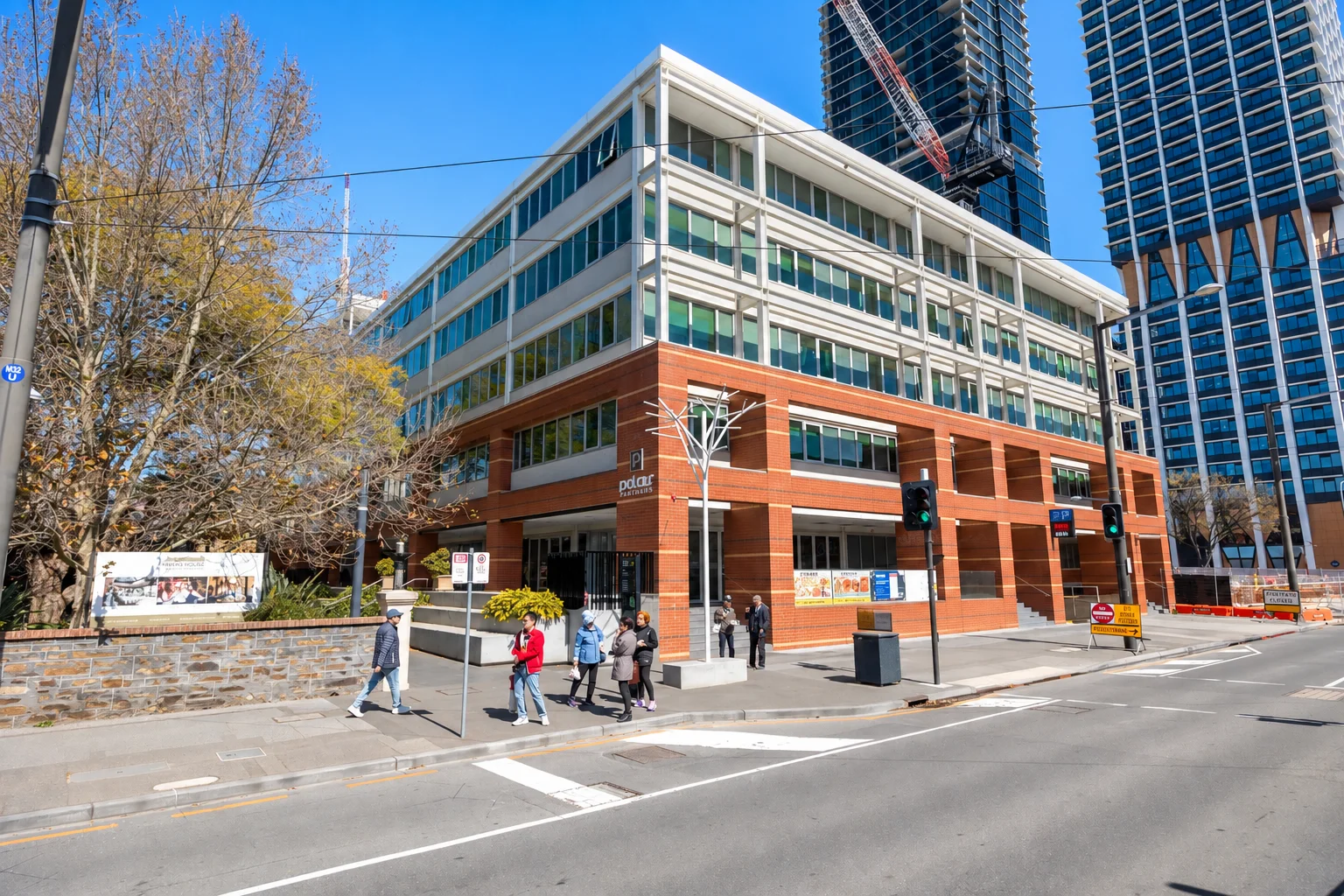 $545,000
Apartment / Unit / Flat
$545,000
Apartment / Unit / Flat
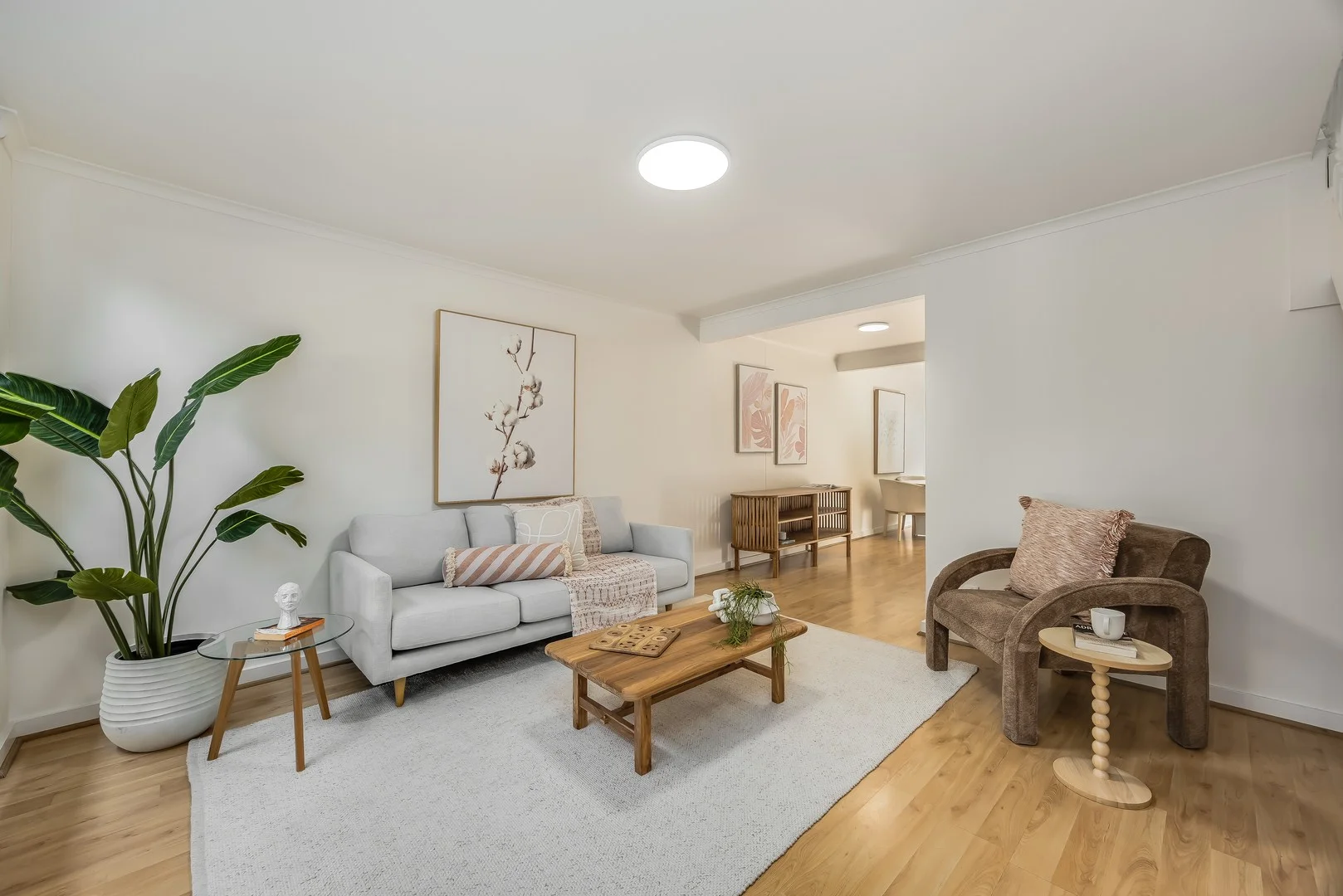 $775,000
House
$775,000
House
 $935,000
Apartment / Unit / Flat
$935,000
Apartment / Unit / Flat
 $1,056,000
Apartment / Unit / Flat
$1,056,000
Apartment / Unit / Flat
 $557,000
Apartment / Unit / Flat
$557,000
Apartment / Unit / Flat
 $588,000
Apartment / Unit / Flat
$588,000
Apartment / Unit / Flat
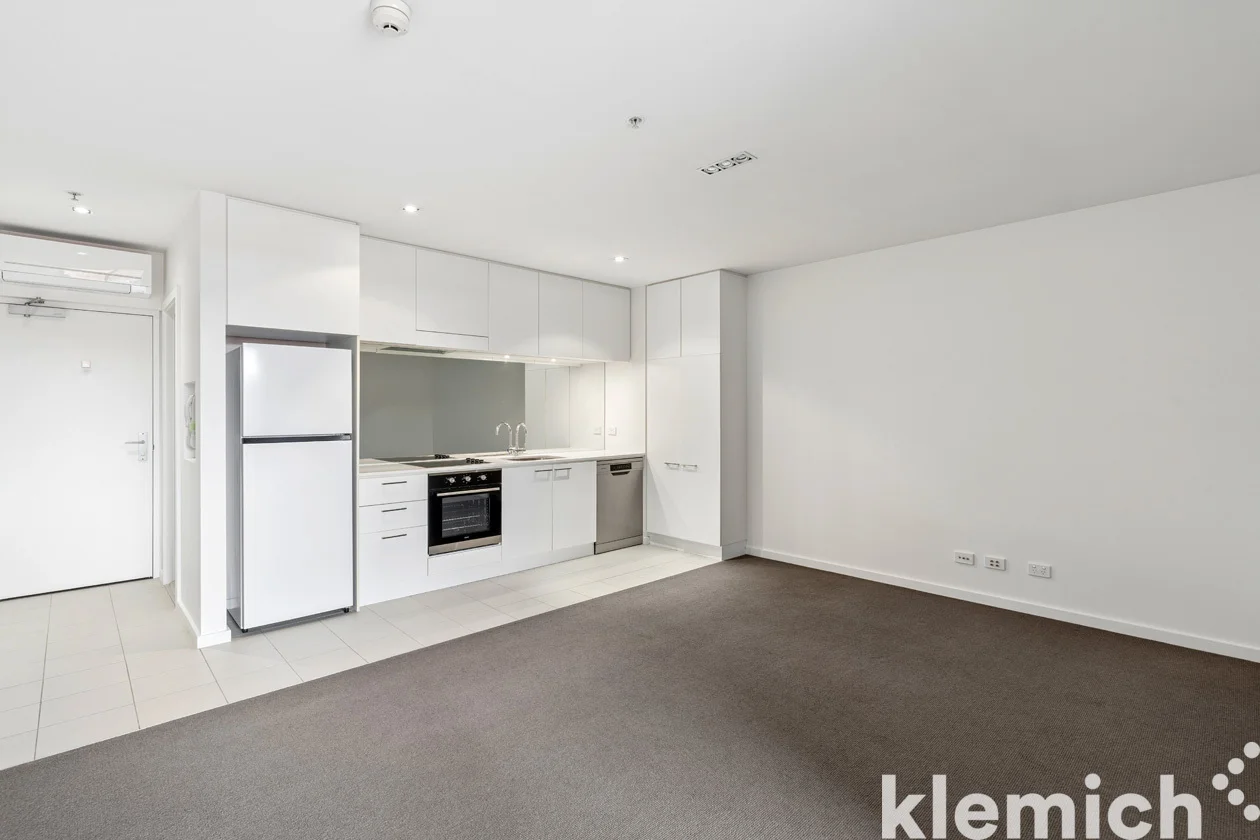 $440,000
Apartment / Unit / Flat
$440,000
Apartment / Unit / Flat
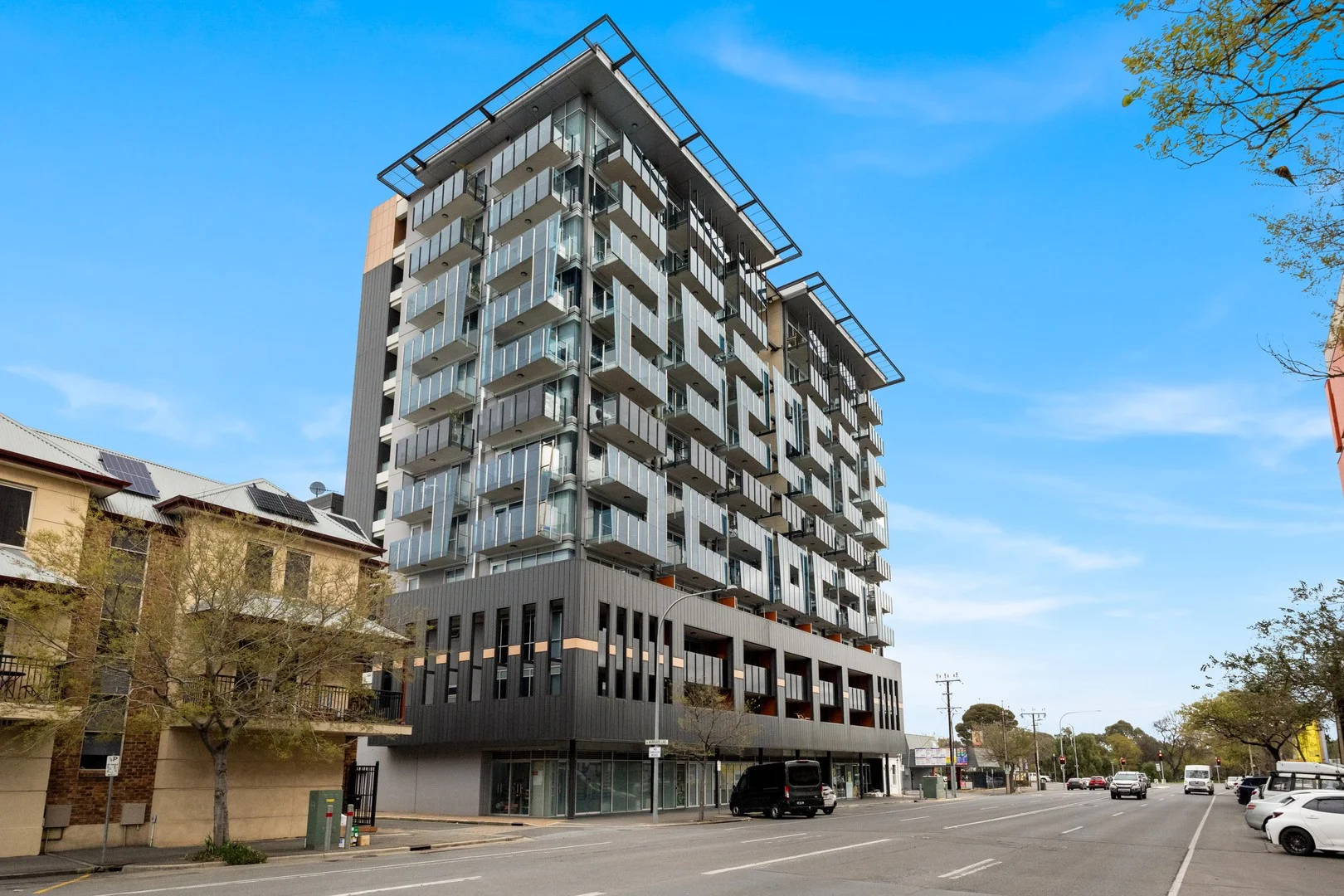 $1,100,000
Apartment / Unit / Flat
$1,100,000
Apartment / Unit / Flat