## 1. Overview
Glen Osmond Primary School is a public, co-educational primary school serving families in Glen Osmond and the surrounding Myrtle Bank area. The school focuses on providing a caring, inclusive learning community for students from the early years through to upper primary, with a strong emphasis on building foundational literacy and numeracy skills within the Australian Curriculum.
The school is small to medium-sized, with class sizes typically around 20–25 students. The atmosphere is welcoming and supportive, emphasising student wellbeing, community involvement, and a positive, family-friendly learning environment.
⸻
## 2. Academics & Learning
Glen Osmond Primary School pursues strong literacy and numeracy outcomes while offering a broad curriculum that includes STEM, arts, and physical education. The school provides enrichment opportunities and pathways for students who benefit from extended or accelerated tasks, alongside a robust base program for all learners.
Special programs focus on developing higher-order thinking, creativity, and practical problem-solving. While the school follows the Australian Curriculum, it also seeks targeted supports for students who require additional help, ensuring accessible learning for all.
NapLAN trend data over recent years has shown steady performance in reading and numeracy with maintained or improved results relative to state averages, reflecting ongoing improvements in teaching practices and targeted interventions. The student-teacher ratio is typically around 1:20, with additional learning support staff as needed. The school prioritises supports for diverse learners, including EAL (if applicable), students requiring targeted literacy/numeracy interventions, and other SEN supports.
⸻
## 3. Sports & Extracurricular Strengths
Sports offered commonly include AFL, netball, cricket, soccer, cross-country, and athletics, with regular opportunities to participate in inter-school events and school carnivals. The school encourages active student involvement and often achieves strong participation in SAPSASA-related activities and local district competitions.
Music, visual arts, and drama are integral parts of the life of the school, with opportunities for choir, school productions, and performances. Clubs commonly available include robotics, chess, coding, and debating, plus library and reading programs to foster intellectual curiosity. The school also forms partnerships with local clubs and associations to provide competitions and enrichment experiences outside the classroom.
⸻
## 4. Wellbeing & Pastoral Care
A healthy, respectful school culture is central to Glen Osmond Primary. The anti-bullying approach is embedded in whole-school policies, with restorative practices and student wellbeing as priorities. A house system supports positive competition, teamwork, and a sense of belonging.
Counsellors or wellbeing officers are available to support mental health, stress management, and social-emotional learning. Transition support for new students includes orientation activities, buddy programs, and families receiving guidance to help each student settle in smoothly.
⸻
## 5. Facilities
- Sports grounds and playing fields for team sports and physical education
- Library with study spaces and resources
- Science labs or dedicated science spaces for practical learning
- Music and performing arts spaces for concerts and rehearsals
- Tech/innovation spaces or computer lab for digital learning
- Canteen or dining area with lunch options
- Updated playgrounds and outdoor learning spaces
Facilities are designed to be visually appealing and easy to navigate, supporting a range of learning activities from hands-on experiments to creative performances.
⸻
## 6. School Values & Community Culture
- School values and mission commonly emphasise Respect, Responsibility, Excellence, and Compassion, guiding everyday decisions and student conduct.
- Leadership is typically participatory, with opportunities for student voice and responsibility through class roles, school councils, or leadership activities.
- Behaviour expectations are clear and consistently applied, with a focus on positive reinforcement and restorative approaches.
- The community reputation is described as friendly and family-oriented, with strong parent involvement and partnerships.
- Diversity and inclusion are central, with a welcoming environment for students from various backgrounds and accommodations for different learning needs.
⸻
## 7. School Logistics & Daily Operations
- School hours: Generally, the day runs in line with Department for Education schedules (start around 8:45–9:00 am and finish around 3:00–3:15 pm). Exact times can vary by year level and term.
- Before/after school care: Available through OSHC providers or local services; details are provided by the school.
- Uniform requirements: A school uniform is typically required, with specific items for different seasons.
- Transport: Local bus routes and walking/bike paths provide accessibility; drop-off and pick-up areas are organised for safety.
- Canteen: Canteen services available on select days, with lunch order options.
- Fees: Public primary schools in this sector charge modest materials/levies and may have optional contributions for excursions and activities. Ranges are typically described as low to medium in many families’ experiences, with exact amounts published by the school each year.
⸻
## 8. Enrolment & Admissions
11. What is the enrolment process and timeline?
- Enrolment is typically managed through the Department for Education’s process and by the school’s catchment rules. Prospective families submit an enrolment form with required documentation (proof of identity, address/residency within the catchment, immunisation records, etc.). The school provides timelines for processing and start dates, and may request additional information as part of the enrolment.
12. Is there a waiting list, and how does it work?
- If the school is oversubscribed, a waiting list may be used. Waiting lists are generally managed by the school in accordance with Department guidelines, often prioritising catchment eligibility and availability of places.
13. Are there any entry requirements, tests, or interviews?
- In most cases, public primary schools do not require entrance tests. An interview or discussion may occur for out-of-area applicants or families with special learning needs to ensure alignment of supports and resources.
14. Does the school accept mid-year transfers?
- Mid-year transfers are considered subject to space and handover of required documents. Families should contact the school promptly to discuss availability and required steps.
⸻
## 9. Frequently Ask Questions
- Why Parents Choose This School?
- A welcoming, inclusive community with strong emphasis on wellbeing, balanced academics, and engaging programs in sports, arts, and technology.
- What type of student thrives at this school?
- Students who enjoy a supportive, collaborative environment, participate in a range of activities, and benefit from small-class learning and targeted supports.
- What opportunities are available for students to extend their skills (academics, sports, arts)?
- Enrichment tasks, gifted and talented options where available, STEM activities, coding and robotics clubs, music and drama opportunities, and competitive sports at the district level.
- How does the school communicate with parents?
- Regular newsletters, emails, a school app or portal, notices, and parent-teacher meetings to keep families informed about learning and events.
- What is the school’s approach to teaching and learning?
- Australian Curriculum-based learning with a focus on literacy, numeracy, inquiry, collaboration, and student-centred approaches.
- How does the school support students who need extra academic help?
- Small-group or targeted interventions, learning support staff, and access to EAL/SEN supports as required.
- What support is available for academic challenges?
- Additional tutoring or in-class adjustments, progress monitoring, and referrals to specialist support when needed.
- How does the school communicate with parents?
- See above: newsletters, digital communication, and meetings; multiple channels to suit families.
- What are the class sizes and how much individual attention do students receive?
- Typical class sizes around 20–25 students, with teachers providing teacher-led instruction plus targeted individual or small-group support within the day.
- What extracurricular and sports opportunities are available?
- A range of sports (AFL, netball, cricket, soccer, athletics), plus clubs such as robotics, coding, chess, and debating; opportunities to participate in district and inter-school events.
- What facilities does the school offer (sports, science, arts)?
- Sports grounds, library, science spaces, music/arts facilities, technology spaces, and suitable spaces for performing arts and exhibitions.
- What is the school’s approach to technology and digital learning?
- Integration of digital learning in daily lessons, use of devices where appropriate, and emphasis on online safety and responsible use of technology.
- What transport and accessibility options are available?
- Local bus routes and walkable access; clear drop-off/pick-up arrangements; cycling paths and accessibility considerations.
- What are typical school fees or additional costs?
- Public primary schools have set materials/levies and suggested contributions; additional costs may include excursions, uniforms, and supplies. Exact amounts are communicated by the school annually.
⸻
## 10. Short Pros & Cons list
- Pros
- Public, inclusive, family-friendly environment
- Strong focus on wellbeing and supportive learning
- Balanced academics with opportunities in sports, arts, and technology
- Small to medium class sizes enabling individual attention
- Active community and parental involvement
- Cons
- As a smaller school, specialist facilities or staff in certain areas may be more limited than larger schools
- Availability of some enrichment programs may vary year to year
- Enrolment can be subject to catchment rules and space, which may affect mid-year transfers
⸻
 $40+
$40+









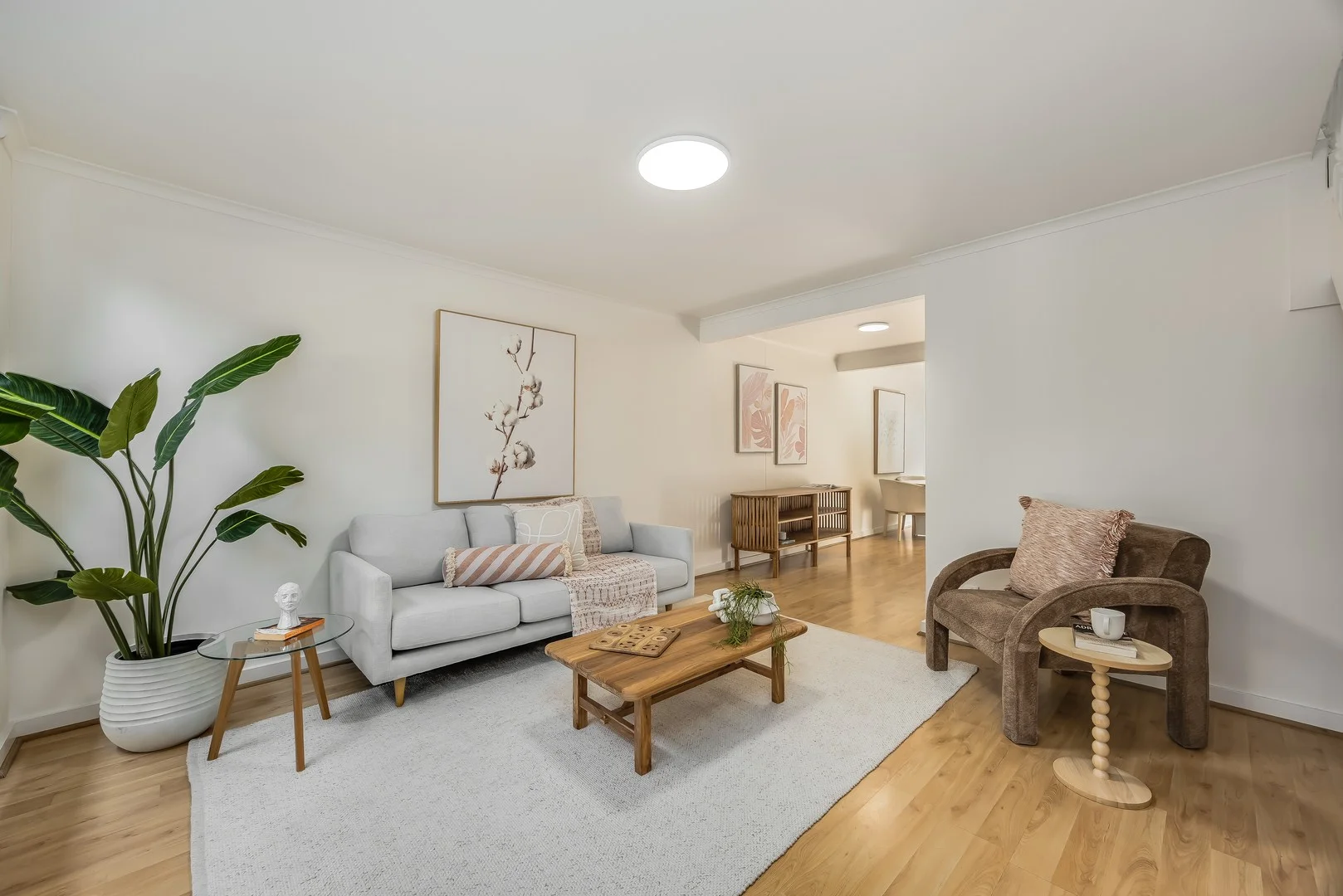 $775,000
House
$775,000
House
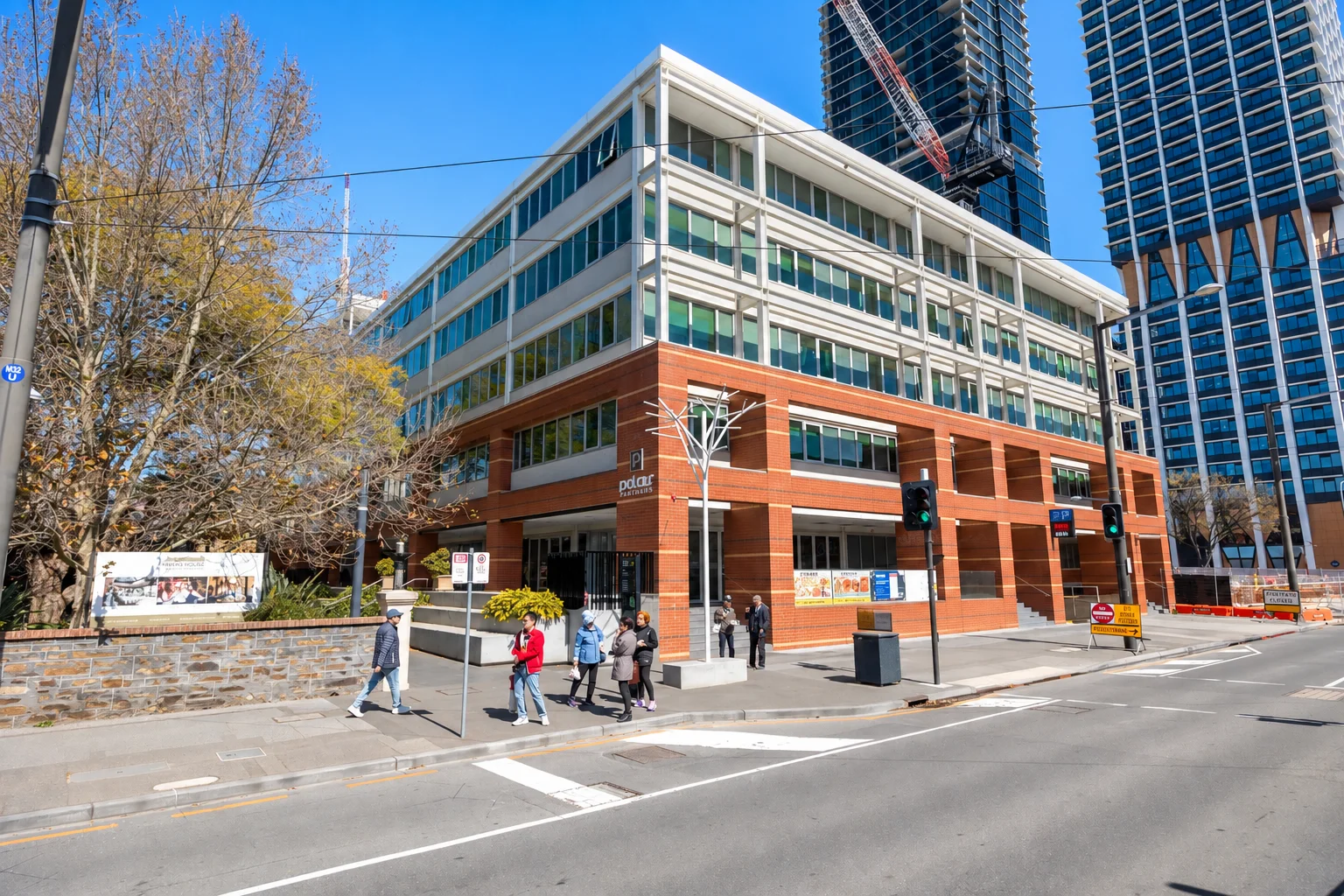 $545,000
Apartment / Unit / Flat
$545,000
Apartment / Unit / Flat
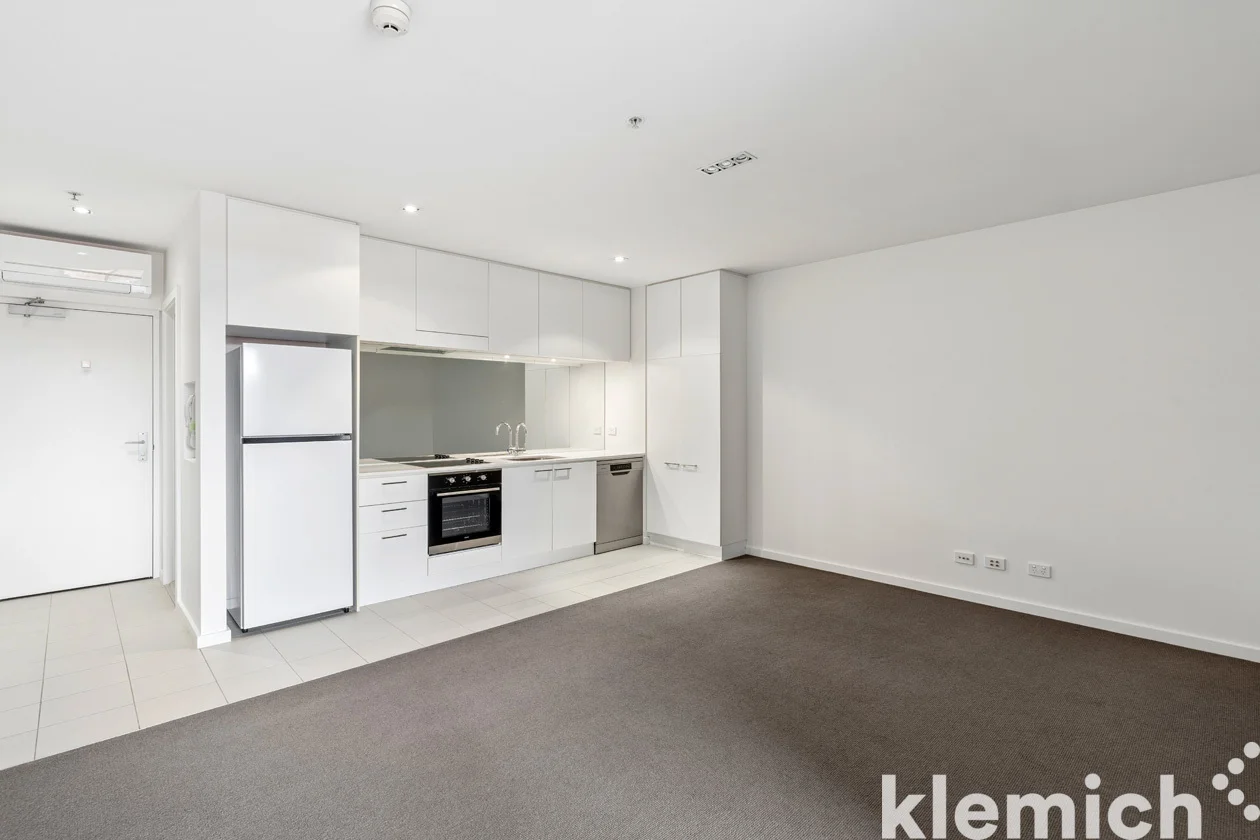 $440,000
Apartment / Unit / Flat
$440,000
Apartment / Unit / Flat
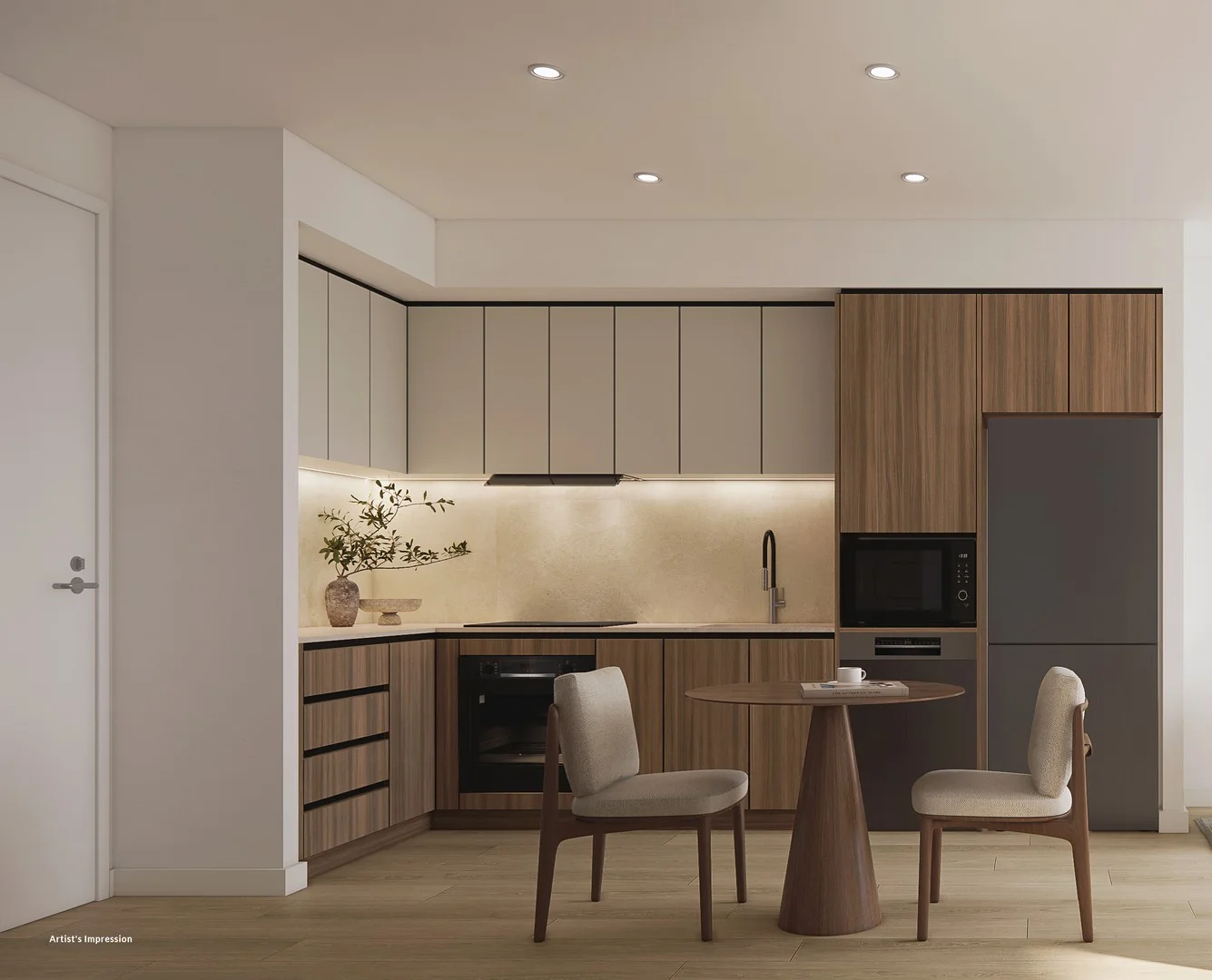 $557,000
Apartment / Unit / Flat
$557,000
Apartment / Unit / Flat
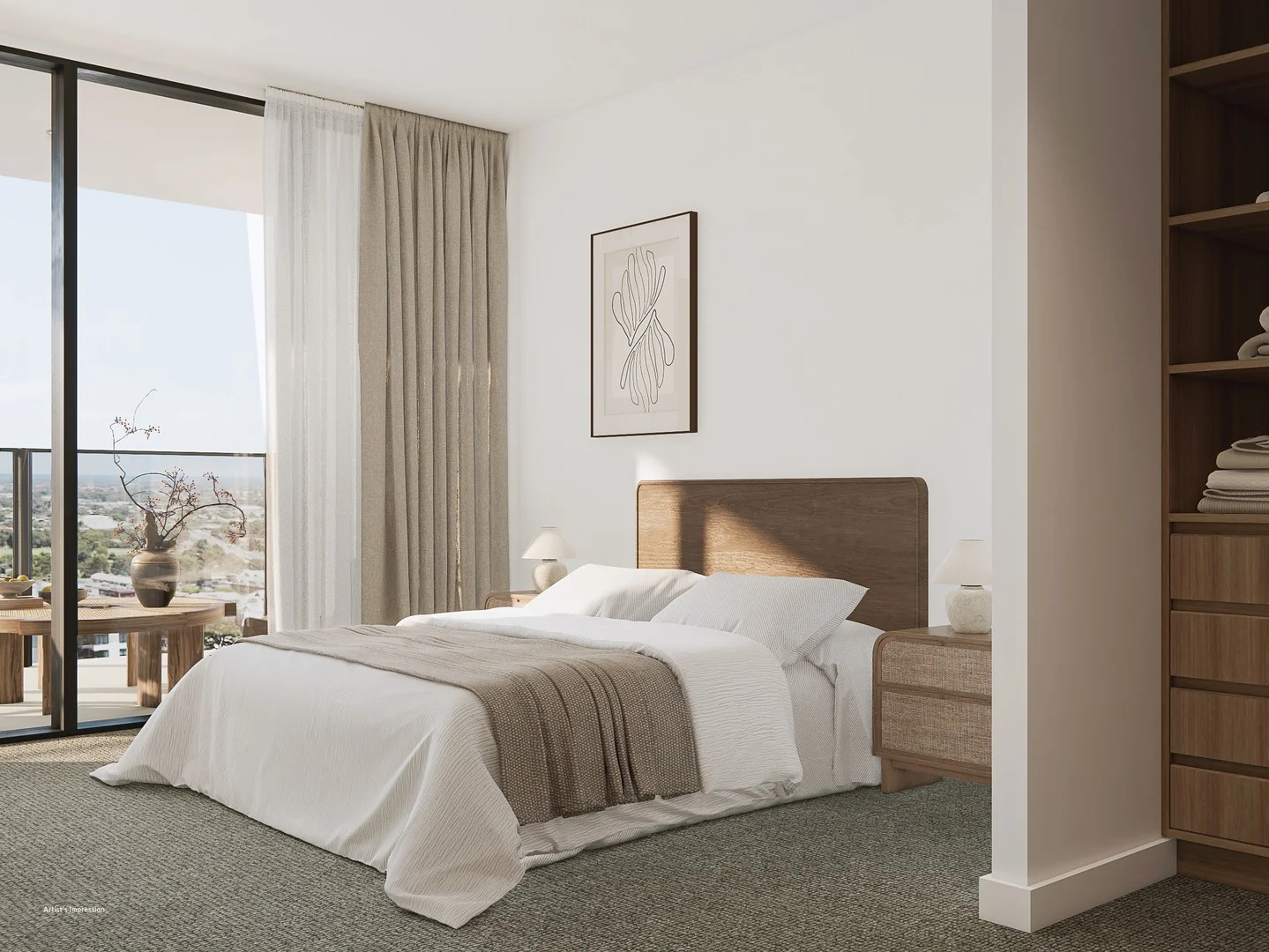 $935,000
Apartment / Unit / Flat
$935,000
Apartment / Unit / Flat
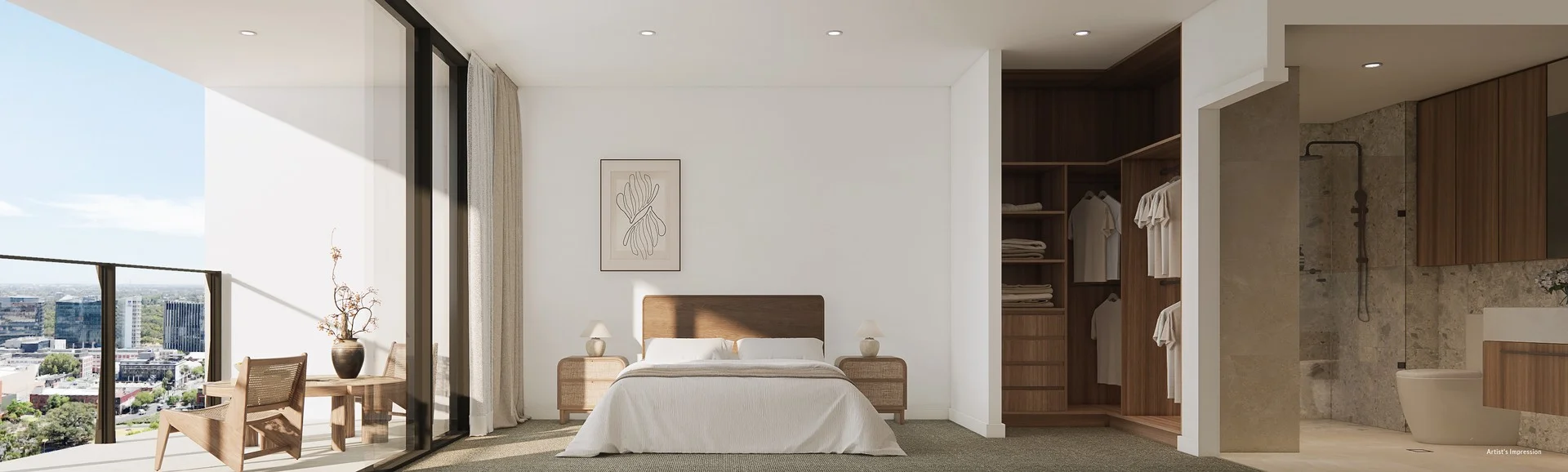 $1,056,000
Apartment / Unit / Flat
$1,056,000
Apartment / Unit / Flat
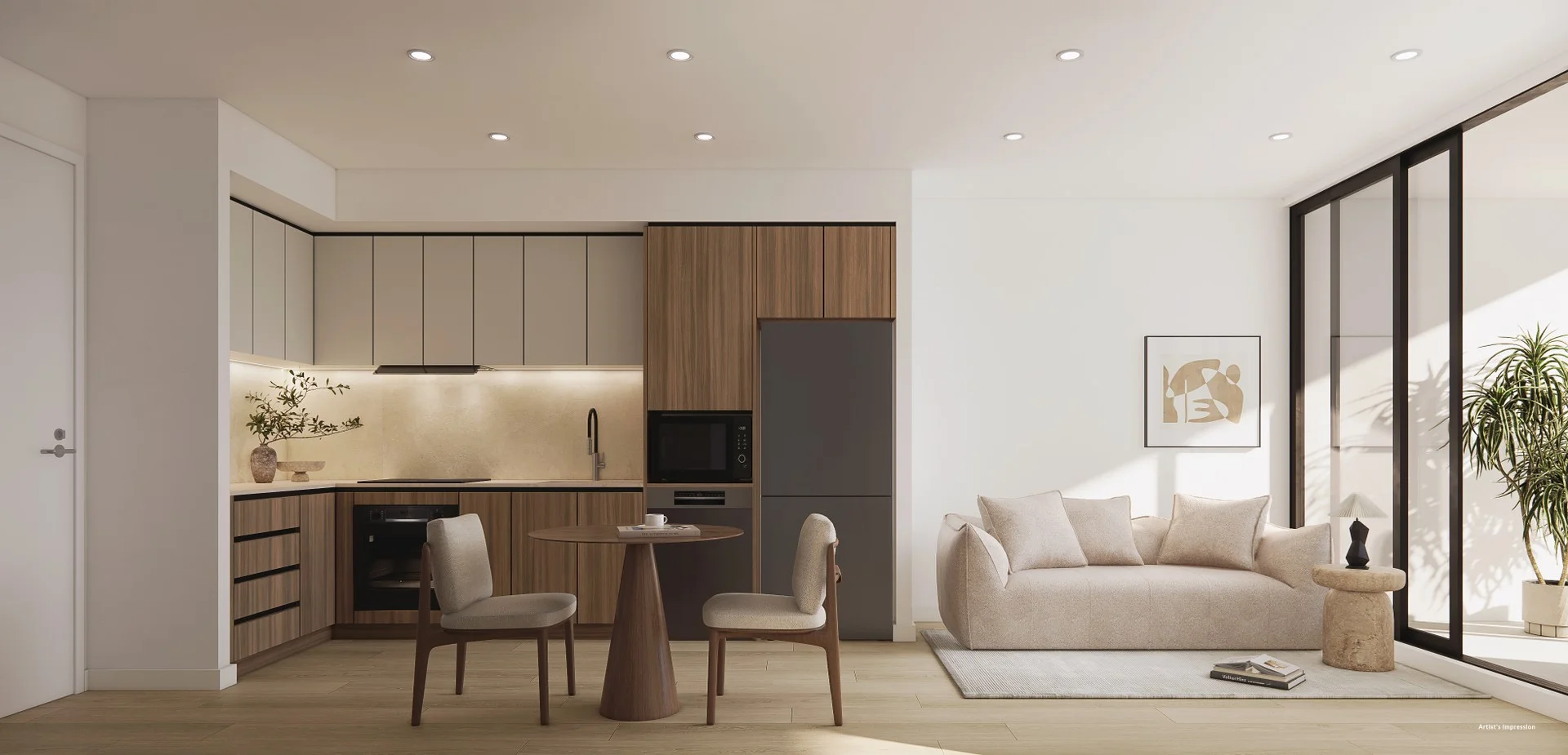 $588,000
Apartment / Unit / Flat
$588,000
Apartment / Unit / Flat
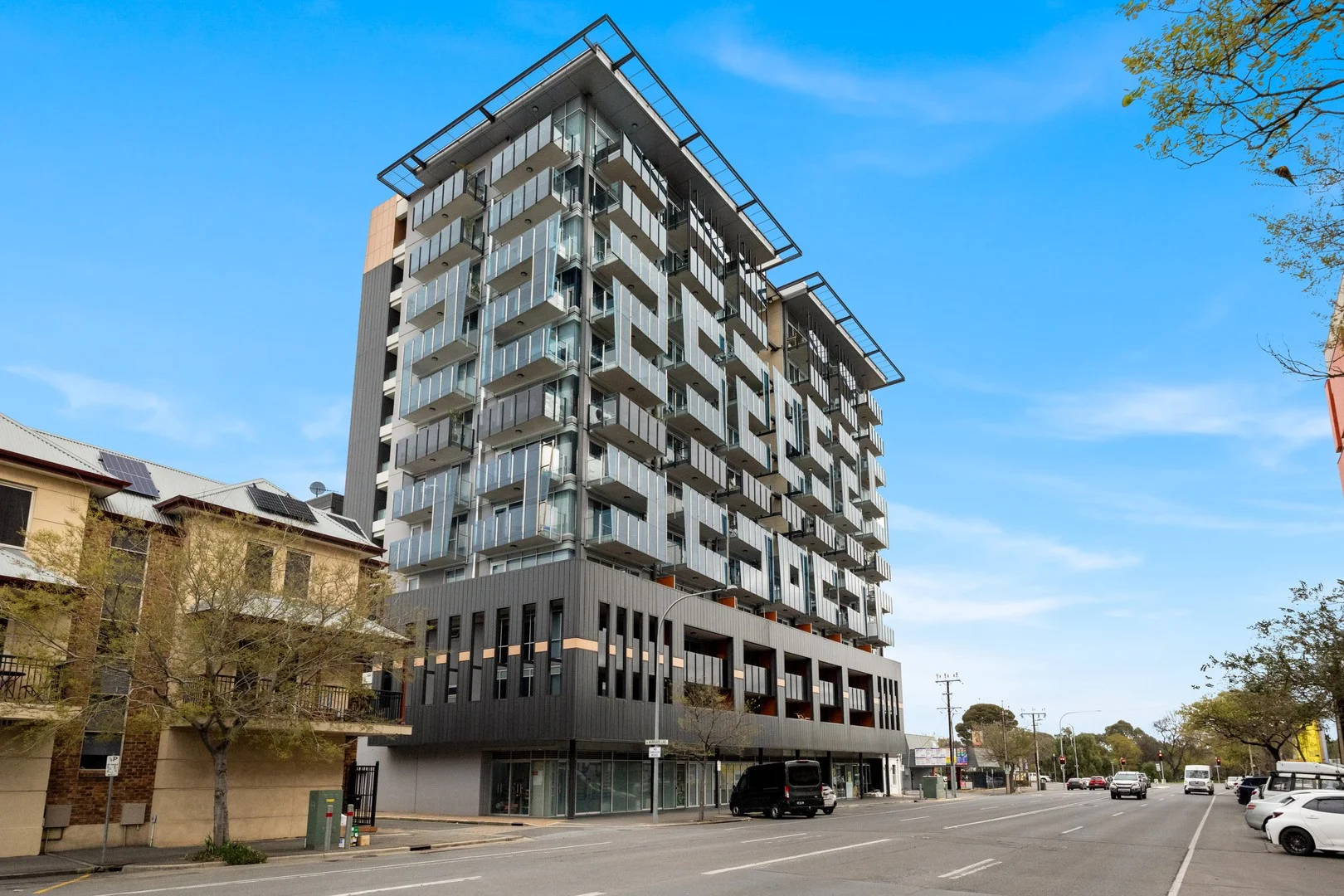 $1,100,000
Apartment / Unit / Flat
$1,100,000
Apartment / Unit / Flat