1. Overview
Seymour College is an independent, private day school for girls located in Glen Osmond, Adelaide, SA. The school emphasizes a well-rounded education that combines academic rigor with character development, leadership opportunities, and a strong sense of community. The environment is typically described as nurturing and inclusive, with a culture that supports diverse interests and collaborative learning.
The school size is medium, offering a close-knit atmosphere where class sizes are kept small-to-medium to maximise individual attention. Students have access to a broad curriculum and a range of co-curricular activities designed to foster confidence, resilience, and academic achievement.
⟲ Atmosphere/culture: nurturing, inclusive, academically focused
2. Academics & Learning
- Academic strengths: Strong emphasis on STEM and English, with robust language offerings and dedicated leadership development. The curricular approach supports both core academics and contemporary skills such as critical thinking and communication.
- Special programs: Gifted and talented pathways and opportunities for accelerated learning are available for capable students, along with enrichment options across subjects.
- NAPLAN / trends: Consistent achievement with a positive trend over time, generally performing above broader state averages in key areas.
- Student-teacher ratios: Small-to-medium class sizes with favourable student-teacher ratios that enable personalized support.
- Support for diverse learners: Access to EAL and SEN support, with targeted programs to help students reach their potential.
3. Sports & Extracurricular Strengths
- Sports offered: Netball, basketball, tennis, swimming, athletics, cross-country and other school-based sports programs.
- Strong teams or achievements: Competitive inter-school teams with regular participation in regional competitions and a record of strong results.
- Music, arts, drama programs: Comprehensive music program including ensembles and performances; active drama productions and performing arts opportunities.
- Clubs: Robotics, coding, chess, debating and other academic or interest-based clubs are available.
- Partnerships: Local collaborations with community sports clubs and opportunities to participate in inter-school competitions and showcases.
4. Wellbeing & Pastoral Care
- Anti-bullying approach: Proactive, policies and programs to promote respectful behaviour and a safe school environment.
- House system: House structure in place to foster belonging, leadership, and healthy competition across year levels.
- Counsellors / wellbeing officers: Access to dedicated wellbeing staff and counselling services to support student mental health and resilience.
- Transition support: Structured programs to assist new students with settling in, forming connections, and navigating school life.
5. Facilities
- Sports grounds
- Libraries
- Science labs
- Music/performing arts centers
- Tech/innovation labs
- Cafeteria
- Updated playgrounds
6. School Values & Community Culture
- School values / mission: Emphasis on integrity, respect, compassion, excellence, and service; focus on developing well-rounded individuals.
- Leadership style: Collaborative and student-centered, with pathways for student voice and leadership roles.
- Behaviour expectations: Clear conduct standards that promote respect, responsibility, and positive engagement.
- Community reputation: Reputable within the local community for supportive family involvement and a cohesive school culture.
- Diversity & inclusion: Commitment to inclusive practices and welcoming students from diverse backgrounds.
7. School Logistics & Daily Operations
- School hours: Typical school day runs during standard hours with additional activities after class.
- Before/after school care: On-site or supported after-school care options may be available.
- Uniform requirements: School uniform policy in place, with both daily wear and sport uniform as required.
- Transport (bus routes): Bus services and public transport options accessible for commuting students.
- Canteen availability: On-site canteen or lunch facilities available.
- Fees (low/medium/high ranges): Fees are in the medium-to-high range for independent schools, with typical additional costs for activities and materials.
8. Enrolment & Admissions
11. What is the enrolment process and timeline?
- Step-by-step: Submit an online application with required documents (birth certificate, most recent reports, and any specialist assessments if applicable). There is usually an application fee. After documents are reviewed, families may be invited to an interview or information session. Offers are issued according to availability and intake year, with timelines varying by year level.
12. Is there a waiting list, and how does it work?
- Waiting list: Yes, there is often a waiting list when places fill. Acceptance onto the list typically involves a formal application and receipt of documents. Prioritisation may be based on vacancy timing, year level, and balance of cohorts; some schools offer periodic updates on waitlist positions.
13. Are there any entry requirements, tests, or interviews?
- Entry requirements: Most year levels require an interview; some may include a short assessment or portfolio review for specific programs (e.g., music, language). The process focuses on compatibility with the school’s culture and academic pathway rather than solely on test results.
14. Does the school accept mid-year transfers?
- Mid-year transfers: Transfers during the year can be possible if there is capacity and placement aligns with the student’s level and curriculum. Availability of a suitable slot depends on current enrolments and subject continuity.
9. Frequently Asked Questions
- Why Parents Choose This School?
Parents often choose Seymour College for its balanced emphasis on academics, character development, and a supportive community. The school’s nurturing environment and strong co-curricular programs help students grow in confidence and capability.
- What type of student thrives at this school?
Students who are curious, collaborative, and motivated to pursue both academics and co-curricular interests typically thrive, as the school supports well-rounded development and leadership opportunities.
- What opportunities are available for students to extend their skills (academics, sports, arts)?
There are accelerated or gifted pathways, leadership roles, competitions and clubs (robotics, coding, debating), strong music and drama programs, and a range of sports with competitive teams.
- How does the school communicate with parents?
Regular communications include newsletters, parent-teacher meetings, digital portals, and updates from the pastoral and leadership teams. The school aims to maintain transparent, proactive communication.
- What is the school’s approach to teaching and learning?
The approach emphasises inquiry, collaboration, and critical thinking, with differentiated support to meet diverse learning needs and a focus on developing resilience and problem-solving skills.
- How does the school support students who need extra academic help?
Targeted tutoring, EAL/SEN support, and small-group or individualised assistance are available to help students manage challenges and progress.
- What support is available for academic challenges?
Access to teachers, learning support staff, and wellbeing resources is in place to address academic difficulties and to provide plans for improvement.
- How does the school communicate with parents? (Duplicate of earlier FAQ)
See above.
- What are the class sizes and how much individual attention do students receive?
Class sizes are small-to-medium, designed to promote individual attention and frequent teacher-student interactions.
- What extracurricular and sports opportunities are available?
A broad range of options across sports, arts, STEM clubs, debating, and performance activities are available to suit diverse interests.
- What facilities does the school offer (sports, science, arts)?
Facilities include sports grounds, libraries, science labs, music/performing arts centers, tech/innovation labs, a canteen, and updated playgrounds.
- What is the school’s approach to technology and digital learning?
The school integrates technology across the curriculum, promoting digital literacy, responsible use, and hands-on learning in STEM and creative projects.
- What transport and accessibility options are available?
Transport options include bus services and access to public transport; the school also provides information to assist families with travel planning.
- What are the typical school fees or additional costs?
Fees are in the medium-to-high range for independent schools, with potential additional costs for activities, trips, uniforms, and specialist programs.
10. Short Pros & Cons list
Pros
- Independent, private school with a focus on academics and character
- Small-to-medium class sizes for individualized attention
- Strong co-curricular program across sports, arts, and clubs
- Supportive wellbeing and pastoral care with a house system
- Comprehensive facilities (labs, libraries, performing arts, tech spaces)
Cons
- Fees are higher than public options and some other state schools
- Limited intake capacity means possible waiting lists for some year levels
- Transport needs may require planning for families depending on location
- Availability of certain programs may vary by year depending on staffing and funding
Note: The information above is a general overview to help families compare options. For precise enrolment details, current programs, fees, and entry requirements, please contact Seymour College's admissions team directly. The content reflects typical features of an independent girls’ school in this region and may not capture all recent changes.










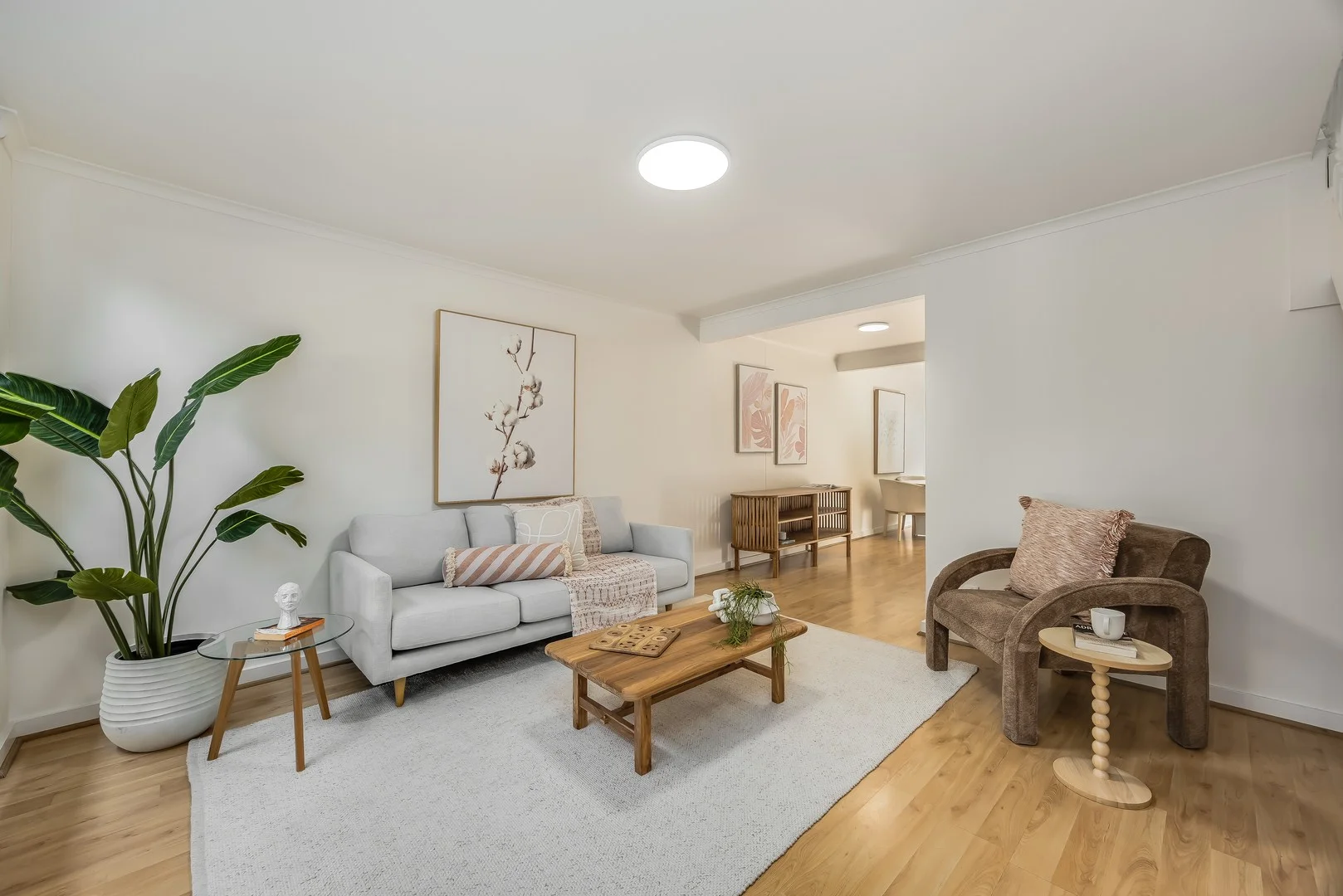 $775,000
House
$775,000
House
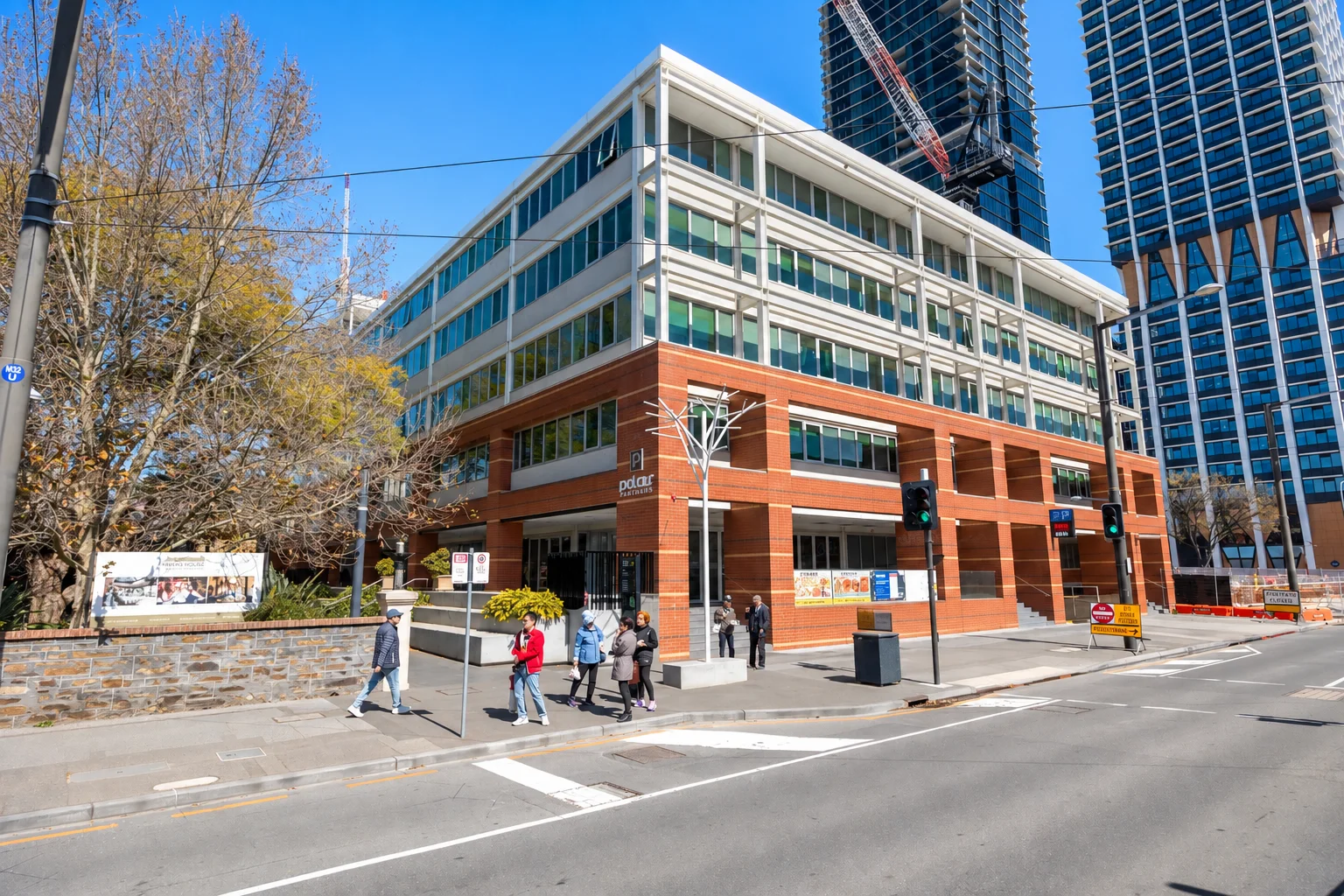 $545,000
Apartment / Unit / Flat
$545,000
Apartment / Unit / Flat
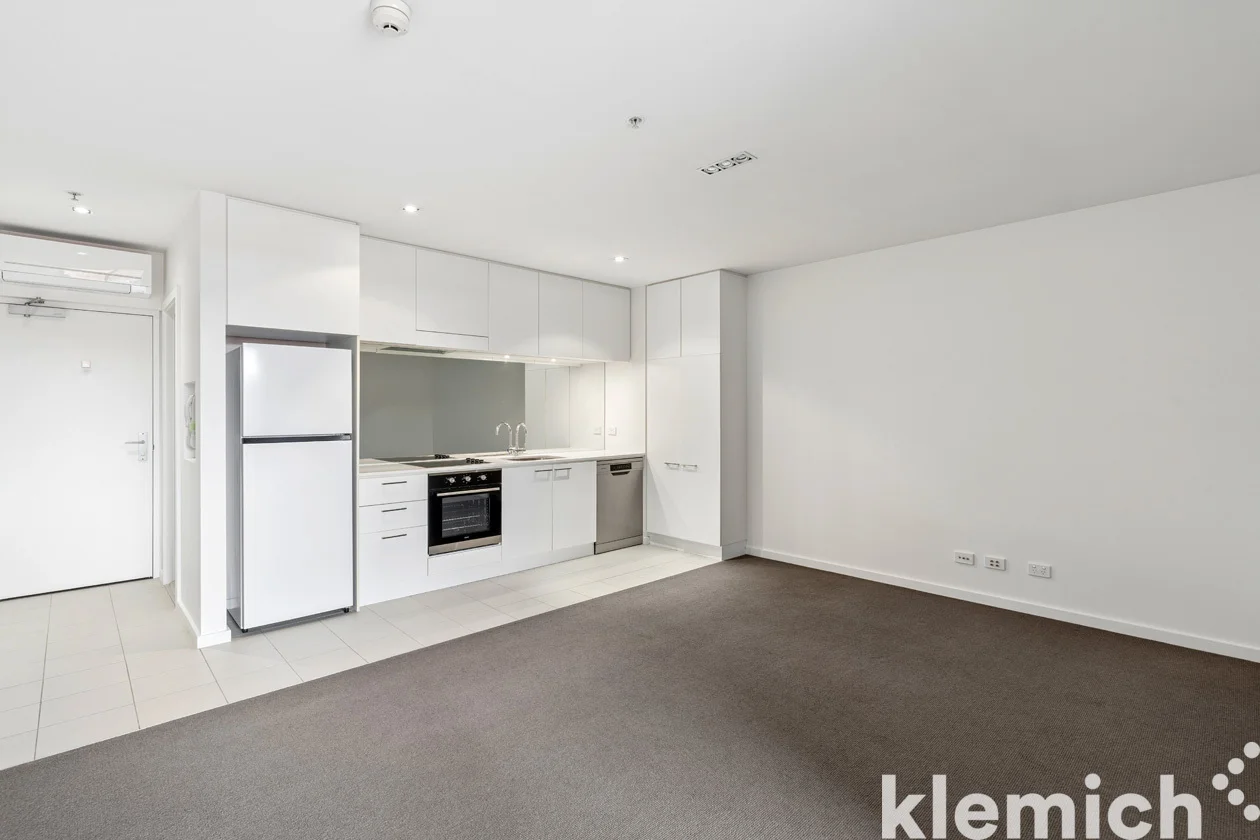 $440,000
Apartment / Unit / Flat
$440,000
Apartment / Unit / Flat
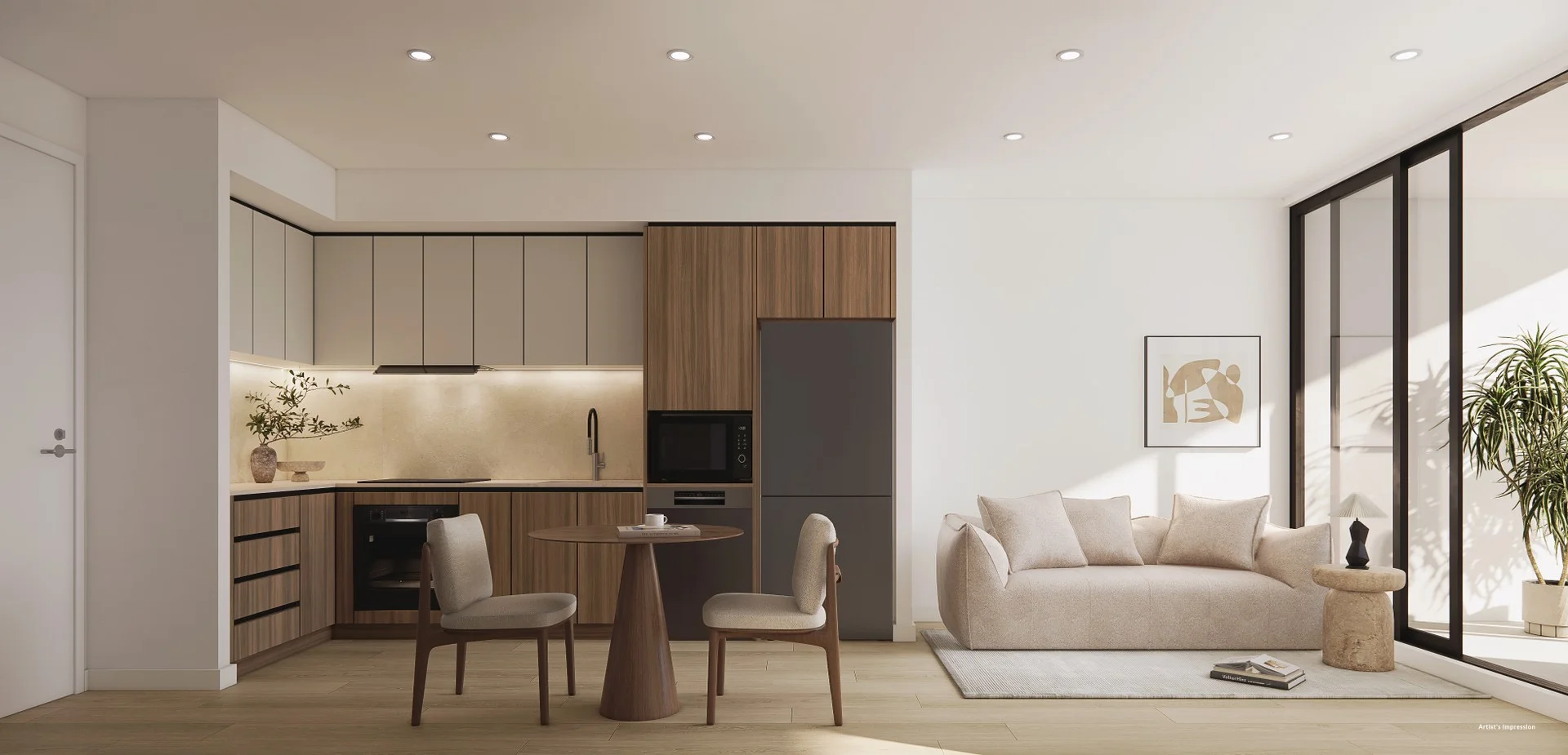 $588,000
Apartment / Unit / Flat
$588,000
Apartment / Unit / Flat
 $1,056,000
Apartment / Unit / Flat
$1,056,000
Apartment / Unit / Flat
 $935,000
Apartment / Unit / Flat
$935,000
Apartment / Unit / Flat
 $557,000
Apartment / Unit / Flat
$557,000
Apartment / Unit / Flat
 $1,100,000
Apartment / Unit / Flat
$1,100,000
Apartment / Unit / Flat


