## 1. Overview
Richmond Primary School is a public government primary school serving families in the Keswick area. It emphasises a supportive, inclusive learning environment where students are encouraged to develop academically while also building social and personal skills.
- School type: Public
- School size: Medium
- Class size: Typically around 20–25 students per class
- Atmosphere/culture: Inclusive, nurturing, community-focused with a balance of academic and wellbeing priorities
Note: Please verify exact figures and current programs with the school to ensure accuracy.
---
## 2. Academics & Learning
Richmond Primary School aims to provide strong literacy and numeracy foundations, with a focus on developing well-rounded learners.
- Academic strengths: Literacy and numeracy, with emphasis on core curriculum areas including English and Mathematics; opportunities to engage with STEM activities and related learning experiences.
- Special programs: Possible Gifted and Talented pathways, targeted enrichment opportunities, and English as an Additional Language (EAL) support where needed.
- NAPLAN / trends: Schools typically monitor NAPLAN trends to inform teaching and improvement plans; check the latest school reports for recent directions and progress.
- Student-teacher ratios: Generally around 1:20–1:25 in primary settings; actual ratios may vary by year level and class.
- Support for diverse learners: EAL support, SEN support, and inclusive teaching practices to meet a range of learning needs.
Note: For precise programs, trends, and support services, confirm with the school’s current documentation.
---
## 3. Sports & Extracurricular Strengths
A well-rounded program beyond academics helps students stay motivated and engaged.
- Sports offered: Common primary options such as soccer, basketball, netball, cricket, athletics, and cross-country may be available.
- Strong teams or achievements: Look for age-group player development pathways, school level participation in local or regional events, and recognition in inter-school competitions.
- Music, arts, drama programs: Schools typically offer music lessons, choir, drama, and occasional productions; visual arts are often integrated across the curriculum.
- Clubs: Robotics, chess, coding, debating, and other technology or academic clubs are commonly available or offered through special programs or after-school activities.
- Partnerships: Local community clubs, regional tournaments, and inter-school competitions may provide additional opportunities for competition and collaboration.
Note: Specific offerings and achievements can vary by year; check the current activities list with the school.
---
## 4. Wellbeing & Pastoral Care
Prioritising student wellbeing helps create a safe and supportive school experience.
- Anti-bullying approach: Implemented through whole-school programs, clear policies, and proactive supervision; emphasis on respectful relationships.
- House system: Many Australian primary schools use a house system to support teamwork, friendly competition, and you may see house-based activities and events.
- Counsellors / wellbeing officers: A wellbeing team or school counsellor is commonly available to support students with social, emotional, and mental health needs.
- Transition support for new students: Buddy programs, peer mentoring, and targeted orientation activities to help new arrivals settle in.
Note: Details on specific staff roles and programs should be confirmed with the school.
---
## 5. Facilities
Visual, welcoming spaces can enhance learning experiences. Typical facilities you might find include:
- Sports grounds
- Libraries
- Science labs (or dedicated science spaces)
- Music/performing arts centers or rooms
- Tech/innovation labs or dedicated ICT spaces
- Cafeteria or canteen
- Updated playgrounds and outdoor learning areas
Note: Confirm current facilities and any recent upgrades with the school.
---
## 6. School Values & Community Culture
Families often choose schools because of the learning climate and community ethos.
- School values / mission: Common values include respect, responsibility, integrity, teamwork, and resilience; the mission usually emphasises preparing students for the future with academic and personal growth.
- Leadership style: Typically collaborative, with opportunities for student voice in representative forums and classroom leadership roles.
- Behaviour expectations: Positive behaviour approaches, clear expectations, and support systems to reinforce respectful conduct.
- Community reputation: Generally seen as a family-friendly, inclusive school with involvement from families and local community.
- Diversity & inclusion: Commitment to welcoming students from diverse backgrounds and providing accessible learning for all.
Note: Values and culture should be verified with the school’s current statements and student welfare policies.
---
## 7. School Logistics & Daily Operations
Helpful logistics to plan for daily life at school.
- School hours: Typically a morning-to-afternoon schedule; exact times should be confirmed by the school.
- Before/after school care: Usually available through in-house programs or external providers; check availability and booking details.
- Uniform requirements: Most public primary schools require a school uniform; confirm the current uniform policy and approved attire.
- Transport (train/bus routes): School zones and bus routes vary; consult local transport planning resources or the school for recommended options.
- Canteen availability: Canteen or tuck shop services may be offered on certain days or terms.
- Fees: Public schools generally have no tuition, but families may contribute to book packs, incursions, events, or voluntary contributions. Confirm current cost expectations.
Note: Exact hours, care options, and costs should be verified with the school.
---
## 8. Enrolment & Admissions
11. What is the enrolment process and timeline?
- Enrolment typically involves submitting a formal application through the South Australian Department for Education process, providing required documents (proof of residence, immunisation records, birth details, etc.), and following the school’s intake schedule. Timelines vary by year level and catchment rules; check the school’s admissions page for current deadlines.
12. Is there a waiting list, and how does it work?
- Many SA public schools maintain a waitlist when enrolments exceed places. Waiting lists are typically managed in order of application date and eligibility, with priority given to students within the school’s catchment area and sibling considerations. Contact the school for specifics.
13. Are there any entry requirements, tests, or interviews?
- Public primary schools in SA usually do not require entrance exams. Some schools may request information or conduct discussions to understand student needs, but formal testing is uncommon. Immunisation records and residency documentation are standard requirements.
14. Does the school accept mid-year transfers?
- Mid-year transfers are possible if there are vacancies. Availability depends on current enrolments and space in the relevant year level. Contact the school as early as possible to assess options and required steps.
Note: For the exact enrolment steps, timelines, and documentation, consult the school and the SA Department for Education enrolment guidance.
---
## 9. Frequently Asked Questions
- Why Parents Choose This School?
- A balance of strong academic programs, supportive wellbeing practices, inclusive culture, and local community connection.
- What type of student thrives at this school?
- Students who value a collaborative, respectful environment with opportunities to participate in academics, arts, and sport.
- What opportunities are available for students to extend their skills (academics, sports, arts)?
- Core curriculum enrichment, potential gifted/talented pathways, after-school clubs (robotics, coding, chess, debating), sport teams, and performing arts activities.
- How does the school communicate with parents?
- Regular newsletters, notices, parent-teacher conversations, and updates via school portals or email. Check the school’s communications channels for specifics.
- What is the school’s approach to teaching and learning?
- A focus on literacy and numeracy foundations, inquiry-based learning, differentiated instruction, and ongoing assessment to inform teaching.
- How does the school support students who need extra academic help?
- Targeted intervention, EAL/SEN support, and differentiated classroom strategies.
- What support is available for academic challenges?
- Access to classroom support, specialist staff, and, where appropriate, referrals to external services.
- How does the school communicate with parents? (duplicate question)
- See above.
- What are the class sizes and how much individual attention do students receive?
- Class sizes are typically in the low 20s, with teacher differentiation and targeted support to meet student needs.
- What extracurricular and sports opportunities are available?
- A range of sports, arts, and clubs (robotics, coding, chess, debating) depending on term offers and staff availability; confirm current options with the school.
- What facilities does the school offer (sports, science, arts)?
- Sports grounds, library, science spaces, music/performing arts spaces, ICT/tech spaces, canteen, and playgrounds.
- What is the school’s approach to technology and digital learning?
- Integration of ICT in learning, with age-appropriate digital literacy and safe online practices; specific programs may vary by year level.
- What transport and accessibility options are available?
- Bus routes or public transport options; check with the school and local transport authorities for current routes and accessibility needs.
- What are the typical school fees or additional costs?
- Public schools generally do not charge tuition, but families may incur costs for book packs, incursions/excursions, uniforms, and voluntary contributions. Verify current expectations with the school.
Note: These FAQ responses are framed as general guidance. Please confirm exact policies and offerings with Richmond Primary School for up-to-date information.
---
## 10. Short Pros & Cons list
- Pros
- Public, community-focused environment with a focus on wellbeing and inclusivity
- Balanced academic program with opportunities for enrichment
- Range of sports, arts, and after-school clubs
- Support for diverse learners and transition networks for new students
- Positive governance and collaborative leadership style
- Cons
- Specific class sizes and program availability may vary by year and cohort
- Enrolment availability can be limited in busy intake years or for mid-year transfers
- Details on exact facilities and current offerings should be confirmed with the school
Note: Use these as a starting point and verify with the school for the most accurate, current information.






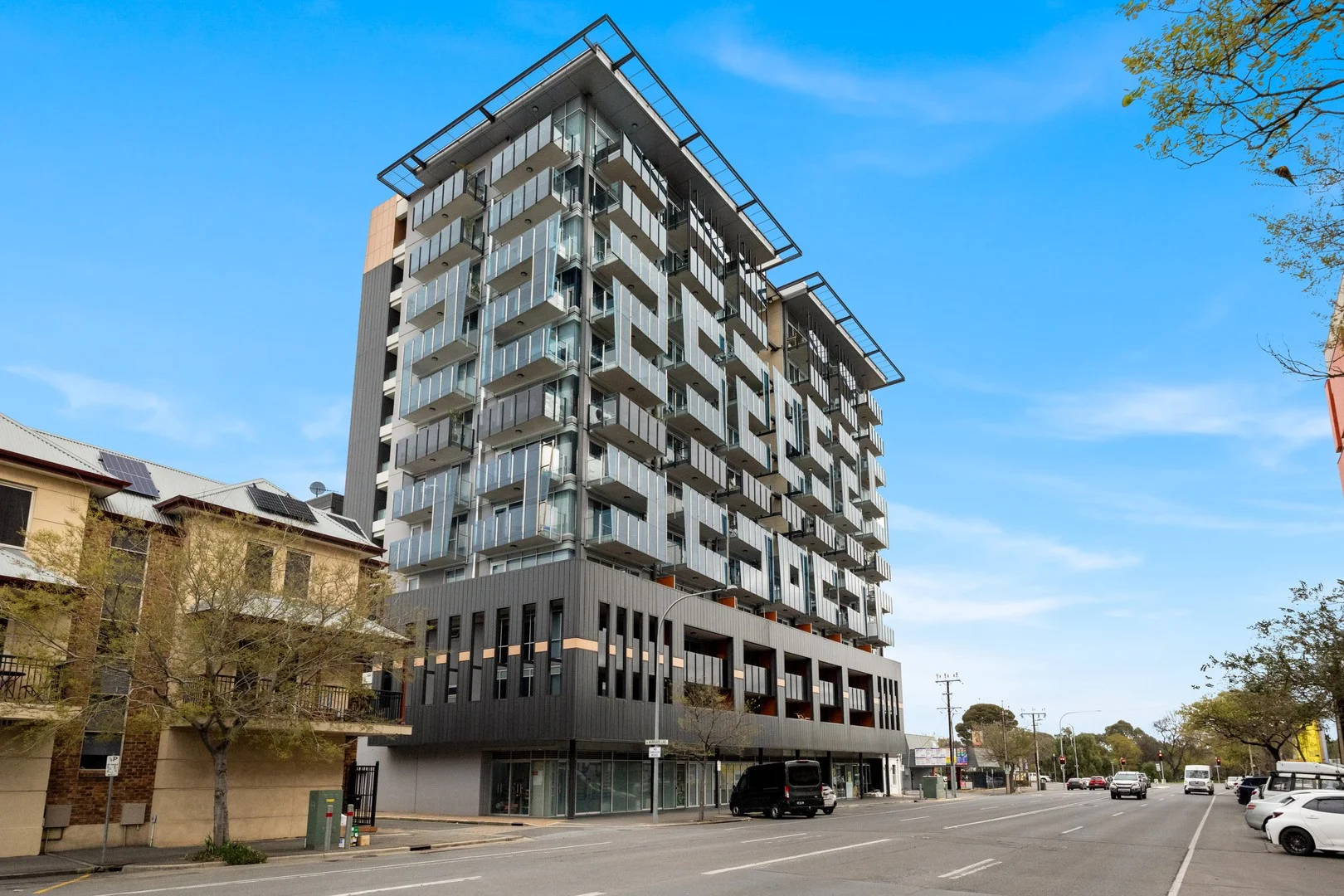 $1,100,000
Apartment / Unit / Flat
$1,100,000
Apartment / Unit / Flat
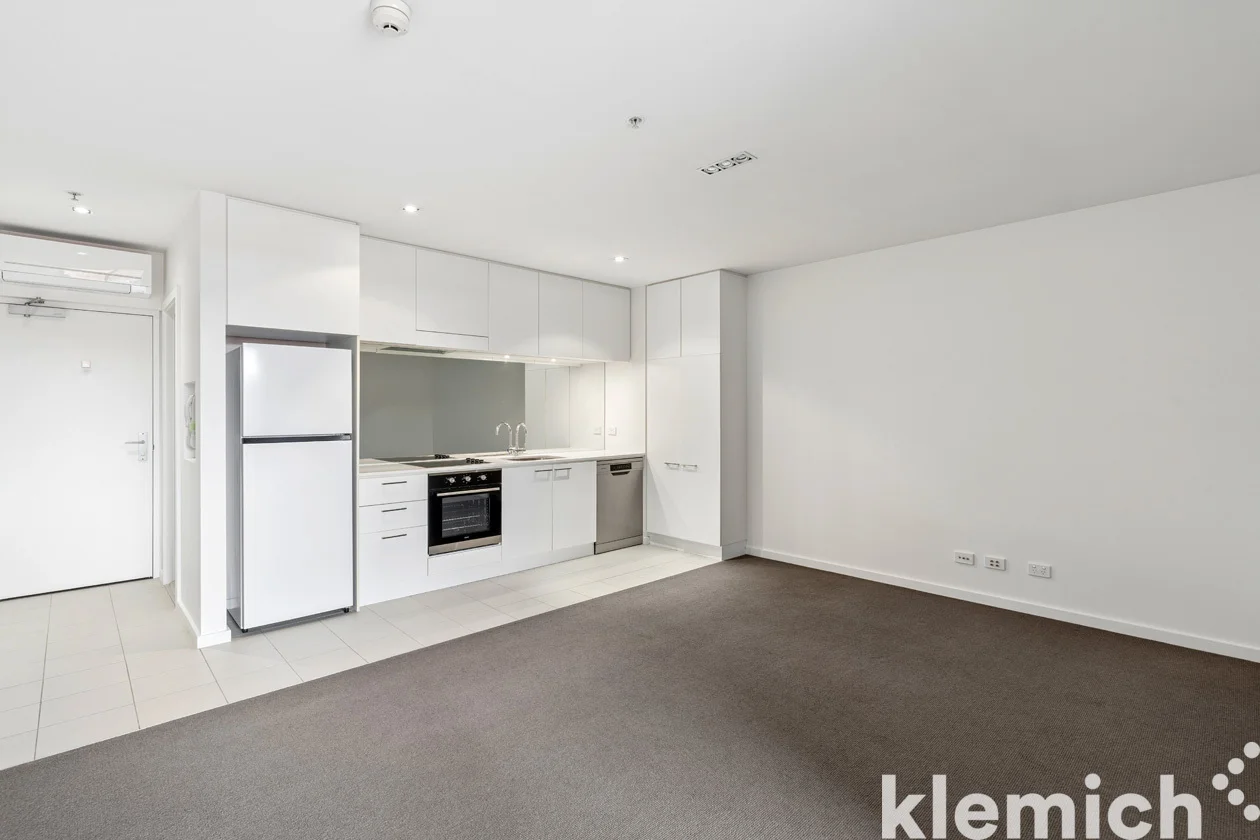 $440,000
Apartment / Unit / Flat
$440,000
Apartment / Unit / Flat
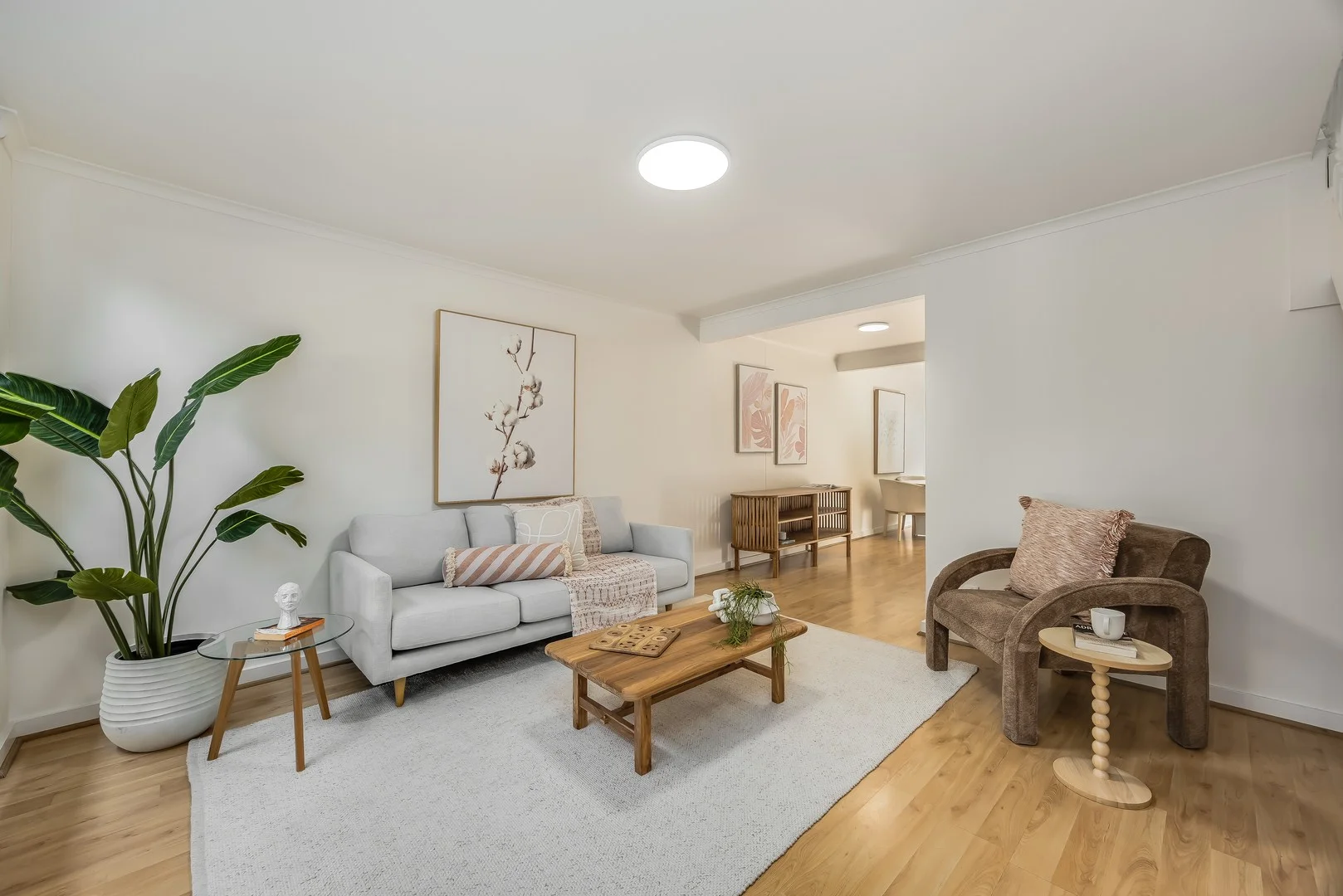 $775,000
House
$775,000
House
 $588,000
Apartment / Unit / Flat
$588,000
Apartment / Unit / Flat
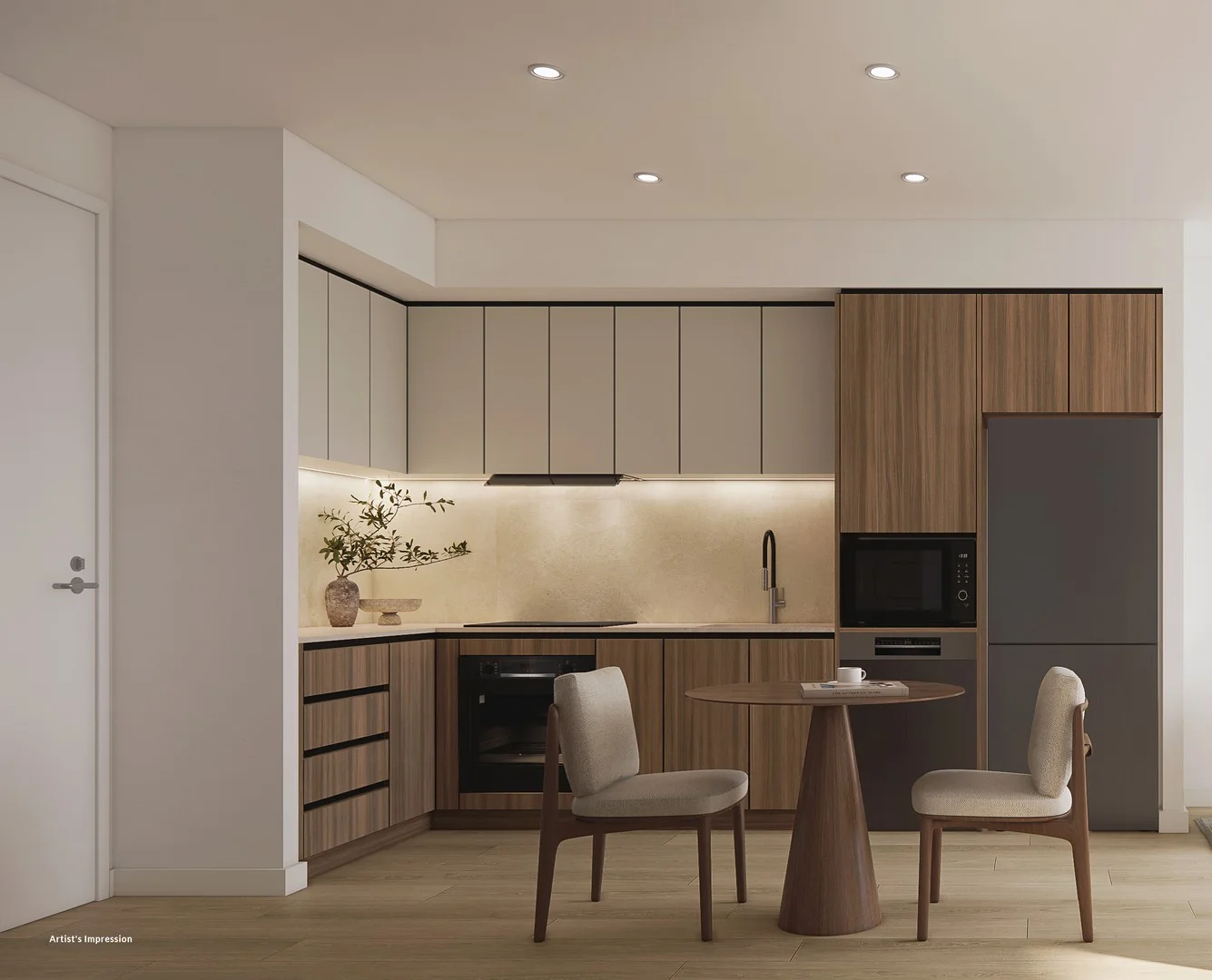 $557,000
Apartment / Unit / Flat
$557,000
Apartment / Unit / Flat
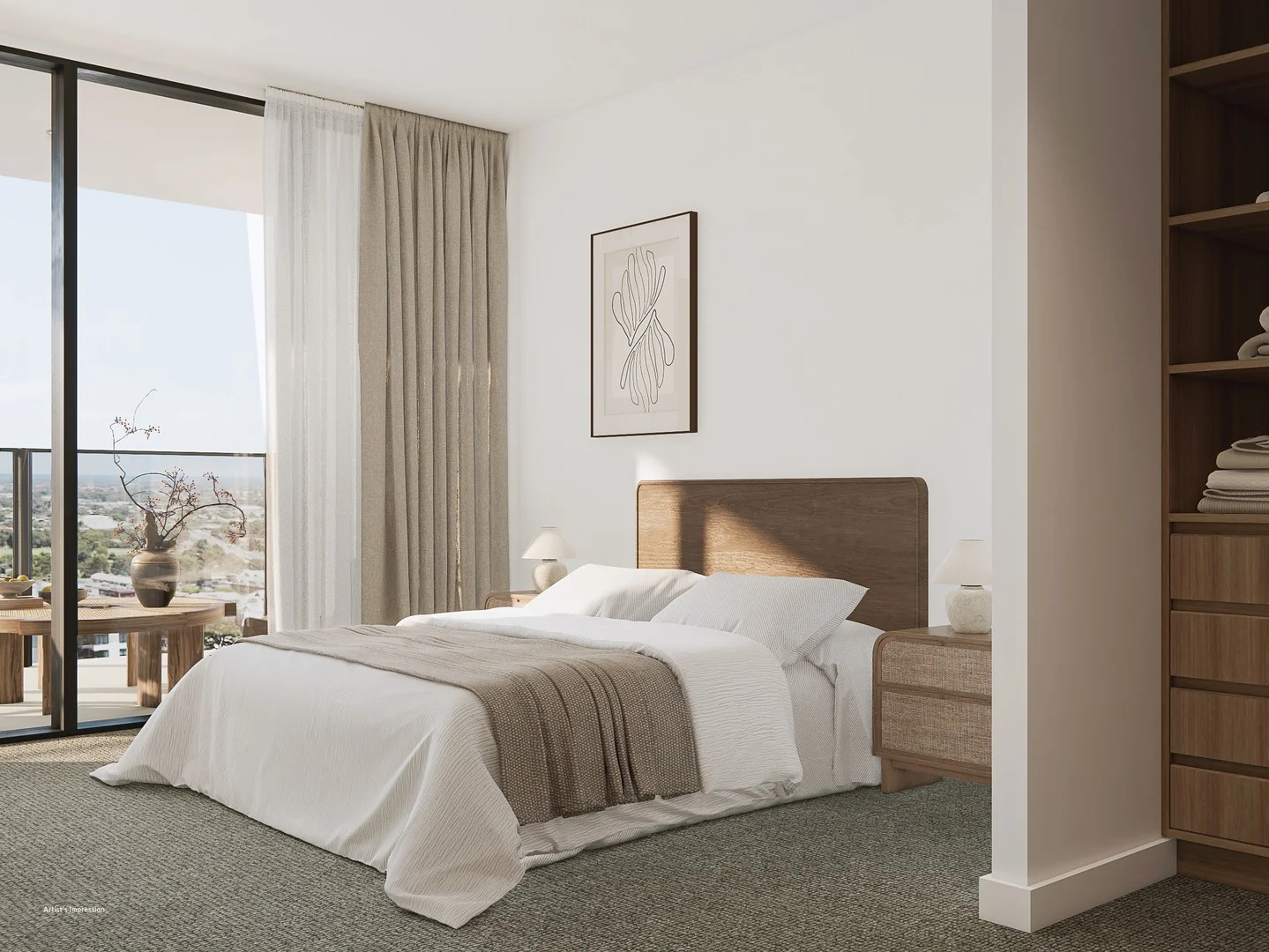 $935,000
Apartment / Unit / Flat
$935,000
Apartment / Unit / Flat
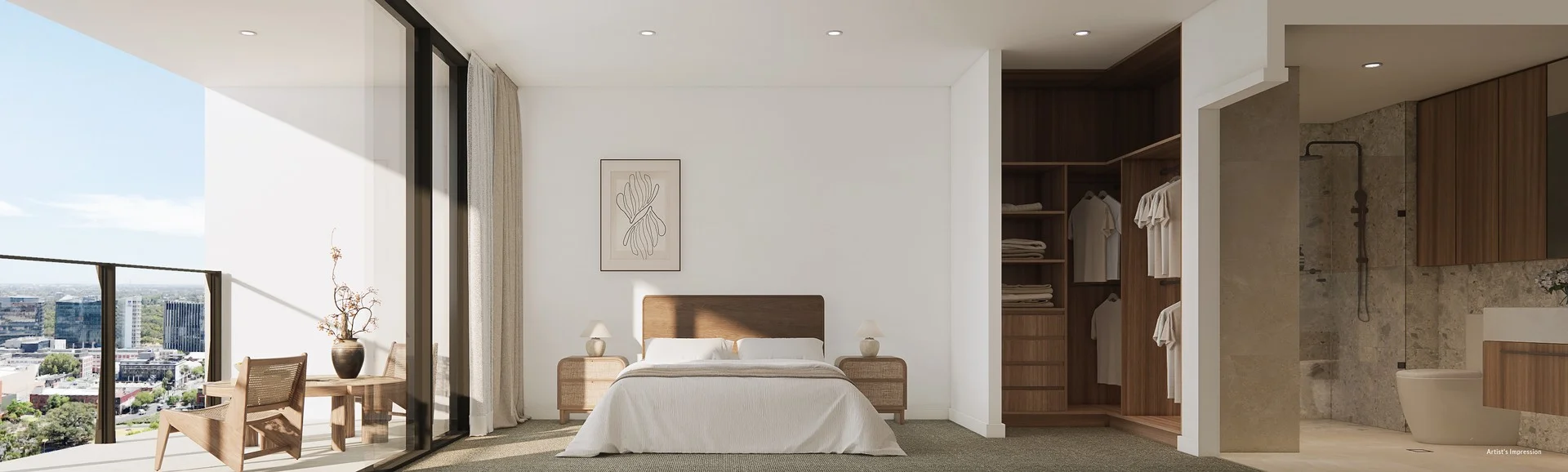 $1,056,000
Apartment / Unit / Flat
$1,056,000
Apartment / Unit / Flat
 $545,000
Apartment / Unit / Flat
$545,000
Apartment / Unit / Flat