## Overview
Headland Montessori, located in Manly, NSW, is an independent private school that follows the Montessori approach to education. The school emphasises child-led learning within a prepared environment, with mixed-age classrooms that encourage collaboration, independence, and hands-on discovery. The atmosphere is typically nurturing and inclusive, aiming to balance academic curiosity with social-emotional development.
Class sizes are small to medium, supporting individual attention and meaningful teacher-student interactions. The culture tends to be calm, respectful, and inquiry-driven, with a strong emphasis on personal responsibility, community belonging, and ongoing student growth.
⸻
## Academics & Learning
- Academic strengths: English literacy and numeracy are supported through Montessori methods, with opportunities for inquiry-based exploration in STEM, language development, leadership, and cross-disciplinary projects.
- Special programs: Education within the Montessori framework often includes extended learning opportunities, enrichment activities, and project-based investigations aligned with student interests.
- NAPLAN trends: Schools using Montessori frameworks typically show steady or improving trends in key literacy and numeracy areas over time; trends can vary by cohort and year—review the school’s annual report for the latest trajectory.
- Student-teacher ratios: Classrooms are designed for low student-teacher ratios to enable differentiated instruction and individualized feedback.
- Support for diverse learners: Inclusive education practices are common, with supports for EAL learners and students with SEN, plus targeted adjustments to learning plans where needed.
⸻
## Sports & Extracurricular Strengths
- Sports offered: A range of team and individual sports such as soccer, cricket, athletics, swimming, tennis, and other community-based activities.
- Strong teams or achievements: Schools with strong extracurricular programs often participate in inter-school competitions and showcase student-led leadership in sport and performance.
- Music, arts, drama programs: Robust arts offerings typically include music ensembles, drama productions, and visual arts, integrated with the school’s broader learning environment.
- Clubs: Robotics, coding, chess, debating, and other STEM or humanities clubs are commonly available to extend learning beyond the classroom.
- Partnerships: Local community clubs, sport academies, and regional competitions frequently provide additional opportunities for competition, performance, and collaboration.
⸻
## Wellbeing & Pastoral Care
- Anti-bullying approach: A proactive, school-wide approach to wellbeing emphasizes respectful relationships, clear policies, and ongoing student education.
- House system: A house or pastoral grouping structure is often used to foster belonging, friendly competition, and mentorship among students.
- Counsellors / wellbeing officers: Dedicated wellbeing staff support social-emotional learning, individual wellbeing, and crisis or transition needs.
- Transition support for new students: Orientation programs, buddy systems, and targeted support help new students adjust to the school community.
⸻
## Facilities
- Sports grounds
- Libraries
- Science labs
- Music/performing arts centers
- Tech/innovation labs
- Cafeteria
- Updated playgrounds
Visual, functional spaces are typical, designed to support Montessori learning environments and active student participation across subjects.
⸻
## School Values & Community Culture
- School values / mission: The school typically emphasizes curiosity, respect, resilience, responsibility, and collaboration as core values.
- Leadership style: Leadership tends to be collaborative and student-centered, with opportunities for student voice in projects and roles.
- Behaviour expectations: Clear norms around respect, responsibility, and constructive communication guide everyday behavior.
- Community reputation: A strong sense of community and parent engagement is usually highlighted, with emphasis on inclusive practices and ongoing involvement.
- Diversity & inclusion: Programs and policies generally reflect commitment to diversity, equity, and inclusive learning experiences for all students.
⸻
## School Logistics & Daily Operations
- School hours: Typically aligns with NSW school conventions, with start and finish times that accommodate families.
- Before/after school care: Many independent schools offer supervised care options before and after the school day.
- Uniform requirements: Uniforms are often required, with details about daily wear and any dress-down days.
- Transport (train/bus routes): Transport options are typically available via local bus networks or school-arranged transport partnerships; check current routes and timetables.
- Canteen availability: A canteen or lunch program is commonly available, offering healthy meal options and snacks.
- Fees (low/medium/high ranges): Private Montessori programs generally fall into a mid-to-high fee range relative to regional benchmarks; exact figures are shown in the school’s current fee schedule.
⸻
## Enrolment & Admissions
11. What is the enrolment process and timeline?
- Start with an expression of interest and/or completing an admissions application.
- Schedule a school visit or tour to see the environment and meet staff.
- Submit required documents (birth certificate, immunisation records, previous school reports if available, and any special learning plans).
- Participate in an admissions interview and/or observations to assess readiness and fit within the Montessori setting.
- Receive an offer of enrolment and complete confirmation paperwork, with a calendar for start dates and orientation.
- Timing varies, but applying early secures priority consideration; there are key intake periods aligned with school terms.
12. Is there a waiting list, and how does it work?
- Some year levels may operate a waiting list when demand exceeds vacancies.
- Placement on the list is typically time-stamped by date of application, with priority given to siblings or families with established connections to the school (per policy).
- If space becomes available, families on the waiting list are contacted in order and may be asked to provide updated information or revisit the offer.
13. Are there any entry requirements, tests, or interviews?
- Entry often involves a family interview and child observation to understand fit with the Montessori approach.
- Depending on age and program level, there may be a brief assessment of readiness in areas such as literacy, numeracy, and social-emotional skills.
- Immunisation records and health documentation are commonly required as part of the enrollment process.
- There is usually no high-stakes external testing beyond the school’s own observation and interview process.
14. Does the school accept mid-year transfers?
- Mid-year transfers may be possible if vacancies exist and there is alignment with the Montessori program.
- Families seeking mid-year transitions should contact the admissions team promptly to assess space, timetable compatibility, and any transition supports required.
⸻
## Frequently Asked Questions
- Why Parents Choose This School?
Parents often choose a Montessori approach for its emphasis on independence, hands-on learning, and a nurturing environment that supports self-motivation, curiosity, and social-emotional growth.
- What type of student thrives at this school?
Students who are curious, self-directed, collaborative, and engaged in hands-on problem solving tend to thrive in a Montessori setting with small class sizes and mixed-age groups.
- What opportunities are available for students to extend their skills (academics, sports, arts)?
Opportunities typically include extension projects in STEM and humanities, robotics and coding clubs, arts and drama programs, music ensembles, and a range of sport and outdoor activities.
- How does the school communicate with parents?
Communication is usually via emails, newsletters, a parent portal, parent-teacher meetings, and annual reports. Regular updates on student learning and events are common.
- What is the school’s approach to teaching and learning?
The school follows the Montessori philosophy—student-led, hands-on inquiry in a prepared environment, with guided support from teachers to foster independence and intrinsic motivation.
- How does the school support students who need extra academic help?
Support typically includes targeted interventions, small-group or one-on-one sessions, and individualized learning plans within the Montessori framework.
- What support is available for academic challenges?
A combination of differentiated instruction, monitoring of progress, and collaboration with families helps address academic challenges and build skills over time.
- How does the school communicate with parents? (reiterated)
See above: regular updates, portals, and meetings to keep families informed about progress and school news.
- What are the class sizes and how much individual attention do students receive?
Class sizes are small to medium, designed to provide frequent teacher feedback and opportunities for individualized instruction within mixed-age groups.
- What extracurricular and sports opportunities are available?
A broad mix of clubs and teams across sports, robotics, coding, chess, debating, and arts, with performance and competition opportunities.
- What facilities does the school offer (sports, science, arts)?
Facilities typically include well-equipped spaces for sports, libraries, science labs, performing arts venues, and dedicated spaces for technology and creative work.
- What is the school’s approach to technology and digital learning?
Technology is integrated to support inquiry, research, collaboration, and creative projects, with appropriate guidance and digital literacy education.
- What transport and accessibility options are available?
Transport options commonly include local bus services and school-facilitated arrangements; accessibility considerations are addressed to support all students.
- What are the typical school fees or additional costs?
Fees are in the private/independent range and can vary by program level and year. Additional costs for activities, excursions, and uniforms may apply.
⸻
## Short Pros & Cons list
- Pros
- Montessori framework that supports independence and hands-on learning
- Small-to-medium class sizes with opportunities for individualized attention
- Nurturing, inclusive culture and strong focus on wellbeing
- Diverse extracurriculars including STEM, arts, and sports
- Support for diverse learners (EAL and SEN) within an inclusive environment
- Cons
- Tuition typically higher than public options
- Private schools may have limited intake and waitlists at certain year levels
- Specific facilities and programs can vary by campus and year; verify current offerings
- More emphasis on self-directed learning may require adjustment for families new to Montessori approaches






 $2,824,000
Apartment / Unit / Flat
$2,824,000
Apartment / Unit / Flat
 $26,550,000
propertyType.NEW APARTMENTS / OFF THE PLAN
$26,550,000
propertyType.NEW APARTMENTS / OFF THE PLAN
 $2,745,000
propertyType.NEW APARTMENTS / OFF THE PLAN
$2,745,000
propertyType.NEW APARTMENTS / OFF THE PLAN
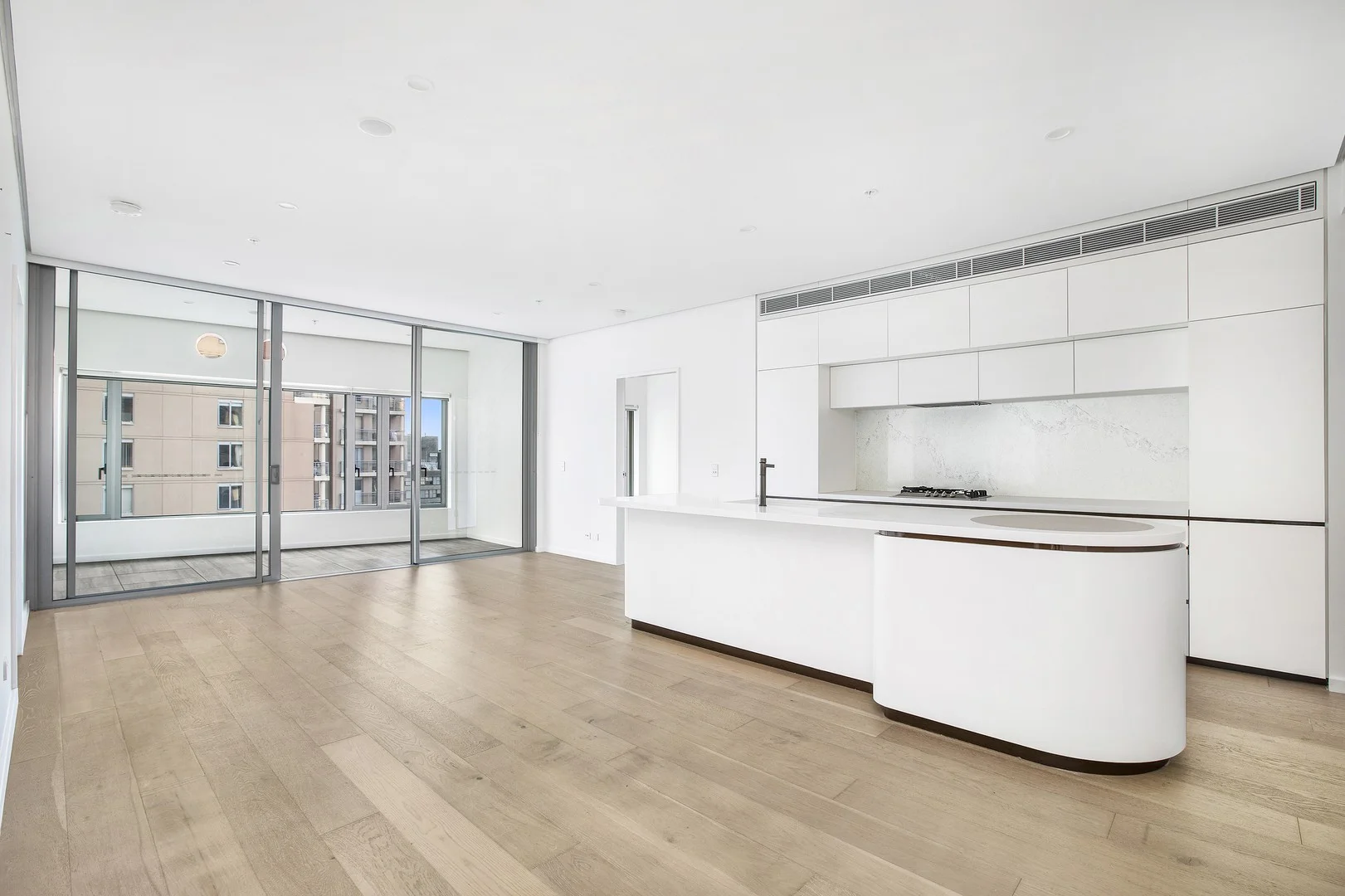 $2,250,000
Apartment / Unit / Flat
$2,250,000
Apartment / Unit / Flat
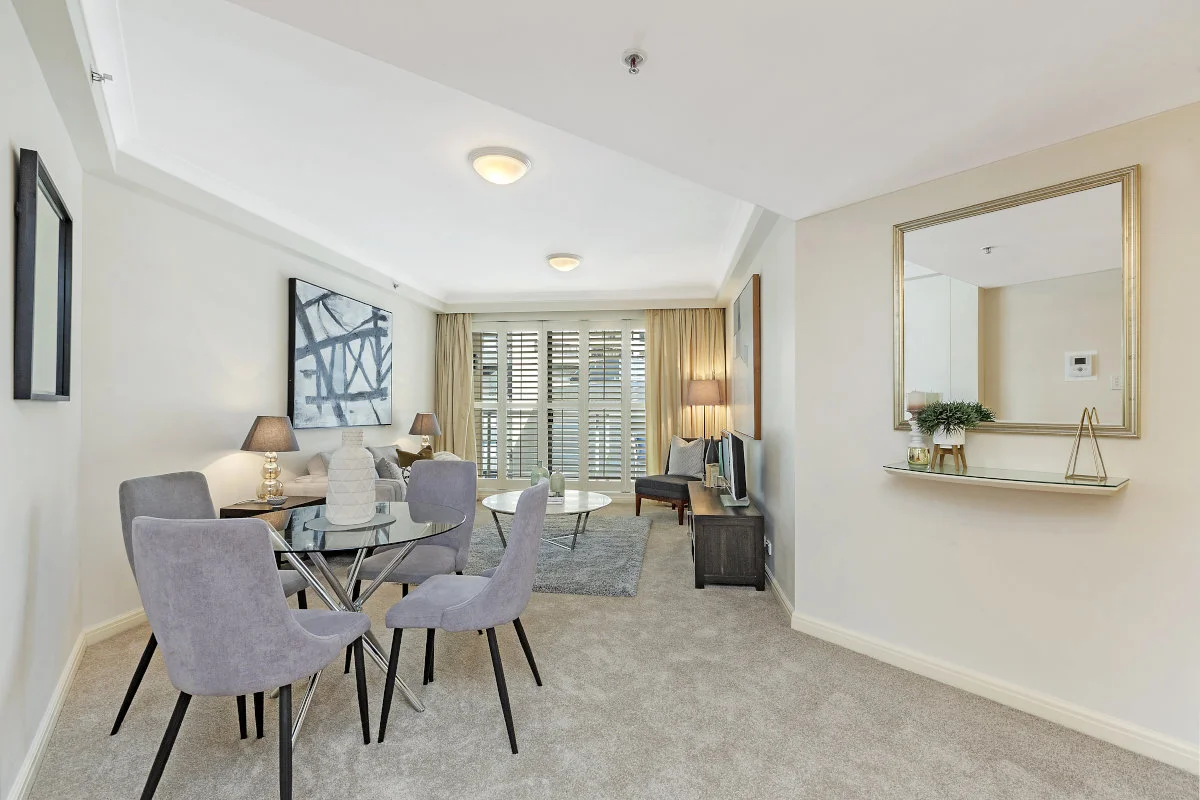 $660,000 - $725,000
Apartment / Unit / Flat
$660,000 - $725,000
Apartment / Unit / Flat
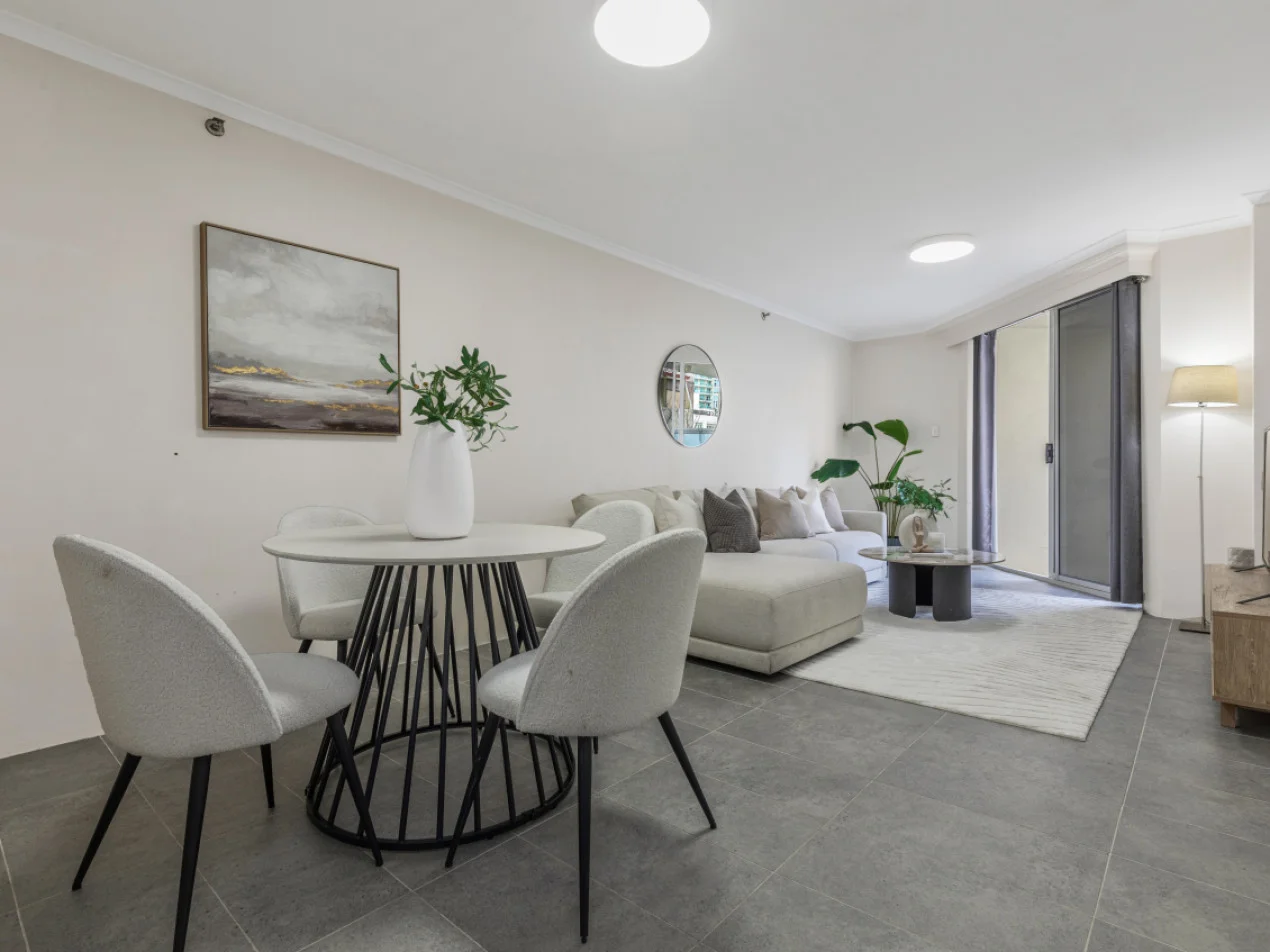 $640,000 - $675,000
Apartment / Unit / Flat
$640,000 - $675,000
Apartment / Unit / Flat
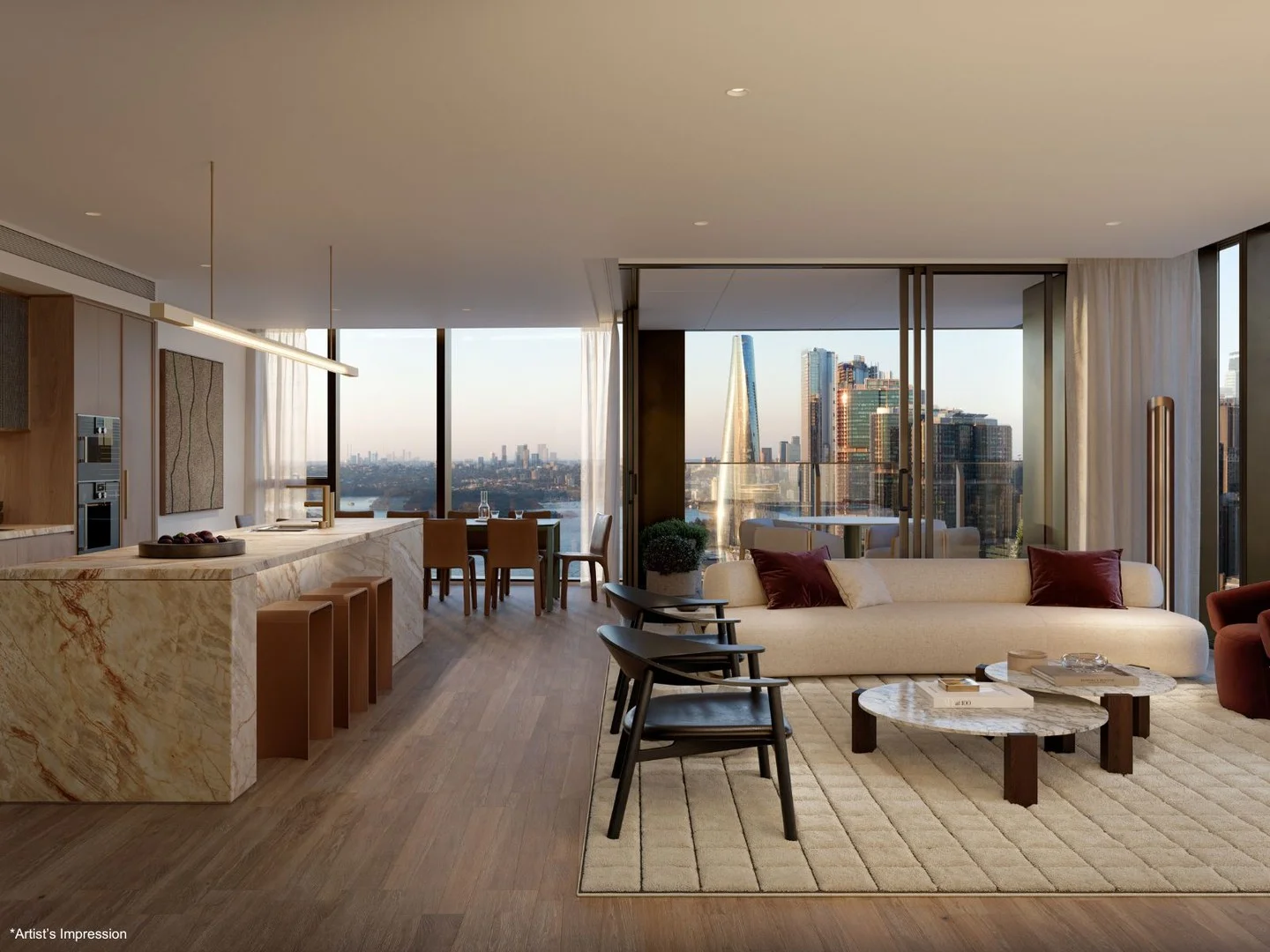 $12,980,000
propertyType.NEW APARTMENTS / OFF THE PLAN
$12,980,000
propertyType.NEW APARTMENTS / OFF THE PLAN
 $6,225,000
propertyType.NEW APARTMENTS / OFF THE PLAN
$6,225,000
propertyType.NEW APARTMENTS / OFF THE PLAN
 $8,630,000
propertyType.NEW APARTMENTS / OFF THE PLAN
$8,630,000
propertyType.NEW APARTMENTS / OFF THE PLAN


