# 1. Overview
St Paul’s Catholic College Manly is a Catholic secondary school serving students in Years 7–12. As a Catholic school within the NSW system, it prioritises faith-informed learning, community and service alongside academic development. The college is a medium-sized campus that balances strong classroom study with active participation in sport, arts and community life. Class sizes are typically in the low-to-mid twenties, fostering close teacher support and peer collaboration.
The atmosphere is inclusive and supportive, with a focus on respect, resilience and personal growth. Students are encouraged to engage academically while developing leadership, character and a sense of service to others within a faith-based framework.
# 2. Academics & Learning
- Academic strengths: English, Mathematics, Science, Humanities and Languages are areas of focus, with an emphasis on critical thinking, literacy and numeracy skills, and leadership development.
- Special programs: A structured curriculum supports Faith-informed learning, with opportunities for leadership development, and access to broader NSW secondary education pathways (including HSC preparation). Gifted and talented or accelerated learning options may be available where appropriate.
- NAPLAN trends: Historical trends show steady progress in reading and writing with consistent numeracy performance; results vary by cohort, but the school emphasises targeted support where needed to close gaps.
- Student-teacher ratios: Class sizes and staffing aim to enable attentive teaching and individual support; typical ratios are in the low-to-mid range for secondary schools, facilitating accessible teacher guidance.
- Support for diverse learners: Comprehensive support for diverse learners includes English as an Additional Language (EAL) assistance, Learning Support/SEN staff, and targeted interventions to help students succeed.
# 3. Sports & Extracurricular Strengths
- Sports offered: A broad range including rugby (league/union), soccer, basketball, netball, cricket, athletics and swimming, with opportunities to compete in inter-school events.
- Strong teams or achievements: Regular participation in regional competitions with pathways to finals and representative selections where appropriate; emphasis on teamwork, discipline and sportsmanship.
- Music, arts, drama programs: Active music and performing arts programs, with opportunities to join school bands, choir, drama, and production involvement.
- Clubs: Robotics, chess, coding, debating and other intellectually or creatively focused clubs are available to students seeking enrichment.
- Partnerships: Students engage in inter-school events and broader intra-community activities, providing opportunities for competitions and collaborations outside the campus.
# 4. Wellbeing & Pastoral Care
- Anti-bullying approach: A clear framework and support network are in place to prevent bullying, with reporting mechanisms and pastoral support to ensure safe, respectful environments.
- House system: A house-based structure fosters belonging, healthy competition and peer mentoring across year groups.
- Counsellors / wellbeing officers: Dedicated counsellors or wellbeing staff support student mental health, resilience and adjustment to school life.
- Transition support for new students: Orientation programs, buddy systems and targeted transition support help new students settle in smoothly.
# 5. Facilities
- Sports grounds: Dedicated spaces for physical education and outdoor activities.
- Libraries: On-site library facilities to support study and reading enrichment.
- Science labs: Modern science laboratories for practical experiments and investigation.
- Music/performing arts centers: Spaces for music practice, performances and drama work.
- Tech/innovation labs: ICT and innovation spaces to support digital learning and project work.
- Cafeteria: On-site canteen or cafeteria offering meals and healthy options.
- Updated playgrounds: Well-maintained outdoor play and social spaces for break times.
# 6. School Values & Community Culture
- School values / mission: A faith-informed mission emphasising respect, service, integrity, and personal responsibility within a Catholic context.
- Leadership style: Inclusive, student-centred leadership with opportunities for student voice and participation in decision-making processes.
- Behaviour expectations: Clear behavioural standards centred on respect, responsibility and care for others.
- Community reputation: A strong sense of community among students, families and staff, with emphasis on supportive relationships and a positive school climate.
- Diversity & inclusion: Commitment to an inclusive environment that respects diverse backgrounds and fosters belonging for all students.
# 7. School Logistics & Daily Operations
- School hours: Typical daily timetable begins in the morning and ends in the afternoon, with breaks between lessons and lunch.
- Before/after school care: Access to before/after-school care may be available via OSHC providers or school-linked services.
- Uniform requirements: School uniform is required, with seasonal options and appropriate outerwear; guidance provided on daily dress and formal occasions.
- Transport (train/bus routes): Local public transport options (bus services and nearby train access) connect students to and from the campus; specifics depend on the family’s location and route.
- Canteen availability: On-site or campus food services offer meals and snacks during breaks.
- Fees (low/medium/high ranges): Fees apply for Catholic systemic schools; typically mid-range relative to private options, with details published by the school and diocesan guidelines.
# 8. Enrolment & Admissions
11. What is the enrolment process and timeline?
- Prospective families submit an enrolment application and required documentation, after which an enrolment interview or information session is arranged. If space is available, a place may be offered; families are guided through the acceptance process and orientation planning. Timelines vary by intake year (commonly several months in advance).
12. Is there a waiting list, and how does it work?
- There may be a waiting list when enrolments exceed available places. Priorities can include siblings, parish or community connections, and date of application. The school communicates waitlist status and next steps to families.
13. Are there any entry requirements, tests, or interviews?
- Most enrolments involve an interview or informal meeting as part of the process. There are typically no selective entrance tests for standard year-to-year intake; preference criteria may include faith affiliation, previous schooling arrangements, and readiness for Year 7+.
14. Does the school accept mid-year transfers?
- Mid-year transfers are considered where space allows and after submission of all required documents, along with a review of current school reports and student suitability for the program.
# 9. Frequently Asked Questions
- Why do parents choose this school?
- Parents value the Catholic ethos, strong pastoral care, balanced academics, and a supportive, inclusive community that nurtures personal growth and service.
- What type of student thrives at this school?
- Students who are motivated, engaged in learning, respectful of others, and interested in participating in faith, sport, arts and service opportunities tend to thrive.
- What opportunities are available to extend skills (academics, sports, arts)?
- In addition to core academics, there are leadership roles, clubs (robotics, coding, debating), sports teams, music and drama programs, and opportunities for community service and enrichment activities.
- How does the school communicate with parents?
- Through newsletters, email, a parent portal, and scheduled evenings such as parent-teacher nights; regular updates keep families informed about events and student progress.
- What is the school’s approach to teaching and learning?
- A student-centred, evidence-informed approach that emphasises critical thinking, collaboration, literacy and numeracy development, and the integration of faith-based values.
- How does the school support students who need extra academic help?
- Access to Learning Support/SEN staff, EAL assistance, small-group interventions, and targeted tutoring or adjustments as needed.
- What support is available for academic challenges?
- Ongoing access to counsellors, learning support, and teachers who provide differentiated instruction and accommodations where appropriate.
- How does the school communicate with parents? (duplicate)
- See above: newsletters, email, parent portal and events.
- What are the class sizes and how much individual attention do students receive?
- Class sizes are typically in the low-to-mid twenties, with teachers providing regular feedback, targeted support, and opportunities for individual consultation.
- What extracurricular and sports opportunities are available?
- A wide range of sports (e.g., rugby, soccer, basketball, netball, cricket), music and drama programs, and clubs in robotics, coding, chess and debating.
- What facilities does the school offer (sports, science, arts)?
- Sports grounds, libraries, science labs, music/performing arts spaces, tech/innovation labs, a canteen and student common areas.
- What is the school’s approach to technology and digital learning?
- Integrated digital learning with access to ICT facilities, online resources and age-appropriate technology use to support teaching and learning.
- What transport and accessibility options are available?
- Local bus services and nearby train access; provisions for student mobility and safe access to and from the campus.
- What are the typical school fees or additional costs?
- Fees are in the mid-range for NSW Catholic schools, with uniform and excursions typically contributing to out-of-pocket costs. Specifics are provided by the school’s enrolments office.
# 10. Short Pros & Cons list
- Pros
- Catholic, value-driven environment with strong pastoral care
- Moderate class sizes enabling teacher support and peer collaboration
- Broad extracurricular program including sports, arts and clubs
- Focus on leadership, service and community engagement
- Support for diverse learners and English language needs
- Cons
- Fees apply (as with many non-government schools)
- Mid-year transfers depend on space availability
- Some programs may have limited capacity depending on year level and demand
- Availability of certain elective subjects can vary by cohort and staffing
If you’d like, I can tailor this further with more precise details you provide (e.g., exact typical class size, current uniforms policy, latest transport routes, or specific enrolment timelines) or adapt the tone to a more concise or more in-depth format.










 $2,824,000
Apartment / Unit / Flat
$2,824,000
Apartment / Unit / Flat
 $26,550,000
propertyType.NEW APARTMENTS / OFF THE PLAN
$26,550,000
propertyType.NEW APARTMENTS / OFF THE PLAN
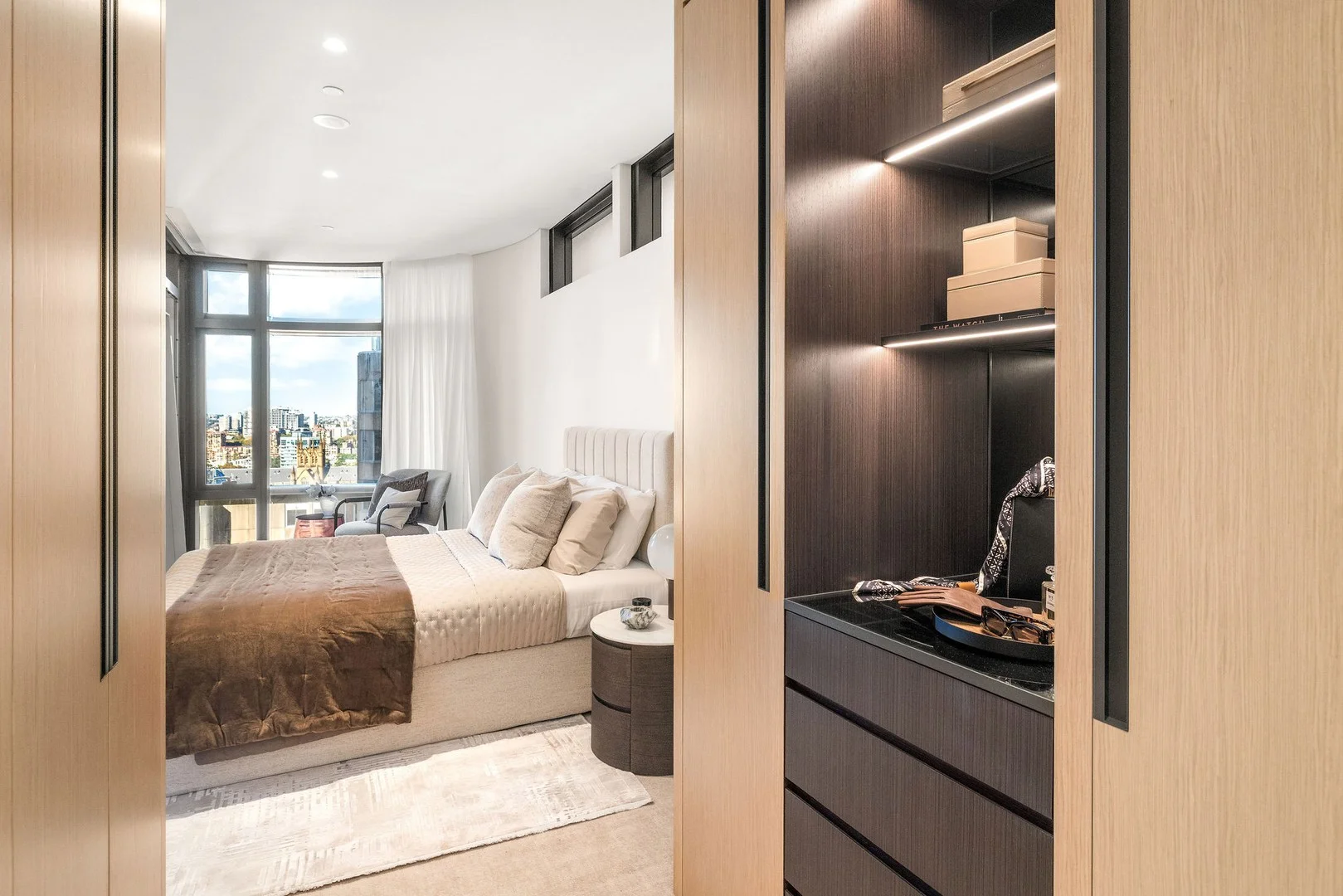 $2,745,000
propertyType.NEW APARTMENTS / OFF THE PLAN
$2,745,000
propertyType.NEW APARTMENTS / OFF THE PLAN
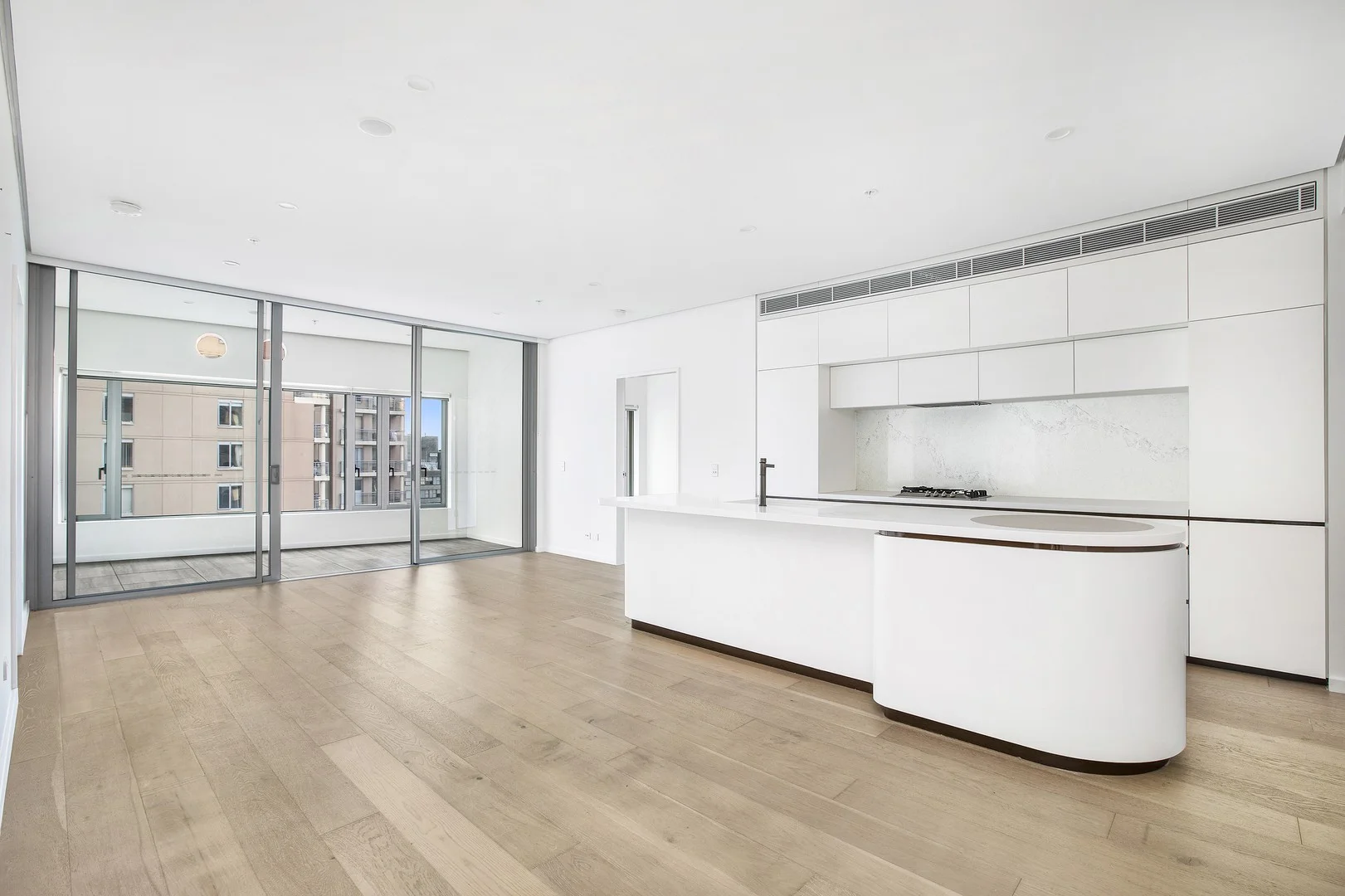 $2,250,000
Apartment / Unit / Flat
$2,250,000
Apartment / Unit / Flat
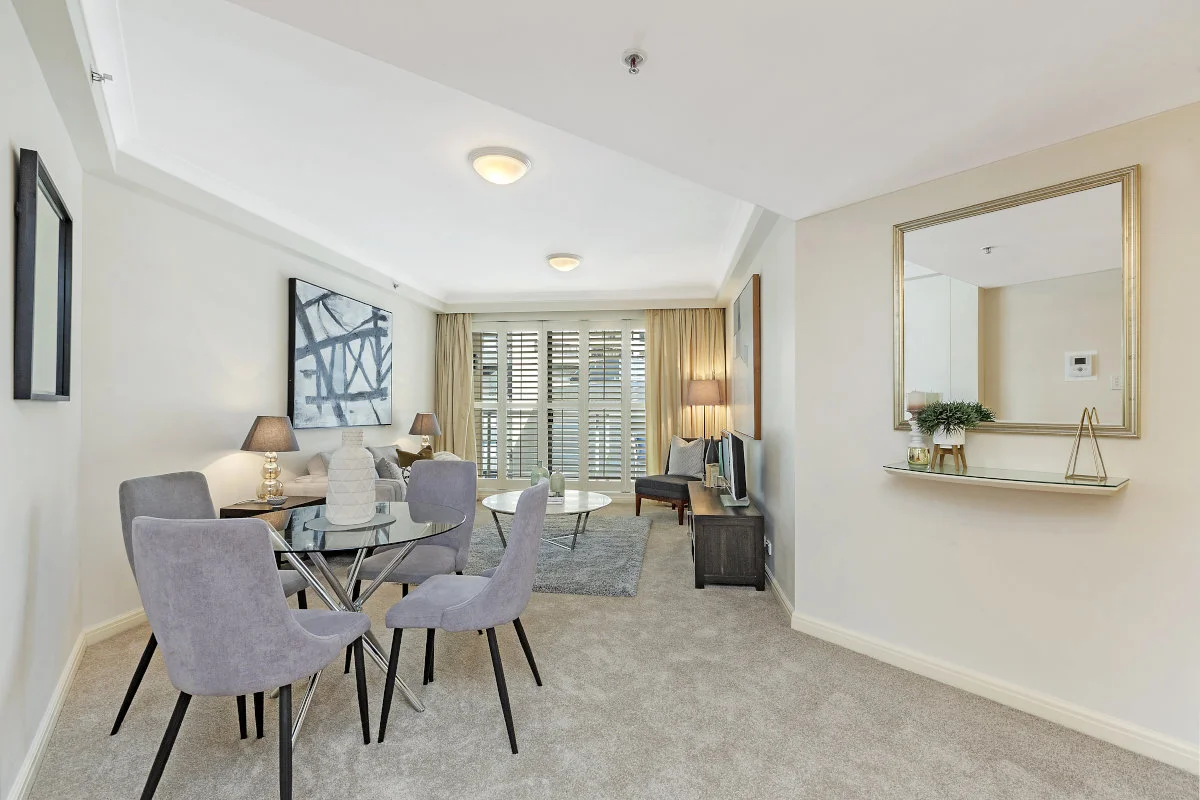 $660,000 - $725,000
Apartment / Unit / Flat
$660,000 - $725,000
Apartment / Unit / Flat
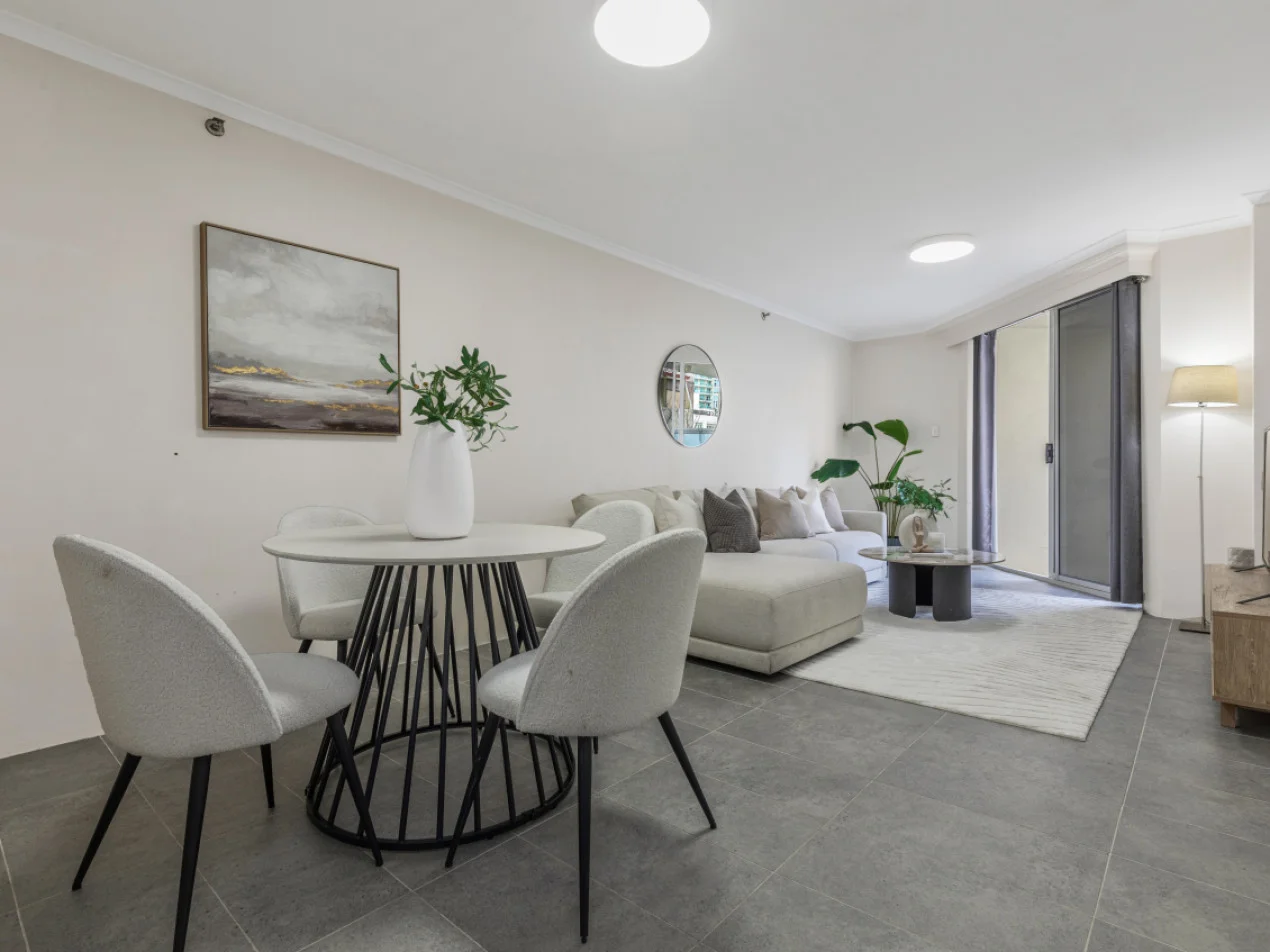 $640,000 - $675,000
Apartment / Unit / Flat
$640,000 - $675,000
Apartment / Unit / Flat
 $9,020,000
propertyType.NEW APARTMENTS / OFF THE PLAN
$9,020,000
propertyType.NEW APARTMENTS / OFF THE PLAN
 $8,630,000
propertyType.NEW APARTMENTS / OFF THE PLAN
$8,630,000
propertyType.NEW APARTMENTS / OFF THE PLAN
 $12,980,000
propertyType.NEW APARTMENTS / OFF THE PLAN
$12,980,000
propertyType.NEW APARTMENTS / OFF THE PLAN


