1. Overview
St Mary’s Catholic Primary School in Manly is a Catholic, community-focused primary education option. It provides a values-based environment where faith, service, and learning are woven together to support students’ growth.
The school is a medium-sized community with class sizes typically in the low 20s. The atmosphere is nurturing and inclusive, designed to balance academic development with pastoral care, student voice, and social-emotional growth.
⸻
2. Academics & Learning
- Academic strengths: strong emphasis on literacy and numeracy, solid English and maths foundations, and a purposeful focus on development across core subject areas. There’s a pastoral approach to academic growth with a clear emphasis on character and service. Leadership opportunities are encouraged from an early age.
- Special programs: Gifted & Talented offerings or targeted enrichment activities may be available; liaison with teachers to support diverse learning needs; LOTE (language) offerings in selected year levels.
- NAPLAN trends: regional or school-wide trends typically show steady progress in reading and numeracy over recent years, with ongoing emphasis on improving core literacy and numeracy outcomes.
- Student-teacher ratios: classes are structured to provide supportive teacher attention; indicative ratios commonly fall in the mid-teens to low-twenties per classroom, with additional support provided where needed.
- Support for diverse learners: targeted support for students with additional learning needs, including EAL (English as an Additional Language) supports and in-class adjustments; access to SEN support and alignment with inclusive practices.
⸻
3. Sports & Extracurricular Strengths
- Sports offered: a range of team and individual sports typical of NSW primary schools (e.g., soccer, cricket, basketball, rugby league, athletics) with opportunities for participation and school-level competition.
- Strong teams or achievements: participation in local inter-school and Catholic school competitions; opportunities to showcase team strengths and sportsmanship.
- Music, arts, drama programs: school choirs, music groups, and performing arts activities contribute to a vibrant arts program.
- Clubs: robotics, coding, chess, debating, and other enrichment clubs are commonly available or offered periodically to extend student engagement.
- Partnerships: connections with local sporting bodies, arts groups, and community programs to broaden experiences and competitions.
⸻
4. Wellbeing & Pastoral Care
- Anti-bullying approach: proactive, whole-school policies and programs focused on safe and respectful behaviour, with clear reporting and support pathways.
- House system: a house structure that fosters healthy competition, teamwork, and belonging; houses often align with faith-based or community themes.
- Counsellors / wellbeing officers: access to school-based wellbeing staff or coordinators to support social-emotional learning and student resilience.
- Transition support for new students: orientation activities, buddy systems, and gradual onboarding processes to help new students settle in smoothly.
⸻
5. Facilities
- Sports grounds: outdoor play and sports spaces designed for a range of physical activities.
- Libraries: a well-equipped library supporting reading, research, and quiet study.
- Science labs: dedicated spaces for practical science work and investigations.
- Music/performing arts centers: facilities to support music education and drama activities.
- Tech/innovation labs: learning spaces for technology, coding, and hands-on projects.
- Cafeteria: central canteen or cafe space to support healthy meals and snacks.
- Updated playgrounds: modern and safe play areas for break times and physical activity.
⸻
6. School Values & Community Culture
- School values / mission: faith-led education emphasising compassion, service, responsibility, and respect; emphasis on character development alongside academic achievement.
- Leadership style: collaborative leadership with teacher and student involvement; opportunities for student voice and leadership roles.
- Behaviour expectations: clear, consistently applied behavioural expectations aligned with positive behaviour frameworks.
- Community reputation: strong sense of community and active parent involvement; emphasis on inclusion and mutual support.
- Diversity & inclusion: commitment to welcoming families from diverse backgrounds and fostering an inclusive school culture.
⸻
7. School Logistics & Daily Operations
- School hours: standard school day generally runs from the morning start through mid-afternoon, with variations by year level; check current year timetable for specifics.
- Before/after school care: programs or approved providers available to support families with before/after school care needs.
- Uniform requirements: formal uniform with seasonal variants (summer/winter), including footwear and accessories as specified by the school.
- Transport (train/bus routes): access to local public transport options and proximity to bus routes; school may provide guidance on optimal routes for families.
- Canteen availability: canteen or snack options available on school days.
- Fees (low/medium/high ranges): fees are typically in the mid-range for NSW Catholic primary schools; exact amounts vary by year level and program inclusions.
⸻
8. Enrolment & Admissions
11. What is the enrolment process and timeline?
- Parents typically submit an application with required documentation (birth certificate, immunisation records, baptism/catholic parish information if applicable). The school conducts an admission assessment or meeting as part of the process, then offers places in order of availability and criteria, with timelines published by the school.
12. Is there a waiting list, and how does it work?
- Waiting lists are common when vacancies are limited. Families can express interest, and offers are made as spaces open up, with priority often given to siblings or parish-related factors as per school policy.
13. Are there any entry requirements, tests, or interviews?
- Entry usually involves a discussion or interview, and may include an assessment focused on readiness and alignment with school values. Documentation and consent forms are typically required.
14. Does the school accept mid-year transfers?
- Mid-year transfers are possible if spaces are available, subject to the school’s policies and timetabling constraints. Prospective families should contact the school early to discuss options.
⸻
9. Frequently Ask Questions
- Why Parents Choose This School?
- A values-driven Catholic education in a welcoming, supportive community with emphasis on academic growth and wellbeing.
- What type of student thrives at this school?
- Students who respond well to a nurturing, faith-informed environment with opportunities for leadership, community service, and balanced academics.
- What opportunities are available for students to extend their skills (academics, sports, arts)?
- Programs across literacy and numeracy enrichment, leadership activities, sports teams, music and drama, and clubs such as robotics, coding, chess, and debating.
- How does the school communicate with parents?
- Regular updates through newsletters, emails, the school website or portal, and parent meetings; open channels for feedback and consultation.
- What is the school’s approach to teaching and learning?
- A holistic approach that combines strong core academics with pastoral care, inquiry-based learning, and faith-informed education.
- How does the school support students who need extra academic help?
- Targeted in-class supports, intervention programs, and access to additional learning support staff.
- What support is available for academic challenges?
- Early identification, personalised learning plans, and collaboration with families to provide appropriate assistance.
- How does the school communicate with parents? (Repeated)
- See above; multiple channels used for ongoing information sharing and engagement.
- What are the class sizes and how much individual attention do students receive?
- Class sizes typically sit in the low 20s, with teacher attention and targeted support for students who need it.
- What extracurricular and sports opportunities are available?
- A range of sports, arts, music, drama, and clubs such as robotics, coding, chess, and debating, with opportunities to compete and showcase talents.
- What facilities does the school offer (sports, science, arts)?
- Access to sports grounds, libraries, science labs, performing arts spaces, and tech/innovation labs.
- What is the school’s approach to technology and digital learning?
- Integrated technology use to support learning, with age-appropriate digital literacy and coding activities.
- What transport and accessibility options are available?
- Nearby public transport options and guidance on routes; accessible facilities in line with school policy.
- What are the typical school fees or additional costs?
- Fees fall in the mid-range for NSW Catholic primary schools; exact costs vary by year level and program.
⸻
10. Short Pros & Cons list
Pros
- Values-based Catholic education with strong pastoral care
- Nurturing, inclusive community and supportive culture
- Solid literacy and numeracy focus with enrichment options
- Range of extracurriculars: sports, arts, clubs, and competitions
- Structured wellbeing support and a house-based community
Cons
- Catholic affiliation may be a stronger fit for families seeking faith-based schooling
- Fees vary by year level and program; some families may find costs higher than non-fee-funded options
- Availability of spaces can be limited during peak enrolment periods; potential waitlists
⸻
Notes: This content provides a structured, decision-focused snapshot suitable for Aroundschools readers. For exact enrolment timelines, current class sizes, fees, and facilities, please contact St Mary’s Catholic Primary School Manly directly.










 $2,824,000
Apartment / Unit / Flat
$2,824,000
Apartment / Unit / Flat
 $26,550,000
propertyType.NEW APARTMENTS / OFF THE PLAN
$26,550,000
propertyType.NEW APARTMENTS / OFF THE PLAN
 $2,745,000
propertyType.NEW APARTMENTS / OFF THE PLAN
$2,745,000
propertyType.NEW APARTMENTS / OFF THE PLAN
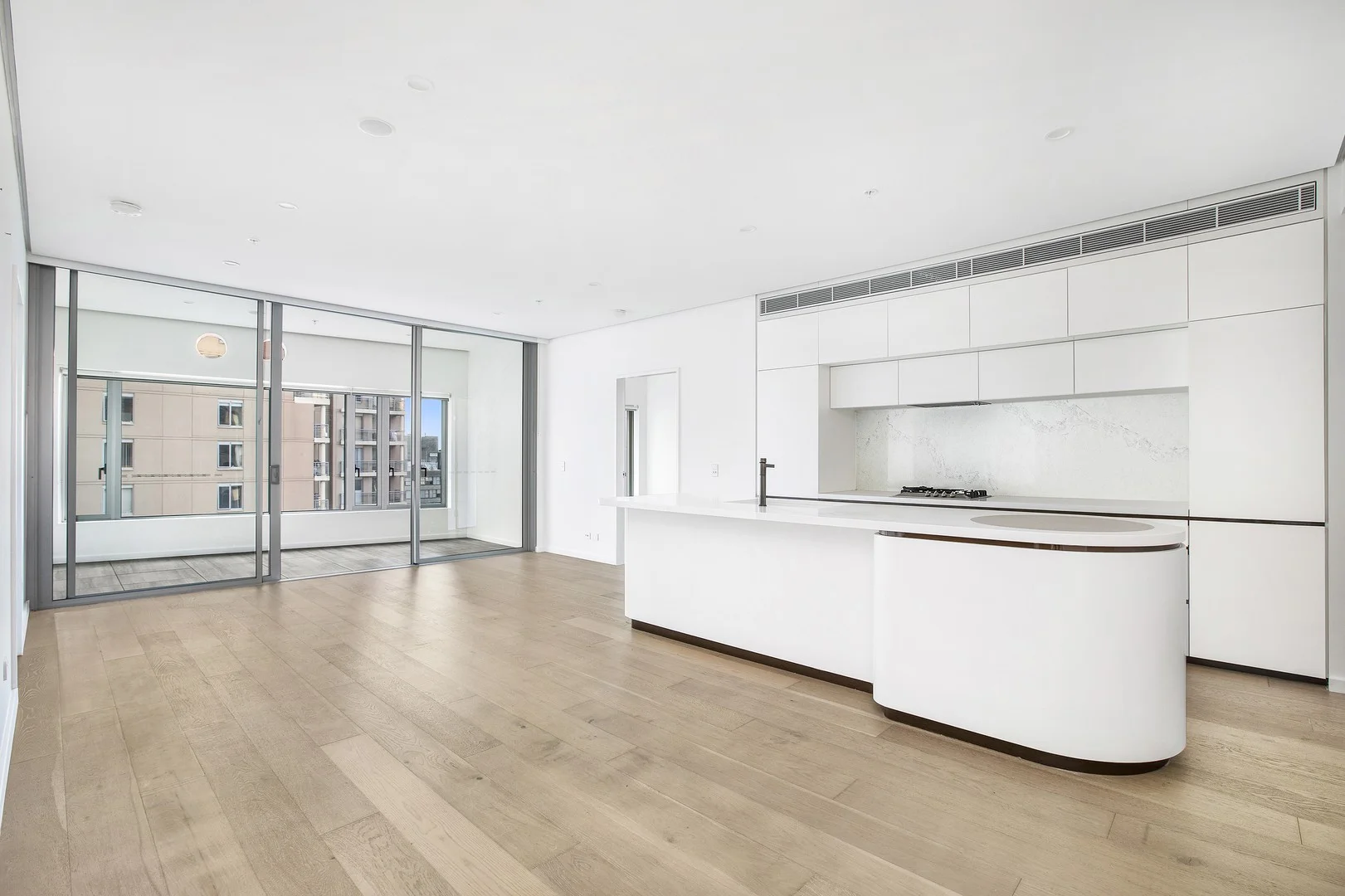 $2,250,000
Apartment / Unit / Flat
$2,250,000
Apartment / Unit / Flat
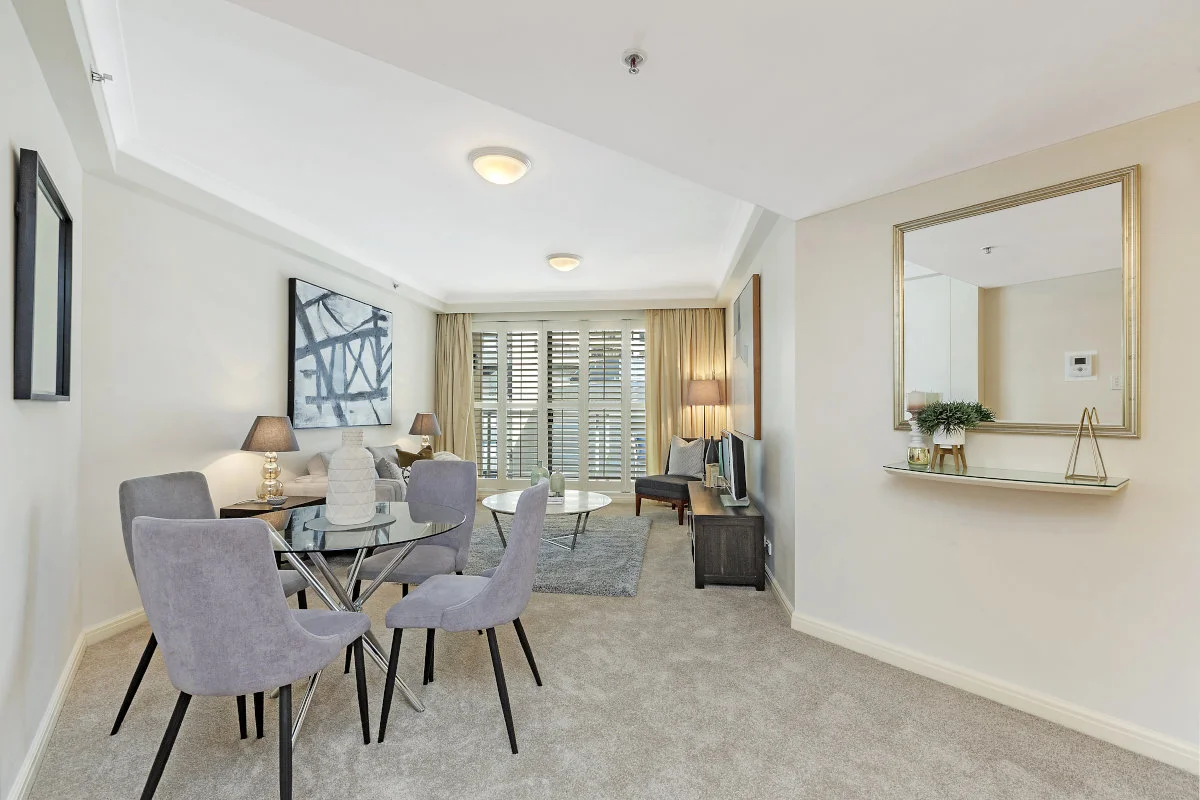 $660,000 - $725,000
Apartment / Unit / Flat
$660,000 - $725,000
Apartment / Unit / Flat
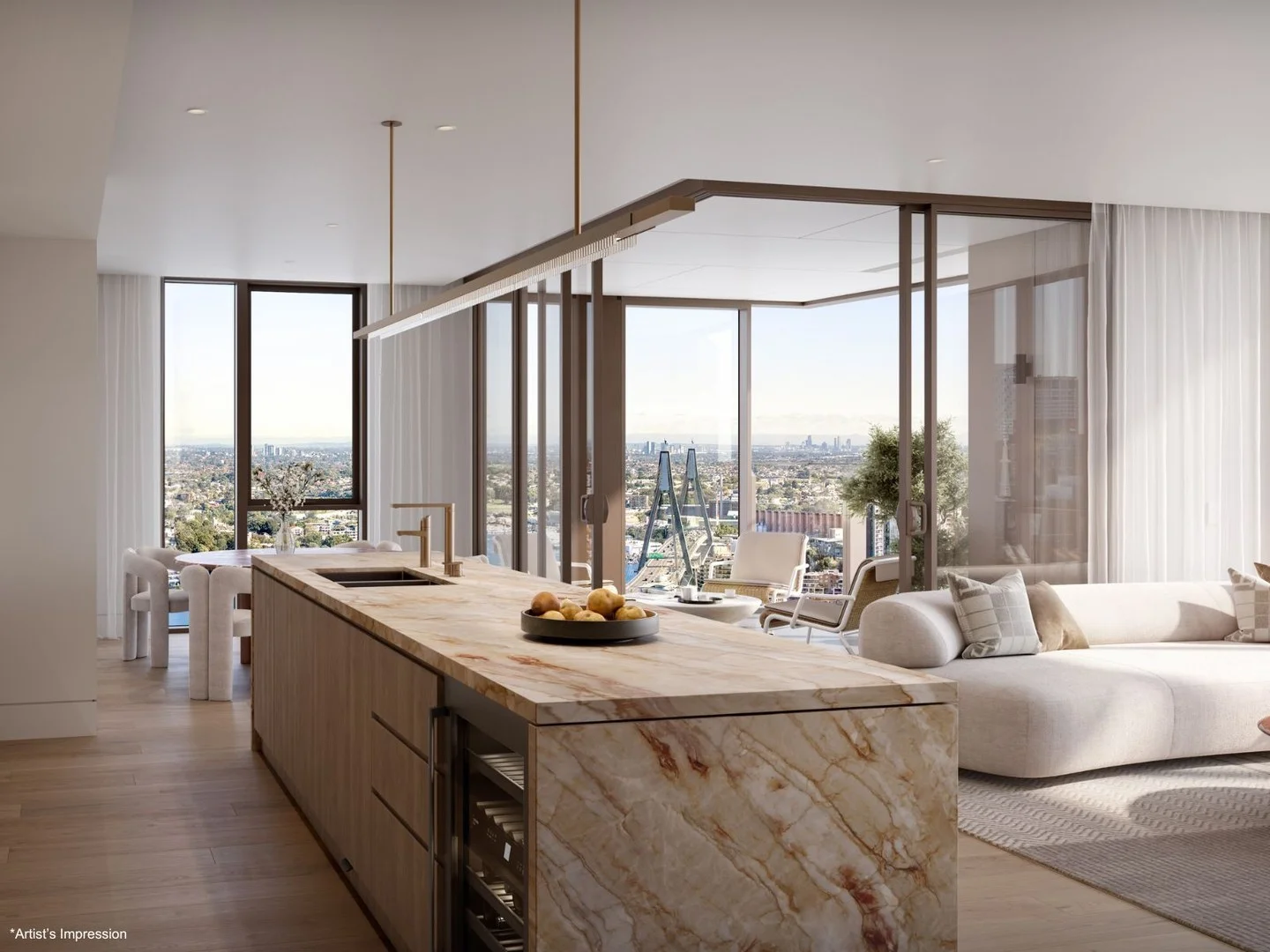 $9,020,000
propertyType.NEW APARTMENTS / OFF THE PLAN
$9,020,000
propertyType.NEW APARTMENTS / OFF THE PLAN
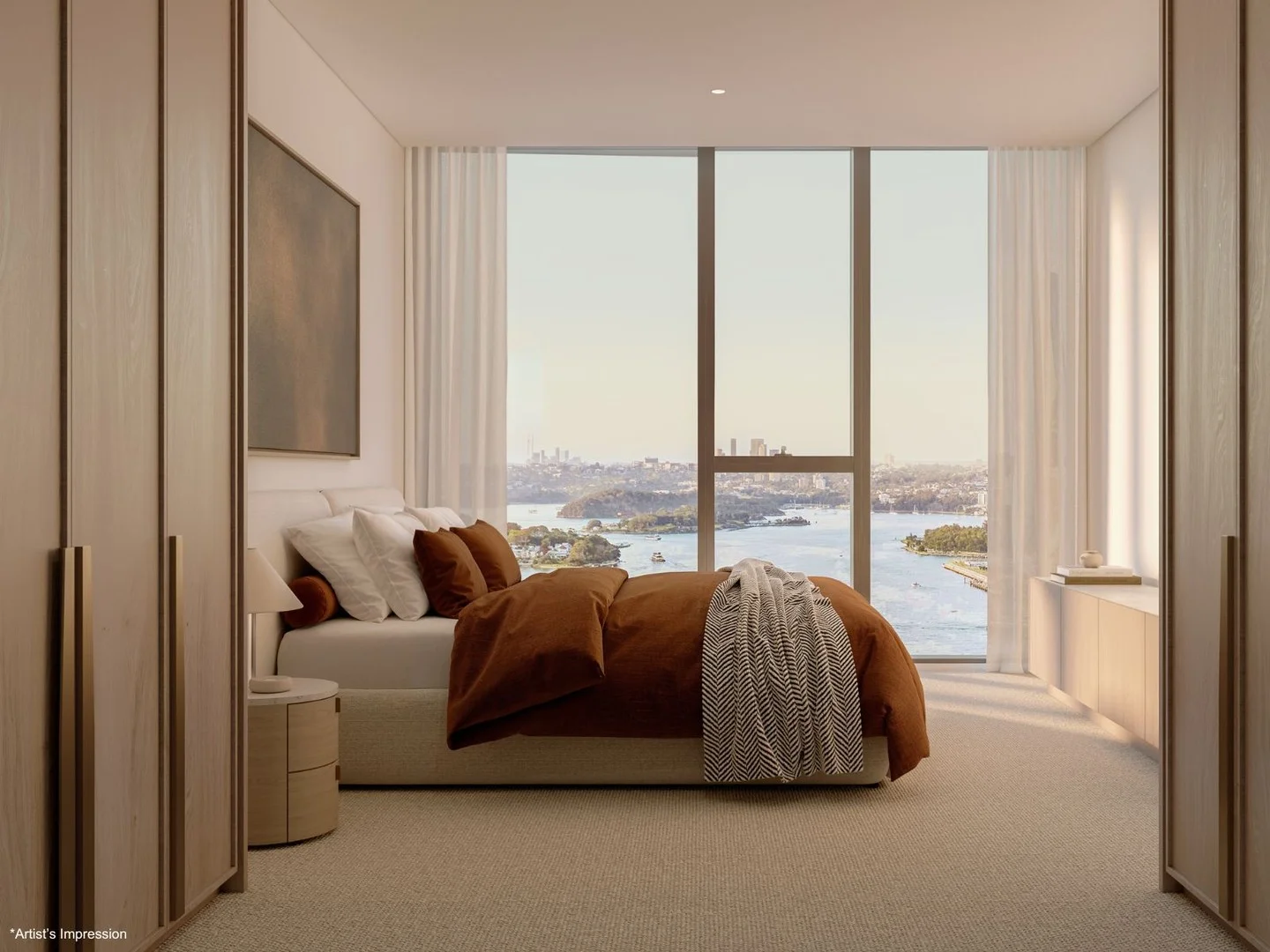 $8,630,000
propertyType.NEW APARTMENTS / OFF THE PLAN
$8,630,000
propertyType.NEW APARTMENTS / OFF THE PLAN
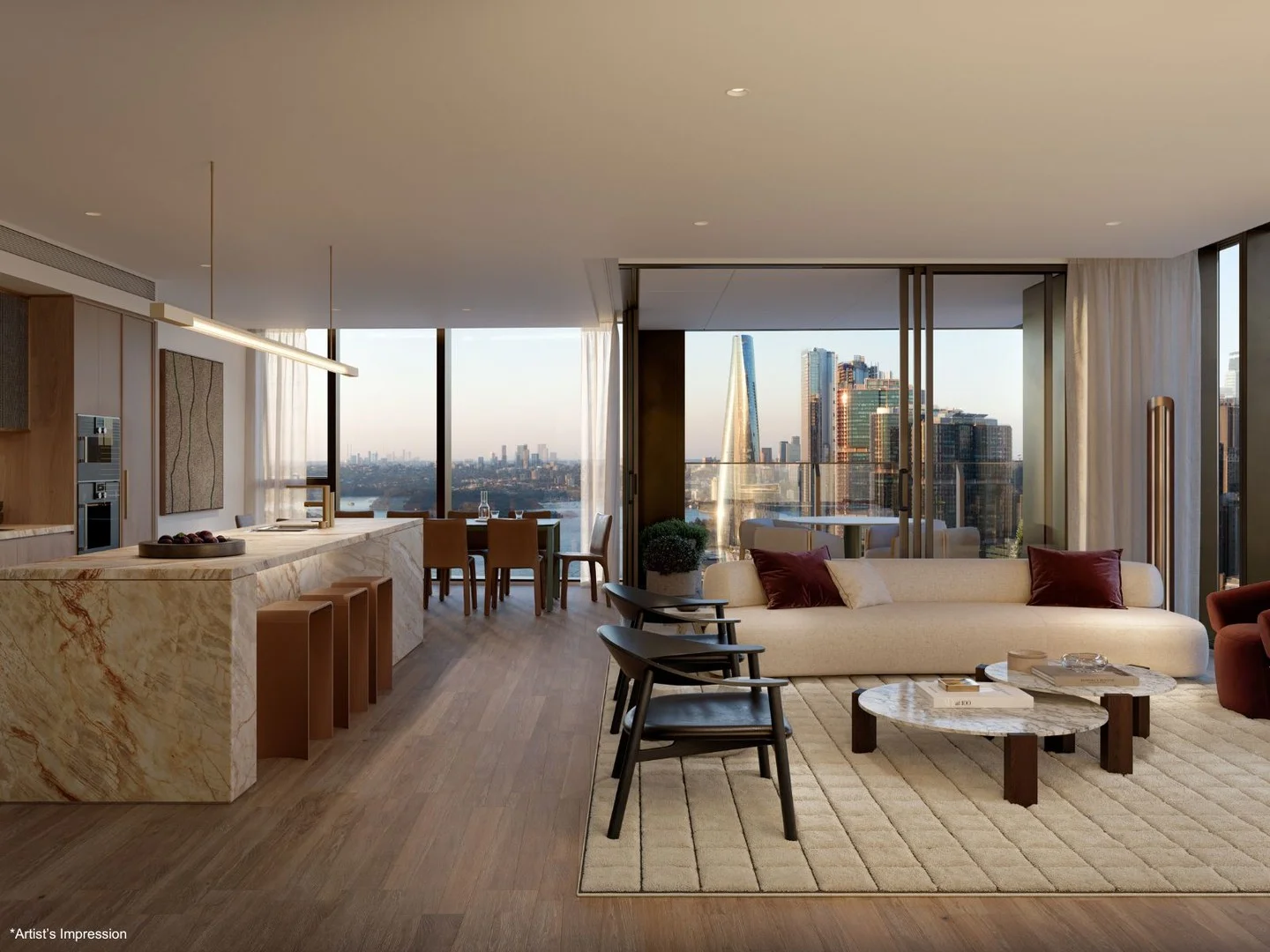 $12,980,000
propertyType.NEW APARTMENTS / OFF THE PLAN
$12,980,000
propertyType.NEW APARTMENTS / OFF THE PLAN
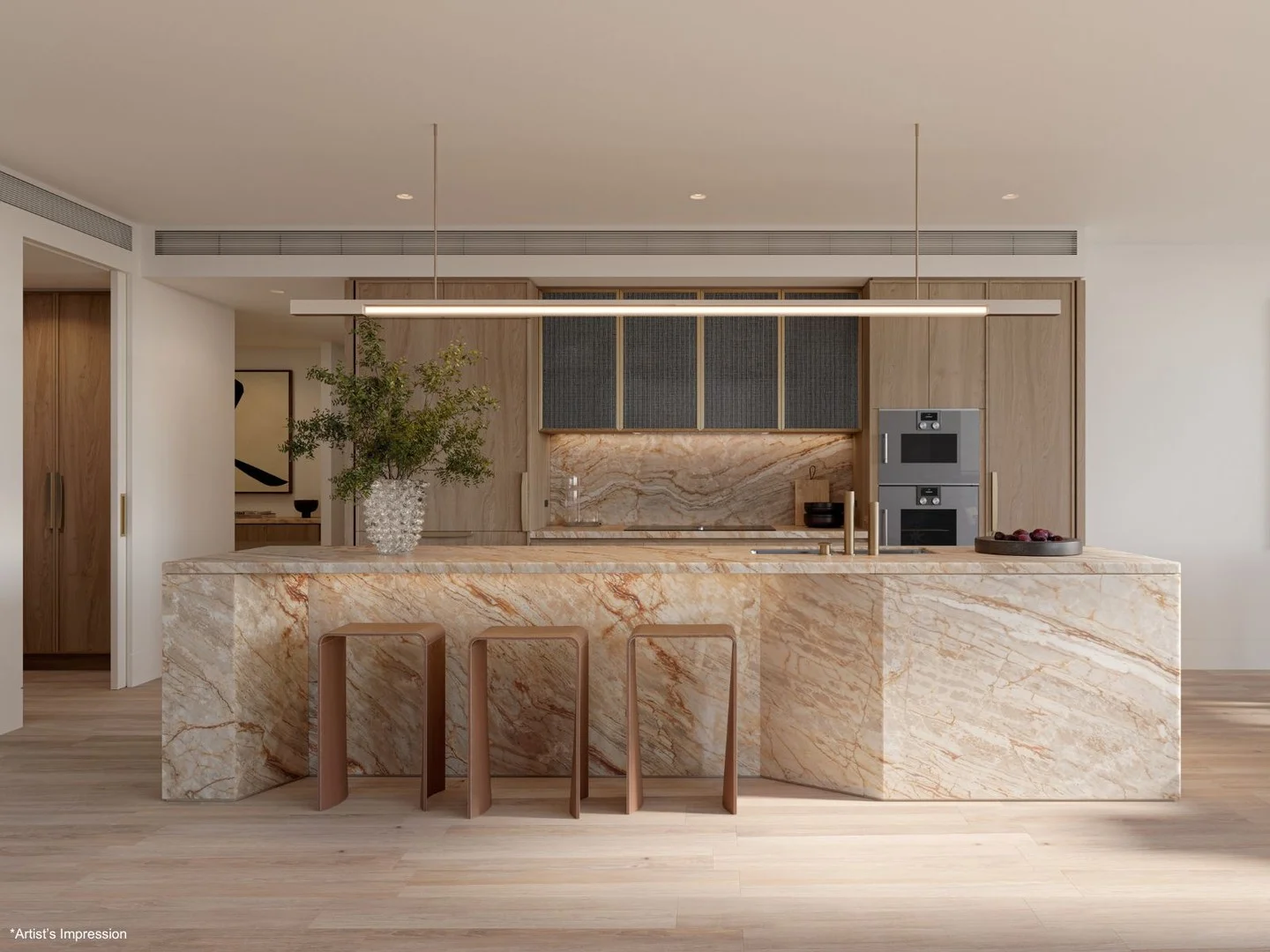 $6,225,000
propertyType.NEW APARTMENTS / OFF THE PLAN
$6,225,000
propertyType.NEW APARTMENTS / OFF THE PLAN


