## 1. Overview
Manly Village Public School is a public (government) primary school serving the local Manly community. The school aims to provide a welcoming, inclusive environment where children in Kindergarten to Year 6 develop strong literacy, numeracy and social skills, while enjoying opportunities across sport, arts and digital learning. The school has a medium-sized community, with class sizes typically in the low 20s, and a culture that emphasises wellbeing, respect and active participation.
The atmosphere is nurturing and collaborative, with an emphasis on student voice and a sense of belonging. The school supports diversity and inclusion, encouraging students to try new activities, build confidence and work well with others.
---
## 2. Academics & Learning
- Academic strengths: strong literacy and numeracy foundations, solid engagement with STEM activities, and opportunities for creative and performing arts. The school also supports development of students’ digital literacy and critical thinking.
- Special programs: Gifted and Talented Education (GATE) and enrichment opportunities are incorporated where appropriate. Coding, robotics and hands-on STEM activities are available to extend learning beyond core subjects.
- NAPLAN / trends: steady performance with ongoing focus on improving literacy and numeracy outcomes. Trends are monitored over time to support targeted teaching and interventions.
- Student-teacher ratios: generally favorable in the primary setting, with classroom sizes in the 20s and specialist teachers supporting areas such as languages, arts, and science.
- Support for diverse learners: robust support for EAL (English as an Additional Language) learners and students with additional needs (SEN), including targeted interventions and in-class supports to promote inclusive learning.
---
## 3. Sports & Extracurricular Strengths
- Sports offered: athletics, swimming, soccer, cricket, basketball and other common primary activities; opportunities for in-school and inter-school sport.
- Strong teams or achievements: participation in district and inter-school events; emphasis on teamwork, resilience and sportsmanship with opportunities to celebrate team achievements and personal improvement.
- Music, arts, drama programs: active music program, school choir or ensembles, regular performances and arts showcasing; drama and performing arts opportunities integrated into the school calendar.
- Clubs: robotics, coding, chess, debating, and other clubs that promote inquiry, problem-solving and public speaking.
- Partnerships: connections with local community clubs and regional competitions to broaden experience and provide real-world opportunities for students to shine beyond the classroom.
---
## 4. Wellbeing & Pastoral Care
- Anti-bullying approach: proactive, whole-school approach to wellbeing with clear anti-bullying policies, peer support and restorative practices to resolve conflicts.
- House system: house-based activities and competitions to promote belonging, teamwork and healthy competition.
- Counsellors / wellbeing officers: access to wellbeing staff to support student mental health, adjustment, and social-emotional learning.
- Transition support for new students: structured transition programs for Kindergarten and for families joining mid-year or from other schools, helping students settle in and connect with peers.
---
## 5. Facilities
- Sports grounds: accessible outdoor spaces for playground and sports activities.
- Libraries: well-resourced library supporting reading for pleasure and curriculum needs.
- Science labs: dedicated spaces to explore science concepts and hands-on experiments.
- Music/performing arts centers: spaces for music practice, rehearsals and performances.
- Tech/innovation labs: ICT facilities and spaces for digital learning, coding and creative projects.
- Cafeteria: on-site canteen or lunch facilities that support healthy eating options.
- Updated playgrounds: modern, age-appropriate play areas that encourage outdoor activity and active play.
---
## 6. School Values & Community Culture
- School values / mission: commitment to respect, responsibility, resilience and inclusion; focus on giving students a positive foundation for lifelong learning.
- Leadership style: collaborative leadership that encourages student voice, parent involvement and supportive teacher guidance.
- Behaviour expectations: clear expectations promoting safe, respectful and responsible conduct; positive behaviour supports embedded across daily routines.
- Community reputation: sought-after local schooling option in the Manly area, with a reputation for welcoming families and fostering a strong school community.
- Diversity & inclusion: active emphasis on inclusion and celebrating cultural diversity within the school community.
---
## 7. School Logistics & Daily Operations
- School hours: typically 9:00 am–3:00 pm for primary students, with Kindergarten sometimes following a slightly different schedule.
- Before/after school care: OSHC (Outside School Hours Care) or similar programs may be available to support families before and after the school day.
- Uniform requirements: school uniform policy with appropriate seasonal options; sports uniform for PE days and after-school activities.
- Transport (train/bus routes): access to local transport options (bus stops nearby and walking/cycling routes); bus arrangements may depend on regional transport services and catchment.
- Canteen availability: canteen or lunch facilities offering healthy options on designated days.
- Fees (low/medium/high ranges): public schooling involves voluntary contributions and optional activity fees; overall cost is generally low to moderate, with many resources provided by the government.
---
## 8. Enrolment & Admissions
11) What is the enrolment process and timeline?
- Enrolment is managed through the NSW Department of Education system. Begin by contacting the school to obtain the enrolment package and confirm your eligibility based on catchment area. You’ll typically provide proof of address, your child’s birth certificate or passport, immunisation records, and any relevant medical or special support information. The timeline varies with intake dates (kindergarten in preparation year and ongoing entry for other year levels when places are available).
12) Is there a waiting list, and how does it work?
- Wait lists may apply if a year level has limited vacancies. In such cases, placements are generally determined by catchment rules, availability, and the date of application. The school can advise on current wait times and any possible options.
13) Are there any entry requirements, tests, or interviews?
- For most public primary enrolments, there are no entrance tests or interviews. The process focuses on eligibility, documentation, and ensuring appropriate placement within the cohort. Some cases (e.g., identified learning needs or special circumstances) may involve additional discussions with staff to support transition and learning.
14) Does the school accept mid-year transfers?
- Mid-year transfers are possible when vacancies exist. Prospective families should contact the school as soon as possible to discuss availability and the enrolment steps, including any necessary documentation and transition arrangements.
---
## 9. Frequently Asked Questions
- Why Parents Choose This School?
- A welcoming, inclusive environment with a focus on wellbeing, strong literacy and numeracy foundations, and opportunities across sport, arts and technology.
- What type of student thrives at this school?
- Students who respond well to a supportive, collaborative learning culture, who enjoy participating in both academic and extracurricular activities, and who value teamwork and respect.
- What opportunities are available for students to extend their skills (academics, sports, arts)?
- Enrichment programs in literacy and numeracy, STEM activities, coding/robotics clubs, music and performing arts, sport, arts performances, and leadership opportunities.
- How does the school communicate with parents?
- Regular notices, parent meetings, newsletters, and digital platforms that keep families informed about learning, events and student progress.
- What is the school’s approach to teaching and learning?
- A balanced, evidence-informed approach combining explicit instruction, differentiated learning, inquiry-based activities, and a emphasis on wellbeing and resilience.
- How does the school support students who need extra academic help?
- Targeted teaching, small-group support, reading recovery or literacy interventions, and access to specialist staff for SEN/EAL needs.
- What support is available for academic challenges?
- Additional tutoring or small-group sessions, adjusted learning plans, and collaboration with parents to monitor progress and set goals.
- How does the school communicate with parents? (duplicate question)
- See above: routine communications through meetings, newsletters, and digital platforms.
- What are the class sizes and how much individual attention do students receive?
- Class sizes are typically in the low 20s, with individual attention supported by teacher time, small-group interventions, and specialist staff where available.
- What extracurricular and sports opportunities are available?
- A range of sports (athletics, swimming, ball sports), robotics/coding/chess/debating clubs, music and arts programs, and opportunities to participate in inter-school events.
- What facilities does the school offer (sports, science, arts)?
- Sports grounds, library, science labs, performing arts/music spaces, tech/innovation labs, canteen facilities and updated outdoor play areas.
- What is the school’s approach to technology and digital learning?
- Integration of digital literacy into the curriculum, access to devices and ICT resources, and opportunities for students to engage with coding and digital projects.
- What transport and accessibility options are available?
- Proximity to public transport options; walking/cycling routes; school transport arrangements depend on local services and eligibility.
- What are the typical school fees or additional costs?
- Public primary schools generally have low to moderate voluntary contributions and optional costs for activities and resources; specifics vary by year level and program.
---
## 10. Short Pros & Cons list
- Pros
- Public primary with a welcoming, inclusive culture
- Balanced academics with strong literacy/numeracy focus
- Broad range of extracurriculars (sport, arts, clubs)
- Support for diverse learners (EAL, SEN)
- Positive wellbeing and pastoral care; house system
- Cons
- Class sizes may still be in the low 20s range (not a large school)
- Availability of certain after-school programs may depend on demand and staffing
- Transport options vary by family location; some may rely on public transport or car-based drop-off
If you’d like, I can tailor this further with more specific details you provide (e.g., exact year ranges, current program names, or any updates from the school).









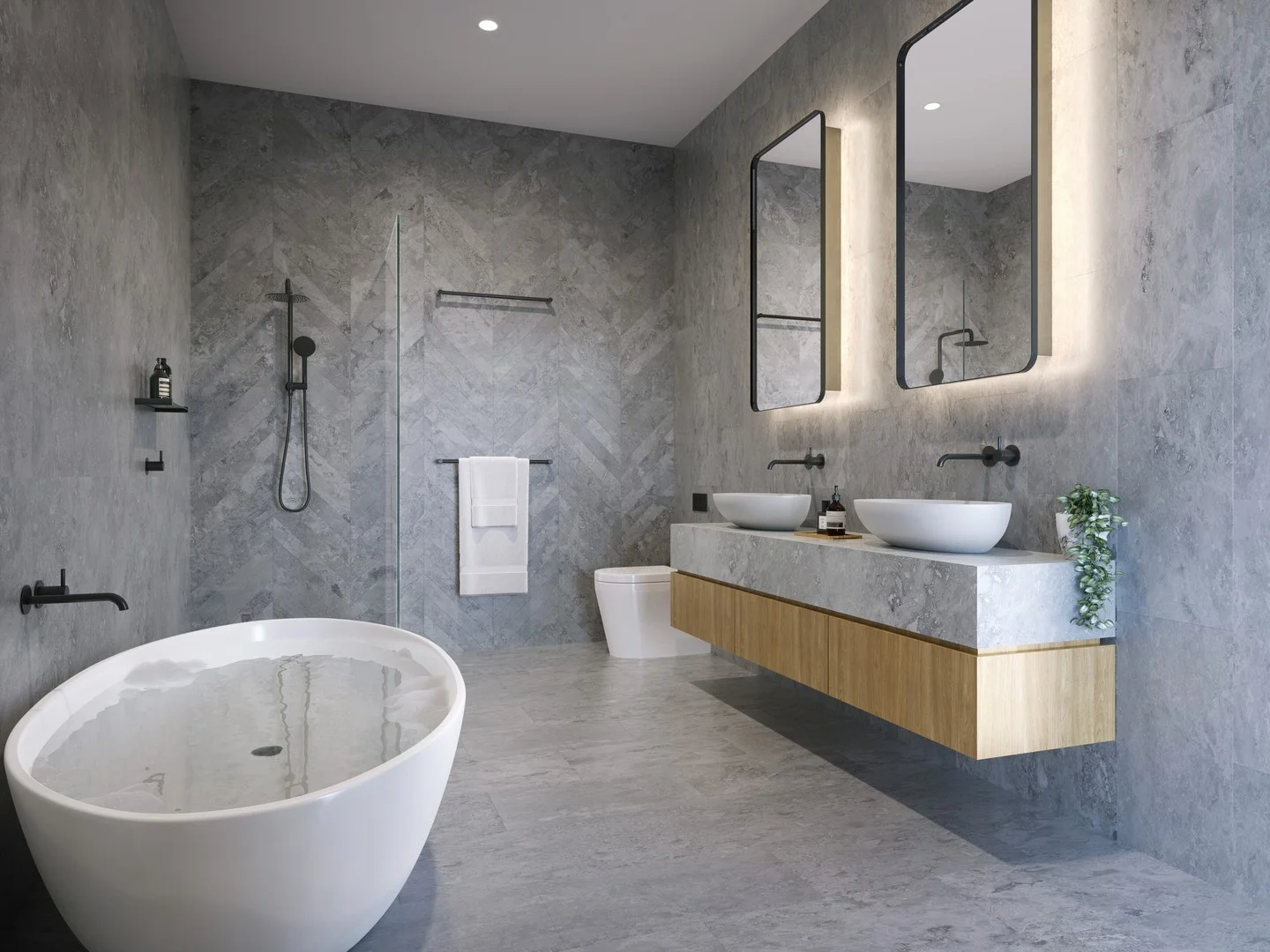 $2,824,000
Apartment / Unit / Flat
$2,824,000
Apartment / Unit / Flat
 $26,550,000
propertyType.NEW APARTMENTS / OFF THE PLAN
$26,550,000
propertyType.NEW APARTMENTS / OFF THE PLAN
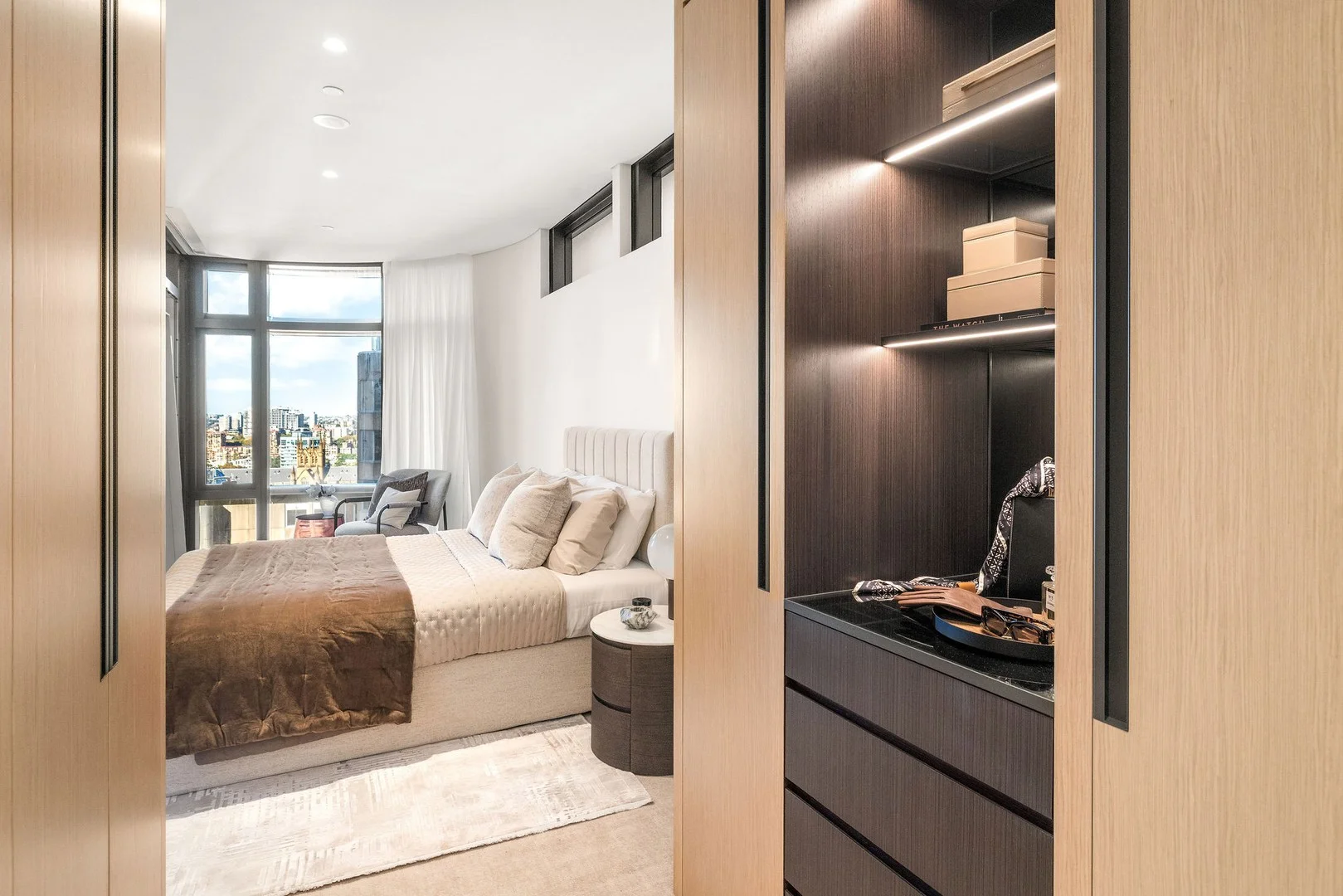 $2,745,000
propertyType.NEW APARTMENTS / OFF THE PLAN
$2,745,000
propertyType.NEW APARTMENTS / OFF THE PLAN
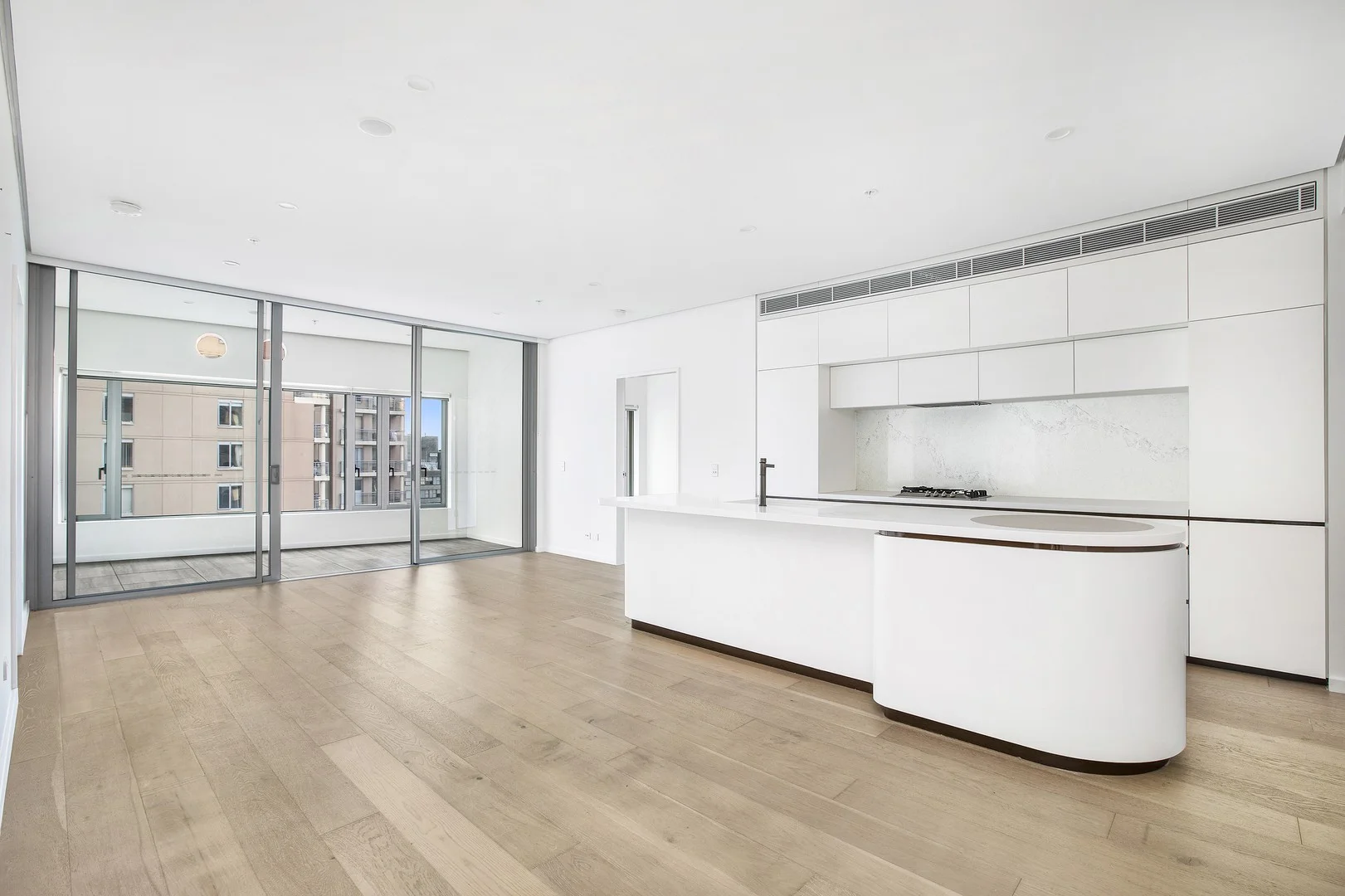 $2,250,000
Apartment / Unit / Flat
$2,250,000
Apartment / Unit / Flat
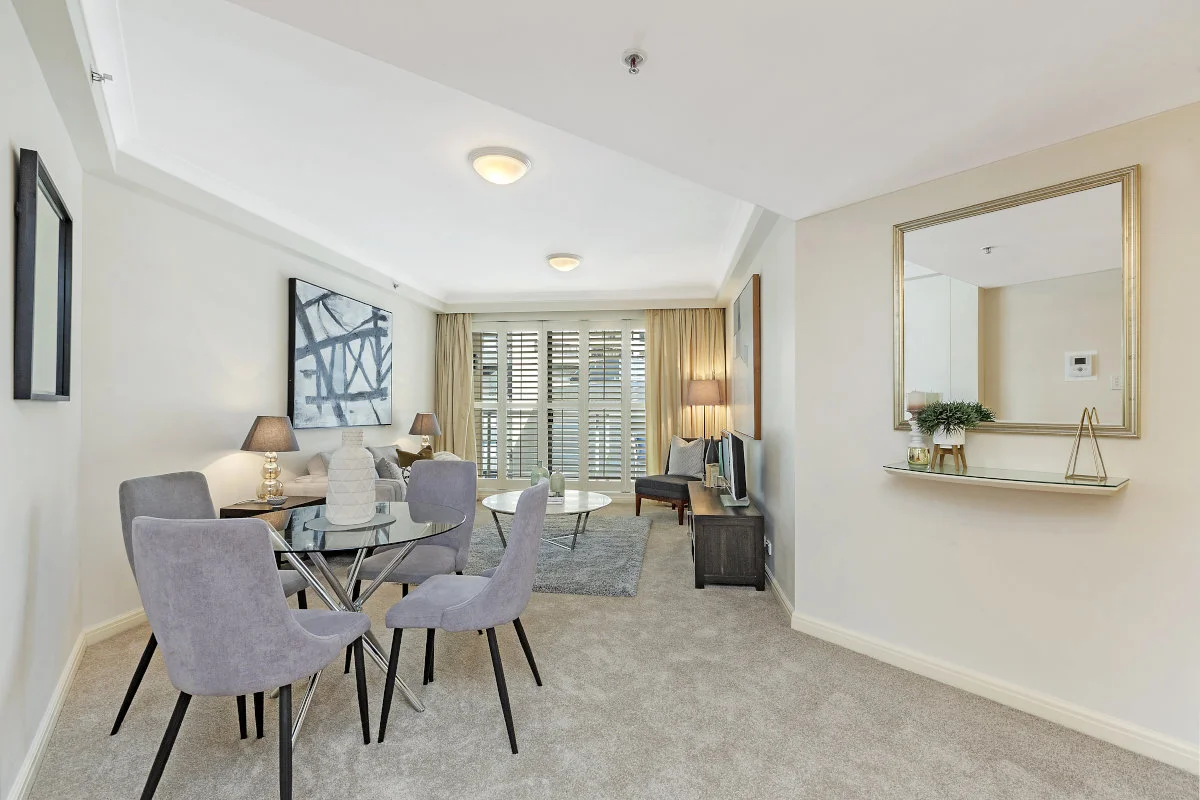 $660,000 - $725,000
Apartment / Unit / Flat
$660,000 - $725,000
Apartment / Unit / Flat
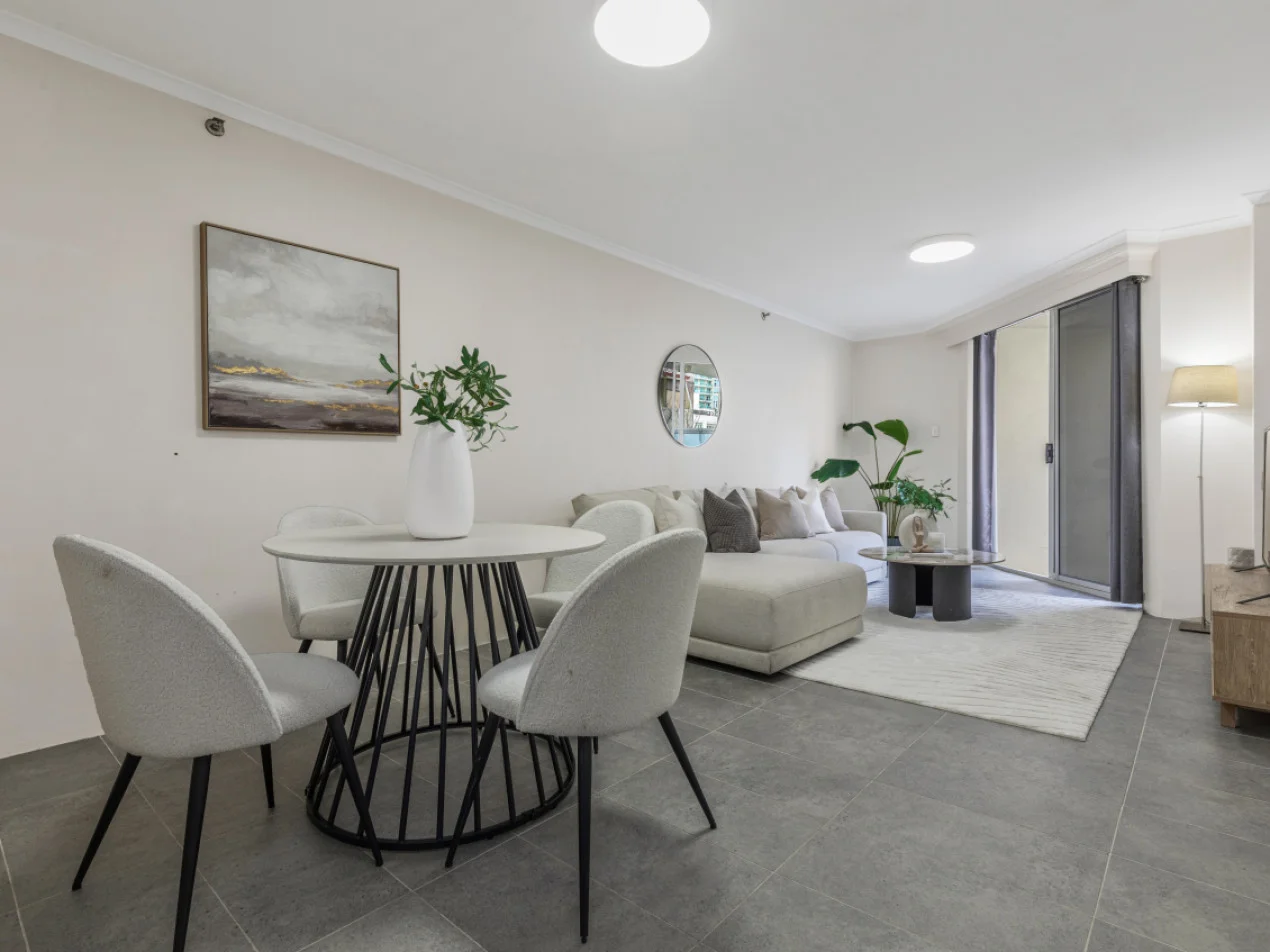 $640,000 - $675,000
Apartment / Unit / Flat
$640,000 - $675,000
Apartment / Unit / Flat
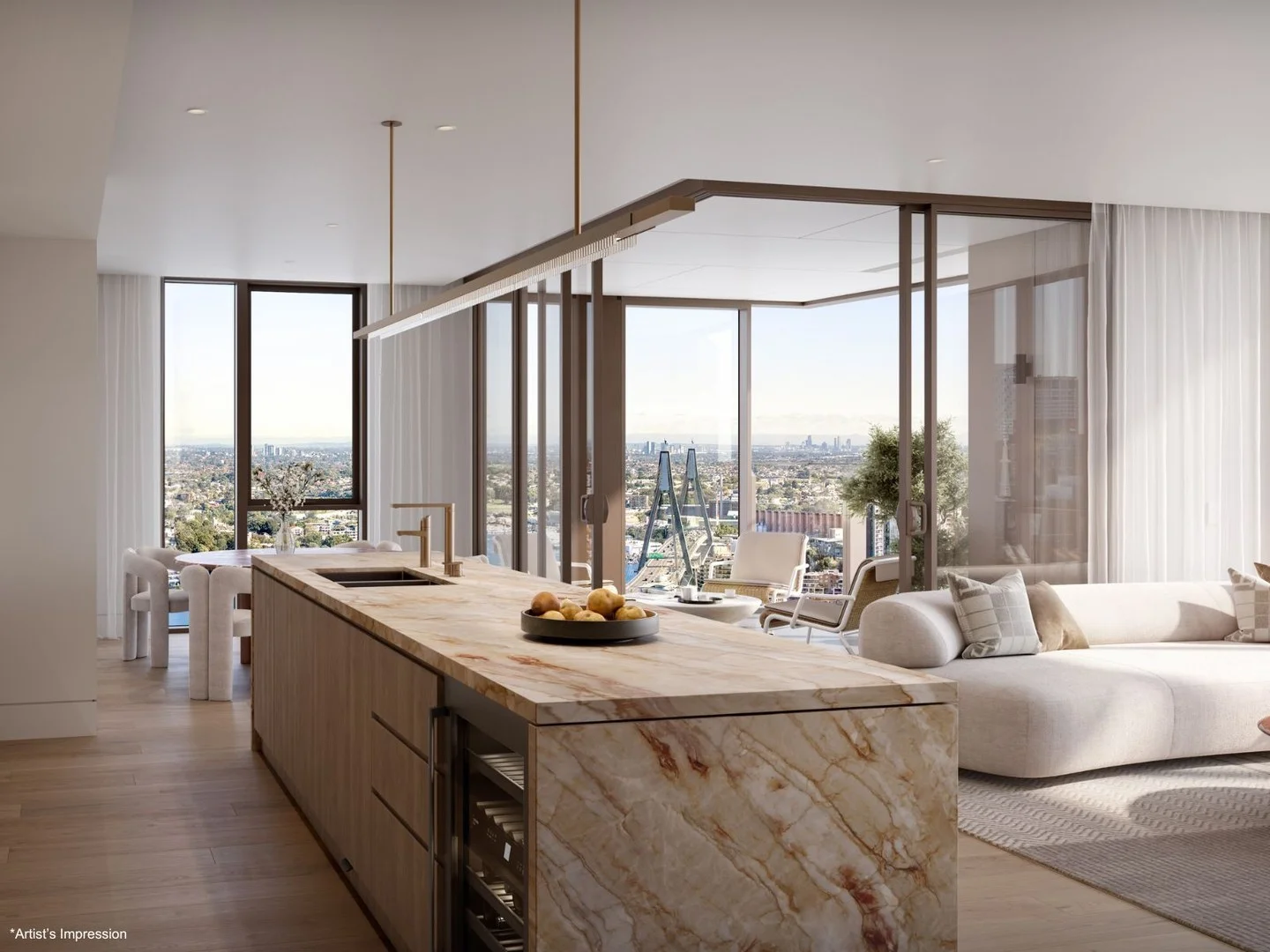 $9,020,000
propertyType.NEW APARTMENTS / OFF THE PLAN
$9,020,000
propertyType.NEW APARTMENTS / OFF THE PLAN
 $8,630,000
propertyType.NEW APARTMENTS / OFF THE PLAN
$8,630,000
propertyType.NEW APARTMENTS / OFF THE PLAN
 $12,980,000
propertyType.NEW APARTMENTS / OFF THE PLAN
$12,980,000
propertyType.NEW APARTMENTS / OFF THE PLAN


