## Overview
Holy Family Primary School - Merewether Beach is a Catholic, co-educational primary school serving families in the Merewether Beach area. The school emphasises faith-based education within a supportive, close-knit community and strives to foster a warm, inclusive atmosphere where students can grow socially, emotionally and academically.
The school is typically described as small-to-medium in size, with class sizes that support close teacher-student interaction. The culture is nurturing and values-based, prioritising respect, community involvement and holistic development.
---
## Academics & Learning
- Academic strengths: literacy and numeracy foundations are a priority, with opportunities to develop critical thinking, collaboration and faith-informed learning. There is an emphasis on well-rounded development across core subjects and integration of values into everyday learning.
- Special programs: religious education and sacramental preparation are integrated into the curriculum; opportunities for leadership, service and potentially gifted/talented pathways depending on student needs.
- NAPLAN / trends: NSW NAPLAN data and school-level trends are typically published on the school’s reports; expect a focus on steady improvement in literacy and numeracy over time. For precise trends, refer to the school’s annual report or NSW DoE publications.
- Student-teacher ratios: classes are sized to enable meaningful teacher-student interaction, with small-group opportunities to support targeted learning.
- Support for diverse learners: there is usually provision for EAL/D support and targeted assistance within the learning support framework to help students with additional needs.
---
## Sports & Extracurricular Strengths
- Sports offered: commonly includes soccer/football, netball, rugby league, basketball, cricket, swimming and athletics, with opportunities for participation in inter-school events.
- Strong teams or achievements: schools in this sector often participate actively in inter-school sports days and zone competitions, building teamwork and school spirit.
- Music, arts, drama programs: provided through school ensembles, choir, school plays and related arts activities to complement academics.
- Clubs: robotics, chess, coding, debating and other enrichment clubs are typically available or explored through partnerships.
- Partnerships: connections with local sports clubs, cultural groups or regional competitions enhance opportunities for students to compete and showcase talents.
---
## Wellbeing & Pastoral Care
- Anti-bullying approach: schools commonly implement clear anti-bullying policies, alongside restorative practices and a positive behavioural framework.
- House system: a house structure supports intra-school events, teamwork and a sense of belonging.
- Counsellors / wellbeing officers: access to school-based wellbeing staff or counsellors helps students manage social and emotional needs.
- Transition support for new students: buddy programs, orientation sessions and mentoring help new students settle into the school community.
---
## Facilities
- Sports grounds: on-site fields or courts for physical education and sports.
- Libraries: a dedicated library promoting reading and research.
- Science labs: dedicated spaces for hands-on science learning.
- Music/performing arts centers: spaces for music, drama and performance.
- Tech/innovation labs: updated ICT facilities and opportunities for students to engage with technology.
- Cafeteria: on-site canteen or lunch facilities for students.
- Updated playgrounds: modern play areas that support imaginative and physical play.
- Prayer space or chapel: a quiet area for reflection and faith-based activities.
---
## School Values & Community Culture
- School values / mission: typically anchored in faith-based education, with emphasis on values such as respect, responsibility, compassion and service.
- Leadership style: a collaborative approach that encourages student voice within a supportive, team-based teaching environment.
- Behaviour expectations: clear codes of conduct aligned with school values and consistent, fair expectations.
- Community reputation: widely regarded as welcoming, family-focused and supportive of both students and their families.
- Diversity & inclusion: emphasis on creating an inclusive environment that respects and supports students from diverse backgrounds.
---
## School Logistics & Daily Operations
- School hours: typical primary hours are in the morning to mid-afternoon with start and finish times published by the school; look for arrival and dismissal times on the school calendar.
- Before/after school care: often available via on-site arrangements or partner providers.
- Uniform requirements: school uniforms are standard; PE days may require a sports uniform or appropriate athletic wear.
- Transport: accessible by local bus routes and public transport; information on options is usually provided at enrolment.
- Canteen availability: canteen services or lunch provisions are commonly available on-site.
- Fees: fees are generally described as moderate, with additional costs for uniforms, excursions and activities; exact amounts vary by year and program.
---
## Enrolment & Admissions
11. What is the enrolment process and timeline?
- Complete an enrolment application and submit required documents.
- Participate in any family or student interviews or paperwork as part of the process.
- Receive an offer of placement if a space is available, followed by orientation/enrolment confirmation.
12. Is there a waiting list, and how does it work?
- Waiting lists are common when spaces are limited. Applications may be placed on a waitlist with offers made as vacancies become available, often prioritised by date of application and other school-specific criteria.
13. Are there any entry requirements, tests, or interviews?
- Typically, there are no formal entrance exams for primary Catholic schools; there may be an interview or information session for families, and documentation confirming enrolment in a faith-based community may be requested.
14. Does the school accept mid-year transfers?
- Mid-year transfers are possible if there is available space. Prospective families should contact the school promptly to discuss options and required transition steps.
---
## Frequently Asked Questions
- Why Parents Choose This School?
- A faith-based, values-driven environment with a welcoming community, strong pastoral care and a focus on balanced academic and personal growth.
- What type of student thrives at this school?
- Students who are cooperative, community-minded and eager to engage in a faith-informed education with opportunities across academics, sports and the arts.
- What opportunities are available for students to extend their skills (academics, sports, arts)?
- Extension in reading and maths, leadership roles, clubs and partnerships in robotics, coding, debating, music and drama, plus inter-school sports opportunities.
- How does the school communicate with parents?
- Regular newsletters, emails, parent-teacher meetings, and parent portals or school apps are commonly used.
- What is the school’s approach to teaching and learning?
- A balanced, student-centred approach that integrates core academic subjects with faith-based learning, differentiation for diverse learners and a focus on critical thinking and collaboration.
- How does the school support students who need extra academic help?
- In-class support, small-group intervention, targeted programs through learning support staff, and access to EAL/D services as needed.
- What support is available for academic challenges?
- Learning support teams, targeted interventions, and ongoing communication with families to monitor progress and adjust plans.
- How does the school communicate with parents? (reiterated)
- Through multiple channels such as newsletters, emails and formal updates; a family-friendly approach to stay connected.
- What are the class sizes and how much individual attention do students receive?
- Class sizes are designed to be small-to-medium (roughly 20–25 students per class) to enable regular teacher-student interaction and targeted support.
- What extracurricular and sports opportunities are available?
- A range of sports (e.g., soccer, netball, rugby, swimming), as well as clubs in robotics, chess, coding and debating, plus arts and music programs.
- What facilities does the school offer (sports, science, arts)?
- On-site sports grounds, library, science laboratories, music/performing arts spaces, technology/innovation labs, canteen, and updated play spaces, plus prayer spaces.
- What is the school’s approach to technology and digital learning?
- Integration of ICT into learning with age-appropriate digital literacy, safe online practice and access to appropriate devices and software for learning.
- What transport and accessibility options are available?
- Local transport options and bus routes are typically supported; families are guided on the most suitable options, with accessibility considerations addressed.
- What are the typical school fees or additional costs?
- Fees are described as moderate and can include uniform, excursions and book lists; exact amounts vary by year and program and should be confirmed with the school.
---
## Short Pros & Cons list
- Pros
- Catholic, values-based education with a warm, family-focused community
- Supportive pastoral care and well-being offerings
- Balanced academics with opportunities in sports, arts and clubs
- Small-to-medium class sizes enabling individual attention
- Modern facilities including libraries, science labs and tech spaces
- Cons
- Not a large, city-scale school; fewer high-profile programs than bigger schools
- Uniforms and certain activities can add to costs
- Availability of spaces may vary; mid-year transfers depend on capacity
- Religious education and community expectations may require alignment with faith commitments





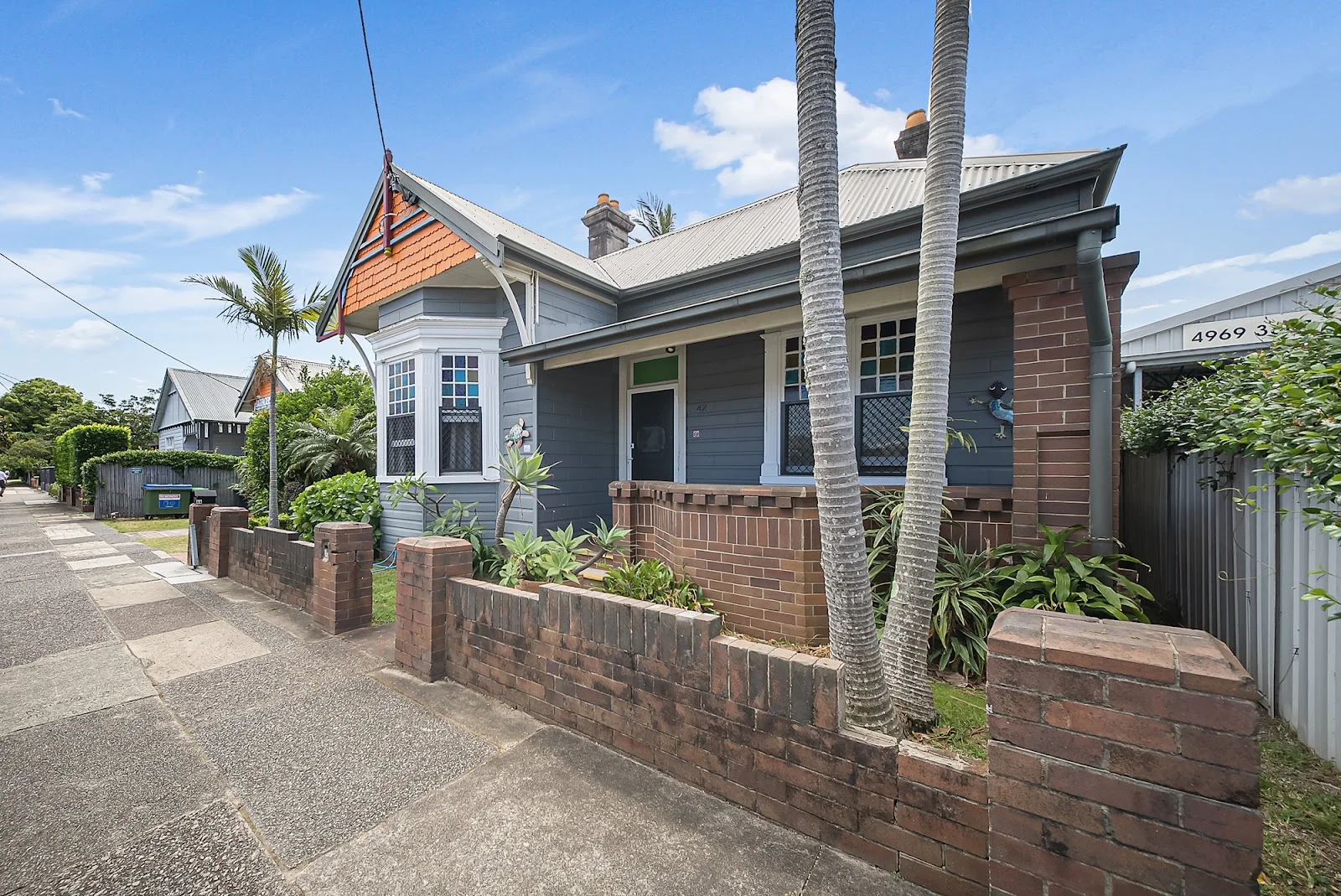 $2,000,000
propertyType.BLOCK OF UNITS
$2,000,000
propertyType.BLOCK OF UNITS
 $795,000
Townhouse
$795,000
Townhouse
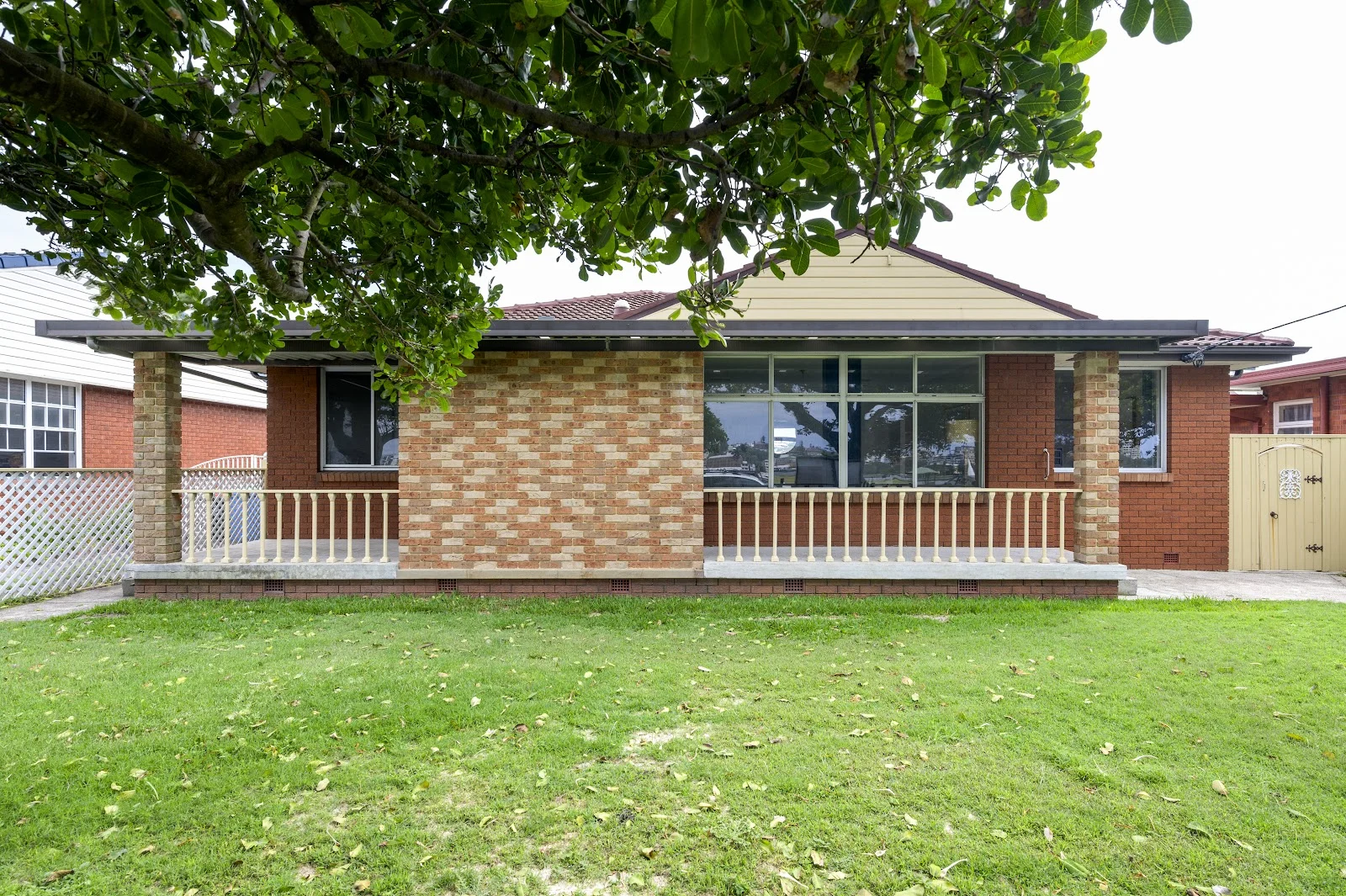 $2,500,000
House
$2,500,000
House
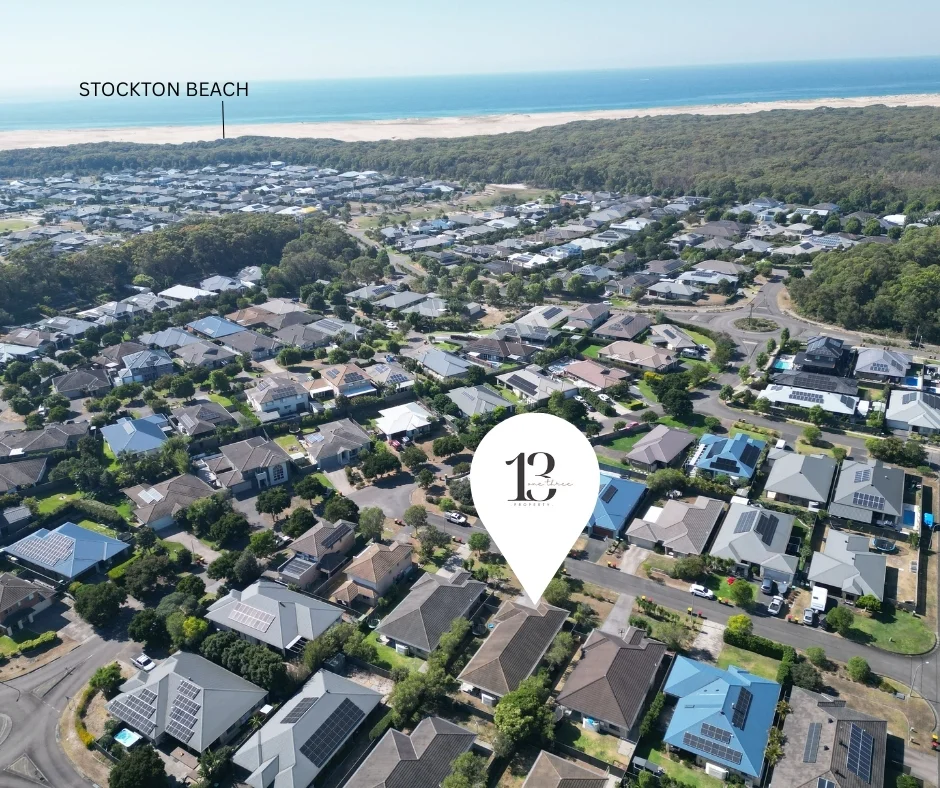 $900,000 - $990,000
House
$900,000 - $990,000
House


