## 1. Overview
- School type: Public
- School size: Medium
- Class size: Approximately 22–26 students per class
- Atmosphere/culture: Nurturing, inclusive, community-focused
Merewether Heights Public School is a public, co-educational primary school serving students from Kindergarten to Year 6 in the Merewether Heights area. The school emphasizes a well-rounded education with a strong sense of community, supportive staff, and a focus on student wellbeing alongside academic achievement.
## 2. Academics & Learning
- Academic strengths: English/literacy and numeracy underpin the core learning, with opportunities in STEM, digital literacy, and development of leadership skills across year levels.
- Special programs: Gifted and Talented/accelerated learning options where available, plus STEAM-related clubs and activities; language and arts opportunities as part of a broad curriculum.
- NAPLAN trends: Data-driven teaching with a focus on improving reading, writing and numeracy year over year; the school tracks progress to guide targeted support and intervention.
- Student-teacher ratios: Generally around 1:22–1:25 in classroom settings, with targeted small-group support where needed.
- Support for diverse learners: EAL/D support for students learning English; integrated SEN support and specialised assistance programs as required.
## 3. Sports & Extracurricular Strengths
- Sports offered: General team and individual sports common to NSW primary schools (e.g., athletics, soccer, cricket, basketball, swimming), plus opportunities for inter-school events.
- Strong teams or achievements: Active participation in district events and local competitions; emphasis on teamwork, sportspersonship and development.
- Music, arts, drama programs: In-school music and performing arts activities, opportunities to participate in singing, drama and school performances.
- Clubs: Robotics, coding, chess, debating and other STEM/academic clubs are typically available or offered through after-school programs.
- Partnerships: Local community clubs and regional competitions often provide additional exposure and collaboration for students.
## 4. Wellbeing & Pastoral Care
- Anti-bullying approach: Comprehensive wellbeing framework with anti-bullying strategies, restorative practices and a safe, inclusive culture.
- House system: House-based activities and competitions to promote belonging, leadership and teamwork.
- Counsellors / wellbeing officers: Access to student wellbeing staff and guidance to support emotional and social development.
- Transition support for new students: Buddy programs, induction activities and planned orientation to help students settle in quickly.
## 5. Facilities
- Sports grounds: On-site playing fields and courts for physical activity.
- Libraries: On-site library with a range of reading and research resources.
- Science labs: Dedicated spaces for science activities and hands-on inquiry.
- Music/performing arts centers: Rooms and spaces for music, drama and performance.
- Tech/innovation labs: Computing or technology spaces to support digital learning and project work.
- Cafeteria: Canteen or school meal program to support lunch needs.
- Updated playgrounds: Modern playgrounds and outdoor learning areas to support active learning.
## 6. School Values & Community Culture
- School values / mission: Emphasis on respect, responsibility, inclusivity, and a growth-focused mindset; aligned with NSW Department of Education expectations.
- Leadership style: Collaborative and distributed leadership with teacher teams and student involvement in school initiatives.
- Behaviour expectations: Clear expectations and routines designed to promote respectful, safe, and responsible behaviour.
- Community reputation: Known for a welcoming, family-oriented environment with strong ties to the local Merewether community.
- Diversity & inclusion: Inclusive practices aimed at supporting a diverse student body and meeting varied learning needs.
## 7. School Logistics & Daily Operations
- School hours: Typical school day runs around 9:00 am–3:00 pm, with variations by term and activities.
- Before/after school care: After-school care options available through school or external providers, depending on term and capacity.
- Uniform requirements: School uniform is standard; details provided by the school and uniform shop.
- Transport: Local bus routes and walking/cycling options; information on drop-off/pick-up zones and accessibility is provided by the school.
- Canteen availability: Canteen or lunch program available on select days.
- Fees: As a NSW public school, there is no tuition; minimal voluntary contributions may apply; some activities or programs may have additional costs.
## 8. Enrolment & Admissions
### 11. What is the enrolment process and timeline?
Enrolments are managed in coordination with the NSW Department of Education. Parents should submit the required enrolment form and documents (proof of identity, address, birth certificate, immunisation details) to the school and follow the published timelines for Kindergarten intake or enrolments for other year levels. Local catchment rules apply, and the school will confirm enrolment based on space availability and district guidelines.
### 12. Is there a waiting list, and how does it work?
There can be waiting lists for in-demand year levels or for out-of-area applications where spaces are limited. The school will advise on placement, expected wait times, and the process for rank-based or space-based offers if applicable.
### 13. Are there any entry requirements, tests, or interviews?
For most years, public primary school enrolment does not require entrance tests or interviews. Some programs or selective opportunities (if offered locally) may involve assessments or interviews, but routine Kindergarten enrolments typically do not. The school will provide details if any program-specific requirements apply.
### 14. Does the school accept mid-year transfers?
Mid-year transfers are possible subject to space availability and transitioning arrangements. Parents should contact the school as soon as possible to discuss available places and to arrange transfer logistics, including providing the most recent school report and immunisation records.
## 9. Frequently Ask Questions
- Why Parents Choose This School?
Parents value the welcoming, inclusive culture, strong student wellbeing support, solid literacy and numeracy focus, and engaged community.
- What type of student thrives at this school?
Students who are curious, cooperative, community-minded and willing to participate in a broad range of activities often thrive here.
- What opportunities are available for students to extend their skills (academics, sports, arts)?
Opportunities include literacy and numeracy extension where available, STEAM clubs, robotics/coding, music and drama programs, and inter-school sport teams.
- How does the school communicate with parents?
Communication typically happens through newsletters, email, phone messages, parent portals, and scheduled parent-teacher interviews.
- What is the school’s approach to teaching and learning?
The school emphasizes student-centred, inclusive instruction with differentiation to meet diverse needs and data-informed practice to monitor progress.
- How does the school support students who need extra academic help?
Support includes targeted small-group instruction, in-class accommodations, access to learning support staff, and EAL/D or SEN services as required.
- What support is available for academic challenges?
Short- and long-term strategies include individualized plans, progress tracking, and collaboration with families to adjust learning goals.
- How does the school communicate with parents?
See above: newsletters, emails, portals, calls, and meetings are used to keep families informed and involved.
- What are the class sizes and how much individual attention do students receive?
Class sizes are typically around 22–26 students, with teachers providing differentiated instruction and targeted support to meet individual needs.
- What extracurricular and sports opportunities are available?
Wider options include sports teams, arts and drama involvement, clubs such as robotics, coding, chess, and opportunities to participate in inter-school events and district competitions.
- What facilities does the school offer (sports, science, arts)?
Facilities include sports grounds, library, science labs, music/performing arts spaces, technology/innovation labs, a canteen, and updated outdoor spaces.
- What is the school’s approach to technology and digital learning?
Technology is integrated across the curriculum with access to computing devices and digital learning tools, along with a focus on digital citizenship.
- What transport and accessibility options are available?
Local transport options (bus routes), walking/cycling access, and information about drop-off/pick-up zones and accessibility are provided by the school.
- What are typical school fees or additional costs?
As a public school, there is no tuition; potential costs include voluntary contributions and charges for optional activities or programs.
## 10. Short Pros & Cons list
Pros
- Public school with an inclusive, family-friendly culture
- Strong focus on literacy, numeracy, and wellbeing
- Broad range of programs across academics, sports, arts, and clubs
- Support for diverse learners (EAL/D and SEN)
- Good facilities and active community involvement
Cons
- Space and program availability can vary by year level and demand
- Out-of-area enrolments may face waitlists or limited capacity
- Some extra activities may carry additional costs
- Mid-year transfers depend on space and transition planning
- Specific advanced programs may be limited by staffing and funding
If you’d like, I can tailor this further with more precise details from the school or recent district reports, or adjust the tone for a particular audience (e.g., families new to Australia, or families relocating from overseas).





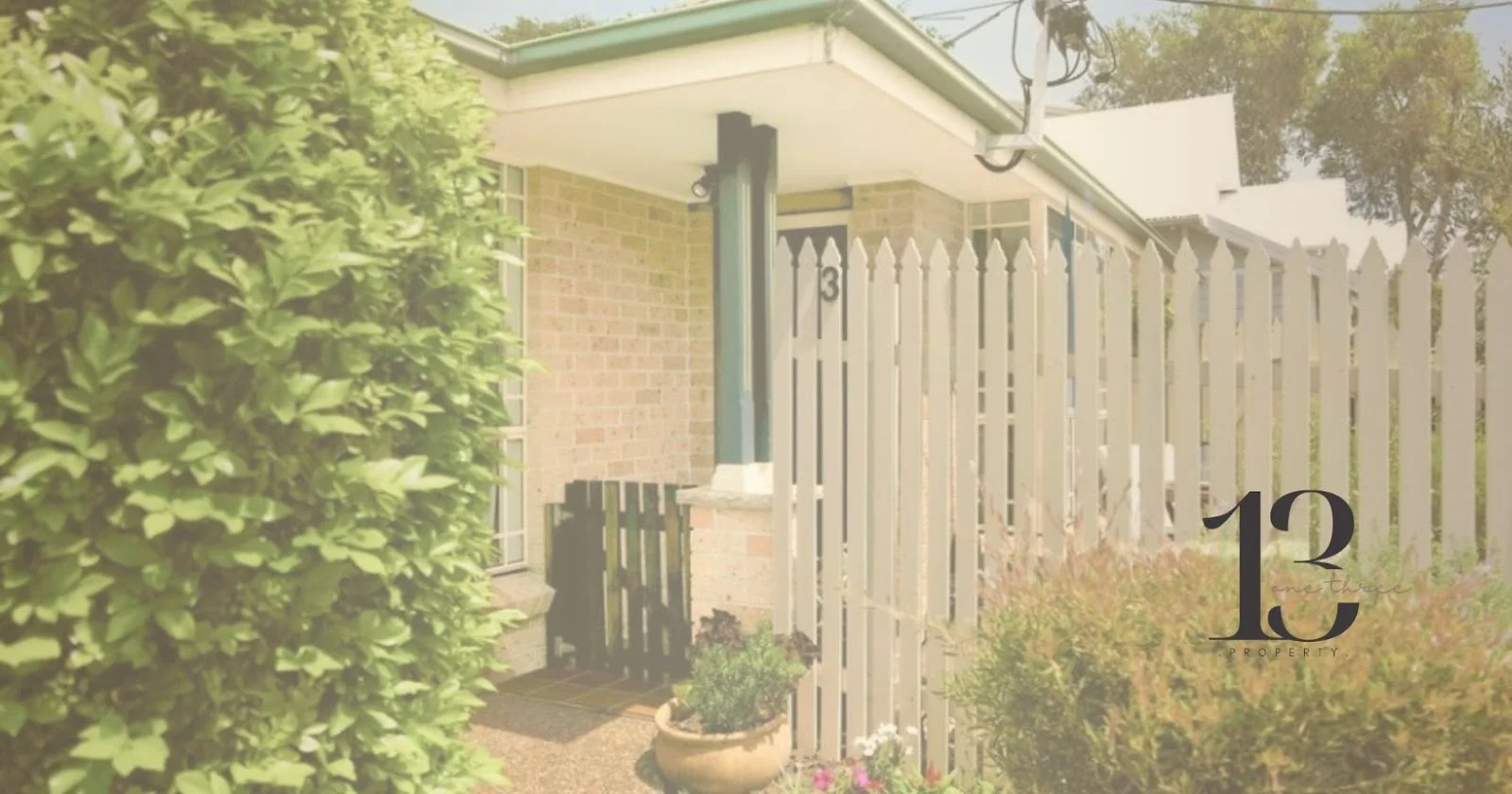 $795,000
Townhouse
$795,000
Townhouse
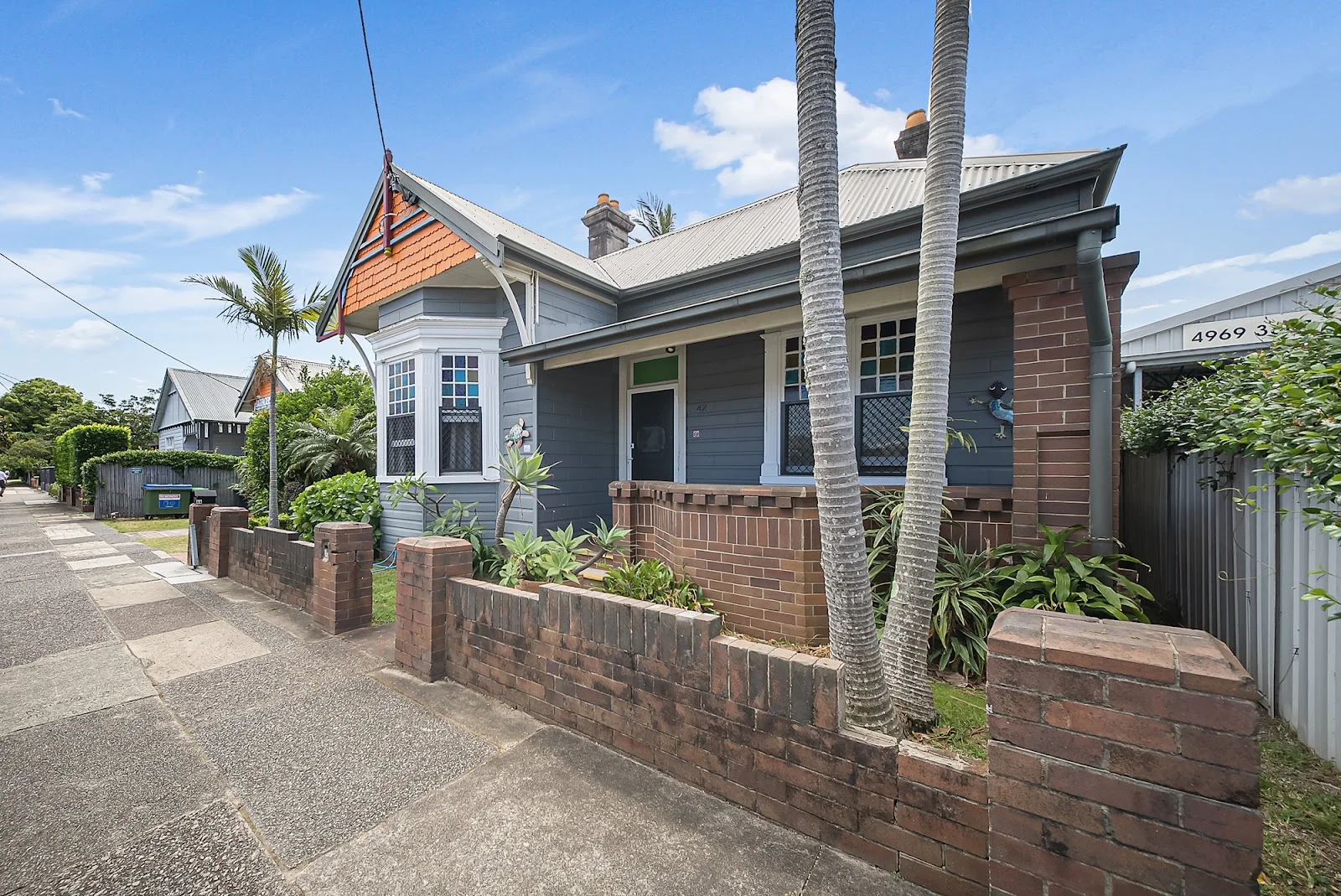 $2,000,000
propertyType.BLOCK OF UNITS
$2,000,000
propertyType.BLOCK OF UNITS
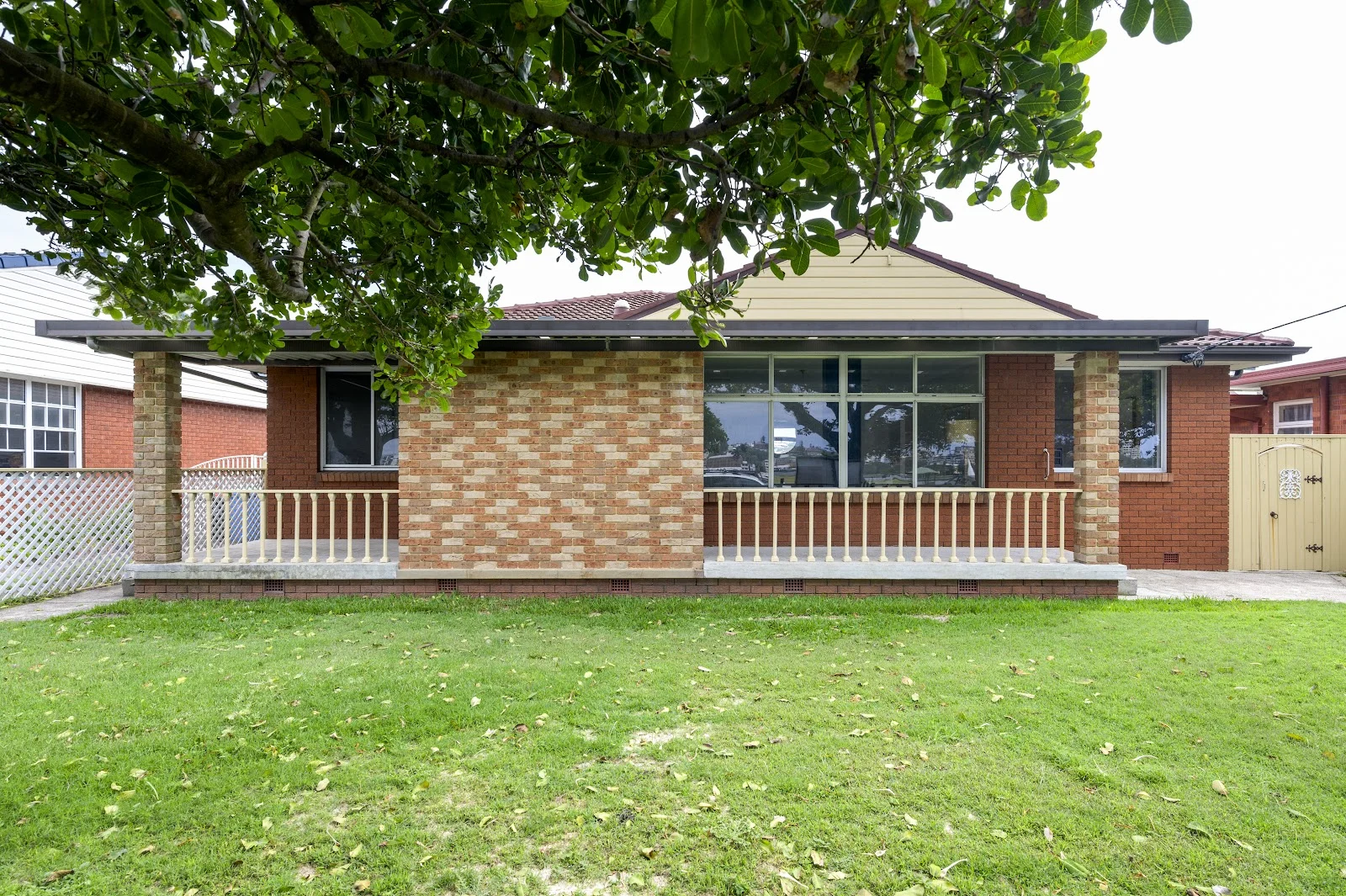 $2,500,000
House
$2,500,000
House
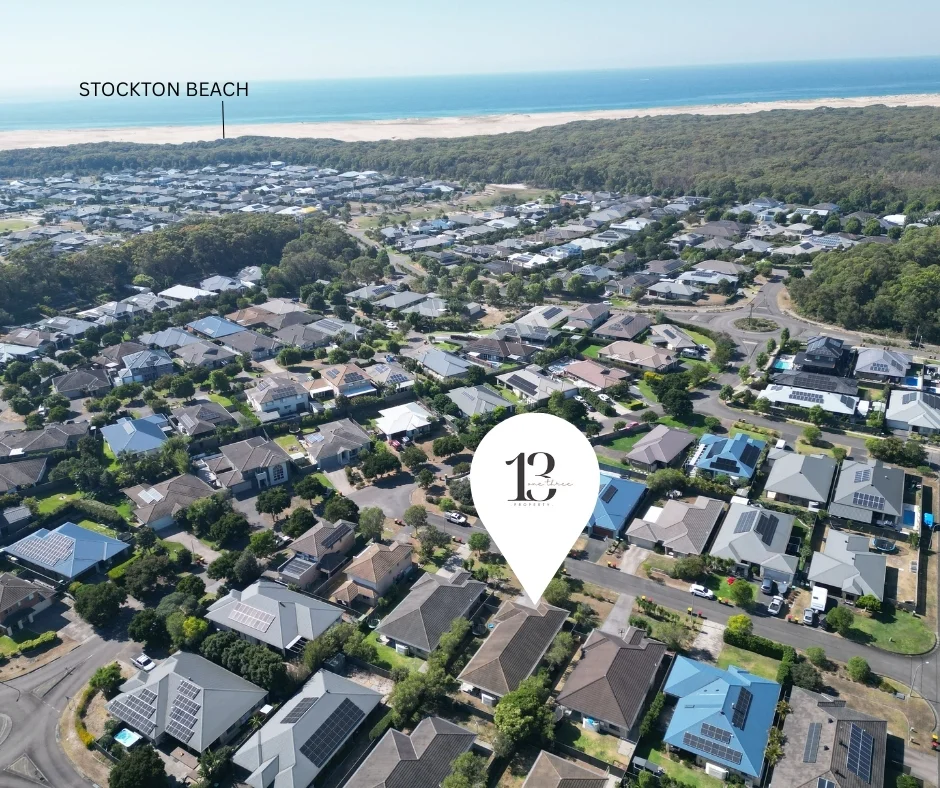 $900,000 - $990,000
House
$900,000 - $990,000
House


