1. Overview (1–2 paragraphs max)
Merewether Public School is a public, co-educational primary school serving the Merewether community. As a NSW public school, it offers a balanced program for students from Kindergarten through Year 6, with a medium-sized student body and a focus on inclusive, student-centered learning. Class sizes are kept within NSW public school ranges to support individual attention and collaborative learning.
The school atmosphere is nurturing and welcoming, with a strong emphasis on wellbeing, respect, and community involvement. It aims to create an inclusive environment where students feel safe to take academic risks, try new things, and develop with their peers.
2. Academics & Learning
- Academic strengths: Literacy and numeracy underpin daily learning, with opportunities to connect core skills to STEM, creative thinking, and practical project work. The school typically emphasises critical thinking, communication, and problem-solving across year levels.
- Special programs: Depending on year level and cohort, there may be access to gifted and talented options, accelerated learning opportunities, and targeted support programs. The school also provides EAL (English as an Additional Language) and SEN (Special Educational Needs) support to promote inclusive learning.
- NAPLAN / trends: NSW public primary schools track NAPLAN performance trends over time (not individual scores here). Look for steady or improving trends across cohorts in school annual reports and NSW Department of Education summaries.
- Student-teacher ratios: The school maintains student-teacher ratios in line with NSW public primary averages, supporting productive learning with access to teachers and support staff.
- Support for diverse learners: Strong emphasis on inclusive education with supports for diverse learners, including EAL supports, targeted literacy/numeracy assistance, and access to support staff to help students reach their learning goals.
3. Sports & Extracurricular Strengths
- Sports offered: A typical NSW public primary program includes a range of team and individual sports (e.g., soccer, cricket, netball, athletics) and opportunities for active participation in school carnivals and local competitions. Availability may vary by year and cohort.
- Strong teams or achievements: Teams and program strengths depend on the year and pupil interest; many NSW primary schools celebrate participation, skill development, and school-level team achievements in district events.
- Music, arts, drama programs: Schools commonly provide music and performing arts opportunities, including choir, instrumental lessons, school bands or ensembles, and drama activities as part of the arts curriculum or after-school offerings.
- Clubs: Robotics, coding, chess, debating, and other clubs are often available as part of extracurricular programs; exact offerings depend on staffing and student interest.
- Partnerships: Local partnerships with community sports clubs, arts groups, or coding/tech programs may enhance opportunities through competitions, showcases, or shared facilities.
Note: Specific offerings at Merewether Public School should be confirmed with the school for current seasons, clubs, and partnerships.
4. Wellbeing & Pastoral Care
- Anti-bullying approach: Comprehensive antibullying strategies typically include classroom programs, whole-school initiatives, clear reporting pathways, and ongoing wellbeing education.
- House system: A house-based framework is common in Australian primary schools, supporting friendship, teamwork, and friendly competition across activities.
- Counsellors / wellbeing officers: Schools usually provide access to student wellbeing staff or guidance services to support social, emotional, and mental health needs.
- Transition support for new students: Orientation activities, buddy systems, and targeted induction supports help new students settle into the school environment, routines, and peers.
5. Facilities
- Sports grounds: On-site playing fields or courts suitable for a range of physical activities.
- Libraries: A school library with books and digital resources to support literacy and inquiry.
- Science labs: Basic science facilities to support hands-on experiments and inquiry across year levels.
- Music/performing arts centers: Space and facilities for music, drama, and performances.
- Tech/innovation labs: Simple digital learning spaces or makerspace areas to foster creativity and coding.
- Cafeteria: On-site canteen or lunch facilities supporting healthy eating options.
- Updated playgrounds: Safe, age-appropriate play areas and equipment to encourage active play.
6. School Values & Community Culture
- School values / mission: An emphasis on respect, responsibility, inclusion, and collaboration, aligned with NSW public school expectations.
- Leadership style: Student voice is encouraged through councils or representative roles; staff model supportive, participant-centered leadership.
- Behaviour expectations: Clear behavior expectations based on Positive Behaviour for Learning or school-wide expectations, promoting respectful conduct and responsible choices.
- Community reputation: The school is typically seen as a welcoming, engaged community hub with involvement from families and local groups.
- Diversity & inclusion: A commitment to inclusive education, celebrating diverse backgrounds and ensuring accessible learning for all students.
7. School Logistics & Daily Operations
- School hours: Typical NSW primary hours run through the day with start and finish times aligned to the local timetable; core instruction occurs during morning and afternoon blocks.
- Before/after school care: Before and/or after-school care programs are commonly available, either on-site or in partnership with local providers.
- Uniform requirements: Uniforms are mandatory or strongly encouraged, with details provided by the school (practical, neat attire aligned to school colours).
- Transport (train/bus routes): Transport options include school bus routes and local public transport; the school will provide guidance on eligible routes and schedules.
- Canteen availability: A canteen or lunch facilities are usually available, with options that support healthy eating choices.
- Fees (low/medium/high ranges): NSW public primary schools generally have no tuition fees for core enrollment; there may be voluntary contributions and costs for excursions or extracurricular activities. In NSW, these costs are typically described as voluntary or activity-specific.
8. Enrolment & Admissions
11. What is the enrolment process and timeline?
- Enrolment is typically initiated through the NSW public school enrollment process. Parents submit the required documentation (proof of address, birth certificate or identity, immunization records, custody/guardianship papers if applicable) to the school or regional office. The timeline often aligns with school term dates and local catchment policies; confirmation of start date and placement is provided after submission.
12. Is there a waiting list, and how does it work?
- Some year levels may have limited capacity, leading to waiting lists. Priority generally follows local catchment rules and enrolment availability. The school will inform families of waitlist procedures, expected wait times, and any steps to improve priority where applicable.
13. Are there any entry requirements, tests, or interviews?
- Public primary enrollment usually does not involve entrance exams. In some cases, a brief intake discussion or information session may occur, especially if there are special needs or language support considerations. The school will outline any specific requirements during the enrollment process.
14. Does the school accept mid-year transfers?
- Mid-year transfers are possible if space is available and the receiving year level can accommodate a new student. Families should contact the school promptly to discuss space, required documentation, and a suitable transition plan.
9. Frequently Asked Questions
- Why Parents Choose This School?
- A welcoming community, strong emphasis on wellbeing and inclusion, and a balanced program that supports foundational literacy and numeracy alongside creativity and physical activity.
- What type of student thrives at this school?
- Curious, cooperative students who engage in learning, participate in community activities, and value a supportive, inclusive environment.
- What opportunities are available for students to extend their skills (academics, sports, arts)?
- Core programs cover literacy/numeracy growth, enrichment in STEM and the arts, sports, and a range of extracurricular clubs depending on interests and staff availability.
- How does the school communicate with parents?
- Regular notices, newsletters, meetings, and digital platforms are typically used to keep families informed about learning progress, events, and school news.
- What is the school’s approach to teaching and learning?
- A student-centered, inclusive approach with a focus on building literacy, numeracy, critical thinking, collaboration, and practical application across subjects.
- How does the school support students who need extra academic help?
- Targeted literacy/numeracy support, EAL/SEN assistance, small-group or in-class interventions, and access to wellbeing staff as needed.
- What support is available for academic challenges?
- Additional tutoring or small-group instruction, individualized learning plans where appropriate, and regular progress monitoring.
- How does the school communicate with parents? (Repeated)
- See above: multiple channels including newsletters, meetings, and digital communication platforms.
- What are the class sizes and how much individual attention do students receive?
- Class sizes align with NSW public primary norms, with teachers and support staff available to provide guidance and feedback within those groups.
- What extracurricular and sports opportunities are available?
- A range of sports, music/arts offerings, and clubs such as robotics, coding, chess, or debating, with availability subject to current staffing and student interest.
- What facilities does the school offer (sports, science, arts)?
- Facilities typically include sports grounds, a library, science labs, music/performing arts spaces, tech/innovation areas, a canteen, and updated playgrounds.
- What is the school’s approach to technology and digital learning?
- Digital literacy and ICT integration across the curriculum, with access to devices and age-appropriate learning platforms as part of everyday teaching and learning.
- What transport and accessibility options are available?
- Information on local bus/train routes and accessibility accommodations is provided by the school to assist families with planning.
- What are the typical school fees or additional costs?
- Core enrollment is funded by public education; some costs may arise from excursions, activities, or voluntary contributions. Details are provided during enrollment.
10. Short Pros & Cons list
Pros
- Supportive, inclusive learning environment with a focus on wellbeing.
- Balanced curriculum across literacy, numeracy, STEM, arts, and physical education.
- Range of extracurriculars and potential partnerships or clubs.
- Accessibility of support for diverse learners (EAL, SEN) and transition help for new students.
Cons
- Specific programs, clubs, and facilities can vary by year and staffing; verify current offerings with the school.
- Class sizes and resources reflect NSW public school norms and may differ from private or independent options.
- Major transport or timetable changes can depend on regional scheduling and bus/train routes.
Notes for readers: The details above reflect common features of NSW public primary schools and are intended to help you compare options. For precise, up-to-date information about Merewether Public School, please check the school's official communications and speak with the administration.





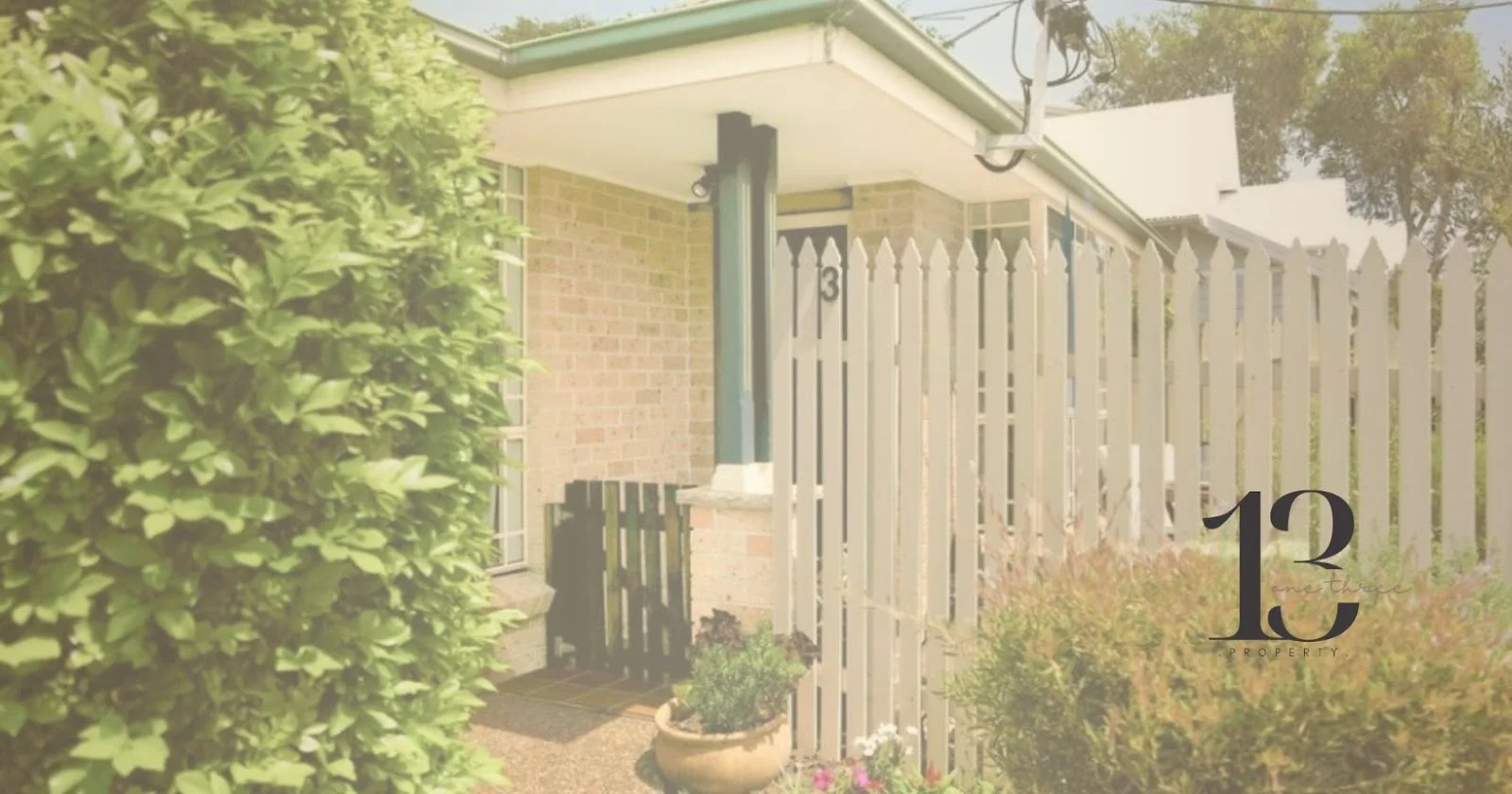 $795,000
Townhouse
$795,000
Townhouse
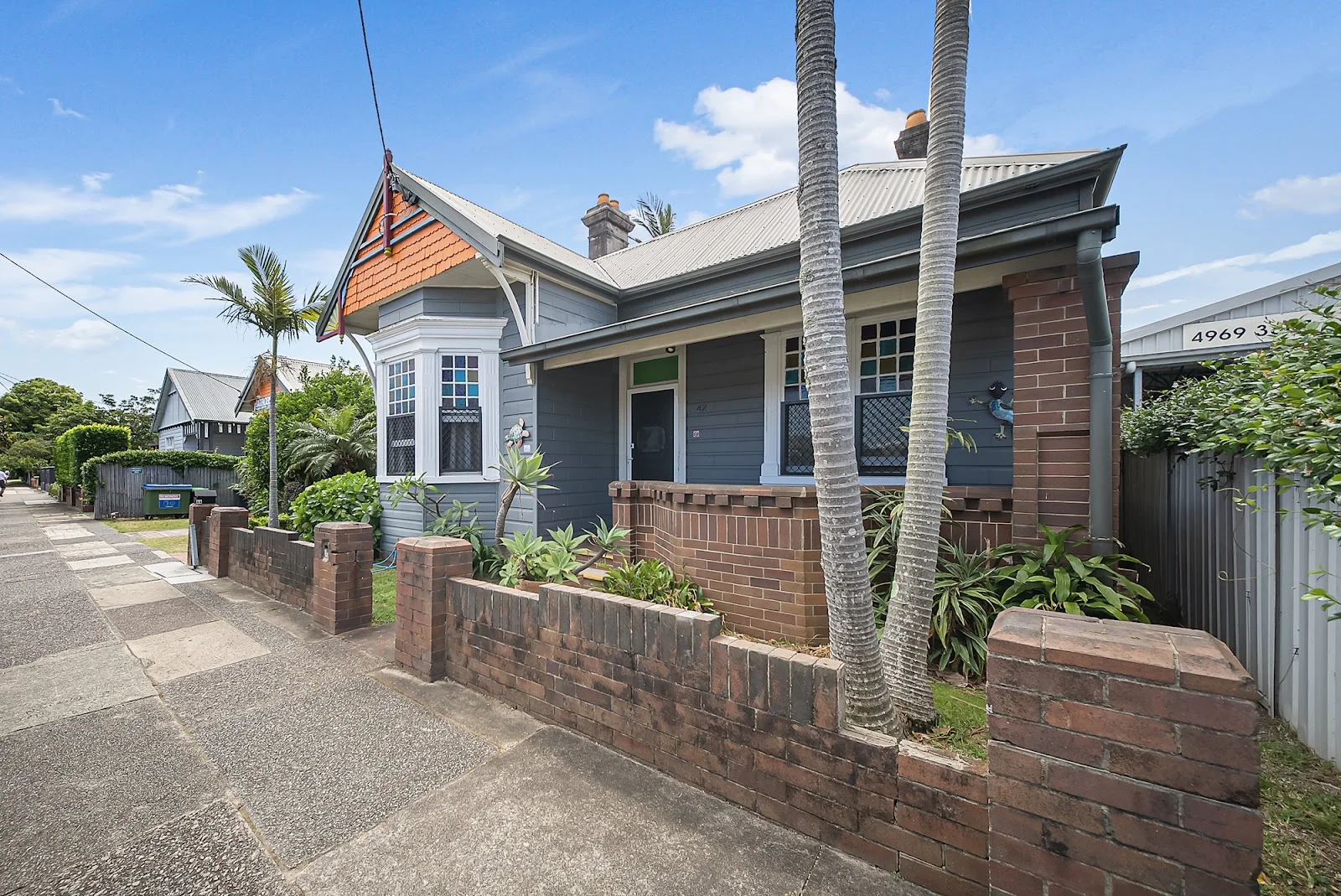 $2,000,000
propertyType.BLOCK OF UNITS
$2,000,000
propertyType.BLOCK OF UNITS
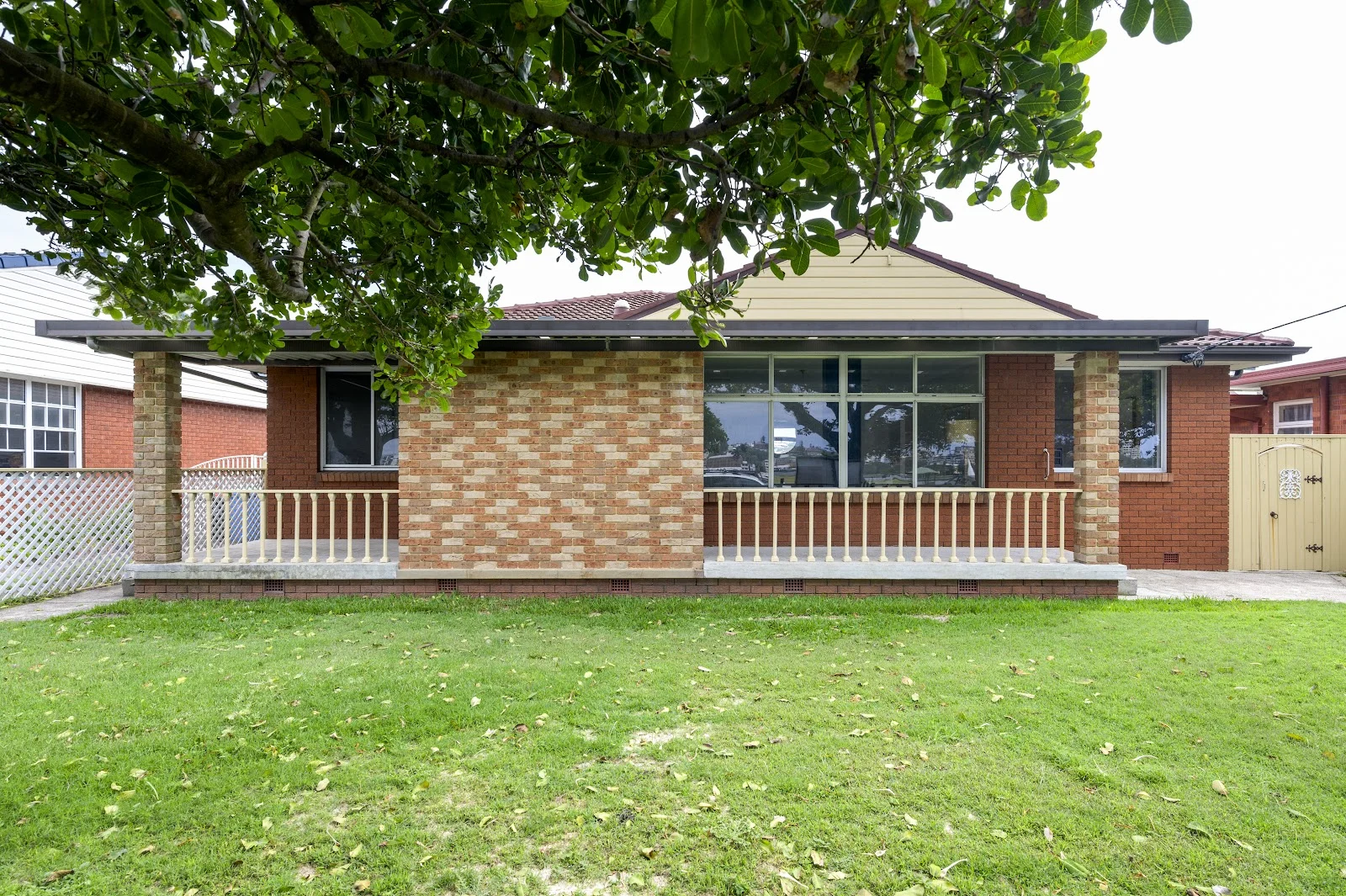 $2,500,000
House
$2,500,000
House
 $900,000 - $990,000
House
$900,000 - $990,000
House


