## Overview
Immanuel Primary School is a private, faith-based primary school with a Lutheran affiliation, delivering a values-driven education in a warm, inclusive environment. The school focuses on helping students develop strong academic foundations while nurturing character, resilience and a love of learning.
The school size is small to medium, enabling teachers to know students well. Class sizes are typically around 20–24 students, supporting personalized feedback and active involvement in learning. The atmosphere is nurturing and academically oriented, with an emphasis on inclusion and student wellbeing.
---
## Academics & Learning
- Academic strengths: solid literacy and numeracy foundations, with growing emphasis on STEM, leadership development and language learning.
- Special programs: opportunities for accelerated or enriched learning, gifted and talented pathways, and targeted enrichment across year levels.
- NAPLAN trends: recent years show steady improvement and positive progress in reading and numeracy, with continued focus on lifting all cohorts.
- Student-teacher ratios: roughly 1:18–1:22, depending on year level and class structure.
- Support for diverse learners: dedicated support for diverse learners, including EAL and SEN support, with inclusive teaching practices and access to specialist staff.
---
## Sports & Extracurricular Strengths
- Sports offered: a range of team and individual sports, including soccer, netball, cricket, basketball and athletics, with opportunities to compete in inter-school events.
- Strong teams or achievements: active participation in inter-school competitions and school-based teams with a focus on sport, fitness and teamwork.
- Music, arts, drama programs: robust music and performing arts opportunities, plus visual arts and drama programs to showcase student creativity.
- Clubs: robotics, chess, coding, debating and other technology or academic clubs available to students.
- Partnerships: connections with local clubs and community organizations to expand opportunities and competitions beyond the school gates.
Most parents of boys aged 10–14 appreciate the balance of competitive sport, teamwork, and opportunities in clubs and performing arts.
---
## Wellbeing & Pastoral Care
- Anti-bullying approach: proactive, multi-layered anti-bullying program with clear policies, student-led initiatives and staff supervision.
- House system: House groups support teamwork, leadership and school spirit through events and friendly competitions.
- Counsellors / wellbeing officers: access to school counsellors or wellbeing staff to support emotional health, resilience and social development.
- Transition support for new students: orientation activities, buddy programs and targeted transition support to help new students settle in quickly.
This section builds trust by showing a proactive approach to student welfare and a supportive school culture.
---
## Facilities
- Sports grounds: well-maintained playing fields and courts for outdoor activities.
- Libraries: inviting libraries with current resources to support reading for pleasure and research.
- Science labs: functional science facilities for hands-on experiments and inquiry learning.
- Music/performing arts centers: dedicated spaces for music, drama and dance activities.
- Tech/innovation labs: modern spaces for coding, robotics and technology-enabled learning.
- Cafeteria: on-site catering or canteen facilities to support daily nutrition.
- Updated playgrounds: age-appropriate play spaces and outdoor learning environments.
Keep it visual and simple: bright spaces, clear sightlines, and areas that invite exploration.
---
## School Values & Community Culture
- School values / mission: clear focus on respect, responsibility, integrity, inclusivity and curiosity; a mission that ties academics, wellbeing and community.
- Leadership style: collaborative leadership with student voice, teacher collaboration and active parent involvement.
- Behaviour expectations: positive behaviour framework with consistency, fairness and restorative approaches.
- Community reputation: strong sense of community with active parent participation and open communication.
- Diversity & inclusion: welcoming environment that values diverse backgrounds and supports inclusive practices across all activities.
---
## School Logistics & Daily Operations
- School hours: typically around 8:30am–3:00pm, with variations by year level.
- Before/after school care: available options to extend care beyond school hours.
- Uniform requirements: standard school uniform, with clear guidelines for days and activities.
- Transport (train/bus routes): defined bus routes or public transport access; community shuttle options may be available.
- Canteen availability: canteen or lunch program to provide daily meal options or snacks.
- Fees (low/medium/high ranges): fees are in the mid-range for independent/private schooling; additional costs may apply for excursions and some activities.
---
## Enrolment & Admissions
11. What is the enrolment process and timeline?
- Submit an application with supporting documents, followed by a family interview or meeting, placement assessment if required, offer of placement, and orientation/start date.
12. Is there a waiting list, and how does it work?
- A waiting list may operate when places are limited. Priority is often given to siblings and returning families; the school will provide guidance on wait times and notification timelines.
13. Are there any entry requirements, tests, or interviews?
- Some year levels may require interviews or short assessments to determine fit and readiness. Prior academic records and reports may be requested.
14. Does the school accept mid-year transfers?
- Yes, mid-year transfers are possible if places are available and transfer alignment with the program can be achieved.
---
## Frequently Asked Questions
- Why Parents Choose This School?
- A nurturing, inclusive environment with small class sizes, strong academics, values-based education and supportive staff.
- What type of student thrives at this school?
- Students who respond well to a collaborative, respectful learning culture, enjoy a balanced approach to academics, sports and the arts, and value a close-knit community.
- What opportunities are available for students to extend their skills (academics, sports, arts)?
- Enrichment programs, accelerated learning options, clubs (robotics, coding, chess, debating), robust sports programs, and active music/arts offerings.
- How does the school communicate with parents?
- Regular newsletters and updates, online portals, parent-teacher interviews, and open days to discuss student progress.
- What is the school’s approach to teaching and learning?
- Student-centered, differentiated instruction with emphasis on literacy, numeracy, inquiry-based learning and real-world applications.
- How does the school support students who need extra academic help?
- In-class support, targeted interventions, tutoring and access to EAL/SEN specialists.
- What support is available for academic challenges?
- Additional tutoring, modified tasks, and collaboration with teachers to build individualized learning plans.
- How does the school communicate with parents?
- See above: newsletters, online portals, interviews, and proactive updates about student progress and school events.
- What are the class sizes and how much individual attention do students receive?
- Class sizes are designed to be small to medium (roughly 20–24 students per class), facilitating frequent teacher feedback and targeted support.
- What extracurricular and sports opportunities are available?
- A range of sports (soccer, netball, cricket, basketball, athletics), plus clubs in robotics, coding, chess and debating, and performing arts opportunities.
- What facilities does the school offer (sports, science, arts)?
- Comprehensive facilities including sports grounds, libraries, science labs, music/performing arts spaces and tech/innovation labs.
- What is the school’s approach to technology and digital learning?
- Integrated digital learning with dedicated tech spaces, coding and robotics programs, and appropriate devices for students to develop digital literacy.
- What transport and accessibility options are available?
- Transport options include local bus routes or school-facilitated arrangements; provisions to support accessibility for families.
- What are the typical school fees or additional costs?
- Fees are in the mid-range for independent/private schools; additional costs may include uniforms, excursions and some activities.
---
## Short Pros & Cons list
- Pros
- Nurturing, inclusive environment with small to medium class sizes
- Strong focus on academics plus a wide range of extracurriculars
- Clear wellbeing, anti-bullying approach and supportive staff
- Active SPORTS and Arts programs with student participation
- Positive family engagement and community culture
- Cons
- Being a private/independent setting, fees apply
- Some programs or facilities may vary by year level or cohort
- Availability of mid-year transfers depends on spaces and alignment with the program








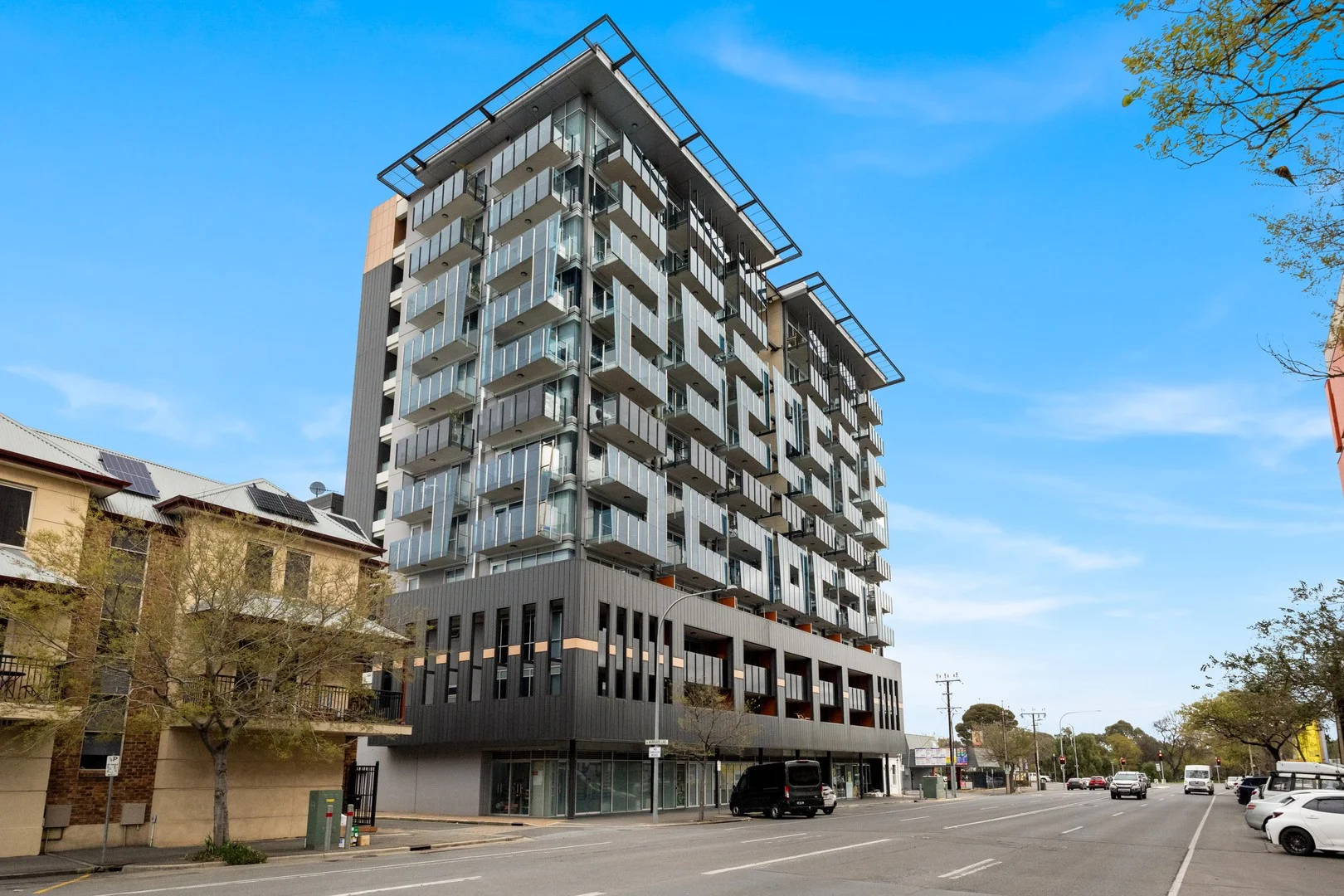 $1,100,000
Apartment / Unit / Flat
$1,100,000
Apartment / Unit / Flat
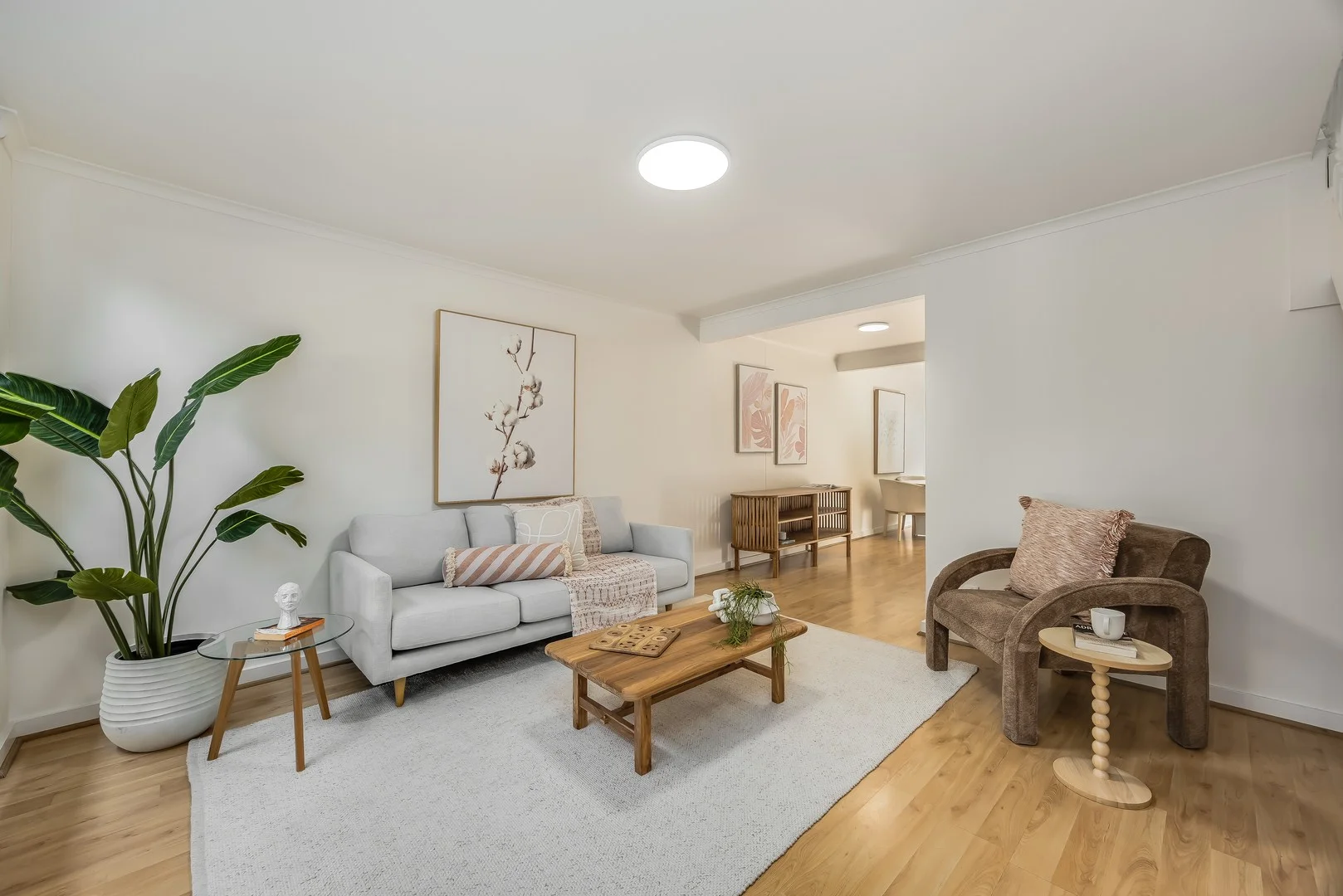 $775,000
House
$775,000
House
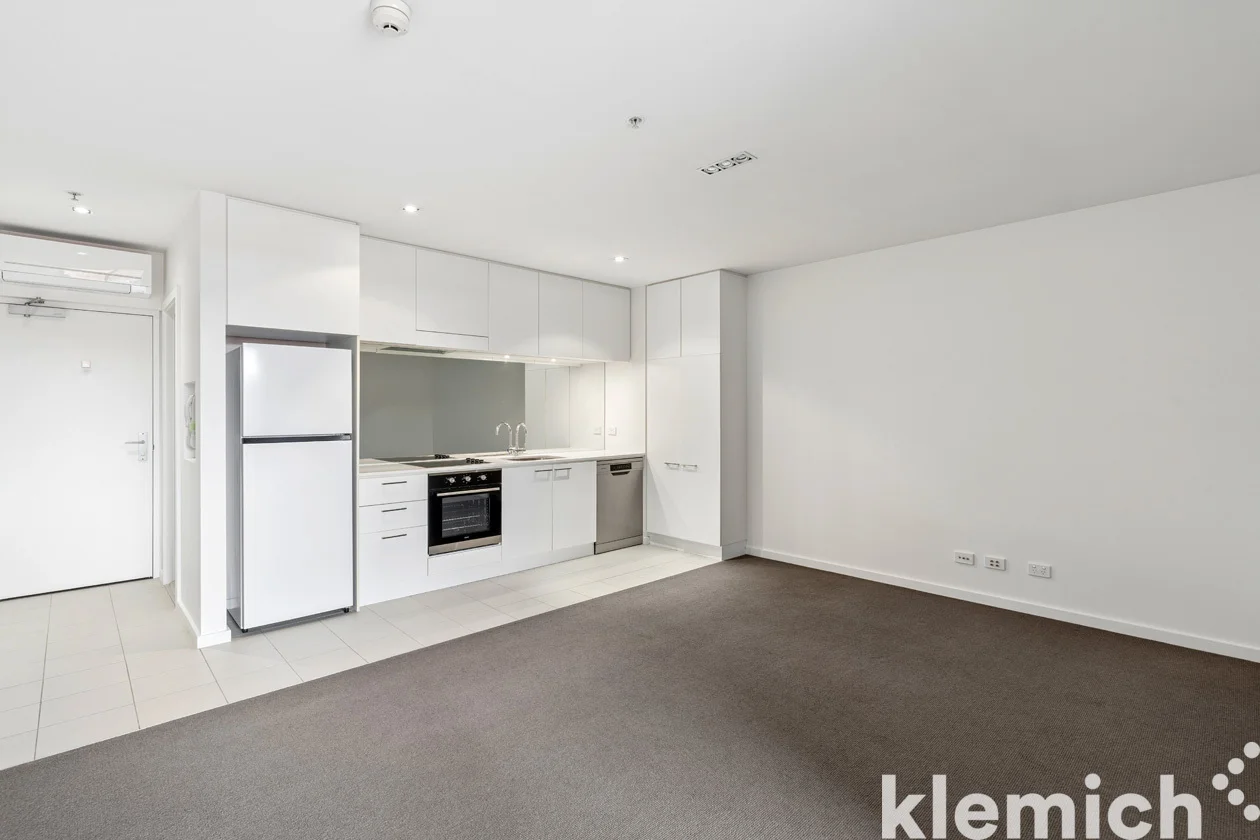 $440,000
Apartment / Unit / Flat
$440,000
Apartment / Unit / Flat
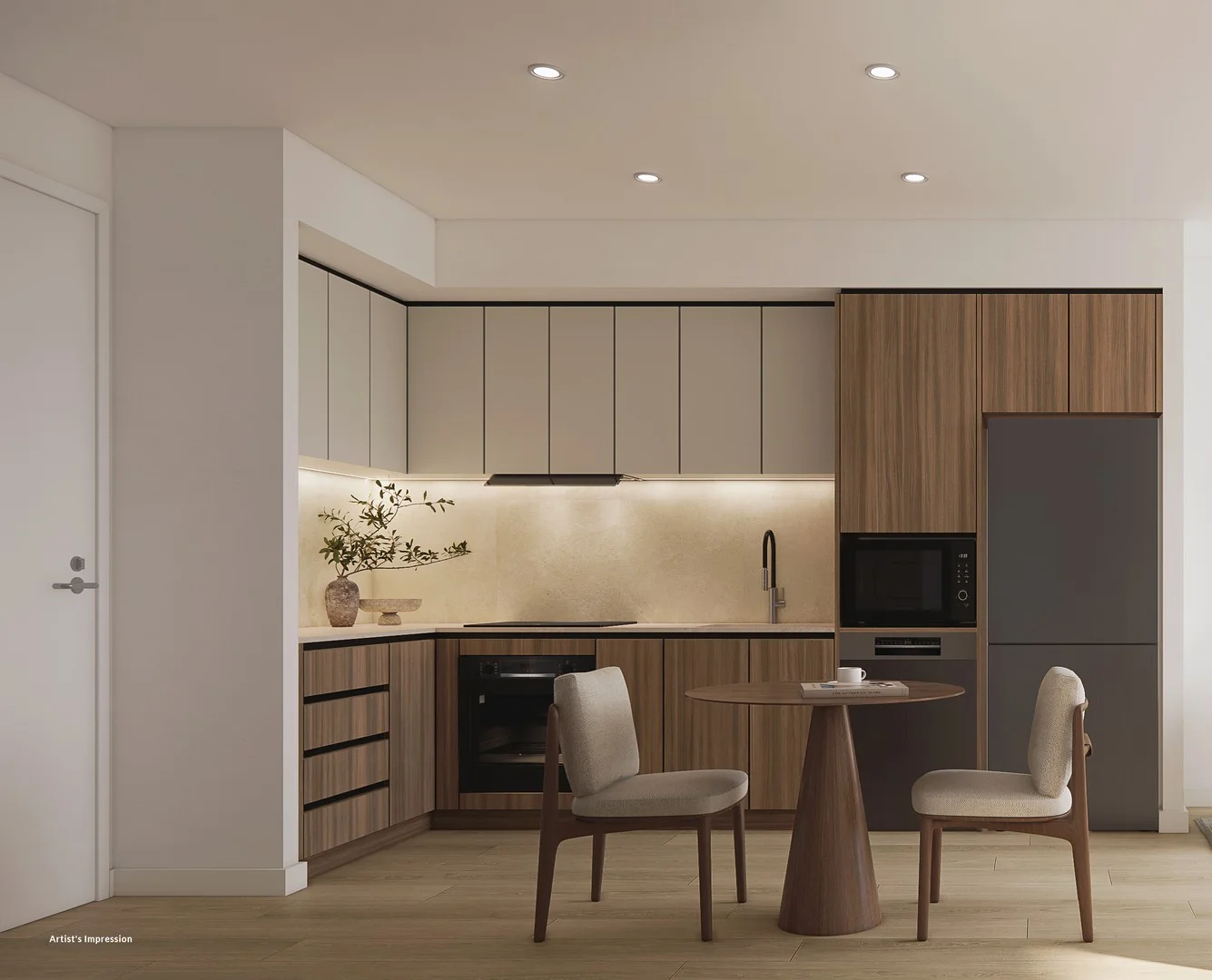 $557,000
Apartment / Unit / Flat
$557,000
Apartment / Unit / Flat
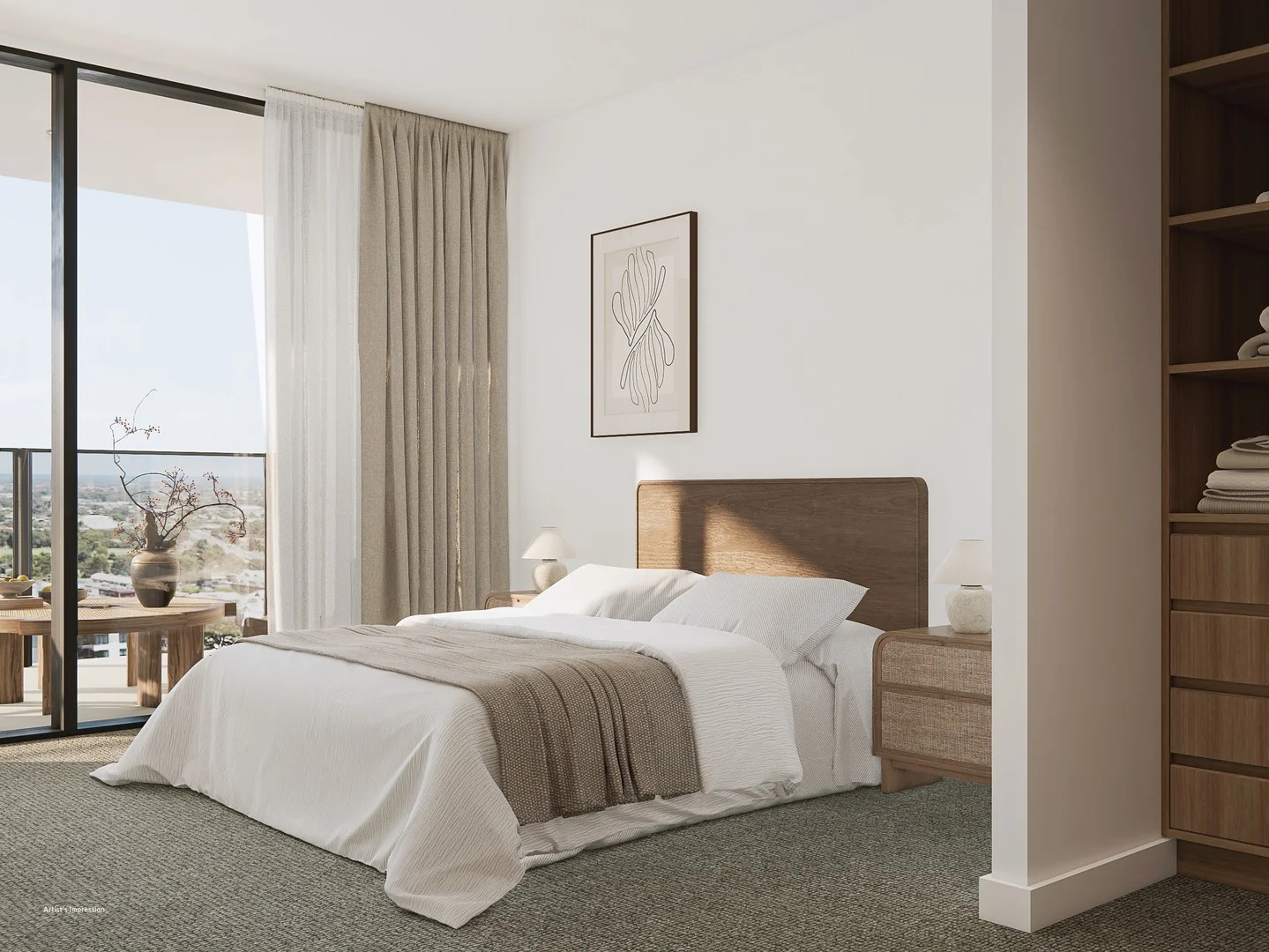 $935,000
Apartment / Unit / Flat
$935,000
Apartment / Unit / Flat
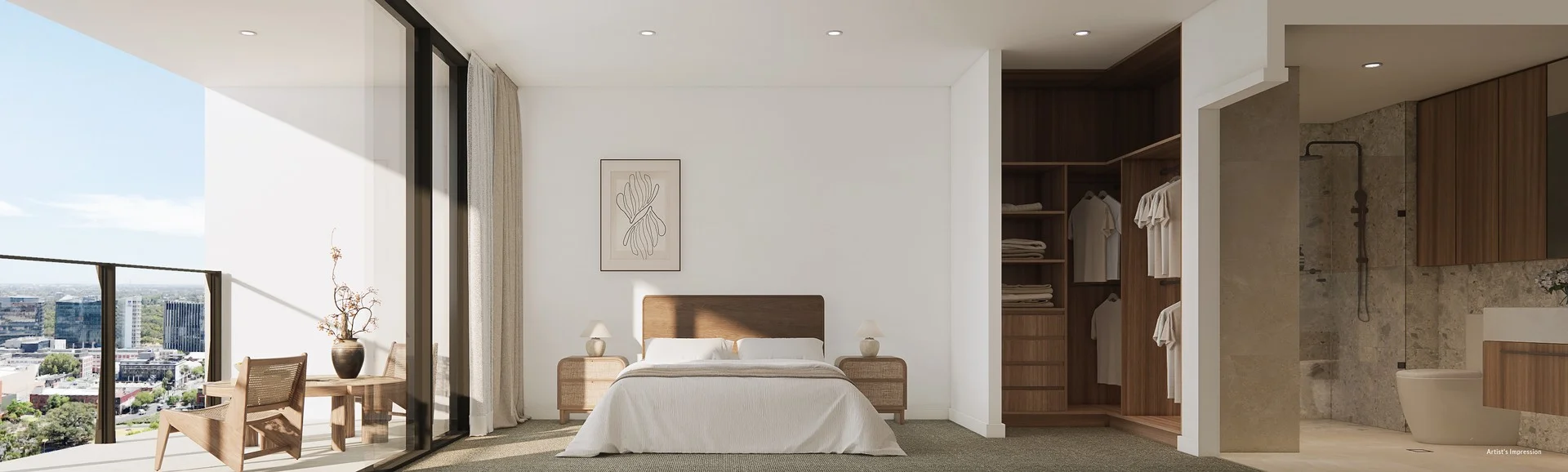 $1,056,000
Apartment / Unit / Flat
$1,056,000
Apartment / Unit / Flat
 $588,000
Apartment / Unit / Flat
$588,000
Apartment / Unit / Flat
 $545,000
Apartment / Unit / Flat
$545,000
Apartment / Unit / Flat