## 1. Overview
Our Lady of Grace School is a Catholic, independent school that fosters a values‑driven education within a nurturing, inclusive community. The school sits in the middle range for size, offering a medium‑sized environment where students know their peers and teachers well, while still enjoying a broad range of opportunities.
Class sizes are designed to support individual attention, with typical year group classes in the mid‑20s range. The atmosphere is characteristically warm and supportive, with a strong emphasis on spirituality, character development, and academic curiosity that helps students grow into thoughtful, responsible young people.
⸻
## 2. Academics & Learning
The school follows the Australian National Curriculum with a clear focus on literacy and numeracy, complemented by strengths in STEM and leadership development. Across the curriculum, students are encouraged to think critically, collaborate effectively, and communicate clearly. The school also offers programs to extend capability in areas like the arts and languages where available.
Special programs commonly available include Gifted and Talented pathways and accelerated learning options where appropriate, alongside school‑led initiatives that promote STEAM, reading/writing excellence, and classroom leadership opportunities. The student‑teacher relationship is central, with supportive structures to help students reach their potential.
NAPLAN and local assessment trends over recent years show steady, positive progress in reading and numeracy, with ongoing efforts to maintain high achievement across year levels. The school prioritises support for diverse learners and provides pathways for EAL and SEN students to participate meaningfully in all learning activities. Student‑teacher ratios are designed to enable frequent feedback and individualized help when needed.
⸻
## 3. Sports & Extracurricular Strengths
Sports and extracurricular activities are a central part of school life, giving students multiple ways to excel beyond the classroom. The school offers a range of team sports (for example, soccer, netball, basketball, athletics, and swimming) and supports strong participation in inter‑school competition.
In addition to sport, there are vibrant music, drama and arts programs, including choir and theatre production opportunities. Students can engage in clubs such as robotics, chess, coding, and debating, helping to develop problem‑solving, strategic thinking and communication skills. The school often forms partnerships with local clubs, academies and competition bodies to provide additional pathways for students to test and grow their talents.
Strong house‑based activities and regular inter‑school events help build teamwork and school pride, particularly in years 5–8 as students begin to take on leadership roles within teams and clubs.
⸻
## 4. Wellbeing & Pastoral Care
Wellbeing is a top priority, with a proactive, values‑driven approach to student welfare. The anti‑bullying stance is reinforced through policies, classroom programs and digital citizenship education to foster a respectful, safe environment for all.
A house system helps students feel connected and supported, encouraging belonging and healthy competition. The school provides access to counsellors or wellbeing officers who work with students, families and teachers to support social, emotional and mental health needs. A comprehensive transition program assists new students to settle in smoothly, including orientation activities, buddy systems and ongoing check‑ins during the first weeks of the school year.
⸻
## 5. Facilities
The school’s facilities support a well‑rounded education and include:
- Sports grounds for physical education and competitive sport
- A library with printing and study spaces
- Modern science laboratories for hands‑on experiments
- A music and performing arts centre for ensembles and productions
- Tech/innovation labs that support coding, robotics and design
- An on‑site cafeteria offering healthy meal options
- Updated playgrounds and outdoor learning spaces
The environment is designed to be visually engaging and easy to navigate, making it simple for students to move between classes and activities.
⸻
## 6. School Values & Community Culture
The school’s mission and daily life are anchored in Catholic values such as compassion, respect, integrity and service to others. Leadership is collaborative, with opportunities for student voice through councils and pupil leadership roles. Behaviour expectations are clear and consistently applied, rooted in positive behaviour support and a shared language of respect.
The school enjoys a positive community reputation, with strong parish connections and active parent involvement. Diversity and inclusion are celebrated, with programs and policies in place to ensure all students feel valued and included within the school family.
⸻
## 7. School Logistics & Daily Operations
Typical school hours run through a structured day that includes assembly and structured learning time, with core learning blocks balanced by breaks and meals. Before/after school care is available, often referred to as OSHC, to support families with extended care needs.
Uniforms are required and well‑established policies cover daily wear and sport uniforms. Transport options include bus routes and convenient parking/drop‑off arrangements, with information provided to families about routes and timetables. The canteen operates on most days with healthy choices and reasonable pricing. Fees fall in the mid‑range for private Catholic schools, with clear information provided about what is included and what may be additional.
⸻
## 8. Enrolment & Admissions
11. What is the enrolment process and timeline?
- Expression of interest or online application to begin the process
- Submission of required documents (birth certificate, immunisation, previous school records as applicable)
- Invitation to interview or information session
- Assessment or readiness checks if required for certain year levels
- Notification of outcome and placement, with any next steps outlined
12. Is there a waiting list, and how does it work?
- Yes, waiting lists may apply, managed by the admissions team
- Priority may be given to siblings and Catholic families or as set by school policy
- Families on the waiting list are kept informed about expected timelines and openings
13. Are there any entry requirements, tests, or interviews?
- An interview or information session is common to meet families and discuss fit
- Some year levels may include readiness assessments or short activities
- Religious education eligibility or Catholic community involvement may be considered as part of the process
14. Does the school accept mid-year transfers?
- Mid-year transfers can be possible depending on space and enrolment policy
- Transfer requires submission of previous school records, attendance history, and assessment if needed
- The admissions team will guide families through timelines and available start dates
⸻
## 9. Frequently Asked Questions
- Why Parents Choose This School?
Parents often choose for the Catholic, values‑driven environment, strong pastoral care, a supportive community, and a curriculum that balances academics with character development and faith.
- What type of student thrives at this school?
Students who value community, service, personal growth and active participation in both academic and extra‑curricular life typically thrive here.
- What opportunities are available for students to extend their skills (academics, sports, arts)?
There are multiple pathways across academics, sports, arts and leadership. Extras include gifted and talented programs, clubs (robotics, coding, debating), music ensembles and drama productions, plus inter‑school competitions.
- How does the school communicate with parents?
Regular communications include newsletters, emails, the school portal and app notifications, parent-teacher interviews, and open days.
- What is the school’s approach to teaching and learning?
Teaching combines explicit instruction, differentiated learning, student‑centered activities and use of technology to support inquiry, collaboration and critical thinking.
- How does the school support students who need extra academic help?
Support includes targeted learning assistance, in‑class differentiation, small‑group tutoring, and access to learning support staff or specialists as needed.
- What support is available for academic challenges?
Early identification, individual learning plans and involvement of specialists or coordinators help students facing difficulties, with regular progress reviews.
- How does the school communicate with parents? (Repeated)
See above: newsletters, portal, emails, parent‑teacher interviews.
- What are the class sizes and how much individual attention do students receive?
Class sizes are typically in the low‑to‑mid 20s, with teacher attention supported by a low to moderate student‑teacher ratio for feedback and guidance.
- What extracurricular and sports opportunities are available?
A broad mix including team sports, arts, music, drama and clubs such as robotics, coding, chess and debating, with opportunities to compete locally and join community programs.
- What facilities does the school offer (sports, science, arts)?
Sports grounds, libraries, science labs, performing arts spaces, tech/innovation labs, canteen and well‑resourced learning environments.
- What is the school’s approach to technology and digital learning?
Technology is integrated across classrooms with digital learning tools, software, and age‑appropriate devices to support learning, collaboration and creativity.
- What transport and accessibility options are available?
Bus routes or public transport connections are provided where available, along with convenient parking and accessible facilities.
- What are the typical school fees or additional costs?
Fees align with the mid‑range for private Catholic education, with clear information about uniforms, excursions and voluntary contributions. Specific figures are provided by the admissions team.
⸻
## 10. Short Pros & Cons list
- Pros
- Catholic, values‑driven education with strong pastoral care
- Supportive, nurturing atmosphere and small to mid‑sized class groups
- Broad range of academic, arts, sports and leadership opportunities
- Active clubs and inter‑school/ community partnerships
- Clear policies on wellbeing, inclusion and behaviour
- Cons
- Fees apply (as with most private Catholic schools)
- Some families may prefer a broader secular environment
- Availability of certain year‑level programs may vary year by year
⸻








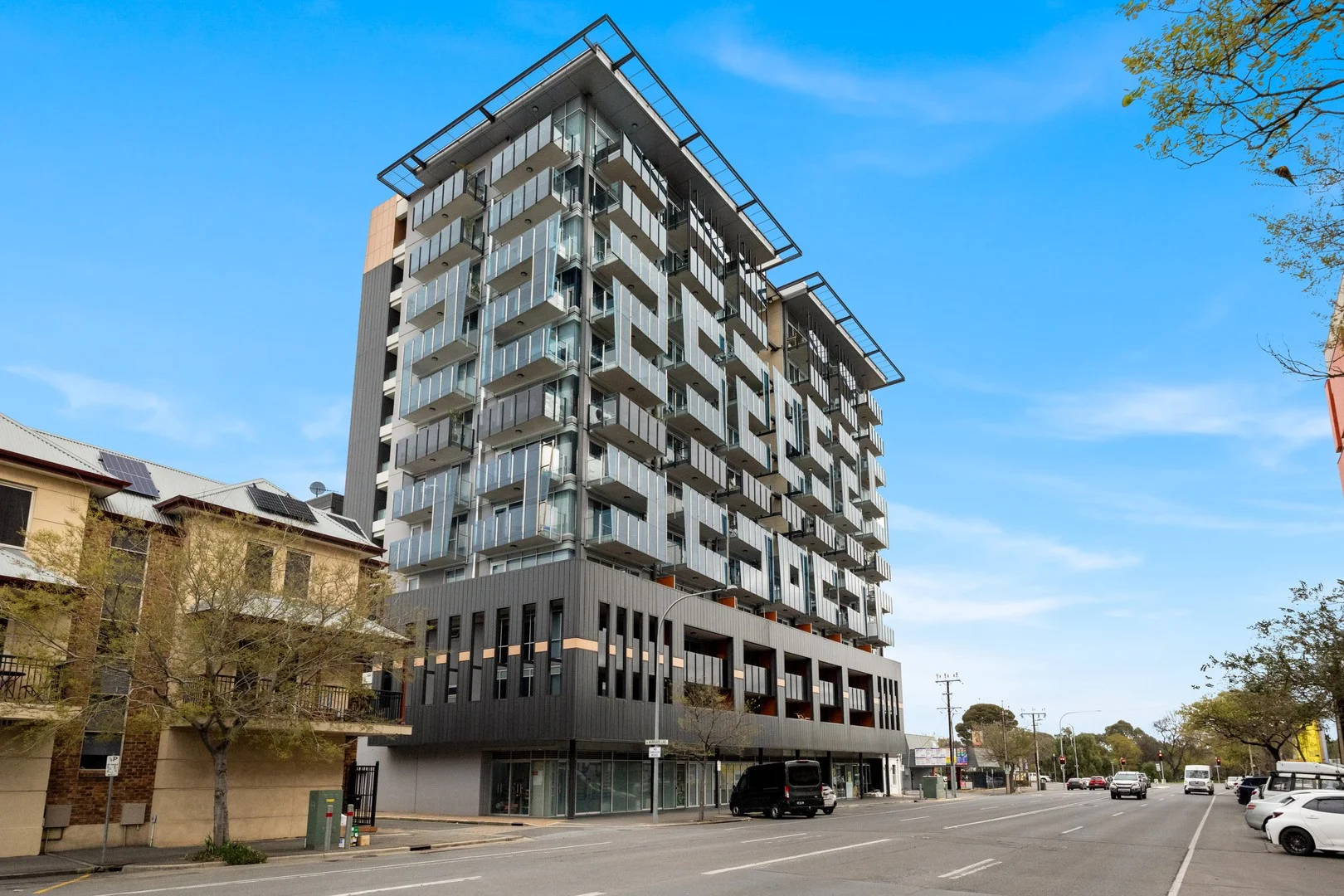 $1,100,000
Apartment / Unit / Flat
$1,100,000
Apartment / Unit / Flat
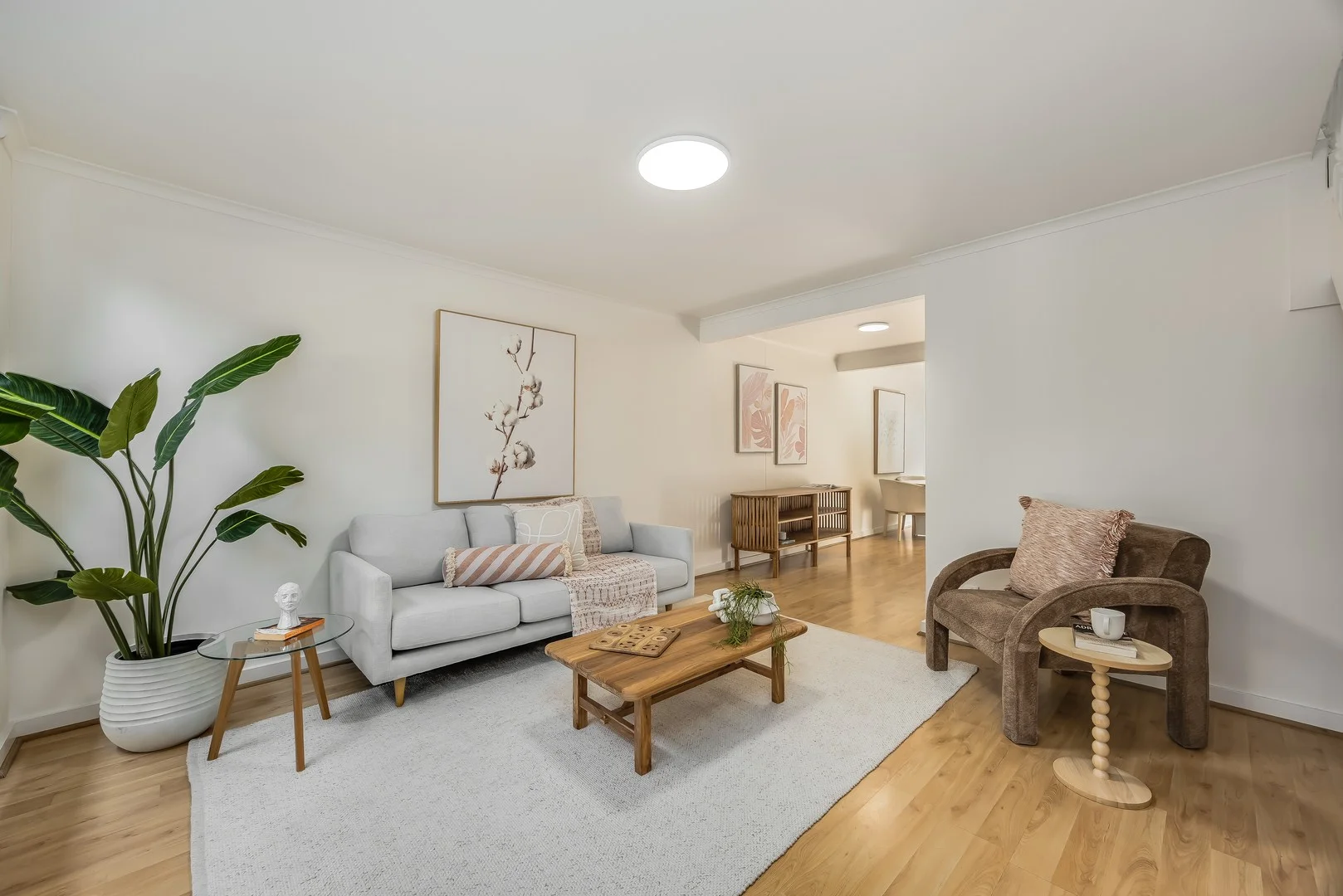 $775,000
House
$775,000
House
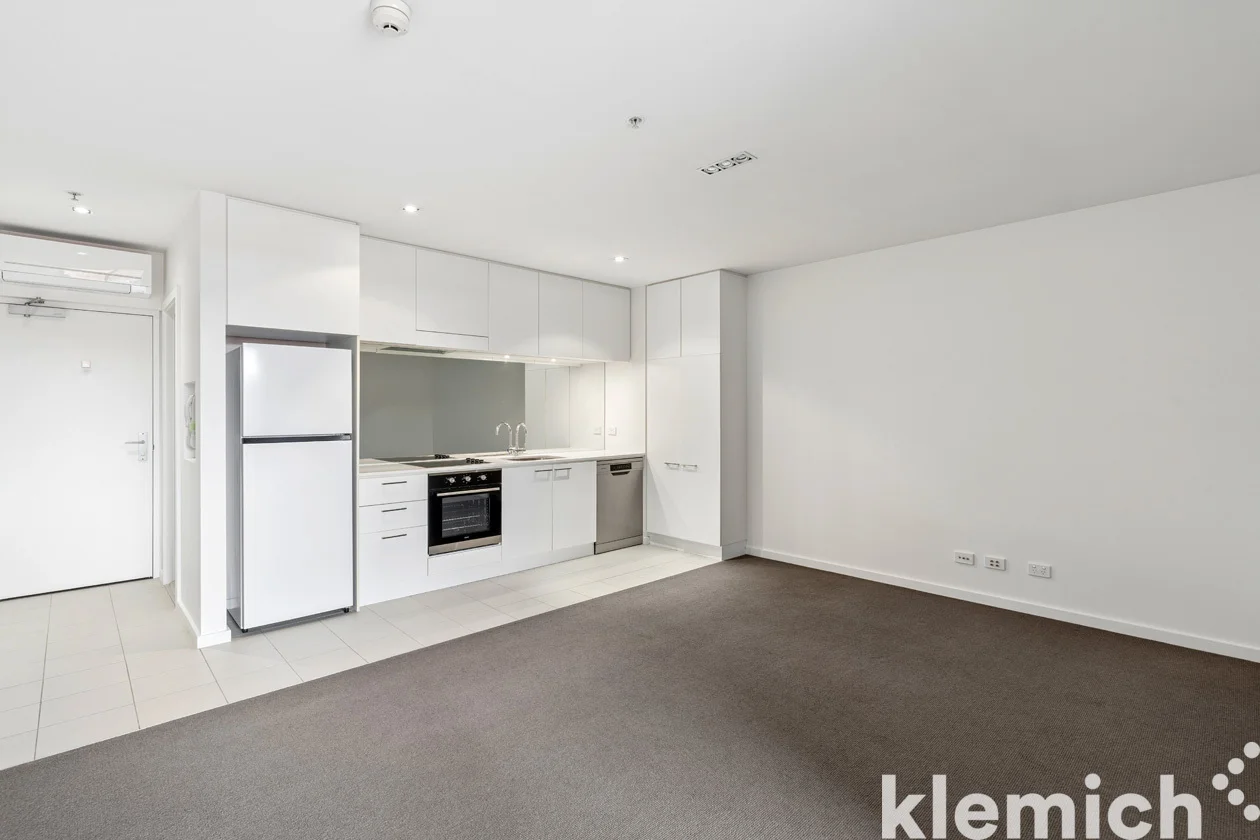 $440,000
Apartment / Unit / Flat
$440,000
Apartment / Unit / Flat
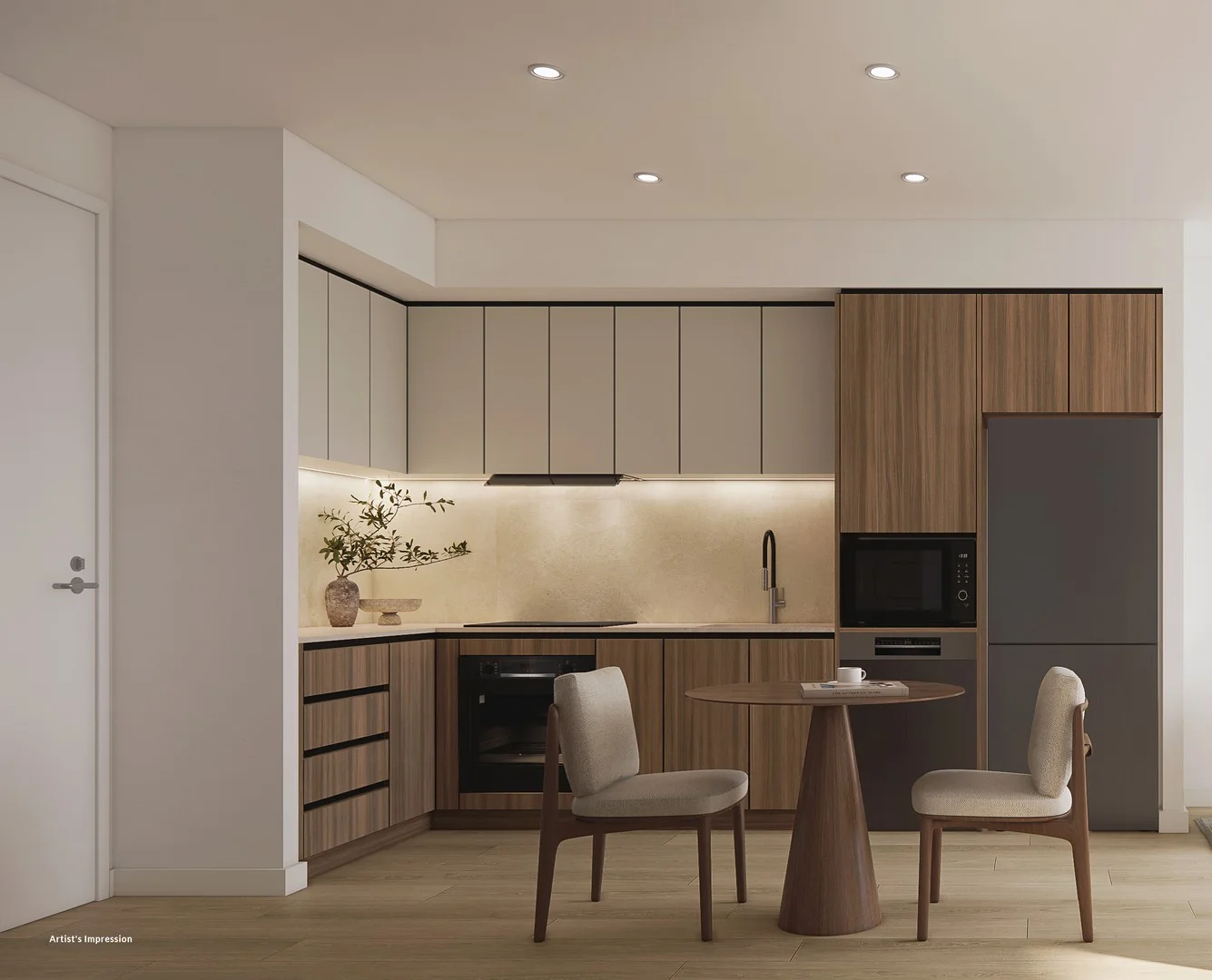 $557,000
Apartment / Unit / Flat
$557,000
Apartment / Unit / Flat
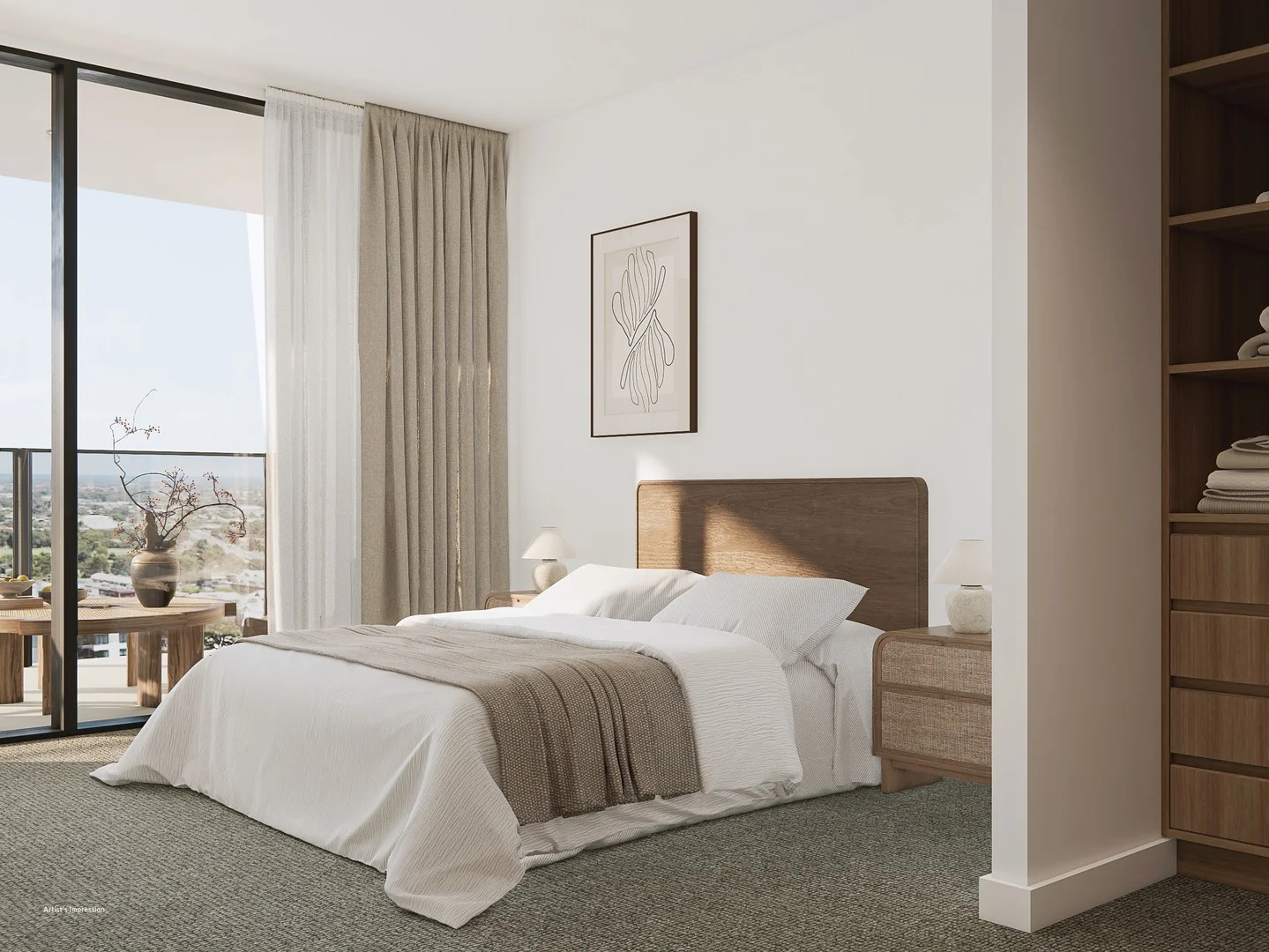 $935,000
Apartment / Unit / Flat
$935,000
Apartment / Unit / Flat
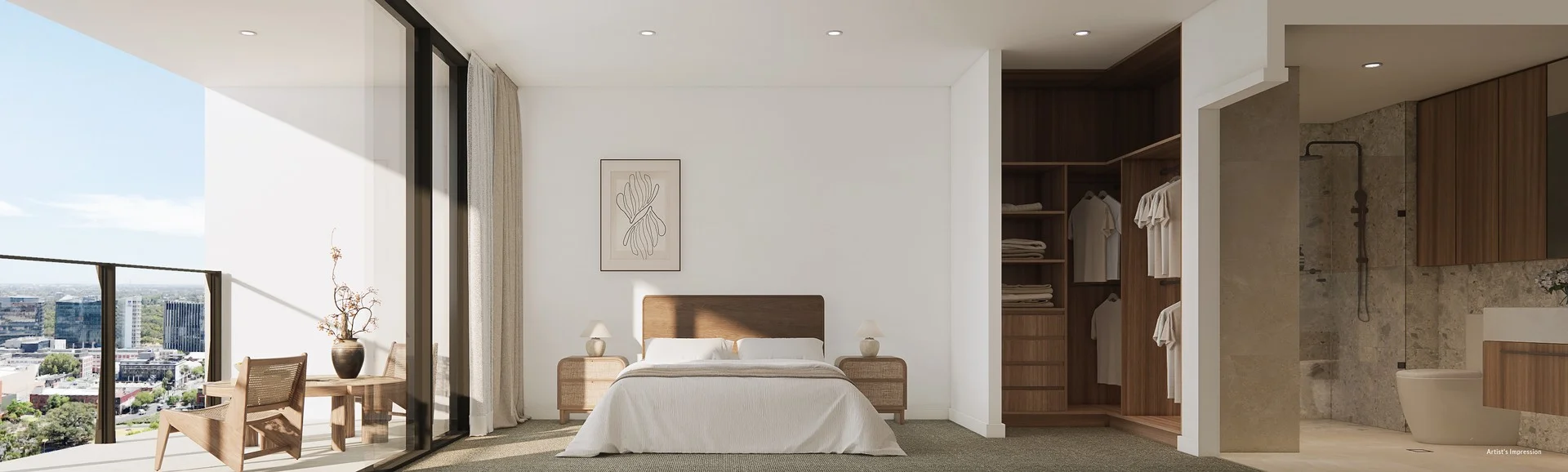 $1,056,000
Apartment / Unit / Flat
$1,056,000
Apartment / Unit / Flat
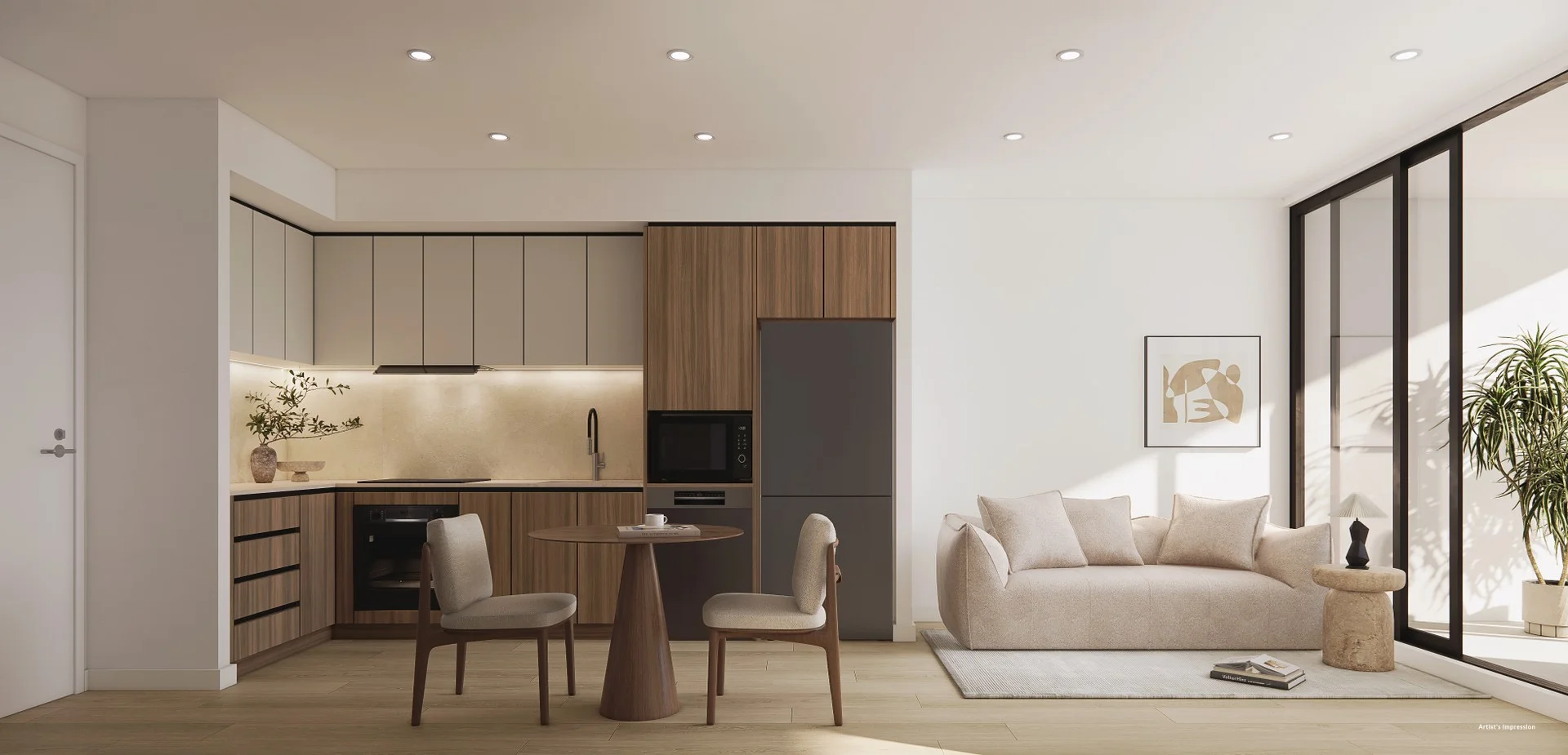 $588,000
Apartment / Unit / Flat
$588,000
Apartment / Unit / Flat
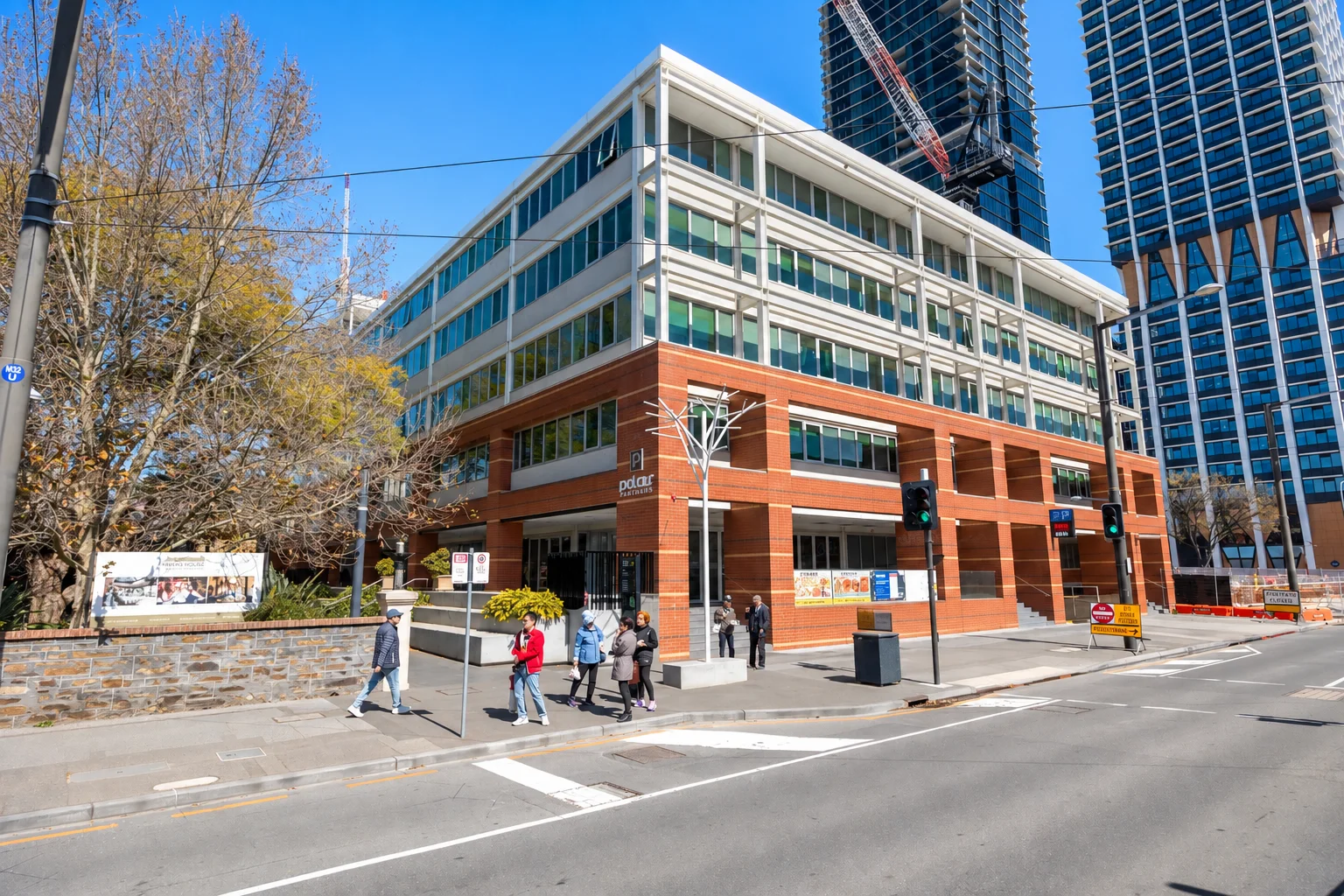 $545,000
Apartment / Unit / Flat
$545,000
Apartment / Unit / Flat