## Overview
Immanuel College, Novar Gardens is a private, independent Lutheran school offering a comprehensive K–12 education. The college combines strong academic traditions with a nurturing, inclusive culture and a broad program of sport, arts and service. With a medium-to-large student body and typical class sizes in the low 20s, the school aims to balance individual attention with opportunities for collaboration and leadership.
- School type: Independent/private Lutheran school
- School size: Medium to large (approximately 900–1100 students)
- Class size: Around 20–24 students per class
- Atmosphere/culture: Nurturing, academically focused, inclusive, community-minded
---
## Academics & Learning
- Academic strengths: STEM, English/literacy, languages, and leadership development integrated across the curriculum
- Special programs: Gifted and Talented pathways, accelerated learning options, leadership programs and co-curricular enrichment
- NAPLAN trends: Generally showing steady improvement over recent years, with strengths in literacy and numeracy and continued focus on growth areas
- Student-teacher ratios: Approximately 1:13–1:16, enabling some small-group and individual attention
- Support for diverse learners: Dedicated EAL support, learning support (SEN provisions), and targeted tutoring or extension where needed
---
## Sports & Extracurricular Strengths
- Sports offered: Football (soccer), Australian rules football, basketball, netball, cricket, tennis, swimming, athletics, cross country
- Strong teams or achievements: Notable regional participation with competitive school teams across primary and secondary levels
- Music, arts, drama programs: Comprehensive music programs, ensembles, theatre and drama productions, arts clubs
- Clubs: Robotics, coding, chess, debating, robotics competitions and other STEM/academic clubs
- Partnerships: Collaborations with local clubs, regional competitions and inter-school events to augment sport and performance programs
---
## Wellbeing & Pastoral Care
- Anti-bullying approach: Proactive anti-bullying programs, clear policies, and student-led initiatives to foster a safe environment
- House system: Structured house groups that support pastoral care, house events and peer mentoring
- Counsellors / wellbeing officers: On-site counsellors and wellbeing staff available to students and families
- Transition support for new students: Orientation programs, buddy systems and targeted transition support to help new students acclimate
---
## Facilities
- Sports grounds: Extensive on-site sports fields and courts
- Libraries: Well-stocked libraries with study spaces
- Science labs: Modern science laboratories for chemistry, biology, physics and hands-on experimentation
- Music/performing arts centers: Dedicated spaces for music ensembles, rehearsals and performances
- Tech/innovation labs: Contemporary ICT and STEM innovation spaces
- Cafeteria: On-site canteen and dining facilities
- Updated playgrounds: Age-appropriate outdoor play and amenity upgrades
---
## School Values & Community Culture
- School values / mission: Commitment to excellence, integrity, service, respect and community spirit
- Leadership style: Collaborative and student-centered, with opportunities for senior students to take on mentoring and leadership roles
- Behaviour expectations: Clear codes of conduct emphasizing respect, responsibility and resilience
- Community reputation: Positive, supportive, and connected school community with active parent involvement
- Diversity & inclusion: Strong emphasis on inclusion and creating opportunities for a diverse student body
---
## School Logistics & Daily Operations
- School hours: Typically start around 8:30am and finish mid-to-late afternoon, with structured breaks
- Before/after school care: Available, including after-school supervision and holiday programs
- Uniform requirements: Full school uniform with seasonal variations; guidelines for appearance and etiquette
- Transport (train/bus routes): Access to regional bus routes and public transport options; coordinated transport planning for families
- Canteen availability: On-site canteen or canteen services for daily meals and snacks
- Fees (low/medium/high ranges): Fees are in the private/independent sector (generally mid-to-high range); occasional scholarships or bursaries may be available
---
## Enrolment & Admissions
11. What is the enrolment process and timeline?
- Common process: Online expression of interest, submission of documents, information session/open day, followed by an assessment/interview for entry years (often Year 7 entry and other year levels when space allows). Offers typically issued after reviews, with a defined timeline for acceptance and enrolment completion.
12. Is there a waiting list, and how does it work?
- Waiting list: Possible when cohorts are full; applicants may be placed on a waiting list and offered a place as spaces become available, with priority often given to siblings or families with established ties to the school.
13. Are there any entry requirements, tests, or interviews?
- Entry requirements: May include an interview (student and parent), review of prior school records, and sometimes an age-appropriate assessment; assessment formats vary by year level.
14. Does the school accept mid-year transfers?
- Mid-year transfers: Considered where space exists, with an intake assessment to determine fit and timetable alignment.
---
## Frequently Asked Questions
- Why Parents Choose This School?
- A combination of strong academics, supportive community, broad co-curricular options, and robust wellbeing programs.
- What type of student thrives at this school?
- Curious, collaborative, community-minded students who value academics, sport, arts and service.
- What opportunities are available for students to extend their skills (academics, sports, arts)?
- Enrichment programs in STEM and languages, leadership opportunities, extracurricular clubs (robotics, coding, debating), strong sport and performing arts pathways.
- How does the school communicate with parents?
- Regular newsletters, a parent portal, emails and SMS alerts, as well as annual reports and parent information evenings.
- What is the school’s approach to teaching and learning?
- Differentiated instruction, a mix of teacher-led and student-centered activities, emphasis on critical thinking, problem solving and evidence-based learning.
- How does the school support students who need extra academic help?
- Access to learning support staff, targeted tutoring, EAL support, and tailored intervention plans.
- What support is available for academic challenges?
- Early identification, one-on-one or small-group assistance, and collaboration with teachers and specialists to set goals.
- How does the school communicate with parents? (repeated)
- See above: newsletters, parent portal, direct communication from teachers, and information evenings.
- What are the class sizes and how much individual attention do students receive?
- Typical class sizes around 22 students, with opportunities for small-group work and targeted teacher support.
- What extracurricular and sports opportunities are available?
- Wide range of sports (team and individual), music ensembles, drama, robotics, coding, chess and debating clubs, plus inter-school events.
- What facilities does the school offer (sports, science, arts)?
- Comprehensive facilities including sports grounds, libraries, science labs, performing arts spaces, and tech/innovation labs.
- What is the school’s approach to technology and digital learning?
- Integrated ICT across the curriculum, use of digital resources to support learning, and emphasis on responsible technology use.
- What transport and accessibility options are available?
- Access to bus routes and public transport; convenient park-and-scroll options for families; campus location designed for accessibility.
- What are the typical school fees or additional costs?
- Fees reflect private/independent schooling; there may be additional costs for excursions, uniforms, and activities; scholarships/bursaries may be available.
---
## Short Pros & Cons list
- Pros
- Strong academic program with support for diverse learners
- Nurturing, inclusive school culture and sense of community
- Broad range of co-curriculars across sport, arts and STEM
- Comprehensive wellbeing and pastoral care
- Modern facilities and dedicated learning spaces
- Cons
- Fees are higher than many public schools
- Competitive environment in some programs
- Place availability can be limited; potential waiting lists
- Travel time for families living farther away
- Uniform requirements and school routines may feel rigid to some families









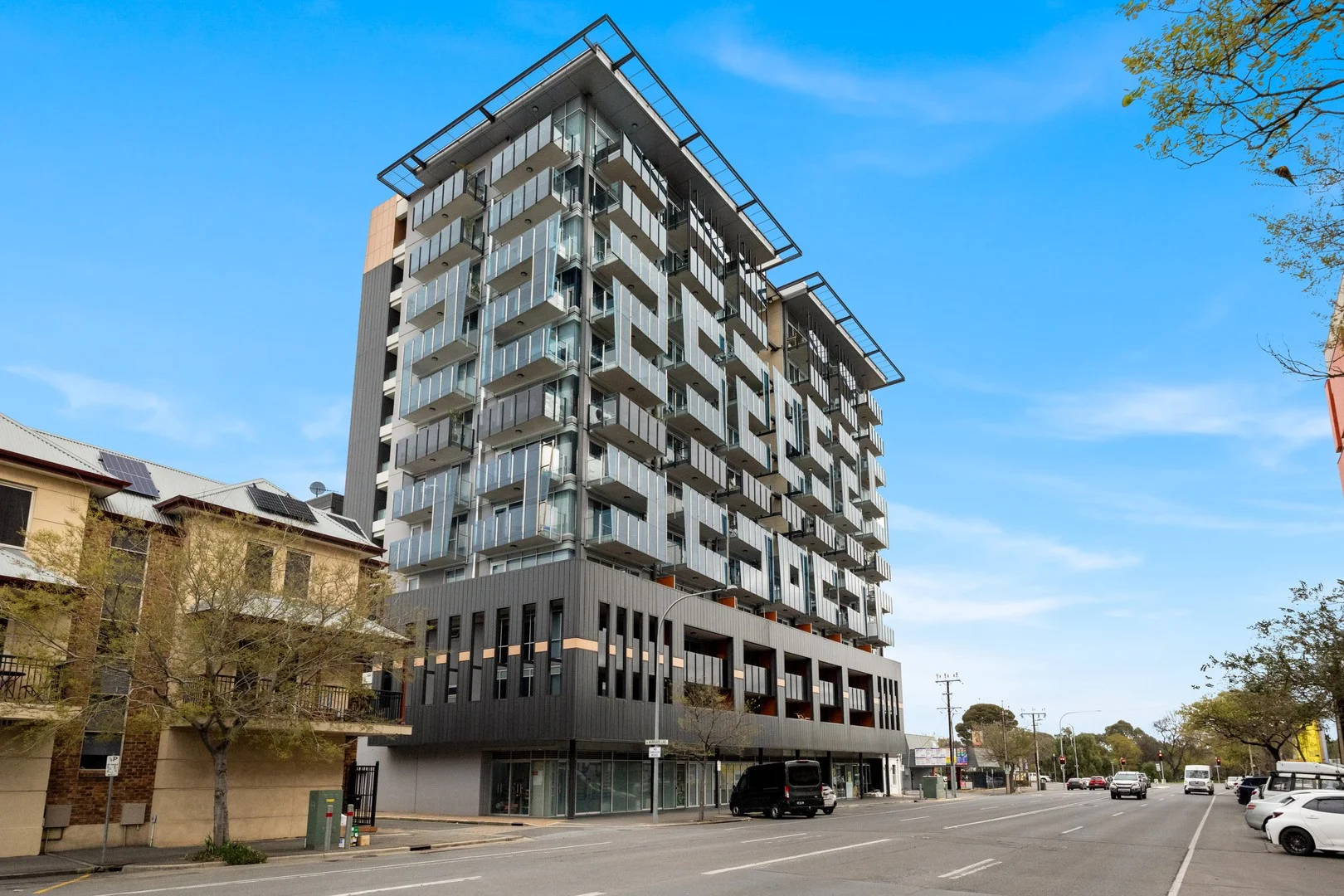 $1,100,000
Apartment / Unit / Flat
$1,100,000
Apartment / Unit / Flat
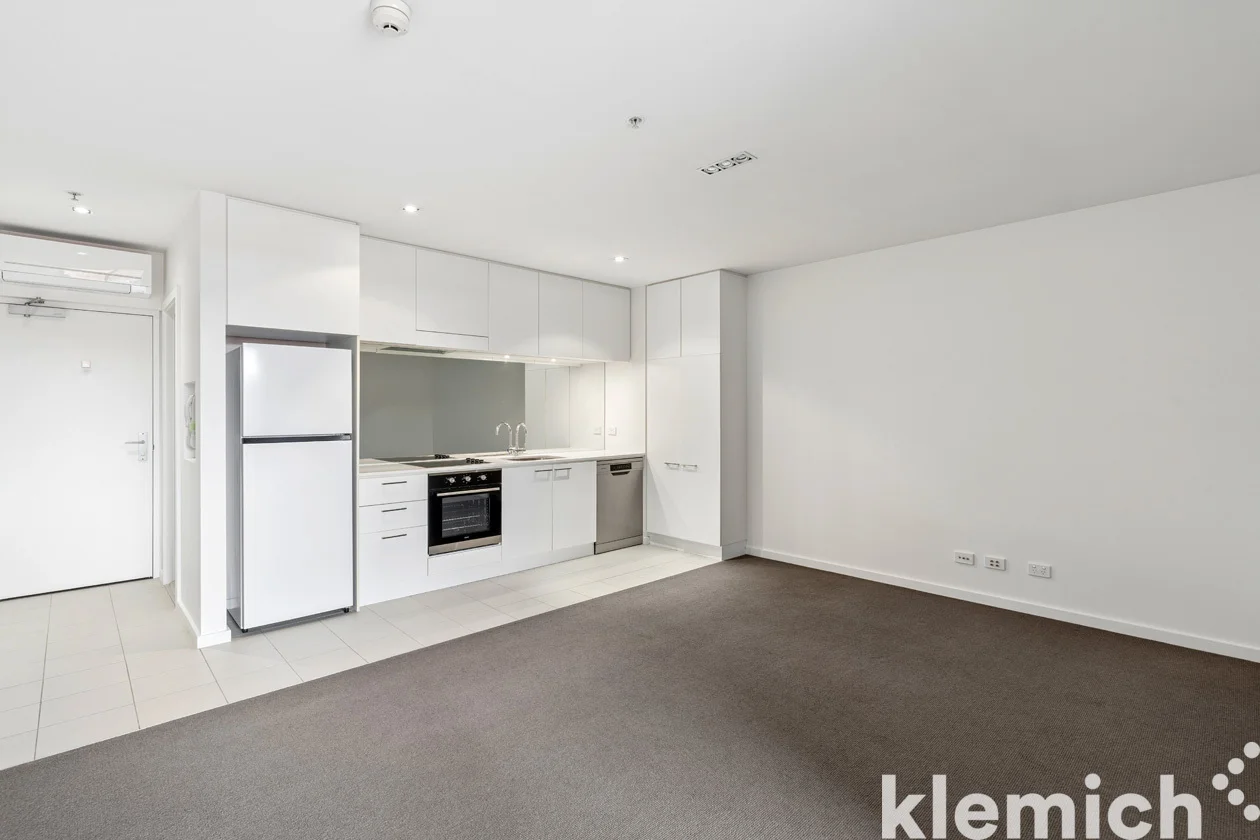 $440,000
Apartment / Unit / Flat
$440,000
Apartment / Unit / Flat
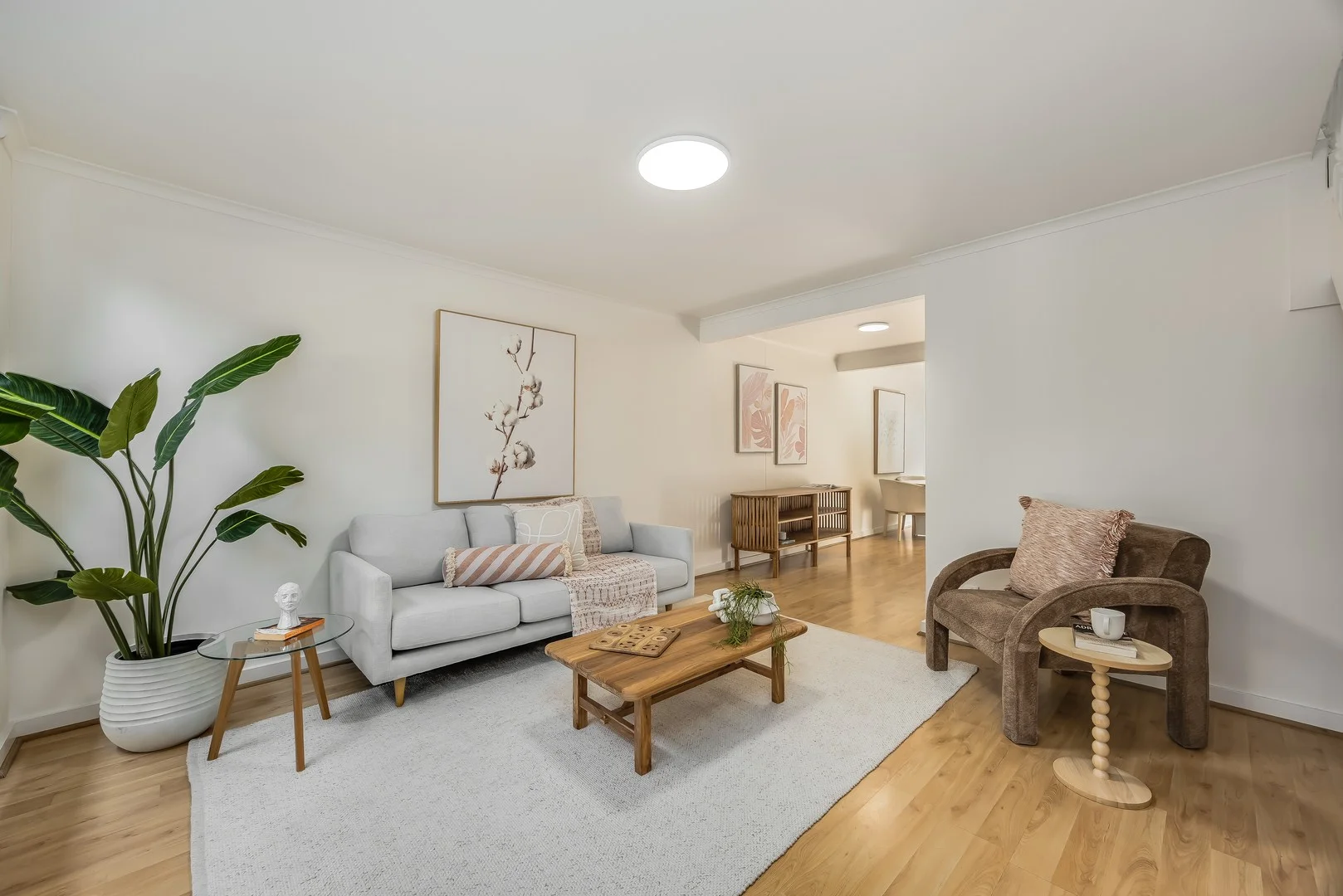 $775,000
House
$775,000
House
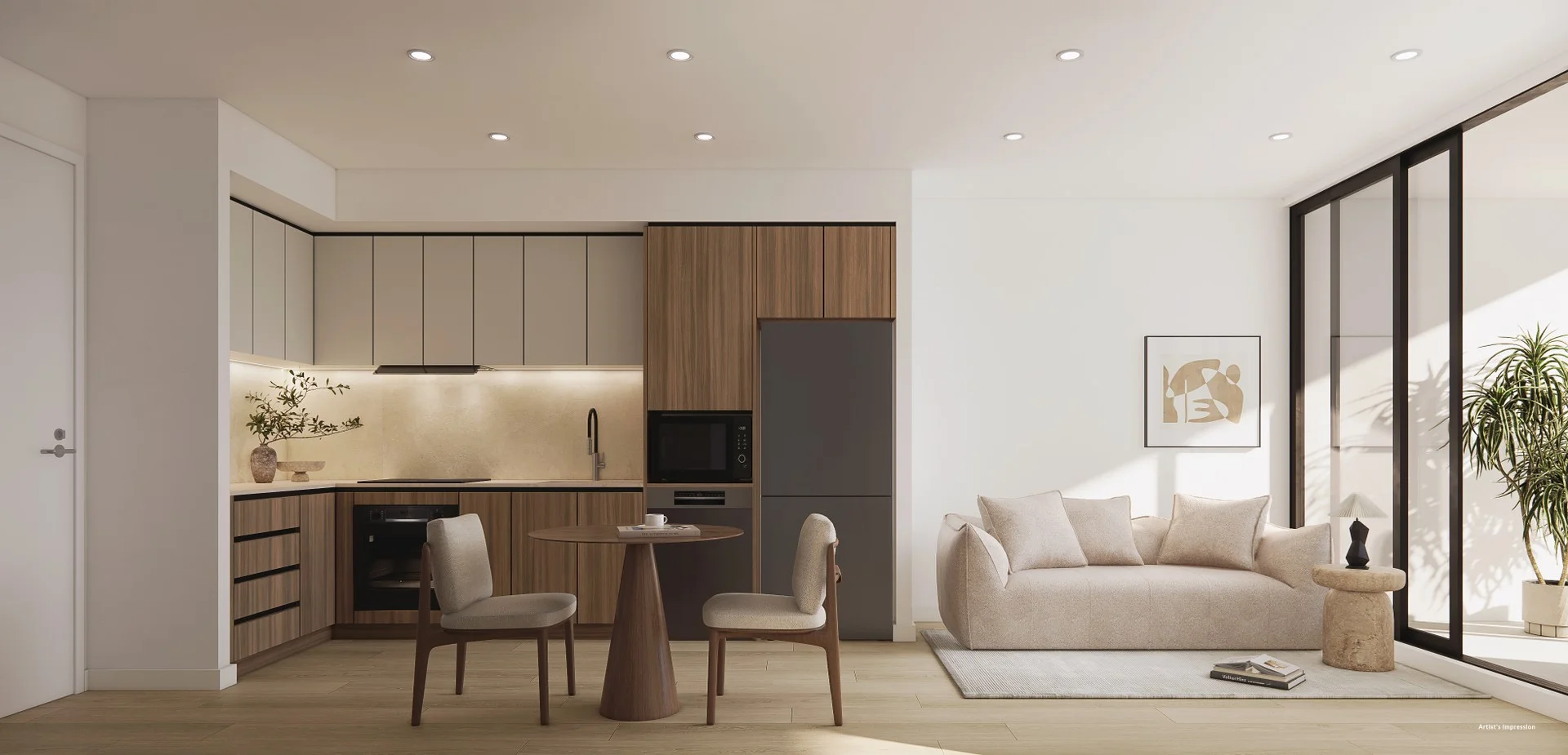 $588,000
Apartment / Unit / Flat
$588,000
Apartment / Unit / Flat
 $557,000
Apartment / Unit / Flat
$557,000
Apartment / Unit / Flat
 $935,000
Apartment / Unit / Flat
$935,000
Apartment / Unit / Flat
 $1,056,000
Apartment / Unit / Flat
$1,056,000
Apartment / Unit / Flat
 $545,000
Apartment / Unit / Flat
$545,000
Apartment / Unit / Flat