1. Overview
St Leonards Primary School is a public (government) primary school focused on nurturing a positive, inclusive learning community. The school aims to provide a supportive environment where students develop academic foundations, social confidence and a love of learning. It typically operates as a medium-sized school with class sizes in the low- to mid-20s, balancing individual attention with collaborative learning. The atmosphere is described as inclusive and community-focused, with a culture that values respect, curiosity and resilience.
⸻
2. Academics & Learning
- Academic strengths: English/literacy and numeracy underpin daily learning, with extended STEM and digital literacy activities embedded in the curriculum. There are opportunities for enrichment in science, technology and problem-solving through practical, hands-on learning.
- Special programs: Gifted and Talented or accelerated learning pathways are available where appropriate, alongside targeted literacy and numeracy support and EAL (English as an Additional Language) programs to help diverse learners access the curriculum.
- NAPLAN / trends: The school aims for steady improvement and consistent performance relative to state averages, with a focus on reading fluency, writing, and mathematical reasoning through school-wide initiatives.
- Student-teacher ratios: Class sizes typically around 20–25 students, with teachers differentiating instruction to meet varying learning needs.
- Support for diverse learners: Inclusive classrooms with dedicated support for students requiring extra help, EAL support for new arrivals, and SEN (Special Educational Needs) planning where required.
⸻
3. Sports & Extracurricular Strengths
- Sports offered: A range of team and individual sports typical for primary schools, including athletics, soccer/netball, basketball and cricket, with opportunities to represent the school in inter-school competitions.
- Strong teams or achievements: Participation in district events and regional sports days, with emphasis on teamwork, skill development and fair play.
- Music, arts, drama programs: School-wide music ensembles, choirs or bands, drama productions and regular arts activities to showcase creativity.
- Clubs: Robotics, coding, chess and debating clubs are commonly available, along with other STEM and creative-arts clubs to extend interests.
- Partnerships: Links with local clubs and community organizations for competitions and additional coaching, plus opportunities to participate in regional or inter-school events.
⸻
4. Wellbeing & Pastoral Care
- Anti-bullying approach: Whole-school strategies, clear anti-bullying policies, buddy systems and restorative approaches to conflict resolution support a respectful environment.
- House system: A house system fosters leadership, teamwork and school spirit across grades.
- Counsellors / wellbeing officers: Access to school-based wellbeing staff or counsellors to support social-emotional learning and individualized support.
- Transition support for new students: Orientation activities, buddy programs and targeted transition support help new students settle into the school community.
⸻
5. Facilities
- Sports grounds: On-site sporting facilities suitable for PE and inter-school events.
- Libraries: A school library provides reading programs and research resources.
- Science labs: Dedicated spaces for practical science activities and investigations.
- Music/performing arts centers: Facilities or spaces for music rehearsals, drama and school performances.
- Tech/innovation labs: Access to basic digital tools and hands-on tech activities to develop digital literacy.
- Cafeteria: On-site canteen or cafeteria offering healthy options.
- Updated playgrounds: Age-appropriate play areas and outdoor learning spaces.
⸻
6. School Values & Community Culture
- School values / mission: Emphasis on respect, curiosity, resilience, inclusion and collaboration, with a mission to develop well-rounded, responsible learners.
- Leadership style: Student voice is encouraged through councils or representative roles; teachers guide and support with opportunities for leadership at multiple levels.
- Behaviour expectations: Clear expectations and consistent routines across the school, with restorative practices to address issues and reinforce positive behavior.
- Community reputation: A welcoming, family-oriented community known for strong relationships between staff, students and families.
- Diversity & inclusion: Commitment to celebrating diversity and providing inclusive learning experiences for all students.
⸻
7. School Logistics & Daily Operations
- School hours: Typical start and finish times aligned with SA public primary schedules (commonly around 8:30am–3:00pm), with arrangements for before/after care.
- Before/after school care: OSHC or other after-school care options are available to families.
- Uniform requirements: A standard school uniform policy (e.g., polo or shirt, shorts/skirt, and appropriate footwear).
- Transport: Access to local bus routes and proximity to public transport; walking or cycling to school may be encouraged where practical.
- Canteen availability: On-site canteen providing healthy meal and snack options.
- Fees: Public schools generally do not charge tuition fees; there may be voluntary contributions or fees for specific activities or materials/services charges.
⸻
8. Enrolment & Admissions
11. What is the enrolment process and timeline?
- Begin with submitting an enrolment application through the school/admin process. You’ll typically need proof of identity, proof of residence, and relevant documents (birth certificate, immunisation status, etc.). After submission, the school will review eligibility and communicate next steps, including any interview or orientation activities. Timelines vary by intake (kindy/year level) and space availability; early applications are encouraged, especially for key intake periods.
12. Is there a waiting list, and how does it work?
- If enrolment numbers reach capacity, a waiting list may be established. Placement on the list is usually determined by date of application and the school’s enrolment priorities (e.g., local resident status, siblings already enrolled, and availability). You’ll be kept informed about your position and any opportunities to move closer to placement.
13. Are there any entry requirements, tests, or interviews?
- Typically, there are no entrance exams. Some schools may offer or require short interviews or information sessions to understand a student’s readiness and to explain the school’s programs. Orientation sessions or tours may be available for prospective families.
14. Does the school accept mid-year transfers?
- Mid-year transfers are considered if space allows. If you’re transferring mid-year, contact the school as soon as possible to discuss availability, documentation needs, and a suitable transition plan for the new student.
⸻
9. Frequently Asked Questions
- Why Parents Choose This School?
Parents commonly choose for a welcoming, supportive community, strong focus on wellbeing and a balanced approach to academic and personal development.
- What type of student thrives at this school?
Students who are curious, collaborative, respectful and engaged in both academics and extracurricular activities typically thrive, especially those who benefit from a nurturing environment and supportive teachers.
- What opportunities are available for students to extend their skills (academics, sports, arts)?
There are enriched literacy and numeracy activities, STEAM experiences, music and drama programs, coding and robotics clubs, and inter-school sports and competitions.
- How does the school communicate with parents?
Communications often occur through newsletters, email, school apps or portals, parent-teacher meetings, and regular updates about learning and events.
- What is the school’s approach to teaching and learning?
A balanced, student-centered approach with differentiation to meet diverse needs, emphasis on literacy and numeracy foundations, inquiry-based projects, and explicit instruction when needed.
- How does the school support students who need extra academic help?
Targeted interventions, small-group support, reading and literacy programs, and access to SEN or EAL support as required.
- What support is available for academic challenges?
Learning support plans, specialist staff input, and collaboration with families to set goals and monitor progress.
- How does the school communicate with parents? (Repeated)
See above: regular updates, meetings and accessible channels for questions or feedback.
- What are the class sizes and how much individual attention do students receive?
Typical class sizes are around 20–25 students, with teachers providing differentiated instruction and opportunities for small-group or targeted support.
- What extracurricular and sports opportunities are available?
A varied menu including team sports, arts and performance opportunities, and clubs such as robotics, coding, chess and debating.
- What facilities does the school offer (sports, science, arts)?
Facilities include sports grounds, a library, science spaces, performing arts/music facilities, and spaces for technology and creative projects.
- What is the school’s approach to technology and digital learning?
Integration of digital literacy across the curriculum, access to age-appropriate devices, and instruction on safe and responsible use.
- What transport and accessibility options are available?
Bus routes and general transport options, with considerations for walking or cycling where feasible; accessible facilities as part of general school planning.
- What are the typical school fees or additional costs?
No tuition fees for public schooling; potential costs for uniforms, activity-related charges, voluntary contributions and materials.
⸻
10. Short Pros & Cons list
Pros
- Supportive, inclusive school culture with a focus on wellbeing
- Balanced academic program with strengths in literacy, numeracy and STEAM
- Active extracurriculars (sports, arts, clubs) and inter-school opportunities
- Access to specialist support (SEN, EAL) and targeted interventions
- Clear communication channels with families and strong community links
Cons (potential considerations)
- Space constraints can impact availability for mid-year transfers or limited cohort sizes
- Uniforms and voluntary contributions may be required for certain activities
- As a public school, some programs may depend on funding and staffing levels
- Competition for places in high-demand intake periods; waiting lists may apply
⸻







 $1,100,000
Apartment / Unit / Flat
$1,100,000
Apartment / Unit / Flat
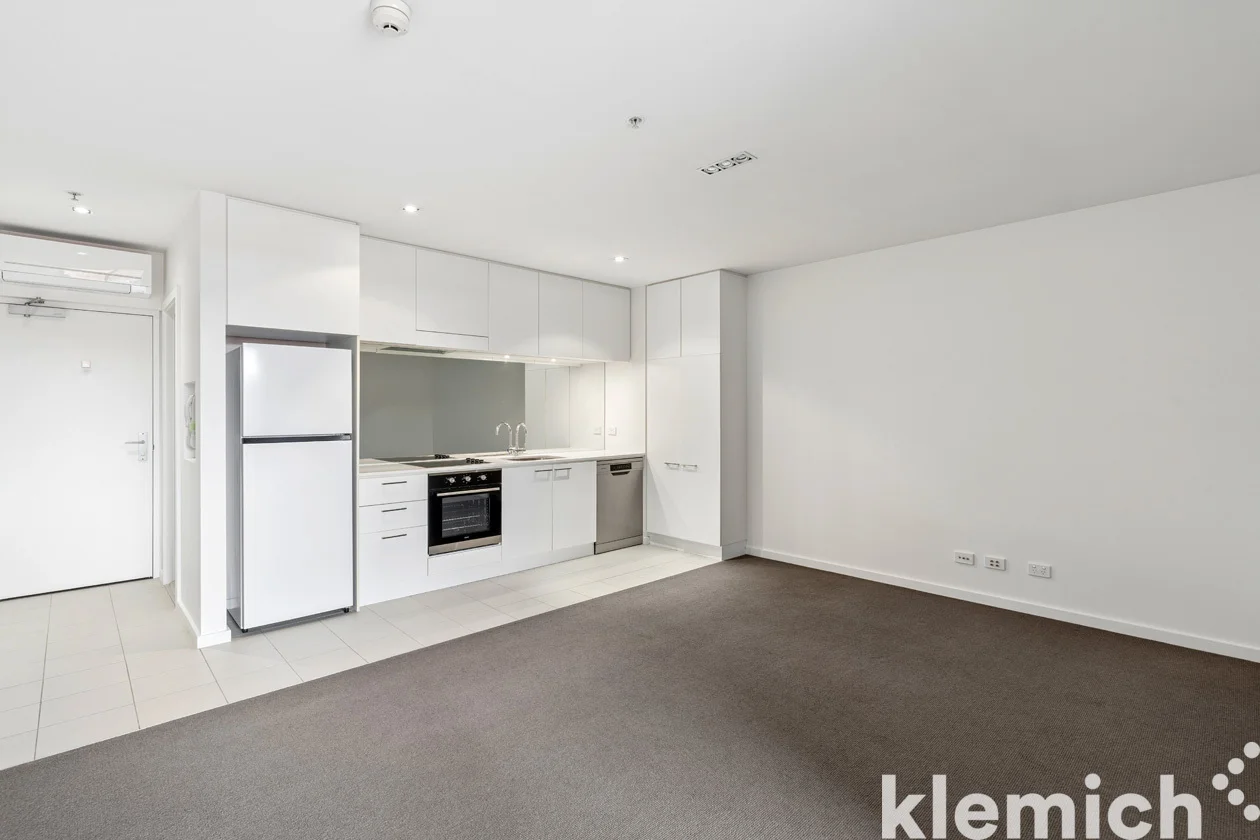 $440,000
Apartment / Unit / Flat
$440,000
Apartment / Unit / Flat
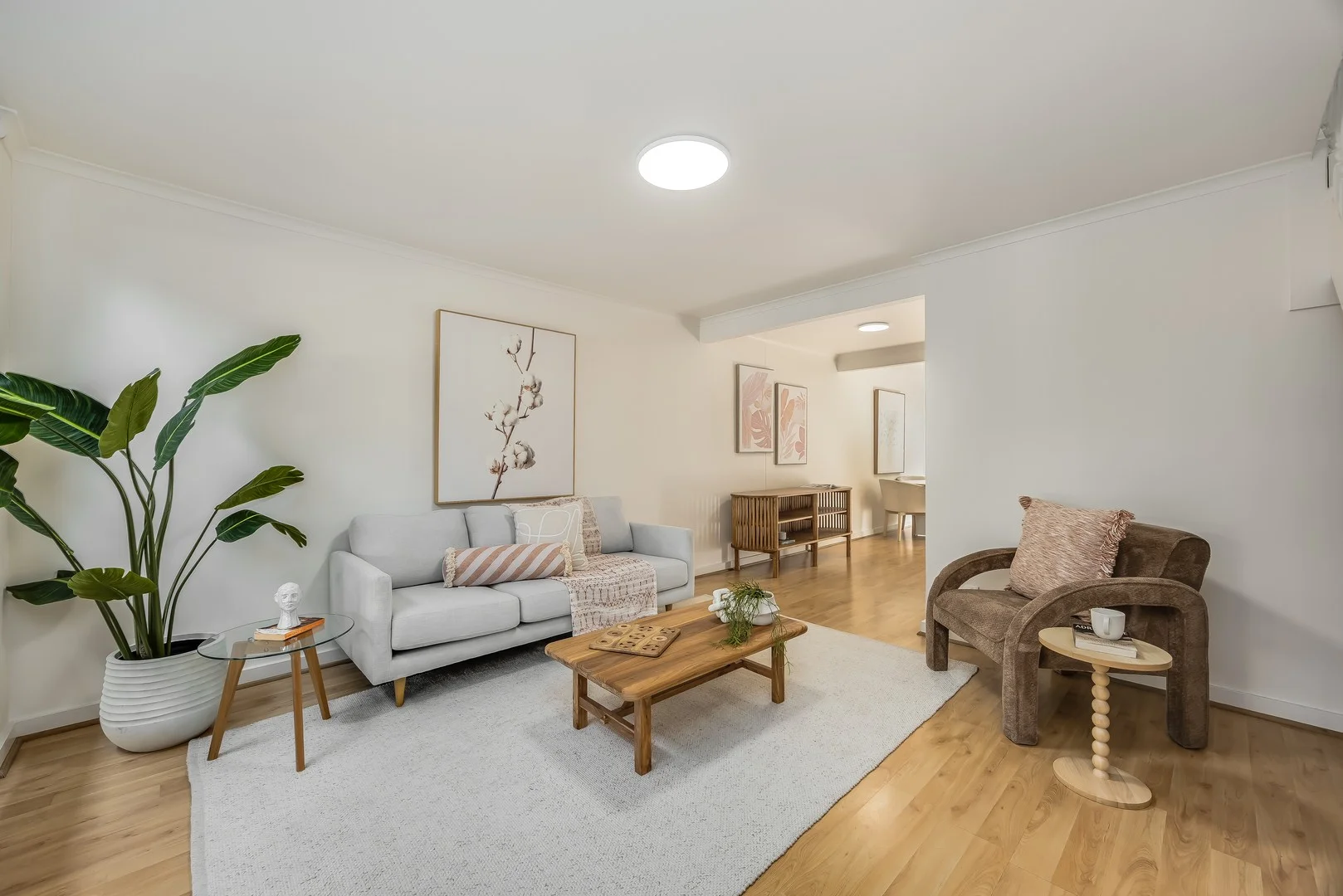 $775,000
House
$775,000
House
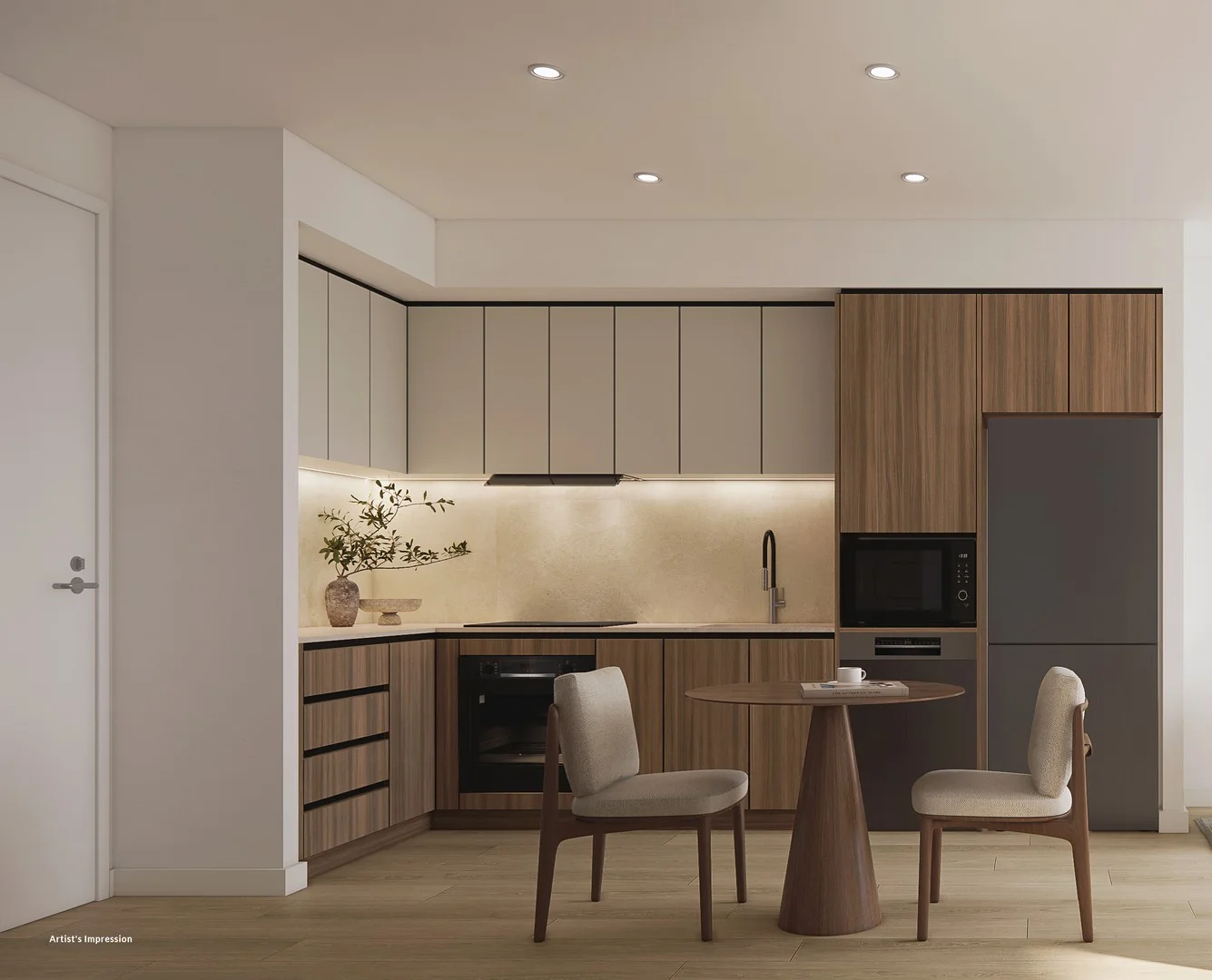 $557,000
Apartment / Unit / Flat
$557,000
Apartment / Unit / Flat
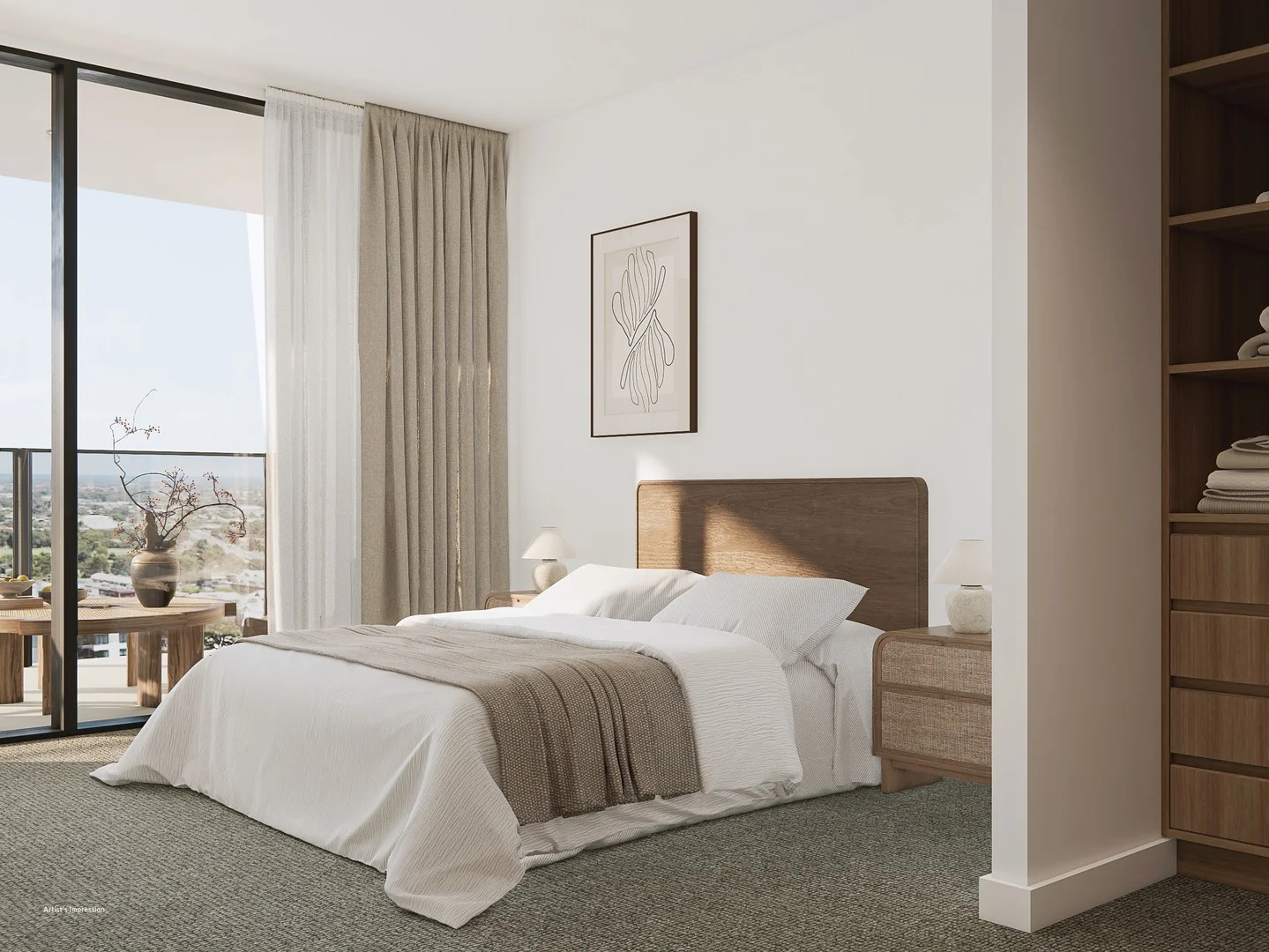 $935,000
Apartment / Unit / Flat
$935,000
Apartment / Unit / Flat
 $1,056,000
Apartment / Unit / Flat
$1,056,000
Apartment / Unit / Flat
 $588,000
Apartment / Unit / Flat
$588,000
Apartment / Unit / Flat
 $545,000
Apartment / Unit / Flat
$545,000
Apartment / Unit / Flat